Aug 11, 202611 min read
19 Things to Know Before Visiting DubaiAug 11, 2026
11 MIN READ

Writer
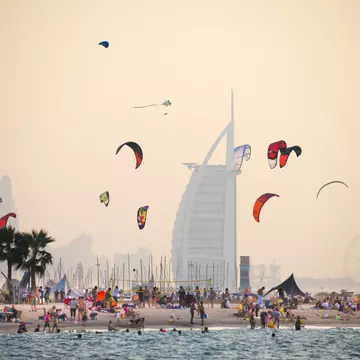
Kite surfers in Jumeirah. Plamen Galabov/Shutterstock

Writer
Lonely Planet may earn a commission from affiliate links on our site. All recommendations and reviews reflect our own independent opinions.
Born and raised in Dubai, I’ve witnessed it transform from a city of low-rises and a handful of shopping malls into the global metropolis it is today. And after traveling the world as a writer, I can safely say that Dubai is second to none. There’s one thing you can always count on: Dubai’s ability to constantly reinvent itself and ask that all-important question: “Why not?”
While Dubai’s love for all things larger-than-life might precede its reputation, this isn’t what makes the city an incredibly interesting place to visit. Sure, the stunning skyline makes for spectacular photos, but what makes a Dubai trip truly worthwhile is the way it can surprise you. Whether it’s the city’s robust culinary landscape, love for specialty coffee, fascinating contemporary art scene, souqs that transport you back in time, or powdery white-sand beaches.
In this true cultural melting pot, the rules, both spoken and unspoken, aren’t always obvious. Dubai’s unique character lies in its coexistence of laws and customs that honor deeply rooted traditions alongside a hyper-modern, cosmopolitan culture shaped by the more than 200 nationalities that call the city home.
Understanding that balance is key to avoiding cultural (and other) faux pas, here are a few tips to help you navigate Dubai with confidence.
The best time to visit Dubai is November to April, when the city enjoys blue skies and mild temperatures. The weather is perfect for lazy afternoons on the beach, hiking in the mountain town of Hatta, cycling past quaint villas in Jumeirah and food trucks on Kite Beach, and enjoying outdoor concerts, pop-up markets and art and cultural events.
The peak summer months from June through August see extremely high temperatures that make it nearly impossible to enjoy outdoor activities or even casual evening strolls on the hottest days (except in an air-conditioned shopping mall).
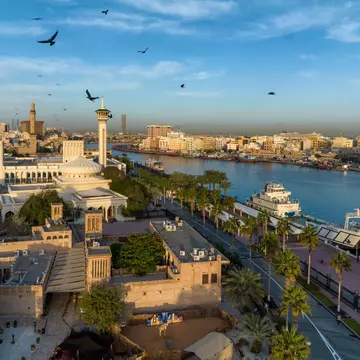
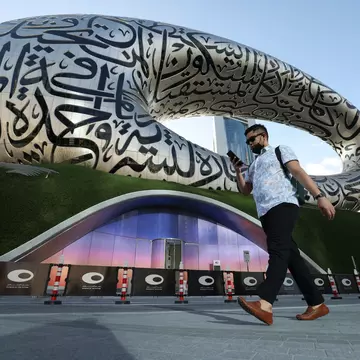
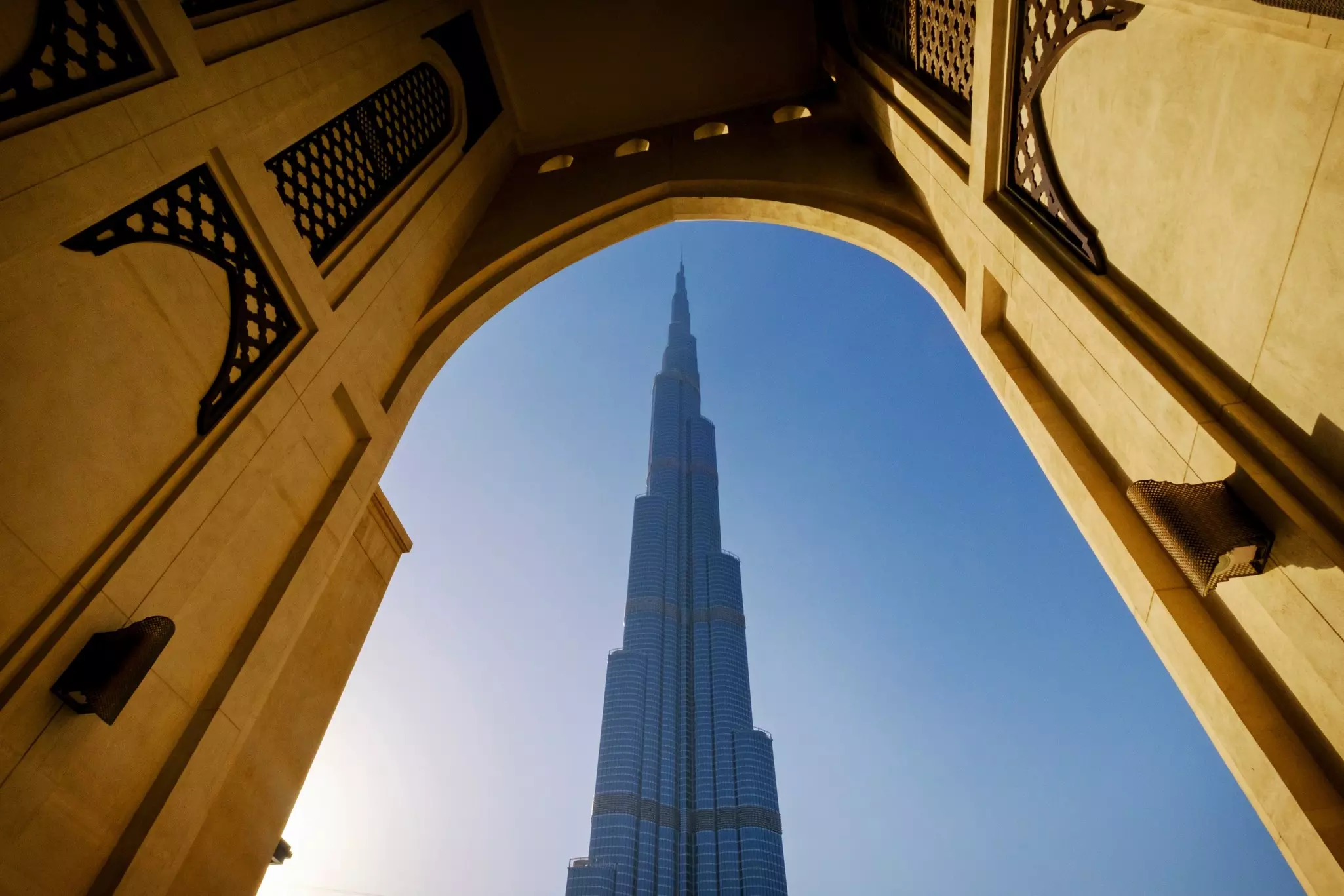
A week in Dubai is ideal for first-time visitors who want to explore the city beyond the obvious at an unhurried pace. It gives you enough time to visit popular attractions such as the Burj Khalifa, the Museum of the Future and the desert, while also enjoying experiences that are less touristy. These include spending a morning at Kite Beach, a cafe, and art gallery hopping in Alserkal Avenue, following a food trail through the souqs of old Dubai or catching a stand-up comedy show at the Dubai Opera. While the former leaves you in awe of the city, the latter offers a glimpse into everyday life in Dubai and its rich cultural diversity.
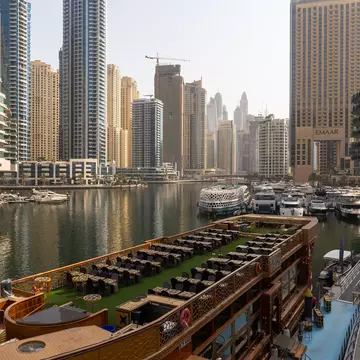
The best areas to stay in Dubai for first-time visitors include Downtown Dubai, Dubai Marina and Palm Jumeirah. Not only are these areas lively, walkable and close to attractions, but they’re also well connected to public transportation, including the Dubai Metro, buses and trams, making it easy to get around the rest of the city.
Each of these neighborhoods is also home to many restaurants and cafes to grab a bite if you don’t want to eat at your hotel. If you’re after a beachfront stay, then Dubai Marina, Palm Jumeirah and Jumeirah Beach Residence (JBR) are all good choices.
In Dubai, if you want to blend in, dress well (as you would in any modern, fashionable city around the world such as Milan, Paris, London or New York). That means looking well-groomed and showing off your personal style, whether that’s vintage chic, streetwear, athleisure or designer labels.
Pack trousers and dresses for dinner at nice restaurants, bring footwear that’s more formal than trainers (for both men and women), and don’t forget swimwear for the beach and comfortable clothing for outdoor activities if you plan on doing them.
While it’s worth packing some light, breezy clothing for the souqs and the desert if you’re visiting during the warmer months, keep in mind that all of Dubai’s indoor attractions, including shopping malls, hotels, theme parks and public transport, are air-conditioned.
Bring a hat or cap if you plan to stroll through the souqs of Deira, the waterfront promenade in Dubai Marina, and Kite Beach. Women will find a scarf useful – both as a stylish accessory and to drape over exposed shoulders – for visiting souqs, museums, or attending cultural events in Old Dubai.

Lonely planet’s trusted travel insurance provider
Travel with confidence. Protect your trip and your wallet.
We don’t represent World Nomads, we receive a fee from quotes using this link. This is not a recommendation to buy travel insurance.
English is widely spoken throughout Dubai by most locals and residents. Around the city, signs and directions are always in both English and Arabic. As one of the most cosmopolitan cities in the world, Dubai is home to more than 200 nationalities, so expect to hear a wide variety of accents.
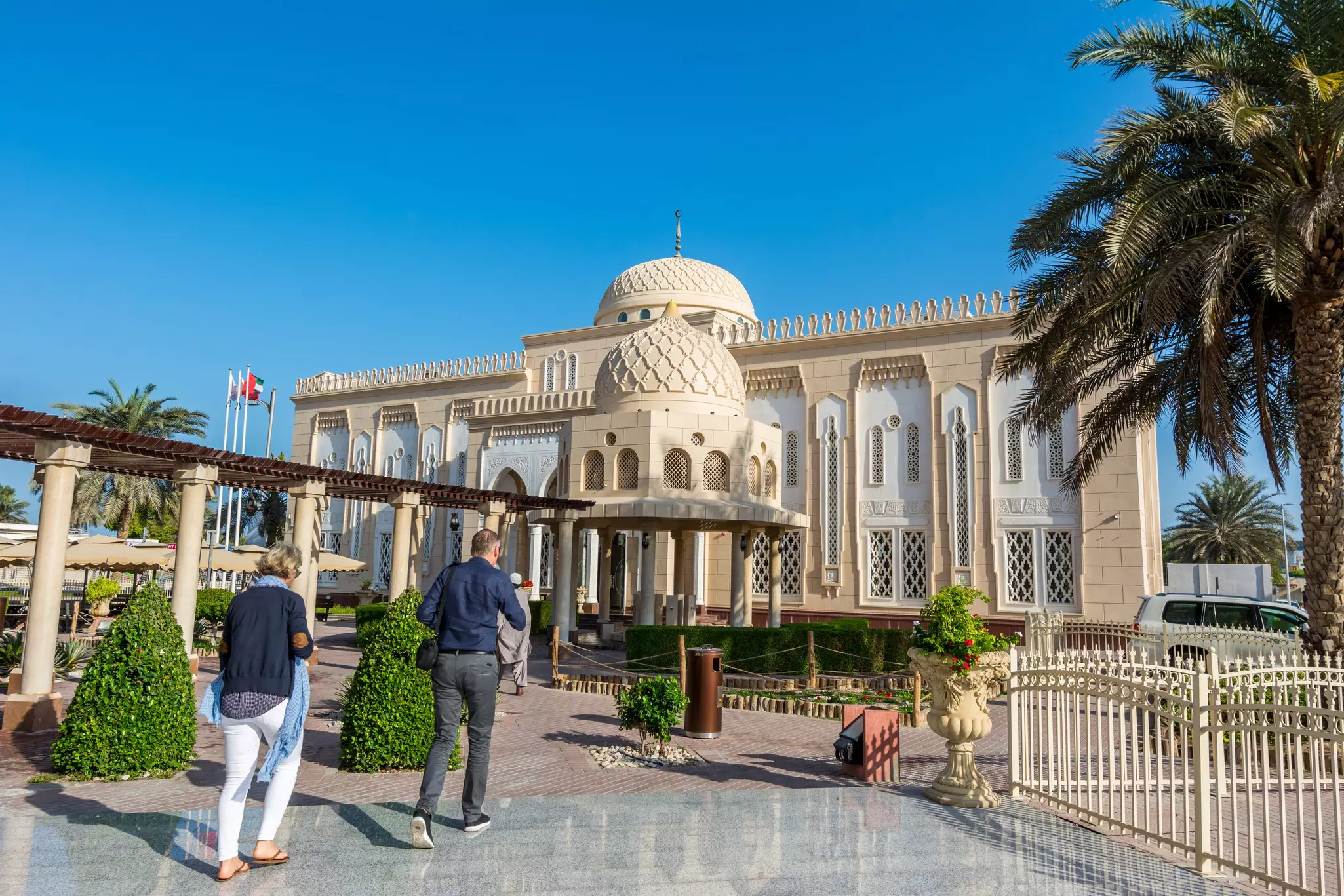
These days, you’ll see tourists in Dubai dressed with varying degrees of modesty, depending on their idea of what’s acceptable. Dubai accommodates many different cultures and styles of dress, but expectations can vary considerably depending on where you are.
In many settings, no one will bat an eyelid about your clothing choices, but that doesn’t mean anything goes – it’s respectful to the local culture to familiarize yourself with the unspoken rules of dress. At hotels, restaurants, bars and nightclubs, dress as you would in any other fashion-forward city.
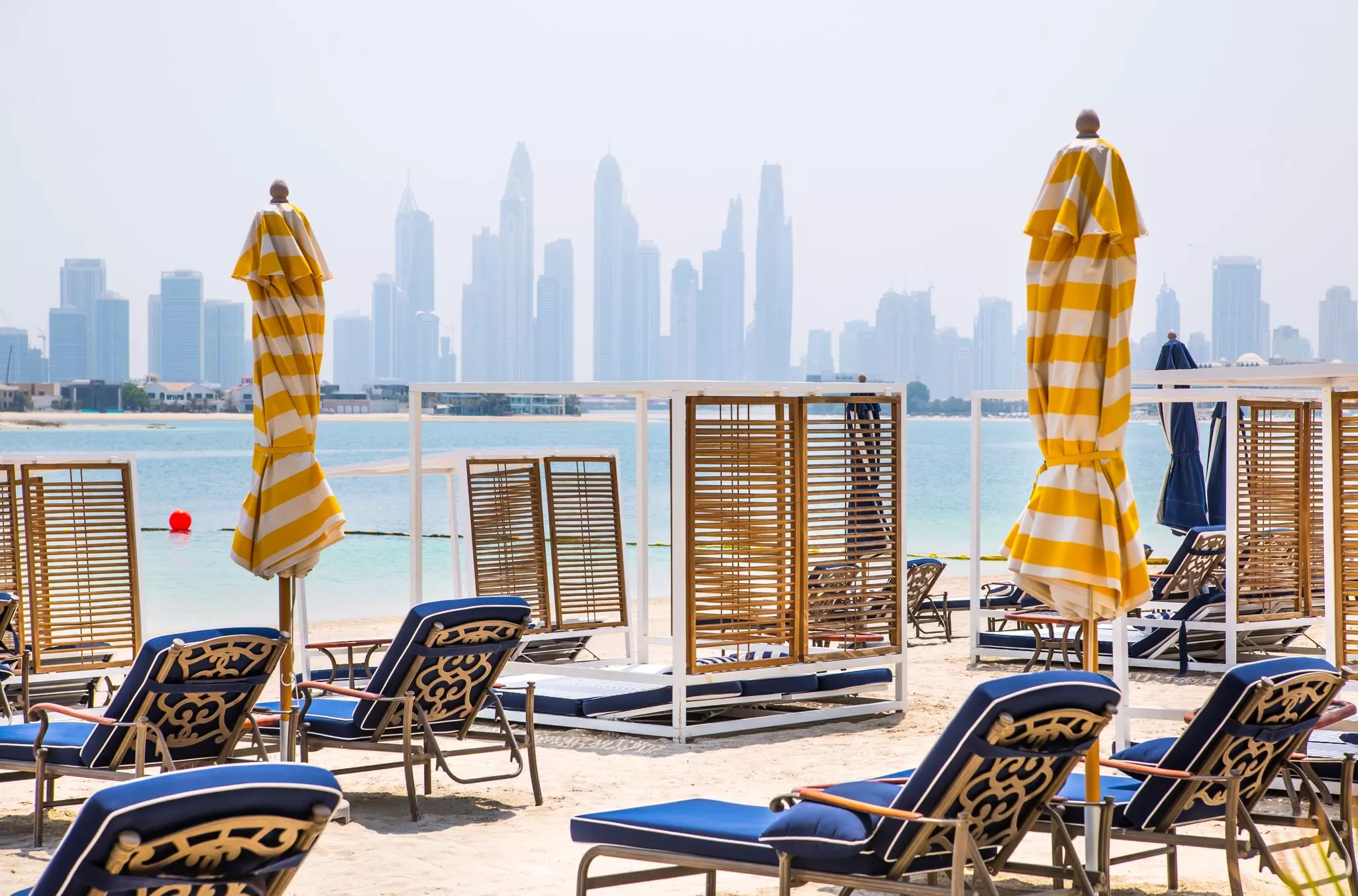
Beachwear (including bikinis) is acceptable on public and hotel beaches, and at beach clubs, but not elsewhere.
When visiting mosques, other religious sites or government offices, dress modestly in clothing that covers your arms and legs (for both men and women).
In the souqs of Old Dubai, women are advised to dress modestly with shoulders and knees covered. Dressing modestly during the holy month of Ramadan is also appreciated. Don’t wear clothing with offensive or provocative slogans or images.
The official dress code in shopping malls encourages visitors to wear respectful clothing that covers the shoulders and knees. In practice, however, you’ll commonly see people wearing tank tops, shorts and shorter dresses. If you’re unsure, it’s best to choose shorts and dresses that fall at or below the knee. Malls can be surprisingly chilly thanks to the air conditioning, so bring a light jacket or cardigan if you tend to get cold.
It’s fine to photograph the city’s many tourist attractions and striking architecture, but be mindful of where you point your lens. Avoid photographing people without their consent, as this can be illegal under the UAE’s privacy laws. Always ask permission before taking photos of people, and remember that Emirati culture is a very private one.
While alcohol is widely available to those over 21 at licensed bars, restaurants, beach clubs and nightclubs in Dubai, it’s illegal to consume it in public places such as parks, public beaches or the desert. You won’t find alcohol sold in supermarkets, but you can buy it from licensed liquor stores if you’re over 21; just remember to bring proof of age such as a passport. There are laws against public intoxication and any disrespectful behavior resulting from drunkenness. The UAE has a zero-tolerance policy for drink driving.
Overt public displays of affection are opposed to Islamic values and are frowned upon in Dubai. That doesn’t mean you can’t hold hands, but kissing, prolonged hugging and intimate displays are considered inappropriate in public and can lead to complaints or legal consequences. As with many aspects of local etiquette, it’s best to err on the side of discretion.
Emirati culture places a strong emphasis on decorum and mutual respect between men and women, which means physical contact isn’t always part of a greeting between people of the opposite sex. When meeting an Emirati, it’s best to wait for them to extend their hand first. If they don’t, or when in doubt, a hand placed over your heart accompanied by a warm smile is a respectful and appropriate greeting.
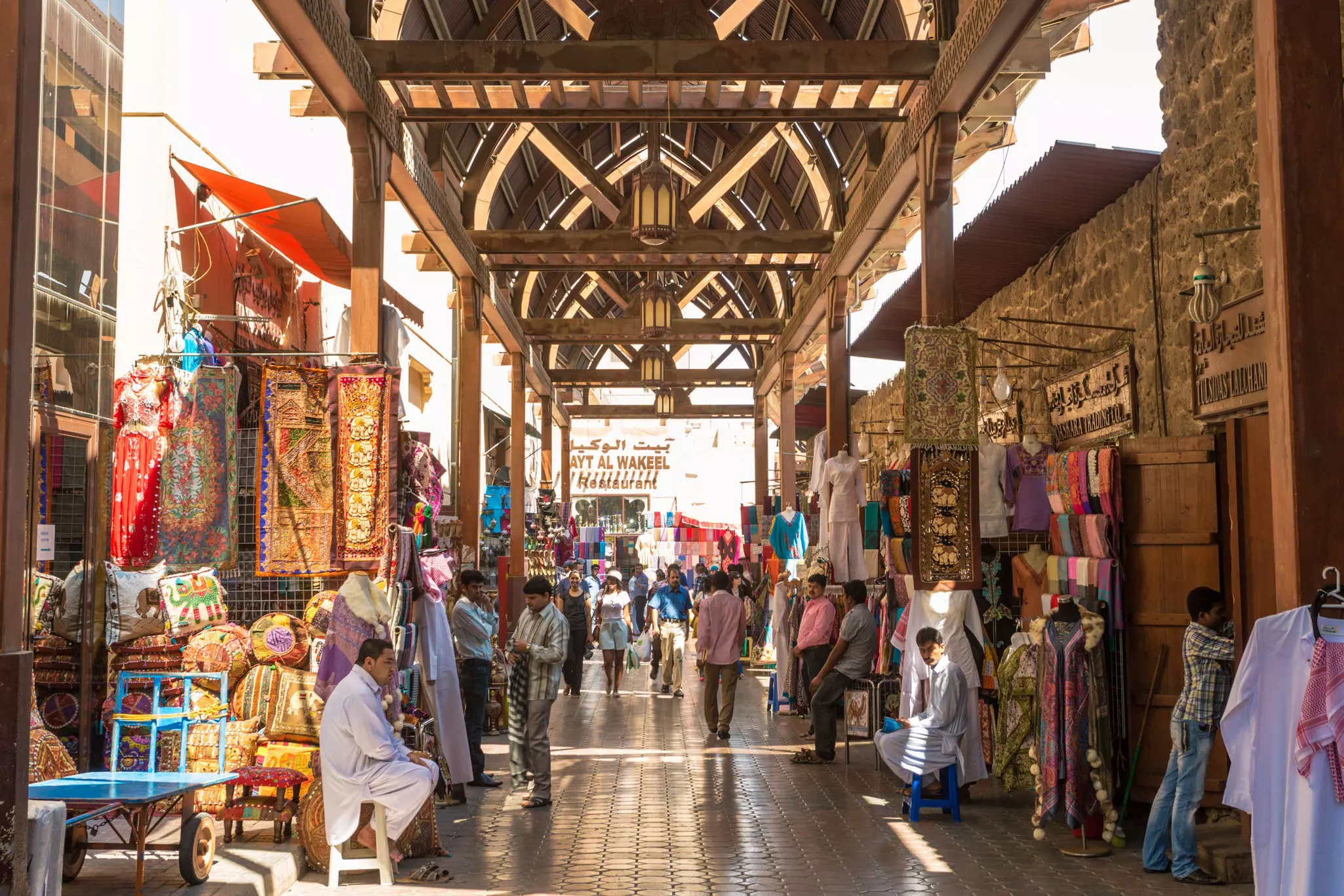
Greeting people the local way with the Arabic phrase As-salāmu ʿalaykum (Peace be upon you) is warmly received. The greeting is commonly used throughout Dubai, even by many non-Arab residents. You may find yourself greeted the same way; the customary reply is Wa ʿalaykum as-salām (And upon you be peace).
The souqs of Old Dubai and Deira are also a great place to practice a few Arabic words, such as shukran (thank you). And when a vendor tells you that you’re welcome to return to their shop anytime, you can respond with inshallah (God willing), a versatile and polite phrase that can mean anything from “Sure, hopefully someday” to “I don’t think so, but thank you anyway.” You can also use mashallah (What God has willed) to express your admiration, whether for a beautiful shop, the exquisite craftsmanship of a Persian rug, or, if you’re feeling particularly cheeky, someone’s impressively groomed beard.
Given how highly privacy is valued in Emirati culture and the deep respect many Emiratis and long-term residents have for the country’s leadership and ruling families, it’s best to avoid gossip or heated debates about politics, the system of government, or the royal families, particularly in public places. For many people, this respect stems from the UAE’s remarkable transformation over the past few decades and the prosperity and stability that many associate with the country’s leadership.
As with anywhere in the world, perspectives on politics and governance are deeply personal and shaped by local history and lived experience, so it’s wise not to come into such conversations with assumptions. That doesn’t mean you can’t ask someone about their views, but it’s important to do so tactfully and with nuance.
Hotel restaurants usually add a 10% service charge to the bill, as do some standalone restaurants and cafes (although most do not). While tipping is not mandatory, leaving 5–10% is appreciated if you enjoyed the service. Tips for valets and porters are optional and entirely at your discretion, ranging from Dhs 20 to Dhs 100 or more.
Dubai is the kind of city where it pays to keep your cool. Steer clear of swearing, offensive gestures, and verbal obscenities or profanities of any kind to avoid running into legal trouble.
The law prohibits sharing photos or videos of identifiable people on social media without their explicit consent. In the same vein, don’t post videos of cars driving on the road or unique number plates, however tempting.
Photographing or filming accidents, emergency scenes, police vehicles or personnel, government buildings, military sites, or other restricted areas can also land you in legal trouble.
The UAE bans recreational drugs of any kind and has strict laws around bringing medicines into the country. Always bring prescriptions for any medicines you pack, and it’s best to only bring the quantity you need for your trip. Be sure to check if the specific medicine you’re carrying is on the country’s controlled medicines list in which case you’ll need to apply for permission to bring it in from the Ministry of Health and Prevention well in advance of your trip.
While Dubai is one of the safest cities in the world, with very little street crime or pickpocketing, the occasional scam does exist. You may be approached by an impeccably dressed man claiming he urgently needs cash and offering to sell you “Italian-made” suits or shoes, branded perfumes, or an expensive watch at what seems like an unbelievable bargain. Don’t fall for it. The story is almost always fabricated, and the goods are typically counterfeit or of little value.
Dubai's laws regarding homosexuality are strict. It's a criminal offense to be gay in the UAE. Wearing clothing traditionally associated with a different gender is illegal, and transgender travelers could run into trouble when filing official documentation. For more information on Dubai/UAE specific LGBTQI+ travel advice, see here.
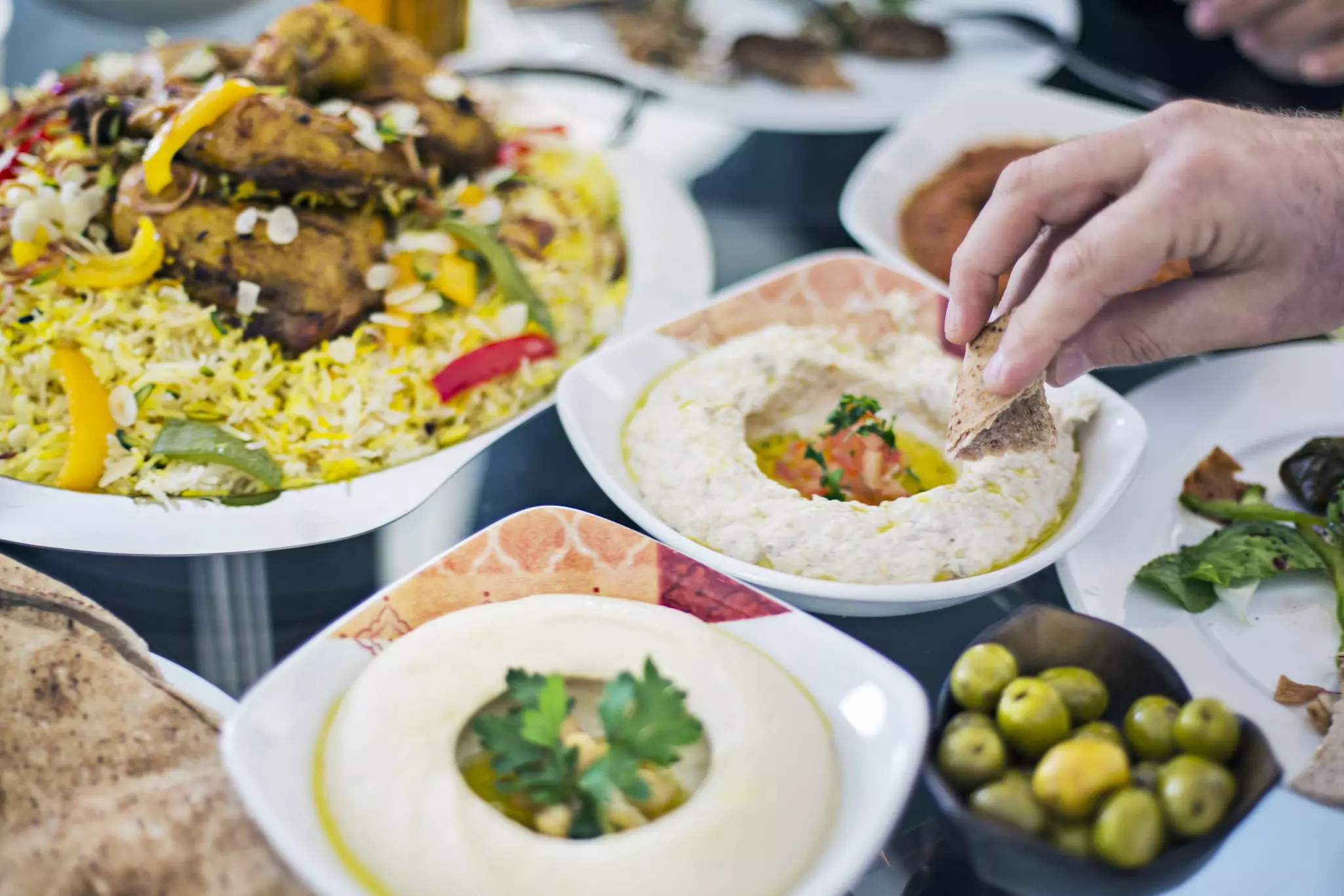
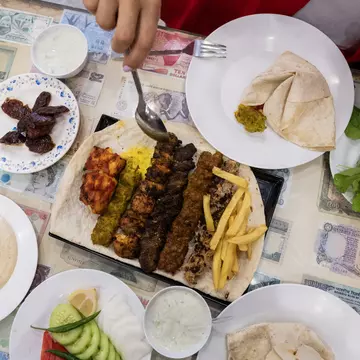
Dubai’s food scene is as creative as it is diverse, thanks to the city’s multicultural population. You’ll find everything from hole-in-the-wall cafeterias serving delicious shawarma and crispy falafels and Afghani restaurants to award-winning celebrity chef-led restaurants, alongside a new generation of homegrown concepts.
For affordable street food and favorites from the Indian subcontinent, head to the neighborhood of Karama. If cafe hopping is more your style, explore Jumeirah’s all-day breakfast spots and specialty cafes.
For regional cuisine with a modern twist, book a table at Sufret Maryam, Gerbou or Orfali Bros. Elsewhere, the city’s luxury hotels serve glamorous settings and beautifully plated cuisine, while homegrown cafes such as Nightjar Coffee Roasters and Piehaus in Alserkal Ave are worth seeking out.
To continue planning your trip to Dubai, check out our guide .
Explore related stories