
Advertisement
Thailand

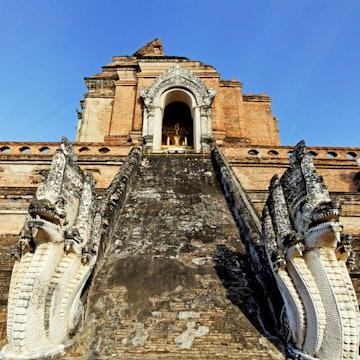
© Pat138241/Getty Images
Overview
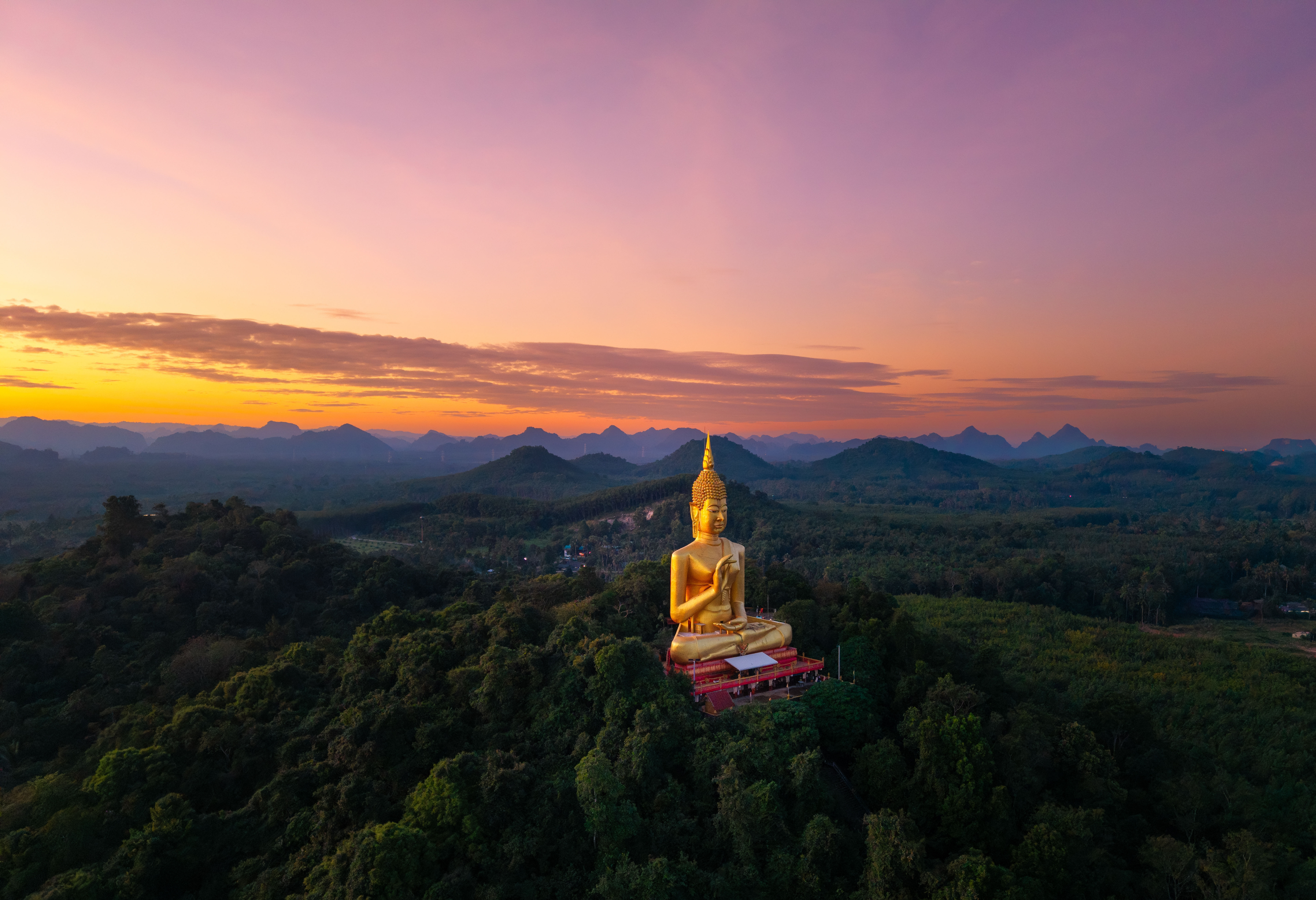
Gleaming temples and golden Buddhas frame the landscapes in Thailand, serving as a stunning backdrop for tours of Bangkok noodle shacks and adventures along the luxurious coastline.
Lonely planet’s trusted travel insurance provider
Dreaming of Thailand? Protect your trip
Travel with confidence. Protect your trip and your wallet.
We don’t represent World Nomads, we receive a fee from quotes using this link. This is not a recommendation to buy travel insurance.
Take your Thailand trip with Lonely Planet Journeys
Pick one of our ready-to-book trips or fully customize your own with help from our local experts.
bookable trip
Adventures in Paradise: Southern Thailand's Island Oases
10 days / 9 nights
highlights
- 1Exploring Khao Sok National Park on a night safari to spot nocturnal and hidden jungle life
- 2Island hopping in Krabi with a chef-made seafood picnic
- 3Exploring Phuket’s crafts and farms on a tour of pineapple, rubber, and coconut groves
from $2,800
per person


Explore more trips
Explore more trips
 Thailand
12 days / 11 nights
Treasures of Thailand: Bangkok, Chiang Mai, and Phuket
See Trip DetailsFROM $2,815
per person
Thailand
12 days / 11 nights
Treasures of Thailand: Bangkok, Chiang Mai, and Phuket
FROM $2,815
per person
Must-see attractions




Advertisement
Planning Tools
Expert guidance to help you plan your trip
Best Things to Do
You can visit majestic temples, shop at fabulous markets and splash around beautiful waterfalls. Here's how to make the most of your trip.
Read full article
Best Places to Visit
Thailand draws all types of travelers. Here’s a roundup of a few of our favorite beaches, nature reserves, historic sites and vibrant cities.
Read full article
Best Time to Visit
Whether you are after sunshine, sea, seasonal ingredients or Songkran, these are the best times to visit Thailand.
Read full article
Things to Know
Have the perfect trip to Thailand with our top tips on planning, etiquette, health and safety.
Read full article
Transportation
Find your way around in Thailand, one of Southeast Asia's most-visited nations, with our guide to transportation.
Read full article
Visa Requirements
Thailand is one of the easiest places to visit in Asia - here’s everything you need to know about visas.
Read full article
Money and Costs
Loved for its beaches, temples and fabulous food, Thailand can be an adventure that's easy on your wallet if you follow these tips.
Read full article
Best Road Trips
Once you leave traffic-choked Bangkok, road trips are a brilliant way to discover the delights of Thailand. These are seven of the best ones.
Read full article
Get Connected
Stay connected while you enjoy the best of Thailand with this guide to cell networks, wi-fi and eSIMs.
Read full article
Advertisement
Get a book. Get inspired. Get exploring.


in partnership with getyourguide
Book popular activities in Thailand
Thailand and beyond




Advertisement