go to content go to search box go to global site navigation

Tanzania

Things to do in Tanzania

‹ Prev

of 15

  1. A

    Masumin Tours & Safaris

    Masumin Tours & Safaris

    reviewed

  2. Big Bite

    Delicious Indian food, including numerous vegetarian dishes, in a no-frills setting.

    reviewed

  3. Maasai Wanderings

    A small company offering northern Tanzania safaris and treks, including safaris for families and seniors, plus Zanzibar packages; profits are channelled into various community projects.

    reviewed

  4. Duma Explorer

    Northern Tanzania safaris, Kilimanjaro and Meru treks, northern Tanzania cultural tours and safari-coast combinations.

    reviewed

  5. Hiking

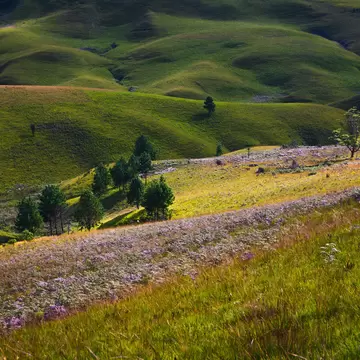
    The western Usambaras around Lushoto offer some wonderful walking. Routes follow well-worn footpaths that weave among villages, cornfields and banana plantations, and range from a few hours to several days.

    It's easy to hike on your own, though you'll need to master a few basic Swahili phrases and should also try to get a topographical map of the area from the Surveys & Mapping Division sales office in Dar es Salaam or carefully study the ones posted on the walls of the two tourist information centres.

    Carrying a compass or GPS is a good idea. You should also either carry a tent or plan your route to go via the handful of villages where local guesthouses are available.

    reviewed

  6. Isimila

    In Isimila in the late 1950s, archaeologists unearthed one of the most significant Stone Age finds ever identified. The tools found at the site are estimated to be between 60,000 and 100,000 years old. Although the display itself is not particularly exciting, the surrounding area is intriguing, with small canyons and eroded sandstone pillars. The main pillar area is accessed via a walk down into a steep valley (about one hour round-trip), for which you’ll need a guide (small tip expected). Visits are best in the morning or late afternoon, before the sun gets too high. A small museum in which all the Stone Age finds are to be gathered is being built (entry is included in…

    reviewed

  7. Selous Game Reserve

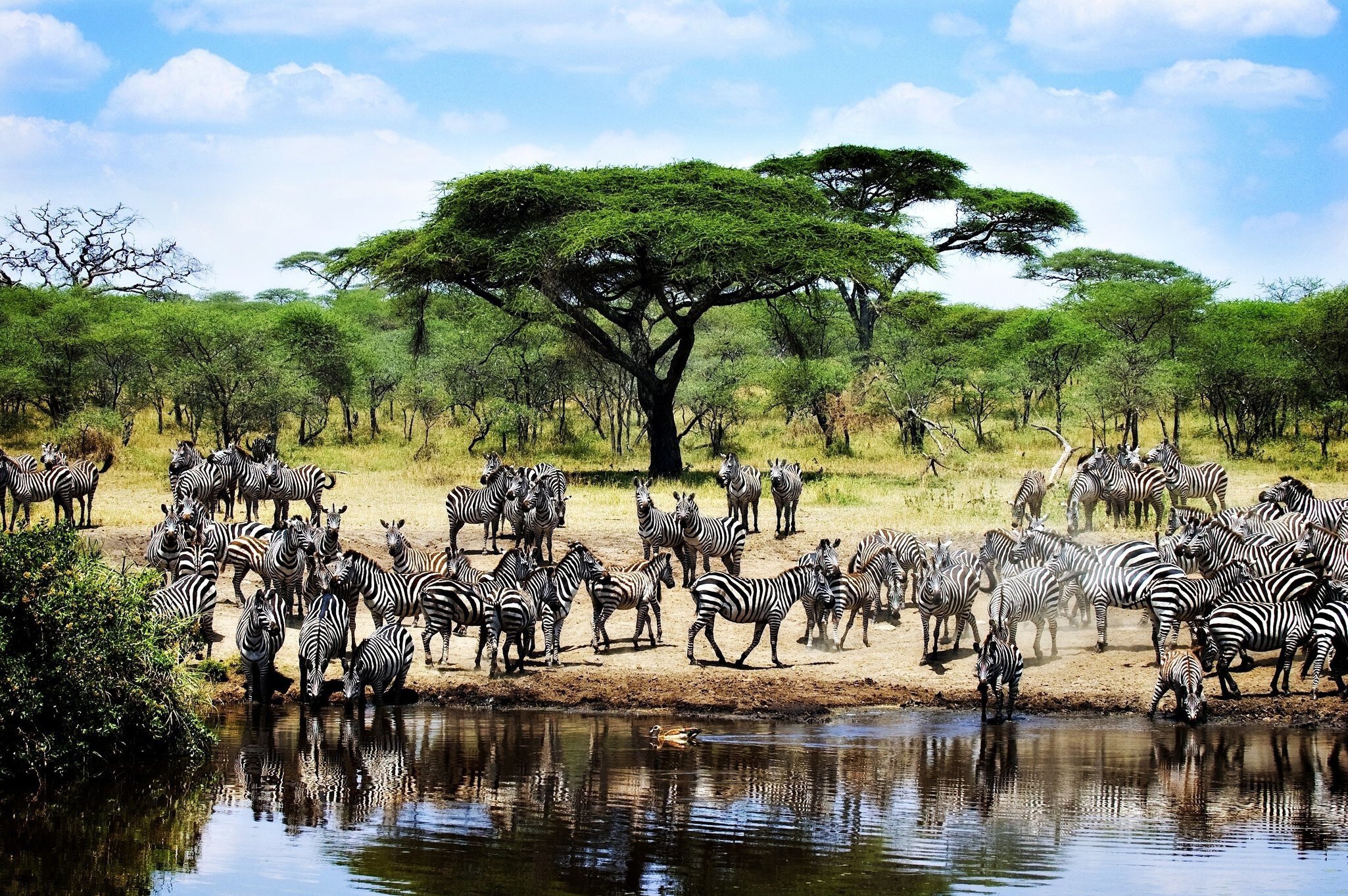
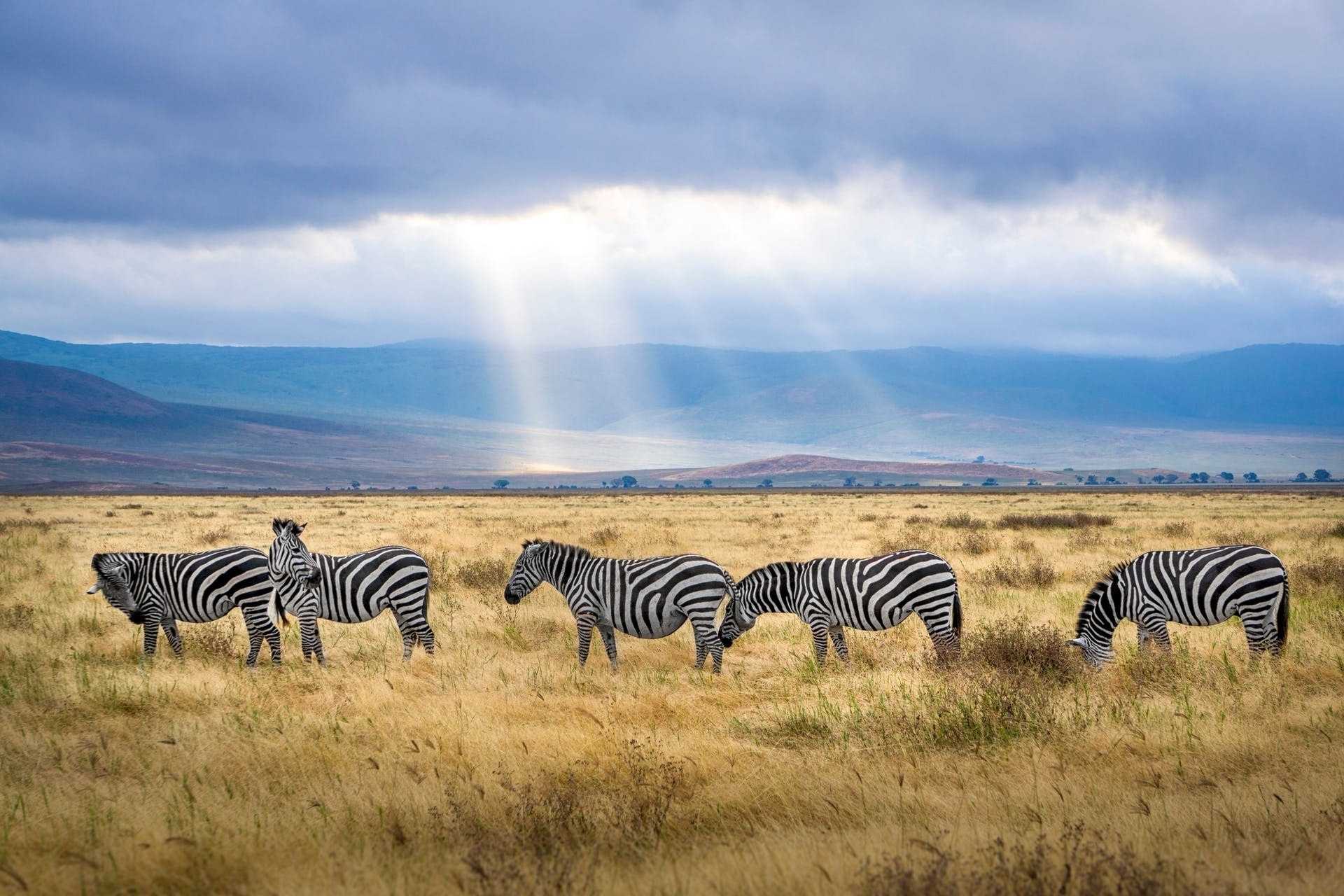
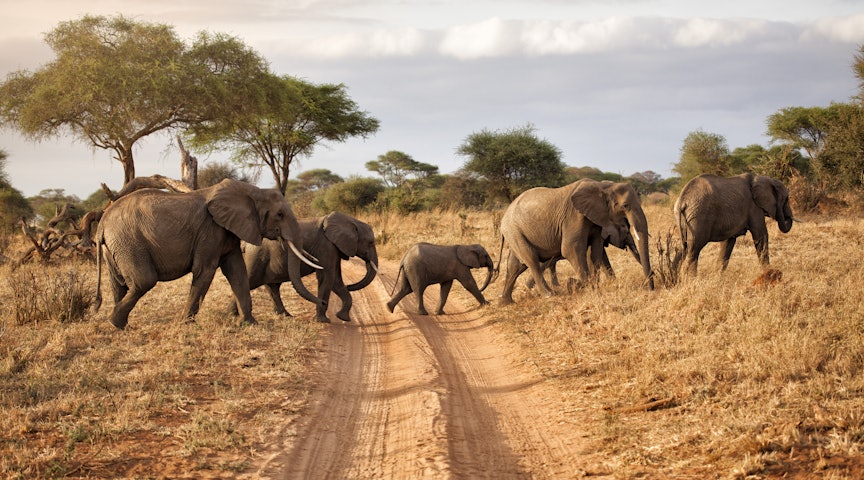
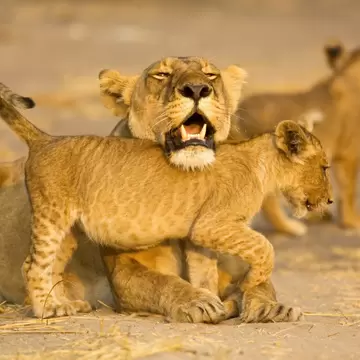
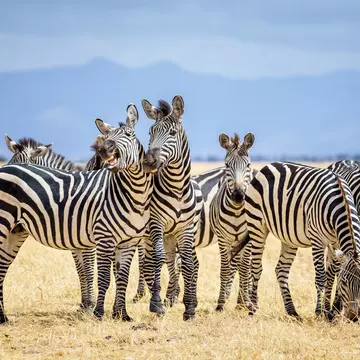
    This reserve is one of the earth's last great wild places: 55,000 sq km (21,235 sq mi) of untamed bush, crocodile-filled lakes and emerald green floodplains. The only accessible bit is the northern section above the great muddy sweep of the Rufiji River, where you'll see hippos, elephants, zebras, a maneless variety of lion and the rare African wild dog.

    reviewed

  8. B

    Via via

    Set in quiet gardens behind the Natural History Museum, this laid-back place is a popular meeting spot, with salads, sandwiches, fresh bread, cakes, yogurt and light meals (a mixture of local and European fare), plus a bar and live music on Thursdays from 9pm.

    reviewed

  9. C

    City Garden

    A lunch buffet (Tsh8500; Monday to Friday) and à la carte dining, featuring standards such as grilled fish/chicken and rice. There’s a shady outdoor seating area, and it’s one of the few places in the city centre open on Sunday.

    reviewed

  10. D

    Mcmoody’s

    McMoody’s serves mostly burgers.

    reviewed

  11. Advertisement

  12. E

    Greek Club

    A popular expat hang-out, especially on weekend evenings; it has free movies on Sunday afternoon, good pizza and a lively sports bar.

    reviewed

  13. Arusha National Park

    Arusha National Park , although one of Tanzania's smallest parks, is one of its most beautiful and most topographically varied. Its main features include Ngurdoto Crater (often dubbed Little Ngorongoro) and the Momela Lakes to the east. To the west is beautiful Mt Meru. The two areas are joined by a narrow strip, with Momela Gate at its centre. The park's altitude, which varies from 1500m to more than 4500m, has a variety of vegetation zones supporting numerous animal species.

    Ngurdoto Crater is surrounded by forest, while the crater floor is a swamp. West of the crater is Serengeti Ndogo (Little Serengeti), an extensive area of open grassland and the only place in the…

    reviewed

  14. F

    Mr Mitu's Office

    Organise spice tours through your hotel, a travel agent, the Tourist Information Office or through the long-standing Mr Mitu's office, although the tours are no longer led by Mr Mitu, and don't differ significantly from those organised elsewhere, other than perhaps being more crowded. The office is signposted near Ciné Afrique. Costs for all tours include a lunch of local food seasoned with some of the spices you've just seen.

    They depart about 09:30 and return by about 14:30 (later, if a stop at Mangapwani beach is included). It's best to book a day in advance (you will be collected from your hotel), though it's usually no trouble to just show up in the morning. If you…

    reviewed

  15. Stone Town

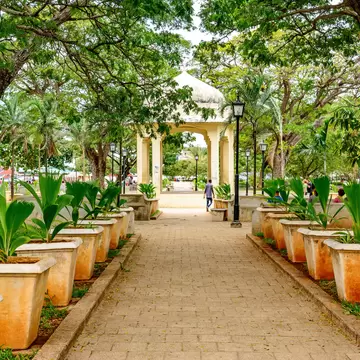
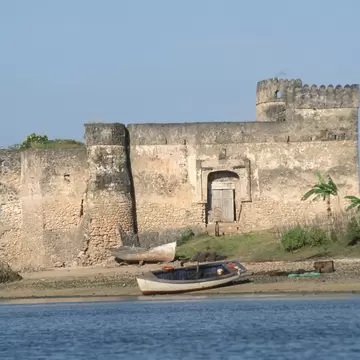
    If Zanzibar Town is the archipelago's heart, Stone Town is its soul. It's magical jumble of cobbled alleyways make it easy to spend days wandering around and getting lost - although you can't get lost for long because, sooner or later, you'll end up on either the seafront or Creek Rd.

    Nevertheless, each twist and turn of the narrow streets brings something new - be it a school full of children chanting verses from the Quran, a beautiful old mansion with overhanging verandas, or a coffee vendor with his long-spouted pot fastened over coals.

    Along the way, watch the island's rich cultural melange come to life: Arabic-style houses with their recessed inner courtyards rub…

    reviewed

  16. Beit el-Ajaib (House of Wonders)

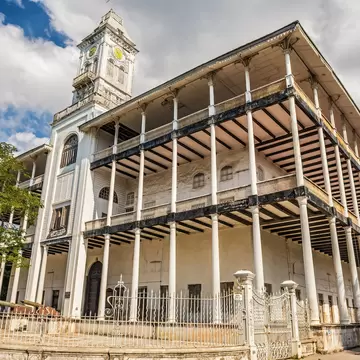
    Beit el-Ajaib - home to the Zanzibar National Museum of History & Culture is one of the largest structures in Zanzibar. It was built in 1883 by Sultan Barghash (r 1870-88) as a ceremonial palace. After British naval bombardment in 1896 it was rebuilt and used as a residential palace for the Sultans and later the headquarters of the CCM (Tanzania's ruling party).

    Inside are exhibits on the dhow culture of the Indian Ocean, Swahili civilisation and 19th-century Zanzibar, plus smaller displays on kangas (printed cotton wraparound, incorporating a Swahili proverb, worn by women) and the history of Stone Town. There's also a life-sized mtepe (a traditional Swahili sailing…

    reviewed

  17. Jakobsen’s (Mwamahunga) Beach

    The best place for relaxing is Jakobsen’s (Mwamahunga) Beach, which is actually two small, beautiful coves reached via steps down a vegetated section of hillside about 5km southwest of Kigoma. There are a few bandas for shade, the water is bilharzia-free and the overall setting – especially if you visit during the week when few people are around – is idyllic. There’s no food or drink. Head west from town along the road past Kigoma Hilltop Hotel, keeping right at the small fork until the signpost, from where it’s about 3km further uphill and signposted. Via public transport, catch a Katonga dalla-dalla at the roundabout near the train station and ask the driver…

    reviewed

  18. Lushoto-Mtae Walk

    There's a lovely three- to four-day hike from Lushoto to Mtae through stands of pine and past cornfields, villages and patches of wild asters, a five-day walk to Amani Nature Reserve, plus many other possibilities. The tourist information centres have wall maps detailing some of the routes, and several hikes are described in detail in Lonely Planet's Trekking in East Africa.

    Nearby villages where accommodation is available include Bumbuli (with rooms at the old Lutheran mission hospital guesthouse for around TSh100), Lukozi (local guesthouse rooms for about around TSh2000), Rangwi (basic rooms in a lovely setting at the local convent), Mtae (local guesthouses) and Mlalo…

    reviewed

  19. Irente Viewpoint Walk & Irente Farm

    An easy walk is the Irente Viewpoint Walk (about 1½ hours return), which begins on the road running southwest from the Anglican church and leads gradually uphill to the viewpoint, with wide views on clear days. It's impressive to see how abruptly the Usambaras rise up from the plains below.

    En route is Irente Farm (;08:00-17:00 Mon-Fri, 10:00-17:00 Sat & Sun), where you can buy fresh cheese (they're in stiff but good-natured competition with the nearby Montessori Centre - buy some cheese at both and judge for yourself), home-made rye bread and granola, and also get accommodation.

    reviewed

  20. Safari Blue Menai Bay Dhow Tours

    For something different, contact Safari Blue Menai Bay Dhow Tours, which organises day excursions on well-equipped dhows around Menai Bay. The excursions, which leave from Fumba, include a seafood and fruit lunch, plus snorkelling equipment, and time to relax on a sandbank. The dhows can also be privately chartered, for honeymoons or groups. Before booking, it's worth checking weather conditions, as some months - notably April/May and July/August - can get quite windy or rainy.

    reviewed

  21. G

    Darajani Market

    The dark, narrow passageways of the chaotic Darajani market assault the senses, with occasional whiffs of spices mixing with the stench of fish, the clamour of vendors hawking their wares, neat, brightly coloured piles of fruits and vegetables, and dozens of small shops selling everything from plastic tubs to auto spares. It's just off Creek Rd, and at its best in the morning before the heat and the crowds, when everything is still fresh.

    reviewed

  22. Advertisement

  23. H

    Chef’s Pride

    This long-standing and popular local eatery is within easy walking distance of the Kisutu budget hotels, and a Dar es Salaam classic, offering a slice of local life. The large menu features standard fare, plus pizza, Indian and vegetarian dishes, and even some Chinese cuisine.

    reviewed

  24. Jozani Forest

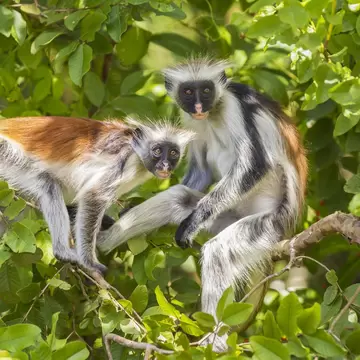
    A tiny patch of pristine rainforest right in the centre of Zanzibar island, Jozani Forest is home to the extremely rare Red Colobus monkey, the Ader's duiker antelope, and numerous bird species. There's a mangrove boardwalk through the trees and a small education centre.

    reviewed

  25. I

    Coffee Shop

    A laid-back vibe, garden seating, good coffee, and an assortment of homemade breads, cakes, yogurt, breakfast and light meals. Proceeds go to a church project. It also sells the Moshi Guide, with useful info for longer-term stays.

    reviewed

  26. J

    Indotaliano Restaurant

    The Indo portion of the menu – a range of standards, including some veg dishes – at this small, dark pavement restaurant is better than the Italian part (mediocre pizzas). It’s just ­opposite Buffalo Hotel.

    reviewed

  27. K

    Khan’s Barbecue

    This Arusha institution – ‘Chicken on the Bonnet’ – is an auto-spares store by day and a popular and very earthy barbecue by night, with a heaping spread of grilled, skewered meat and salads.

    reviewed