May 11, 20269 min read
What to eat and drink in TaiwanJul 9, 2025
13 MIN READ

Writer
Writer
Taiwan is a country with more facets than the 11-headed Guanyin you’ll see inside its temples.
On a single trip here, you could be cycling between skyscrapers, sampling coffee at lush plantations, sunbathing on beaches, communing with nature in forests, sipping locally distilled whisky, or reeling from rocket fireworks and the fiery flavors of a night market. With so many things to do, and so many places to see, no two trips to Taiwan are alike – and the one you put together will be entirely your own.
So whether you’re a first-time visitor or returning for the dozenth time, consider our roundup of the 15 best things to do in Taiwan.
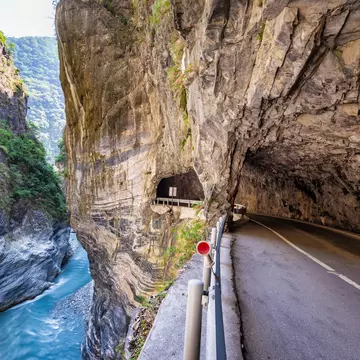
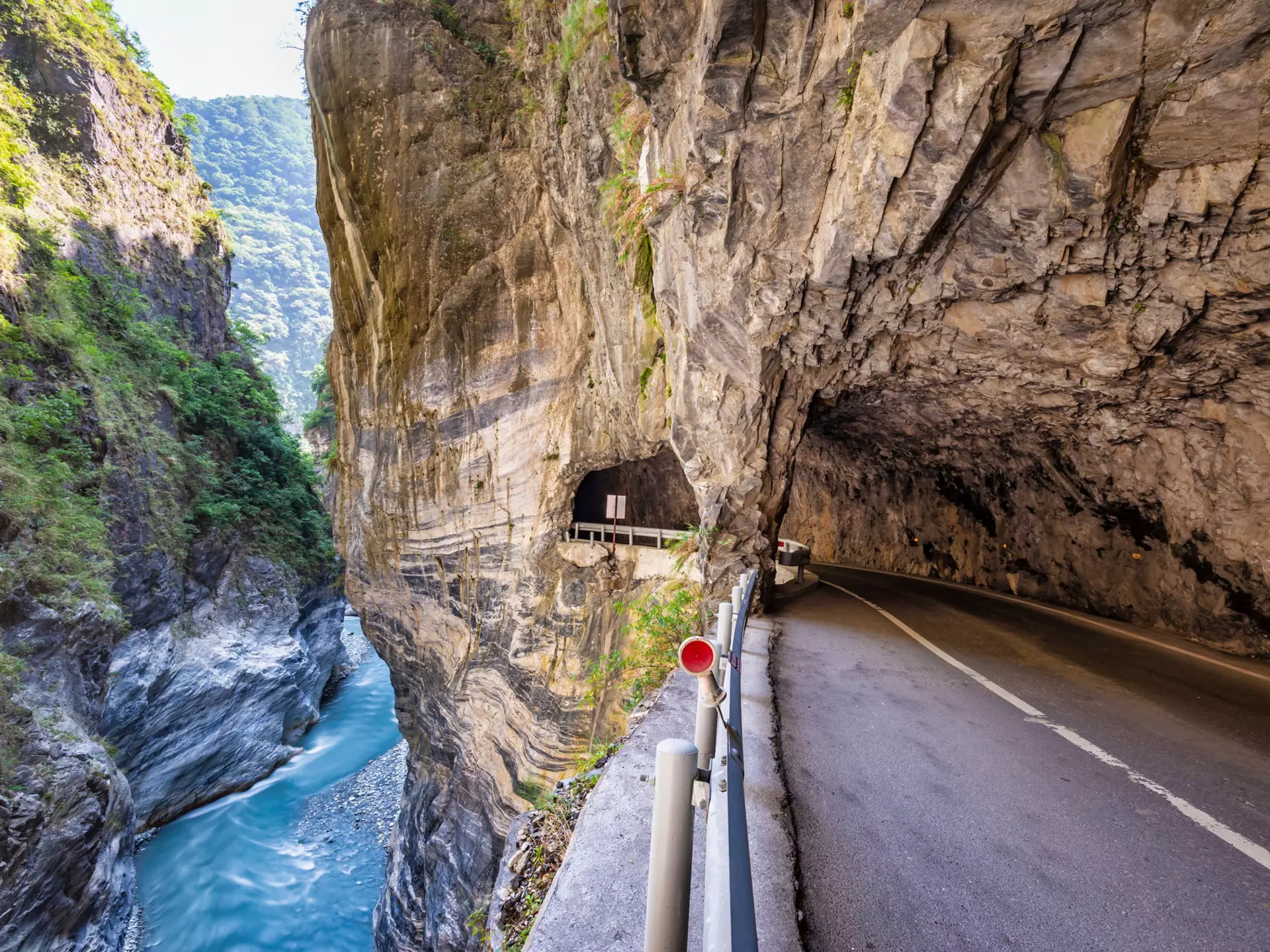
Taiwan’s top tourist draw is a Chinese brush painting in three dimensions. Rising above the froth of the blue-green Liwu River, the steep marble crags (yes, marble!) of Taroko Gorge swirl with the colors of an artist’s palette. Add in gray mist, lush vegetation and waterfalls that seem to tumble down from heaven and you have a truly classic landscape. While you’ll have to stick to the view from your car window for now, you won’t forget the majesty of this natural wonder.
Planning tip: A major earthquake in April 2024 caused severe damage to Taroko National Park. While the road through the gorge remains open during the day, all trails in the park remain closed to visitors as of July 2025 as repair work continues.
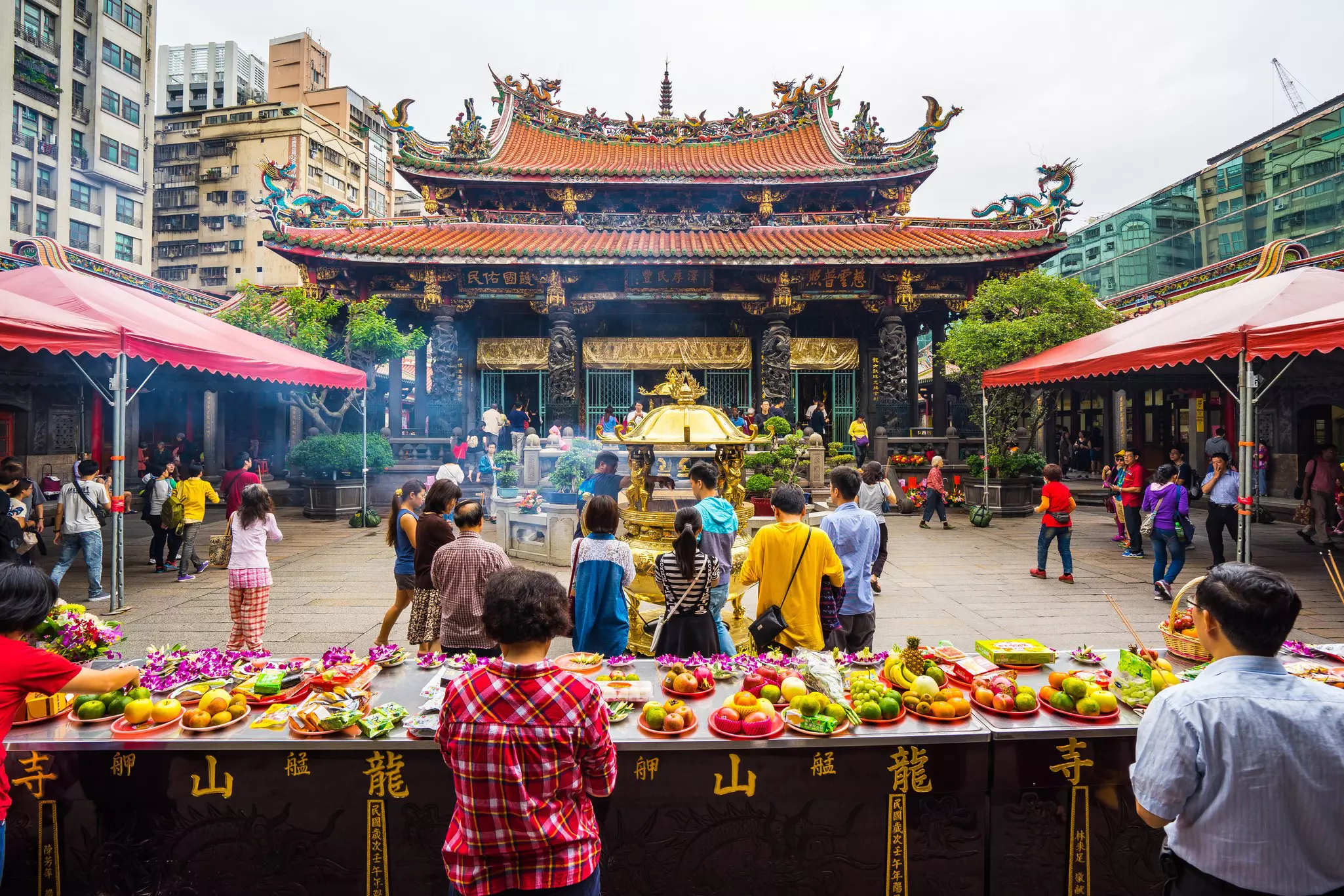
Whether they’re incense-filled and packed to the eaves with idols and art or a simple roadside shrine, and whether they’re Taoist, Buddhist, Confucian or related to folk traditions, Taiwan’s temples offer a fascinating glimpse into the island’s spiritual life.
All over the country, you’re likely see devotees – including a surprising number of young people – praying and giving thanks. They burn joss paper for the departed; toss moon blocks to seek divine guidance on whether to buy a car; and make offerings of guava, orchids and sesame crackers to a pantheon of deities.
During festivals, temples offer up a smoky and noisy slice of local life. On quiet days, with their relics, sculptures and caisson ceilings, temples are living museums in their own right.
Both Tainan and Lukang are home to a wealth of old structures, from understated Confucian temples to shrines to the sea goddess Mazu, rich in decorative folk art of the southern Chinese style.
Favorites sanctuaries across the country include Taipei’s UNESCO-recognized Bao’an Temple, Lukang’s graceful Longshan Temple, Penghu’s old Tianhou Temple, Tainan’s fierce City God Temple, and Changhua’s columned Nanyao Temple.
Local tip: Entering a temple through the “dragon door” on the right-hand side and exiting through the “tiger door” on the left means you go in with protection and leave danger behind. The center door is reserved for the abbot, the president...and the gods.
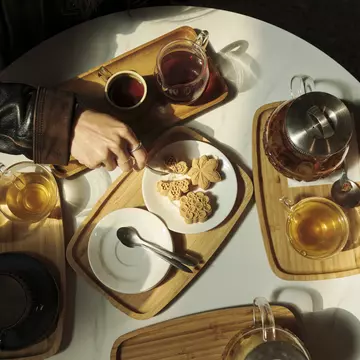
Blessed with rich volcanic soil and a climate and altitudes that arabica trees love, Taiwan has become the coffee hub of East Asia, bagging awards worldwide for beans that range from peanutty to tea-like.
You can sip them at their source in Gukeng and Dongshan if you’re hiking nearby, but it’s more fun to try different cafes that serve killer homegrown brews and also roast and sell beans. A bonus is the setting, which can range from retro Taipei and hipster book-and-bean to Nordic minimalism.
Detour: Cacao farms in Pingtung grow beans and craft some of Asia’s finest chocolate. You can tour the premises, learn about the bean-to-bar process, and even make your own sweets at Choose Chius and Fu Wan Chocolate.
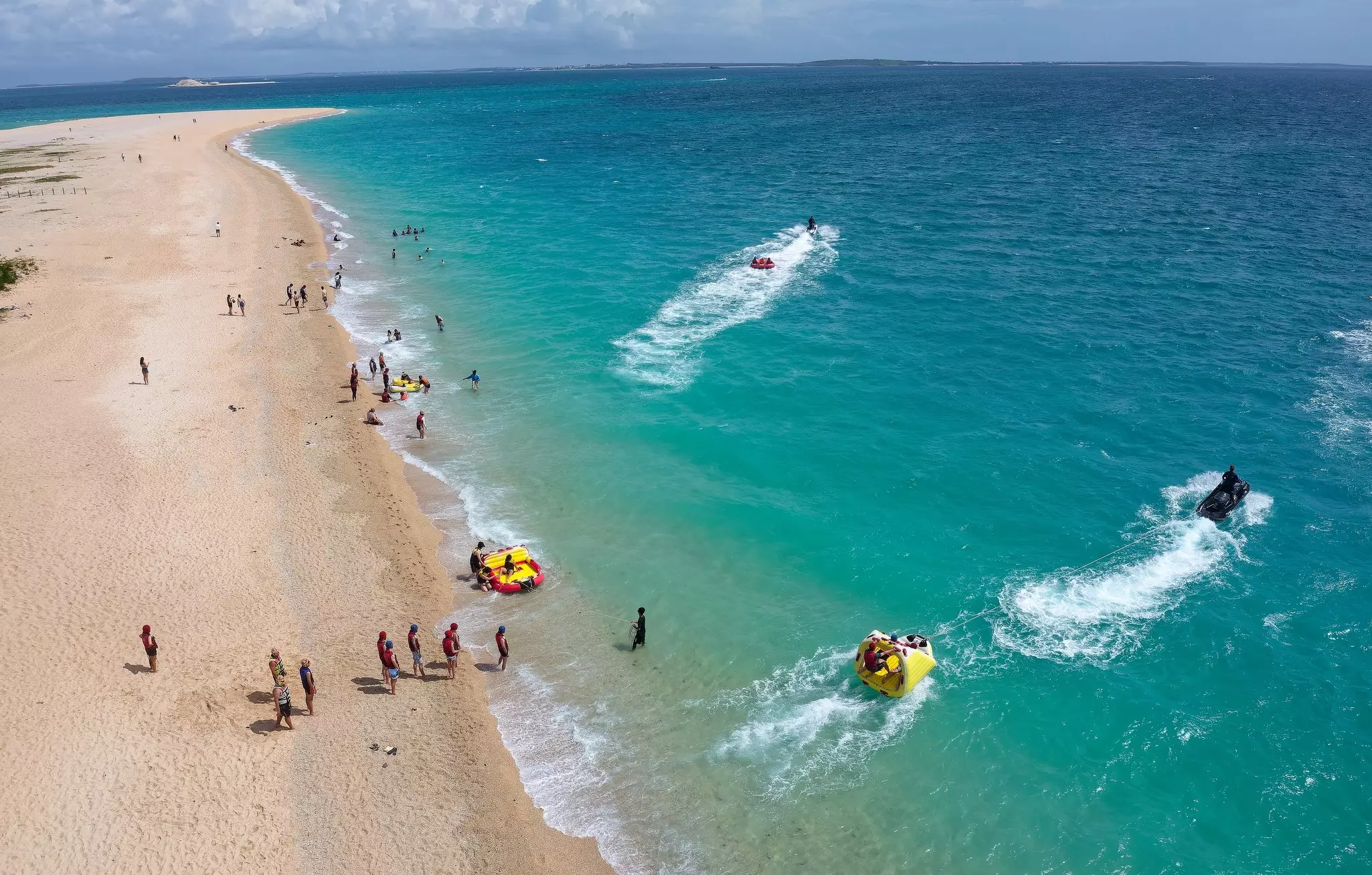
The windy collection of islands known as Penghu is distinctive yet hard to pin down. Set along its roaring coastlines are sea-facing temples; coral stone-walled villages, where vendors sell seashell pendants and prickly pear sorbet; and beaches fantastic for water sports. In winter, Penghu becomes a windsurfing hot spot for top-class athletes from all over the world.
Added to this mix are geological wonders, a large aquarium and traces of the islands’ seafaring past. What’s more, Penghu cuisine is celebrated for its delicious simplicity and plentiful seafood. If you come out of season, the golden spit known as the Jibei Sand Tail could be all yours.
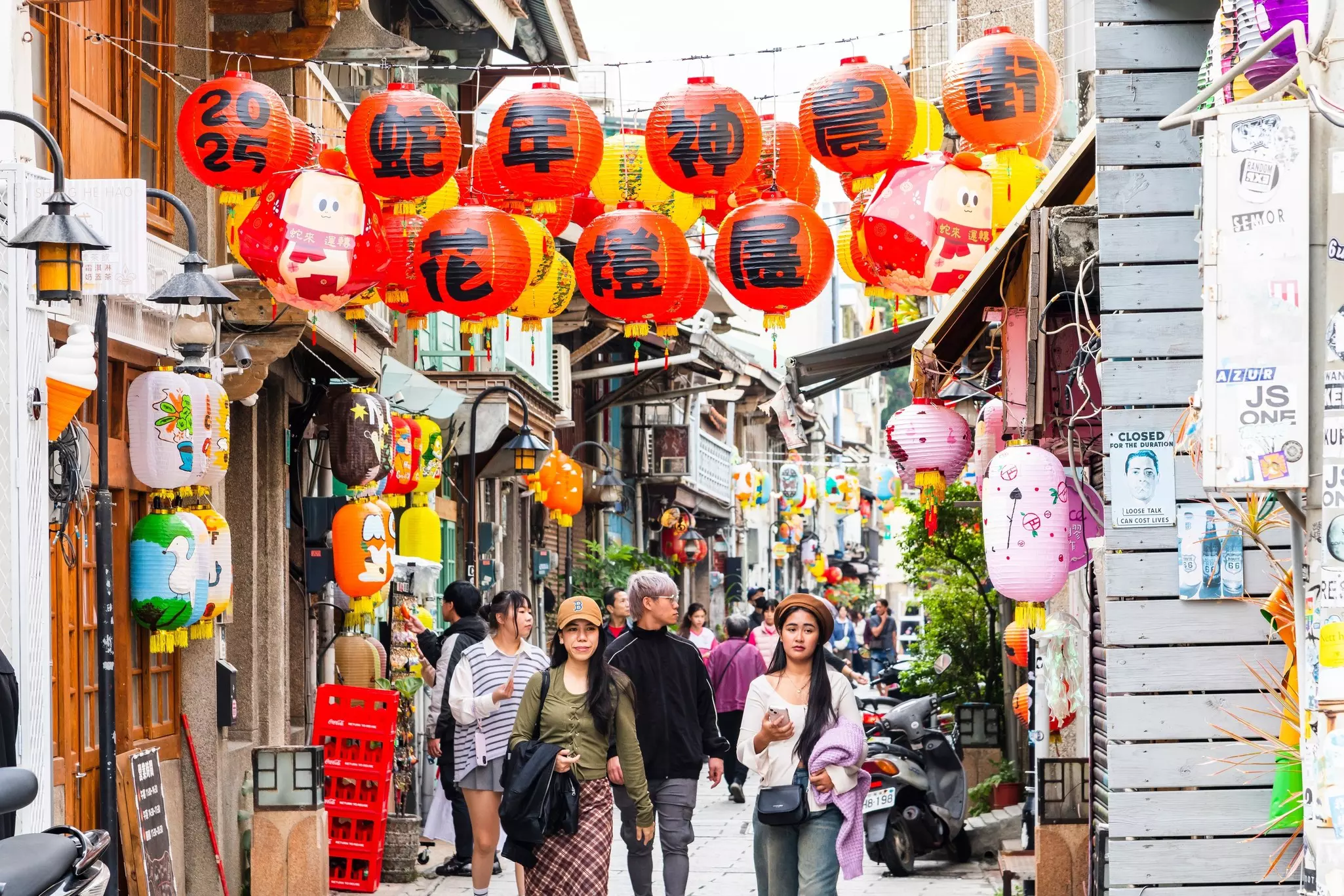
Urban Tainan has such a tight weave of attractions that walking is the best way to take everything in. Cafes, restaurants and dessert shops are liberally tucked into the city’s fabric, offering abundant options for a refuel. Should you wear out your shoes, you can always continue on with a shared T-Bike or bus.
Many sights lie on the roads that radiate from the Tang Te-chang Memorial Park roundabout in central Tainan. The Museum of Taiwan Literature occupies a gorgeous Japanese colonial building, with the lively Altar of Heaven temple a short distance away.
Slightly further out are the Neoclassical Land Bank, the art deco Hayashi Department Store, the old and the new Tainan Art Museums, the red-walled Confucius Temple, and the City God Temple. Ambitious walkers can continue to the Great South Gate, Koxinga’s Shrine, Chihkan Towers, the Official God of War Temple and the Grand Mazu Temple.
From the roundabout, a 15-minute stroll northwest takes you to Shennong St, an art village with former workshops repurposed into boutiques and cafes. Sharing the area with the hipsters are the Wind God Temple, the Water Fairy Temple and the King of Medicine Temple.
Planning tip: Famous Anping Fort and the surrounding old streets brimming with traditional snack shops are 15 minutes away by T-Bike or 45 minutes by bus from Shennong St.
Cycling is Taiwan’s national sport, and enthusiasts favor the stunning and unspoiled east coast for multiday trips.
Love the sea? Then follow the gorgeous coastline along the Pacific Ocean between Yilan and Hualien, or between Hualien and Taitung. There are dramatic elevation changes in Taroko Gorge, and portions of the highways are subject to landslides after heavy rain. Yet the beauty of the landscape is unparalleled, and you’ll pass beaches, fishing harbors, Indigenous towns and art villages. It’ll leave you breathless in more ways than one.
Prefer the mountains? Ride the East Rift Valley and watch cloud drama unfold on glistening rice paddies or seas of orange day lilies. Along both routes, you’ll find Indigenous guesthouses and restaurants, campgrounds, prehistoric sites and hot springs.
Attending a traditional folk festival – whether solemn, bizarre, carnival-like, you name it – is one of the most exciting ways to experience local culture in Taiwan. You don’t have to be a believer to go, for the locals are inclusive and welcoming; it is not uncommon to see pilgrims and visitors from all over Taiwan and abroad at the most spectacular festivals. As always, being respectful of local culture is key.
The nine-day annual Mazu pilgrimage sees hundreds of thousands of people escorting a palanquin containing a statue of the sea goddess through 50 towns. The triennial, eight-day-long Burning of the Wang Yeh Boats (next set for 2027) culminates with the immolation of a celestial boat on a beach.
The strange Yanshui Beehive Fireworks Festival is a blowout in which thousands in protective gear (or not) place themselves willingly in a melee of exploding fireworks.
Planning tip: The Mazu pilgrimage takes place in the third lunar month; the Boat Burning Festival in October or November; Yenshui’s fireworks go off on the 14th or 15th day of the first lunar month. If you’re heading to Yenshui, bring goggles, a motorcycle helmet and protective clothing if you don’t want to pay for overpriced gear on-site – or end up in the hospital.
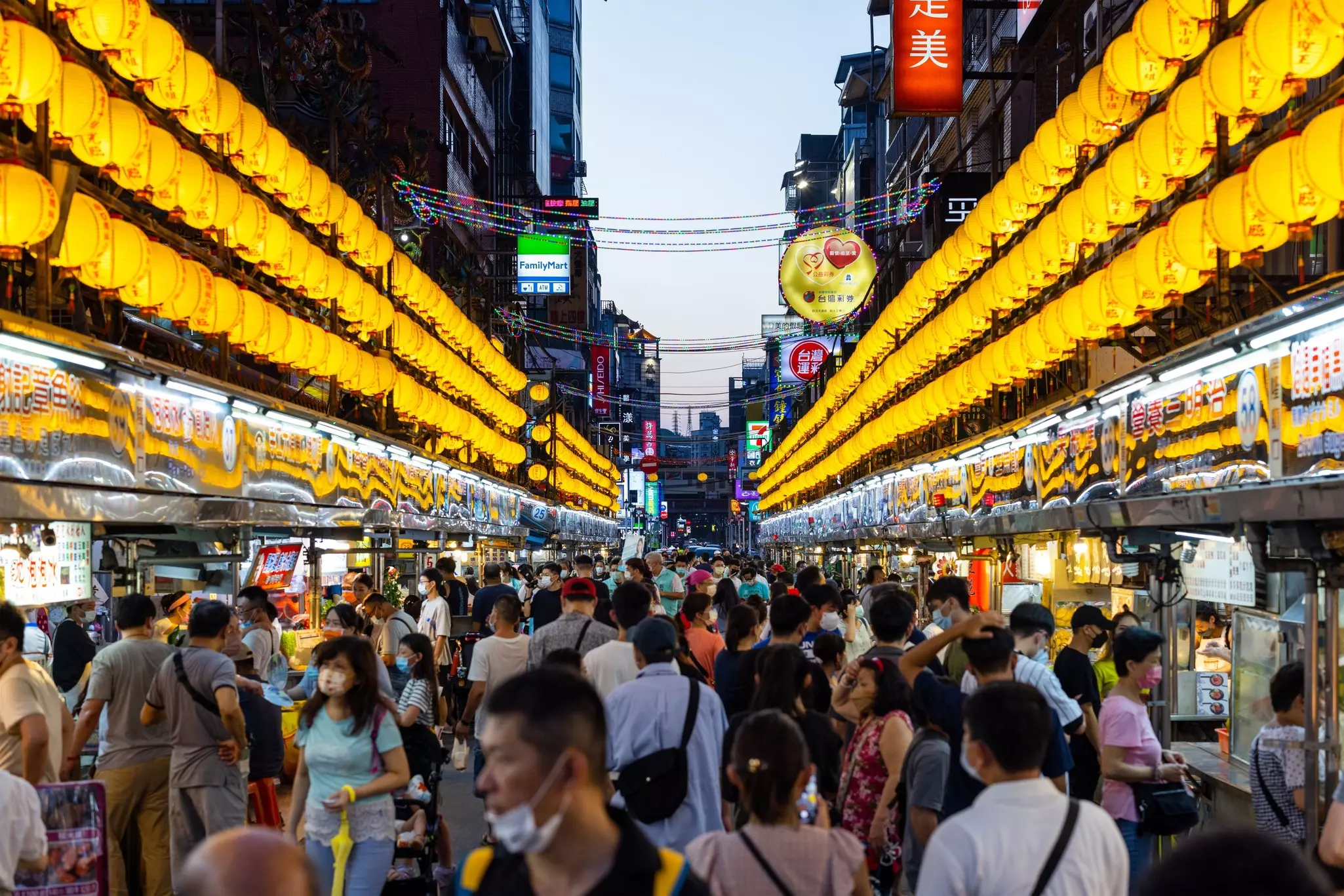
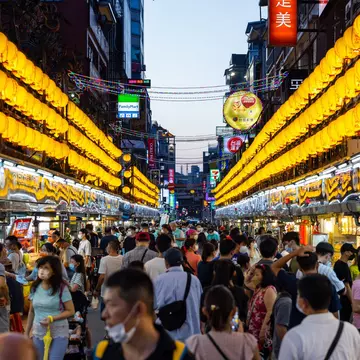
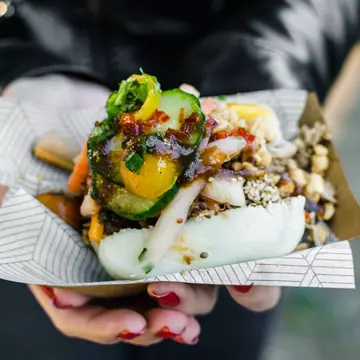
Grazing is a useful technique to have down when you’re on the road – and Taiwan’s famous night markets are great for honing this skill. Fulfilling the need for food and entertainment – to say nothing of socializing – these vibrant markets bring happy crowds every night of the week to gorge on a bewildering array of snacks and dishes.
Check out harborside Miaokou Night Market in Keelung, in many ways the biggest and best of them all, for the quintessential experience of grazing (on seafood especially!) and people-watching.
While Taiwan may be one of the world’s street-food capitals, you shouldn’t limit yourself just to casual eats. For the country’s dining landscape has plenty more to offer, and Taiwan is steadily making a mark on Asia’s culinary scene.
World-class restaurants across the country (many of them with Michelin stars) serve French-style cooking, exquisite Japanese dishes and innovative Cantonese creations – not to mention solidly executed Taiwanese cuisine, such as that served at Taipei’s Mountain and Sea House.
Ever-more Taiwanese chefs are working magic with local produce from oolong tea to sakura shrimp. Pingtung’s AKAME, for example, specializes in Indigenous Rukai cooking.
Planning tip: Make your reservations at least a month in advance for restaurants you don’t want to miss.
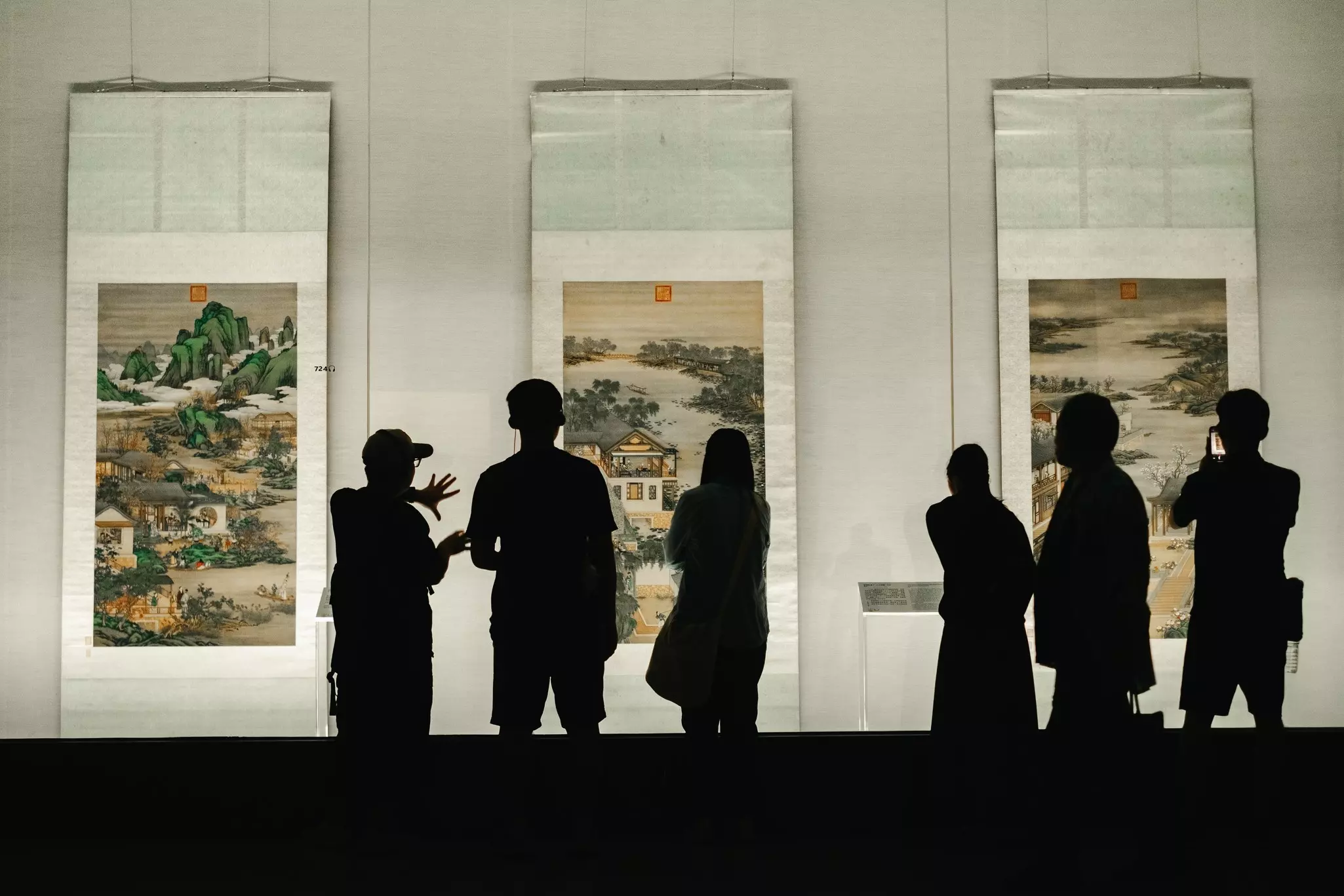
Taipei houses one of the greatest collections of dynastic Chinese artifacts in the world, brought to the island by China’s retreating Nationalists in the years following World War II. With ancient pottery, bronzes and jade, Ming vases, Song landscape paintings and calligraphy that even those who are not art lovers can appreciate, the National Palace Museum isn’t merely a must-visit: it’s a must-repeat-visit.
Why? Out of the nearly 700,000 pieces in the museum’s collection – spanning every Chinese dynasty, in addition to prehistory and the modern age – only a fraction is ever on display at one time. (An exception: the famous Jade Cabbage, which commands its own dedicated gallery.)
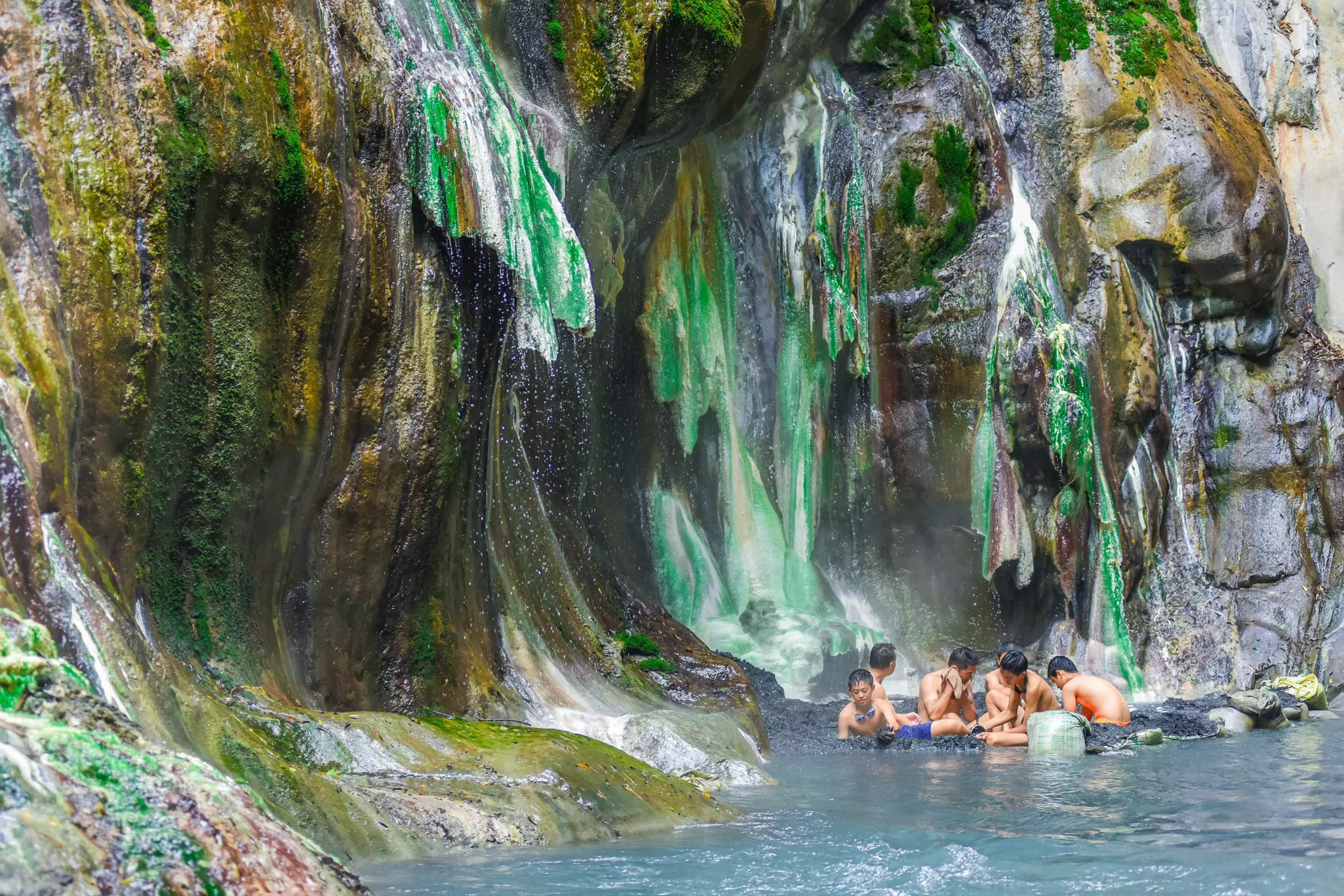
The many fissures of Taiwan’s mountainous terrain give rise to an abundance of spring sources hard to match anywhere on earth. Locals believe the waters are effective for everything from soothing muscles to conceiving.
If you like to soak in stone, wood or marble pools with mountain views, head to Beitou, Wulai or Taian. For wild impromptu dips, tread deep into valleys for a pristine wild spot like Lisong Hot Springs – perhaps the most beautiful in the country. You can also make your way to Green Island to soak in one of the world’s three seawater hot springs.
With their tunnels, forts and artillery displays – not to mention their proximity to mainland China – the military outposts of Kinmen and Matsu Islands will please hardcore military buffs. Yet if you want to learn about Taiwan’s often difficult military history without that hint of danger, head instead to Kaohsiung.
The dark and mysterious national relic that is the Imperial Japanese Navy Wireless Communication Station has finally found peace but for tent shows and exhibitions. Housed in a former hostel for young men departing for military service, the Alien Art Centre, is one of Taiwan’s strongest contemporary art museums. The Qing Empire, the Japanese and the Nationalist Army all deployed at Cihou Fort on Cijin Island; more recently, it’s attracted armies of tripod-wielding sunset photographers.
The engaging Military Dependents’ Village Museum shows how families of soldiers of the Chinese Nationalist Army lived after their retreat to Taiwan after 1949. The high-rises of Guomao Community are the 2.0 version of such villages. (Do as the locals do: go there to enjoy authentic regional Chinese cuisines at its many restaurants.) In a compound next to Taiwan’s largest naval base, the Story House of Naval Base Zuoying details the area’s military heritage.
Detour: We recommend New Taipei’s Human Rights Museum, occupying the site of a former detention center for political dissidents, for insight into how far democratic Taiwan has come. (The English audio guide is particularly informative.) The museum’s sprawling branch on Green Island, a former penal colony, can be visited by booking a guided tour.
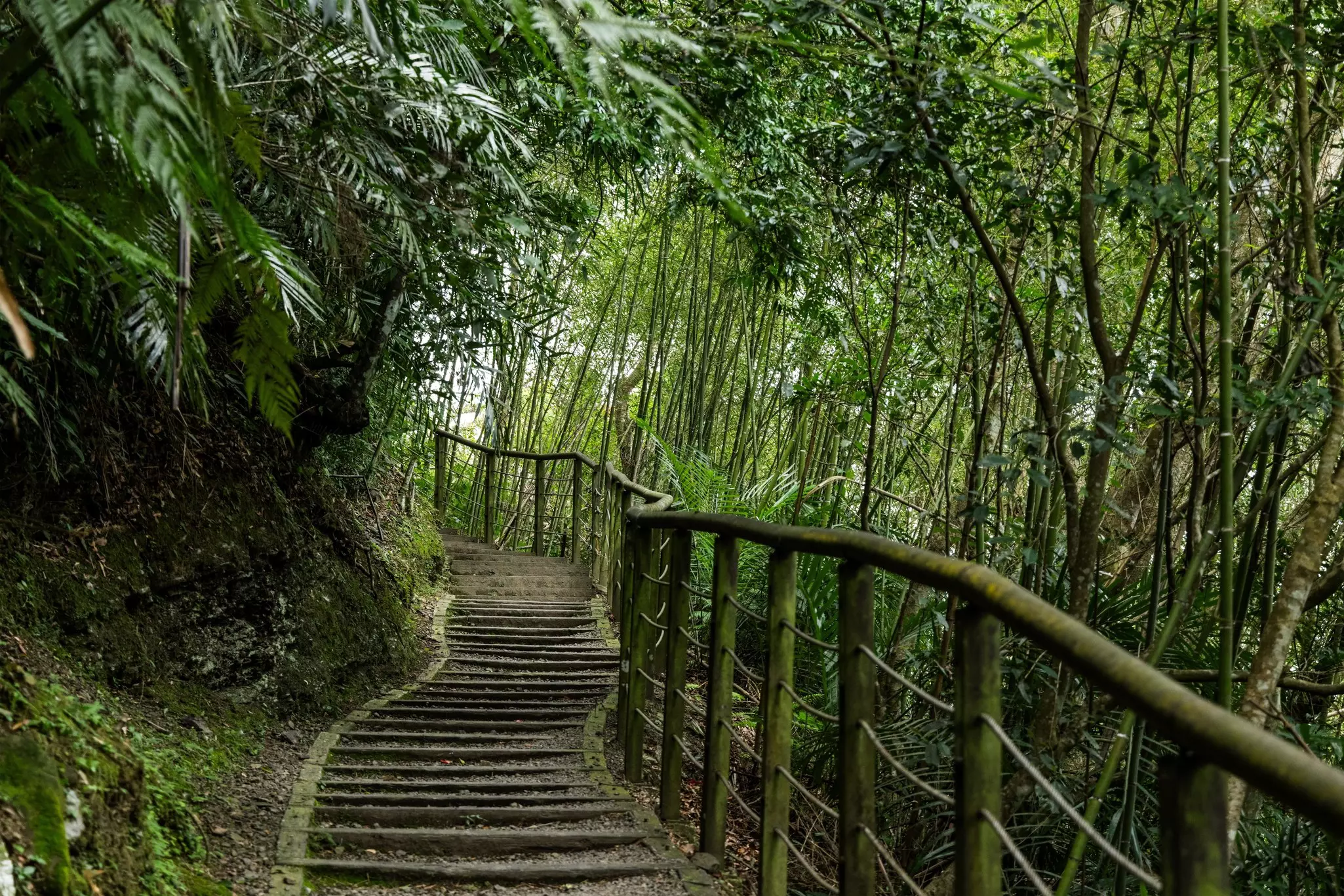
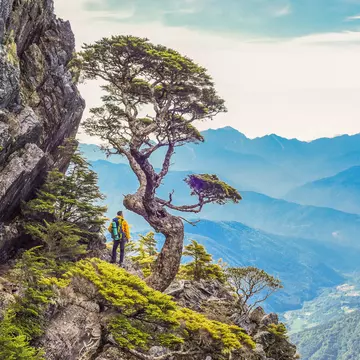
Over half of Taiwan’s territory is forested, and asphalt gives way to the real thing astonishingly quickly – a consistent delight for nature lovers. In mountainous Wulai District, onetime Indigenous hunting trails cut through misty tropical forests.
Take a break from your trek to enjoy crystal streams or deep swimming pools – then repeat this experience all over the island. Taiwan is also two-thirds mountainous, with hundreds of peaks soaring above 3000m (9842ft) and well-established hiking routes all over.
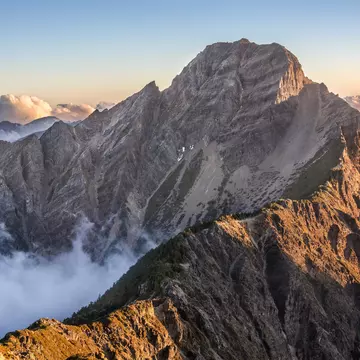
Jade Mountain (Yushan) is the highest peak in Northeast Asia; the second highest, Snow Mountain, is a more picturesque climb.
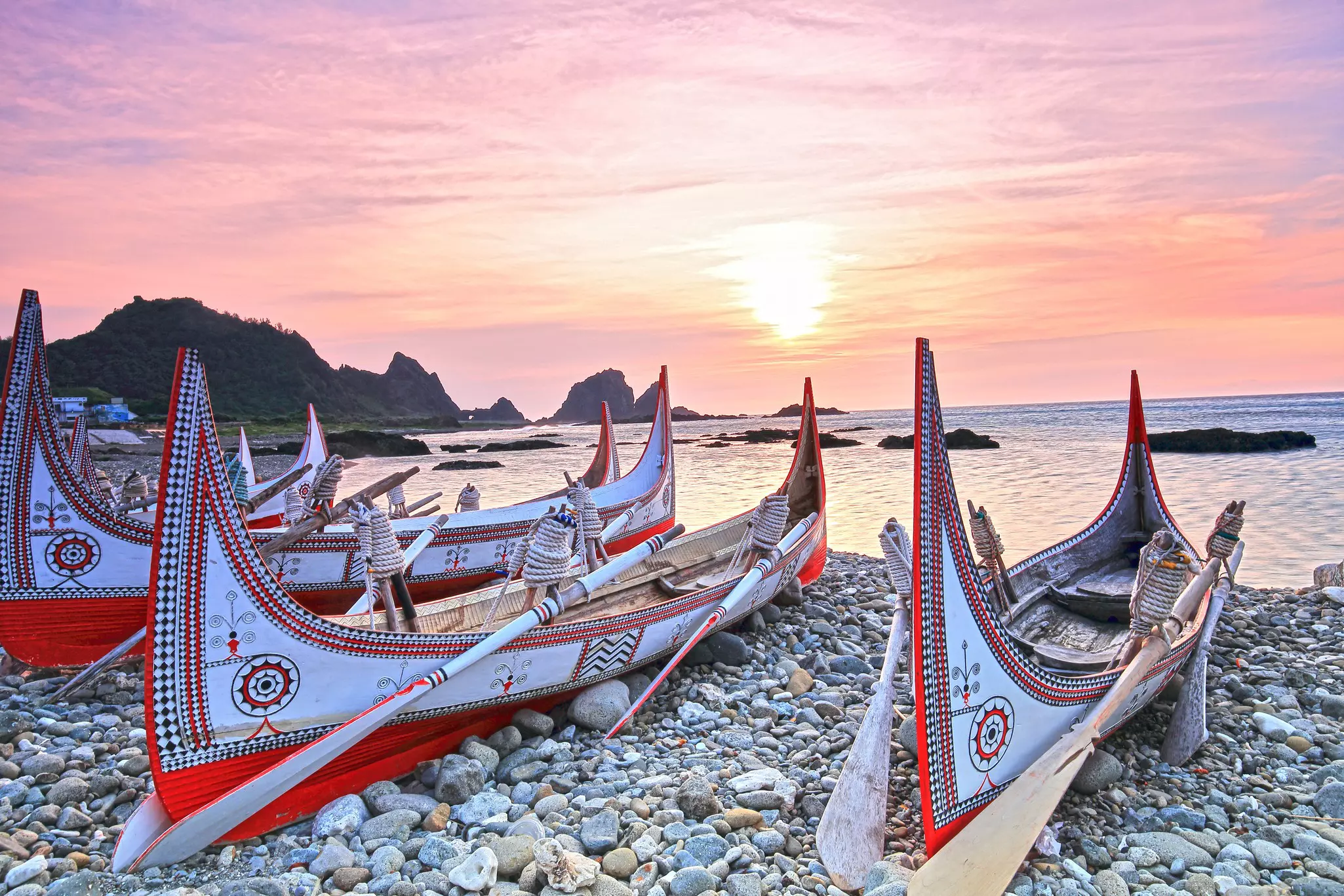
There are 16 recognized Indigenous tribes in Taiwan. Long suppressed by Han Chinese and Japanese colonists, tribal tradition and identity have made a remarkable turnaround in the 21st century. Begin your understanding of these long-overlooked cultures at the Shung Ye Museum of Formosan Aborigines in Taipei, or the Museum of Prehistory in Taitung.
Kaohsiung Museum of Fine Arts is a world-renowned authority on Austronesian art where you’ll find many works by Indigenous creators; at Tainan’s Museum of Taiwan Literature, you might find a program featuring Indigenous poetry or other texts.
On beautiful Lanyu Island, you can check into a homestay run by Yami islanders (preferably during the flying-fish season). Or consider a visit to the communally run Smangus, a high-mountain center of Atayal culture.
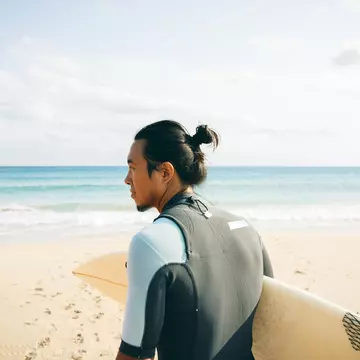
In summer, head to the east coast for Indigenous surfer towns and exuberant festivals celebrating harvests, coming of age and a deep love of live music.
Local tip: Don’t miss out on Amis delicacies in Hualien. You can do so at the Indigenous stalls in Dadongmen Night Market, or at the extraordinary, Amis-run restaurant Mu Ming.
Whisky lovers, you’re in luck. Taiwan is a country of whisky drinkers, and they’re not only sipping imported Laphroaig or Hibiki – Taiwan’s own award-winning Kavalan is a huge favorite.
You can try Kavalan on the rocks or in a smoky martini at one of the country’s many fabulous cocktail bars, such as Taichung’s Goût and Taipei’s Ounce. You can also tour the distillery in Yilan for free to sample the single malts.
Explore related stories