Taiwan
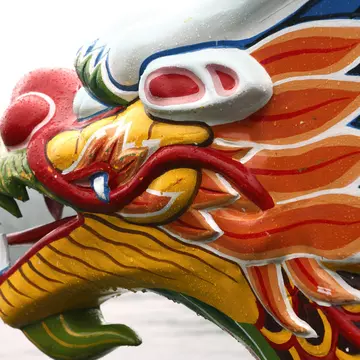
Generous like its 23 million people, Taiwan offers wondrous vistas, lively traditions and a culture as luxuriant as Jade Mountain on a sunny day.

©Sean Pavone/Shutterstock
Latest Stories
- Tom O'Malley | Sep 21, 2026What to Eat and Drink in Taiwan
- Piera Chen | Jul 30, 2026The Best Things to Do in Taiwan
- Michelle Tchea | Jun 9, 20268 of the Best Beaches in Taiwan
- Piera Chen | Mar 8, 202617 Things to Know Before Visiting Taiwan
Book
App


Trusted Partner
Dreaming of Taiwan? Protect your trip
Travel with confidence. Protect your trip and your wallet.
We don’t represent World Nomads, we receive a fee from quotes using this link. This is not a recommendation to buy travel insurance.
Book your Taiwan trip with Lonely Planet Journeys
See Taiwan how it's meant to be seen
Accommodations, activities and ground transportation all taken care of, so you can focus on the fun part. Tell us what your dream trip to Taiwan looks like, and our local experts will build it from scratch. Or start with one of our itineraries and make it your own.


Top places to visit in Taiwan
Discover the best attractions in Taiwan from must-see sights to unexpected hidden gems.
- Attraction in TaipeiTaipei 101
- Attraction in TaipeiBao'an Temple
- Attraction in TaipeiLongshan Temple
- Attraction in TaipeiMuseum of Contemporary Art Taipei
- Attraction in TaipeiNational Palace Museum
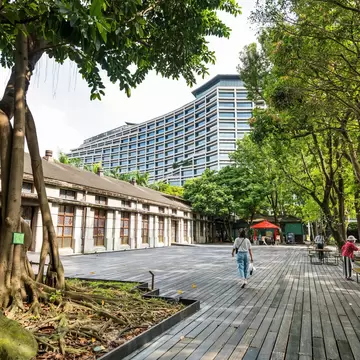
- Attraction in TaipeiSongshan Cultural & Creative Park
- Attraction in TaipeiYongkang St
- Attraction in TaipeiHuashan 1914 Creative Park







Travel Guides
Taiwan travel tips from Lonely Planet experts
Find practical guidance from our team of contributors around the world who bring their decades of first-hand travel experience to your next trip.
Best Things to Do
These fabulous experiences will show you the best of Taiwan, from night markets to temples to Indigenous culture.
Read full article
Best Time to Visit
From epic hiking and waterside adventures to festivals spotlighting food and culture, Taiwan offers boundless opportunities for exploration every season.
Read full article
Things to Know
With great transport, fabulous food and a culture of hospitality, Taiwan is a traveler’s dream. Here’s all you need to know before you set off.
Read full article
Transportation
Trains, shuttle buses... and chauffeurs? Here are our best tips for navigating Taiwan.
Read full article
Best Road Trips
Drive along scenic landscapes, historic villages and cliffside highways on the top nine road trips in Taiwan.
Read full article
Money and Costs
Want to see Taiwan but traveling on a budget? Take advantage of free attractions and festivals, inexpensive public transport and exceptional hiking.
Read full article
Best Places to Visit
From gorgeous lakes to fashion-forward cities to serene coastlines, Taiwan offers lots in a small package. Here are the best places to visit.
Read full article
Get Connected
Get your cell phone connected in Taiwan with this guide to eSIMs, wi-fi hot spots and local service providers.
Read full article
Get a book. Get inspired. Get exploring.
in partnership with getyourguide
Book popular activities in Taiwan
Lonely Planet may earn a commission from affiliate links on our site. All recommendations and reviews reflect our own independent opinions.
Taiwan and beyond
- destinationTaipei
-
 destinationSouthern Taiwan
 - destinationEastern Taiwan & Taroko National Park
- destinationWestern Taiwan
- destinationNorthern Taiwan
- destinationKaohsiung
- destinationTainan
- destinationPenghu Islands