Sep 20, 20266 min read
How to Plan a Trip to the Swedish RivieraApr 15, 2026
9 MIN READ

Writer
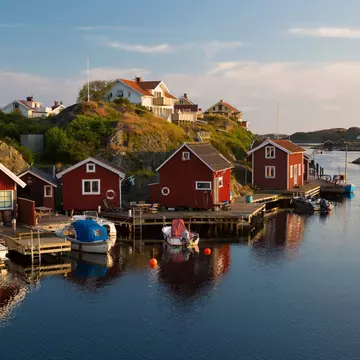
Sweden's Bohuslän coast. Robert Harding Video/Shutterstock

Writer
Highlights
Writer Annika Hipple picks 13 Sweden experiences from Stockholm to the Arctic.
Stroll medieval Gamla Stan and island-hop the scenic Stockholm archipelago's 30,000 islands.
Head north on the Inlandsbanan and chase the northern lights in Abisko National Park.
Gothenburg draws foodies and festival-goers; paddle the rugged Bohuslän coast just to the north.
Lonely Planet may earn a commission from affiliate links on our site. All recommendations and reviews reflect our own independent opinions.
Visiting Sweden? Get ready for unspoiled nature, world-class museums, fascinating history, beautiful cities and towns, vibrant traditions and a creative spirit that makes itself known in everything from science, technology and the arts to the country’s ever-evolving culinary scene.
Whether you’re seeking outdoor adventure, urban attractions or a combination of both, you’ll find it in Scandinavia’s largest country. Experience the magic to the fullest with these top things to do in Sweden.
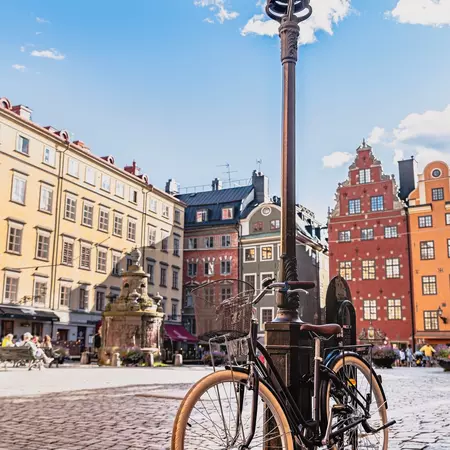
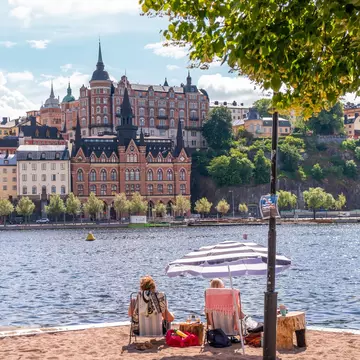
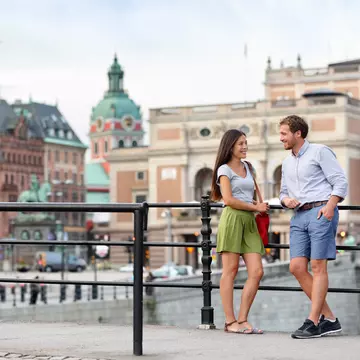
“Of cities I know in the world, you are the one with it all,” wrote Swedish singer-songwriter Lasse Berghagen in a musical love letter to Sweden’s capital, “Stockholm i mitt hjärta” (Stockholm in My Heart). Berghagen was right – Stockholm is a charmer.
The city has enough museums, historic buildings and activities to keep you busy for weeks, but some of its greatest pleasures are the simplest ones, found in its vibrant neighborhoods. Wander the medieval alleys of the Gamla Stan (Old Town), stroll along Strandvägen and the Djurgården canal, admire the panoramic views from Södermalm, then catch a summer sunset over Mälaren.
Planning tip: For outstanding city views, make your way to Evert Taubes Terrass, on Riddarholmen, a tranquil spot where you’re at eye level with lake Mälaren and have open sightlines across the water to Stadshuset and Södermalm’s coastline.
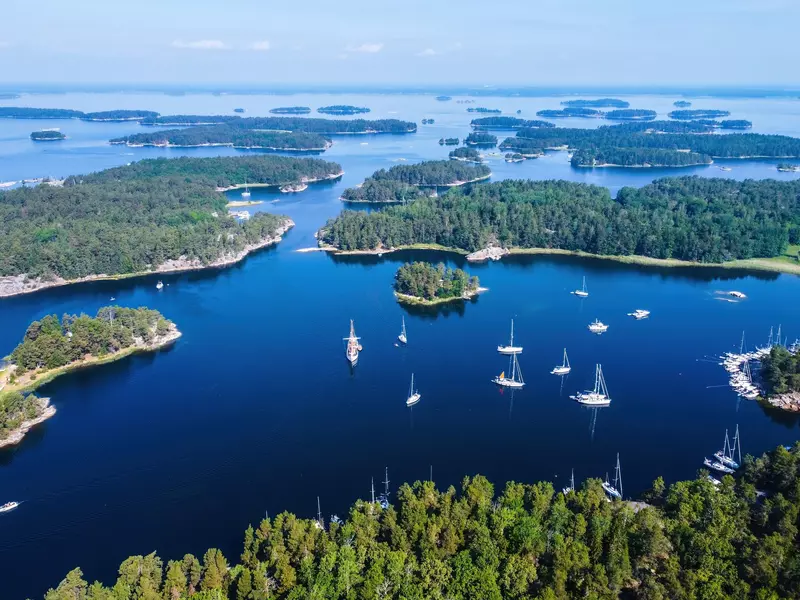
Some 30,000 islands make up the scenic Stockholm archipelago, scattered over an area of nearly 1680 sq km. If you’ve got limited time, soak up some island vibes at Fjäderholmarna, just a 25-minute boat ride from downtown Stockholm, or take a guided archipelago cruise. Vaxholm, Grinda, Finnhamn, Möja and Sandhamn are great for day trips but also have accommodations if you’d like to stay and explore.
Planning tip: Year-round passenger ferries and speedier summer excursion boats service destinations throughout the Stockholm archipelago. The islands are connected by road bridges and ferries. Having your own vehicle is useful, but you won’t be able to go everywhere by car.
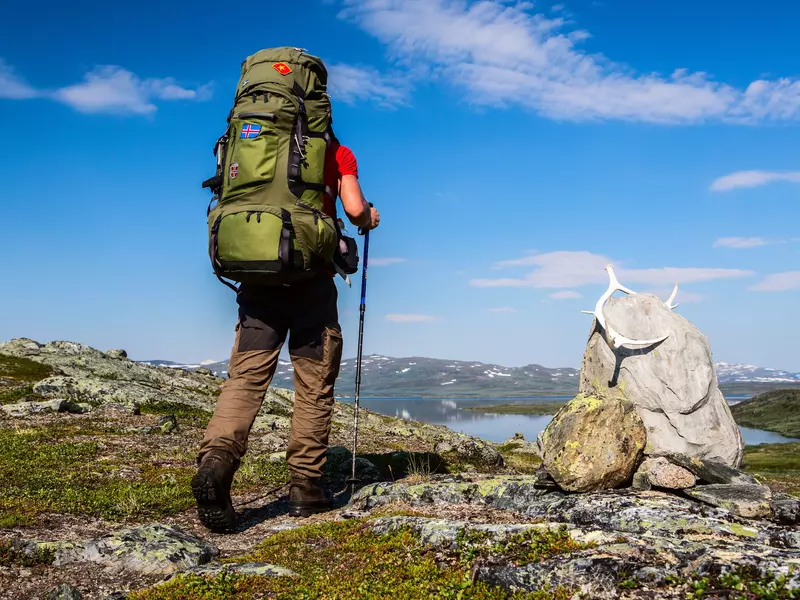
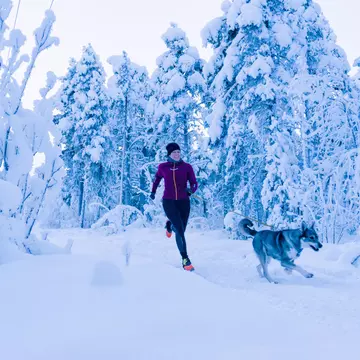
Swedes love nature – so much so that the right to enjoy it freely is enshrined in law. No matter where you are, it’s easy to lace up your hiking shoes and hit the trail, whether for an urban hike in Stockholm’s Ekoparken, in a rural nature reserve or on a multiday trek on one of Sweden’s many long-distance hiking routes, found in every region of the country. The excellent public transportation network makes even remote trails accessible by bus, train or ferry.
Planning tip: Though the right to roam is an intrinsic part of Swedish society, there are conditions attached to preserve the landscapes for everyone. Check the relevant rules before setting out.
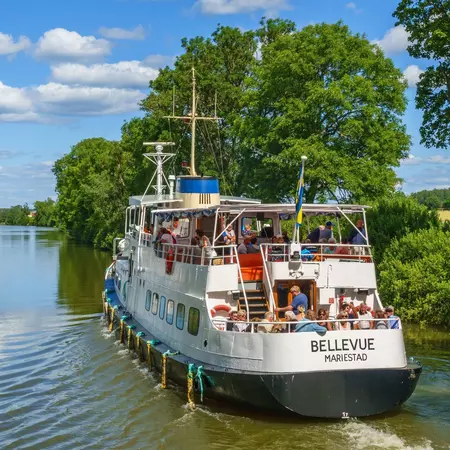
One of the most ambitious construction projects in Swedish history, the Göta Kanal connects the Baltic Sea with the country’s largest lakes, Vänern and Vättern, linking up with the Trollhättan Kanal for a full coast-to-coast crossing complete with 66 locks and two aqueducts. A canal cruise is a delightful way to experience the lush green countryside and villages along the route, with itineraries ranging from day trips to multiday journeys on historic canal boats.
Planning tip: If you prefer a do-it-yourself cruise, you can rent a boat and travel at your own pace.
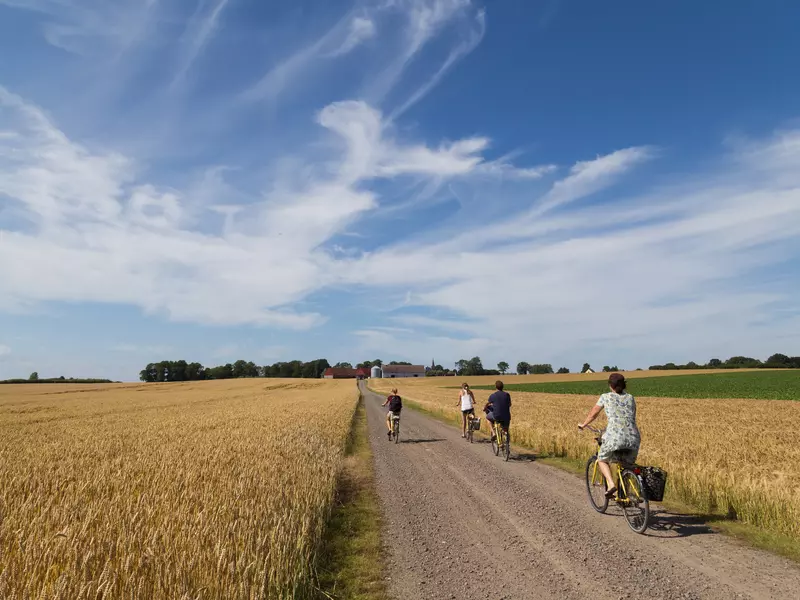
You can also experience the Göta Kanal by biking along the towpaths – 87km car-free. Be sure to stop at Berg and Borenshult to watch boats passing through impressive multilock staircases.
Further south, Sweden’s three linked cycling routes are perfect for day trips or long-distance journeys. The 274km Sydostleden trail runs south from Växjö through the fields and forests of Småland and along the coast of eastern Skåne. At Simrishamn, Sydkustleden takes over, continuing 260km along the south coast past white sand beaches and historic cities and towns. From Helsingborg, Kattegattleden follows the scenic west coast for 390km, all the way to Gothenburg.
Planning tip: Long-distance buses don’t accept bicycles. Trains allow foldable bikes that can be carried as hand luggage. Bikes are transported free on some ferries.
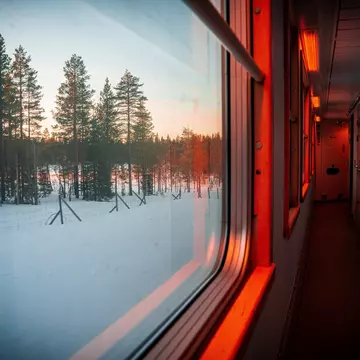
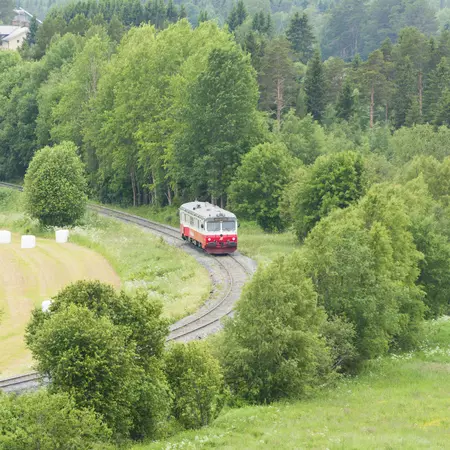
For a rail journey through some of Sweden’s wildest scenery, take a ride on the Inlandsbanan (Inland Line). Starting in Mora, the train travels north to Gällivare, about 100km north of the Arctic Circle, making numerous stops along the way. A wonderful way to see the interior of northern Sweden, the route also provides access to long-distance hiking trails and the potential to spot some of the region’s abundant wildlife. You'd be wise to grab the opportunity to visit Östersund’s Jamtli local history museum and the Ájtte Museum in Jokkmokk.
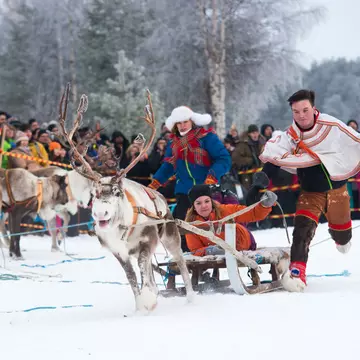
Detour: For a deeper connection to Sámi culture, head to Båtsuoj Sami Camp, where you can learn about reindeer herding and local crafts, and taste traditional food. It’s an enriching complement to a Lappland journey.
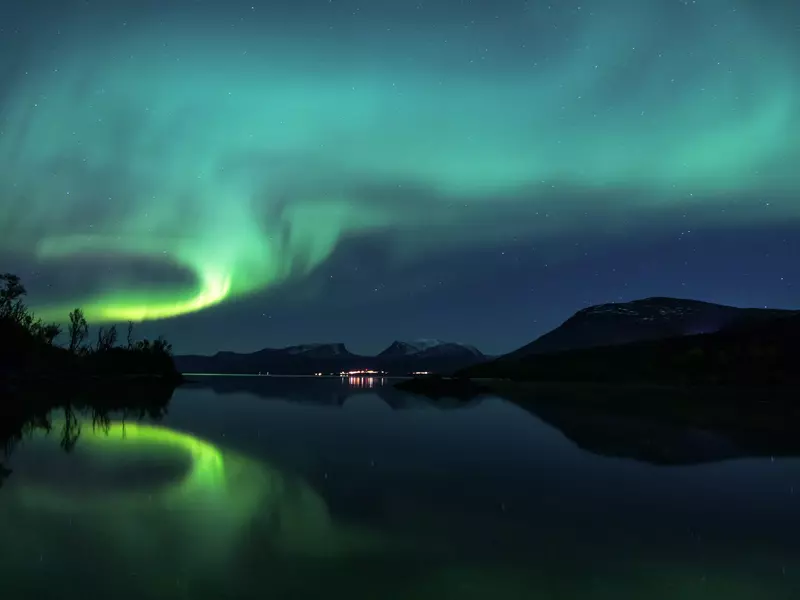
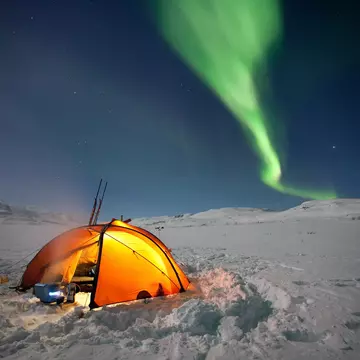
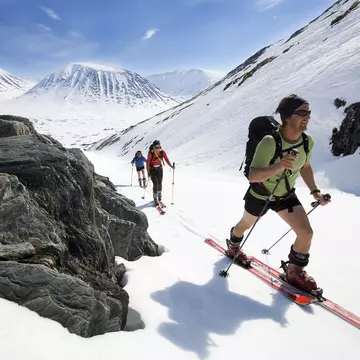
Sweden’s far north is widely recognized as one of the top places in the world to see the aurora borealis (northern lights), a frequent occurrence between September and March. Few sights can compare to the magic of watching waves of brilliant green, red, blue and purple dance across a darkened sky, the result of electrically charged solar particles colliding in the atmosphere.
Abisko National Park is renowned as one of the world’s best northern lights destinations, thanks to its clear skies, lack of light pollution and position within the auroral oval – a band around the Earth’s magnetic pole where auroras are most likely to form. East of Abisko, Kiruna, Sweden’s northernmost city, also makes a good base, with many tour companies offering aurora-seeking excursions, including by skis, snowshoes and dog sleds.
Planning tip: Kiruna's Snow Festival in January draws artists from all over, despite few daylight hours and temperatures at -40°C/F.
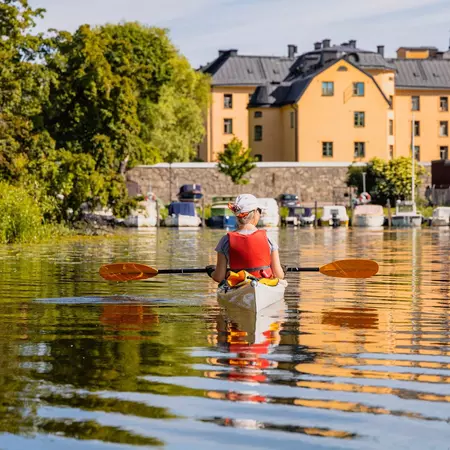
Sweden’s long coastline, thousands of lakes and many islands make it an ideal paddling destination. In Stockholm, you can rent kayaks, canoes and stand-up paddleboards at various locations, including Långholmen, Kungsholmen and Djurgården. Kayak and canoe rentals are also available in other cities, including Gothenburg and Malmö.
For something less urban, the Bohuslän coast, Skåne’s rugged Kullaberg peninsula and the High Coast region are all superior kayaking destinations, as are the St Anna archipelago near Söderköping and the islands around Piteå and Luleå in the far north. Sweden’s inland waterways, including roughly 100,000 lakes, provide endless scope for paddling, with equipment rentals and guided tours available throughout the country.
Planning tip: Seasoned Stockholm Adventures runs guided kayaking tours even in colder months – you’ll be protected from the elements in a dry suit. Its typical route goes around Kungsholmen or across lake Mälaren.

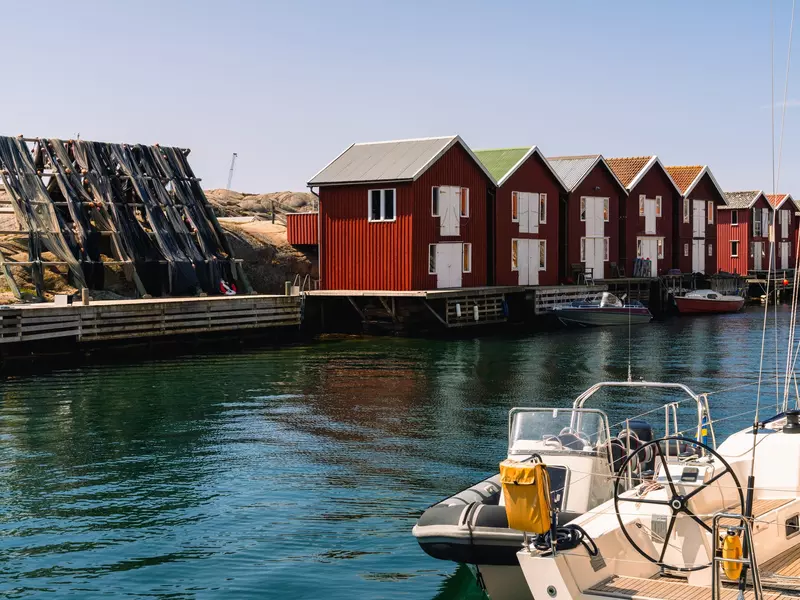
Some people call Sweden’s west coast the “best coast.” While east coasters may quibble, there’s no denying there’s something special here. The region’s undisputed hub is Gothenburg, a lively port city with popular festivals and outstanding restaurants and shopping.
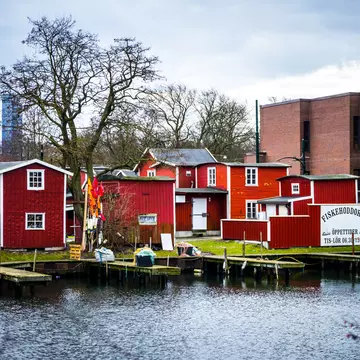
After a taste of urban pleasures, head north to Bohuslän, an almost impossibly beautiful region of deeply indented rocky coastline dotted with picturesque fishing villages that fill with life during the summer months.
For a cultural diversion, check out Röda Sten Konsthall, a striking riverside warehouse turned contemporary art center. Its ever-changing exhibitions, graffiti-covered facade and lively cafe make it a favorite with locals as much as visitors.
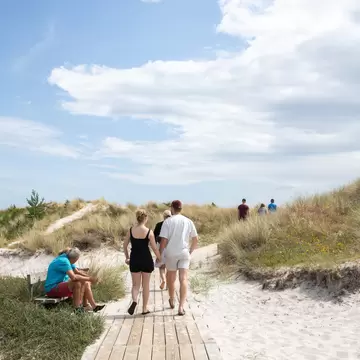
Detour: If you prefer beaches over rocky shores, head south from Gothenburg to Halland, where you’ll find lovely stretches of sand around Varberg, Falkenberg and Halmstad.
Though perhaps best known internationally for meatballs and pancakes, Sweden has an exciting culinary scene that blends classic dishes with international influences, emphasizing sustainability and locally sourced, seasonal ingredients. From Michelin-starred restaurants to casual cafes and market halls, you’ll find a wide range of fantastic places to sample Sweden’s flavors all over the country.
To delve deeper into Swedish food culture, take a seafood safari in Bohuslän, tour the vineyards of Skåne, join an autumn truffle hunt on Gotland, or simply head into the forest to pick blueberries, lingonberries or chanterelle mushrooms, which Swedes call “forest gold.” A guided foraging walk in Swedish Lappland is a perfect way to learn more about edible Swedish nature.
Planning tip: Fika is broadly defined as a short coffee break with friends, family or colleagues, and the welcome respite is a much-loved element of the local lifestyle. Coffee is usually accompanied by something sweet, like kanelbullar (cinnamon buns), chokladbollar (chocolate balls covered in desiccated coconut) and vaniljhjärtan (custard-filled shortbread hearts).
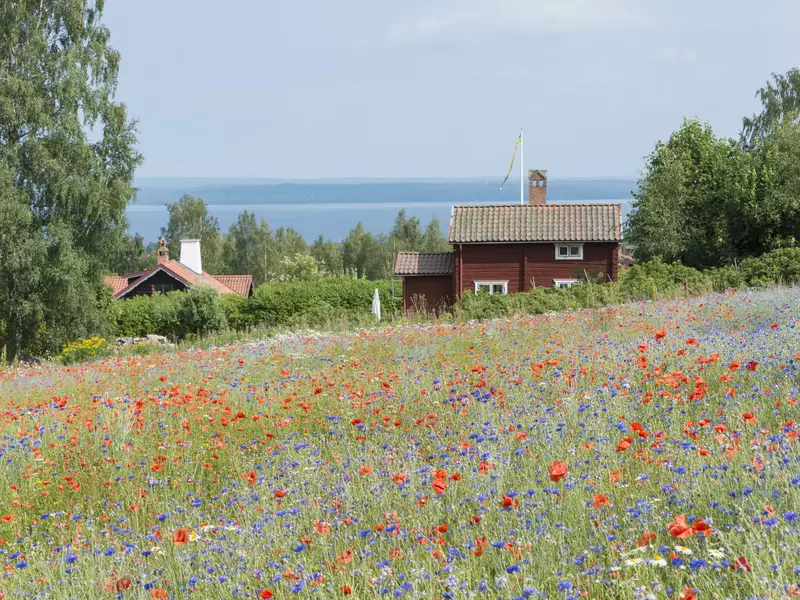
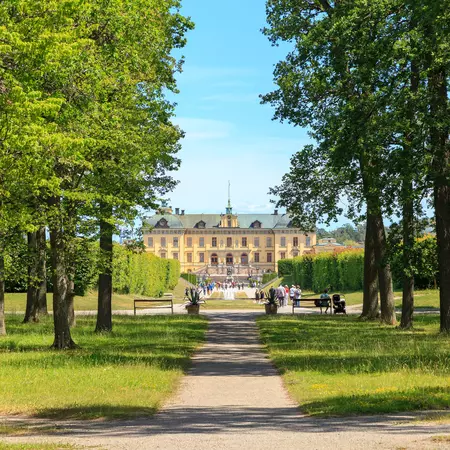
With well-maintained roads, good signage and incredible sights scattered throughout the countryside, Sweden is perfect for a driving vacation. Although major highways will get you from point to point quickly, the joy of a Swedish road trip is meandering along secondary routes through dense forests and pretty small towns, past sparkling lakes, spectacular coastlines and rolling farmland dotted with red cottages with white trim.
Planning tip: The downside of driving in Sweden is the steep price of car rentals and fuel, but you can reduce the cost of the latter – as well as your environmental impact – by renting a hybrid or even an electric car. Electric charging stations are available throughout the country; ChargeFinder is a good resource.
Sweden has hundreds of historic castles, palaces and stately homes concentrated in the country’s southern third. Tour Stockholm’s massive Kungliga Slottet (Royal Palace), stroll through the gardens at lakeside Drottningholm Slott, or explore the turreted Renaissance castles of Gripsholm, Vadstena and Kalmar. On Öland, don’t miss the fire-ravaged ruins of 13th-century Borgholms Slott. There are also many interesting smaller castles, such as Skoklosters, Sofiero and Läckö.
Historic fortresses recall a time when Sweden was much less peaceful. For centuries, Vaxholm Fortress helped defend Stockholm. North of Gothenburg, well-preserved Carlstens Fästning, from 1658, occupies a commanding position atop Marstrand island, while 14th-century Bohus Fästning in Kungälv witnessed many significant events before falling into atmospheric ruin.
Detour: A more somber location, Gamla Uppsala is one of Sweden’s most important ancient sites, with more than 300 burial mounds dating from the 6th to 12th centuries. The three largest mounds are thought to hold legendary kings from the sagas – though archaeologists now believe at least one belonged to a young female regent. You can explore the grassy site on foot or by bike, pausing at the Gamla Uppsala Museum.
Sweden’s museums aren’t just for adults – many are designed with younger visitors in mind. In Gothenburg, Universeum blends science, nature and play, with a rainforest, aquariums and hands-on experiments that keep kids busy for hours. North in Uppsala, Museum Gustavianum dives into history with treasures from the city’s university, including an anatomical theater from the 1600s and a collection of Viking artifacts.
Planning tip: Child concessions (and family rates) usually apply to tours, admission fees, accommodation and transportation in Sweden. Many museums are free for children (including state museums and many private ones).
Book your Sweden trip with Lonely Planet Journeys
See Sweden how it's meant to be seen
Planned by local experts and tailored to you, Lonely Planet Journeys handles the logistics so you can just enjoy the trip. Tell us what you want and we'll build your Sweden itinerary from scratch, or browse our bookable trips to get inspired.


Explore related stories