Spain
Passionate, sophisticated Spain is full of wild beauty, deep history and some of the best food you'll ever eat. Life is a fiesta, and everyone's invited.
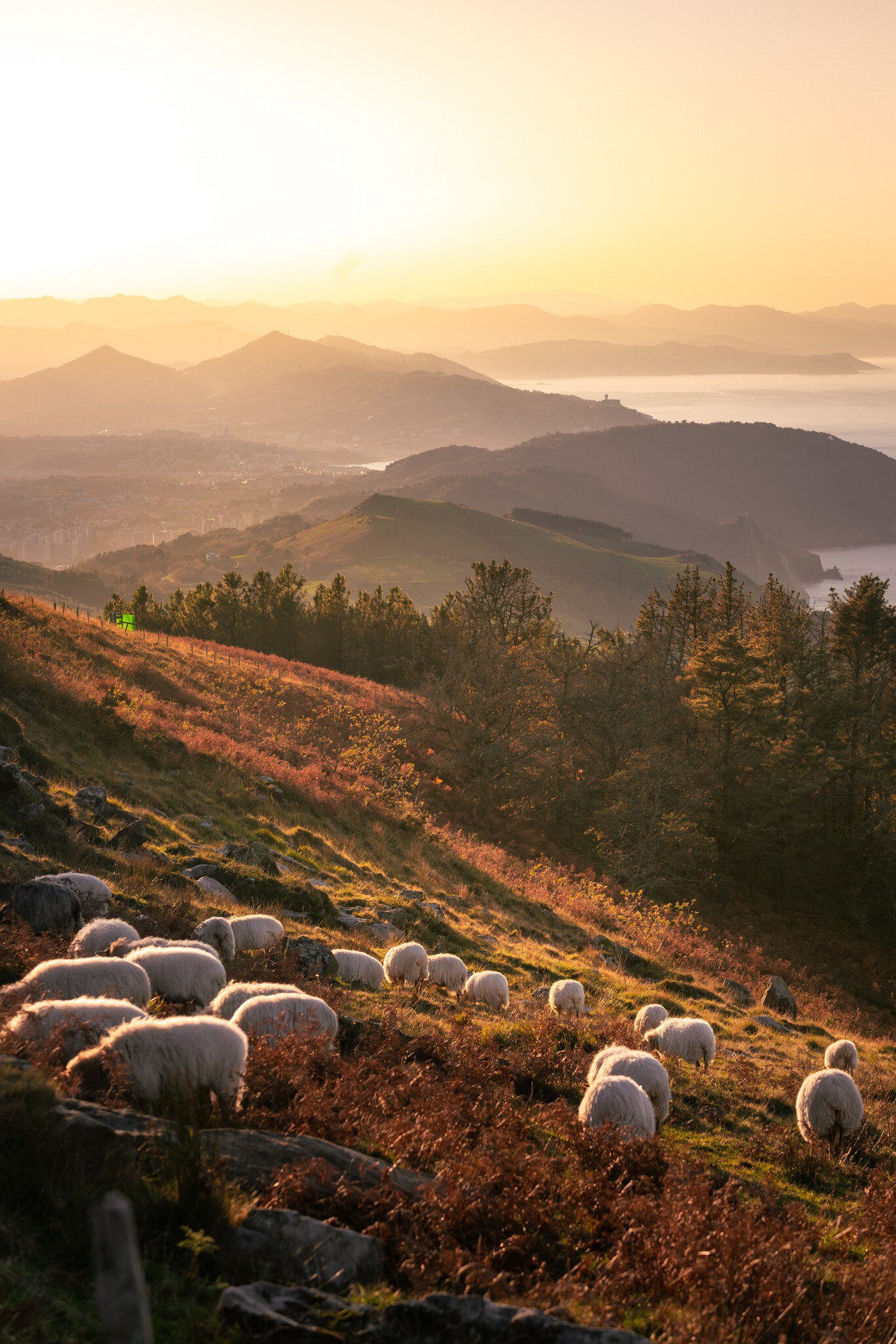
Jorge Garcia Argazkiak/Getty Images
Latest Stories
- Kerry Walker | Aug 19, 202612 of the Prettiest Towns and Villages in Spain
- Ann Douglas Lott | Aug 11, 2026Seeing the Eclipse in Northern Spain? Follow This 11-Day Itinerary
- Jamie Ditaranto | Aug 5, 2026The Total Solar Eclipse Hits Spain Next Week — Here’s How to Watch It
- Isabella Noble | Jul 10, 2026The Top 20 Things to Do in Spain
Book
Trip 

Trusted Partner
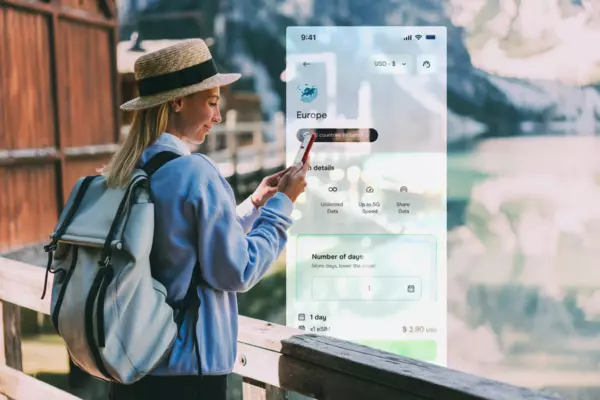
Stay connected in Spain
Holafly eSIM provides unlimited mobile data with no hidden fees, giving you peace of mind wherever you travel. Stay connected even after your plan ends with Always On. Use code LONELYPLANET for an exclusive discount.
Lonely Planet may earn a commission from affiliate links on our site. All recommendations and reviews reflect our own independent opinions.
Book your Spain trip with Lonely Planet Journeys
See Spain how it's meant to be seen
Planned by local experts and tailored to you, Lonely Planet Journeys handles the logistics so you can just enjoy the trip. Tell us what you want and we'll build your Spain itinerary from scratch, or browse our bookable trips to get inspired.

Top places to visit in Spain
Discover the best attractions in Spain from must-see sights to unexpected hidden gems.
-
 Attraction in BarcelonaCasa-Museu Gaudí
 - Attraction in L'EixamplePalau Baró de Quadras
- Attraction in CadaquésCasa Museu Dalí
- Attraction in FigueresTeatre-Museu Dalí
- Attraction in BarcelonaBasílica de Santa Maria del Mar
- Attraction in BarcelonaCastell de Montjuïc




Travel Guides
Spain travel tips from Lonely Planet experts
Find practical guidance from our team of contributors around the world who bring their decades of first-hand travel experience to your next trip.
Best Things to Do
From wine to art to surf and more, Spain is a travelers' playground, coast to coast.
Read full article
Best Time to Visit
From the liveliest events in a fun-filled calendar to the best times to come for beach weather, here's are the best times to visit Spain.
Read full article
Things to Know
From speaking Spanish to avoiding common tourist mistakes, this guide full of top tips can get you ready for a trip to Spain.
Read full article
Transportation
Traveling around Spain is convenient, efficient and manageable – thanks to its advanced and accessible public transport infrastructure.
Read full article
Best Road Trips
See the best of Spain's history, natural beauty and delicious flavors on these seven road-trip itineraries.
Read full article
Money and Costs
Save these tips on how to explore this stunning Spanish archipelago, with its beaches, volcanic landscapes and vibrant local culture, on a budget.
Read full article
Traveling with Kids
Traveling with children in Spain is a delight. Here’s what to do and what to know about visiting the country with kids of all ages.
Read full article
Best Places to Visit
With stunning beaches, top-notch art museums and unmatched cuisine, Spain regularly steals hearts. Add these top 14 places to your shortlist.
Read full article
Get Connected
Stay connected when on vacation in Spain with this guide to cell service, roaming charges and data.
Read full article
Get a book. Get inspired. Get exploring.

in partnership with getyourguide
Book popular activities in Spain
Lonely Planet may earn a commission from affiliate links on our site. All recommendations and reviews reflect our own independent opinions.
Spain and beyond
- destinationAndalucía
- destinationCanary Islands
- destinationMallorca
- destinationBarcelona
- destinationMadrid
- destinationIbiza
- destinationL'Eixample
- destinationBilbao