
Dec 13, 20215 min read
Argentina's top 10 experiences will thrill visitorsFeb 5, 2025
12 MIN READ

Writer
Writer
Córdoba is a perfect destination for history lovers. One of the hottest cities in Spain, it enchants you with orange tree-lined narrow streets, labyrinthine Jewish and Moorish quarters, flower-filled hidden patios and superb Andalusian gastronomy. Its most stunning sight is the Mezquita (or Great Mosque), a masterpiece of the Islamic world with a hypnotic multi-arched interior.
But Córdoba is much more than its famous building. There’s a rich tapas culture, passionate flamenco concerts and a unique handicraft scene. It’s one of the best places to immerse in the authentic Andalusian lifestyle. Venture beyond the city to find a charming wine-making region, inspiring forest hikes and ancient castles featured in popular shows.
Here are the best things to do in Córdoba to have the most complete visit to this intriguing Spanish cultural hotspot.
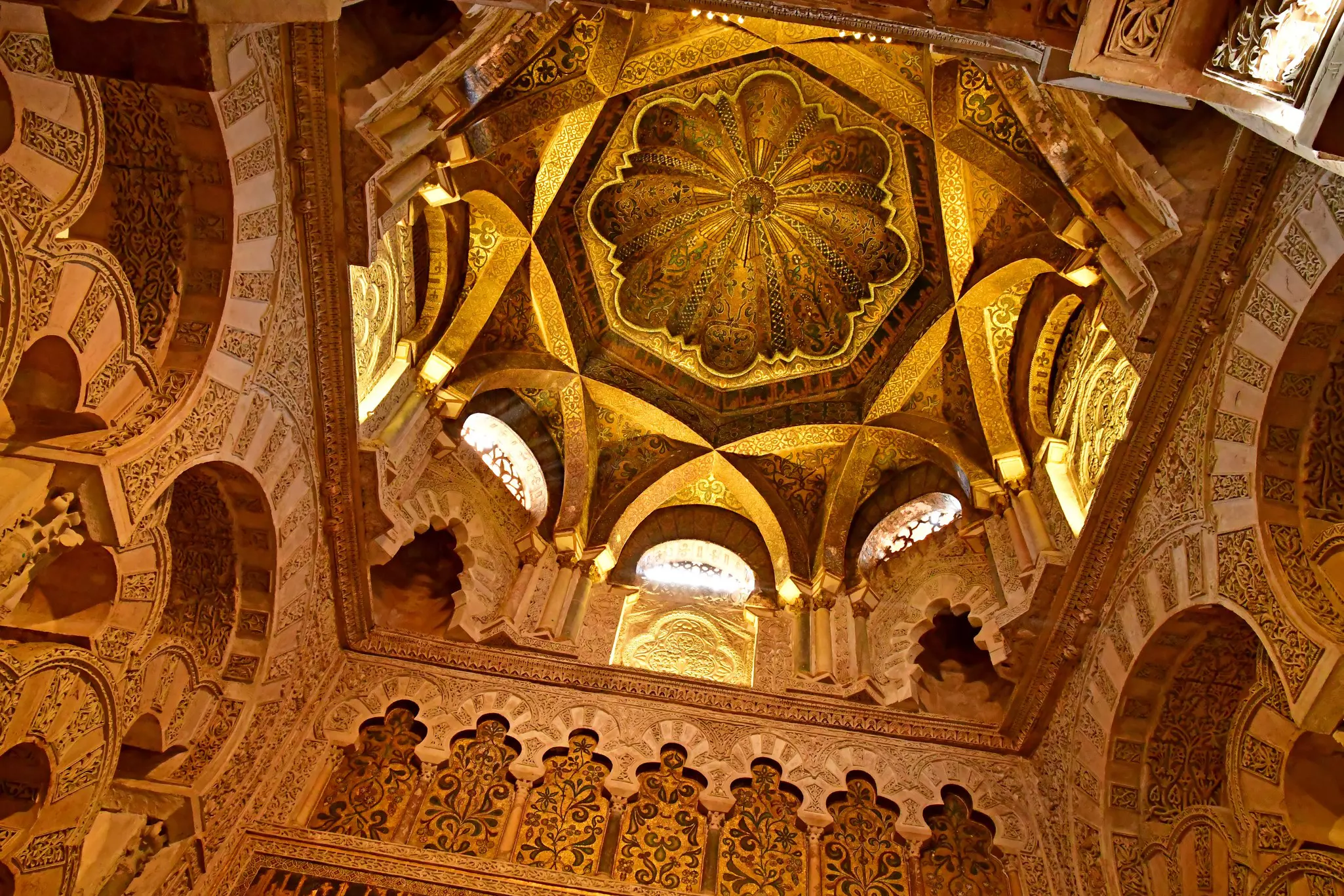
Jewel of the Moorish caliphate when it was the Grand Mosque of Córdoba, and later one of Spain’s great cathedrals, the Mezquita is justifiably considered to rank among the world’s most magnificent buildings. Take your time, and savor the detail. The first thing you’ll notice on entry to the Mezquita is a forest of arches, which stack well into the distance, as though you’re entering a hall of mirrors. Don’t miss the Mihrab (the decorative prayer niche facing Mecca) with gold mosaic and Maksura (a royal prayer enclosure). Capilla Mayor is the impressive main altar with plateresque, Gothic, baroque and Renaissance motifs.
Free to access, the Mezquita’s Patio de los Naranjos is the charming courtyard entrance to the Mezquita. Filled with palms, orange trees and various ornate fountains, it is surprising how much the atmosphere calms inside. Keep coming back here throughout your stay and at different times of the day. For the best view of the Mezquita and Córdoba, visit the Bell Tower. Tickets can be purchased to the right of the Puerta del Perdón, inside the Patio de los Naranjos.
Planning tip: Visit at 10am on a paid ticket to avoid the bigger crowds. Book tickets (up to a month) in advance where possible.
Enter the Córdoba’s Old Town through Puerta de Almodóvar, a gateway in the old city wall. Immediately inside, you enter the city’s former Jewish Quarter, a maze of cobbled streets, many of which are free from the blemishes of the tourism industry. Take a right onto Calle Judíos, which leads to the beautifully intricate Sinagoga (synagogue) of Córdoba, built in 1315. Just up across the street is a fascinating Jewish culture and history museum, Casa de Sefarad, which used to be connected to the synagogue via a tunnel. The exhibitions here detail Sephardic (Iberian Peninsula Judaism) life and traditions.
Planning tip: Head to the Oficina de Turismo (located immediately to the northwest when you enter the Puerta del Puente) for up-to-date opening hours of the major monuments, which change according to the season.
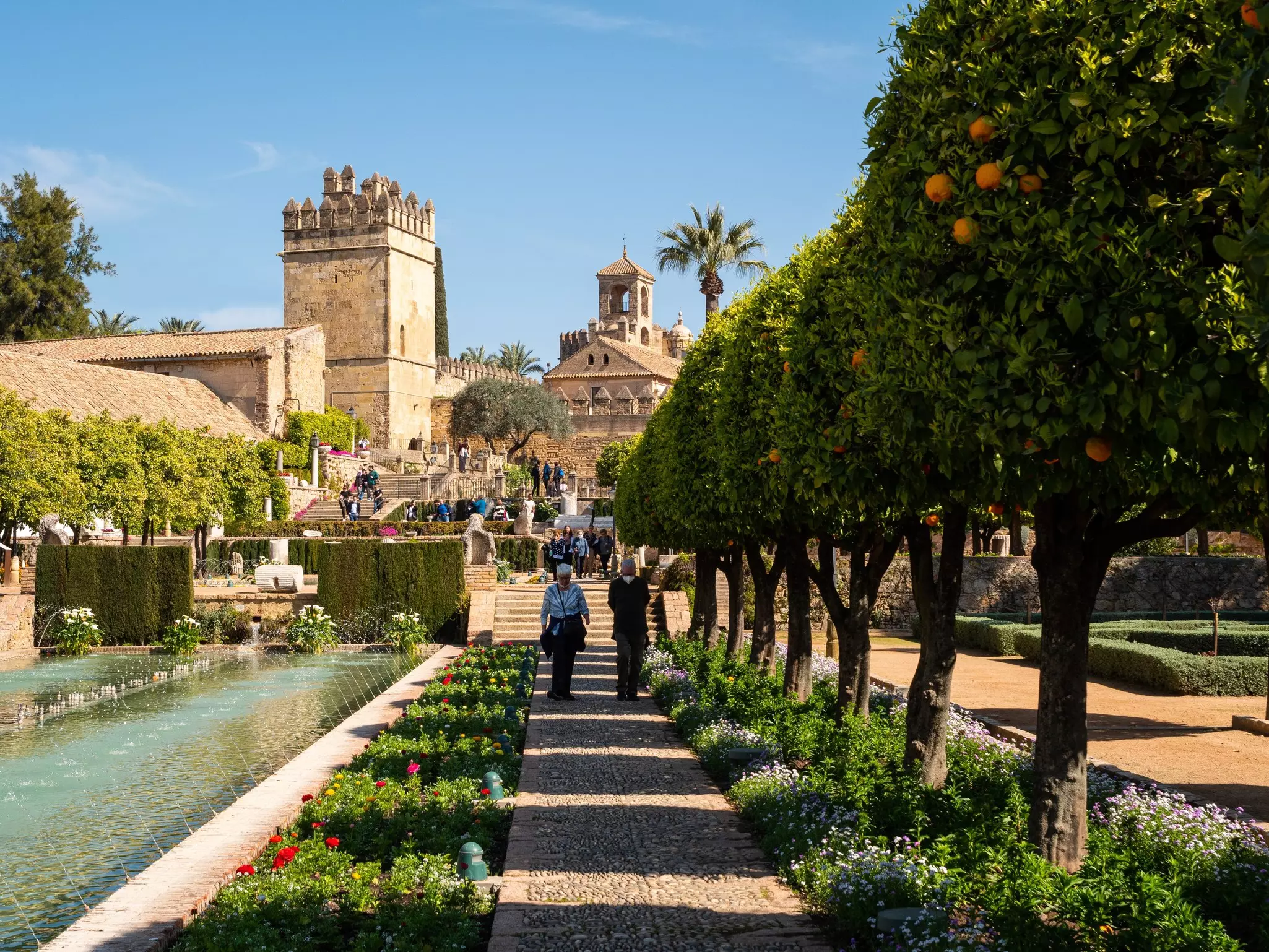
Commissioned by Catholic King Alfonso XI in the 14th century, soon after defeating the Moors, Córdoba’s Alcázar de los Reyes Cristianos (Castle of the Christian Monarchs), a royal fortress and main royal residence, is a surprisingly small affair when compared to similar structures in Andalucía.
Upon entry, you’ll see the exposed remains of a former Moorish palace that predates it. Inside, the halls and corridors lack the majesty of the region’s other royal palaces, mainly because this one later became a base for the Inquisition and then a prison. Some fine Roman mosaics, mounted on the wall like paintings, are displayed in the main hall. There’s one of Medusa, although time has given her a snake haircut, and an impressively intact Polyphemus and Galatea.
There’s usually a queue to access the battlements, with visitors asked to wait before ascending in limited groups to ensure things stay safe and regulated. From the main tower there are views over the gardens, remodeled in the 19th century. Descend to finish your visit around their leafy geometric perfection.
Planning tip: Entry to the Alcázar de los Reyes Cristianos is free on Thursdays for two hours between 6pm and 8pm in winter and from noon until closing in summer.
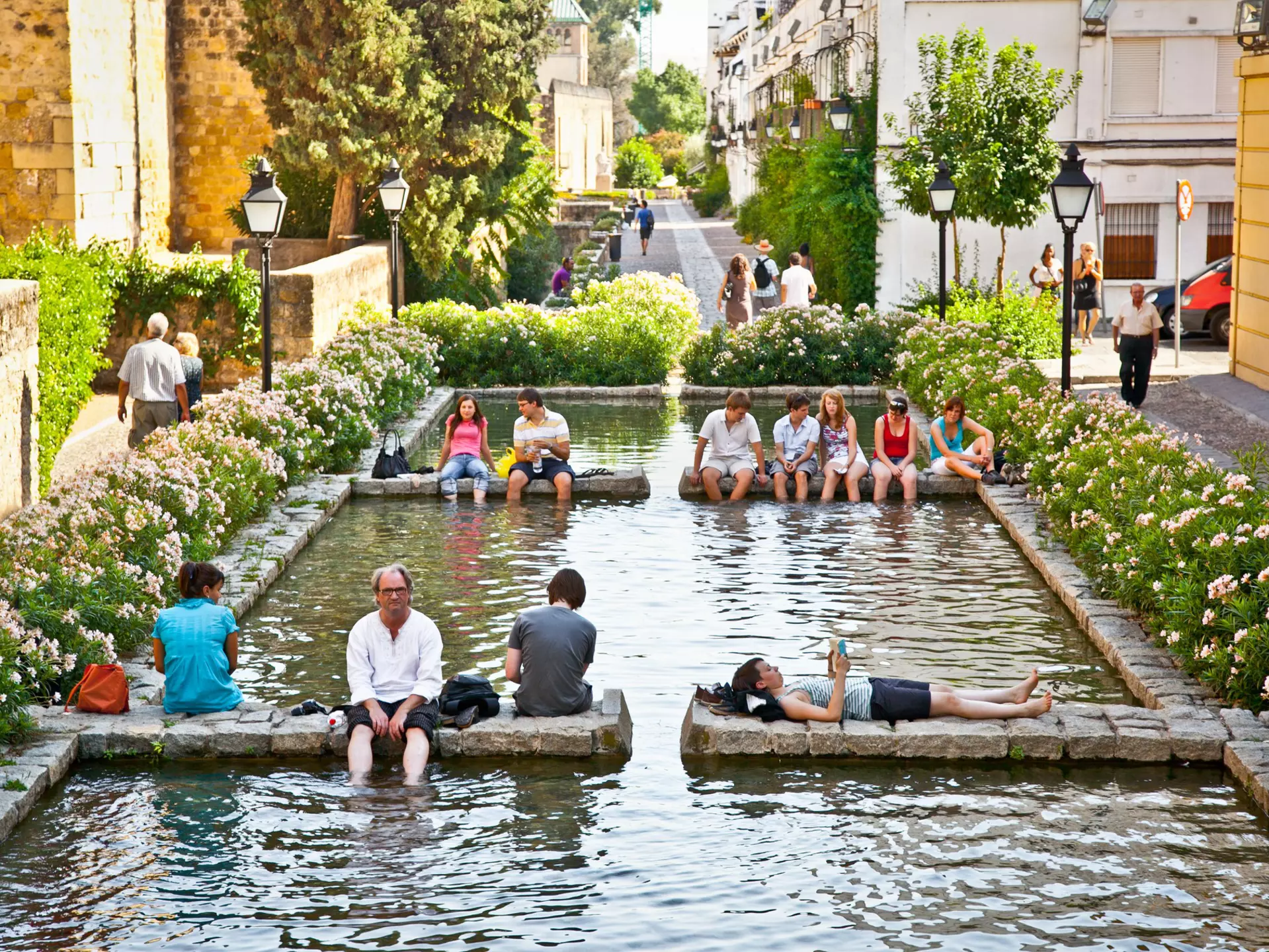
The Patios de San Basilio (aka Alcázar Viejo) neighborhood to the north and west of the Alcázar, was built to house staff of the palace and its Caballerizas Reales (Royal Stables). These days, the houses are heralded for their quaint patios and sprinkled with pots filled with resplendent geraniums and drapes of bougainvillea. Several remain open year-round, although spring sees the best in show. Many of these floral feasts win the patio contests during the Fiesta de los Patios de Córdoba in May.
Planning tip: The Asociación de Amigos de los Patios Cordobeses runs tours (Thursday to Tuesday) to four or five of the district’s prettiest patios.
Córdoba was once among Spain’s largest and most important cities. Its eminence began under Roman occupation and continued well into the Moorish empire’s centuries-long dominion over Andalucía. The excellent Museo Arqueológico de Córdoba (closed Monday) charts the changes through these different eras via tangible exhibits that explore more than just relics. Daily lifestyles are particularly well portrayed.
Local tip: Don’t miss the museum’s basement level, which features the actual remains of a Roman theatre.
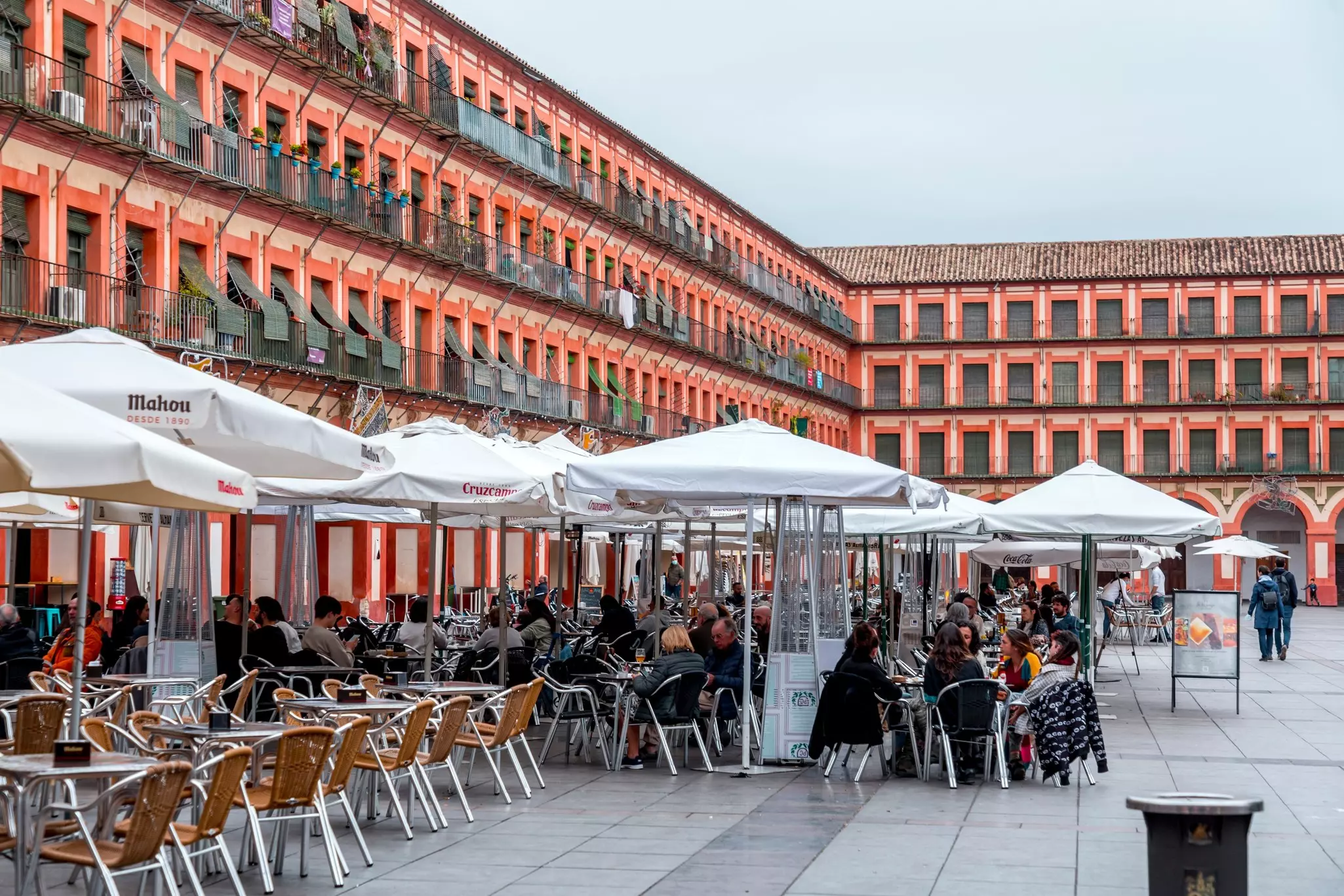
From Córdoba’s Jewish Quarter and Mezquita, the old town meanders north and east in a tangle of old streets, which are broken occasionally by a broad plaza. The most ostentatious is the 17th-century Plaza de la Corredera, a huge Castille-style rectangle, where the Roman mosaics on display at the Alcázar were discovered. It is comparatively sedate these days, compared with its blood-spilled past that saw bullfights, Inquisition autos-da-fé and executions take place. Now, it’s a spot for refreshments at the Mercado de la Corredera, an indoor food market, and an ideal location to sip cold drinks on a warm evening at one of the myriad tapas bars lining the square.
Further south, a fountain topped by a prancing pony is the focal point of the long, thin Plaza del Potro. The Posada del Potro on its western side was described by Miguel de Cervantes as a “den of thieves” in Don Quixote. It’s now a decidedly cultured place, housing the Centro Flamenco Fosforito. Plaza de las Tendillas is in the commercial center of Córdoba. Try to visit on the hour, when the clock chimes are replaced by flamenco guitar music. Further north, the Plaza de los Capuchinos (more often referred to as Cristo de los Faroles, after the statue at its core) is surrounded by eight wonky street lights that represent the eight provinces of Andalucía.
Traditional handicrafts endure in good health around Córdoba and you can witness the artistry in practice at various in-store workshops. Head to Calle Puerta de Almodóvar to watch the potter at work making flamenco figurines at Cerámica Leonardos. For guitar fans, Calle San Pablo is the place to see José Rodríguez, a renowned local luthier, at work. El Reparador Antonio Porras on Calle San Pablo does leather tooling, belt making and shoe repairs. Joaquín Espaliú is the fourth-generation silversmith on Calle Almanzor, near Cerámica. Head one street east of Plaza de la Corredera to find Artesanía Toril for esparto grass weaving.
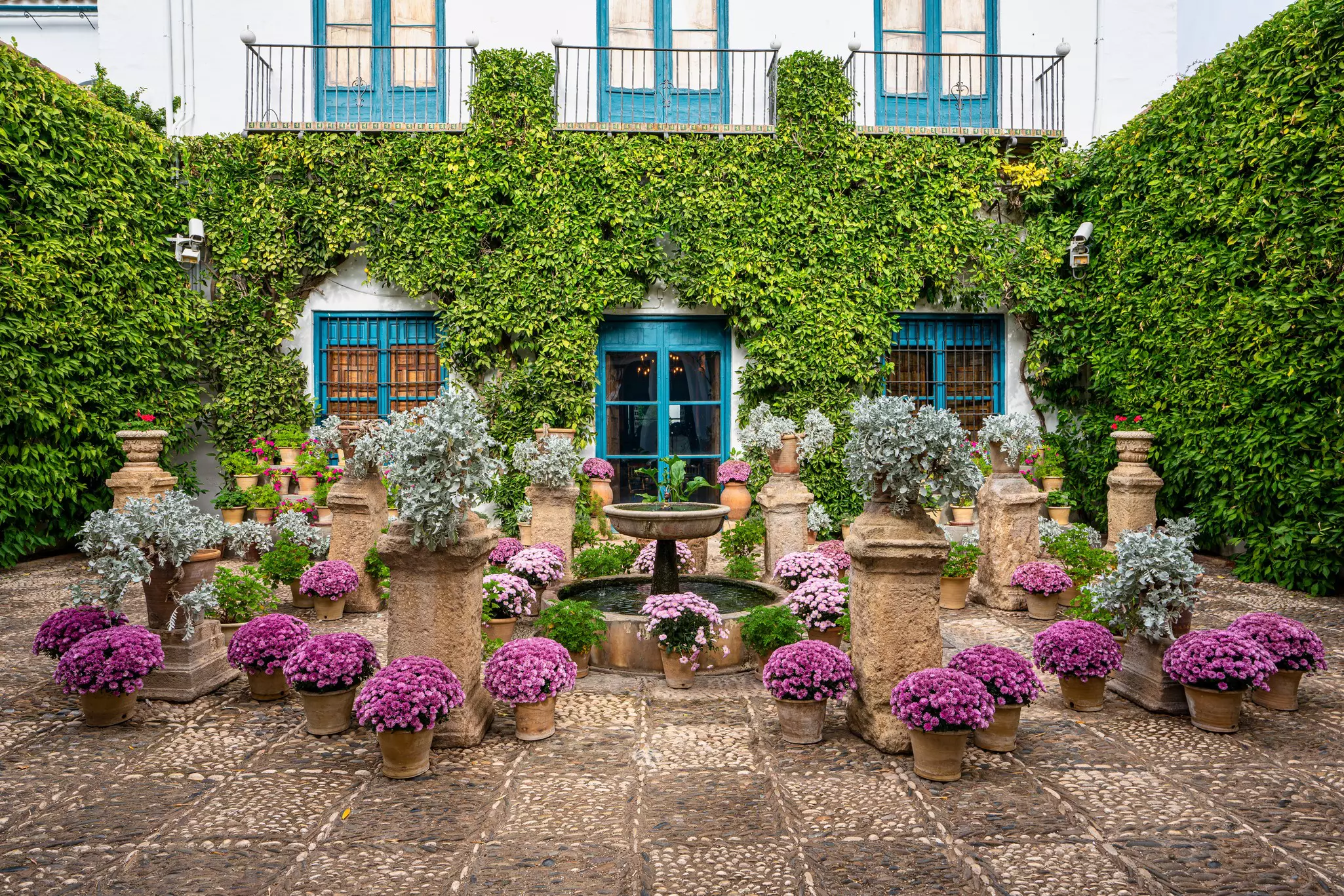
The Palacio de Viana marks the high point of Córdoba’s bloom-filled patio scene. Although a delightful place to visit at any time of year, spring is the best time to experience the floral creativity across the palace’s 12 patios, each one uniquely designed. The Renaissance palace beyond them is a five-century mishmash of architectural styles. The mansion belonged to the Marqueses de Viana, a Spanish noble family, from 1425 until the 1980s. Now open to the public, the furniture and decor are a frozen portrayal of daily life in times gone by.
Planning tip: Access to the interior is via a guided tour (Spanish only). When the Fiesta de los Patios de Córdoba takes place in May, entrance is free.
Spain has a long tradition of leatherwork. Andalucian leather, embossed with botanical designs and geometric patterns, was popular in the 16th century, and can still be found in palaces and stately homes across Europe. But even before then, a type of gilt sheepskin leather art called guadamecí, initially developed in Libya, became popular in Córdoba during the Muslim caliphate of the 10th century.
Although lost to Córdoba for many centuries, guadamecí leather art has been revived in the city. José Carlos Villarejo García, taught by his uncle, who in turn taught himself from archival information, creates beautiful, decorative pieces of art. Visit Casa-Museo del Guadamecí Omeya to see his exquisite work.
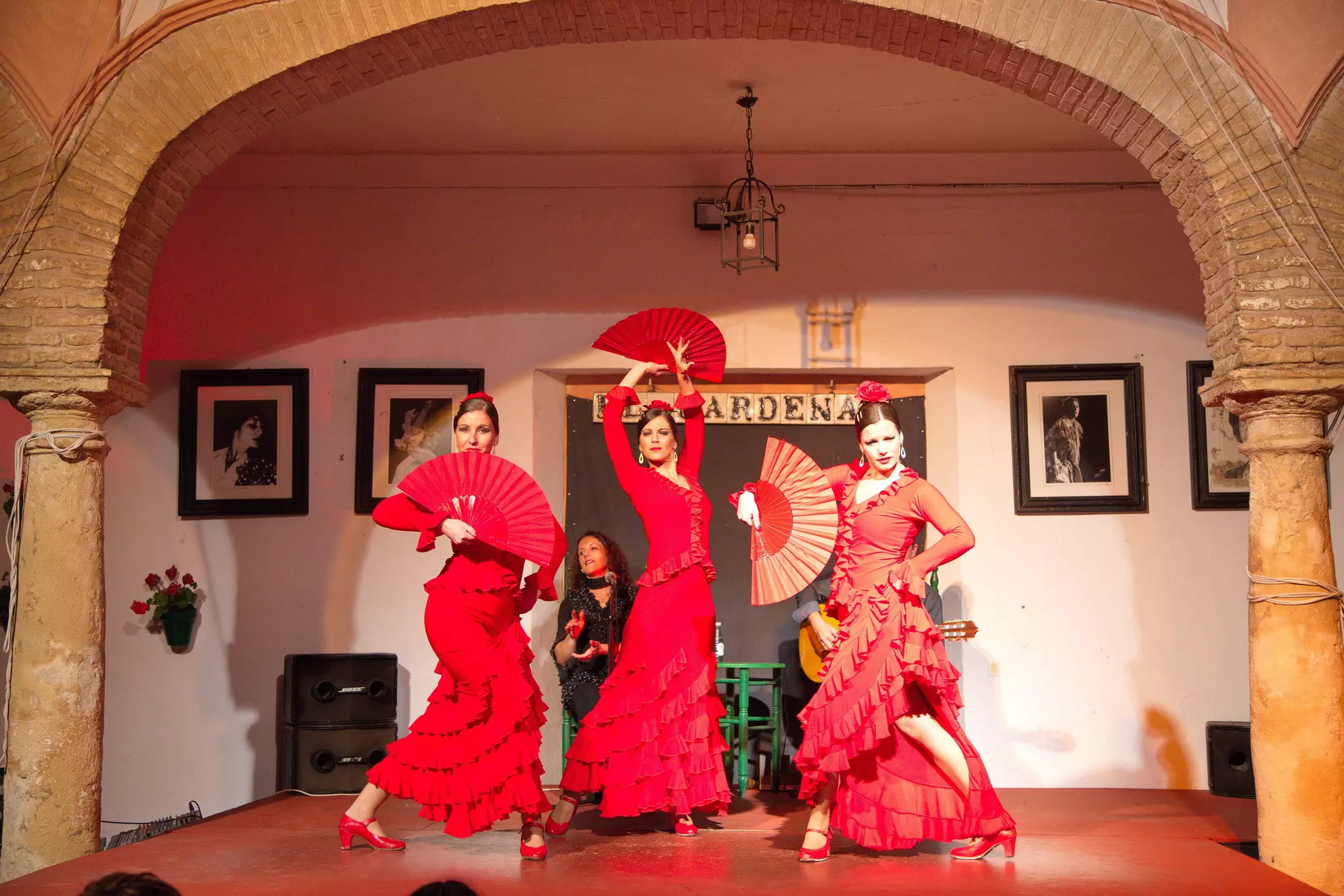
You will have plenty of recourse to experience flamenco live in Córdoba. Head first to the Centro Flamenco Fosforito on Plaza del Potro, where excellent curation brings flamenco to life through instruments, footage and, of course, music. Check Centro Flamenco Fosforito's website for upcoming shows, many of which are free to watch. To catch a show at a traditional tablao, try Tablao El Cardenal, El Jaleo or Doble de Cepa, which host regular performances.
Planning tip: In summer, there are occasionally free flamenco concerts at the town hall. If you visit during the annual Noche Blanca del Flamenco festival in June, you’re certain to catch plenty of free performances.
The San Lorenzo neighborhood is a pleasant part of the historic center largely devoid of the tour groups found elsewhere. Real Parroquia de San Lorenzo church, with its impressive Gothic-Mudéjar rose window, was commissioned to be built over a mosque in the 13th century, soon after the Christian Reconquista (reconquest). Nearby, the Iglesia del Juramento de San Rafael is built on the site where the archangel Raphael is believed to have appeared to Father Roelas in the 16th century. As with the other areas of the city, some of the beautiful interior patios of private houses open to the public during the fortnight of the Fiesta de los Patios de Córdoba in May.
Planning tip: For a green escape that stays open throughout the year, try the Jardín de los Poetas, alongside which runs a 400m (1312ft) stretch of the city wall from the Almoravid dynasty, which ruled from the mid-11th until the mid-12th centuries.
The city is packed with informative little museums, far more than can ever be visited in one trip. Casa Andalusí is a beautiful 12th-century house and courtyard restored to give a sense of what medieval life in the Jewish Quarter might have looked like. Set in a former hospital, the six rooms of Museo Julio Romero de Torres are dedicated to this famous Cordoban painter. Finally, explore the Casa del Agua, a small museum that explores how water in this arid region was brought into the city through the ages. Continuing the cultural cavalcade, the Museo de Bellas Artes de Córdoba showcases a modest selection of art from Spanish painters such as Juan de Valdés Leal and Eduardo Chillida inside the former Hospital de la Caridad, built at the end of 17th century.
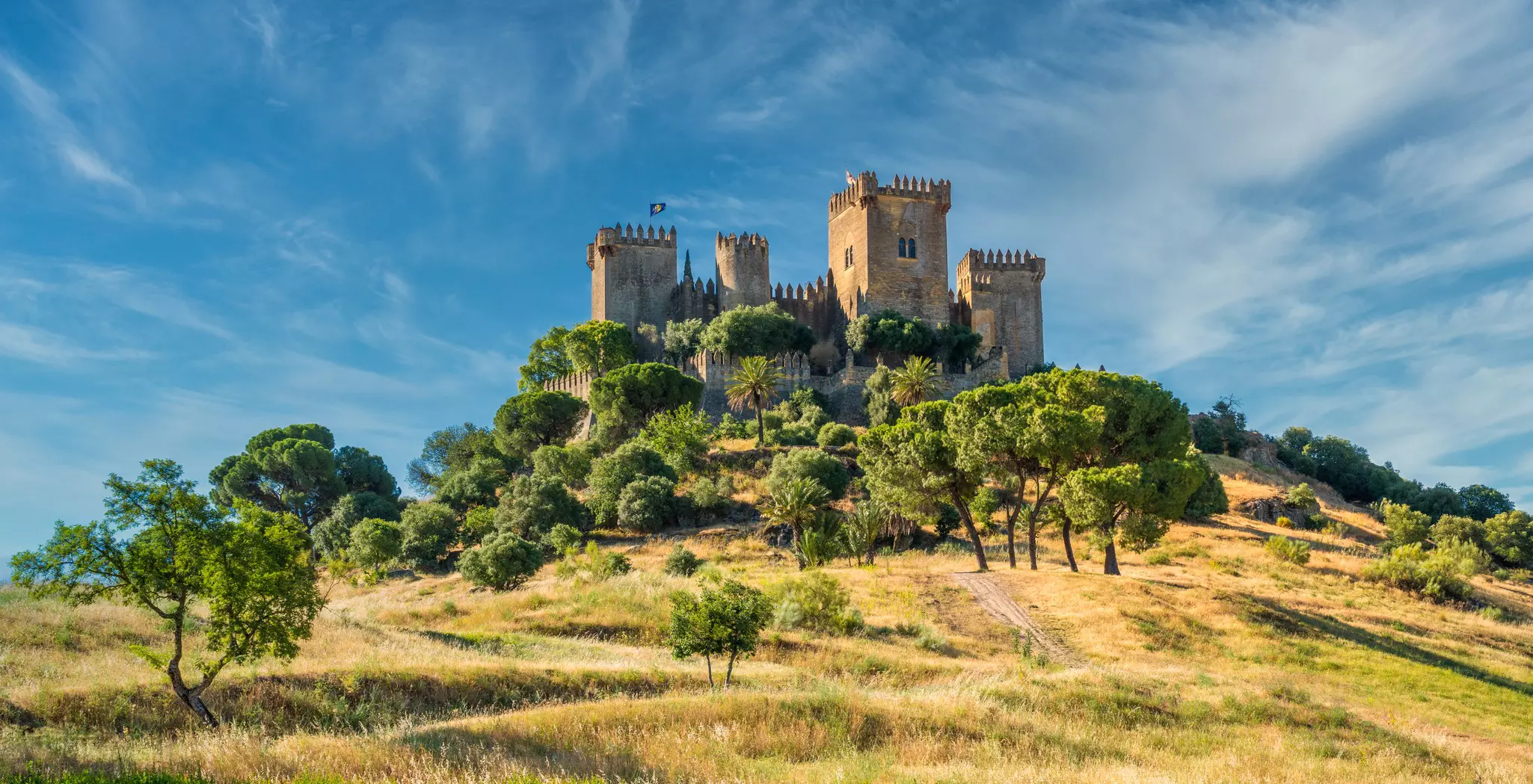
Look west from the Parador de Córdoba on a clear day and you’ll see a formidable castle crowning a hilltop 22km (13 miles) away. As you near it, the Castillo de Almodóvar starts to take on an almost menacing aspect – its sharp row of crenellations like bared fangs. If you’ve watched Game of Thrones, chances are you’ve seen it already, serving as Casterly Rock and Highgarden. The castle mostly dates to the post-Reconquista era.
Planning tip: You can climb many of its nine towers and explore the chapel and battlements. A free car park is located 600m (1968ft) below the castle’s north side.
The only wine-producing DOP (Denominación de Origen Protegida) in Córdoba is Montilla-Moriles DOP, on the plains of the Río Genil and Río Guadajoz. Montilla itself is 43km (26 miles) south of Cordóba city, with Moriles another 17km (10 miles) further south. Wine production in the region dates back to Roman times. You’ll notice how the landscape mellows and the earth changes from red to the very pale, almost white, albariza soil – the same as the sherry triangle in Cádiz – which the Pedro Ximénez grape loves. This is also the place to see the fascinating craft of barrels being created by hand at various locations, mostly in Montilla itself.
Planning tip: Bodegas Alvear, Bodegas Robles and Bodegas Toro Albalá are great places for a tasting.
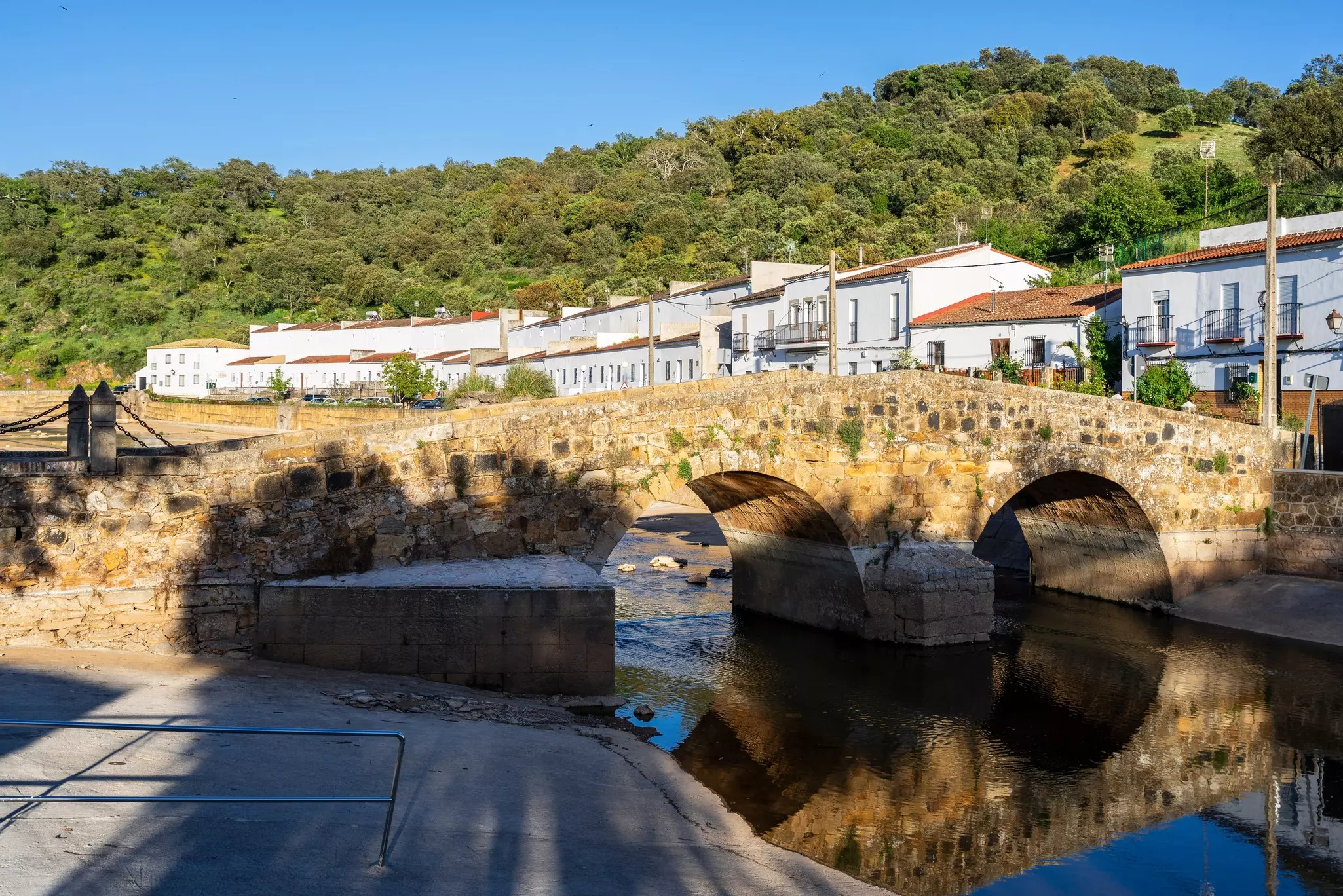
The mountainous belt north of Córdoba is packed with natural parks and pueblos blancos (traditional whitewashed towns of Andalusia). Parque Natural Sierra de Cardeña y Montoro is in the region known as Los Pedroches, which lies north of Córdoba city, surrounded by mountain ranges, where black Iberian pigs graze for acorns from holm oaks in stone-walled fields. Jamón producers and factories abound. Los Pedroches has 17 pueblos blancos dotted around the natural landscape.
Parque Natural Sierra de Hornachuelos is an expanse of forest-flecked hills further west and a continuation of the Sierra Norte de Sevilla. This area is known for its birdlife, with griffon and black vultures, rare black storks and Bonelli’s eagles all residents.
This article was adapted from the Andalucía guidebook published in February 2025.
Explore related stories