Aug 6, 20269 min read
8 Best Places to Visit in Slovenia in 2026Aug 26, 2025
10 MIN READ
Contributors
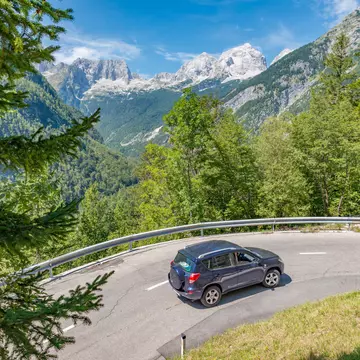
You'll find tons of ways to enjoy your trip to Slovenia. trabantos/Shutterstock

Contributors


Mark Baker, Alex Crevar
Highlights
Writers Alex Crevar and Mark Baker share 12 Slovenia highlights, from Alps to Adriatic.
Visit Ljubljana's Central Market, then hike the Juliana Trail or scale Mt Triglav.
Architecture fans should trace Plečnik's Ljubljana, where his works now hold UNESCO protection.
In the Karst Region, head into Postojna Cave or watch Lipizzaner horses trot at Lipica.
Lonely Planet may earn a commission from affiliate links on our site. All recommendations and reviews reflect our own independent opinions.
You’d be hard-pressed to find a country that packs so much to see and do in such a compact area.
Slovenia sits amid both the Alps and the Adriatic, influenced by neighboring Italy, Austria and the Western Balkans. And because of its diminutive size, a single visit here can cover all of its regions.
Though you could easily lose yourself in any quadrant, those looking to gather country-wide experiences are in for a multilayered treat. World-class outdoor activities can be combined with city-based excitement. Wine tours are easily paired with history-themed journeys. Here is a smattering of the best things to do and experience in Slovenia.
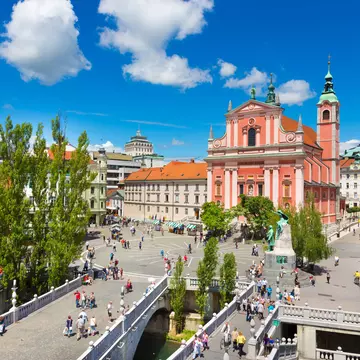
More than just a place to stock up on fresh ingredients, the outdoor and covered areas of the Central Market form the lifeblood of Ljubljana. Just off the main square, beyond the famous Triple Bridge and on the banks of the Ljubljanica River, vendors offer everything from fresh meats, fish, vegetables, fruits, cheeses, nuts, honey and liqueurs. There are plenty of tables around to enjoy the spoils on-site, or better yet, toss everything in a bag for an impromptu picnic along the river or in the capital’s sprawling Tivoli Park.
Planning: Return to the market on Friday afternoons between March and November for Open Kitchen (Odprta Kuhna). Dozens of restaurants from across Ljubljana set up stands for a weekly food fest, offering specially prepared dishes to eat on the street.
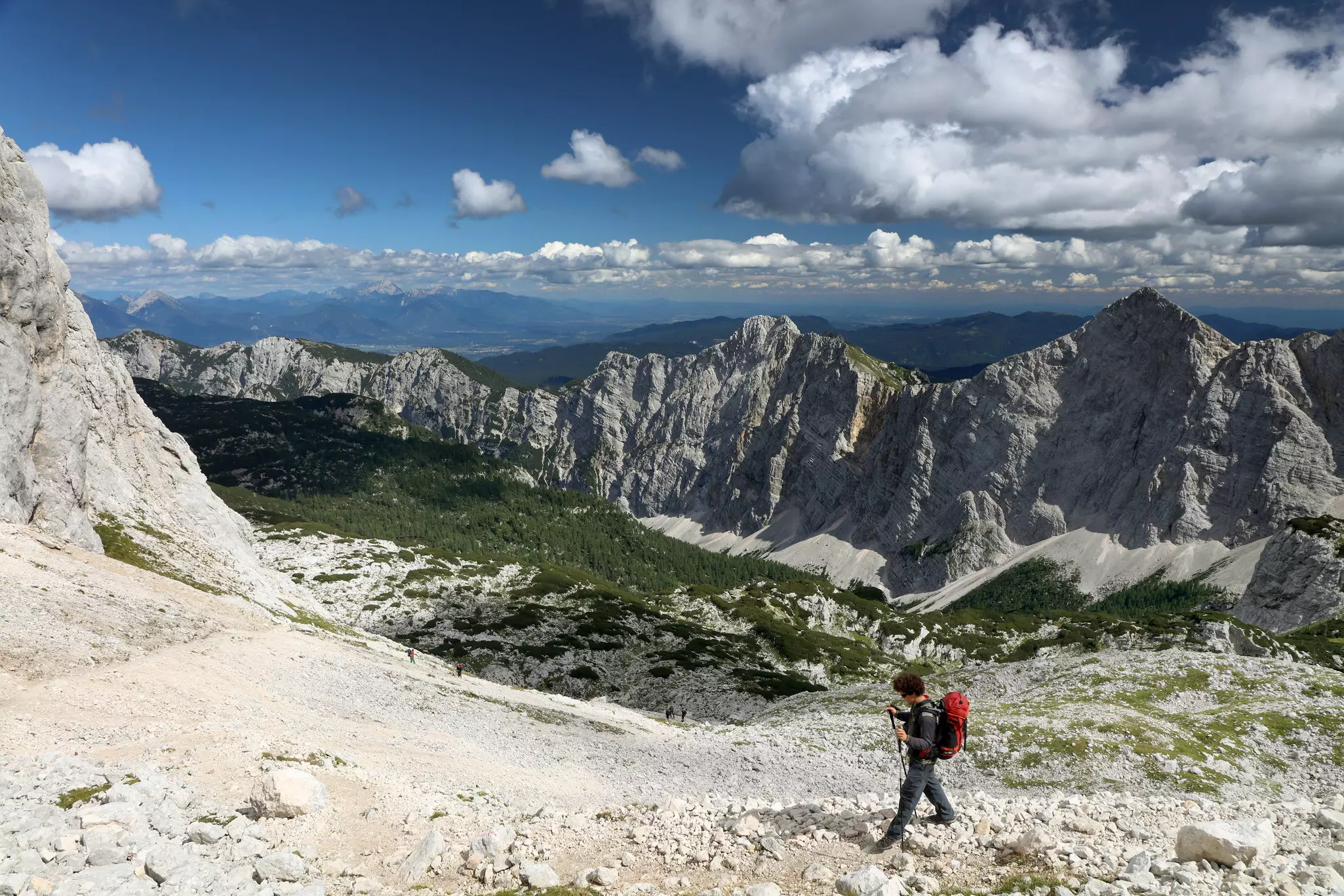
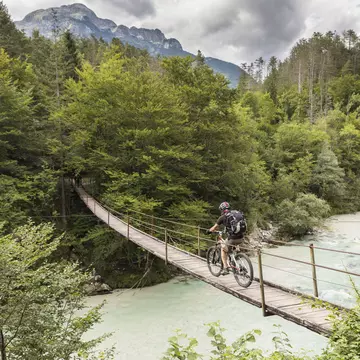
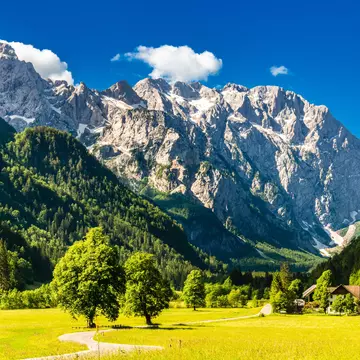
Slovenians are mountaineers at heart, and the Julian Alps in the northwest are crisscrossed by miles of breathtaking hiking and trekking trails. For less experienced adventurers, a hike in the Alps may feel extreme but it doesn’t have to be. The Juliana Trail, a 270km (168 miles) loop that follows the contours of Triglav National Park, is an excellent, accessible introduction. The majority of the trail’s 16 stages are relatively flat and categorized as easy or moderate, and the highest elevations reach around 1325 meters (4347ft).
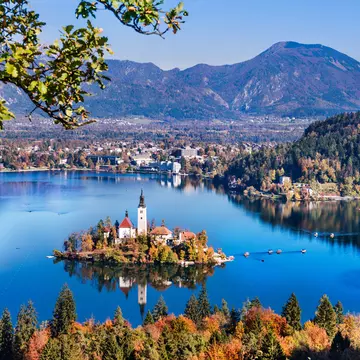
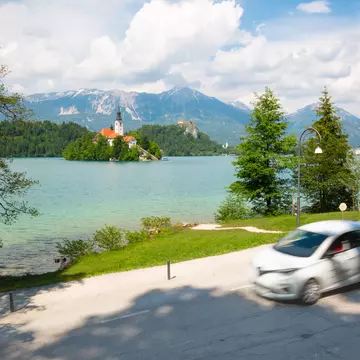
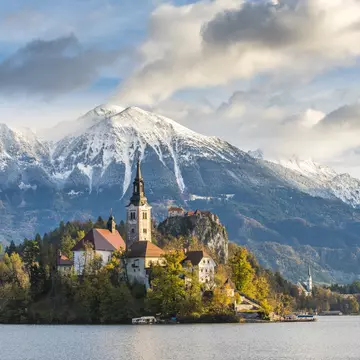
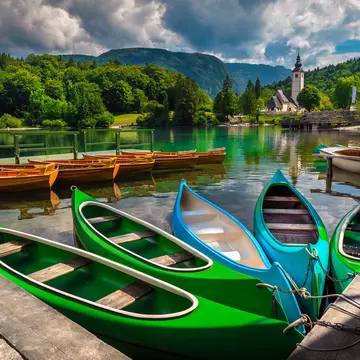
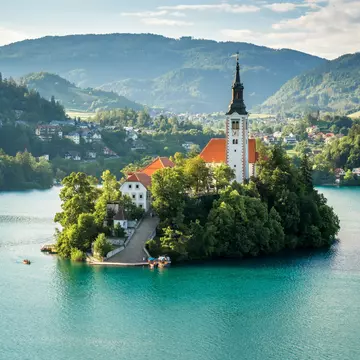
Detour: Any trip to Triglav National Park wouldn’t be complete without a side trip to (or overnight stay at) two of the country’s top attractions – the scenic, Alpine lakes of Bled and Bohinj.
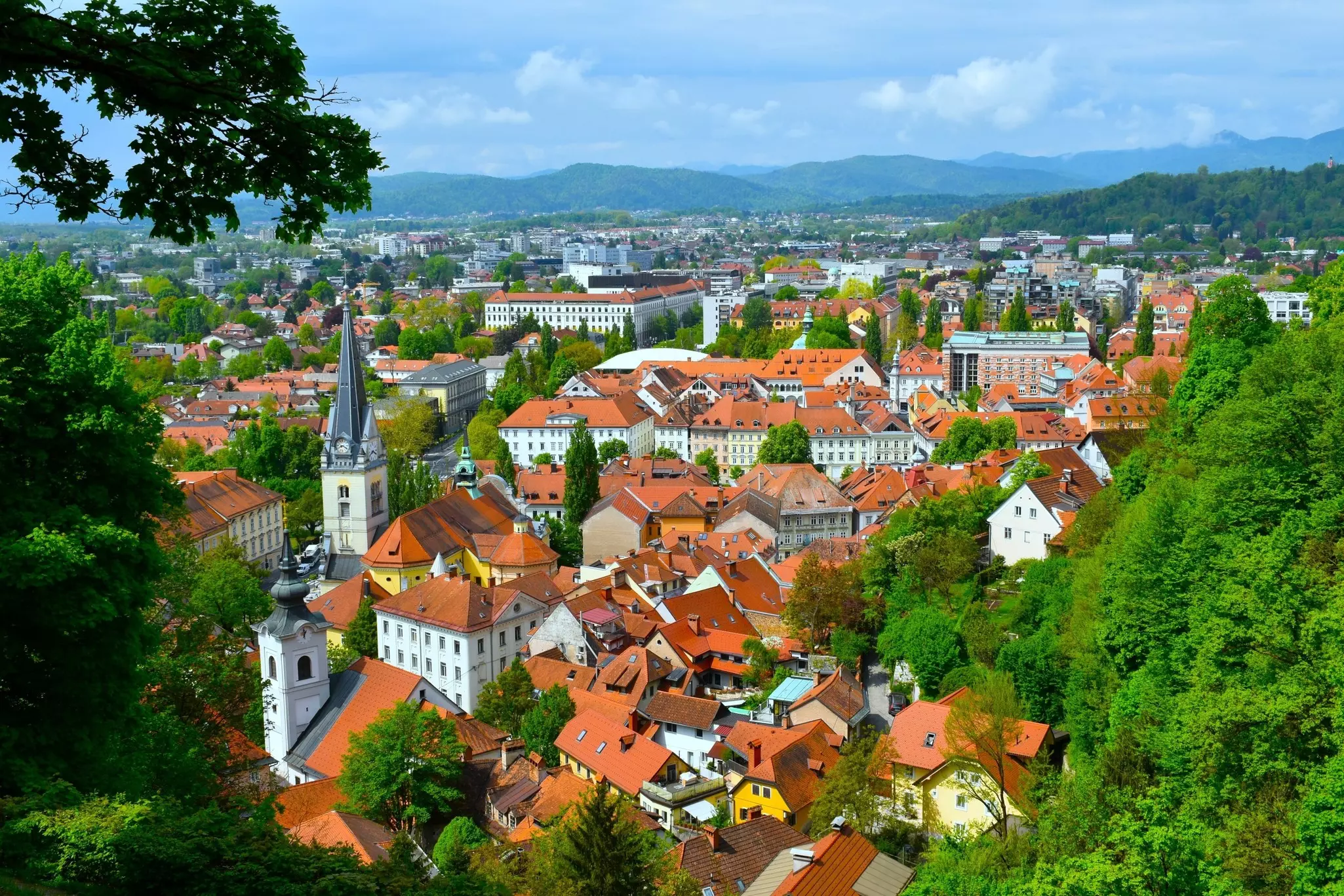
Whether they know it or not, one of the reasons people fall in love with Ljubljana is thanks to the architectural prowess of Jože Plečnik, a native of the Slovenian capital who – during the first half of the 20th century – designed many of its most ornate buildings and structures.
Plečnik’s genius, for example, transformed the city’s Triple Bridge from an ordinary structure to today’s mesmerizing labyrinth of white baubles and balustrades. It was also Plečnik who graced the Central Market with its distinctly classical columns and arches. The Plečnik House, where the architect and urban planner lived and worked for nearly four decades, is a great place to begin. Many of his works have now been granted UNESCO protection for cultural heritage.
Planning: Architecture fans will want to take a guided cycling tour of the city through the eyes and talents of Ljubljana’s favorite son.
The region along the Sava and Krka Rivers in southeastern Slovenia is often overlooked because of the sheer number of top sights packed into the country’s western half. The Lower Sava Valley Region (Posavje in Slovenian) is medieval castle country, featuring scores of these imposing structures scattered across the forested hilltops.
Of particular note is the stretch along the Sava River linking the historic structures from the town of Sevnica to the Mokrice Castle near the Croatian border. Combine a castle tour with a chocolate tasting at the elegant and fully restored Rajhenburg Castle near Krško. In the well-preserved, 13th-century Brežice Castle, you’ll find the Posavje Museum with exhibitions explaining the area’s heritage from pre-historic times to the modern era.
Detour: North of Brežice, the picture-perfect Bizeljsko-Sremič Wine District is lined with wineries that invite a stopover whenever you see a cellar that catches your fancy.
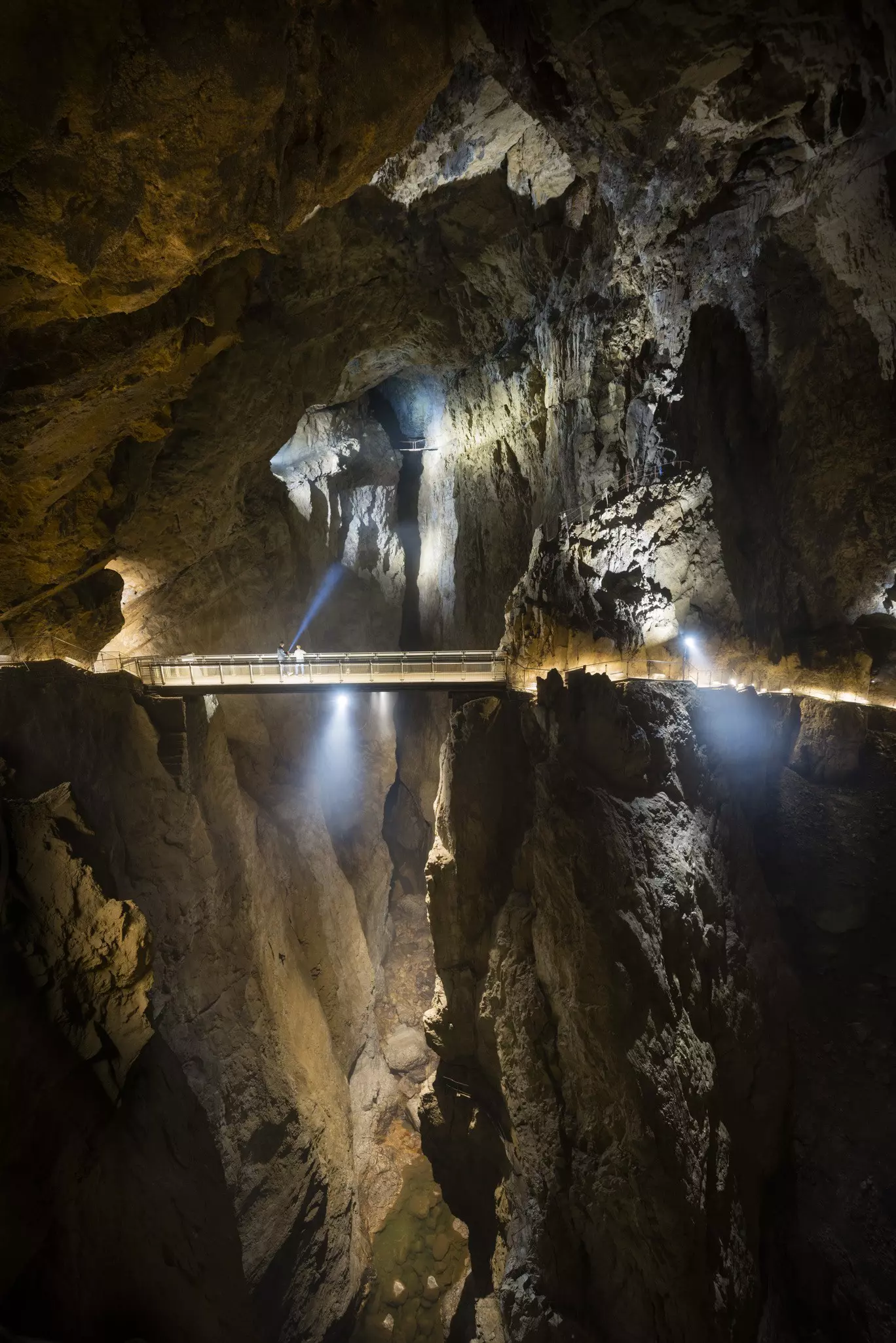
It may be hard to believe, but Slovenia is just as breathtaking below ground as it is above. The southwestern Karst Region, in particular, is riddled with spectacular limestone caves, which you don’t need special equipment to explore. Two caves stand at the top of the list: Postojna and Škocjan.
Take a 4-kilometer train tour into the Postojna Cave’s nearly 24 kilometers of tunnels in total. Of special interest to visiting cavers are the translucent salamanders, or olms, also known as “human fish” or “baby dragons.”
The UNESCO-listed, 6km-long (3.7-mile) Škocjan Caves offer guided tours through the so-called “Silent Cave” and then into the “Murmuring Cave” with a bridge taking amateur, and professional, spelunkers nearly 50 meters (164ft) above the Reka River flowing below.
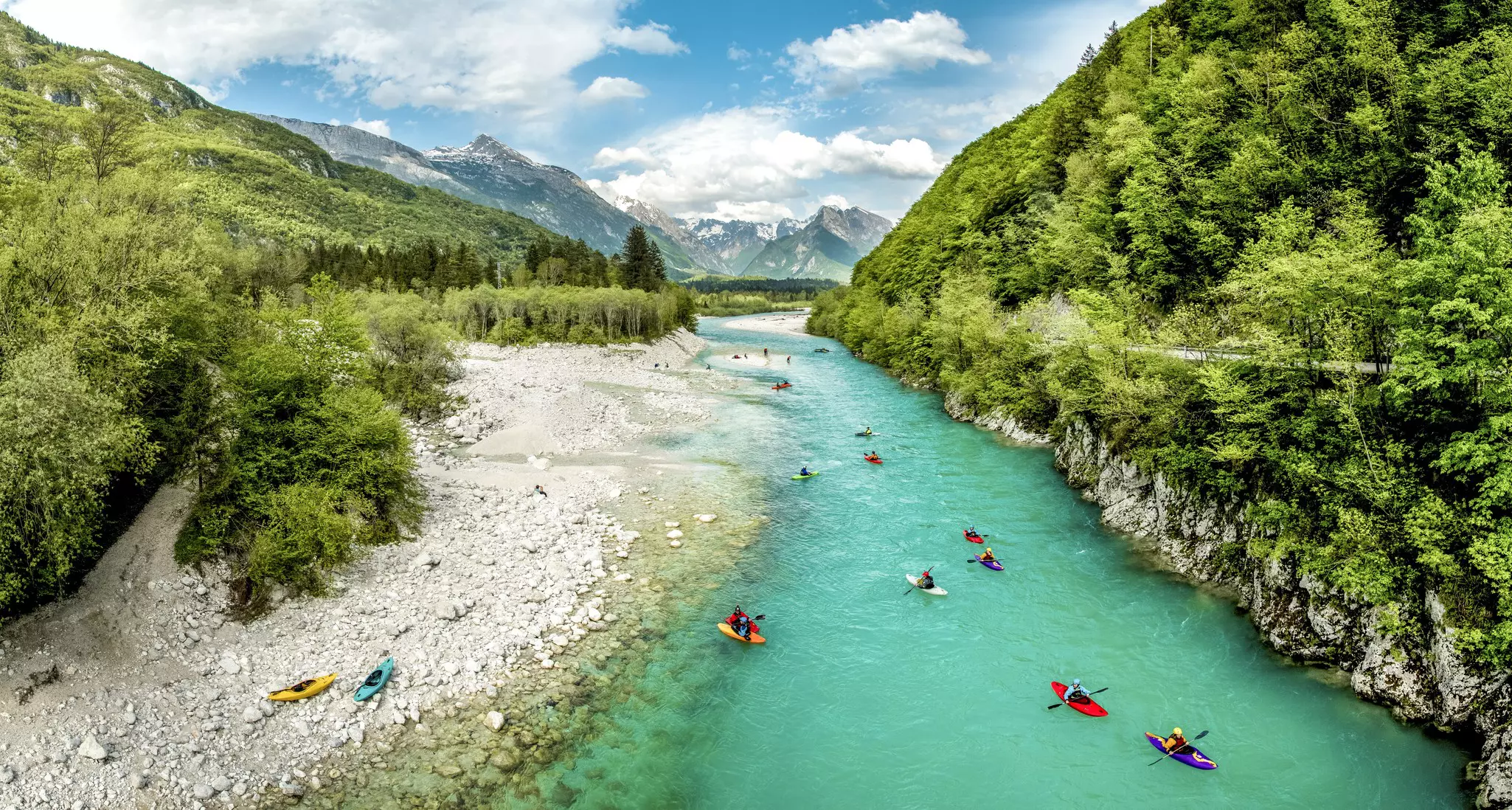
The Bohinj Railway, in the northwest of the country, numbers among Europe’s most scenic train lines and is an absolute must for rail buffs. The line’s history dates to the start of the 20th century, when tracks were laid here to better connect the northern reaches of the Austro-Hungarian Empire to the Adriatic. Opened in 1906, the route went through Slovenia and the Alps.
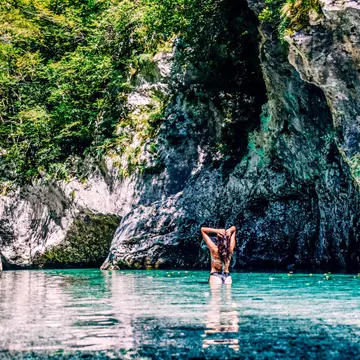
To combine sightseeing, history and responsible travel in your itinerary, hop aboard the train in the town of Bohinjska Bistrica and take it to Nova Gorica on the Italian border. On your voyage, you’ll pass through the mountains via the 6.3km (3.9-mile) Bohinj Tunnel, roll along the show-stopping, emerald Soča River, and over the Solkan Bridge, which, at 85 meters (279ft), is considered to be the longest stone-arch rail overpass in the world.
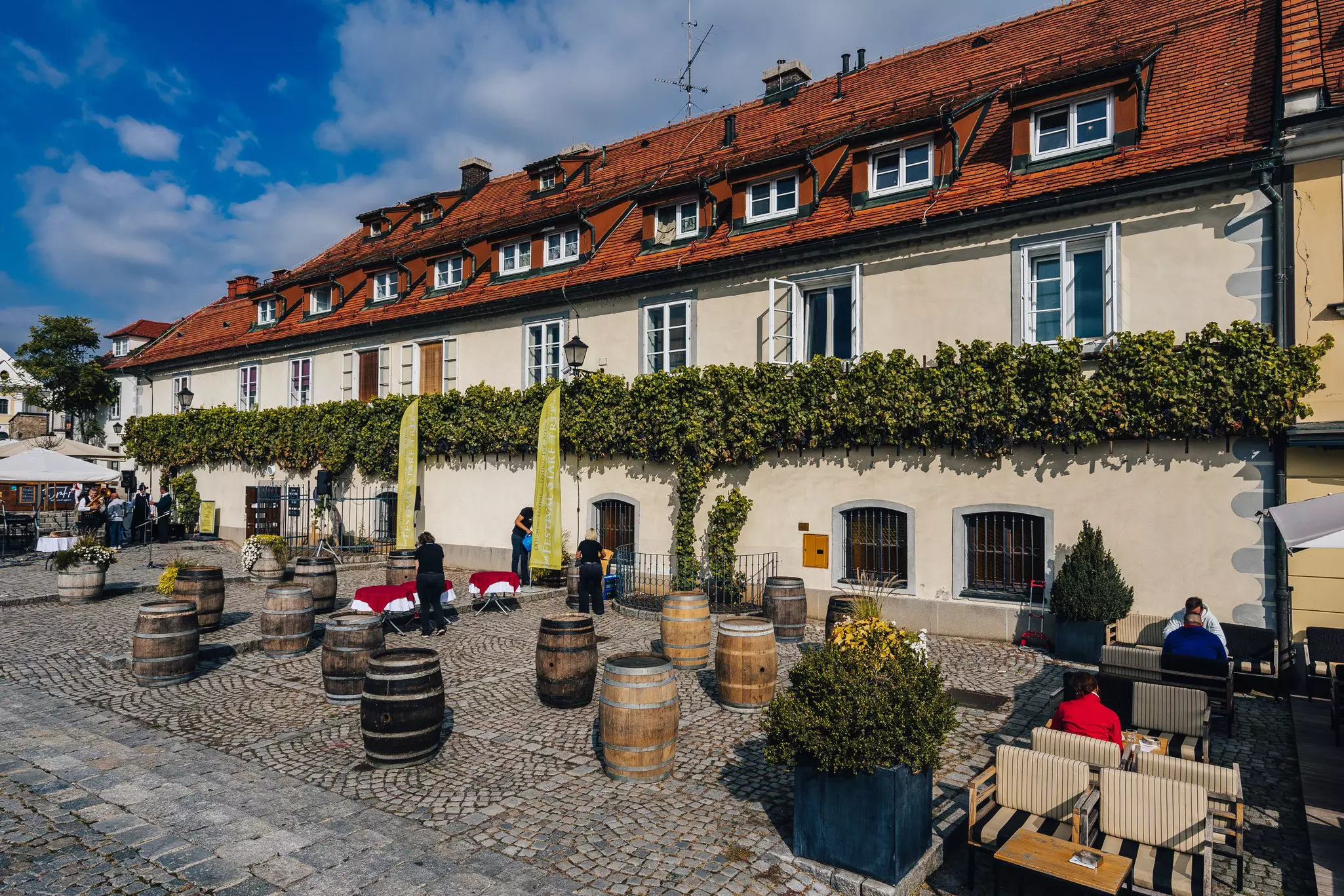
There’s vintage wine and there's record-setting vintage wine. To sample the latter, head to the Old Vine House in Maribor, Slovenia’s second-largest city in the country’s northeast corner. The vine growing up the house’s facade is more than four centuries old and holds a spot in the Guinness Book of Records as the oldest noble vine still bearing fruit in the world. Have a seat on the terrace and taste this ancient red variety, or the many others its shop offers.
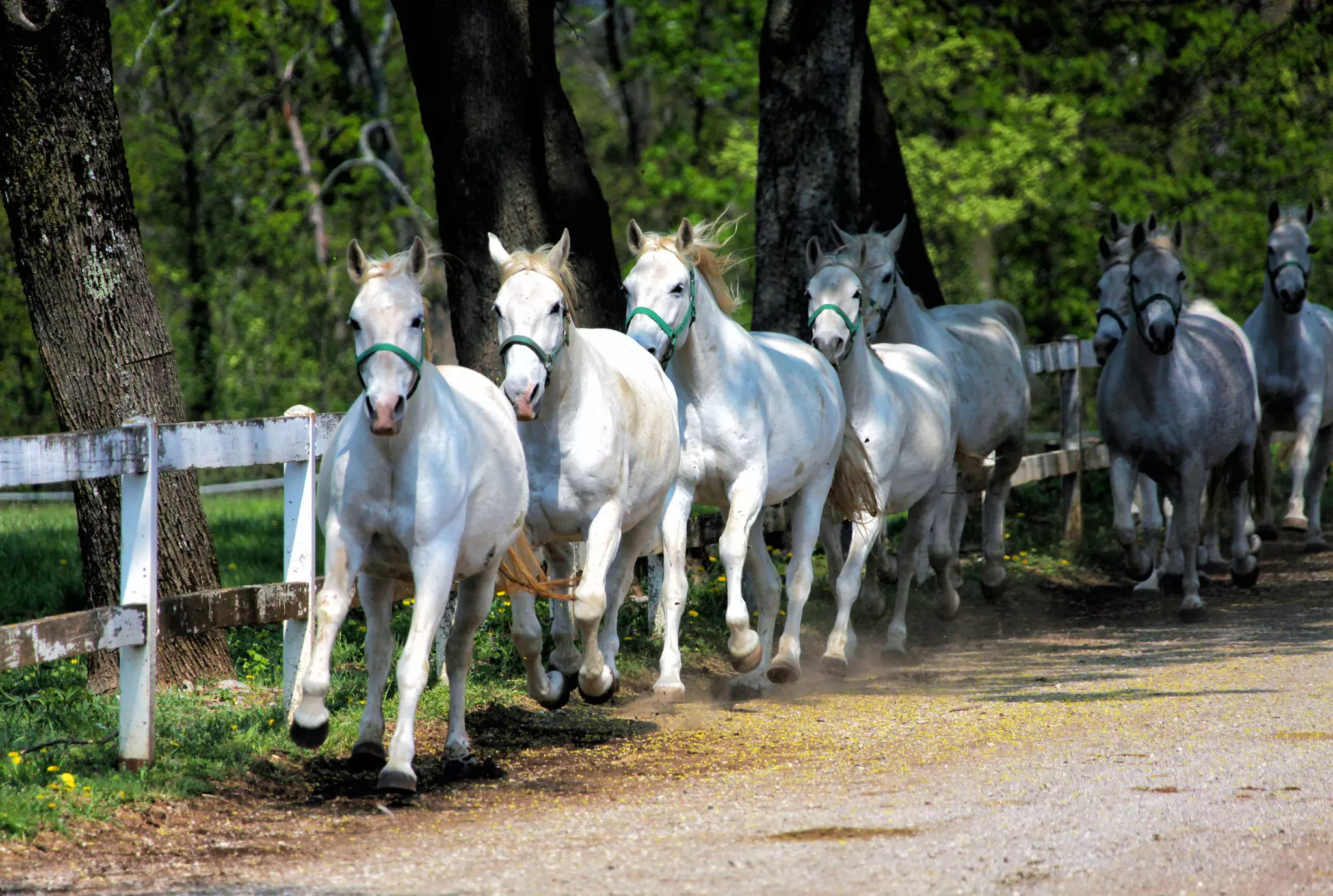
Thousands of visitors each year crowd Vienna for the chance to glimpse the white Lipizzaner horses of the fabled Spanish Riding School, but far fewer people know that Lipizzaners have been bred in Slovenia’s Karst Region for more than 400 years. The Lipica Stud Farm is home to some 300 elegant, white horses.
Stroll the grounds and snap photographs of the friendly animals as they trot through and are herded across 300 hectares (741 acres) of fields. Take a guided tour of the farm to visit the museums and stables, and then stick around for a carriage ride, trail outing or a performance of the Lipica Riding School.
Planning: Choose your activities and book tickets in advance on the Lipica website. Avoid visiting on Mondays when there are fewer performances or activities.
It's not so much that people forget Slovenia has a coast (clocking in at just under 50km/31 miles), it's that the Adriatic shore is often left for last as a reward for a successful trip through the mountains, along the rivers, between the vineyards, and into the caves. When your time comes to head to the coast, there is a destination for everyone.
Koper, the largest city on Slovenia’s coast, is more than a port. It’s a great place to bathe both in the sea and in history with a visit, for instance, to its 15th-century Praetorian Palace. Just to the southwest, the sleepier and oft-overlooked town of Izola is another great place to get away, and arguably the best town in the country to enjoy a seafood meal. Gostilna Bujol offers simple dishes like mussels and calamari; Gostilna Sidro has great food and great views.
Further west brings you to the peninsular town of Piran, with its historic Venetian-style architecture, beaches and (especially) incredible sunsets.
Detour: Strunjan Landscape Park, 4km (2.5 miles) east of Piran, is a protected natural reserve with some of the country’s finest, and most isolated, beaches.
Scaling Mt Triglav, the country’s tallest mountain at 2864 meters (9396ft), is something of a rite of passage here. As the legend goes, to be a real Slovene you must summit the mountain at least once in your life. The setting, among the Julian Alps in the Triglav National Park, couldn’t be lovelier or more inspiring.
While you don’t need to be a world-class climber to reach the peak, you do need to take this mountain seriously and seek local guidance on the best trails and approaches. Bring a helmet and harness to attempt one of the steep but safe via ferrata routes. Allow for two days of relaxation at your starting point before attempting the all-day scramble.
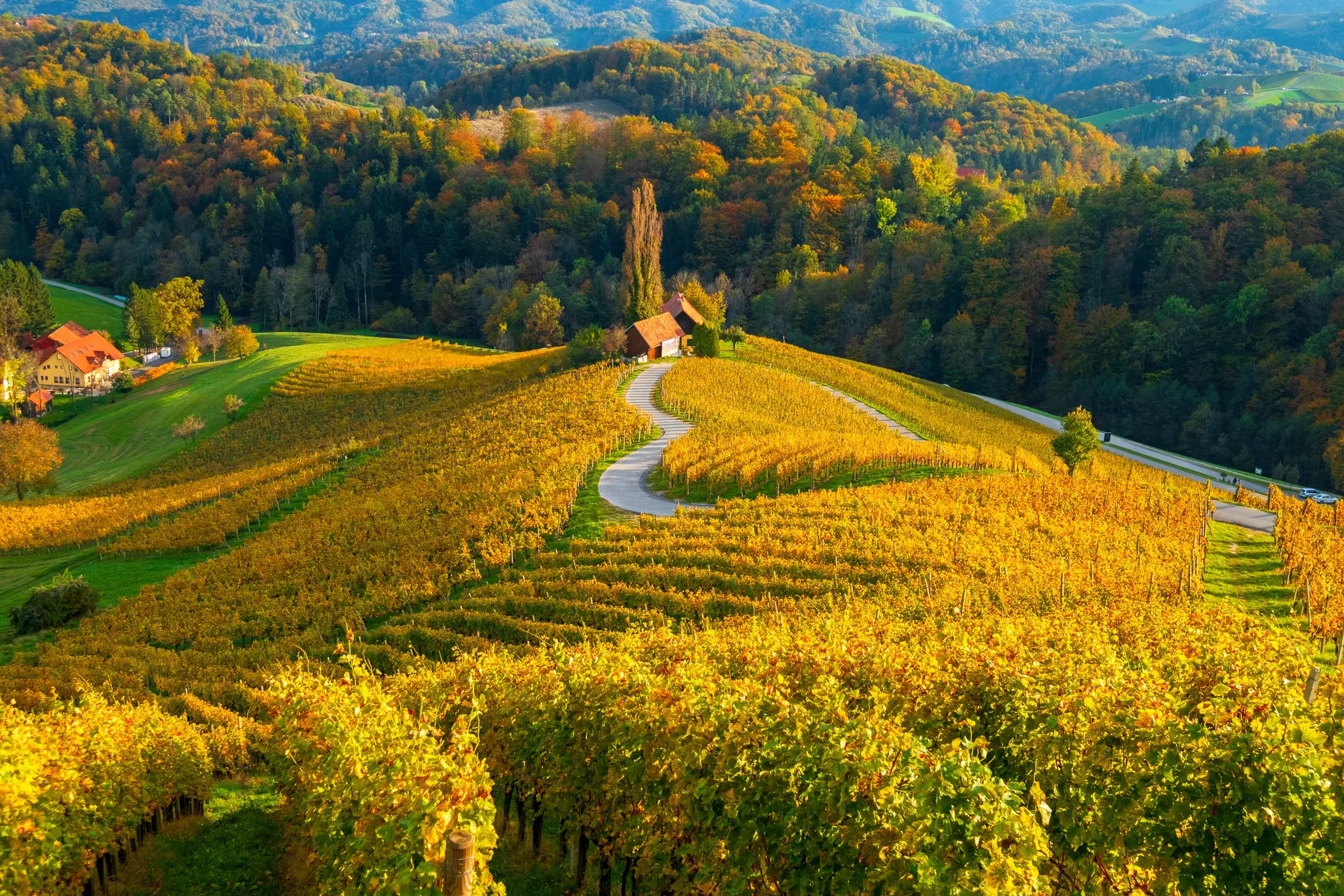
Slovenia isn’t widely known for wine, but that’s only because the country doesn’t export much of it (preferring to keep it all for itself). Indeed, the wines – both whites and reds – are excellent. You can sample them all over the country but in the region of Goriška Brda, at the foot of the Julian Alps, you'd be forgiven for thinking you’ve landed in Tuscany (without the tourists). It’s an absolute charmer: rolling hills lined with grapevines and sun-kissed orchards topped with small settlements and churches.
There are many wonderful vineyards to visit and enjoy during your stay. In the community of Ceglo, the Marjan Simčič and Movia vineyards have had much to do with Slovenia’s ascension in the wine world. Just north in Dobrovo, the Klet Brda Winery is a cooperative of some 400 families – take a tour of the cellars and taste the varietals. Ščurek Vino, a Plešivo-based cellar, also provides tastings and tours and Edi Simčič, a third-generation family estate in Vipolže, is another top option.
Planning:Most local wine producers require visitors to call ahead to arrange a tasting. Though it may be tempting to just drop into a vineyard as you trail along the many vinska cesta (wine road) signs, spontaneous visits are simply not the Slovenian way.
While many other parts of Slovenia depend heavily on wine production, the town of Kamnik in the Kamnik-Savinja region relies instead on the local water, which just happens to have the ideal chemical composition for beer-making.
The predictable result is that Kamnik now boasts more microbreweries per capita than any place on earth. The Beer Way to Freedom Tour is a fun, occasionally raucous guided circuit of some of the town’s best microbrews, with good-natured conversation to bring you up to speed on the beer.
Detour: Combine a trip to Kamnik with a visit to nearby, picturesque Velika Planina, a vast plateau at 1600m and one of the largest herdsmen’s settlements in Europe. Sample some trnič, a sharp cow's-milk cheese that pairs well with another local favorite – žganci (buckwheat porridge).
Book your Slovenia trip with Lonely Planet Journeys
See Slovenia how it's meant to be seen
Planned by local experts and tailored to you, Lonely Planet Journeys handles the logistics so you can just enjoy the trip. Tell us what you want and we'll build your Slovenia itinerary from scratch, or browse our bookable trips to get inspired.


Explore related stories