Jun 16, 202514 min read
15 of the Best Things to Do in SerbiaJun 16, 2025
14 MIN READ
Writer
A griffon vulture flying over the Uvac river, Serbia. Aleksandar Todorovic/Shutterstock

Writer
Highlights
Writer Brana Vladisavljevic picks 15 Serbia experiences, from wildlife to wine.
Cruise Uvac canyon for griffon vultures, or cycle the Iron Gates gorge in Đerdap.
History buffs should join a Belgrade Yugo tour; science lovers will love the Tesla Museum.
Serbia's summer brings EXIT in Novi Sad and trumpet-driven Guča in the west.
Lonely Planet may earn a commission from affiliate links on our site. All recommendations and reviews reflect our own independent opinions.
Snuggled in the heart of the Balkans, landlocked Serbia hasn’t traditionally ranked high on most travelers’ lists of must-visit European places. Yet word about this small Slavic country full of surprises – with its spirited, nightlife-loving cities, unspoiled natural attractions and poignant, culture-melding history – is slowly getting out.
Savvy travelers who venture past its timeless capital Belgrade will find adventures to suit every passion, from responsible encounters with wildlife in national parks and nature reserves to tasting wine produced from indigenous grapes at family-owned vineyards. Are you in on the secret? If not, here are the best experiences that really set Serbia apart.
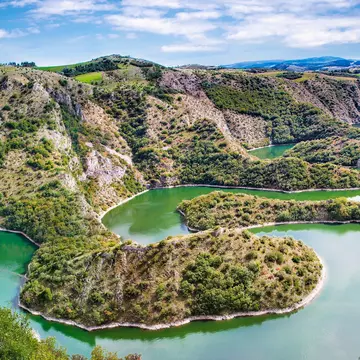
In Serbia’s deep south, the snake-like meanders of the Uvac river define the Uvac Nature Reserve, which also comprises a barely explored cave labyrinth of 6km (3.7 miles) in length. The canyon is known as the habitat of the griffon vulture, a mighty bird of prey with a 3m (10ft) wingspan; counting between 450 and 500 individuals, Uvac is one of the largest colonies of this endangered species in Europe. The best way to admire the strikingly green Uvac meanders – changing shades from turquoise to olive depending on the season – and spot the feathered predators as they rest on the rocks or cruise the skies is from the water or from a lookout high above. For a more active adventure, Wild Serbia runs kayaking tours though the canyon.
Planning tip: Tours with a park ranger must be booked ahead; they include a boat ride through Uvac canyon, an optional hike up to a lookout and a visit to the Ice Cave. The trip without/with a hike takes roughly three/five hours.
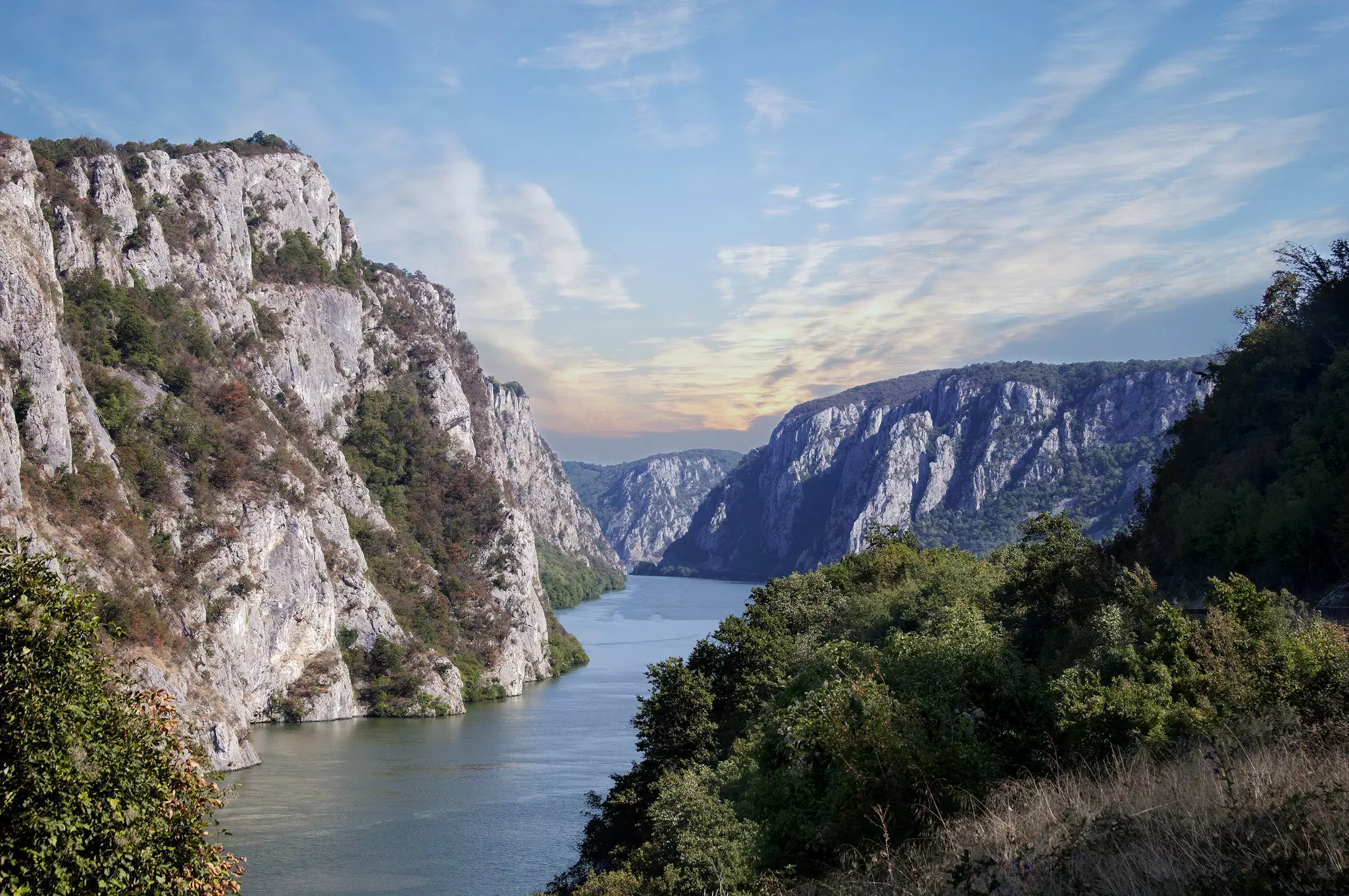
While the Danube has its share of stunning scenery throughout Europe, the most grandiose views might just be found in Serbia’s far east. The Iron Gates gorge in Đerdap National Park is one of the continent’s longest canyons, and since it’s traversed by the EuroVelo 6 cycling route (which follows the course of the mighty river from Germany to the Black Sea), a bicycle tour is the perfect way to take it all in.
In the sleepy town of Golubac, a 10-tower medieval fortress overlooks the Danube’s widest point at 6km (3.7 miles) – the historic guardian of the entrance to the Iron Gates. From here, you can follow the Đerdap Hwy, dipping in and out of tunnels within arm’s reach of the Danube, passing the formidable cliffs of the Carpathians and the river’s mysterious depths at Mali Kazan (95m/312ft). ACE Adventure runs cycling tours from Golubac fortress.
Planning tip: If you wish to go hiking in the national park, you’ll need to register with the visitor center in Donji Milanovac first (office@npdjerdap. rs). You can also see the gorge from the water, either with Đerdap Boat Tours or Golubac from a Boat.
Serbia may be landlocked, but it’s been blessed with countless thermal springs that have fostered spa tourism for over 150 years. Vrnjačka Banja is the country’s number-one spa destination, with mineral springs averaging a temperature of 36.5°C (98°F). From the ancient Romans to the Yugoslav elite, people have flocked here in search of R&R; nowadays, visitors enjoy wellness treatments amid landscaped parkland and fin-de-siècle villas. The more rural Sokobanja is known for its still-working Ottoman-era hammam (Turkish bath), which retains separate men's and women's pools; the springs’ temperature ranges from 28°C (82°F) to 45°C (113°F). Sokobanja is nestled between verdant mountains, so you can combine soaking in thermal waters with hikes to nearby fortress ruins or stargazing outings.
Planning tip: Vrnjačka Banja turns festive each July when it hosts Serbia's biggest Carnival, with a parade of international troupes. Meanwhile, Sokobanja celebrates its folk heritage in August during the Golden Hands fair, which features old crafts and traditional dishes.
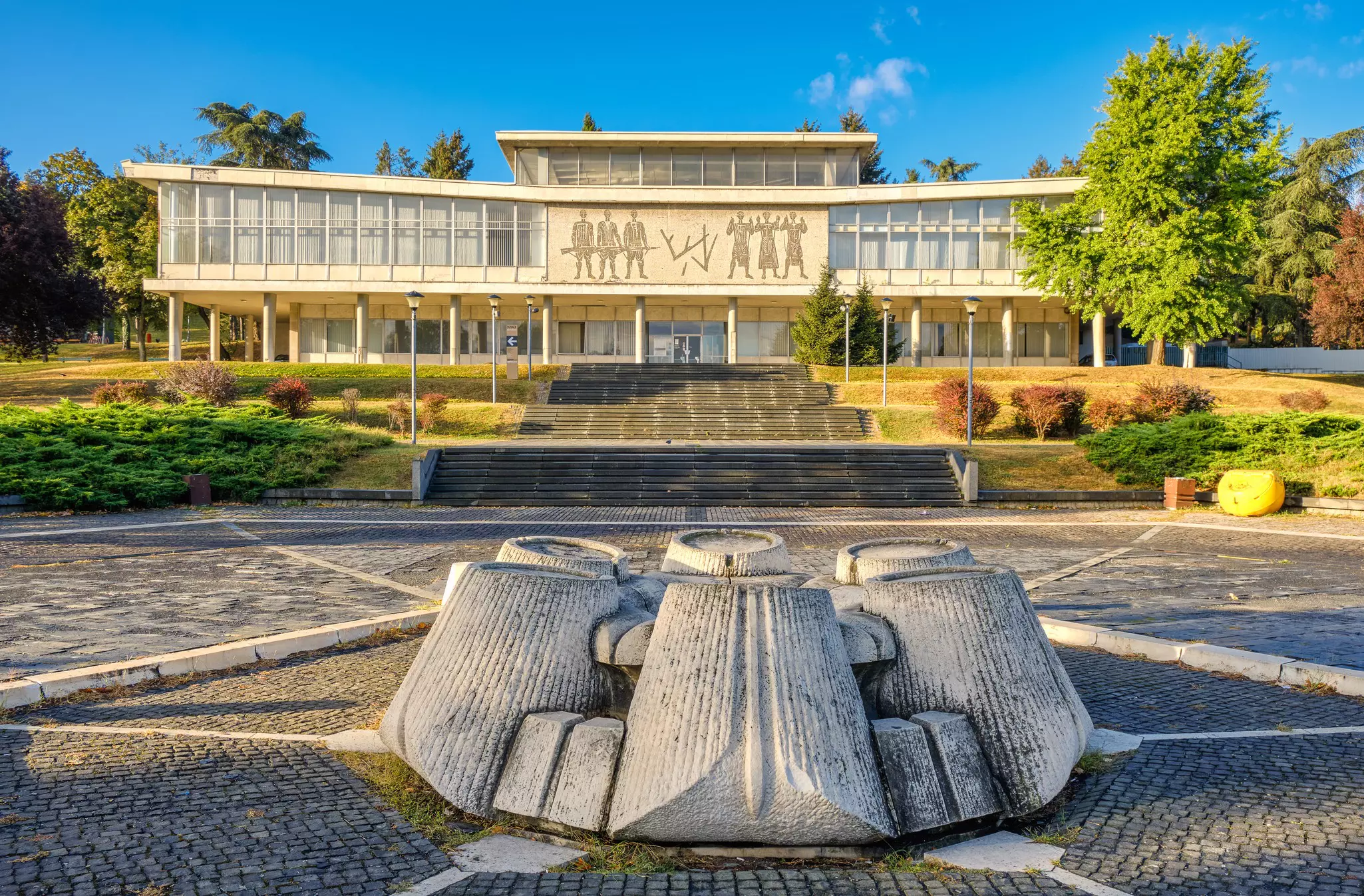
From 1918 to 1992, the state of Yugoslavia encompassed much of the Balkans. A kingdom born from the ruins of two empires and later a socialist federation that united six republics, it had Serbia at its center and Belgrade as its capital. No wonder, then, that the city is the perfect place to contemplate the rise and fall of this vanished state. Yugo Tour runs sightseeing tours of Belgrade in a vintage Yugo car – the Yugoslav automotive icon that was in production from 1980 until 2008. On this mini road trip through history, you’ll learn intriguing facts, rumors and anecdotes about the Yugoslav era from young locals who share their own perceptions of the former country, as you visit the singular landmarks of the time such as the brutalist apartment blocks of Novi Beograd and the Museum of Yugoslavia (where Josip Broz Tito, socialist Yugoslavia’s president for life, rests in perpetuity).
Detour: The Royal Compound is worth a visit for a glimpse into the life and times of the Karađorđević dynasty, the founders of the Kingdom of Yugoslavia. Visits are by guided tour through the Tourist Organization of Belgrade (bginfo. knezmihailova@tob. rs) on Saturdays from May to October.
Every summer, the Petrovaradin Fortress in Novi Sad hosts one of Europe’s biggest music festivals and the recipient of multiple EU Festival Awards: EXIT. What started in 2000 as a student movement fighting for democracy has since become a massive cultural event, drawing up to 200,000 music fans from around the world and featuring big-name acts like Nick Cave, the Cure, Motörhead, Snoop Dogg, Gogol Bordello, the Prodigy and others. Amid all the revelry, EXIT has managed to retain its socially conscious character, with a focus on charity, human rights, mental health and ecological awareness. Over the years it has also spread across the region through offshoot festivals in Montenegro, Croatia, Bosnia and Hercegovina, Romania and Bulgaria.
Planning tip: To explore the 18th-century Petrovaradin Fortress from a different angle, sign up for a tour with the City Museum of Novi Sad, housed within the ramparts. You’ll take in a fraction of the citadel’s katakombe, the creepy underground tunnels spread across 16km (10 miles) and four levels.
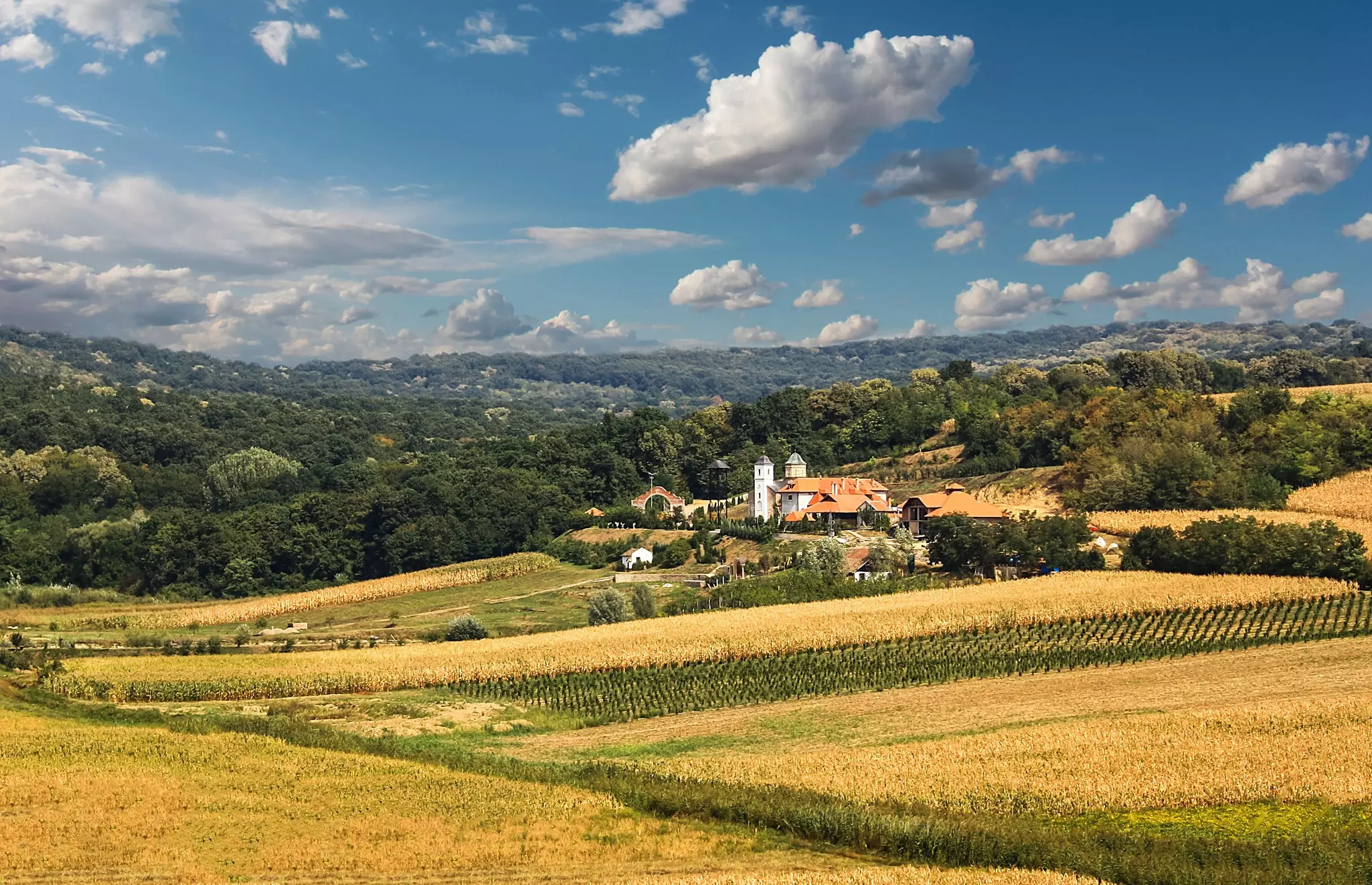
With a winegrowing tradition that reaches back to the hedonistic Romans and the 3rd century, the gentle hills of Fruška Gora are home to many family-owned vineyards. For an introduction to the region’s viniculture, Museum of Beekeeping & Wine Cellar Živanović in Sremski Karlovci presents impressive three centuries of family winemaking history; its wine and honey tastings include the aromatic dessert wine, bermet (rumored to have been served on the Titanic). Meanwhile, for a full gastronomic experience, Kovačević Winery from Irig offers various tasting menus at its Wine House restaurant, pairing mini masterpieces of gourmet local cuisine with the wines such as its sparkling chardonnay. Complete your enophile education by visiting Imperator Winery in Rakovac village – it introduced biodynamic winemaking to Fruška Gora and produces organically certified wines, including a juicy grašac (Welschriesling).
Planning tip: A great way to sample wine from the area, the annual Fruška Gora Walk and Wine event offers tastings along the forest trails. The dates are subject to change, so check ahead with the Tourist Organization of Vojvodina (office@vojvodina. travel).
One of Belgrade’s best and most popular museums is dedicated to the genius Serbian-American inventor, Nikola Tesla. This is where Tesla’s archive – included in UNESCO’s Memory of the World Register of documentary heritage – is kept, but a visit here is also a great immersive experience for science nerds (adults and kids alike). The museum’s trained guides will conduct hands-on demonstrations of the working models of Tesla’s machines and explain the scientific vision behind his inventions such as the high-voltage transformer. Also on display are Tesla’s personal items and the sphere-shaped urn with the brilliant man’s ashes.
Detour: For more educational fun, combine your visit to the Nikola Tesla Museum with the Museum of Science and Technology, which showcases Serbia’s contributions to science and medicine and has a great collection of old-school toys.
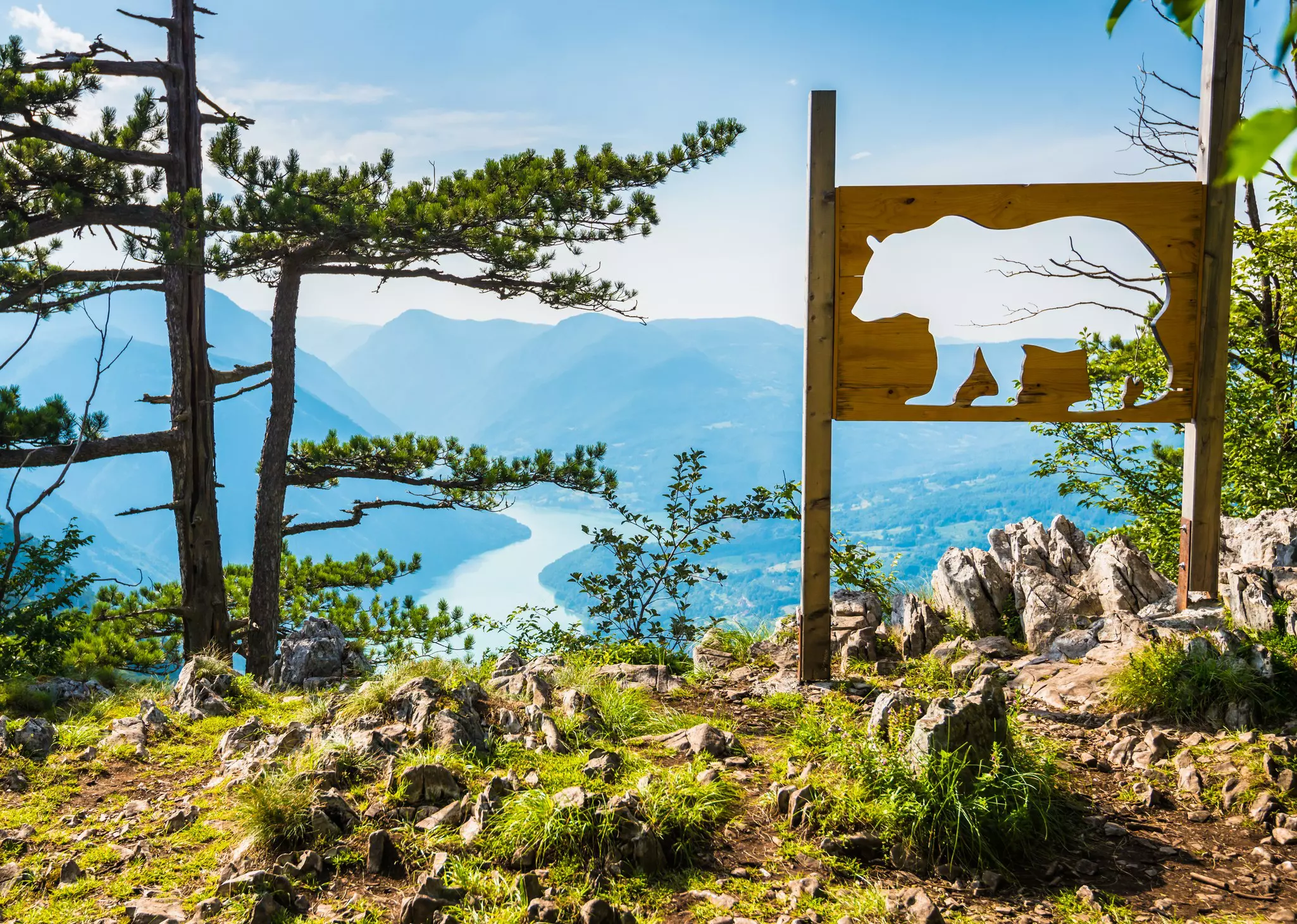
Hands-down one of Serbia’s showstopping corners, Tara National Park forms part of the Dinaric Alps in the far west of the country. Thick spruce, fir and beech forests cover mountains that reach up to 5250ft (1600m) in height; cutting through limestone cliffs, the Drina river glimmers a surreal emerald hue. The woods’ resident wildlife includes the pride of Tara – endangered brown bears (about 50 of them). They’re not easy to spot, so if you’re hoping for a close encounter, between May and October you can book a bear-watching tour with a park ranger. They will accompany you to two of the four feeding grounds; from a safe hideout (which can only fit three to four people) you might be lucky enough to get a good look at the furry giants.
Detour: Tara’s Perućac and Zaovine lakes are great for kayaking; rent kayaks from the visitor centers at Perućac and Mitrovac. Stand-up paddleboarding tours with Green Bear take in two iconic spots – the waterfall of the Vrelo river and the "Little House on the Drina, " perched on a rock in the water.
Crushed by the Ottoman conquest during the 15th century, Serbia’s "golden age" lives on in a dozen venerable monasteries sheltered by rolling hills in the country’s south (the medieval state's heartland). Representing a melange of Romanesque and Byzantine architectural styles, they are adorned with ethereal ancient frescoes. The marble-walled Studenica (1196) is the endowment of Stefan Nemanja, founder of the royal Nemanjić dynasty; it features the acclaimed Life of Virgin Mary fresco cycle. Protected by sturdy walls with 11 towers, Manasija (1418) was established by Prince Stefan Lazarević and served as a refuge for medieval scholars; its frescoes such as the Holy Warriors are hailed as predecessors to Renaissance art in Serbia.
Planning tip: For added insight into medieval life, embark on the 2.5km (1.5-mile) hike from Studenica to the hermitage of St Sava, where cave-like monks' cells are etched into cliffs, or visit Manasija in August when the Just Out knights' tournament is held at the monastery.
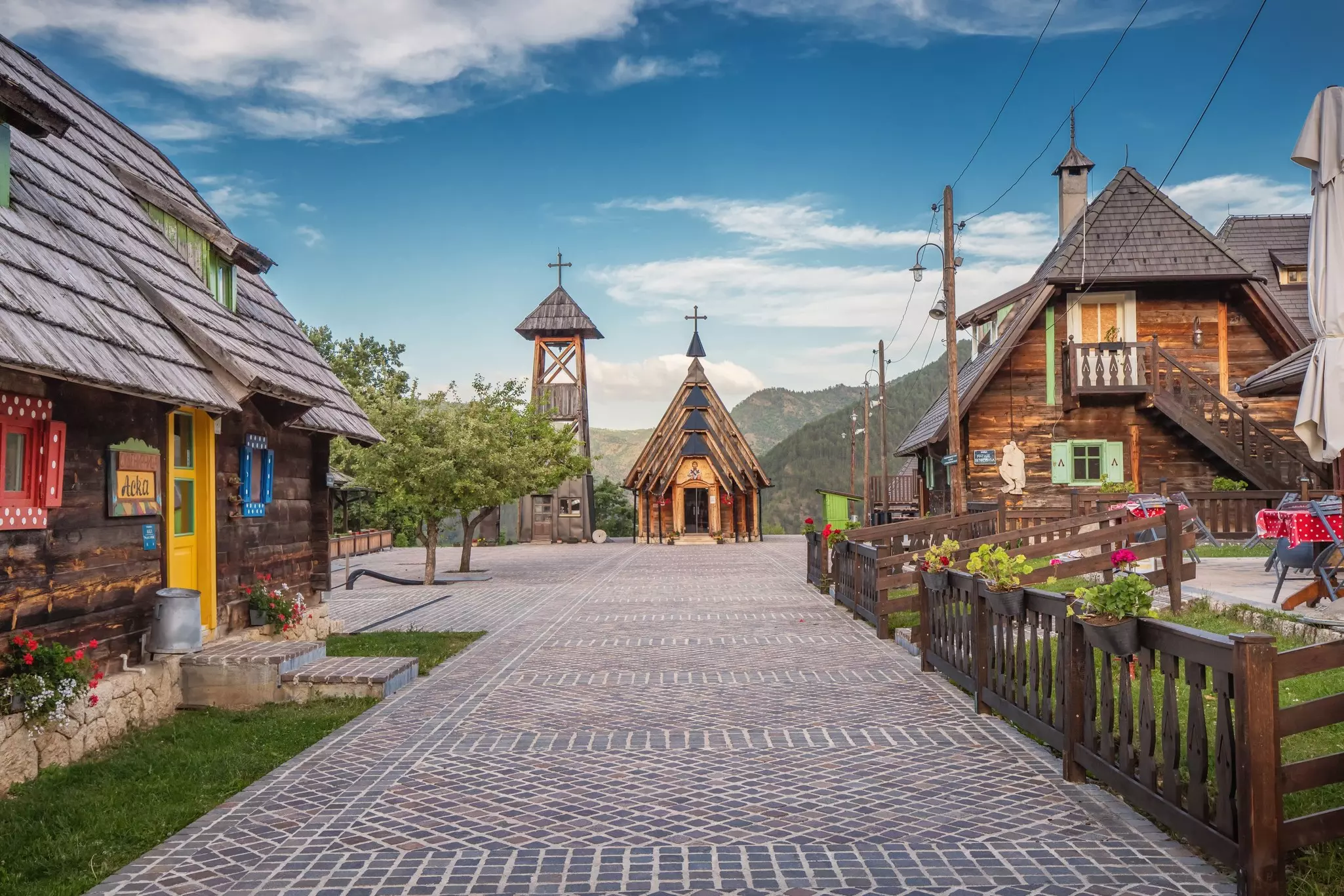
High in the mountains of Mokra Gora, film director Emir Kusturica created an immersive set for his 2002 movie Life Is a Miracle: the village of Drvengrad (Timbertown). Featuring restored wooden cottages from the region, the whimsical village now serves as a holiday resort. Not far from Drvengrad you’ll find the heritage Šargan Eight steam train, launched in 1925 as part of a narrow-gage railway line that used to connect Belgrade, Sarajevo and Dubrovnik. Shut down in 1974, the popular Ćira returned as a tourist attraction in 2003. Performing a figure-of-eight loop, the train ascends 300m (984ft) in just 3.5km (2 miles), trundles across five bridges and chugs through 22 tunnels. During the ride, you’ll stop at several viewpoints for a chance to snap photos of the dizzying mountain scenery.
Planning tip: The Šargan Eight runs twice daily from April through October. To experience Drvengrad outside these months, consider visiting for the Küstendorf Film & Music Festival, run by Emir Kusturica and hosted in the village each January.
The Kopaonik mountain range – dubbed "the Sunny Mountain" due to its 200 days of sunshine annually – is also a national park. With dense spruce, beech, fir and oak forests, crowned with the summit of Pančić's Peak (2017m/6617ft), its slopes provide excellent hiking and mountain biking. Still, Kopaonik is primarily a winter destination, and the best way to enjoy this powdery wonderland while sidestepping the après-ski crowds is snowshoeing. Sign up for a tour with Snowshoeing Serbia, whose licensed mountain guides introduce you to Kopaonik's secluded trails and prime viewpoints. To experience the utter tranquility of snow-blanketed slopes under a starry sky, join the night ascent to Pančić's Peak.
Planning tip: The best time to go is between December and April, when there's sufficient snow cover. Kopaonik is also Serbia's largest ski resort, at an altitude of 1700m (5577ft). There are 67km (42 miles) of pistes – including alpine and Nordic skiing – and 22 lifts; organize passes through Ski Resorts of Serbia.
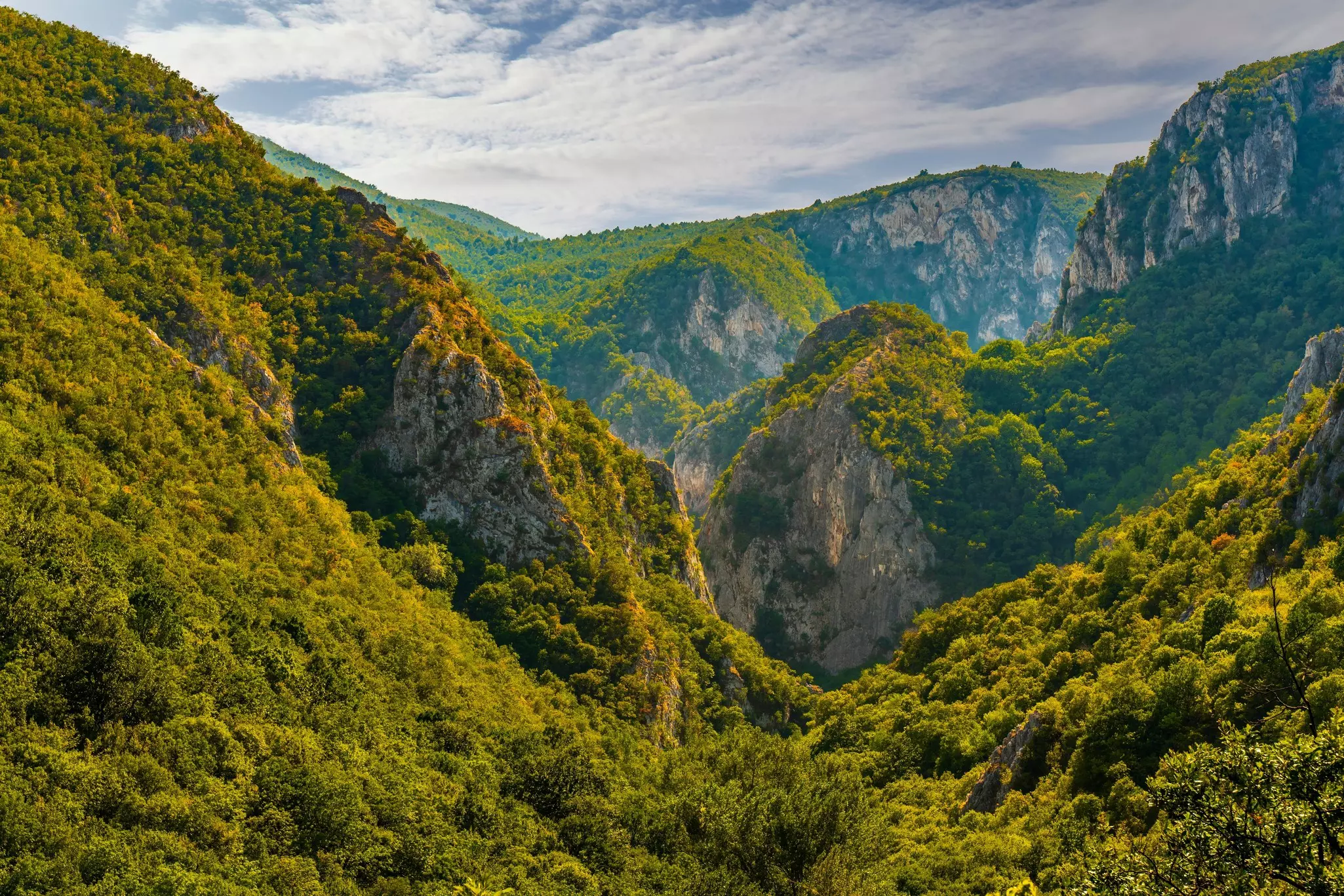
A visit to Serbia’s legend-shrouded east is an opportunity to get to know the cultural heritage of the Vlachs, an ethnic minority that has preserved its own language (considered an archaic variety of Romanian) and ancient customs, famously including pagan rituals. Majdanpek-based adventure tour operator Mirno More runs hiking tours through the pristine wilderness surrounding this remote mining town that take in the ritual sites of Vlach mythology, from the virgin beech forest of Felješana to the canyon of the Black River. Along the hike, you’ll learn about mythical creatures like the Forest Mother and pagan customs like the Black Wedding.
Planning tip: Eastern Serbia’s Kučaj-Beljanica region is the country’s largest uninhabited area, comprising the primeval beech forest of Vinatovača, the 9km-long (5.6-mile) Lazar’s Canyon and the 80-million-year old Resava Cave. Explore Serbia runs tours to this remote wilderness.
For some of the best slow-food dining in Serbia, head to the flatlands of northern Vojvodina province. Rural homesteads known as salaši are the very definition of "farm to table" cuisine, which is simply the way of life for the villages of the Pannonian Plain. Easily reached from the province’s capital Novi Sad, the popular Salaš 137 in Čenej village provides a great introduction to local gastronomy, including traditional delicacies like salašarski čekić (prunes stuffed with cheese, rolled in bacon and grilled), nasuvo (homemade pasta with potatoes, fried onions and ground sweet paprika) or šnenokle (whipped egg whites floating atop vanilla custard).
Local tip: Also typical for Vojvodina, čarde are riverside taverns in which the menu features primarily freshwater fish specialties, such as riblja čorba (fish soup) slow-cooked over open fire. The best ones are found along the Danube.
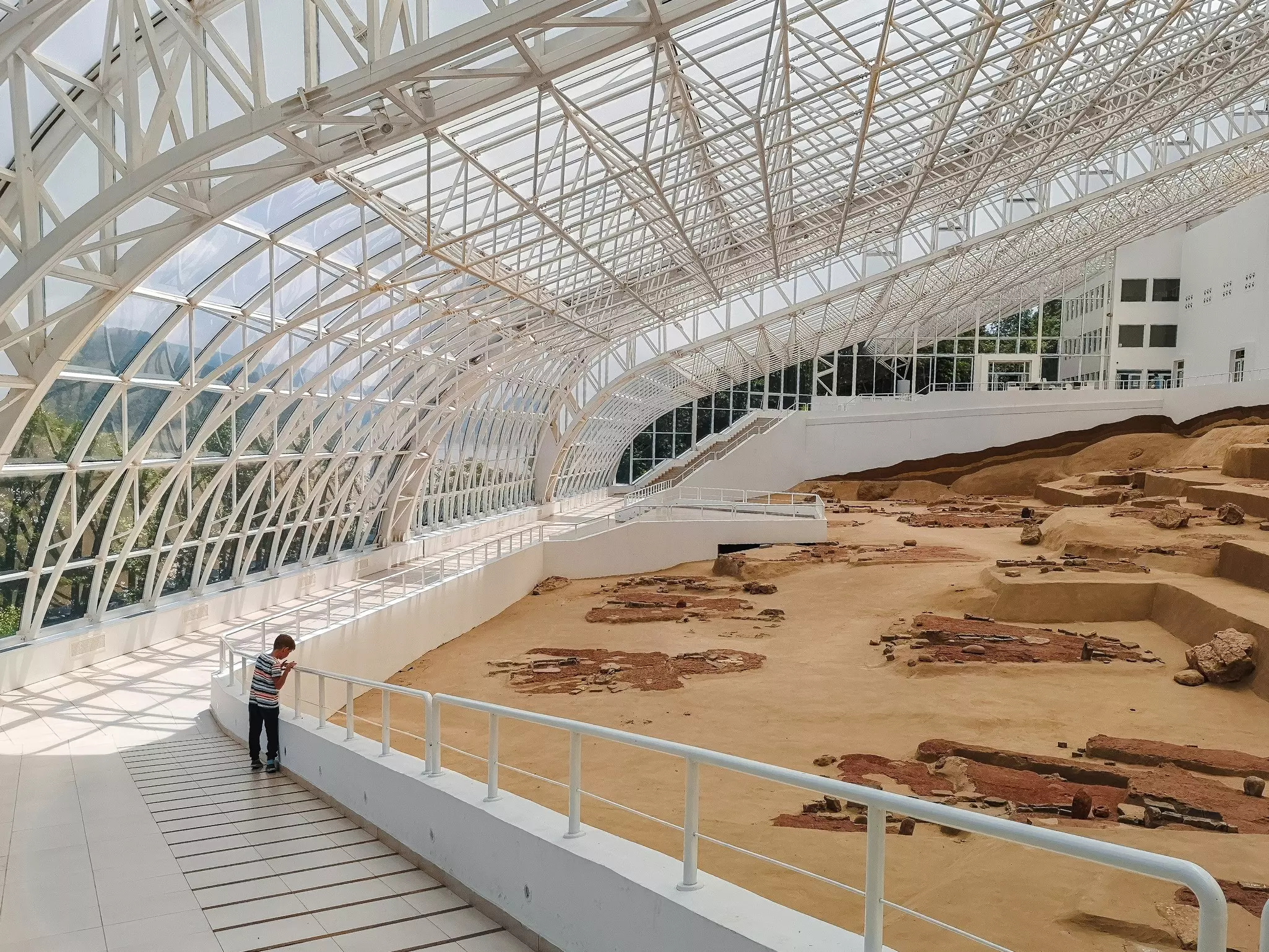
Humans have called the Đerdap gorge home since time immemorial – in fact, one of Europe’s oldest sedentary cultures existed here as far back as 7000 BCE. The archaeological site of Lepenski Vir, discovered in the 1960s on the right bank of the Danube, was a thriving fishing community back in the Mesolithic and Neolithic eras. Displayed within a striking glass-domed building you’ll find a 3D simulation of the prehistoric settlement, unearthed human skeletons, and stone sculptures of fish-like idols with human faces. A short documentary about the site's excavation adds context to the fascinating exhibits.
Planning tip: If you’re heading out to Đerdap from Belgrade, stop by the National Museum, which has a section dedicated to the culture of Lepenski Vir and exhibits the original stone sculptures (the ones at the archaeological site are replicas).
Over four days in August, an otherwise slumbering village in western Serbia becomes a boisterous spectacle driven by the relentless rhythm of trubači (trumpeters) music. Welcoming traditional Roma brass bands from across the country, Guča trumpet festival is both a coveted competition for the title of the Trumpet Master that’s been going strong since 1961, and a hedonistic gathering of tens of thousands of brass music fans fueled by the traditional spit-roast and rakija (fruit brandy). Raucous concerts, feasting at village taverns, fast-paced kola (circle dances) in the streets and roving brass orchestras are all part of the show.
Detour: Also held in August, Nišville is the largest jazz festival in southeastern Europe. It has a special focus on jazz fusion and "ethno jazz, " including Balkan brass music – fittingly, it takes place in Niš, the home town of famous Roma singer Šaban Bajramović.
Explore related stories