Feb 14, 202611 min read
The 14 best places to visit in ScotlandSep 18, 2025
9 MIN READ
Writer
Writer
Scotland often feels bigger than it is. That’s in part because of its impact on the world – be it Edinburgh’s cultural clout or Speyside’s famous whiskies – but it’s also because of the sheer range of things to do here.
Two fascinating but very different cities dominate Scotland’s central belt, the expansive Highlands feature some of the world’s most beautiful landscapes, islands pack in wildlife and echoes of the past, and fine destinations are spread all over the country. Here are some of the top experiences in Scotland.
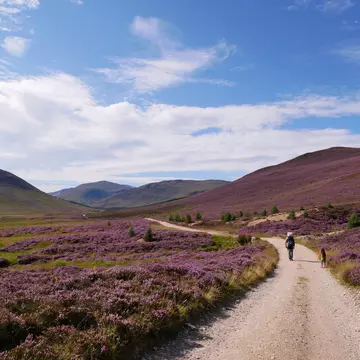
The West Highland Way winds you from the Lowlands to the Highlands, from the outskirts of Scotland's biggest city, Glasgow, to the base of Britain's highest mountain, Ben Nevis (1345m). It passes rivers, lochs, mountains and moorland, traveling on old cattle roads and railway lines – meaning that this is one epic journey on which it's hard to get lost.
The 96-mile West Highland Way takes most hikers around a week, although it’s possible to tackle just parts of it. You can make it easier by asking a tour company to drop your baggage at your hotel each night; or harder by wild camping all the way and rounding it off with the climb up Ben Nevis.
Local tip: Prebook accommodations or campsites during the summer as this is one of Scotland's most popular hikes. Some pubs and inns will only serve food to guests who are staying, so if you are wild camping, make sure that you carry enough food for meals between major towns.
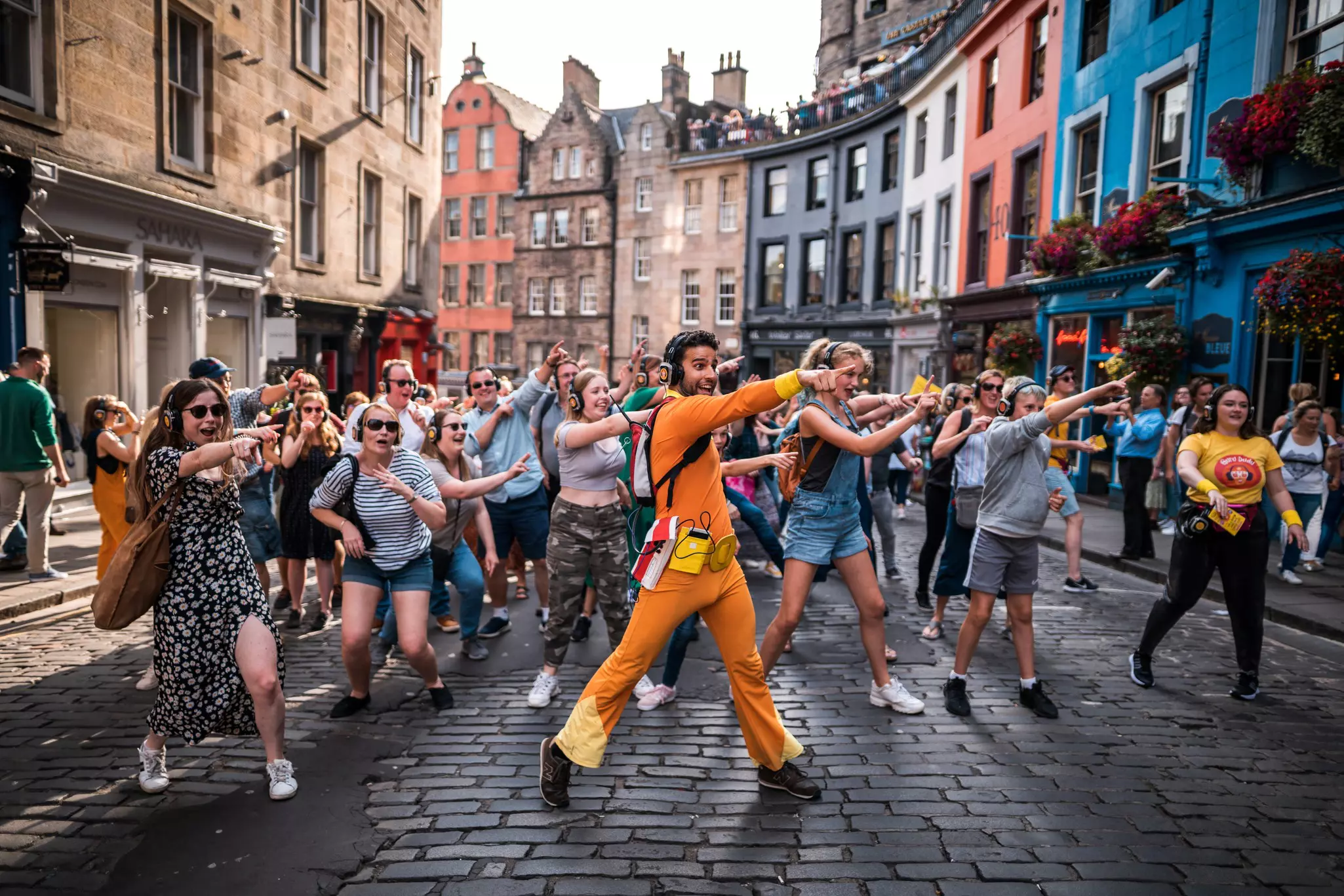
The world’s largest arts festival, Fringe, transforms Scotland’s capital in August. All of Edinburgh turns into a venue, quite literally: swimming pools, fudge shops and public toilets have featured in recent years. Streets throb with performers and festivalgoers, and pubs are packed until the wee hours.
The Edinburgh International Festival and the Royal Edinburgh Military Tattoo join Fringe as major summer events (also typically in August). If you want to see popular shows, booking early is essential, but there’s plenty of diversity beneath the headlines – seek out smaller venues that will make you feel like you’re in a different city altogether.
Local tip: Miss out on tickets for Military Tattoo? Head to the top of the Royal Mile and watch the troops parade down Castlehill, with bagpipes, brass sections and colorful costumes, after the main performance at 10.30pm each night.
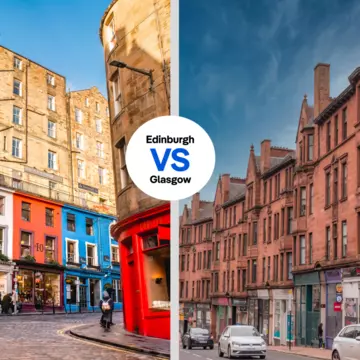
Outside of festival time, Edinburgh is one of Britain’s most spectacular cities with plenty of things to do in both its Old and New Towns. The Old Town is crowned by a mighty castle, from which the cobblestone Royal Mile descends past tangled medieval wynds (alleys) and cozy pubs to the Scottish Parliament. The neighboring New Town, a mere 200 years old, has neoclassical streets arranged in an elegant pattern of squares, crescents and boulevards. The city’s hilly nature means that wherever you go, a new view can surprise you. At the National Museum, you can get a vivid sense of Edinburgh’s rich history.
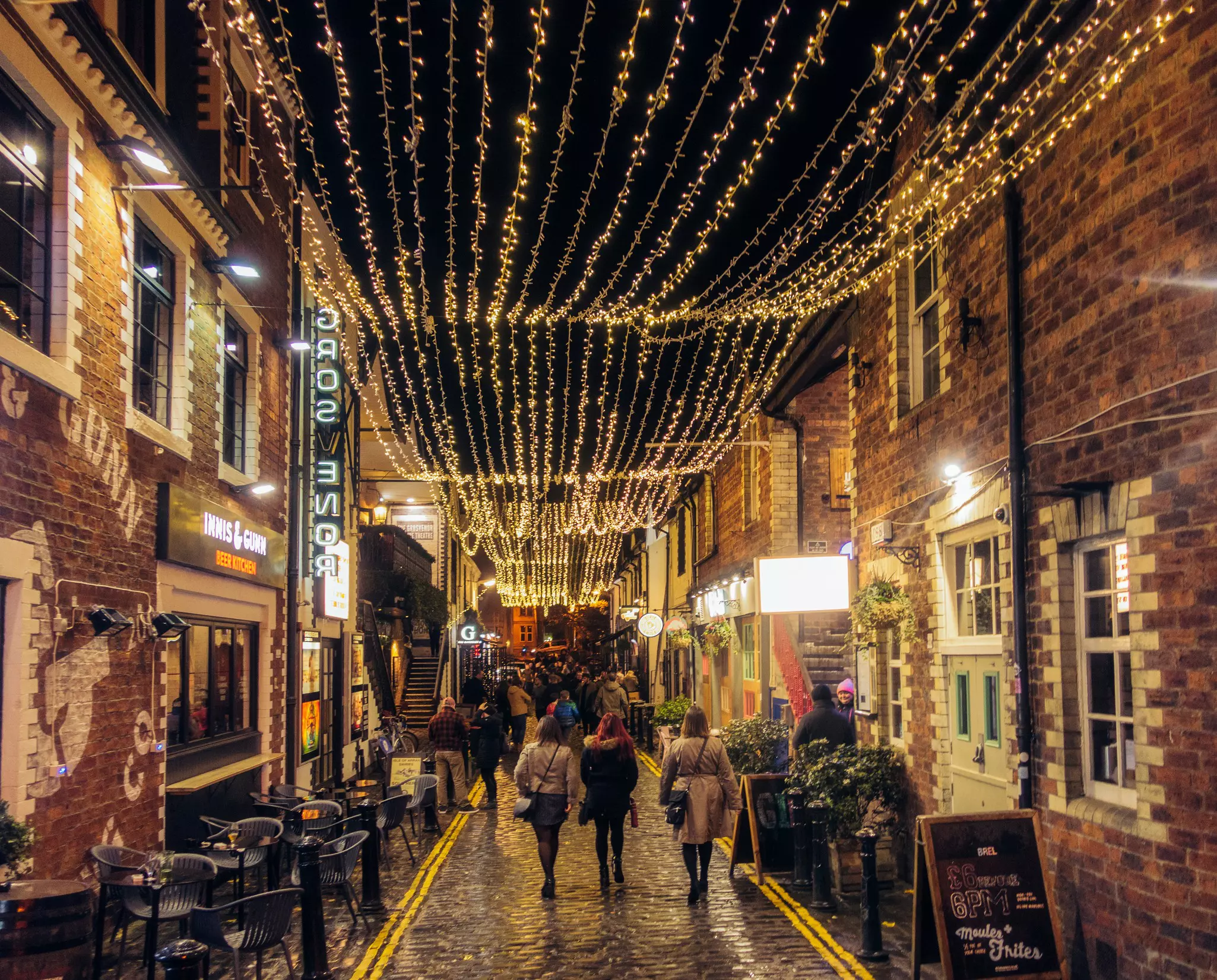
By day, Glasgow’s grand architecture and resurgent museums are more than worth your time. But you may have the most fun at night, when glorious local scenes come alive and visitors to the city are treated with warm curiosity. Pubs host folk gigs, clubs judder to house and techno, and the alt-rock scene bulges with talent. You can check out indie acts at King Tut’s Wah Wah Hut, bounce on the ballroom floor at Barrowland, catch a folk session at The Ben Nevis, or get a sweat on at the Sub Club, which has been a temple to electronic music for over 30 years.
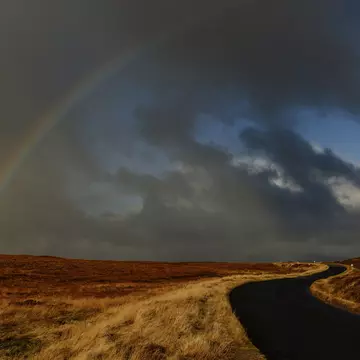
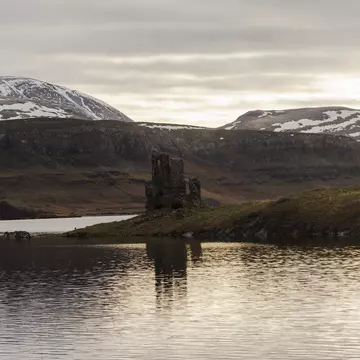
Assynt, in the far northwest of Scotland, feels like a land apart. Isolated sandstone peaks rise like great monuments from the boggy moorland, giving the landscape an eeriness, and meaning the views from the top can – weather permitting, of course – stretch for miles.
There are some excellent scrambling routes for which you'll need some experience and a head for heights. An Teallach (1063m) has a top-of-the-world traverse; Suilven (723m) is a long, remote, broken-backed ridge; while Stac Pollaidh (612m) reaches up like a ruined crown (it's also the most accessible of the three). The coast here is great for sea kayaking too.
Local tip: The views from the roads that wind through this wilderness can be almost as good as the ones from the summits.
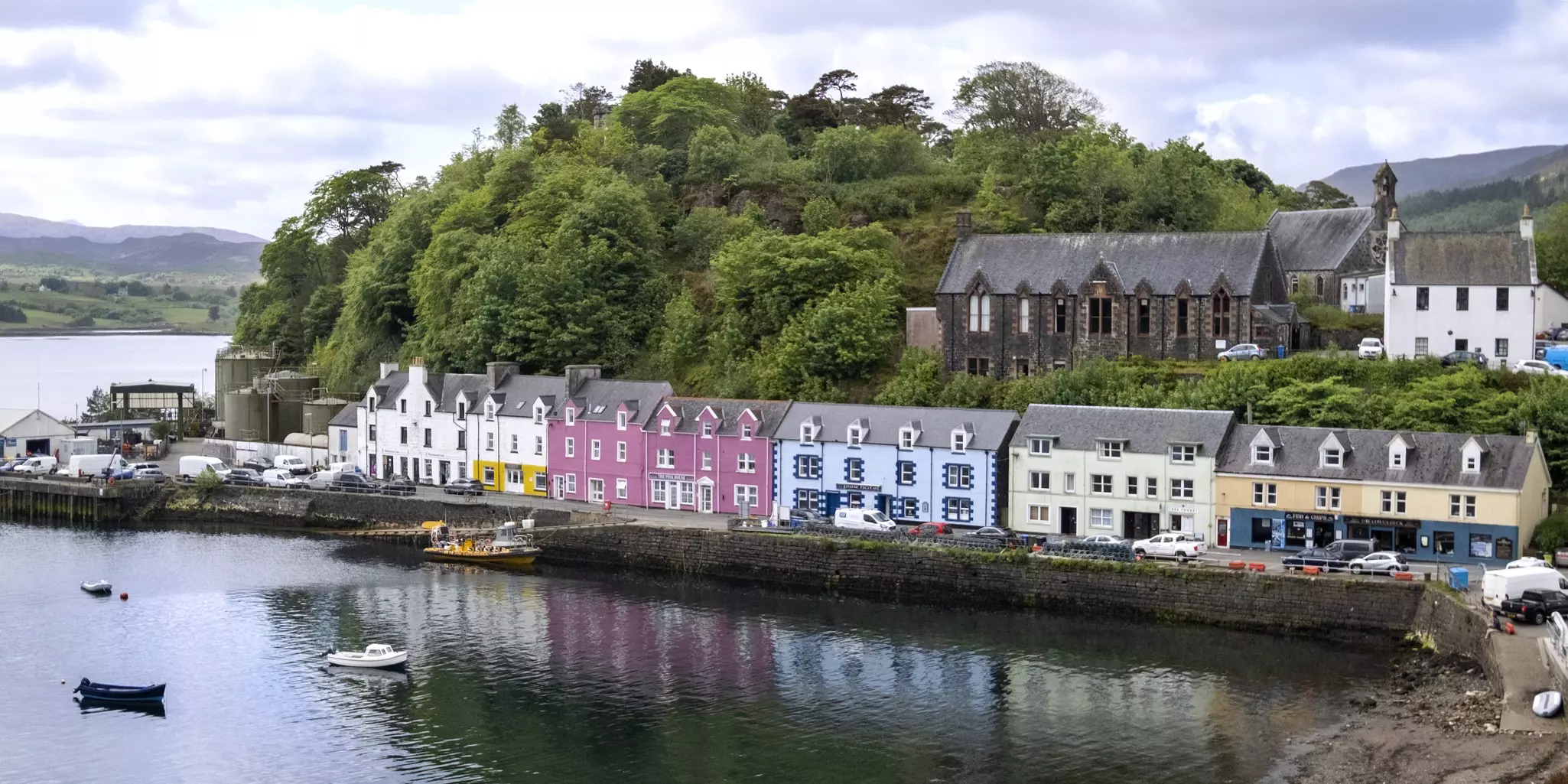
With its grand peaks, Gaelic culture and windswept beauty, Skye is the main draw in the Highlands. Rather than trying to cram its many highlights into a single itinerary – and risking getting stuck in a tourist traffic jam – it can be worth getting your perspective on this special island by choosing the part that most suits you and staying for a few days.
That might mean climbing the knife-edge ridges of the Cuillin Hills, exploring basalt sea stacks on the Trotternish Peninsula, fine-dining on roasted hake or deviled pigeon at The Three Chimneys, or sipping ale at sunset on the little-visited Waternish Peninsula.
Planning tip: Stagecoach operates the main bus routes on the island, linking all the main villages and towns, but you'll need your walking shoes if you want to go further afield.
All aboard the Harry Potter Express! The Jacobite steam train, hauled by a former LNER K1 or LMS Class 5MT locomotive, travels the scenic 2-hour run between Fort William and Mallaig. Classed as one of the great railway journeys in the world, the route crosses the historic Glenfinnan Viaduct, made famous in the Harry Potter films – the Jacobite’s owners supplied the steam locomotive and rolling stock used in the film.
Planning tip: Trains depart from Fort William train station at 10.15am and (in peak season only) 2.40pm, and return from Mallaig at 2.10pm and 6.40pm. There’s a brief stop at Glenfinnan station, and you get 1 hour, 30 minutes, in Mallaig (2 hours on the afternoon service).
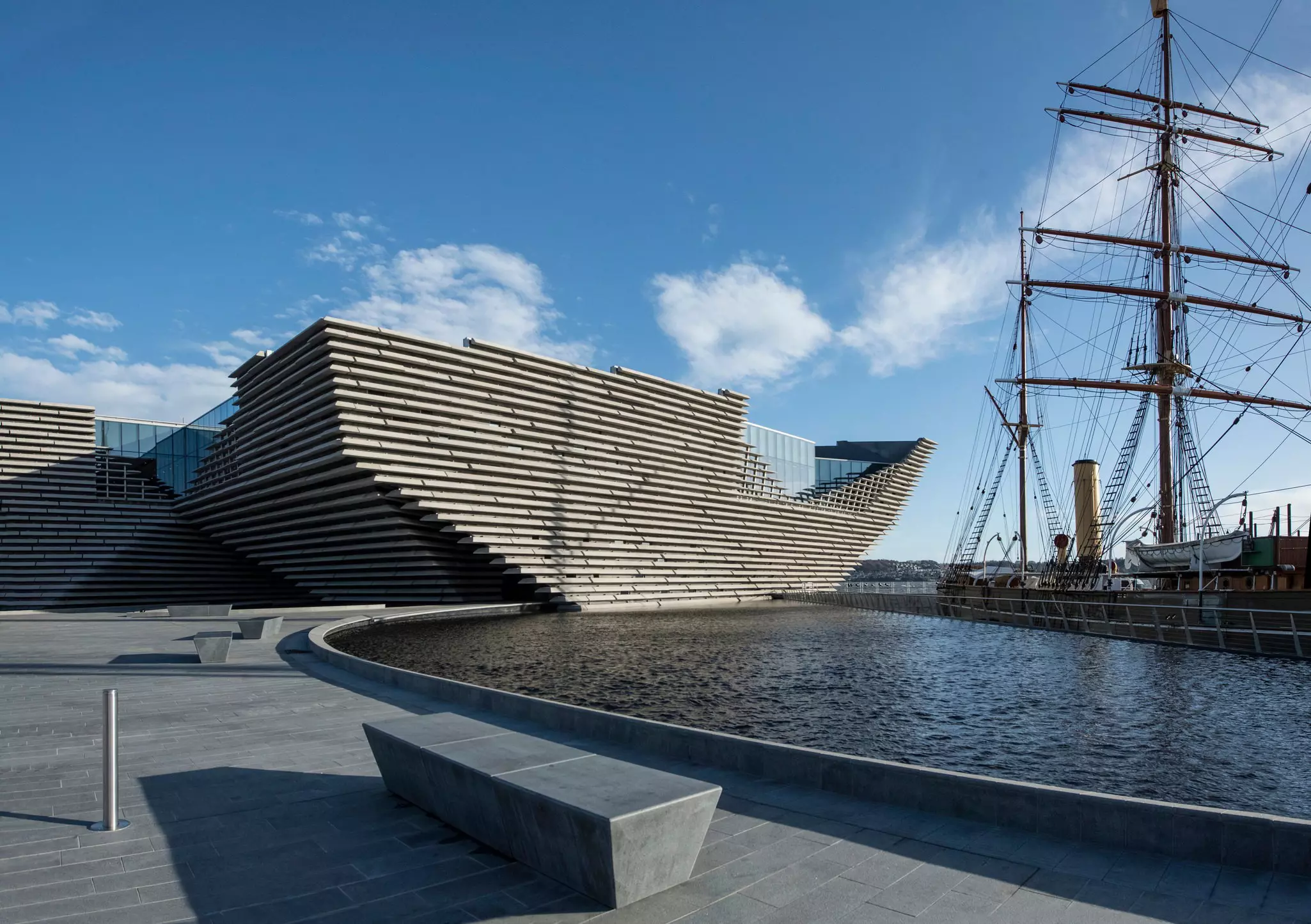
Dundee’s docks once exported jute (a fiber used in textiles) around the world, but industrial decline in the 1980s hit the area hard. Regeneration came first in the form of the restored 1901 ship Discovery, which explored the Antarctic under legendary Captain Robert Falcon Scott and was built to withstand being frozen into the ice pack.
It was joined by the V&A Dundee, whose slatted exterior looks like a spaceship crossed with a sea cliff. In between checking out top-notch visiting exhibitions at the V&A and stepping aboard Discovery, you can examine the city’s textile traditions at Verdant Works or steer your own course through Dundee’s nautical heritage by going paddleboarding on the Tay.
Speyside, in Northeast Scotland, isn’t just about booze: there’s salmon fishing, historic railways and golf courses to play in these parts as well. But most visitors are here for the region’s sweet and fragrant whiskies.
Marvel at the vast modern vats that make the stuff, the pleasingly battered casks (often previously used for sherry) that help give batches their unique flavor, and the streams and rivers that run down from the hills and into the distilleries, bringing a touch of local terroir. You can stay overnight in classic lodges and sup your drinks in hushed, book-lined lounges, or stay at homey B&Bs where the morning smells of kippers and black pudding add zest to any hangover you might somehow have developed.
Local tip: Speyside is home to the highest number of distilleries in Scotland, the most famous of which is Glenfiddich.
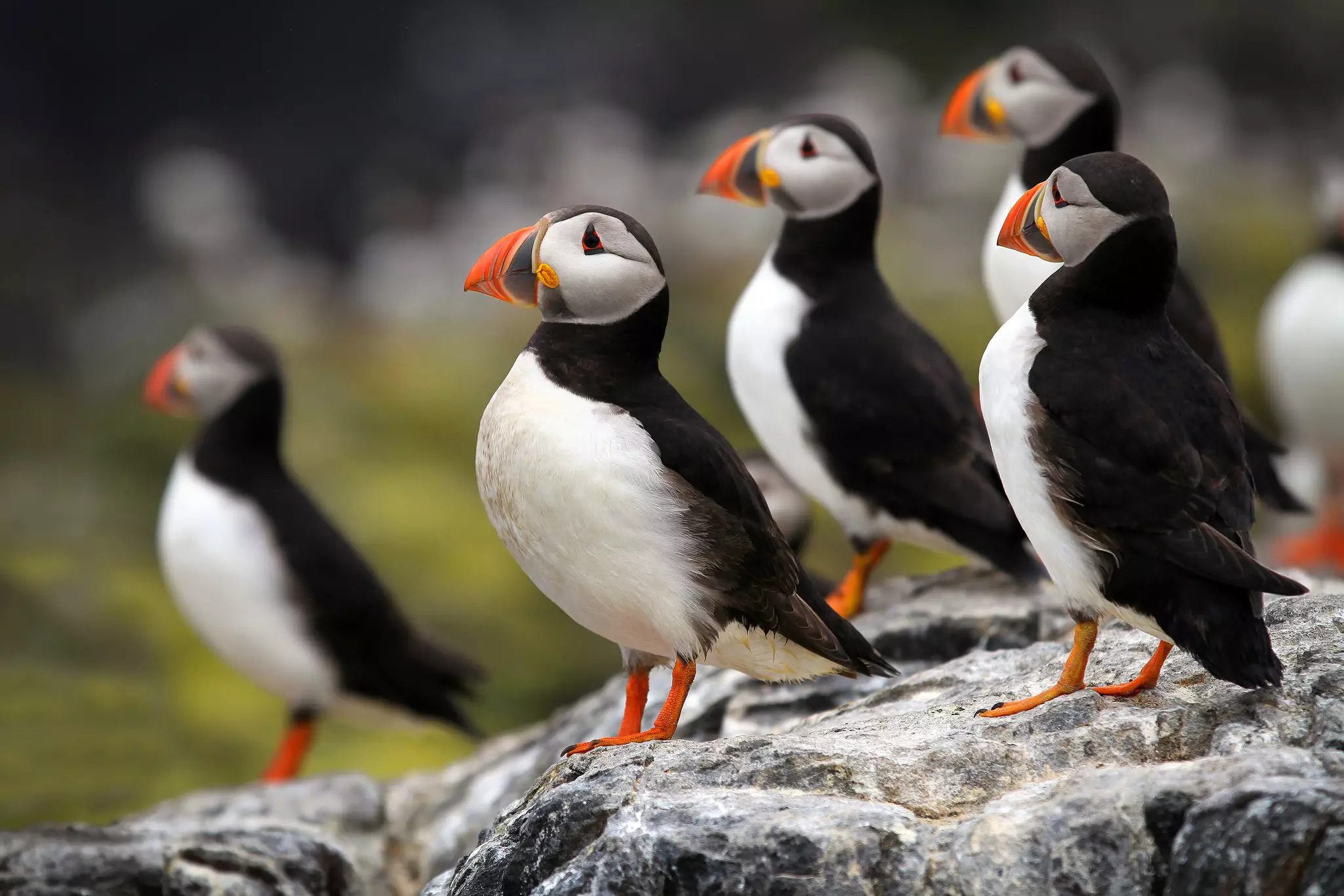
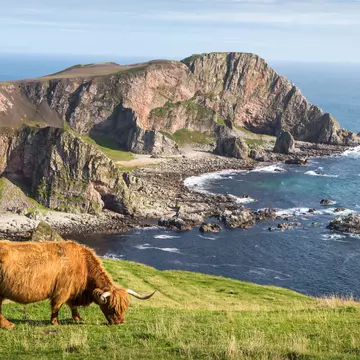
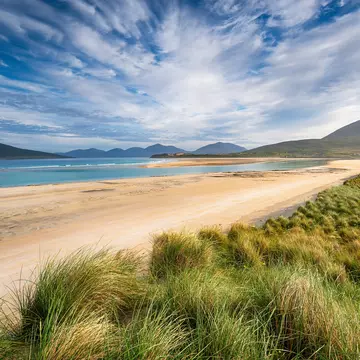
Visiting the Hebrides is highly recommended. The islands are scattered off the west coast, one foot in Scotland, the other in the Atlantic. Mull is one of the finest of these islands, and once you get past its appealing towns (capital Tobermory’s chocolate-box harbor is something else), you can use it as a base for the wonderfully accessible outdoors. There are mountains, cliffs and achingly beautiful beaches, but a boat trip offers the greatest pleasures.
Nearby isles include Iona (whose abbey was a vital staging post in Christianity’s advance through Britain), Staffa (home to surreal pillars that inspired Felix Mendelssohn and Pink Floyd) and Lunga (where thousands of impossibly appealing puffins nest in spring and summer). The short boat trips are an especially fun thing to do for families – kids love the excitement.
Detour: Dozens of operators around the coast offer whale-watching trips lasting from a couple of hours to all day; some have sighting success rates of 95% in summer.
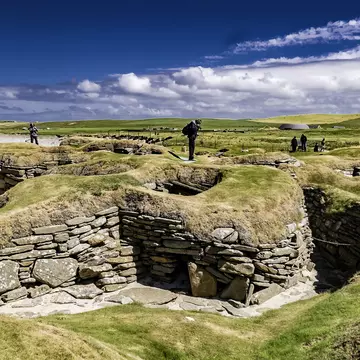
The archipelago of Orkney, an hour’s ferry ride from Scotland’s northeast tip, has farmland, fishing villages and some of Europe’s greatest Stone Age remains. Skara Brae, a 5000-year-old settlement that lay preserved under sand dunes till 1850, brings the day-to-day world of Neolithic people to brilliant life.
Houses are connected by tunnels and filled with furniture – beds, fireplaces, dressers and cupboards. The stunning nearby tunnel tomb of Maeshowe reveals the spiritual side of these ancient people. With its standing stones, giant flocks of seabirds and the mighty sea all around, modern Orkney remains a wild, evocative place.
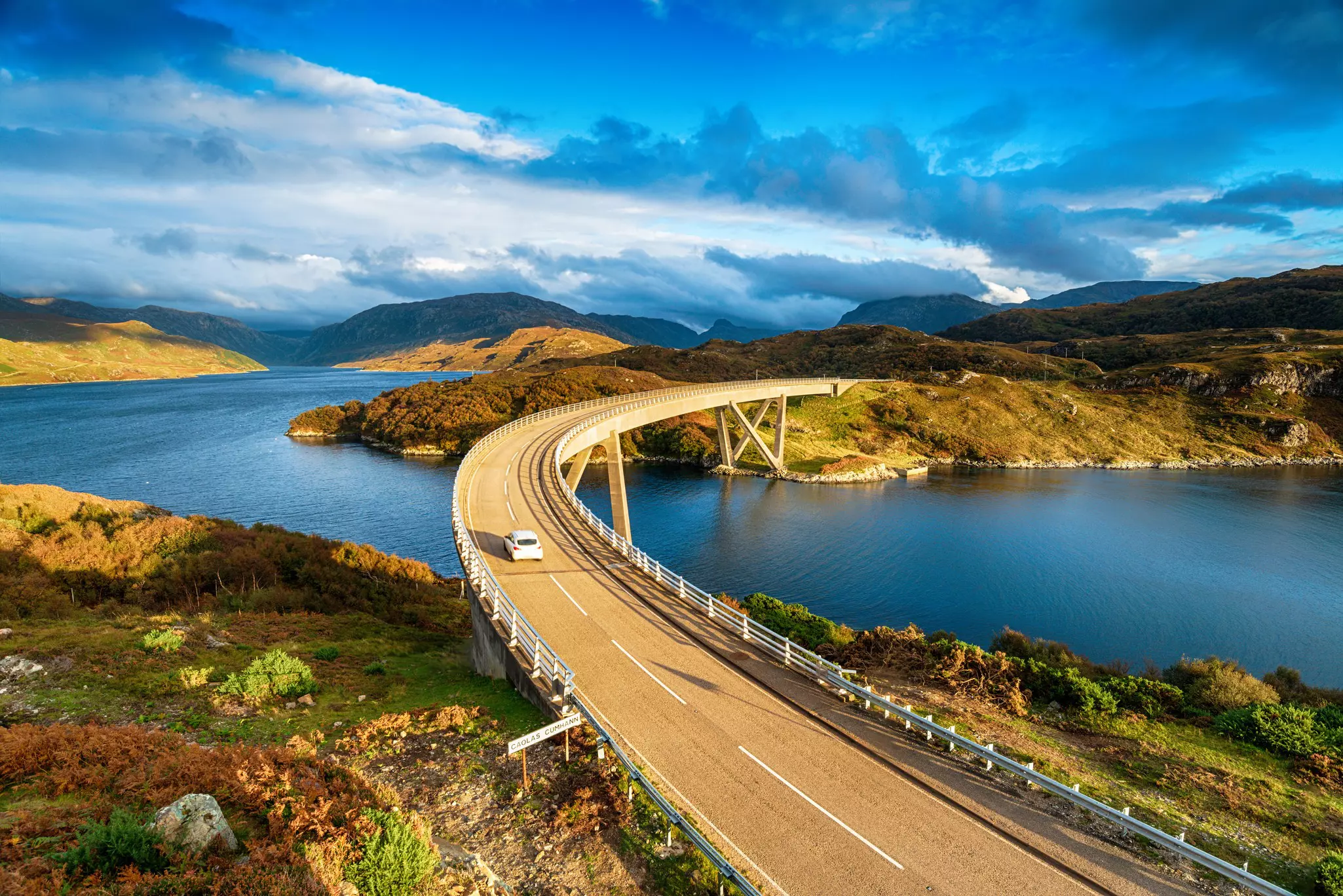
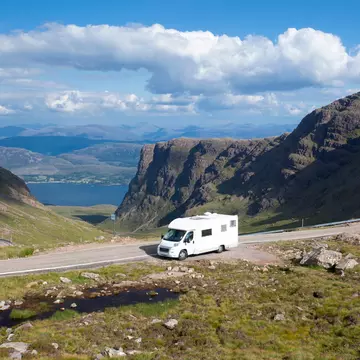
Scotland’s most famous driving route starts in Inverness, the Highlands’ likable capital, and makes a great loop around the dramatic west coast and the wild, remote top of Scotland. You’ll pass superb seafood restaurants, distilleries (not all for whisky), villages, farmhouses and pubs.
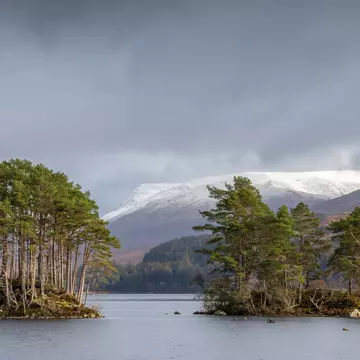
But the star here is the scenery: lochs that look like they go on forever, huge sea cliffs, rugged mountains, lonely beaches, machair grassland and hills topped with heather. It gets busy in summer: the best time to go is the shoulder season. A weeklong road trip will allow you to take decent pit stops, breathe in the sea air and treasure the shifting light and contours of the land.
Glencoe is Scotland’s most famous glen and the country's oldest ski area, with the first lift operating in 1956. Today there are three chairlifts and five tows serving 20 ski runs, plus sledging on the lower slopes. But the fun continues through the summer when the lower chairlift at Glencoe Mountain Resort remains open to whisk you up for a sightseeing stroll. Alternatively, hire a full-suspension mountain bike (£100 per day, including chairlift pass), take it up the chairlift and explore the XC trails at the top of the mountain or the gnarly black downhill course back to the lower station.
Take your Scotland trip with Lonely Planet Journeys
Time to book that trip to Scotland
Lonely Planet Journeys takes you there with fully customizable trips to top destinations – all crafted by our local experts.

Explore related stories