
Russia
The world's largest country offers it all, from historic cities and idyllic countryside to artistic riches, epic train rides and vodka-fuelled nightlife.

©Chan Srithaweeporn/Getty Images
Latest Stories
- Lonely Planet Editors|Sep 24, 2021The dos and don'ts of visiting Russia for the first time
- Lauren Keith|Sep 9, 2020A new trail in the Russian wilderness leads to a spacecraft's crash landing site
- Sean Jansen|Sep 16, 2019Alone with the river: the world's best places for fly fishing
- Maya Stanton|Sep 13, 2019Russia will soon make it easier than ever to get a visa
Book

Top places to visit in Russia
Discover the best attractions in Russia from must-see sights to unexpected hidden gems.
-
 Attraction in St PetersburgWinter Palace
 -
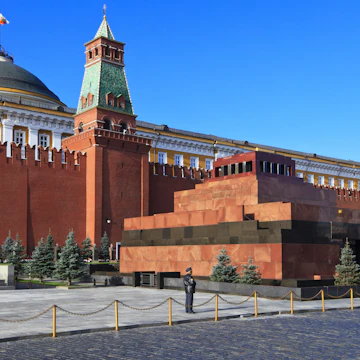 Attraction in MoscowLenin's Mausoleum
 -
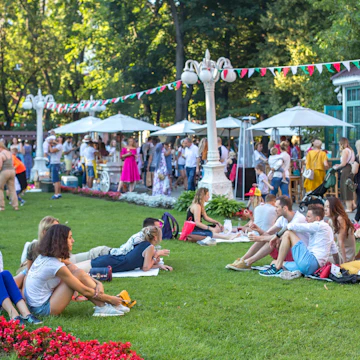 Attraction in MoscowHermitage Gardens
 -
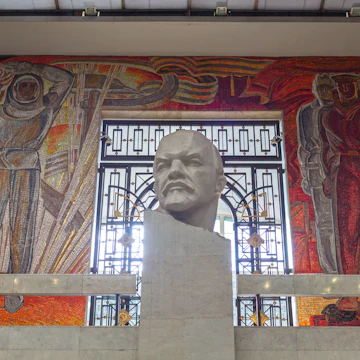 Attraction in MoscowCentral Museum of the Armed Forces
 -
 Attraction in MoscowJewish Museum & Centre of Tolerance
 -
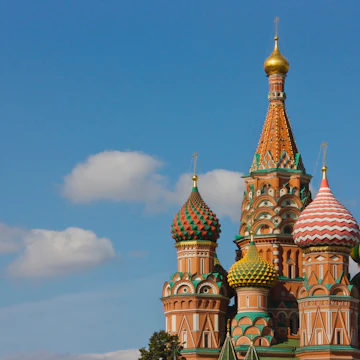 Attraction in MoscowSt Basil's Cathedral
 -
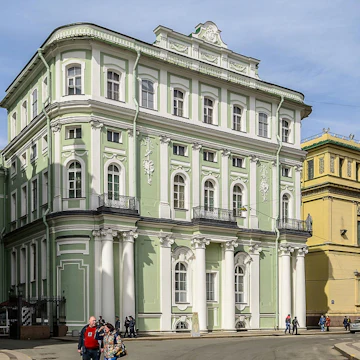 Attraction in St PetersburgSmall Hermitage
 -
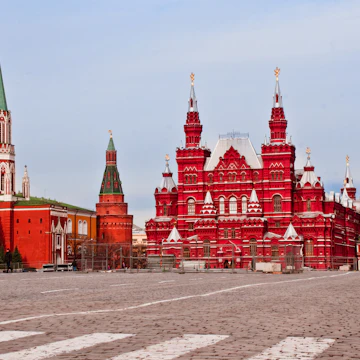 Attraction in MoscowRed Square
Russia and beyond
-
 destinationSt Petersburg
 -
 destinationMoscow
 -
![Western Siberian Eagle Owl [Bubo Bubo Sibericus] in full flight](https://lp-cms-production.imgix.net/2019-06/531770715_high.jpg?auto=format,compress&q=72&fit=crop&w=360&ar=1:1) destinationWestern Siberia
destinationWestern Siberia -
 destinationRussian Far East
 -
 destinationVladivostok
 -
 destinationKamchatka
 -
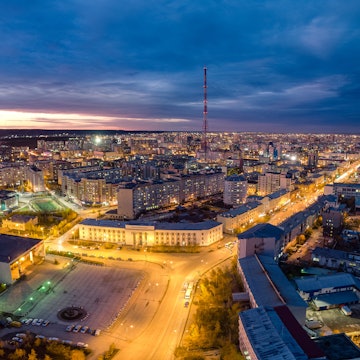 destinationYakutsk
 -
 destinationSakhalin Island