Jul 8, 20258 min read
9 Places You Must Visit When in RomaniaMar 24, 2025
14 MIN READ

Writer
From the ski slopes of the Carpathian Mountains to the beaches of the Black Sea, there's plenty to do in Romania. Gaspar Janos/Shutterstock

Writer
Highlights
Editors round up 20 Romanian experiences from the Carpathians to the Black Sea.
In Bucharest, wander the cobblestone Old Town and catch classical concerts at the Athenaeum.
Head to Bran Castle for Dracula folklore, then lose yourself in UNESCO-listed Sighişoara.
Drive the Transfăgărăşan Road or hike Piatra Craiului National Park's wildlife-rich trails.
Lonely Planet may earn a commission from affiliate links on our site. All recommendations and reviews reflect our own independent opinions.
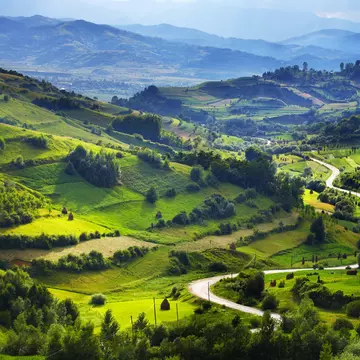
Romania might be Europe’s last travel secret. Beyond the famous “Dracula Castle” and the mysterious mountains of Transylvania, this is a country of tranquil countryside and historic townships, rich in local culture. Away from the Black Sea beaches, it’s easy to escape the crowds and discover a nation that moves to its own rhythms.
Some are lured to Romania by the UNESCO-protected Old Town in Braşov, the pretty cobbled streets of Sighişoara and the energetic buzz of Bucharest. Then there are the Carpathian Mountains, where you can twist and turn along the Transfăgărăşan Road, hike stunning mountain trails, or soak in the spas of Sinaia.
Authentic, affordable and often undiscovered, Romania welcomes visitors with open arms, and as the country has joined the Schengen Zone, border crossings are hassle-free – it’s only going to get busier from here on!
To help you plan your travel itinerary, here are the top things to do in Romania.
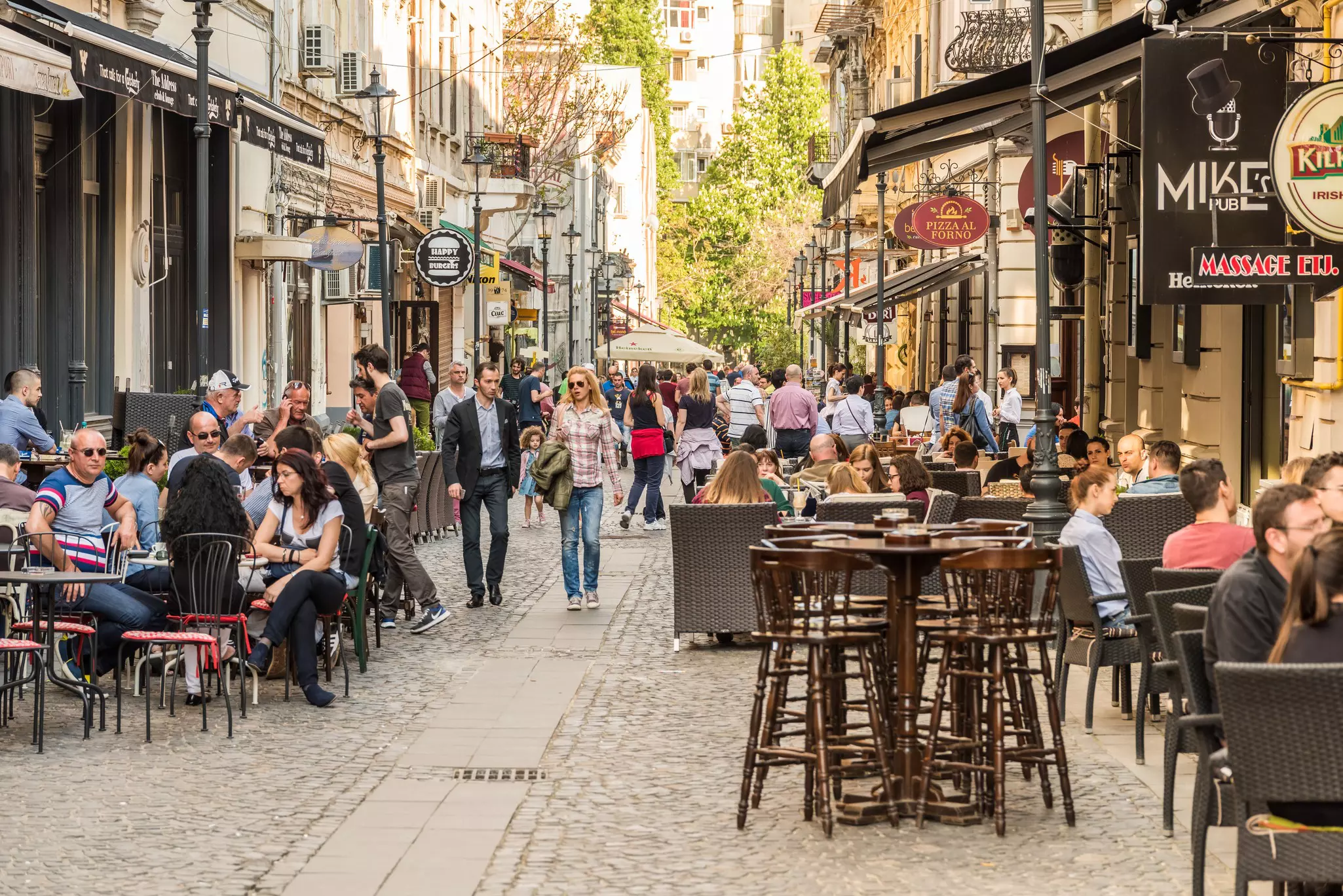
Bucharest’s historic, cobblestone Old Town is the heart around which the capital grew, and the setting for its flourishing medieval merchants’ quarter. Start your explorations at the covered arcade known as Pasajul Macca-Villacrosse, with stained-glass windows hovering above its lines of cafes.
To dive deeper, visit the monumental National Bank of Romania Museum, the peaceful courtyard of Stavropoleos Church, and Bucharest’s oldest brewery, the neo-Gothic Caru’ cu Bere (it also serves food – the pork knuckle is divine). Then there’s the grand, beaux-arts CEC Bank Palace on Calea Victoriei and, directly opposite, the Roman era-focused National History Museum.
Planning tip: Bucharest is an interesting place to shop. Check out ESHTE Shop & Café for items from Romanian artisans and designers, and peek inside Circa 1703-3071, an eclectic shop with antiques and vintage lights.
Designed by French architect Albert Galleron, the neoclassical Romanian Athenaeum was inaugurated in 1888, and it stands at the heart of Romania’s classical music scene. Polished marble, pink Doric columns and four monumental spiral staircases lead up the Big Hall, where a 70m-long (230ft) fresco depicts 25 scenes from Romanian history.
Today, the Athenaeum is home to the George Enescu Philharmonic Orchestra; it’s well worth checking online to see which concerts are coming up during your trip.
Detour: A block away from the Athenaeum is La Miţa Biciclista, with an interesting collection of albums and books, a funky bar with eclectic drinks and cutting-edge exhibitions.
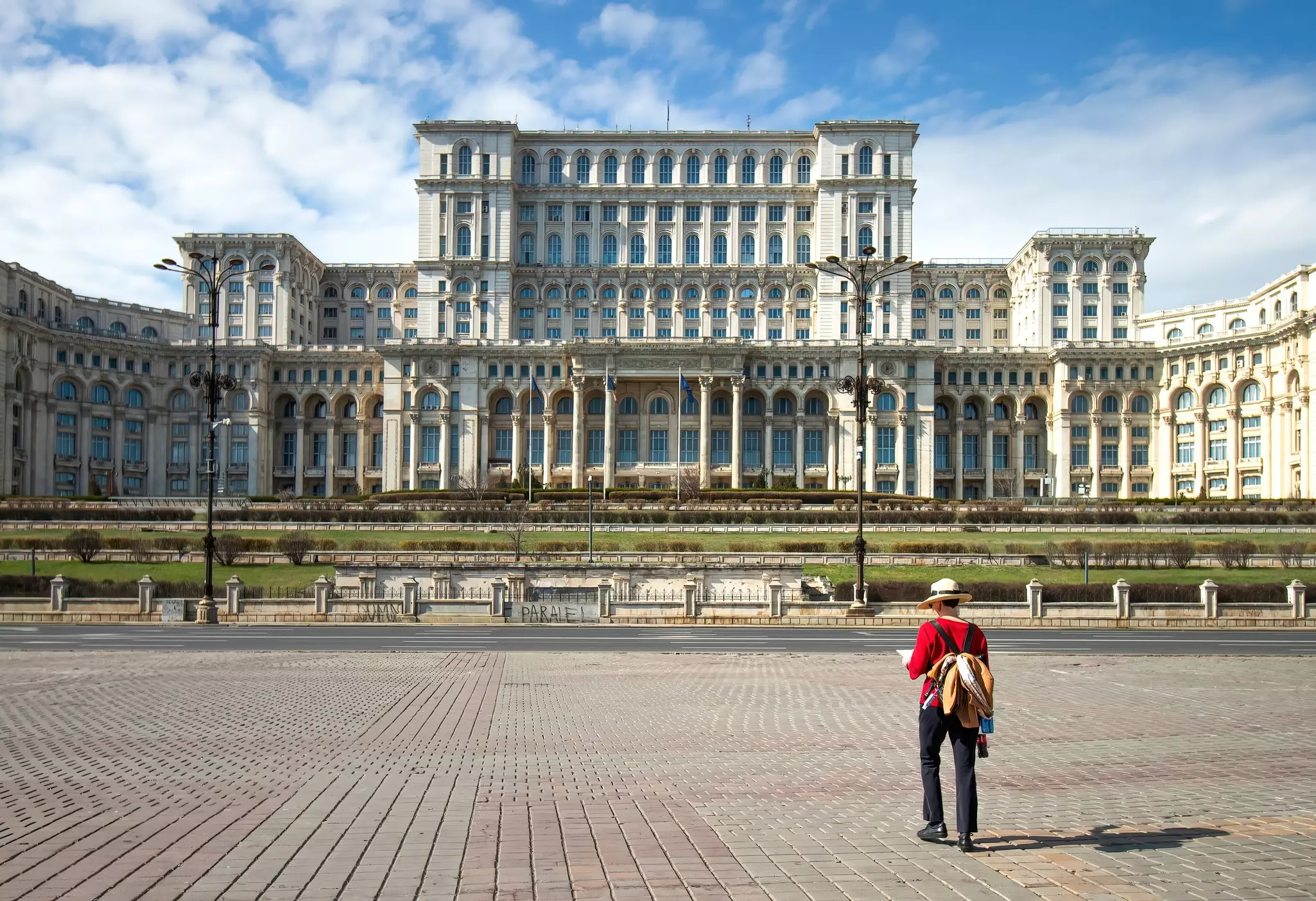
The second-largest administrative building in the world after the Pentagon, the Palace of Parliament, or Palatul Parlamentului, is a monument to the personality cult of dictator Nicolae Ceauşescu.
More than $3 billion was spent on its construction and the majority of the building remains unused, but sections are occupied by the Parliament of Romania and the National Museum of Contemporary Art (MNAC), which is well worth a visit.
Planning tip: To discover more of the excesses of Nicolae Ceauşescu, visit the Spring Palace (Palatul Primăverii) in the wealthy Primăverii district, the dictator’s former residence.
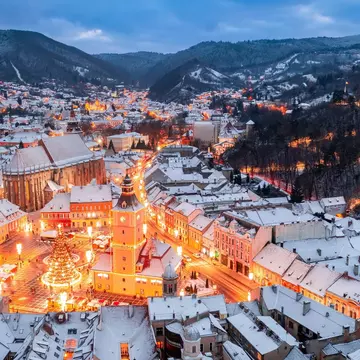
The UNESCO-listed Black Church (Biserica Neagră) is the one must-see sight in the historic city of Braşov. Dating from the late 14th century, this is the country’s largest Gothic church, and its bell tower rises to 65m (213ft). The Black Church got its name from its charred appearance following the Great Fire of 1689.
Despite the crowds outside, the interior of the church feels hushed and peaceful. The acoustics are helped by the antique Anatolian rugs hung from the walls; these were once placed on pews reserved for church donors.
Planning tip: Check the notice board for timings of the early evening organ recitals that are held in the church during July and August.
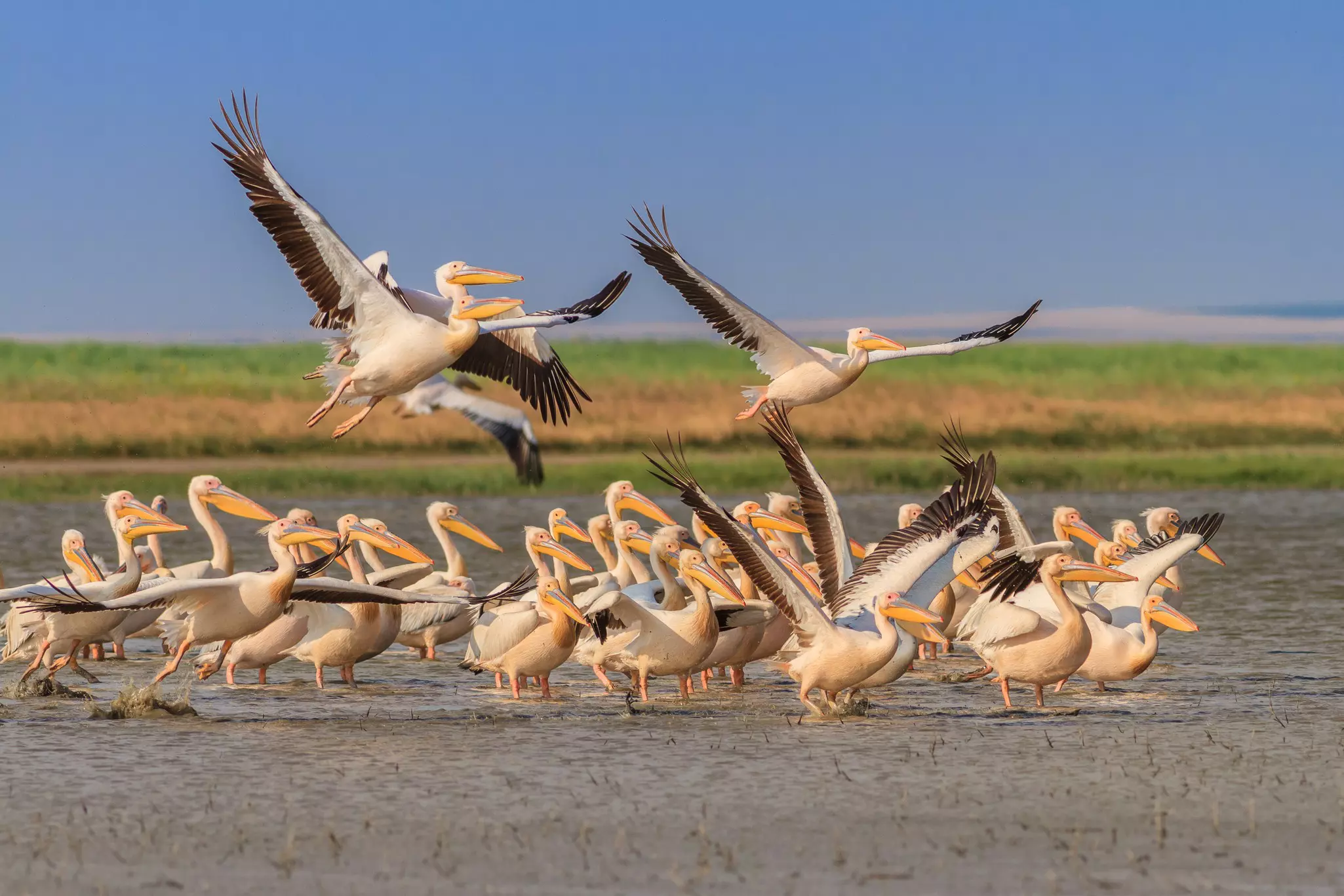
One of the best ways to experience the largely unspoiled Danube Delta is via a private boat tour from Tulcea. From May to September, Tulcea’s riverside promenade is lined with boat operators offering excursions to popular spots within the delta, including sites where you can view red-breasted geese, white pelicans and white-tailed eagles.
Common destinations for tours include Mila 23 – a beautiful fishing village north of the delta’s Sulina channel – and the wonderfully preserved village of Letea, known for its wild horses. Day-long trips can be arranged to more distant spots, such as Chilia Veche, Sulina and Sfântu Gheorghe.
Planning tip: Wild Travel runs slow and fast-boat tours throughout the delta, with a special focus on birdwatching, while Deeper Blue offers a variety of day-long circuits. Safca Delta Tours runs a popular seven-hour “slow” tour with a fish lunch, and an all-day trip to Sulina with time on the beach.
Climbing around the various coastal ruins south of Tulcea is a fun way to indulge your inner Indiana Jones, while learning the story of the people who conquered this area over the centuries, starting some 2500 years ago.
The ancient Greeks, Romans and Genoese all set up settlements here – the most eye-popping ruin is the Enisala Fortress, near the town of the same name. This romantic ruin guarded over Genoese trading routes in the 14th century but it was abandoned during the Ottoman occupation.
Detour: South of Enisala, the Histria Archaeological Complex & Museum shows off a remarkable cache of Greek and Roman relics from the ancient town of Histria, settled by Greek traders in 657 BCE.
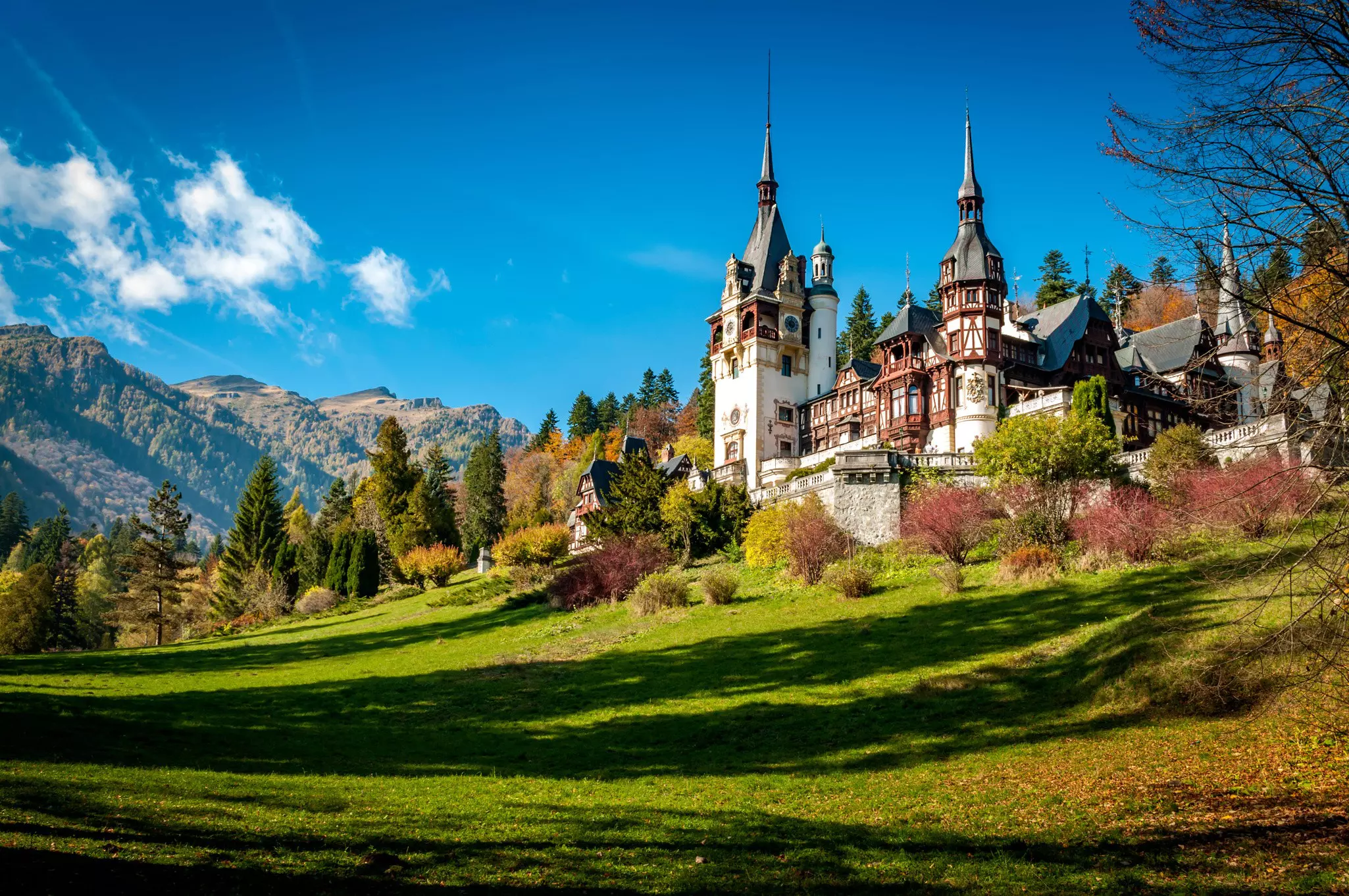
You can’t come to Sinaia and not visit one of the country’s grandest sights, imposing Peleş Castle. Once inside this neo-Renaissance masterpiece, you can view intricate Swiss and German landscapes, fashioned from inlaid wood – installed to remind Romania’s first king, Carol I, of his ancestral homeland.
Alongside Iraqi carpets and alabaster biblical scenes, you’ll find an armory brimming with armor for soldiers and horses and chambers that offer a glimpse into the distinguished life of the royal couple.
Planning tip: Visitors are admitted to the castle on a 40-minute guided tour – depending on the crowds, you may have to wait for a tour slot to open.
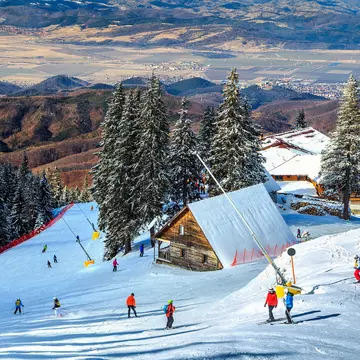
The Bucegi Mountains, a rugged range that forms part of the Southern Carpathians, are loved by hikers and skiers for their dramatic, snow-covered peaks and steep valleys. The mountain spa town of Sinaia is the most popular hub for skiing, with nearly 20km (12.4 miles) of slopes, and enticing spa resorts where you can unwind afterward.
Buşteni makes the best base for hiking into the Bucegi Mountains. Popular hiking destinations include the famous sandstone rock formations known as the Sphynx (Sfinxul Bucegi) and Babele (the Old Ladies).
Planning tip: For a taste of the scenery without the effort, the mountains are accessible via cable car from either Sinaia or Buşteni. The Telecabina Sinaia cableway runs to the Cota 1400 station, connecting with the Telecabina Cota 1400-2000 cableway, which continues up to 2000m (6562ft).
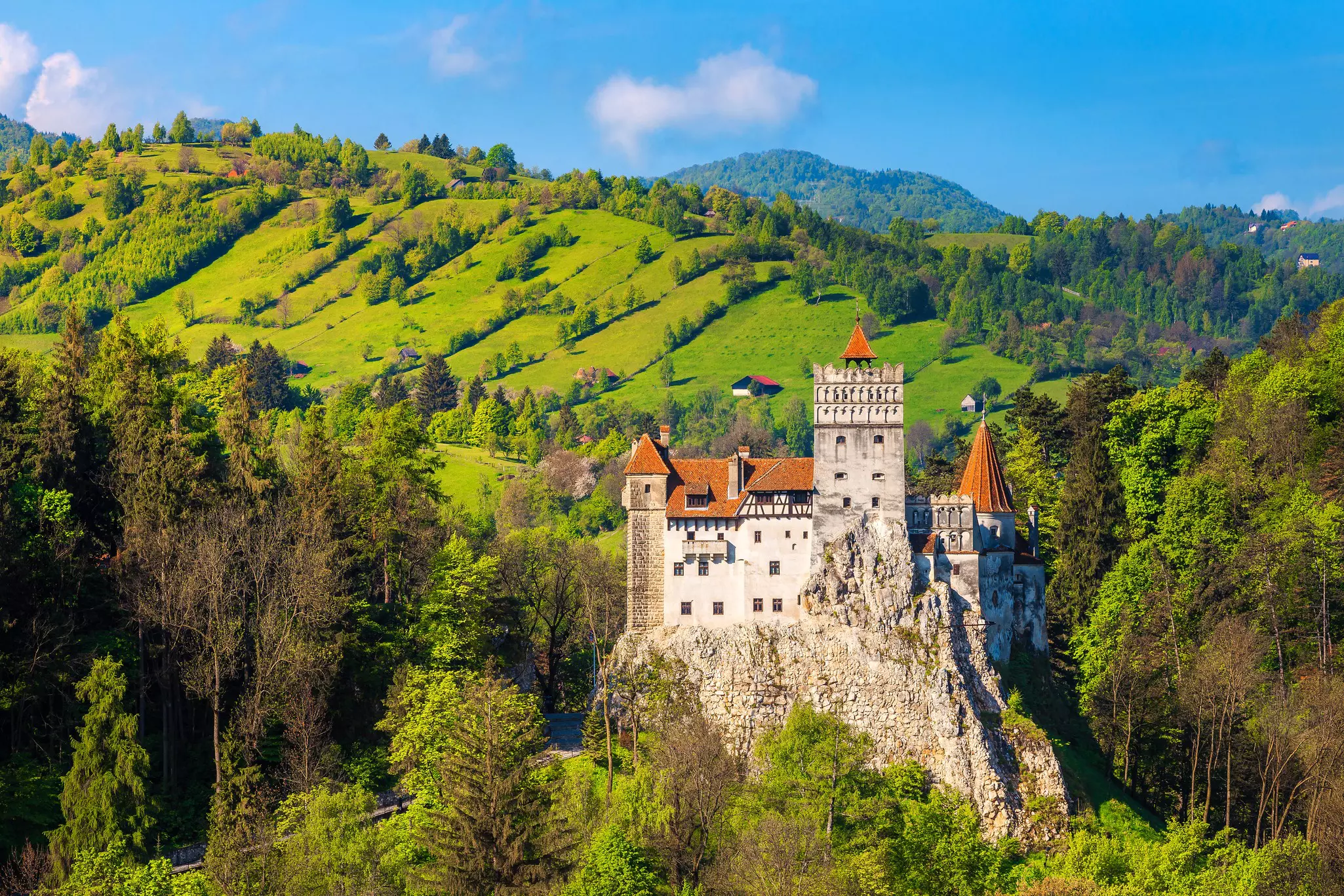
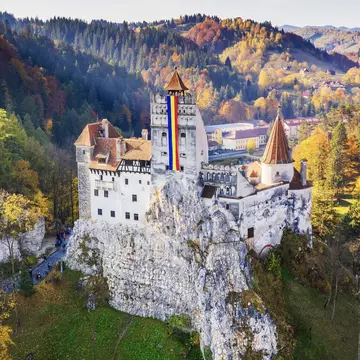
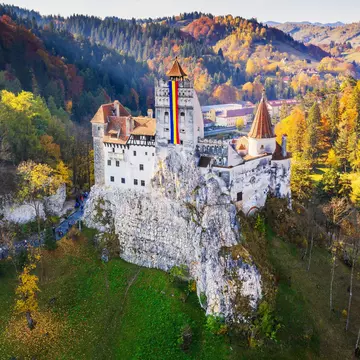
Thanks to author Bram Stoker’s novel, Dracula, Bran Castle reigns as Romania’s best-known tourist attraction – though actual connections to either the fictional vampire or the historical Wallachian prince, Vlad Ţepeş (Vlad the Impaler), are thin.
That said, your first glimpse of this spectacular fortress, rising above the town on a rocky promontory, will take your breath away. Inside, displays explore the story of Queen Maria, the castle’s most famous real-life inhabitant, as well as all things vampiric.
Detour: Commonly paired with Bran Castle on a day trip from Braşov, Râşnov Fortress is arguably a more enchanting site, with a long history of resistance against Tatar and Turkish invaders.
The Dealu Mare wine region, which begins north of Ploieşti and stretches to the city of Buzău, is known for high-quality whites and reds. The 100km-long (62-mile) Prahova Wine Road takes travelers through remote terrain and isolated villages as it connects many of the best wineries. Explore by car (with a designated driver) or come on a wine tour.
Planning tip: Recommended wineries offering tastings include Crama Budureasca, Crama Serve Ceptura and Gramofon Wine. Upscale Casa Timiş mixes wine tourism with spa treatments, bike tours, cool pools and gourmet meals.
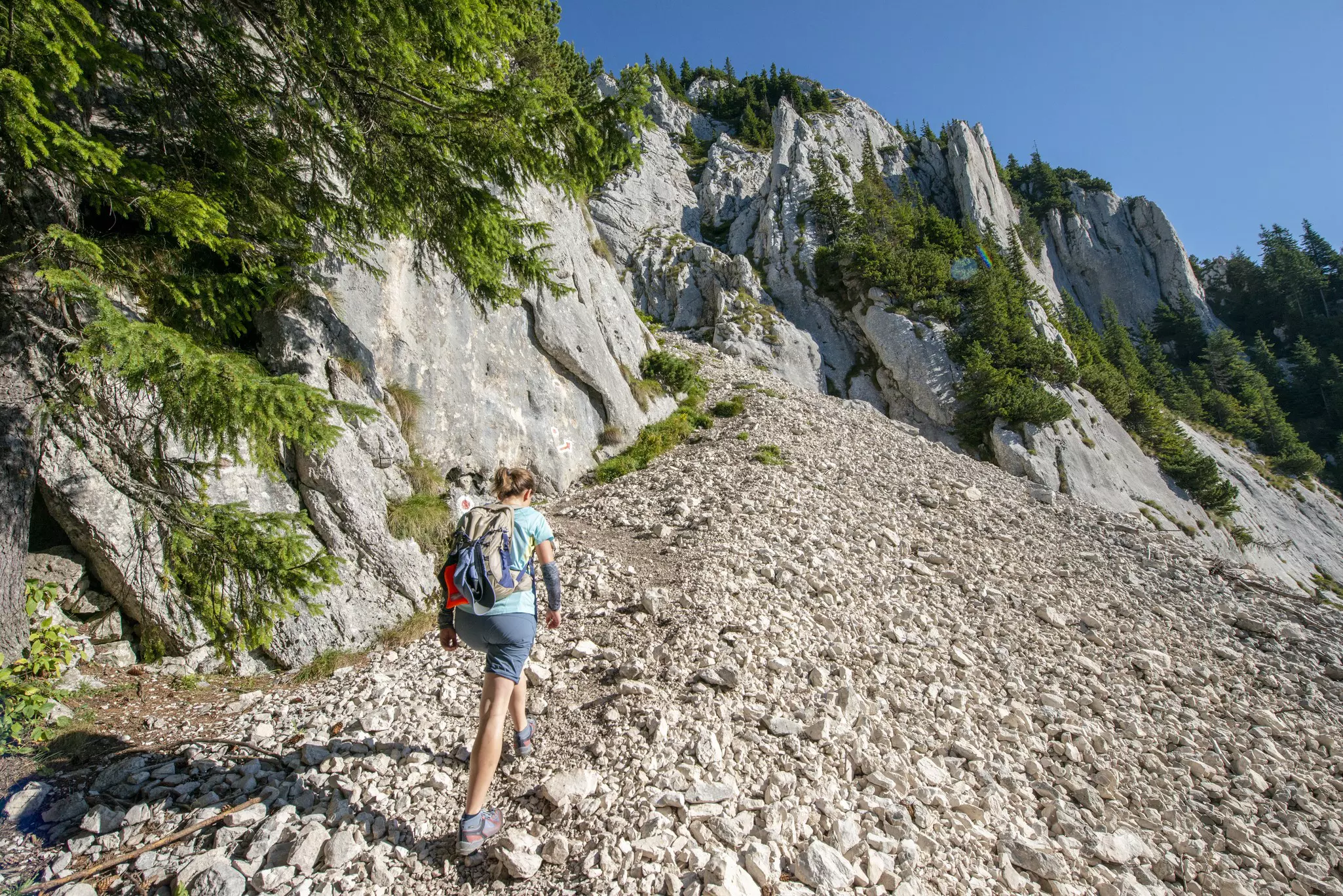
Following a spectacular, 25km-long (15-mile) limestone ridge, Piatra Craiului National Park offers some of the most breathtaking hikes in the country. Wolves, bears, deer, eagles, owls and 17 species of bat make a home in the woodlands and crags, and 42 marked trails weave through the mountain valleys.
Many of the best hikes start from the village of Zărneşti, including the popular trails to Fântâna lui Botorog and the Zărneşti Gorge, both passing by the well-tended Cabana Curmătura, where you can stop for meals or an overnight stay.
Planning tip: The Visit Zărneşti website has extensive information on the trails in English.
Dotted between Sighişoara and Sibiu, you’ll find a string of fascinating fortified churches, founded by Saxon settlers who came to Transylvania as early as the 12th century. Visitors are drawn to Biertan’s immense, fortified Gothic church and the imposing, castle-like church in charming Viscri.
Elsewhere, tiny villages such as Mălâncrav, and towns around Mediaş, such as Alma Vii, have their own rustic appeal, hosting lesser-known fortress churches. A rental car is the easiest way to explore.
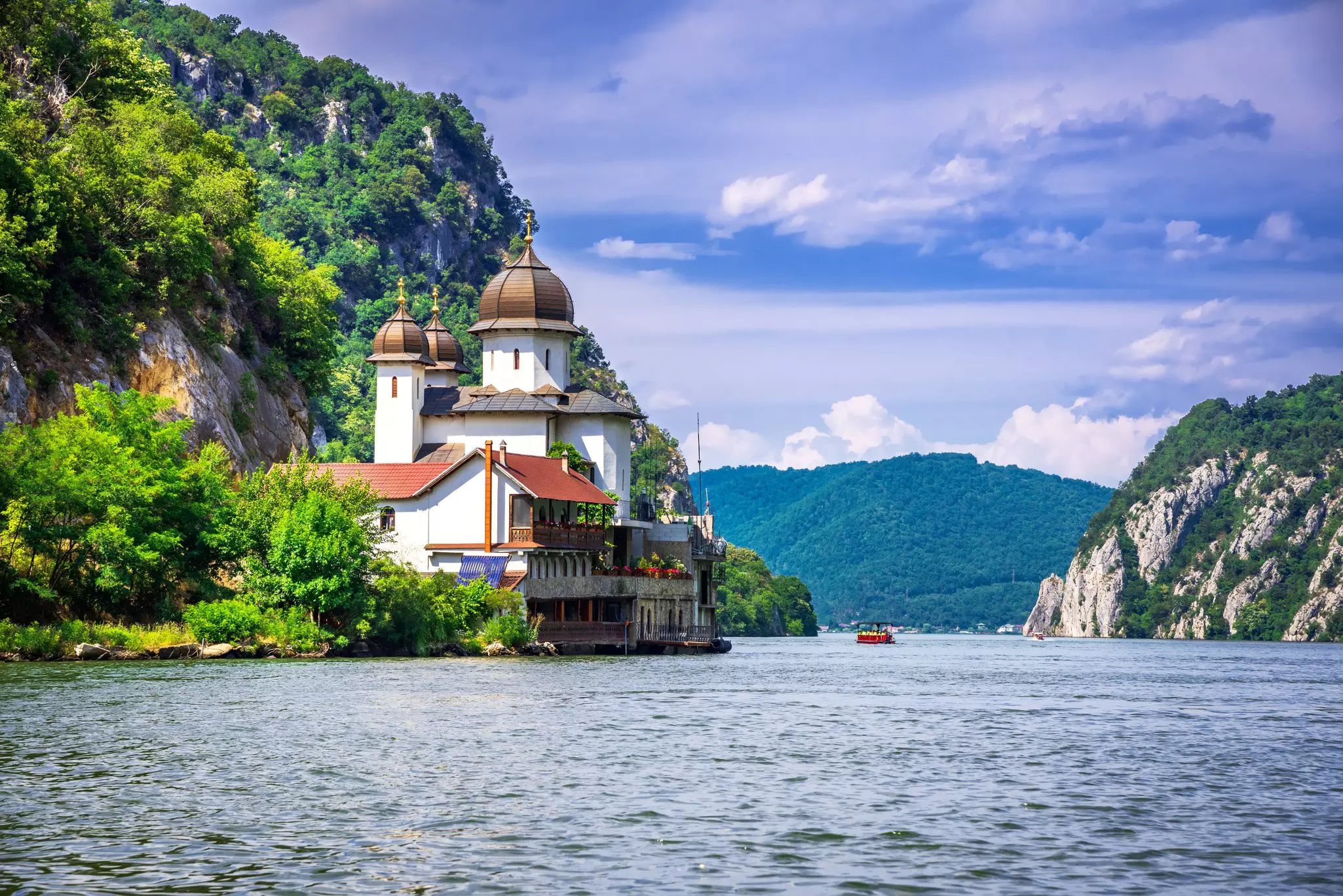
Iron Gates is the local name for the gorgeous Danubian Gorge, where the Danube weaves between treacherous rocks as it crashes into the southern end of the Carpathian Mountains. From late May to early October, private outfitters run boat tours along the gorge from river ports such as Orşova and Dubova, west of Drobeta-Turnu Severin.
As well as appreciating the beauty of the scenery, you visit the legend-soaked Veteran’s Cave and a massive stone carving of the former Dacian leader, Decebal. Some tours cross into Serbia to see the historic Tabula Traiana, a 2000-year-old plaque marking the completion of an ancient Roman road.
Planning tip: Boat operators normally require a minimum of six passengers, but trips can be booked in advance. You can dive deeper into the gorge’s history at the Iron Gates Museum in Drobeta-Turnu Severin.
Tucked away on the eastern side of the Carpathians, the UNESCO-listed painted monasteries of Bucovina proudly show off Romania’s Orthodox Christian traditions. They’re cherished not only for their beauty and artistic value, but also for their endurance over the centuries.
The five main monasteries to visit are at Arbore, Humor, Moldoviţa, Suceviţa and Voroneţ. These ancient hubs of religious learning date mainly from the 15th and 16th centuries, and their vividly colorful external frescoes feature depictions of saints and Bible stories.
Planning tip: Most monasteries have a smaller museum tucked away within the grounds, so don’t miss these when you visit. The town of Suceava is the best base for exploring.
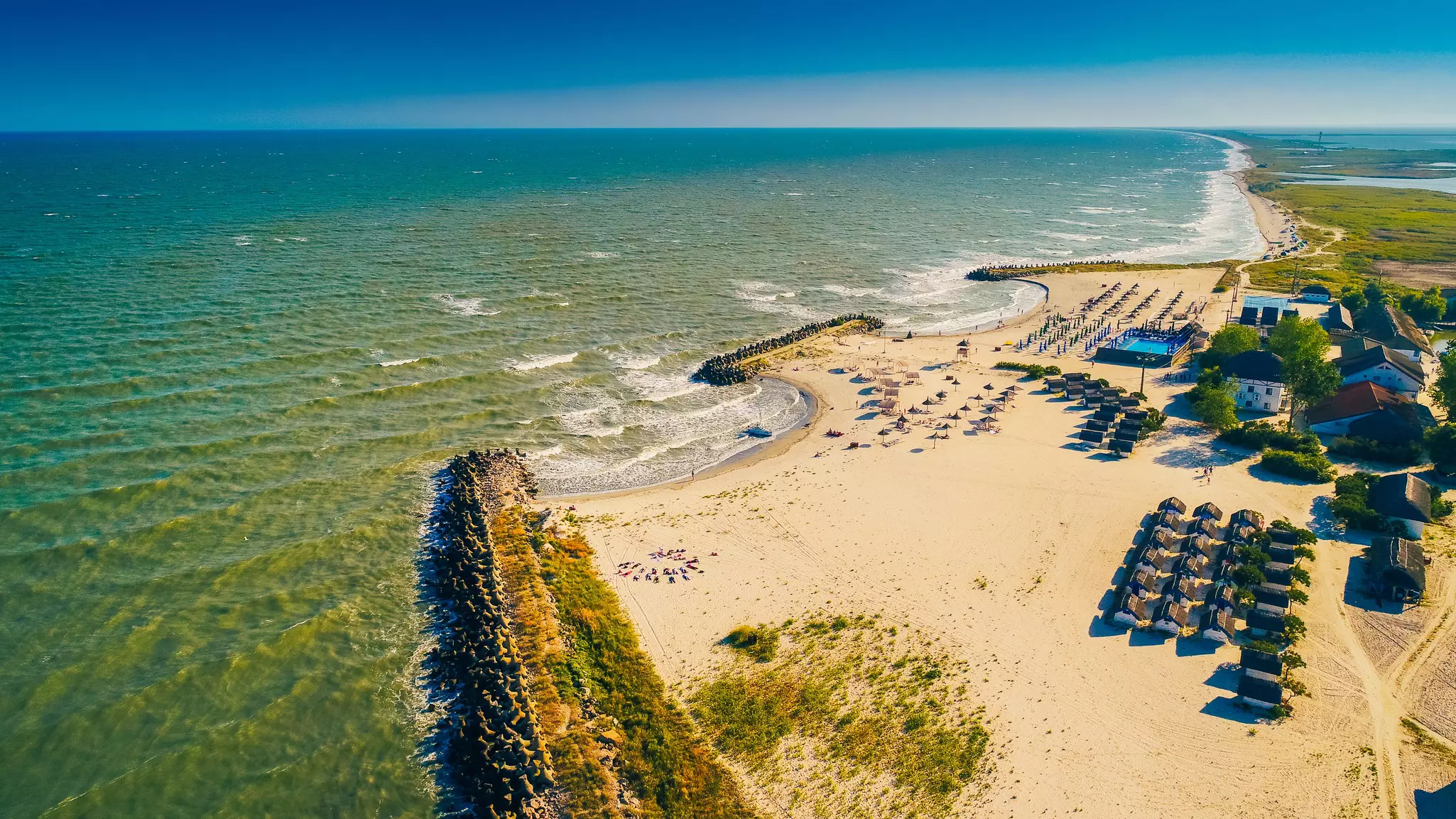
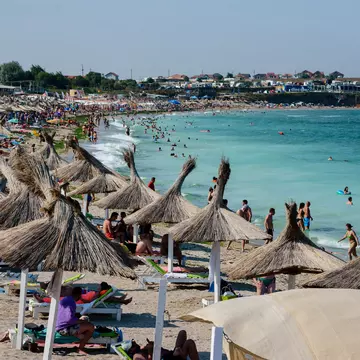
While Vama Veche is the most famous resort in the Romanian Danube Delta region, the low-key island resort of Gura Portiţei offers a more peaceful experience. It occupies a thin sandbar separating the coastal lakes of Goloviţa and Razim from the wider Black Sea, set within the protected Danube Delta Biosphere Reserve and the main attraction is its endlessly long beach and crystal-clear waters for swimming.
Planning tip: Overnight stays are possible at island campsites and a friendly bungalow resort, but many visitors opt to stay in the coastal fishing village of Jurilovca and hop on the ferry for the 30-minute ride across the lake.
UNESCO World Heritage-listed Sighişoara is so resplendent that you’ll rub your eyes in disbelief at the sight of its pastel-colored buildings, stony lanes and medieval towers. The highlight of this historic city is the glorious 14th-century Clock Tower, whose multicolored roof glitters like dragon scales.
Beyond the Clock Tower, the grounds of the town’s medieval citadel are dotted with important churches and achingly pretty traditional houses, with a perimeter guard of fairytale towers. The citadel is also home to some of Romania’s most beautiful pensions, cafes and restaurants.
Planning tip: Access to the citadel is via a short, heart-pumping climb above the center of Sighişoara; in summer, you can get here on the “tourist train” that drops off in the citadel’s main square, Piaţa Cetǎţii.
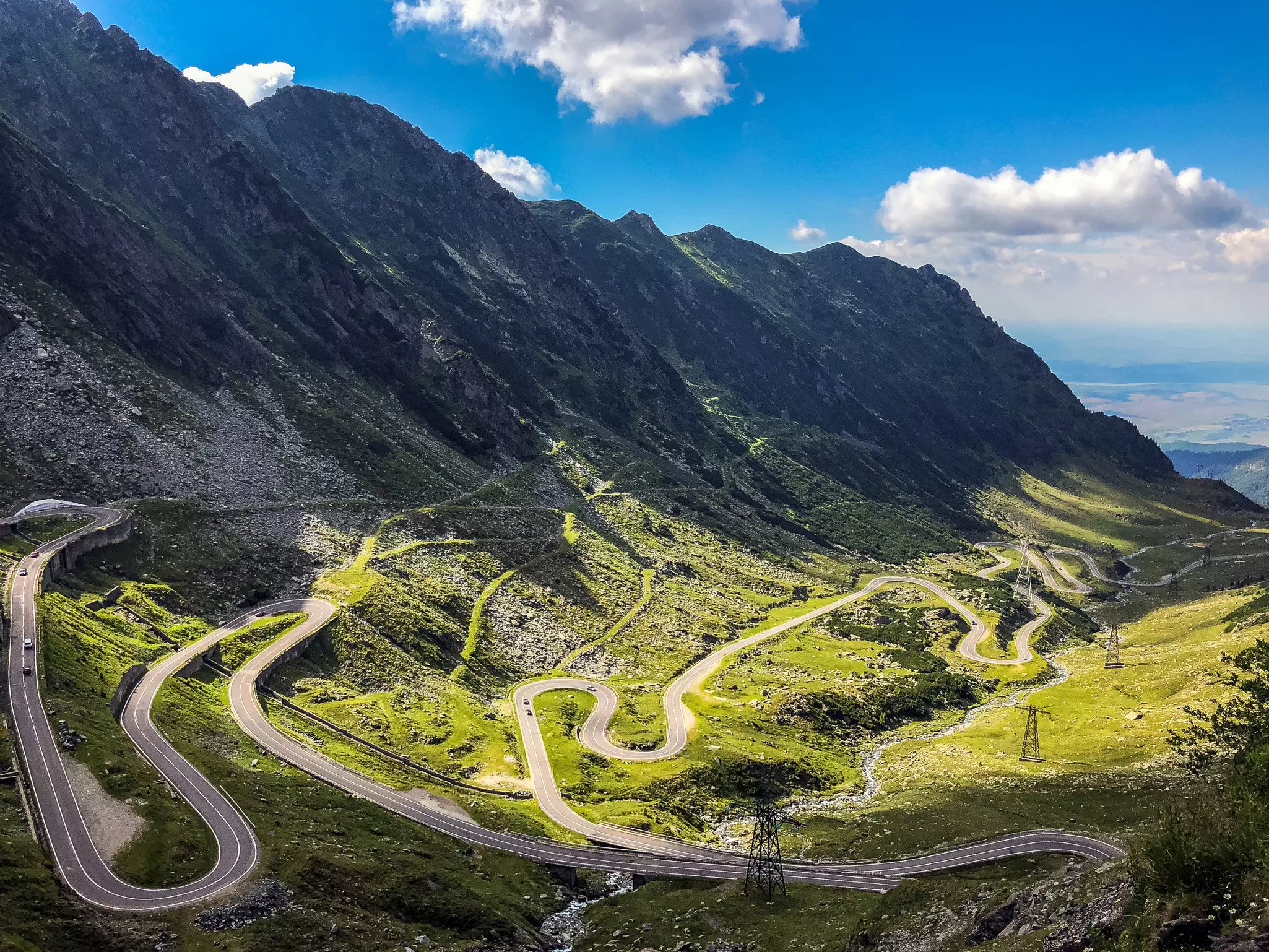
Known as the Transfăgărăşan Road, Hwy 7C is Romania’s most exciting strip of asphalt. After snaking through valleys hemmed in by sharp cliffs and forests, the road emerges in front of breathtaking mountain views. The route is normally accessed from the northern end, though it’s also possible to approach from the south.
Many visitors tackle the Transfăgărăşan Road on a driving day trip from Sibiu, but it’s more fun to arrange an overnight stay at one of the cabins on Lake Bâlea. The area has a couple of gorgeous high-altitude hikes and the setting beside a glacial lake is magical.
Planning tip: The route is busiest in summer but most enjoyable in spring when wildflowers add to the views. Be aware that parts of the road close from October to May due to icy conditions.
Forget Bran Castle – Romania’s most incredible, jaw-dropping keep is Corvin Castle, in the city of Hunedoara. With a spooky, dramatic drawbridge, pointed turrets and dank dungeons, it will whisk you back to medieval times.
Architectural highlights include the late Gothic Knights Hall, with piles of armor, cannonballs and a bulky bronze statue of John Hunyadi, the 15th-century recent of Hungary, and the Mace Tower, raised in 1440.
Detour: Close to Huneadora, the industrial city of Deva is worth a stopover to gawk at the crumbling citadel, which looms from the top of an extinct volcano, 300m (984ft) above the town streets.
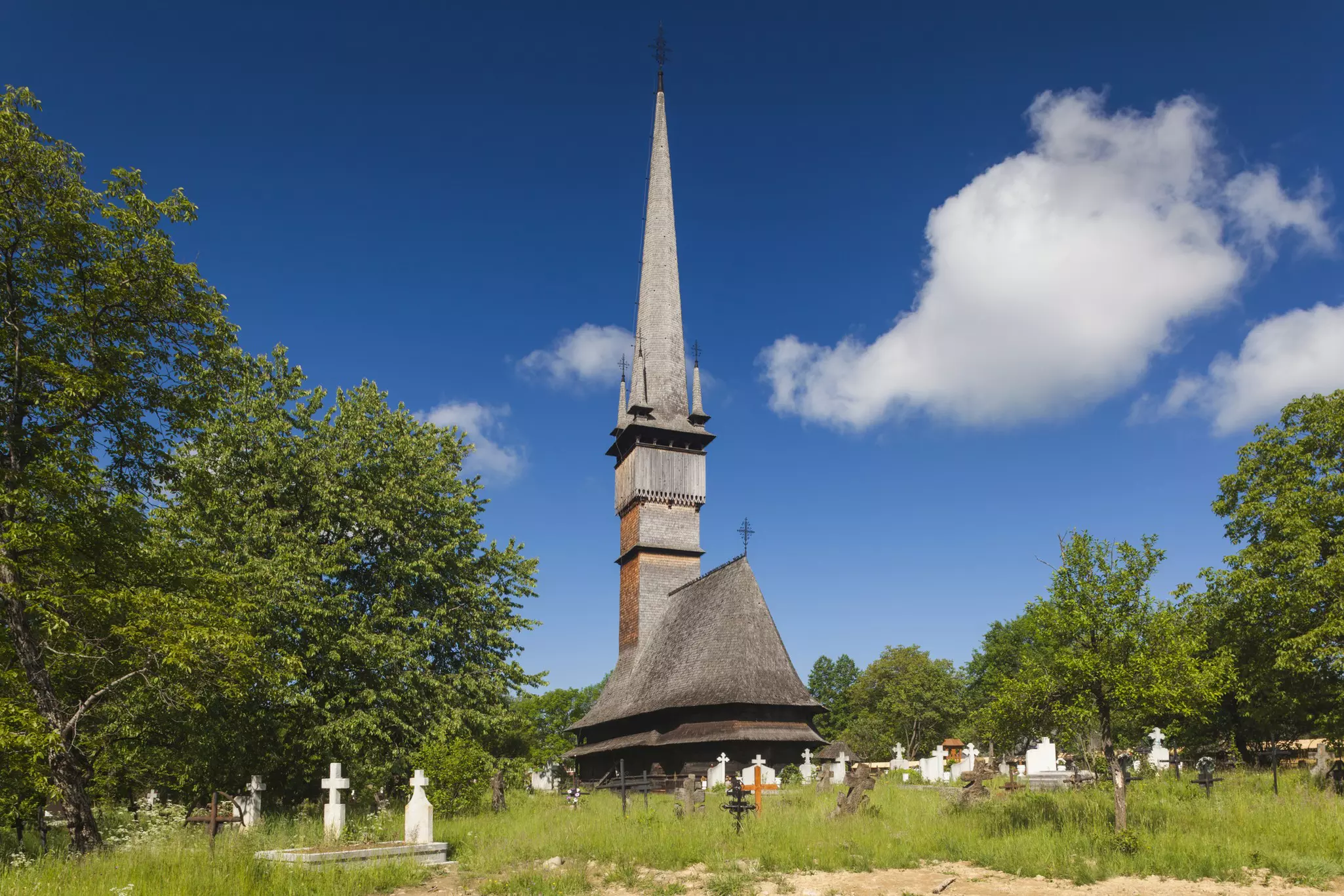
There are approximately 100 wooden churches (biserici de lemn) in Maramureş and eight of them have been singled out by UNESCO for their unique architectural fusion of Orthodox and Gothic influences.
Attention is focused on the churches in Şurdeşti, Rogoz, Poienile Izei, Plopiş, Ieud Deal, Desesti, Budeşti Josani and Bârsana, but trust us – the others are worth visiting, too. These wooden masterpieces feature fairy-tale steeples and lavish frescoes, most created in the 17th and 18th centuries.
Planning tip: Some churches are kept locked but there’ll be someone around with the key; just call the phone number posted on the door.
About 5km (3 miles) south of Sibiu, the ASTRA National Museum Complex claims to be Europe’s largest outdoor ethnographic museum, and as it covers a whopping 96 hectares (237 acres), we won’t argue.
The heart of the museum is an immense open-air exhibition space, where churches, water mills, inns, forges, wineries, farmhouses and traditional homes have been lovingly reconstructed to show off the diversity and ingenuity of Romania’s rural communities.
Planning tip: In summer, ASTRA hosts numerous fairs, dance workshops and musical performances, so it’s worthwhile checking its website for events.
This article was adapted from Lonely Planet’s Romania & Bulgaria guidebook, published in August 2024.
Explore related stories