Peru
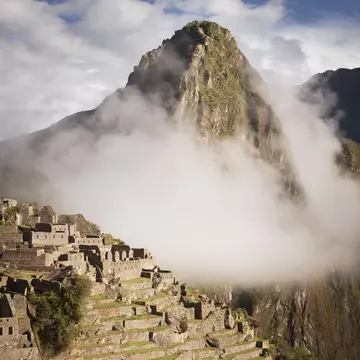
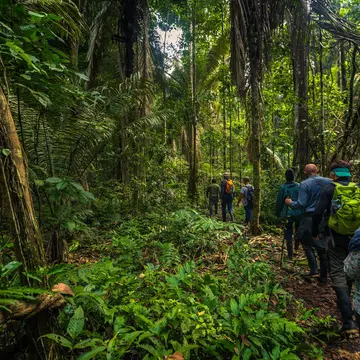
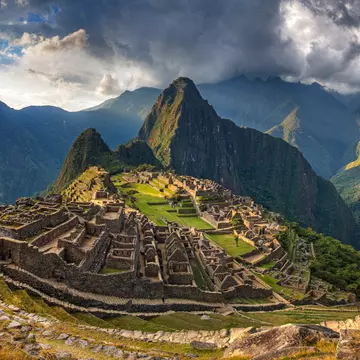
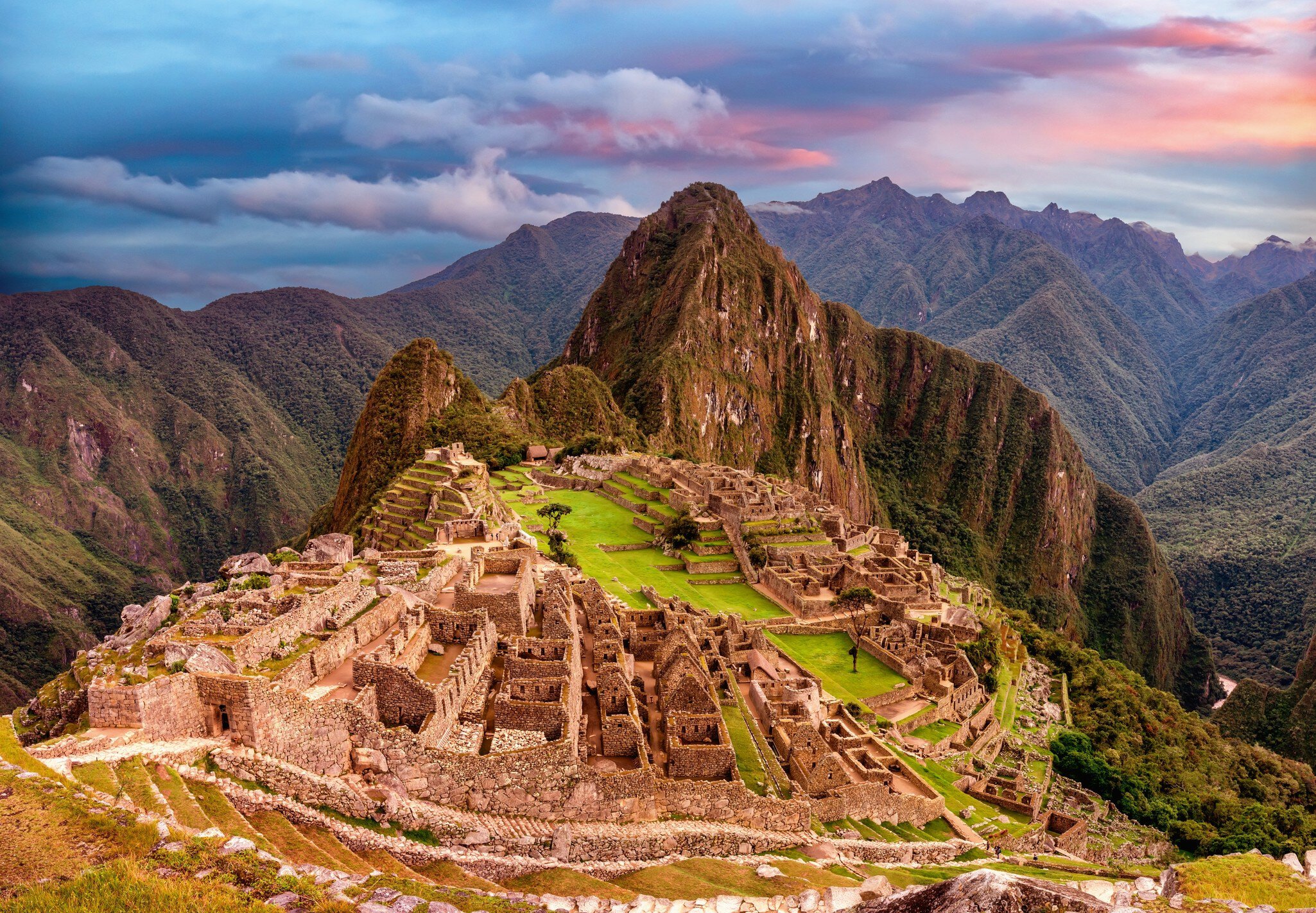
Peru is a land of skyscraping peaks, vast jungle and multilayered archaeology. Between the snow-dusted Andes crowned by Machu Picchu, the misty Pacific coast with surf beaches and prehistoric sites, and the lush Amazon basin, Peru offers both natural and cultural wonders.
Belikova Oksana/Shutterstock
Latest Stories
- Agnes Rivera | Jun 24, 2026How to Get Around in Peru
- Agnes Rivera | Jun 23, 2026Peru's Best Hiking Trails
- Agnes Rivera | Jun 12, 202613 Best Places to Visit in Peru
- Agnes Rivera | May 29, 2026Peru in 7 Days: From the Mountains to the Coast
Book
Trip 
App

Trusted Partner
Dreaming of Peru? Protect your trip
Travel with confidence. Protect your trip and your wallet.
We don’t represent World Nomads, we receive a fee from quotes using this link. This is not a recommendation to buy travel insurance.
Book your Peru trip with Lonely Planet Journeys
See Peru how it's meant to be seen
Accommodations, activities and ground transportation all taken care of, so you can focus on the fun part. Tell us what your dream trip to Peru looks like, and our local experts will build it from scratch. Or start with one of our itineraries and make it your own.
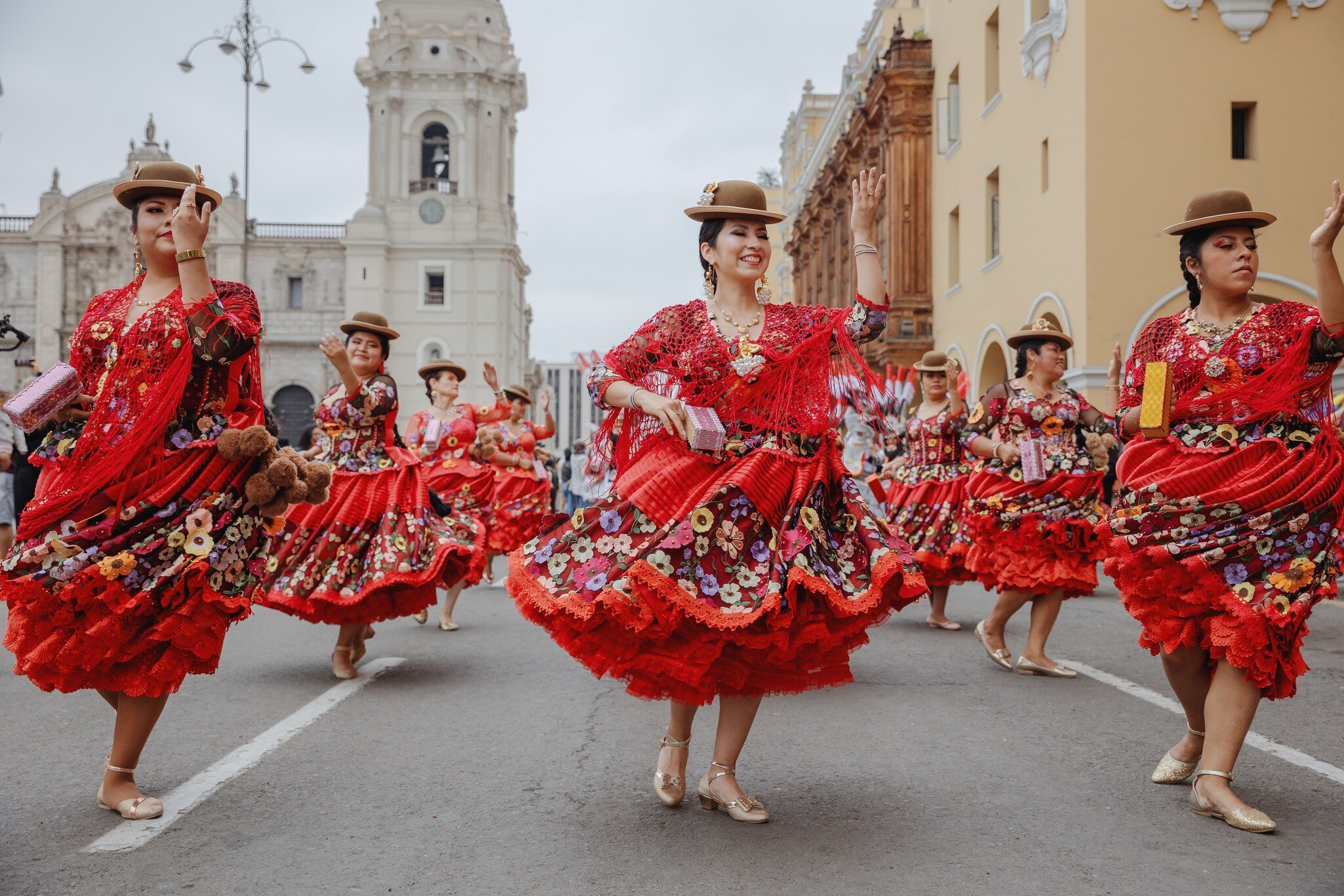

Top places to visit in Peru
Discover the best attractions in Peru from must-see sights to unexpected hidden gems.
- Attraction in PeruIslas Ballestas
- Attraction in PeruReserva Nacional de Paracas
- Attraction in PeruNazca Lines
- Attraction in LimaHuaca Pucllana
- Attraction in PeruThe Inca Trail
- Attraction in PeruChavín de Huántar
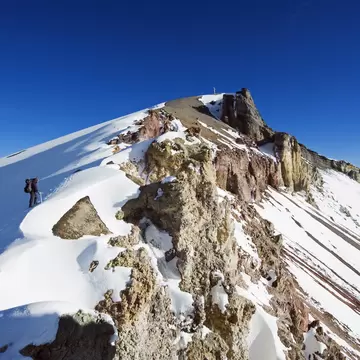
- Attraction in PeruEl Misti
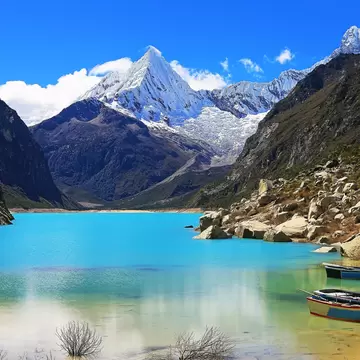
- Attraction in PeruLaguna Parón
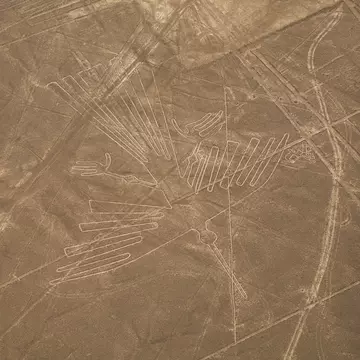
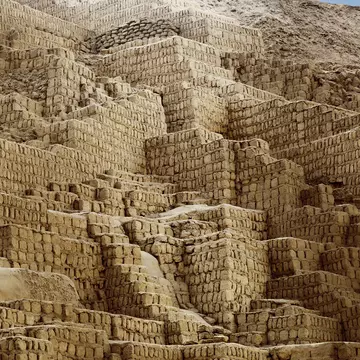
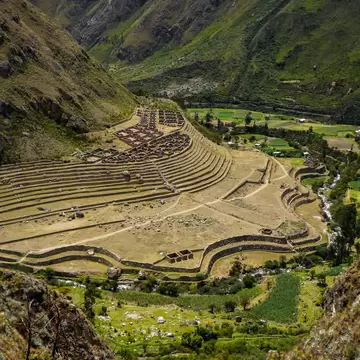
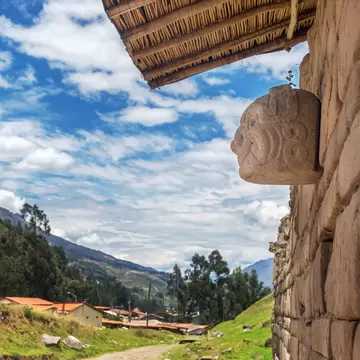
Travel Guides
Peru travel tips from Lonely Planet experts
Find practical guidance from our team of contributors around the world who bring their decades of first-hand travel experience to your next trip.
Best Things to Do
From the Andes to the Amazon rainforest, Peru offers endless adventures. Here are the best things to do in Peru.
Read full article
Best Time to Visit
Whether you're a foodie bound for Lima or an adventurer heading for the Inca Trail, find the perfect time for your Peru vacation here.
Read full article
Things to Know
Often called Machu Picchu's little sister, Choquequirao can only be reached on foot. Lonely Planet editor Melissa Yeager shows you want to expect.
Read full article
Transportation
Here’s how to get around Peru by bus, plane, train, taxi and car, with quick tips on safety, costs and travel times.
Read full article
Best Road Trips
Have an unforgettable road trip in Peru on these scenic driving routes.
Read full article
Money and Costs
Peru has long been a destination for backpackers on a budget and now other travelers have caught on – here's how to make your money go further on the road.
Read full article
Traveling with Kids
Every adventure-seeking family with a great appetite should have Peru on their "dream destinations" list. Here are the best things to do there with kids.
Read full article
Best Places to Visit
It's hard to know where to go in Peru – known for cuisine, culture and biodiversity. Let this list of 13 kickstart a visit to this South American darling.
Read full article
Get Connected
Stay fully connected on your next trip to Peru with this guide to local wi-fi networks, roaming charges, eSIMs and data
Read full article
Get a book. Get inspired. Get exploring.
in partnership with getyourguide
Book popular activities in Peru
Lonely Planet may earn a commission from affiliate links on our site. All recommendations and reviews reflect our own independent opinions.
Peru and beyond
- destinationCuzco & the Sacred Valley
- destinationAmazon Basin
- destinationLima
- destinationLake Titicaca
- destinationCusco
- destinationArequipa
- destinationThe Sacred Valley
- destinationHuaraz