May 21, 202610 min read
The 10 Best Things to Do in Casco Viejo, Panama City’s Historic HeartAug 27, 2025
8 MIN READ

Writer
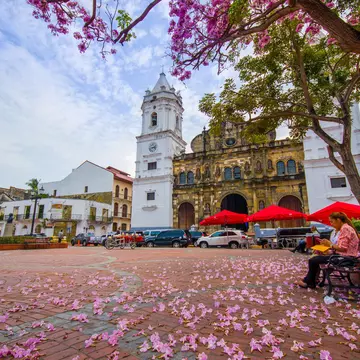
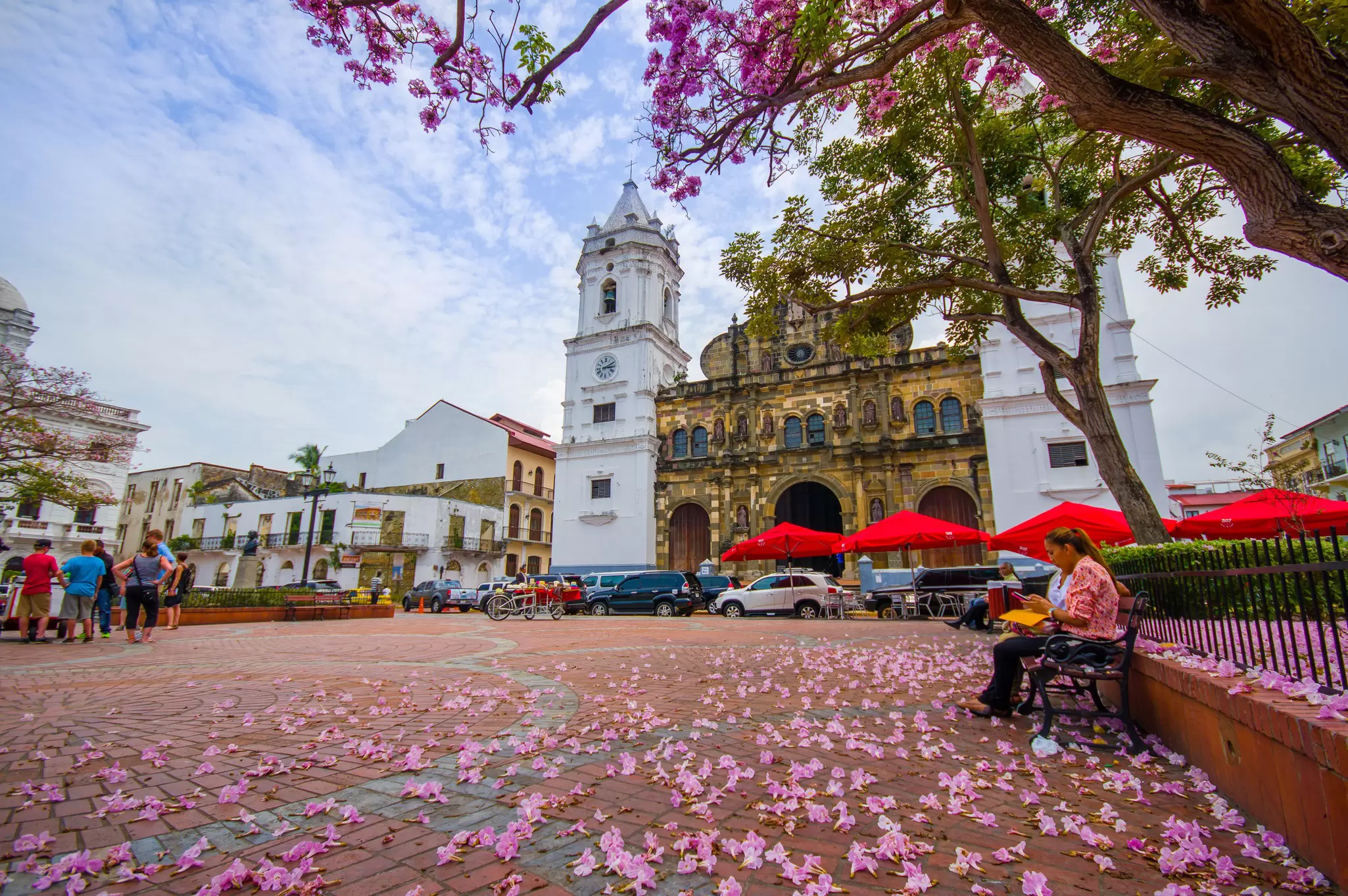
Panama Catherdral in Panama City's Casco Viejo. Fotos593/Shutterstock
Writer
Highlights
Writer Rosie Bell picks 13 Panama City highlights from the canal to craft beer.
Walk UNESCO-listed Casco Viejo by day and bar-hop its breezy rooftops after dark.
For the canal, head to Miraflores; for wildlife, hike Cerro Ancon's single trail.
Take a day trip to Guna Yala's 365 white-sand islands, blissfully unmarred by mass tourism.
Lonely Planet may earn a commission from affiliate links on our site. All recommendations and reviews reflect our own independent opinions.
At the crossroads of continents and oceans, Panama City is a heady mix of glassy skyscrapers, tropical flavor and centuries of cultural convergence.
Whether you're there for a fleeting Copa Airlines stopover or a longer deep dive, Panama’s capital offers far more than just spotting the namesake canal. This is the bridge of the world, and the best way to cross it is by diving right in.
From culinary fireworks to rooftop revelry and straight-out-of-a-dream beach escapes, here are 13 of the best things to do in Panama City, Central America’s most cosmopolitan metropolis.
Start your Panama City adventure on foot in Casco Viejo, the UNESCO-listed historic quarter also known as Casco Antiguo and San Felipe.
This compact district is a postcard of cobbled lanes, pastel facades, wrought-iron balconies, and once-crumbling mansions reborn as hotspots.
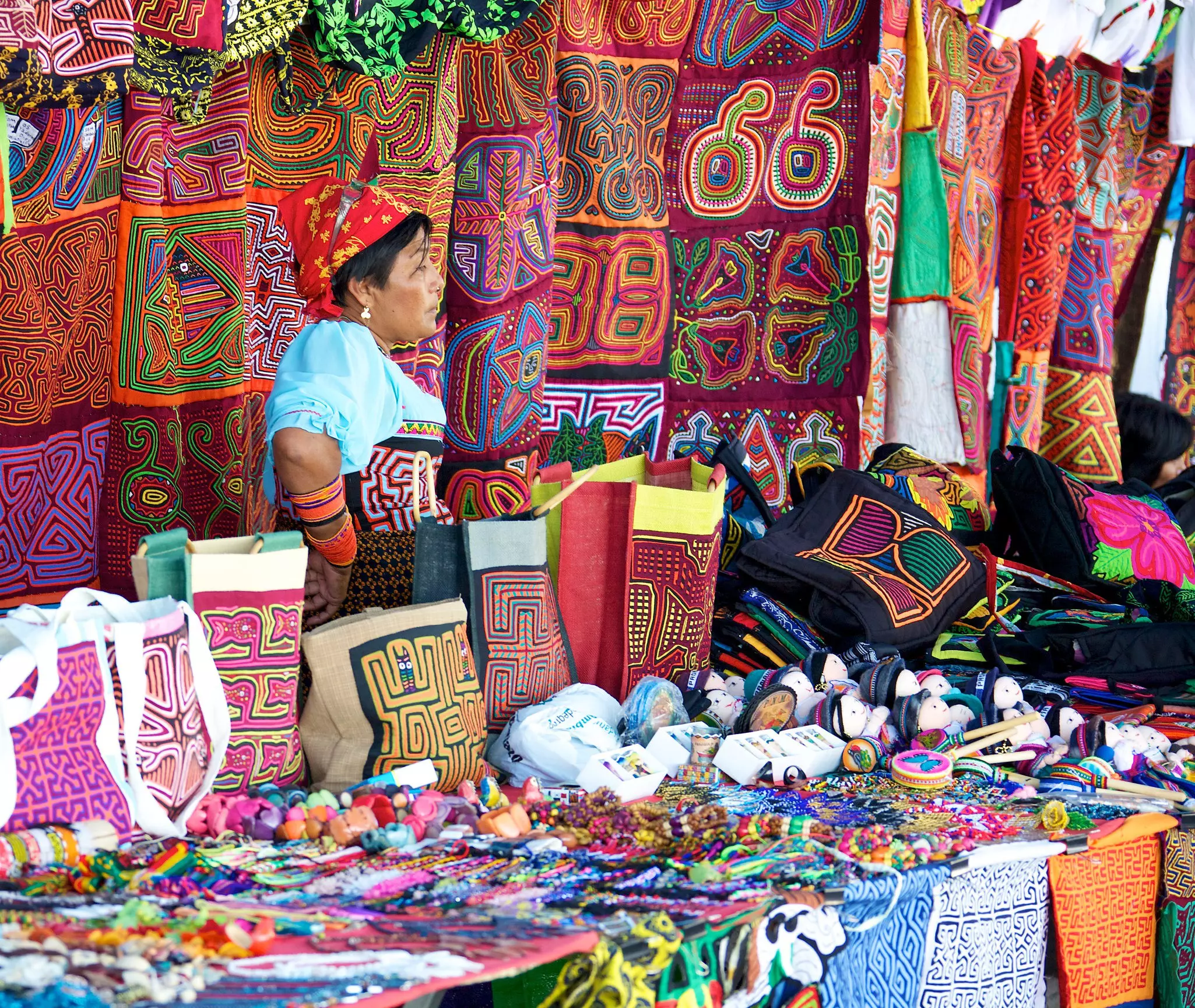
Stroll leafy Paseo Esteban Huertas, a bougainvillea-canopied promenade with views of the Bridge of the Americas and also Guna women selling colorful, hand-stitched mola fabrics.
As you meander, duck into Iglesia de San José to see the legendary Altar de Oro, which was once disguised in black albayalde by priests to hide it from pirate Henry Morgan. The trick worked, and the baroque altar survived to gleam another day.
Local tip: If you would like to learn just enough Spanish to start chatting with the locals, enroll in a quick half-day traveler’s Spanish course at Casco Antiguo Spanish School.
Panama City’s tropical heat doesn’t let up, so you might as well embrace it from a breezy rooftop with a cold drink in hand.
In Casco Viejo, the sky is literally the limit. On any given night, you can bar-hop skyward guided by your mood, music taste or ideal view.
Tántalo is the crowd-pleasing original, while Lazotea ups the ante with a chic poolside vibe atop Hotel Casa Panama. Casa Casco spans five floors with three restaurants, a club, and a rooftop terrace with bay or skyline views. (You can pick your preference on arrival.)
Corona-branded Vista Corona is a newer addition with front-row views of Iglesia de San José, live music, and a free Coronita beer at sunset for a communal toast. For sweeping scenes of both Casco rooftops and Panama’s skyline, El Faro hits the sweet spot.
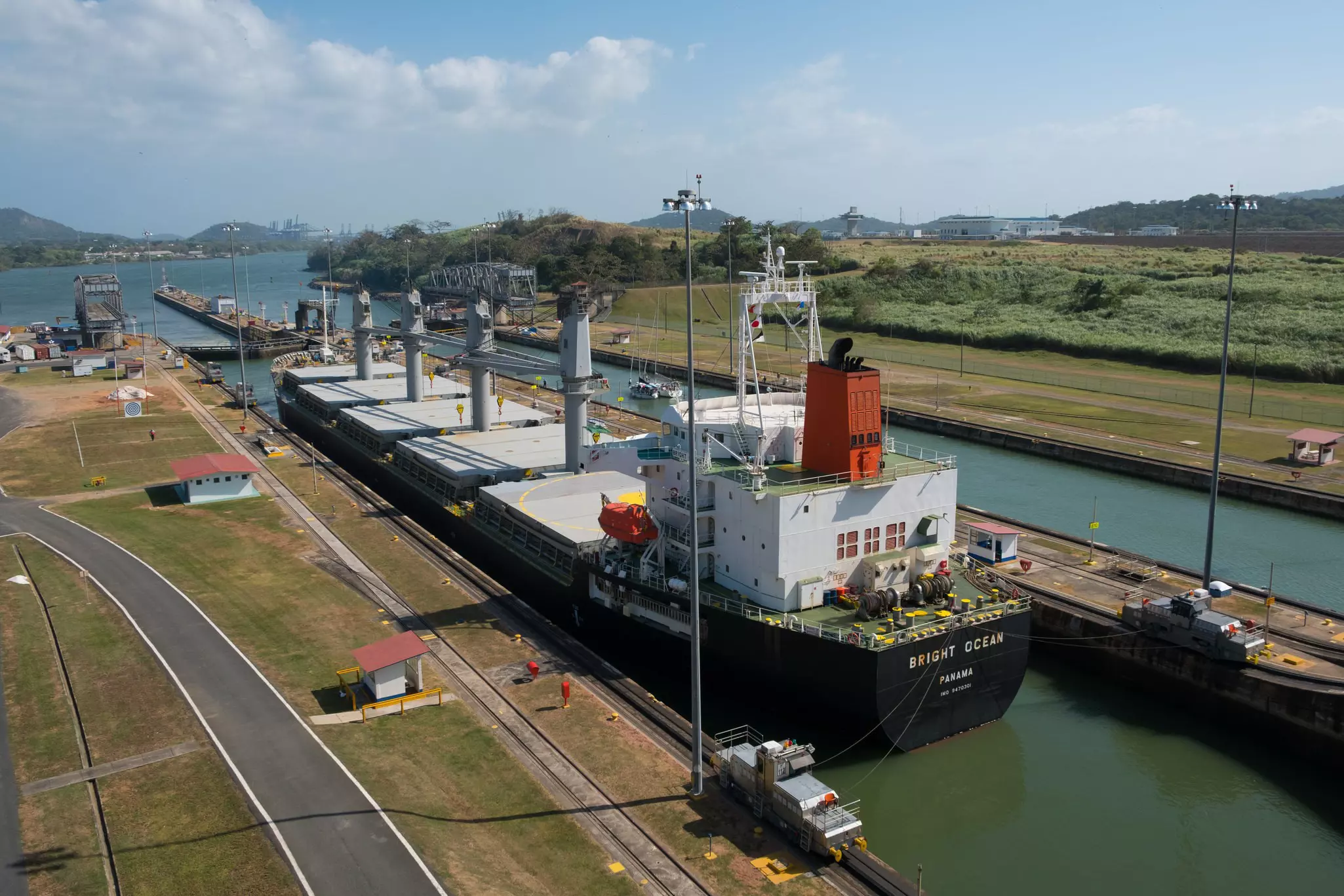
Ambitious, complex, and built at immense human cost, the 50-mile Panama Canal reshaped global trade and the nation’s fate.
The easiest way to see it up close is at the Miraflores Visitors Center just outside the city, where you'll find a four-story interactive museum, a surprisingly gripping IMAX film, and various viewing platforms.
Budget around two hours, book tickets online in advance, and arrive when the doors open at 8am for your best chance at spotting ships in motion.
To explore canal history without leaving town, visit the beautifully restored Panama Canal Museum in Casco Viejo, housed in one of the neighborhood’s most handsome buildings.
Though dubbed the “Champagne of coffees, ” Geisha tastes more like a floral, tea-like elixir with citrus and honeyed notes.
Originally from Ethiopia but perfected in Panama’s misty Chiriquí highlands, it’s now the country’s most prized export. Kilos have sold for five-figure sums at international auctions.
In Casco Viejo, you can sip Geisha at Café Unido or Tiempos, the elegant on-site café at the American Trade Hotel. Over in Via Argentina, Mentiritas Blancas approaches coffee like a craft, with milk alternatives, small-batch beans, and a retail section to take a little liquid luxury home.
Local tip: After your cup at Mentiritas Blancas, walk to El Trapiche to try Panama’s beloved sancocho, an herb-infused chicken soup with corn and root vegetables that locals swear by for heartaches, hangovers, and comfort of every kind.
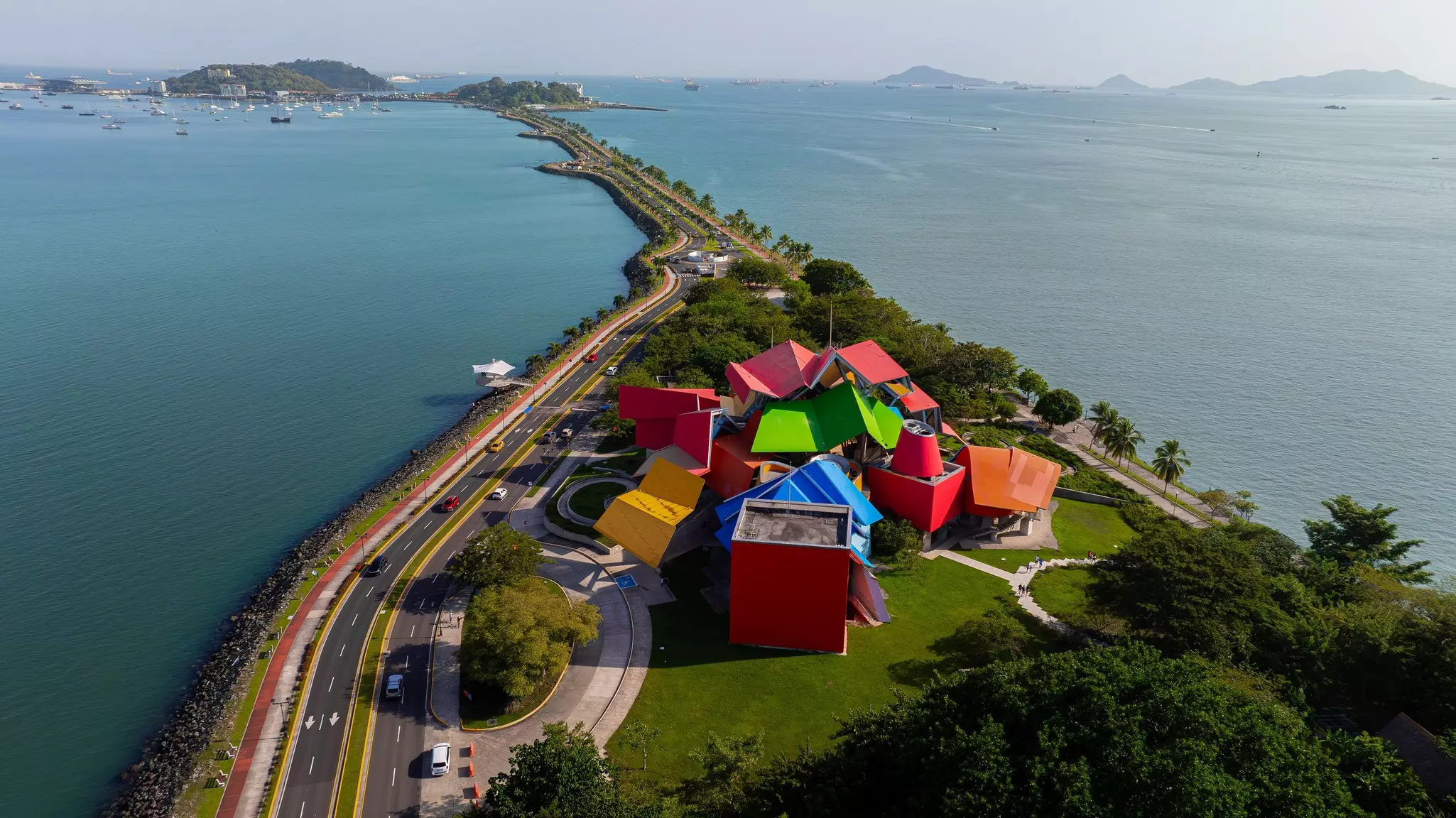
Perched on the Amador Causeway, The Biomuseo is a riot of color designed by Frank Gehry, the genius architect behind the Guggenheim Bilbao and Prague’s Dancing House.
Its bold red, yellow, blue and orange roofs mark the spot where eight immersive galleries tell the story of how Panama’s emergence from the sea reshaped global biodiversity.
One minute you’re tracing mammal migrations across the isthmus, the next you’re uncovering Scotland’s ill-fated colonial endeavors in the Darién jungle. It’s a top indoor pick for rainy days and a hit with kids, nature nerds and curious minds.
Local tip: While on the Amador Causeway, grab lunch at Sabroso Panamá, an open-air spot where each dining area represents a different province, complete with live music and folkloric flair.
Fondas are Panama’s no-frills soul kitchens, but at Fonda Lo Que Hay, Chef José Olmedo Carles Rojas breathes new life into traditional Panamanian comfort food in a buzzing, neon-lit Casco Viejo spot that kind of has the swagger of a cocktail bar.
The name means “what there is, ” a nod to the ever-changing menu based on fresh, local finds. You might dig into guacho (a risotto-like stew), dressed-to-impress patacones (twice-fried plantains), and bold bowls of mondongo (tripe).
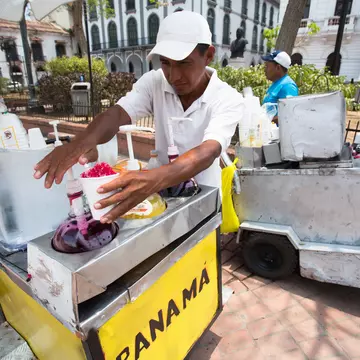
Always on offer: the signature toasted yuca with tuna carpaccio, and raspao, Panama’s take on a snow cone, topped with condensed milk. Just don’t show up on a Monday when it’s closed.
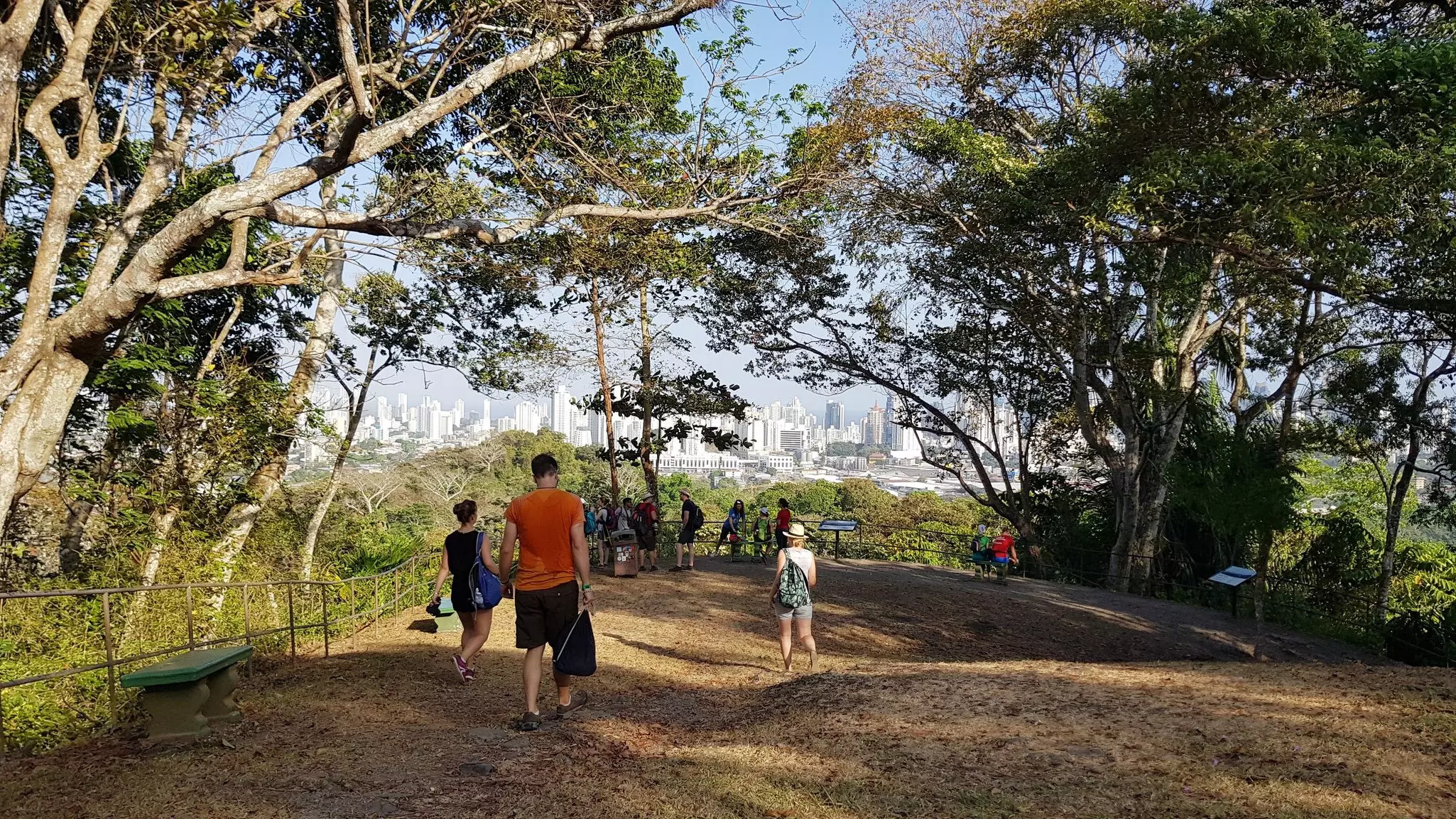
Panama City hides tropical forests in plain sight. Minutes after stepping out of a taxi, you could be spotting toucans, sloths and agoutis during a peaceful trek up Cerro Ancon’s single trail. A huge Panama flag flutters at the top of the hill, which is the city’s highest natural point.
Meanwhile, at Parque Natural Metropolitano, you may spot monkeys, white-nosed coatis, and over 280 bird species. This 573-acre green lung has trails of various intensities, treetop views, and picnic tables at the summit. Mornings bring the best wildlife sightings and cooler air.
In Casco Viejo, two historic hotels offer more than just plush pillows. Hotel La Compañía blends French, Spanish and American design across a restored 17th-century Jesuit convent, complete with rooftop cocktails and five restaurants that have become some of the city’s most in-demand.
Steps away, Sofitel Legend Casco Viejo is the only historic quarter hotel with sweeping Panama Bay views.
Once the headquarters of Club Unión – an ultra-exclusive social club that hosted Queen Elizabeth II and Albert Einstein – it’s now a 159-room bastion of glamour with a waterfront infinity pool, spa, and tarot-reading speakeasy. Swing by for the daily 6pm folkloric show.
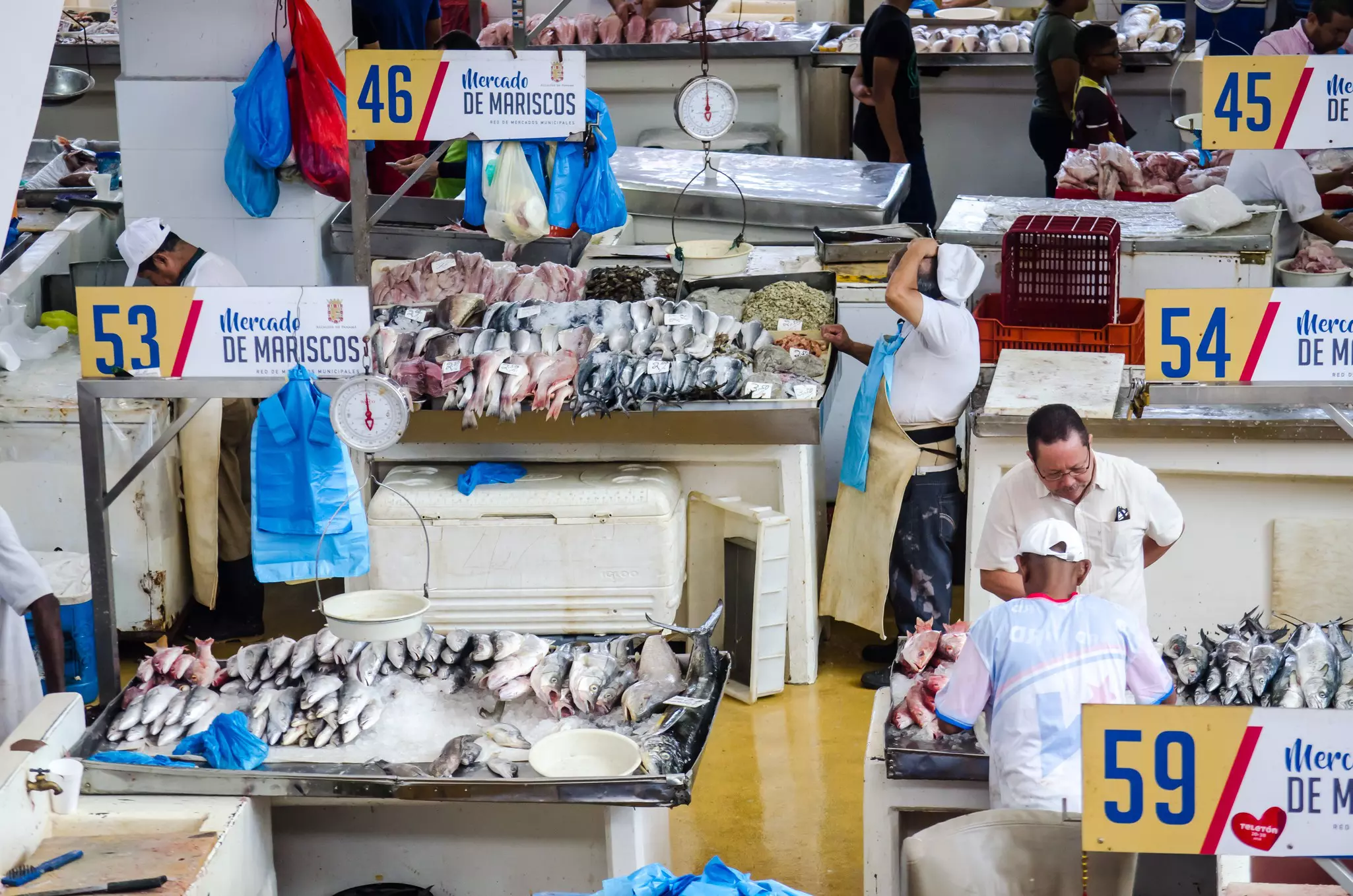
Panama’s proximity to two oceans means seafood there isn’t just fresh, it’s a way of life. And there’s no better place to sample it than at Mercado de Mariscos, Panama City's vibrant and sometimes chaotic fish market set at the start of Cinta Costera.
Follow your nose (and the beat of the plena music) to a table serving ceviche in Styrofoam cups as well as larger plates of octopus, corvina (sea bass), and the like.
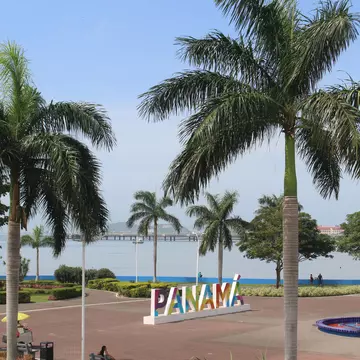
For golden hour with a local twist, join the steady stream of joggers, rollerbladers and cyclists along Cinta Costera, Panama City’s photogenic coastal promenade.
This 7km (4.3 mile) stretch of waterfront curves around the bay, offering a cinematic contrast of palm trees and bay views on one side, and glinting skyscrapers on the other.
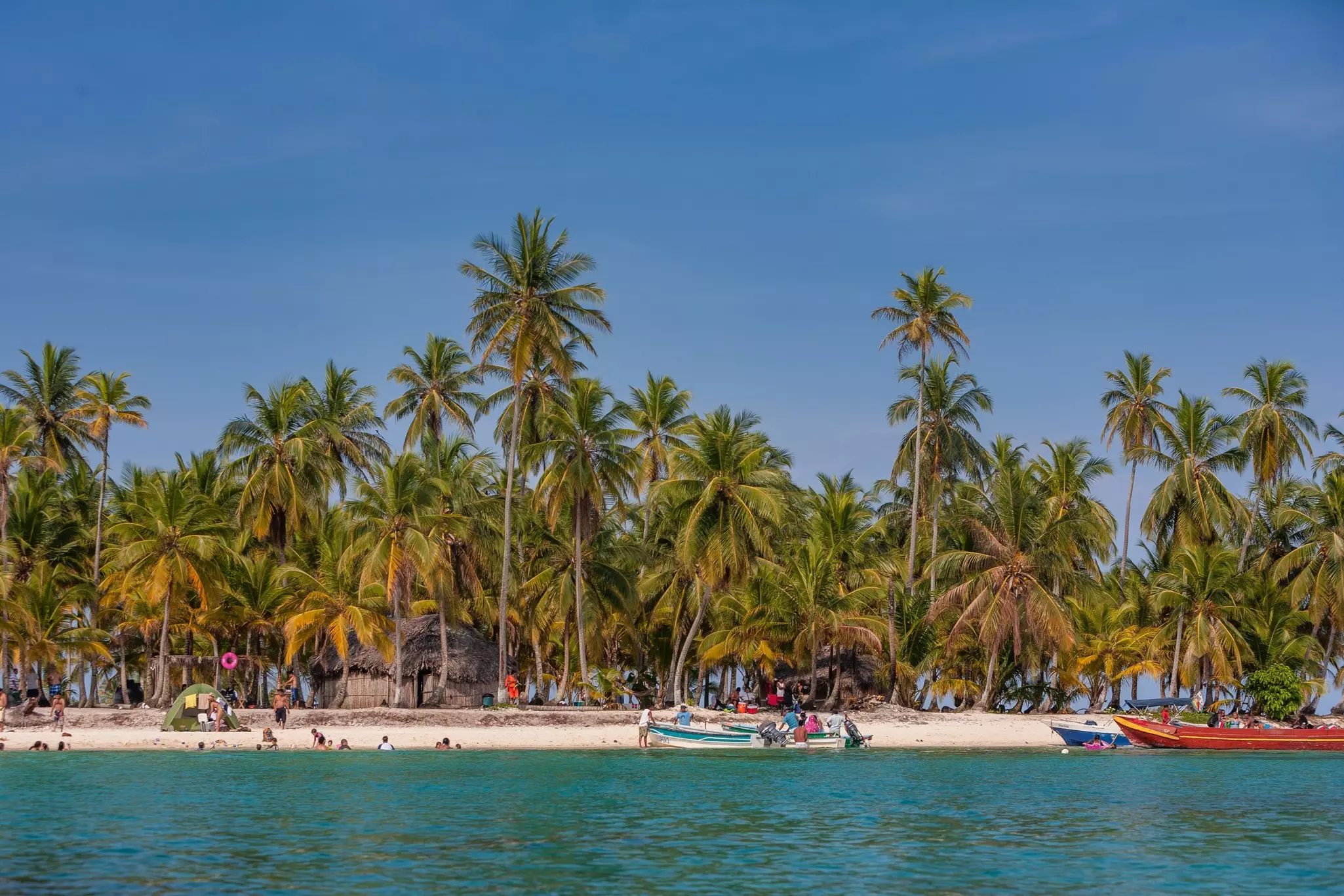
With 365 white-sand islands and crystalline waters, Guna Yala (San Blas) is Panama’s most idyllic escape.
This autonomous region, governed by the Guna people since their 1925 revolution, remains blissfully unmarred by mass tourism, so there’s no wi-fi or luxury resorts, just pared-back accommodations with hammocks, seafood and sea-encircled bliss.
Tour companies like San Blas Adventures or Cacique Cruiser make day trips from Panama City seamless with packages that include transport, meals, and island hopping.
Local tip: Potable water is not readily available in the archipelago, so bring as much water as you can.
When you pop into Café Coca-Cola, you’ll have the privilege of saying you lunched at the oldest café in Panama City. This institution has been feeding hungry hearts since 1875, and the walls have certainly seen a thing or two.
Its humble, time-worn outlook hides a star-studded past that includes Eva Perón, Che Guevara, Julio Iglesias, and two James Bond actors (Pierce Brosnan and Daniel Craig). The menu doesn’t try to impress. Rather, the appeal is hearty fare with a side of living history.
Thanks to a handful of passionate brewers, the capital’s craft beer scene is pouring with personality. The movement began in 2005 when Istmo Cervecería opened its taps.
Then came Casa Bruja (“witch house”), which has been conjuring magic since 2013. (Its tart Berliner Weisse Bicho de Luz is a standout.)
Newer players like Cervecería Feroz, Cervecería Legítima, and Cervecería Clandestina continue to delight with inventive blends and bold labels like Ley Seca and Xa’Madre.
La Rana Dorada is a locally cherished favorite with several locations, including Casco Viejo, Marbella, and Via Argentina (right across from the Einstein’s Head statue). Order the signature tasting flight served in a wooden Panama Canal ship.
And if you visit Panama City in February, don’t miss Micro Brew Fest, a foamy fiesta that’s grown twelvefold in attendance since its debut.
Book your Panama trip with Lonely Planet Journeys
See Panama how it's meant to be seen
Accommodations, activities and ground transportation all taken care of, so you can focus on the fun part. Tell us what your dream trip to Panama looks like, and our local experts will build it from scratch. Or start with one of our itineraries and make it your own.

Explore related stories