
Advertisement
Myanmar (Burma)
It's a new era for this extraordinary and complex land, where the landscape is scattered with gilded pagodas and the traditional ways of Asia endure.

Matt Munro
Latest Stories
- Simon Richmond|Feb 23, 2021Ask LP: What name should I use - Myanmar or Burma?
- James Gabriel Martin|Feb 29, 2020See how nature has grown around thousands of Buddhist stupas in Myanmar
- Catherine Bodry|Sep 29, 2016Myanmar's water world: exploring Inle Lake
Book

Trusted Partner
Dreaming of Myanmar (Burma)? Protect your trip
Travel with confidence. Protect your trip and your wallet.
We don’t represent World Nomads, we receive a fee from quotes using this link. This is not a recommendation to buy travel insurance.
Top places to visit in Myanmar (Burma)
Discover the best attractions in Myanmar (Burma) from must-see sights to unexpected hidden gems.
-
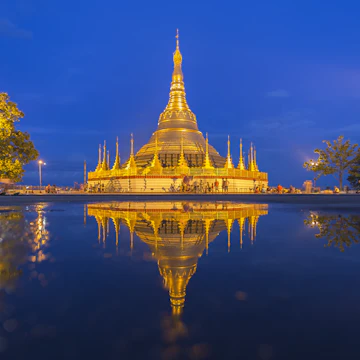 Attraction in YangonShwedagon Paya
 -
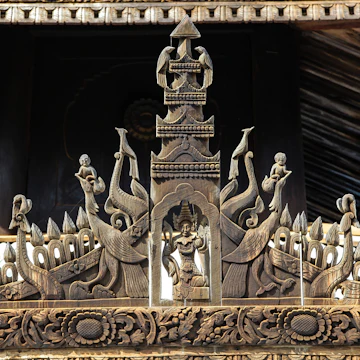 Attraction in Myanmar (Burma)Bagaya Kyaung
 -
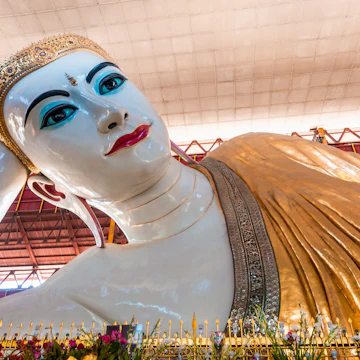 Attraction in YangonChaukhtatgyi Paya
 -
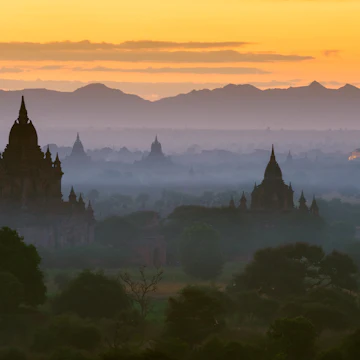 Attraction in Myanmar (Burma)Shwesandaw Paya & Around
 -
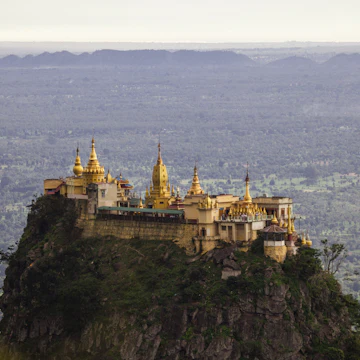 Attraction in Myanmar (Burma)Popa Taung Kalat Temple
 -
 Attraction in Myanmar (Burma)Maha Bodhi Tataung
 -
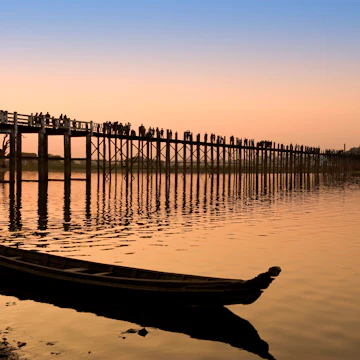 Attraction in Myanmar (Burma)U-Bein Bridge
 -
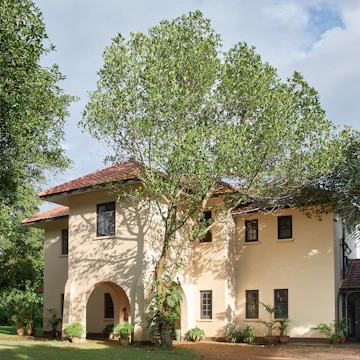 Attraction in YangonU Thant House
Advertisement
Advertisement
in partnership with getyourguide
Book popular activities in Myanmar (Burma)
Myanmar (Burma) and beyond
-
 destinationYangon
 -
 destinationChin State
Advertisement