Aug 19, 20259 min read
6 of the Best Things to Do in MongoliaAug 19, 2025
9 MIN READ
Writer
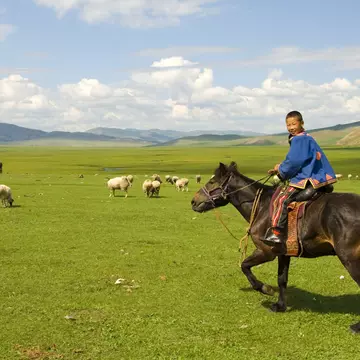
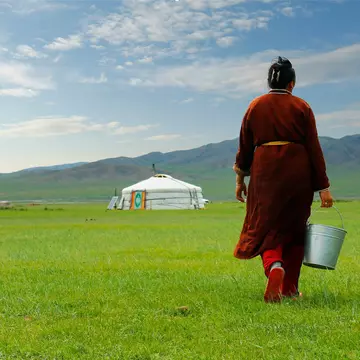
A Mongolian farmer. michel arnault/Shutterstock

Writer
Lonely Planet may earn a commission from affiliate links on our site. All recommendations and reviews reflect our own independent opinions.
A land that mesmerizes with its natural beauty as much as it enchants with its traditional culture, Mongolia is an adventure like no other.
Here you’ll follow in the footsteps of Chinggis (Genghis) Khan through the same landscapes that once captivated the great emperor, crossing boundless grassy steppes where nomadic herders have lived for thousands of years.
Beyond the spellbinding imagery of Mongolia’s undulating terrain, you’ll also find a rich diversity of scenery, from glorious snowcapped mountains and pristine woodlands to the golden sands of the Gobi Desert. Mixed among it all are those “only in Mongolia” moments – spending a night in a ger with a nomad family, cheering on Mongolian wrestlers in the open fields or witnessing double-humped camels racing across the desert sands.
Though this is one of the least densely populated nations, there’s no shortage of things to do, from connecting with locals in the cosmopolitan capital Ulaanbaatar to touring stunning Buddhist monasteries and riding horses across the steppe. Mongolia is one of the world's most alluring countries – here are our favorite things to do there.
There’s no better way to experience traditional Mongolian culture than by attending one of the country’s fascinating festivals. Naadam is the top one of them all – a massive, three-day celebration of traditional Mongolian sports and games that attracts travelers from around the world.
Amidst much color and excitement, you’ll witness traditional Mongolian sports such as wrestling, horseracing and archery, all with a unique Mongolian bent.
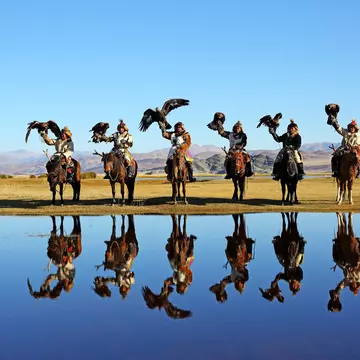
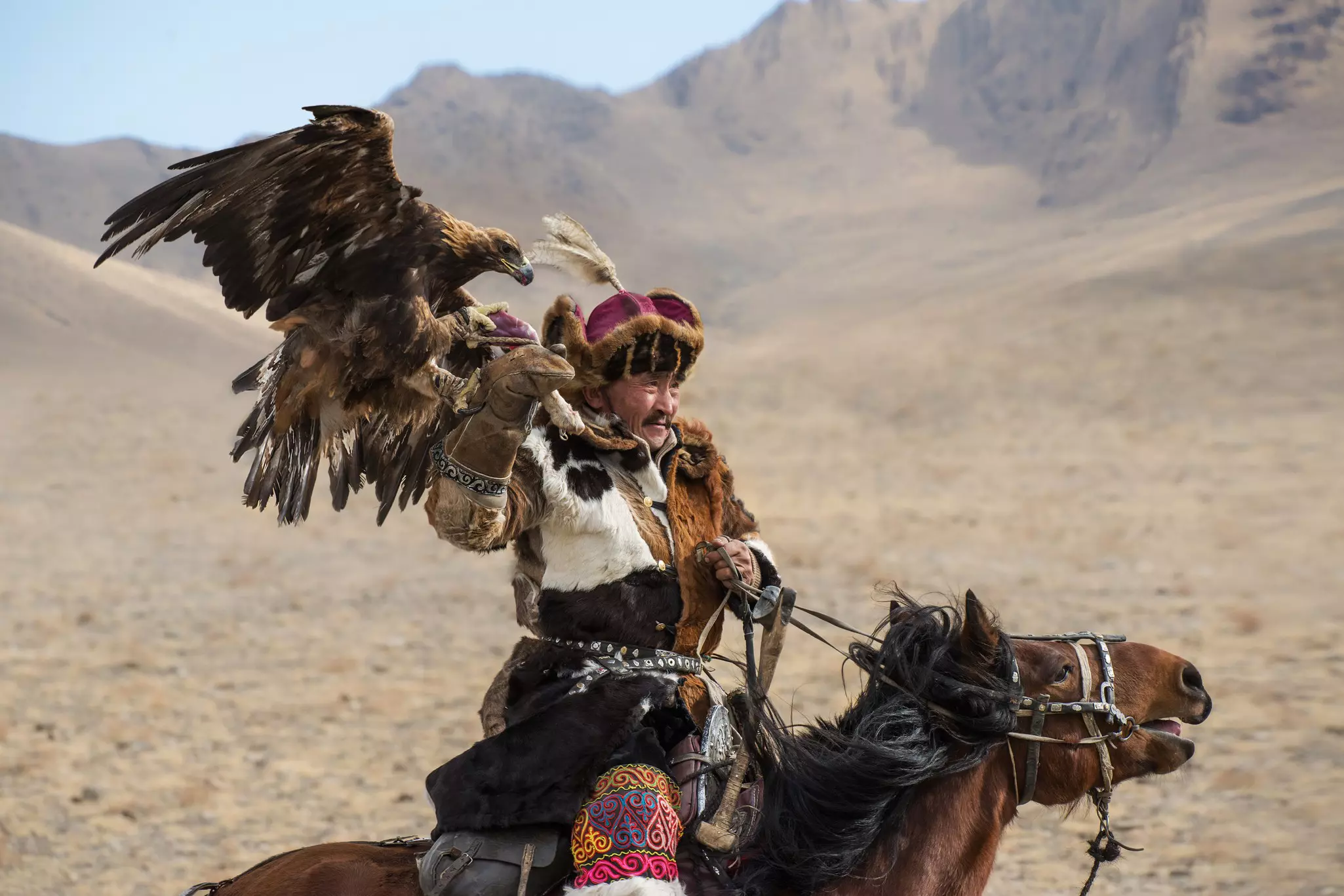
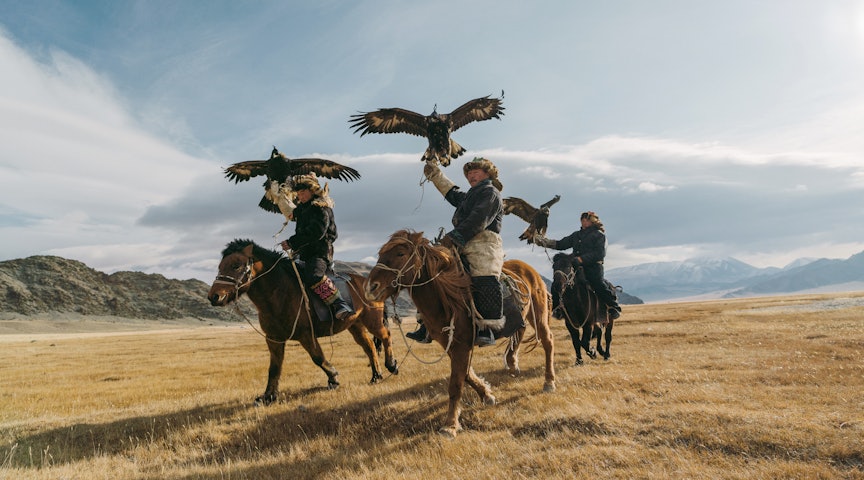
Mongolia’s eagle-hunting festivals are another big lure for culture-loving travelers. Visitors come from far and wide to Bayan-Ölgii province to witness the skill of traditional Kazakh falconers. In October, the colorful Golden Eagle Festival in Ölgii is the hottest ticket in town, where masterfully trained eagles captivate the crowds with demonstrations of hunting prowess in a range of competitions. To go with all the pageantry, there’s a packed schedule of cultural events, including camel racing and traditional horse races.
If you’re not around for October, other opportunities include the Altai Eagle Festival in Bayan-Ölgii province in September, and the Spring Eagle Hunting Festival, held close to Ulaanbaatar in March.
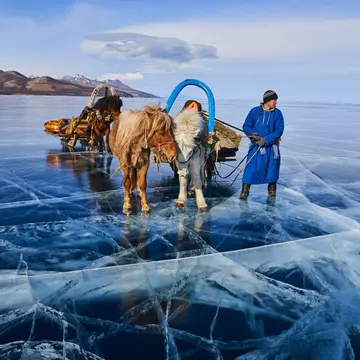
Mongolia’s winter temperatures take things to a whole new level of cold, but February is the time for some of the country’s most memorable festivals. These include the Ulaanbaatar Winter Festival and Khatgal Ice Festival, where you’ll be entertained by unique sports such as the traditional game of ankle-bone shooting, ice archery, horse and dog sledding, and even figure skating and ice fishing.
Also around February are the Lunar New Year celebrations of Tsagaan Sar and the Bulgan Camel Festival, which showcases Gobi nomad’s magnificently shaggy two-humped beasts in a weekend of camel polo and racing.
Planning tip: If you can’t visit in July, keep an eye out for the smaller Naadam festivals that are often held in the months before and after. They’ll give you a good taster for the main event.
One of the most memorable ways to immerse yourself in traditional Mongolian culture and enjoy the pristine countryside is to spend a night in a ger (yurt) with a nomadic family. Used by Mongolian nomads for thousands of years, these circular, felt-covered structures are designed for a life on the move – they are easily assembled and dismantled to move during the seasons, but you’ll be amazed just how decoratively furnished they are inside.
Beds are arranged around a central hearth used for cooking and heating, among displays of the family’s prized items and sometimes even a TV. If you stay in a ger camp, you’ll have your private ger as a bedroom, but you’ll stlll experience Mongolia’s famed hospitality firsthand as you share communal meals of mutton, curd and cheese. No bits of the sheep go to waste (eyeballs, anyone?), and you may be invited to sample the local specialty, airag – fermented mare’s milk.
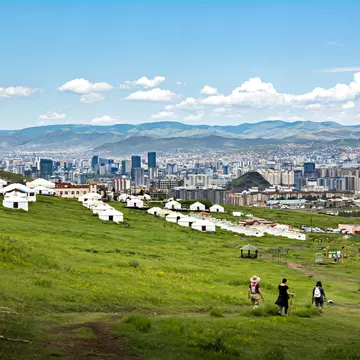
Ger camps vary greatly across Mongolia. The most authentic ones are smaller, family-owned camps consisting of just five or six gers, while the more touristy options are permanent camps with 40 or so gers, Western-style bathroom facilities and onsite restaurants.
Planning tip: The shared bathroom facilities in a ger camp can be little more than hole in the floor, the food can be visceral and there’s little concept of privacy (folk can and do enter your ger as they please), but the sense of immersion is unparalleled. Embrace it all and savor the moment!
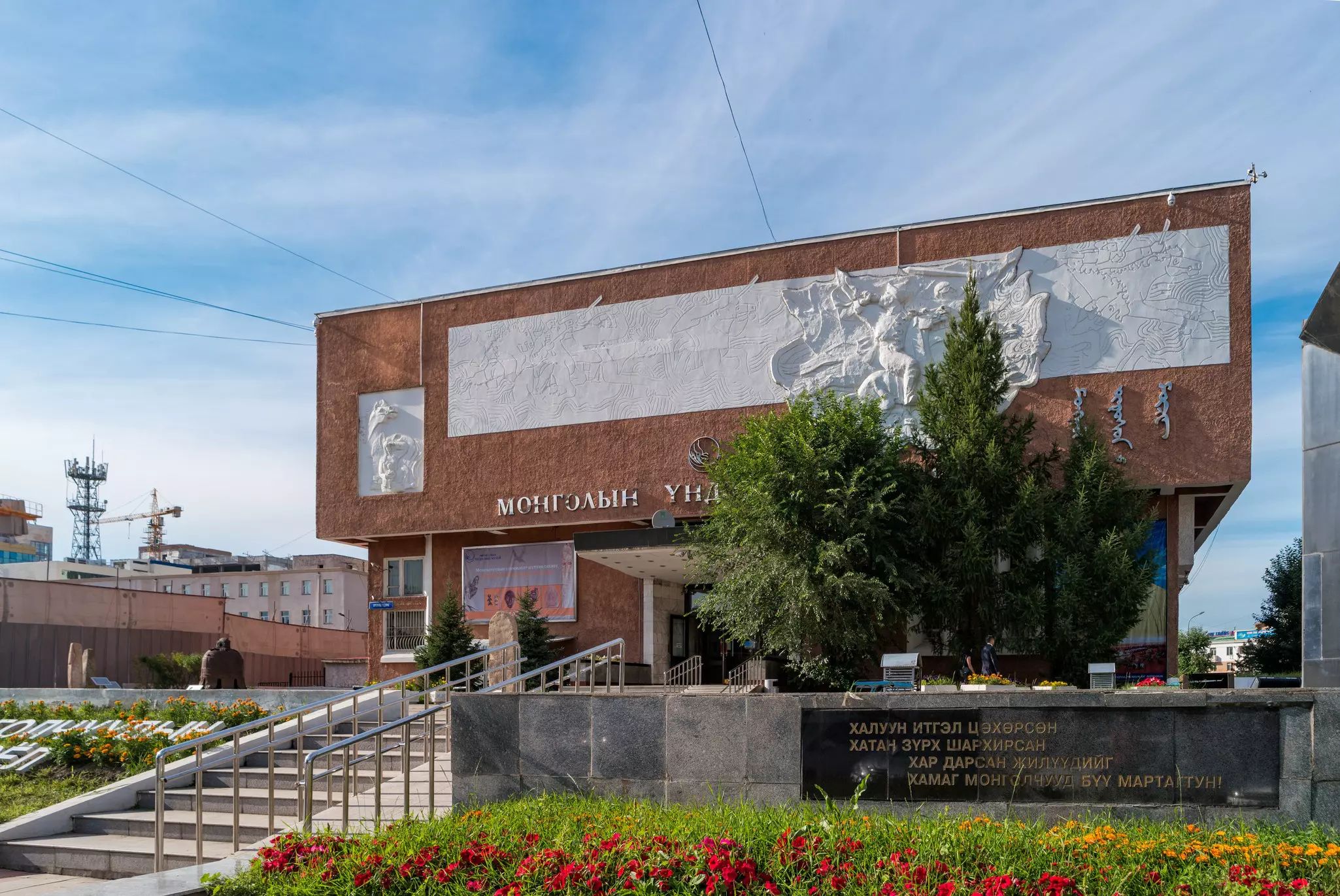
Sure, we get it. You didn’t choose Mongolia as a destination for its bright lights and big city vibe. However, the lively and industrious capital, Ulaanbaatar, is a world away from the vast untamed wilderness and offers many cultural highlights.
Commonly known as UB, the capital is a place to come to feel the pulse of what modern day Mongolia is all about. It’s an energetic, cosmopolitan metropolis, full of quality restaurants, cool bars and surprises such as a thriving indie music scene.
Find out more about Mongolia’s story in world-class museums and galleries such as the National Museum of Mongolia, Zanabazar Museum of Fine Arts and the Mongolian National Modern Art Gallery. At the city's center sits Sükhbaatar Square, with a famous statue of Chinggis Khan, in an area packed with cultural attractions.
And though UB has plenty of contemporary appeal, reminders of its rich history are never far away. Dive in at sights such as the Gandan Khiid monastery, the Choijin Lama Temple Museum and the Winter Palace of the Bogd Khan. And if you want to go even deeper into history, step back some 70 million years at the Central Museum of Mongolian Dinosaurs, where you’ll come face to face with the 4m-tall (13ft), three-ton, flesh-eating Tarbosaurus bataar.
Planning tip: Pollution is a major issue year-round in UB, but it's particularly severe during the colder months, when the capital is best avoided.
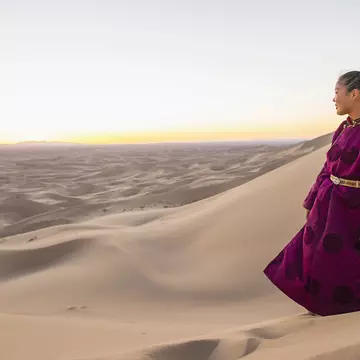
Harsh and unforgiving, yet utterly beguiling. There are few more enigmatic destinations in Mongolia than the Gobi Desert. Though this arid quarter is remote, it also have become very accessible, thanks to good road access. A trip out here is unquestionably one of Mongolia’s top draws.
The focus, of course, is on outdoor adventures and nights spent in the desert with nomadic families, where you can enjoy some of the best stargazing on the planet. The colossal dunes of Khongoryn Els in Gurvan Saikhan National Park are the Gobi’s top highlight – for something truly memorable you can explore them by camel on multiday camping treks in the desert.
Still more amazing dunes can also be found at Moltzog Els, a dramatic stretch of 12m-tall (40ft), powdery dunes in a region that is the richest site for finding dinosaur fossils in the world. For more desert adventures there are canyons at Khermen Tsav, 10,000-year-old rock-carvings at Khavtsgait, rewarding wildlife watching at Ikh Nartiin Chuluu and the unforgetable, ice-filled gorge at Yolyn Am.
Planning tip: The Gobi is not a destination to be taken lightly. This is a destination where you’ll need to be fully prepared for all possible extremes of weather, day and night. As well as carrying essential supplies, you should consider coming with a guide, for safety and to learn more about this fascinating landscape.
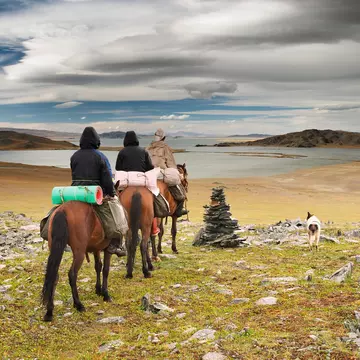
For a taste of life as a local, do as Mongolians have done for thousands of years and jump on a horse to traverse this endless landscape of grassy steppes, rugged mountains, and pristine lakes. Even if you’ve never ridden a horse before, this is a stunning place to give it a crack, and there’s no more authentic way to connect with Mongolia’s natural environment and nomadic culture.
Gorkhi-Terelj National Park and Bogdkhan Uul Strictly Protected Area both have some splendid trails for half- or full-day riding treks, but for something truly memorable, sign up for a multiday horseback expedition to Khövsgöl Nuur National Park to circumnagivate its extraordinary blue lake. The volcanic lakes of Khuisiin Naiman Nuur Nature Reserve are also popular to explore on horseback.
If taking to the saddle sounds a little too ambitious, there’s always the option to strap on your hiking boots and explore Mongolia’s wilderness on foot. Stunning national parks, including remote Altai Tavan Bogd National Park, beckon as settings for thrilling treks. It’s best to take a guide or join a tour; many operators can also arrange climbing trips and overland mountain-biking adventures.
Planning tip: Mongolian horses are shorter and stockier than breeds you may be used to in your own country, so riding here can take some getting used to. Fortunately, local guides are experts at managing their herds, and their horses are well trained, so don’t be shy about mounting up.
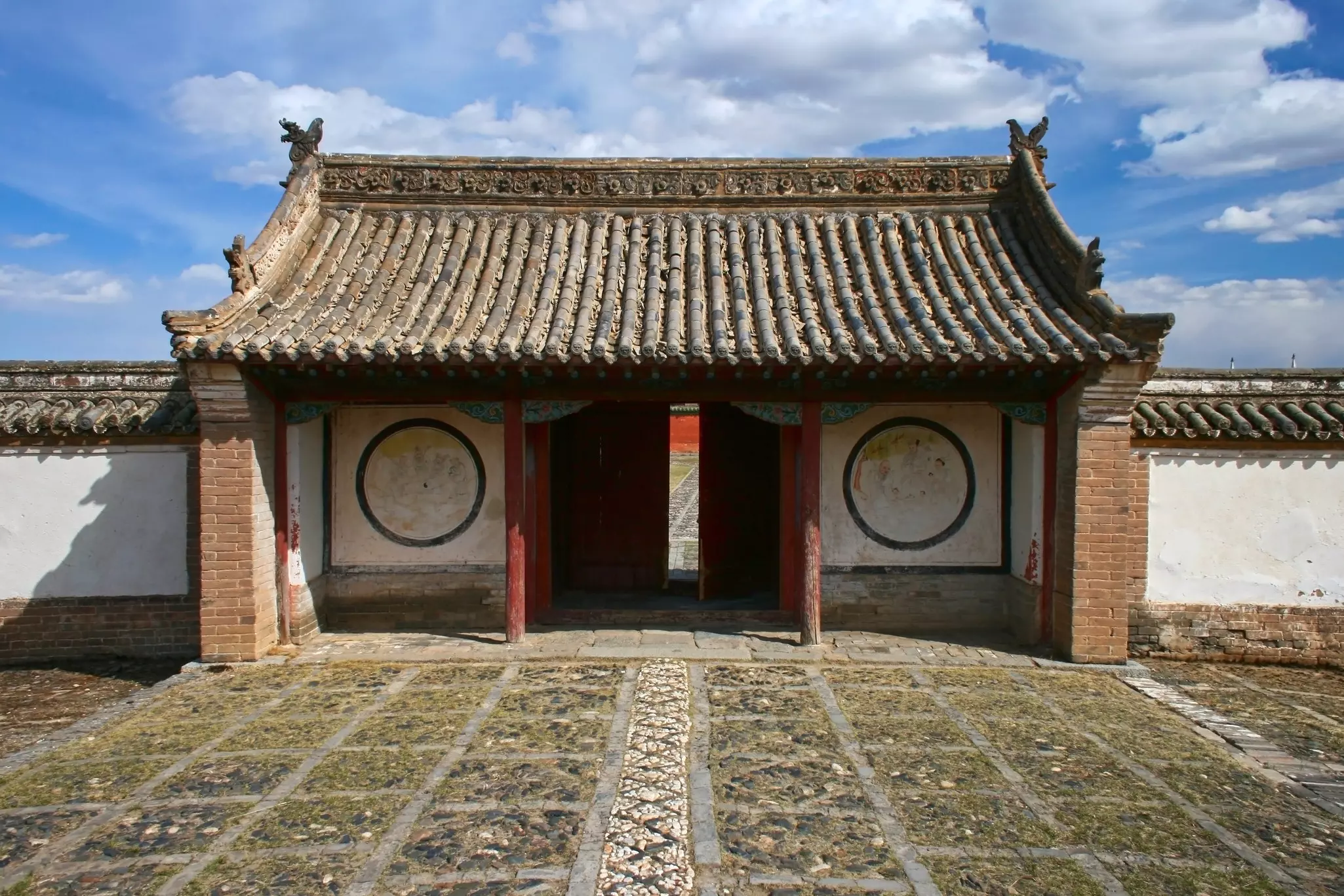
One of most the enduring legacies of Chinggis Khan and the Mongol Empire was the introduction of Tibetan Buddhism. On a visit to Mongolia, you’ll be treated to views of some of the most serene monastery complexes in the world.
Though many of Mongolia’s Buddhist sites were destroyed or forced to shut down during the Stalinist purges of 1937, the collapse of the USSR led to a revival of Buddhism in Mongolia. Today there are some 130 Buddhist monasteries dotted around the country, hosting some 5000 monks.
Legendary Erdene Zuu Khiid was established in 1586, in what was once the ancient capital of Karakorum (current day Kharkhorin). This once-flourishing monastery was significantly damaged during the Soviet occupation, and many of the 1000 or so resident monks were sent to gulags in Siberia. It was closed and turned into a "show monastery" museum until the site again became a place of worship in more recent times. Although only three of the 100 temples on the site survived, this is still one of the most important monasteries in the country.
In the north of Mongolia in Selenge aimag (province), a five-hour drive from Ulaanbaatar, Amarbayasgalant Khiid is one of the three most important Buddhist institutions in Mongolia. Dating to 1727, this is the country’s best-preserved Buddhist architectural complex, and it’s worth timing your visit to coincide with atmospheric ceremonies of ritual chanting at around 10am.
Ulaanbaatar is also home to some splendid monasteries. More than 600 monks reside at Gandan Khiid; as you walk around the pilgrims’ prayer circuit, you’ll be greeted by a series of magnificent temples, including the site’s impressive centerpiece, Migjid Janraisig Sum. It’s one of the country’s most popular tourist attractions and morning ceremonies evoke a timeless past.
The capital’s Choijin Lama Temple Museum also makes for an exquisite stop, with five atmospheric temples filled with thangkas (cloth paintings), Tsam dance masks and statues of Buddhist deities. Dating back to the early 20th century, it was was closed during the purges of 1937, but the monastery was spared from destruction to serve as a cautionary reminder of the "feudal" ways of the past.
Book your Mongolia trip with Lonely Planet Journeys
See Mongolia how it's meant to be seen
Planned by local experts and tailored to you, Lonely Planet Journeys handles the logistics so you can just enjoy the trip. Tell us what you want and we'll build your Mongolia itinerary from scratch, or browse our bookable trips to get inspired.

Explore related stories