Jul 16, 202615 min read
21 Things to Know Before Visiting IcelandApr 7, 2026
14 MIN READ

Writer
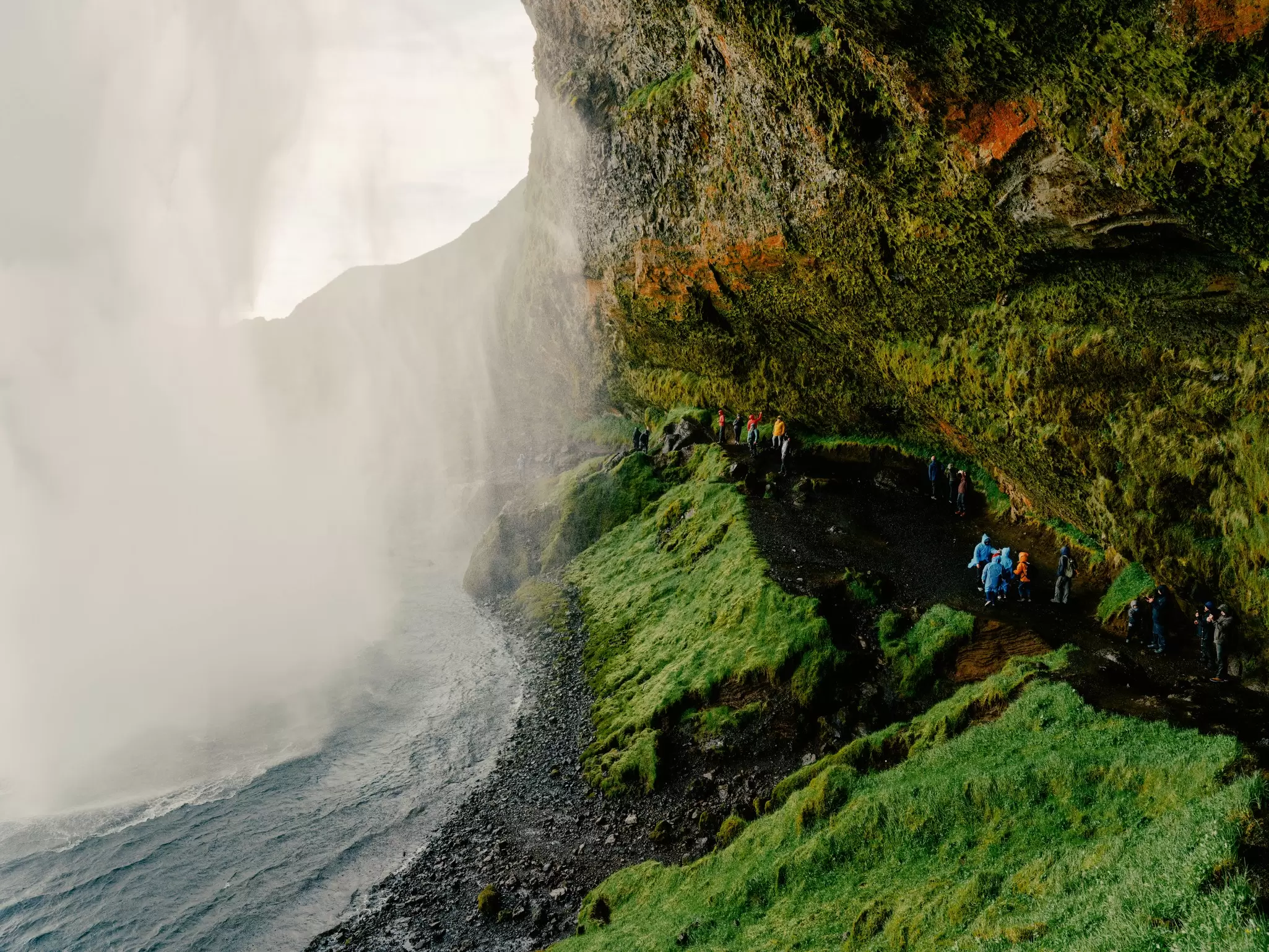
Seljalandsfoss Waterfall. Daniel Dorsa for Lonely Planet
Writer
Highlights
Writer Eygló Svala Arnarsdóttir's 14 picks run from aurora chases to horse treks.
Chase the northern lights in winter, or step inside a replica longhouse at Eiríksstaðir.
For geological wonders, tour ice caves in Vatnajökull or soak at the Blue Lagoon.
Ride Icelandic horses on the ancient Kjölur route, or go whale watching from Húsavík.
Lonely Planet may earn a commission from affiliate links on our site. All recommendations and reviews reflect our own independent opinions.
Few destinations capture the imagination like Iceland. In this volcanic land of ice and fire, of glacier-carved fjords and freely roaming horses, you can soak in geothermal baths and spas, delve into the history and legends of the Icelandic sagas, and explore otherworldly ice caves.
Iceland's stunning landscapes keep visitors entranced. Experience the magic with these 14 top things to do around the country.
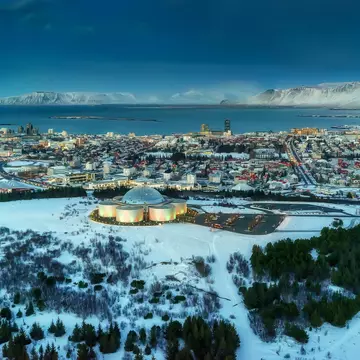
If luck is on your side during a winter visit to Iceland, you’ll spot green, purple and red ribbons flowing across a dark sky on a clear night. The northern lights are beautiful, powerful and hypnotizing. You can sense how small you are under the hue of a celestial phenomenon that dominates the heavens. It’s best to follow forecasts, base yourself far from light pollution and be patient – or book a tour to up the odds. Learn more about the elusive aurora borealis at Perlan or Aurora Reykjavík.
There are other things to observe in the winter sky above Iceland, too. The Hotel Rangá observatory in South Iceland has a roll-off roof and two high-quality telescopes, bringing you closer to the stars, millions of miles away.
Planning tip: If you visit Iceland in the summer instead, the midnight sun provides spectacular views, especially in the north. For the summer solstice (June 21), find a good location to observe the sun bouncing off the ocean's surface. Arctic Henge in Raufarhöfn was designed as a giant sundial to capture the midnight sun shining through perfectly aligned gateways.
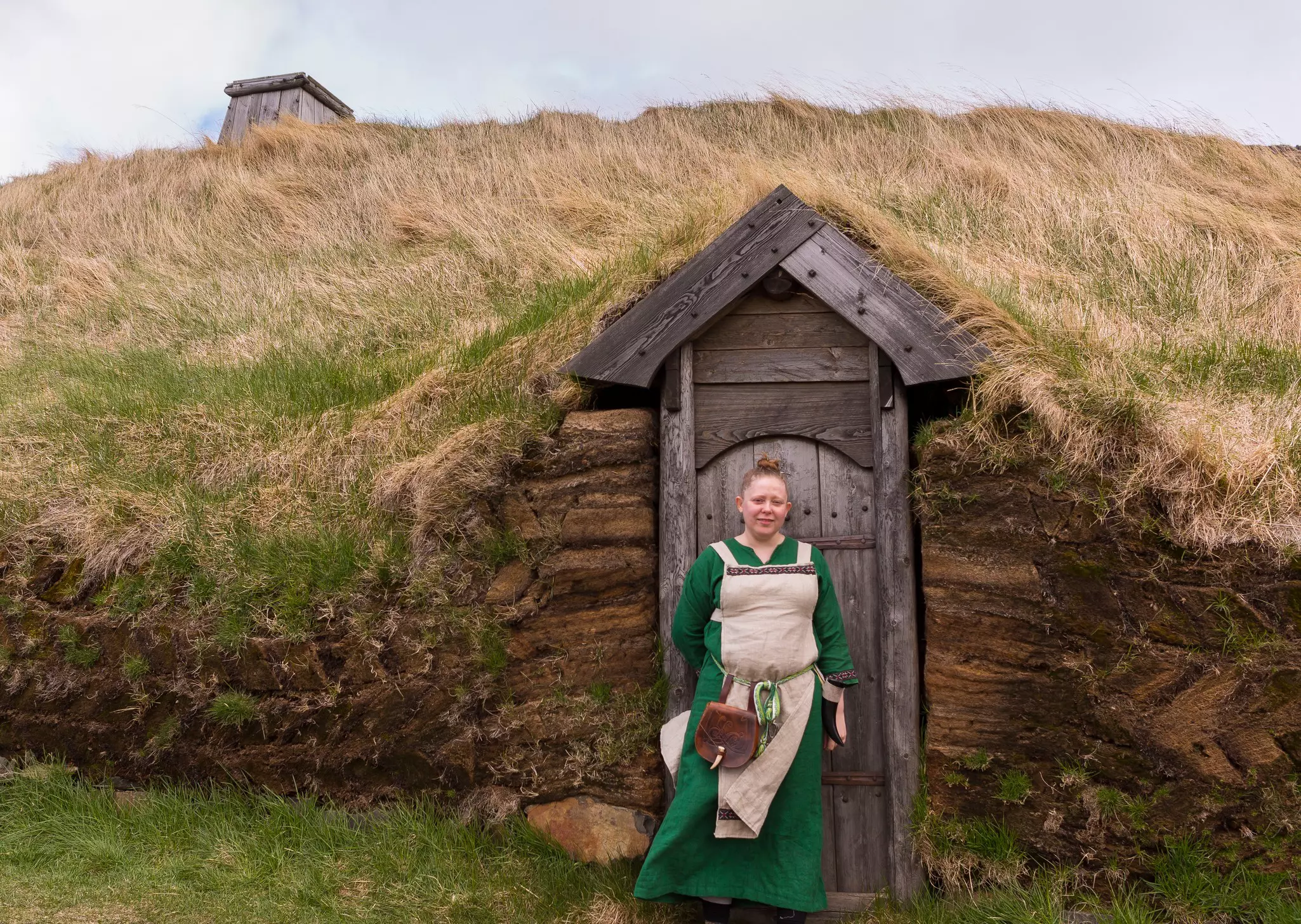
Iceland revels in its history through numerous living museums that invite visitors to step back in time. You might bake bread over an open fire, listen to a story of ancient heroes or swing a sword in an epic fight. You can step inside a replica longhouse at Eiríksstaðir in West Iceland or don VR goggles at 1238 – The Battle of Iceland to get an immersive taste of one of the country’s most fearsome battles.
Each summer, a medieval marketplace near Akureyri gets brought back to life at Gásir. Watch a blacksmith hammer a blade, or smell scorched birch as it’s transformed into charcoal. See boiling herbs dye wool, or have a witch tell your fortune with ancient runes. You can even test your skills with a bow and arrow, or help egg a thief.
Planning tip: For more historic and mythic inspiration, check out the Icelandic Saga and Heritage Association.
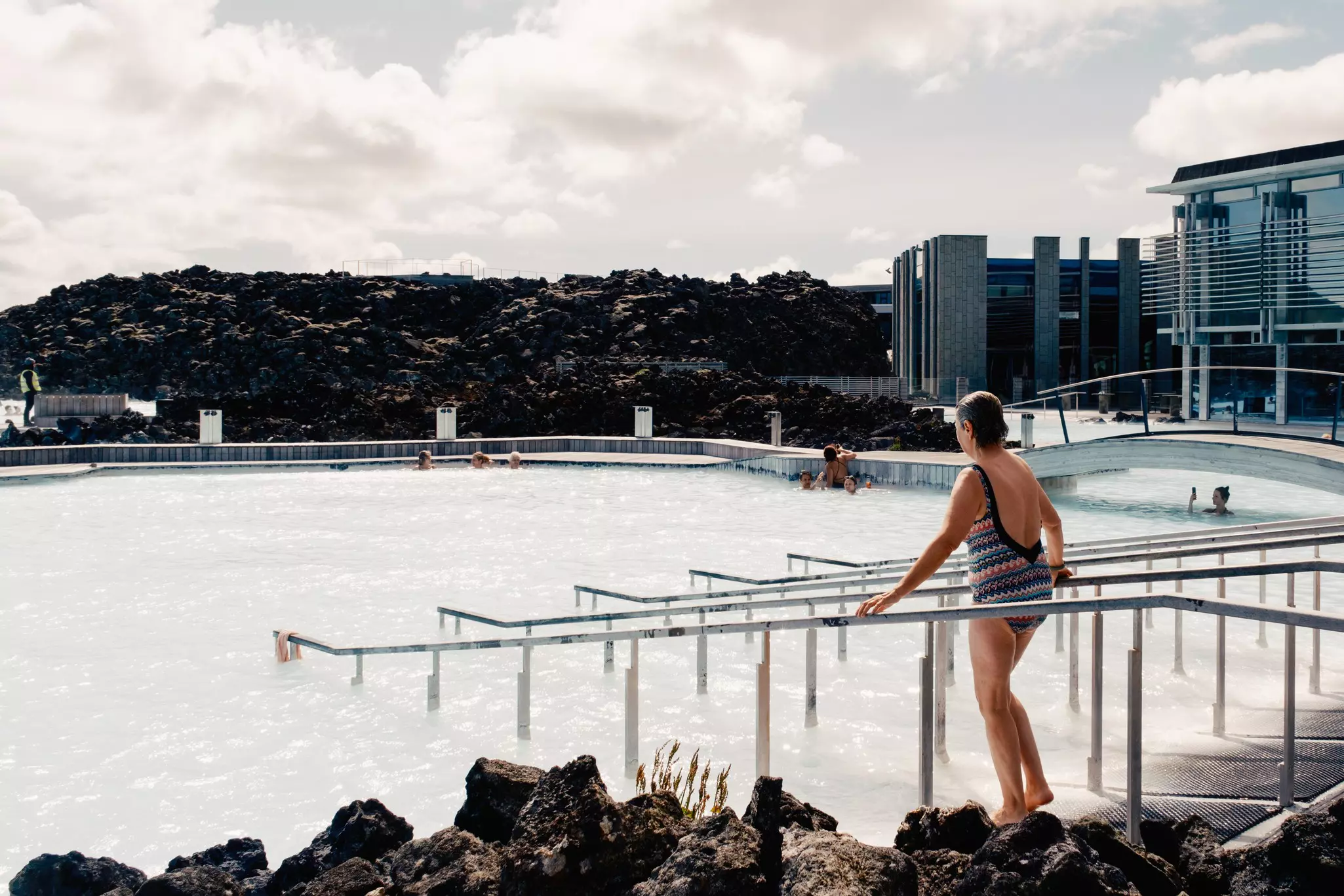
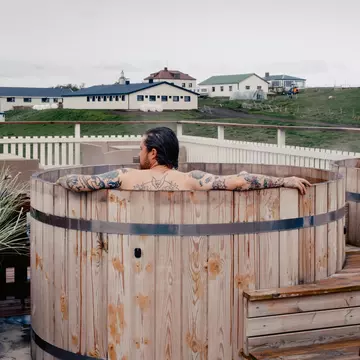
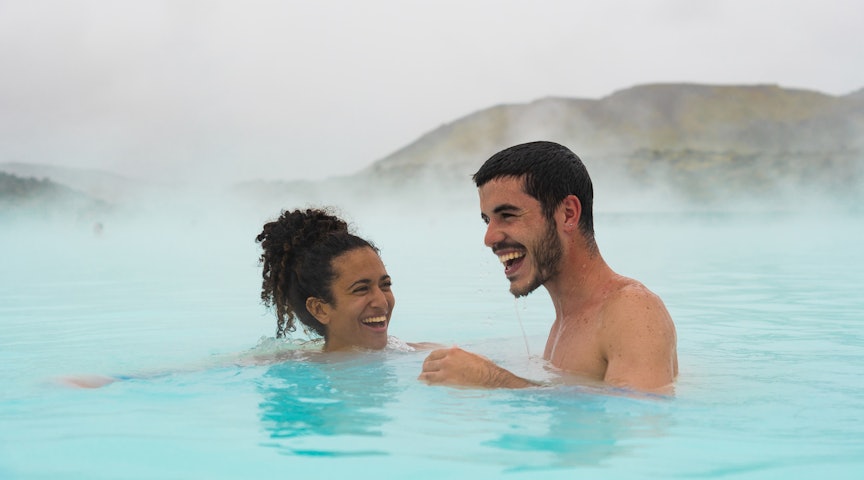
For years, the high-end bathing market in Iceland was dominated by the Blue Lagoon. The milky blue geothermal seawater in the middle of a lava field is still ideal for jet lag recovery (it helps that the site is 20 minutes from the airport). But in recent years, additional geothermal baths and spas have popped up, attracting visitors for their elegant architecture and stunning settings.
Earth Lagoon Mývatn in North Iceland overlooks the lake and the surrounding bird-filled wetlands and volcanic landscapes. Situated on the banks of Laugarvatn, Fontana pipes in natural steam for its steam bath.
If you’re looking for solitude, the Húsafell Canyon Baths include a guided hike through stunning Icelandic wilderness followed by a dip in the secluded geothermal pools. For Insta-worthy views, Geosea in Húsavík overlooks Skjálfandi Bay and its snow-tipped mountains. Vök Baths near Egilsstaðir feature geothermal pools floating in Urriðavatn. Relax in the two pools (with swim-up bars) surrounded by woodland at the Forest Lagoon just outside Akureyri. And right on the capital’s doorstep, Sky Lagoon in Kópavogur brings a fully Icelandic spa experience within reach for visitors to Reykjavík.
Planning tip: Carefully follow all rules and respect the etiquette at hot springs. Most importantly, you should always shower with soap before taking a dip.
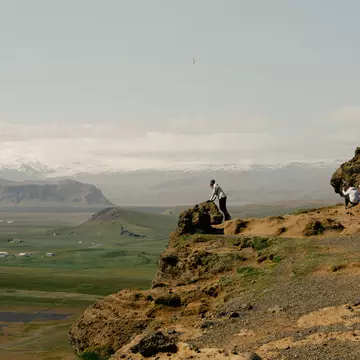
In summer, after the snow melts and the mud dries, Iceland reveals incredible hiking routes past stunning natural sites. Two of the most famous trails are Laugavegur, past multicolored mountains from Landmannalaugar to Þórsmörk (the full trek takes 2–4 days); and across Fimmvörðuháls, along a series of waterfalls from Skógafoss to Þórsmörk (1–2 days). In the east, the Stórurð trail, which takes about 5 hours, leads hikers by turquoise ponds trapped by huge boulders. In the Westfjords, hiking in the uninhabited Hornstrandir Nature Reserve (for a single day or multiple days) provides a closer encounter with nature than in most other places.
Planning tip: If you’d rather explore Iceland on a bike, popular trails include the geothermal valley Reykjadalur by Hveragerði and the emerald landscape around Kirkjubæjaklaustur, where Iceland Bike Farm is based.
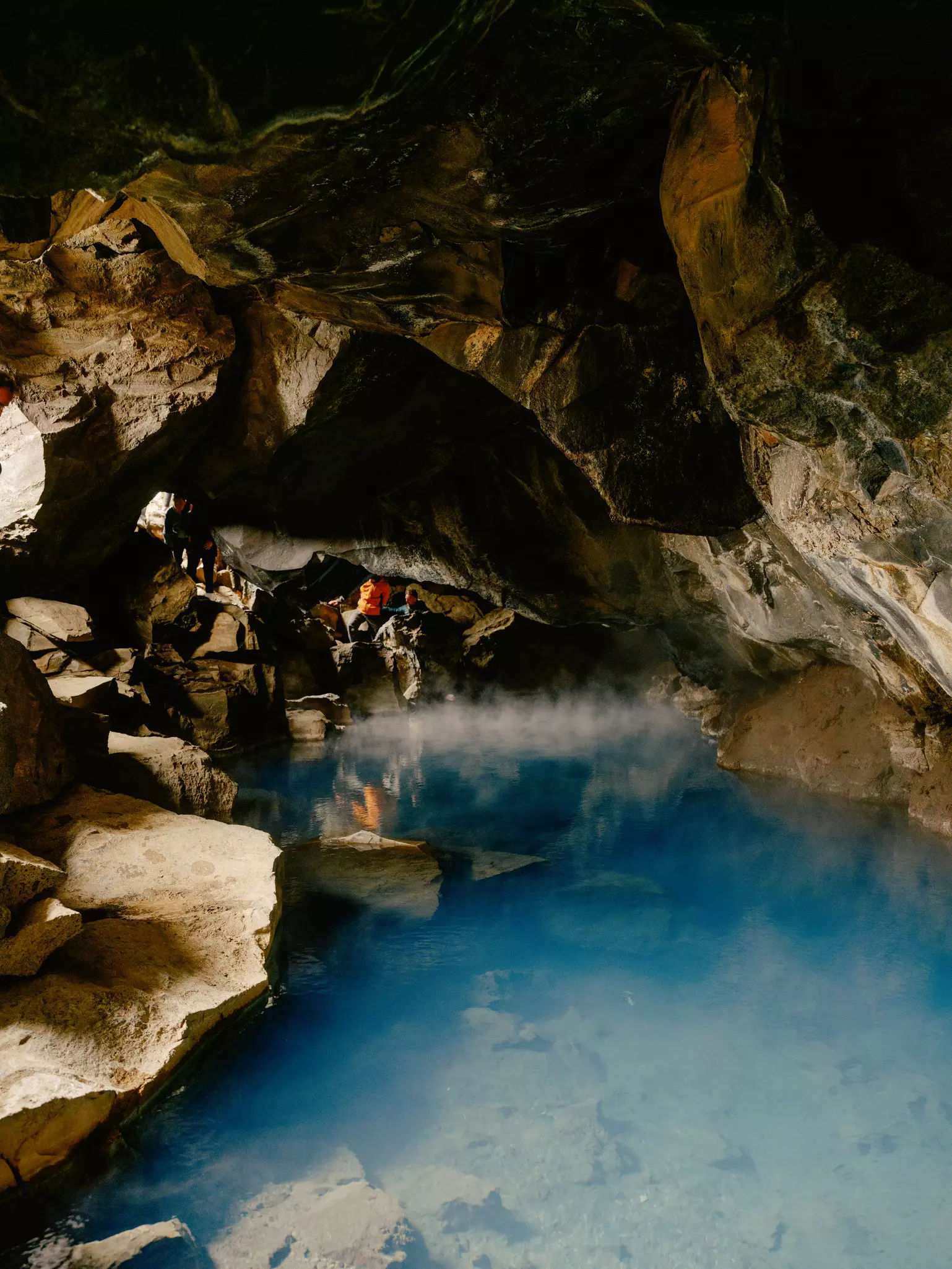
From ancient lava tubes to ever-changing ice caves and mysterious built spaces, Iceland has a range of underground adventures.
Myriad large and small lava caves, tubes and tunnels crop up around Iceland, revealing surprising colors and formations, such as stalactites and stalagmites formed over hundreds of years. Guided tours are offered in Víðgelmir near Húsafell, Iceland’s largest lava cave; Vatnshellir, on the Snæfellsnes Peninsula; and Lofthellir, near Lake Mývatn.
Between Selfoss and Vík in South Iceland lie some 200 caves carved into sandstone rock long ago. Though their origins remain mysterious, Irish monks (called Papar in Icelandic) are reputed to have created them before or around the time the first settlers arrived in the country, though this theory lacks archaeological evidence. Guided tours of 12 of these caves are available at Ægissíða by Hella farm.
Natural ice caves – fleeting, crystalized worlds of wonder – form in Vatnajökull, Europe’s largest glacier; you can see them on a tour with an experienced guide. Alternatively, visit the artificial ice tunnel in Langjökull or the ice cave at Perlan in Reykjavík.
Planning tip: It is unsafe to visit the ice caves in the South and Southeast of Iceland, especially around Vatnajökull National Park, outside the frozen months from October to March, after which many caves become unstable. Tours depend on weather conditions and available sunlight. Operators include Local Guide and Arctic Adventures.
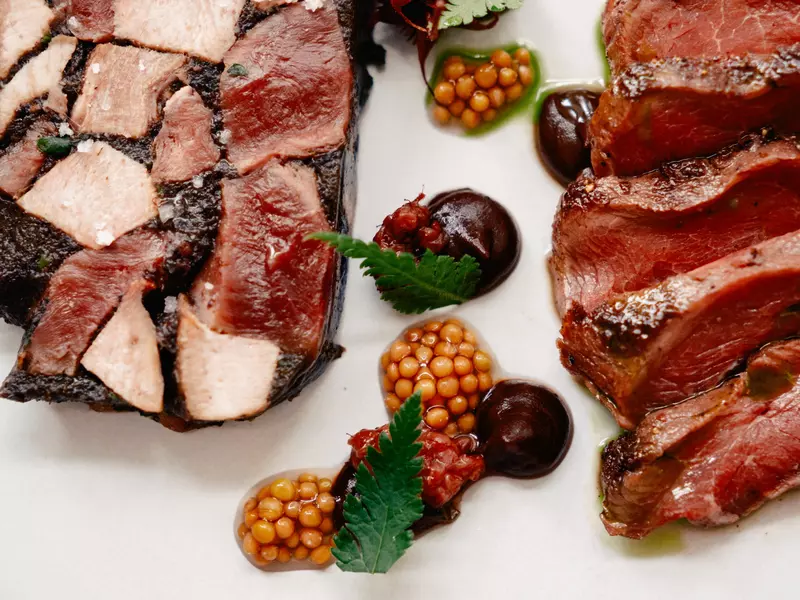
The Icelandic restaurant scene has come a long way since Dill earned the country’s first Michelin star in 2017 – it has since been joined in stardom by Óx in Reykjavík and Moss at the Blue Lagoon. Other top recommendations include Matur og drykkur, which emphasizes New Nordic dishes with fresh, local and seasonal ingredients, and Reykjavík’s Sümac, which draws inspiration from Middle Eastern cuisine.
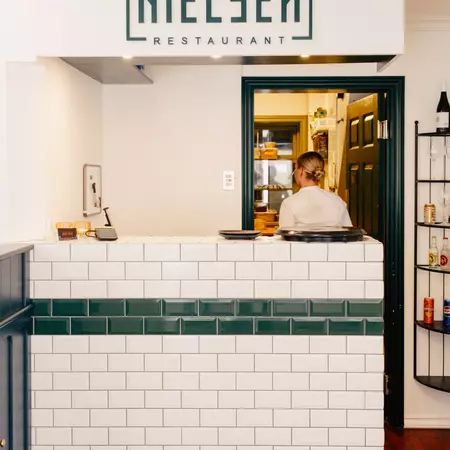
Outside of Reykjavík, Nielsen Restaurant in Egilsstaðir deserves a special mention for its loyalty to East Icelandic food producers – highlighting local fish, meat, vegetables, grain and dairy – and its emphasis on game, including reindeer. Norð Austur in Seyðisfjörður (open in summer only) combines the best of Japanese cuisine with the freshest Icelandic seafood.
Planning tip: The Food & Fun festival in Reykjavík brings chefs from around the world to Iceland, challenging them to create affordably priced gourmet menus using only Icelandic ingredients over the course of a weeklong competition in March.
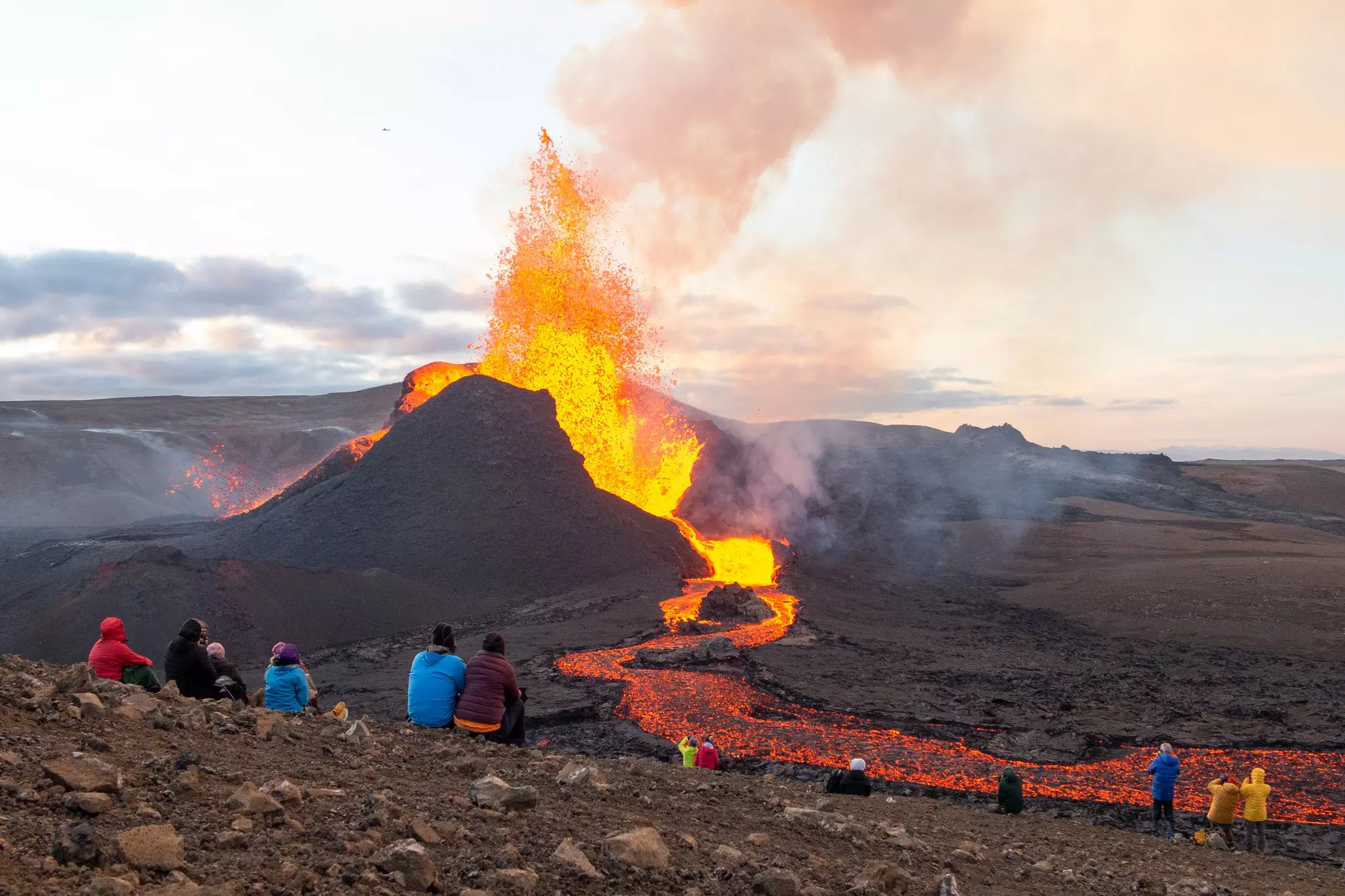
Iceland has some 130 volcanoes, with eruptions occurring every three years on average (the most recent was in July 2025). Much of this volcanic activity takes place in the craters on the Reykjanes Peninsula, near Keflavík International Airport. While such displays can be spectacular, they create conditions that are extremely dangerous. Check Iceland’s Safetravel site before you set off chasing lava.
You can appreciate how volcanoes have literally and figuratively shaped Iceland in other ways. In 1973, the inhabitants of Vestmannaeyjar, an archipelago off the southwest coast, escaped an eruption that started unexpectedly in their town, burying houses in lava and ash. One of these houses is the centerpiece of the museum Eldheimar.
Iceland’s most active volcano, Hekla was once believed to be the entrance to hell, though it has been quiet since 2000. At 1500m, it provides an interesting and challenging hike with a panoramic view from the top. At dormant Þríhnúkagígur, you can explore a volcano from the inside. From the crater rim, you’ll get lowered in a cage 213m down an enormous chamber filled with amazingly colored rocks.
Planning tip: Viewing volcanic eruptions takes flexibility and preparation. New eruptions can happen at any time, and viewing points close if they’re unsafe. Pack your sturdiest hiking boots for a potentially multihour hike across rough, rocky ground. Visibility can be low, and there may be gas in the air.
For a country with comparatively high alcohol prices, Reykjavík’s nightlife is fantastic. Happy hours usually begin at 4pm; cozy Port 9 and Veður are good places to start. For creative cocktails, head to Apótek and Slippbarinn, or find a spot at Petersen svítan’s rooftop bar, which is wonderful on sunny days. If pubs are more your thing, check out KEX Hostel and Röntgen, where there’s often live music.
Kaffibarinn and Prikið are top choices if you want to dance the night away. The crowd at Dillon always goes crazy when “rock ‘n‘ roll grandma” Andrea Jónsdóttir DJs on the weekends. You’ll find a similarly joyful atmosphere at Kiki Queer Bar.
Planning tip: The ever-changing Reykjavík performing arts scene covers shows at bars and cafes, theaters and the Harpa concert hall. To see who’s playing, consult the free English-language newspaper Grapevine, Visit Reykjavík, What’s On or Setlist, or look in at the city's music shops.
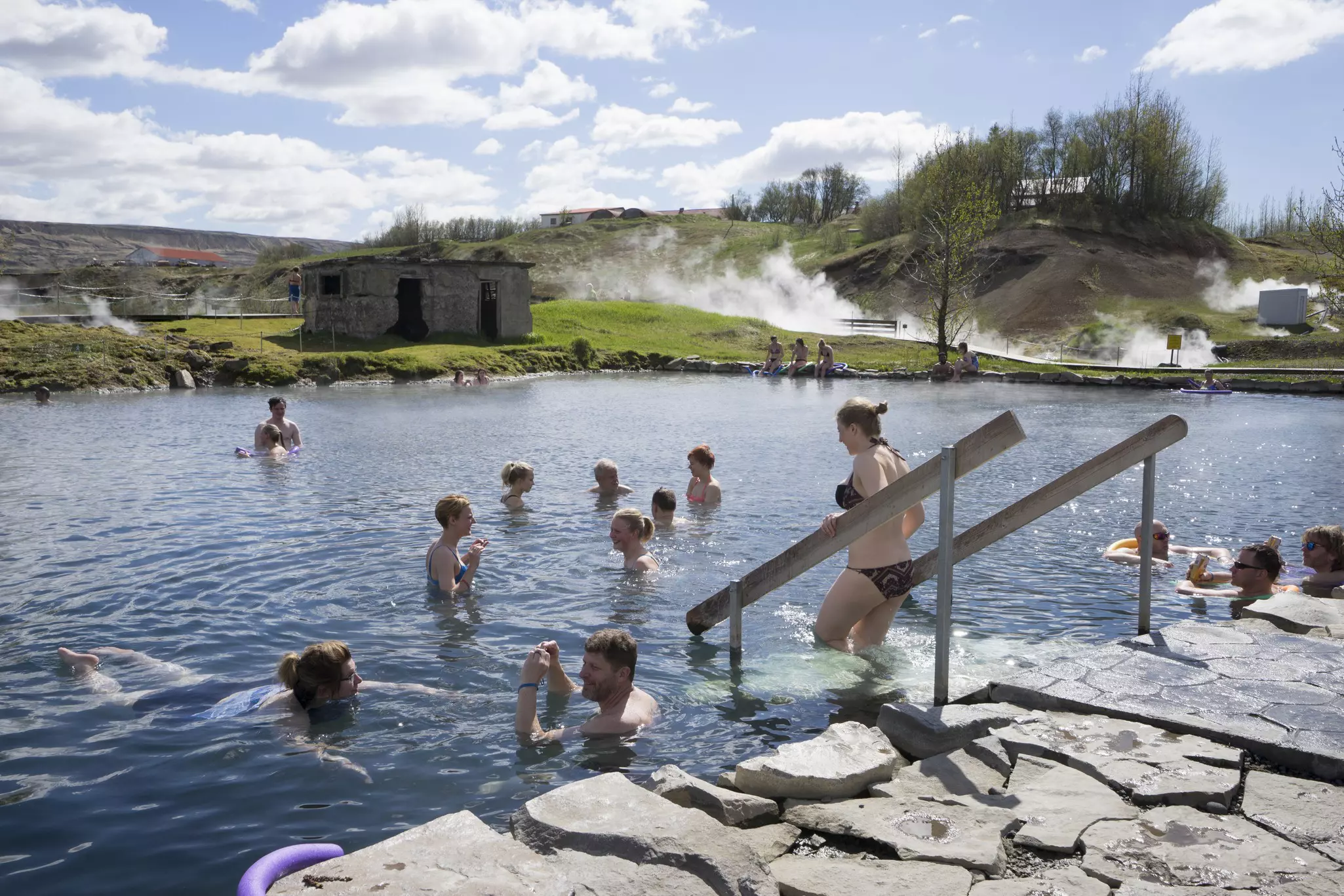
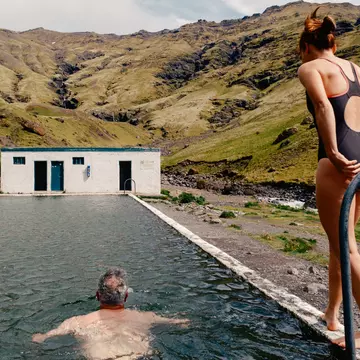
The best and most budget-friendly way to enjoy Iceland’s abundant geothermal energy is at public swimming pools. Practically every town and village has at least one: the water is warm and welcoming, lounging in the hot tubs is bliss, and some of the views are worth the trip alone.
This is where locals go to exercise, socialize and play with their kids. Complexes that merit special attention include the wave pool in Álftaneslaug; Akureyrar's thrilling waterslides; Selárlaug, which is next to a salmon river; and Hofsós, for its amazing view of Drangey island.
Planning tip: In pool and lagoon locker rooms, leave your shoes at the racks by the door. Do not enter a public pool with dry hair – it shows you are an amateur who broke the rule that you must shower naked with soap before getting in a pool. Another rookie mistake is leaving your towel in the locker room, then dripping all over on the way out. Use the towel racks by the showers.
There are countless ways to enjoy the snowy season in Iceland. Ski resorts abound. At Ísafjörður, at Oddsskarð, in Akureyri and elsewhere in the north, you’ll find ski lifts and downhill runs of varying levels, as well as tracks for cross-country skiing.
The backcountry skiing season lasts through May, with a range of tours on offer, including skiing from the mountaintop to the shore. Kaldbakur mountain by Grenivík is particularly popular among backcountry skiers; it’s even possible to hitch a ride with a snowmobile up the mountain.
If you’re not keen on skiing, you can take a thrilling sleigh ride down the mountain in a custom-made toboggan. At Lake Mývatn, you can book a ride with sleigh dogs. For an action-packed motorized adventure, Ski-Doo tours explore the glaciers in the west and south.
Local tip: If you’re looking for a slower-paced winter activity, snowshoeing might be your thing. It’s a joy to walk in the mountains in the north and the black-and-white wonderworld of the Dimmuborgir lava field.
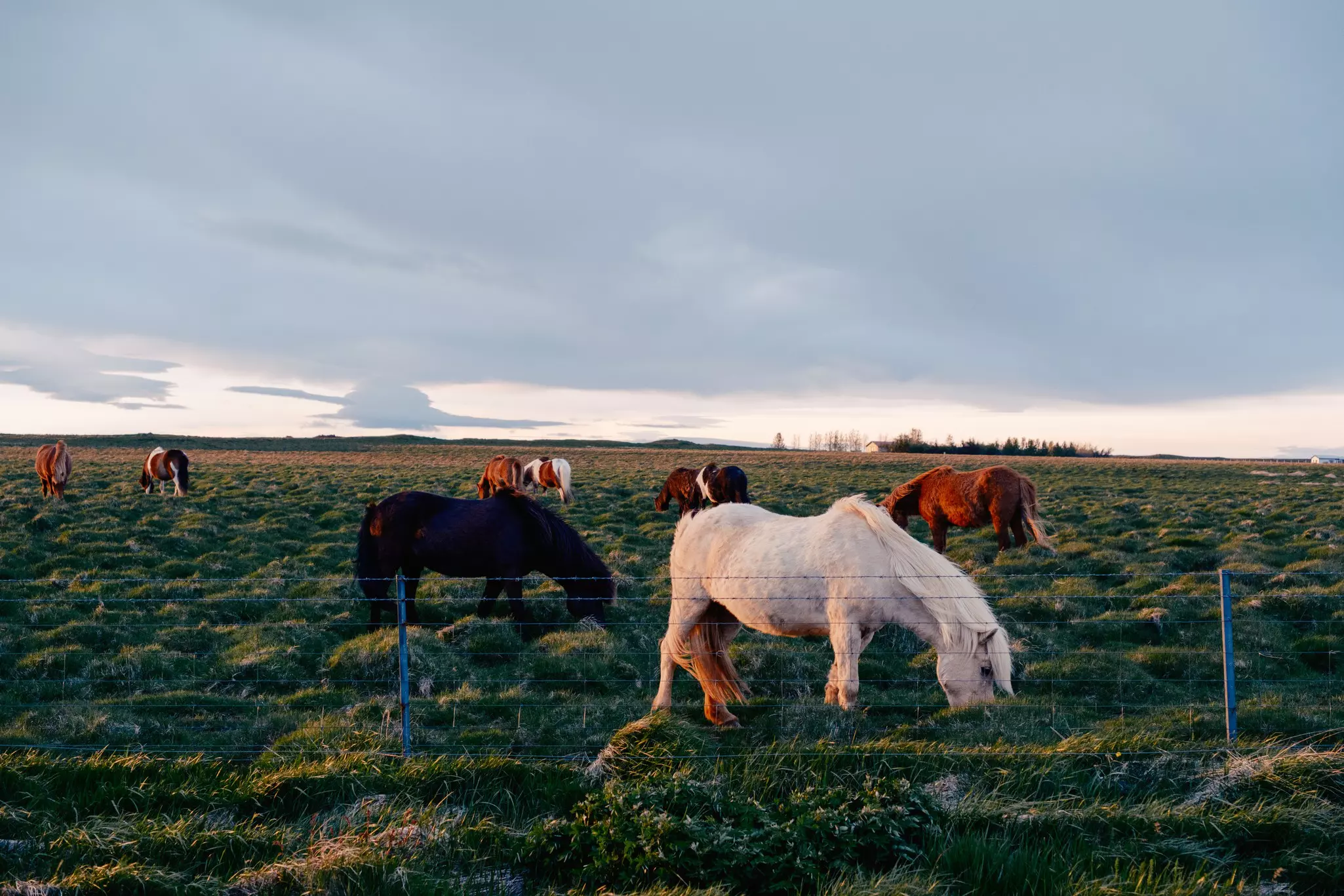
The Icelandic horse is one of a kind. The breed possesses two rare gaits in addition to the regular ones: a smooth tölt and fast-flying pace. For centuries, Icelanders have relied on the small, sturdy and colorful breed for farm work and carrying them vast distances in a roadless country. Today, the horses remain Icelanders’ most loyal companions, with more people practicing horsemanship in Iceland than in other European countries.
Riding on a good-tölting horse in the wild Icelandic nature is an experience like no other. Through the horse’s movements, you connect with nature in a new way, and you feel incredibly free as you gallop along narrow dirt paths or across shallow lakes. Tour operators offer anything from 1-hour rides for beginners to multiday tours for experienced riders in different regions of the country in varied landscapes.
Planning tip: One of the most popular horseback-riding treks is across the highland on the ancient route Kjölur.
Since the local beer always says something special about a place you're visiting, you can add a new, frothy dimension to your Iceland trip at the country’s surprisingly high number of microbreweries. The craft beer scene is relatively new in Iceland; the first microbrewery, Bruggsmiðjan, was founded in the tiny village of Árskógssandur in North Iceland in 2006. Its product, Kaldi, proved a hit, and in the years that followed, a growing variety of craft beers appeared on the local market.
Among the most noteworthy breweries in the greater Reykjavík area are Malbygg, RVK Brewing and Lady Brewery. There are also breweries in the rural south, in Vestmannaeyjar off the south coast, in Siglufjörður in the far north and Ísafjörður in the Westfjords.
Planning tip: Icelanders have a lot of time in winter to perfect their crafts, and a slew of good local distilleries are another result. Microdistillery 64°Reykjavík produces Katla vodka, aquavit, herbal liqueurs and schnapps from foraged fruits and botanicals. Brennivín is a caraway-flavored schnapps, nicely neon-green and a whopping 80-proof.
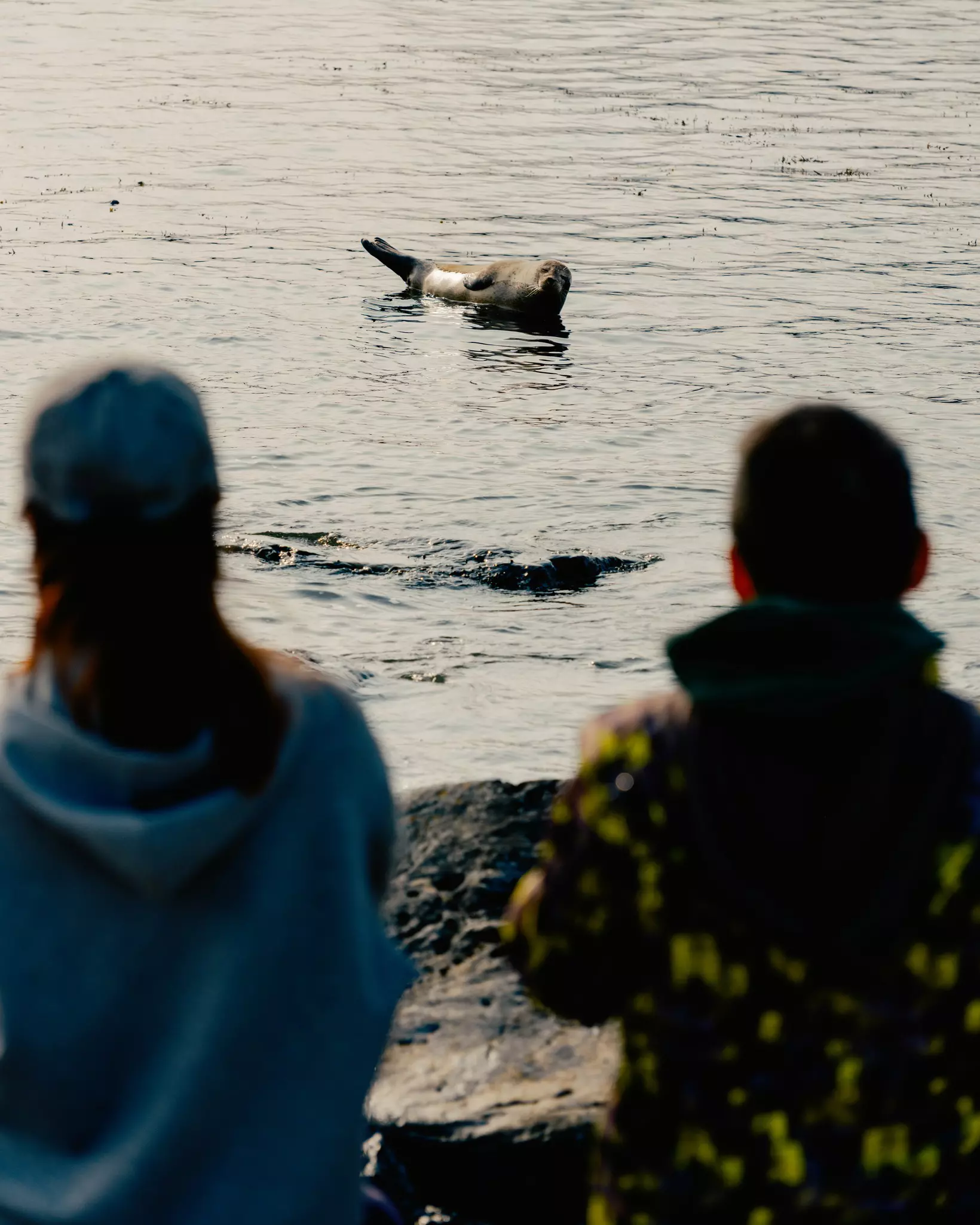
When you’re out on the open ocean, feeling the salty air and wind in your hair, you sense a special kind of freedom. If you’re paying attention, you might see seabirds catch fish or even a blowing whale. Húsavík is the best place to go whale watching in Iceland, with many tours on offer and a high sighting ratio – even blue whales are occasionally seen here. Tours also go from Hauganes and Reykjavík, while seal-watching tours depart from Hvammstangi (observing these curious creatures sunbathe in their natural habitat is simply delightful). Operators in Dalvík and Akureyri also take hopeful whale spotters out on daily excursions.
Alternatively, you can sign up for a sea-kayaking tour for a slower and more intimate exploration of coastal regions; you’ll find operators in Stykkishólmur and Ögur in Ísafjarðardjúp, among other places. Paddleboarding is becoming a popular activity in Akureyri. From Ólafsfjörður, Jet Ski tours allow people to experience the vertical cliffs of Ólafsfjarðarmúli from below.
Detour: For experiences below the surface, Strýtan DiveCenter takes experienced divers on tours to a unique geothermal chimney on the ocean floor of Eyjafjörður. At Grímsey Island, people can dive and snorkel with puffins right on the Arctic Circle.
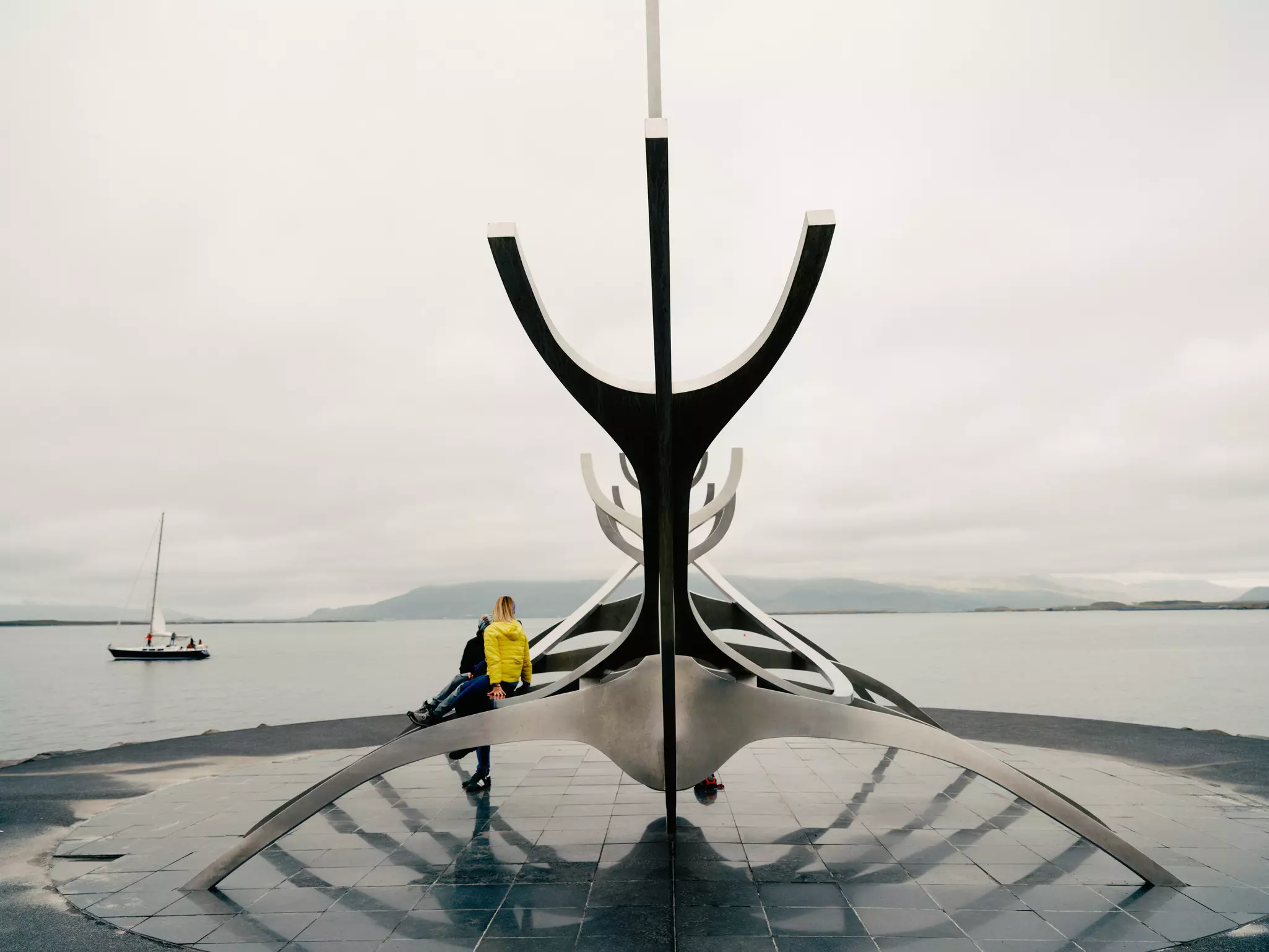
Adapt a walking tour of Reykjavík to seek out as many outdoor artworks as possible. The Viking ship sculpture Sólfarið (Sun Voyager) by Jón Gunnar Árnason is a given. But fewer tourists pay attention to Vatnsberinn (The Water Carrier) by Ásmundur Sveinsson in the heart of downtown or Útlaginn (The Outlaw) by Einar Jónsson on the corner of Suðurgata and Hringbraut – works by two of Iceland's most famous sculptors.
Þúfa (The Tussock) is a more recent addition to the capital’s outdoor art scene and has quickly become a landmark. The 8m-high grassy mound in the Grandi harbor area was created by Ólöf Nordal in 2013, inviting visitors to walk to the top for a view of the city. Outside Reykjavík, Eggin í Gleðivík, by Sigurður Guðmundsson, depicts, in three dimensions, the eggs of 34 bird species that nest around Djúpivogur. In Seyðisfjörður, Tvísöngur is a fascinating musical sculpture by German artist Lukas Kühne.
Local tip: Download the multilingual Reykjavík Art Walk app (for iOS or Android) to learn more about the arty side of Iceland’s capital.
Book your Iceland trip with Lonely Planet Journeys
See Iceland how it's meant to be seen
Planned by local experts and tailored to you, Lonely Planet Journeys handles the logistics so you can just enjoy the trip. Tell us what you want and we'll build your Iceland itinerary from scratch, or browse our bookable trips to get inspired.

Explore related stories