
Nantes
You can take Nantes out of Brittany (as when regional boundaries were redrawn during WWII), but you can't take Brittany out of its long-time capital, Nantes (Naoned in Breton).
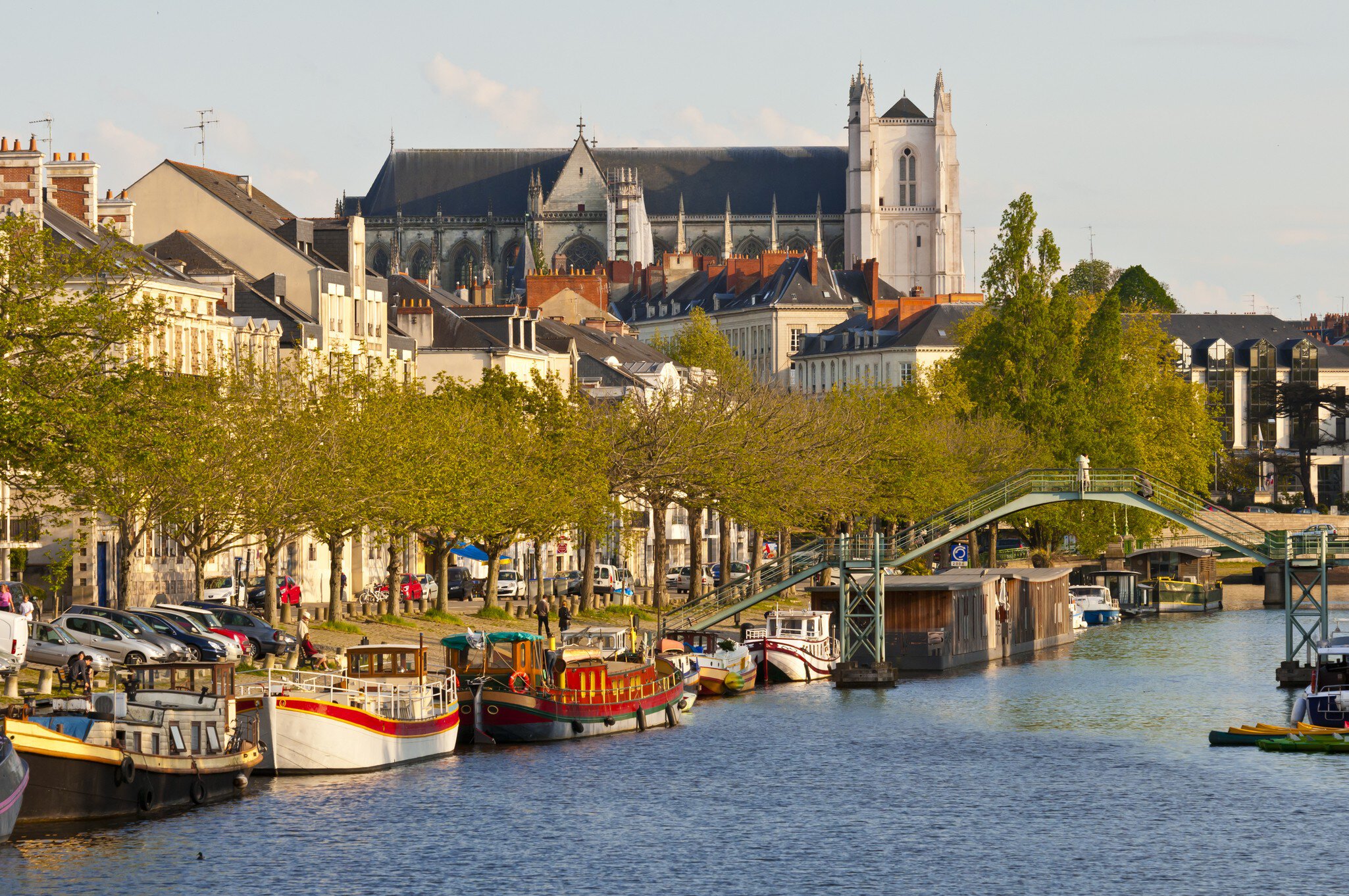
Nantes, France. Getty Images/Hemis.fr RM
Latest Stories
- Rosanne Daryl Thomas | Nov 24, 2025A Guide to the Quirky French City of Nantes
- Rosanne Daryl Thomas | Oct 31, 2023Best Day Trips from Nantes
Book

Trusted Partner
Stay connected in Nantes
Holafly eSIM provides unlimited mobile data with no hidden fees, giving you peace of mind wherever you travel. Stay connected even after your plan ends with Always On. Use code LONELYPLANET for an exclusive discount.
Lonely Planet may earn a commission from affiliate links on our site. All recommendations and reviews reflect our own independent opinions.
Book your France trip with Lonely Planet Journeys
See France how it's meant to be seen
Planned by local experts and tailored to you, Lonely Planet Journeys handles the logistics so you can just enjoy the trip. Tell us what you want and we'll build your France itinerary from scratch, or browse our bookable trips to get inspired.


Top places to visit in Nantes
Discover the best attractions in Nantes from must-see sights to unexpected hidden gems.
- Attraction in NantesChâteau des Ducs de Bretagne
- Attraction in NantesJardin des Plantes
- Attraction in NantesLes Machines de l’Île de Nantes
- Attraction in NantesMusée d’Arts de Nantes
- Attraction in NantesMémorial de l’Abolition de l’Esclavage
-
 Attraction in NantesCathédrale St-Pierre et St-Paul
 - Attraction in NantesMusée Jules Verne
- Attraction in NantesLe Cale 2 Créateurs




Travel Guides
Nantes travel tips from Lonely Planet experts
Find practical guidance from our team of contributors around the world who bring their decades of first-hand travel experience to your next trip.
Day Trips
From riverside villages and medieval towns to prehistoric art and fairytale bays, there are some great day trips from Nantes.
Read full article
Get a book. Get inspired. Get exploring.
in partnership with getyourguide
Book popular activities in Nantes
Lonely Planet may earn a commission from affiliate links on our site. All recommendations and reviews reflect our own independent opinions.