Sep 20, 20267 min read
Guide to the Route Napoléon in FranceFeb 16, 2026
10 MIN READ

Writer
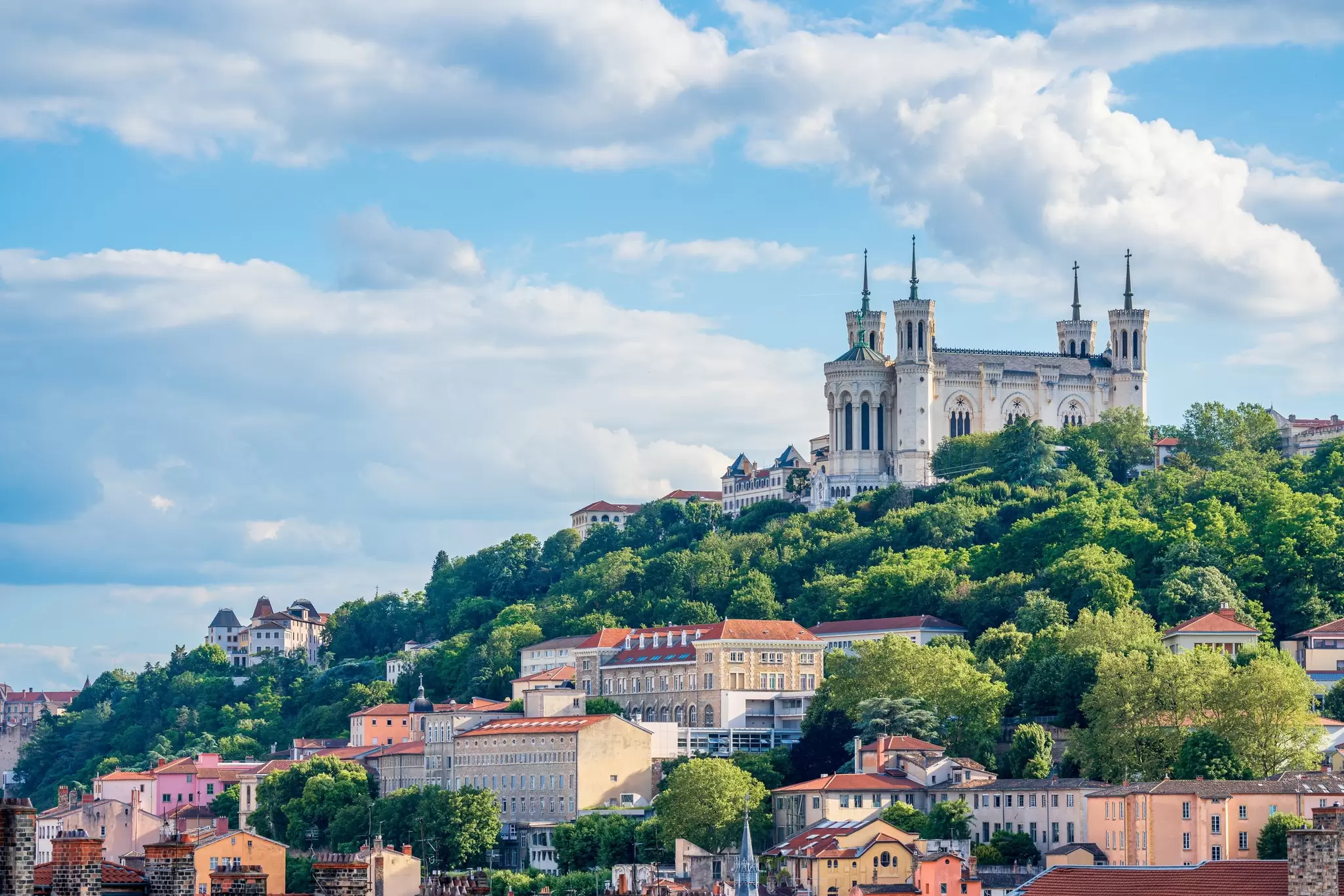
Basilica of Notre Dame of Fourvière, Lyon. SerFF79/Shutterstock
Writer
Lonely Planet may earn a commission from affiliate links on our site. All recommendations and reviews reflect our own independent opinions.
Nicola is one of the writers on the France guidebook. She makes tough choices to narrow down the most quintessential French experiences to help you plan an amazing trip.
Plotting a dream trip packed with fun things to do in France is not only about joining the dots between bucket list sights and places: the eyesore-to-icon Eiffel Tower in Paris, the scale and beauty of the Château de Versailles, medieval Carcassonne, papal Avignon, Provence’s lavender fields and jet-set St-Tropez, Normandy’s D-Day landing beaches and Impressionist portfolio en plein air…the list is long.
No, a grand tour of France befitting of the country’s Herculean history, cuisine and cultural heritage (this is, after all, the world’s most visited country, with over 100 million annual tourists in 2024) is a unique journey into its heart and soul. It requires time and thought to unravel why cooks in the north use salted butter and those in the south, tangy olive oil. It might mean tracking down forgotten cuisine bianca ("white cuisine") in Southern France’s backcountry or puzzling out megalithic menhirs in Brittany and prehistoric cave art in The Dordogne. Depending on which region you explore, it most definitely means mingling with Alsatians, Euskalduna or Ch’tis – perhaps at an open-air market or zinc bar. In a nutshell: feel the intoxicating pulse of French art de vivre.
Whether you're traveling solo or as a couple, on a multi-generational family adventure, or fun foray with friends, France delivers. If you have the time to spare, two weeks should be enough to squeeze in a Parisian adventure, hit the mountains and explore one or two coastlines.
Here are some unmissable attractions to weave into your trip. As the French will tell you, it’s all about savoir-faire (know-how).
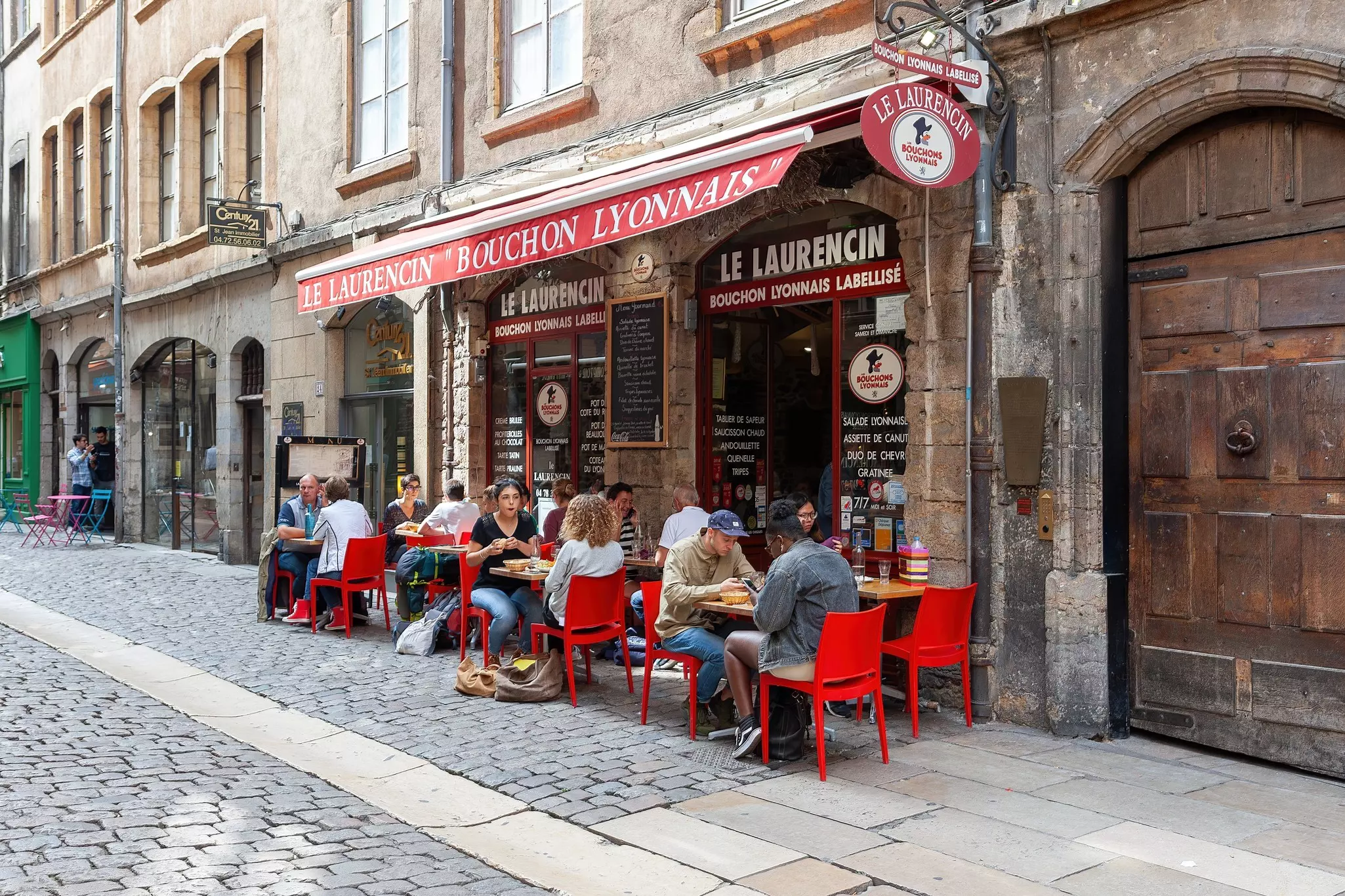
Pepper a city break in Paris, Marseille or Bordeaux with lunch at a traditional bistro, minted to feed workers in the 19th century. Expect tightly packed tables, old-fashioned decor and the daily menu du jour chalked on the board. In other words, a francophile’s heaven. Chefs take their lead from local, seasonal produce at the market – meaning asparagus and strawberries in spring, earthy game in fall, and winter scallops. Die-hard bistro dishes like steak frites (steak and fries), tête de veau (rolled calf’s head), boeuf bourguignon (beef and red wine stew) and garlicky snails in their shells – unchanged for centuries – are year-round staples.
Classic bistros include Bistrot Paul Bert and L’Epi d’Or in Paris, Marseille’s Sépia, and Bordeaux’s Le Bouchon Bordelais. In famously foodie Lyon, where diehard traditional bistros are called bouchons, try mâchon – an offal-based brunch enjoyed by 18th-century silk weavers after a hard night’s work – at Le Mercière or Le Café du Peintre.
Local tip: The most authentic bistros only open for lunch and dinner on weekdays; plan accordingly. Reserve a table well in advance.
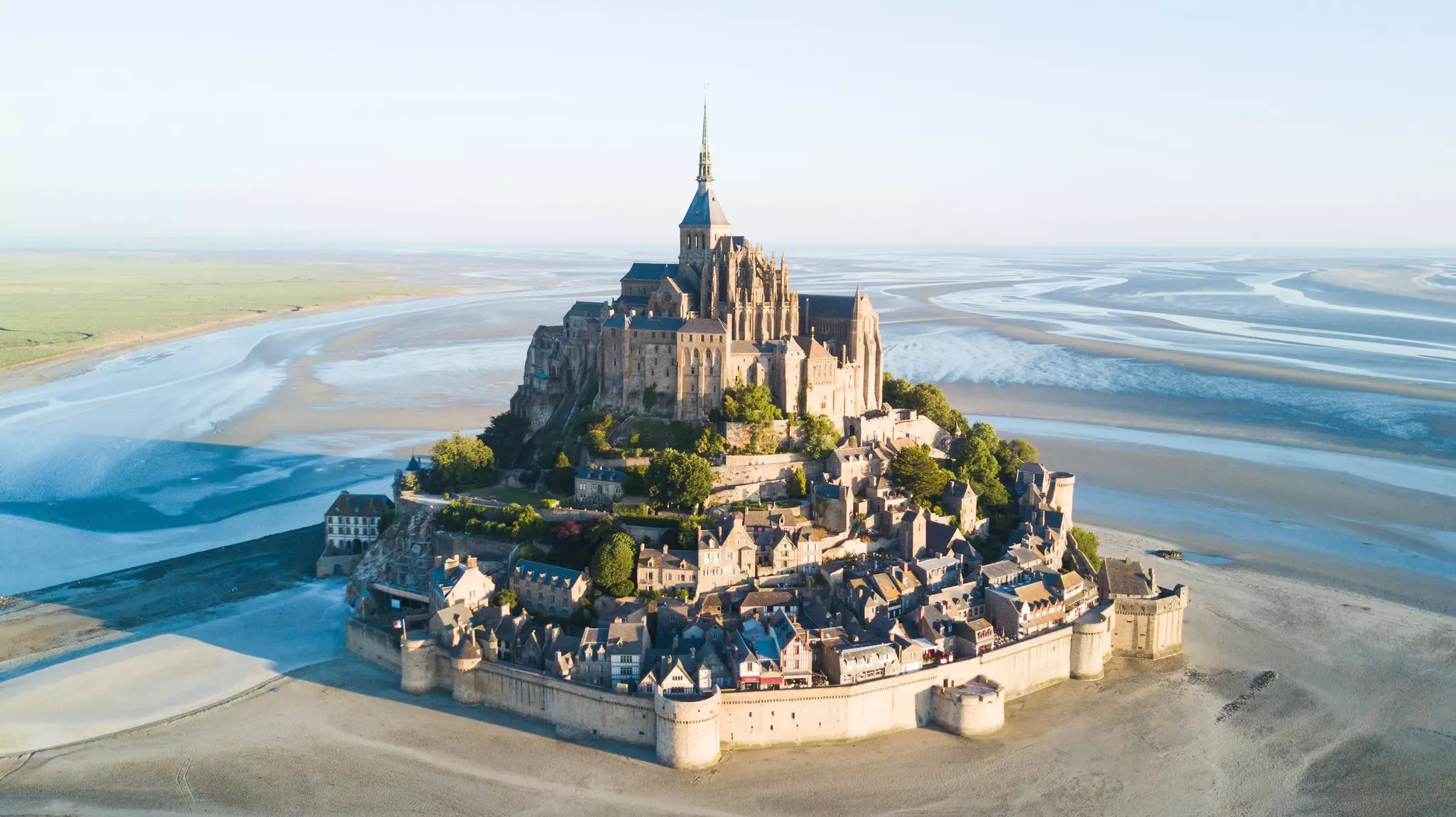
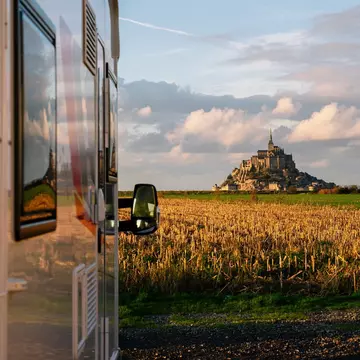
Be it navigating quicksand on a hallowed trek to abbey-island Mont St-Michel, galloping a white Camargue horse across the beach in Stes-Marie de la Mer or celebrating mass at dawn with fellow hikers in Le Puy-de-Velay, emulating the original pilgrim experience is the secret to understanding France’s wealth of treasured pilgrim sites. Throughout the Middle Ages, noblemen paid poorer members of society to undertake pilgrimages on their behalf and it is gleaning such backstories in situ that bring Lourdes, Chartres, Mont St-Odile near Strasbourg in Alsace, and dozens of stops on the French chunk of the Camino de Santiago to life.
Planning tip: Book barefoot hikes across the sand at sunrise or sunset to otherwise crowded Mont St-Michel with accredited guides Romain Pilon or Les Traversées de Ludo.
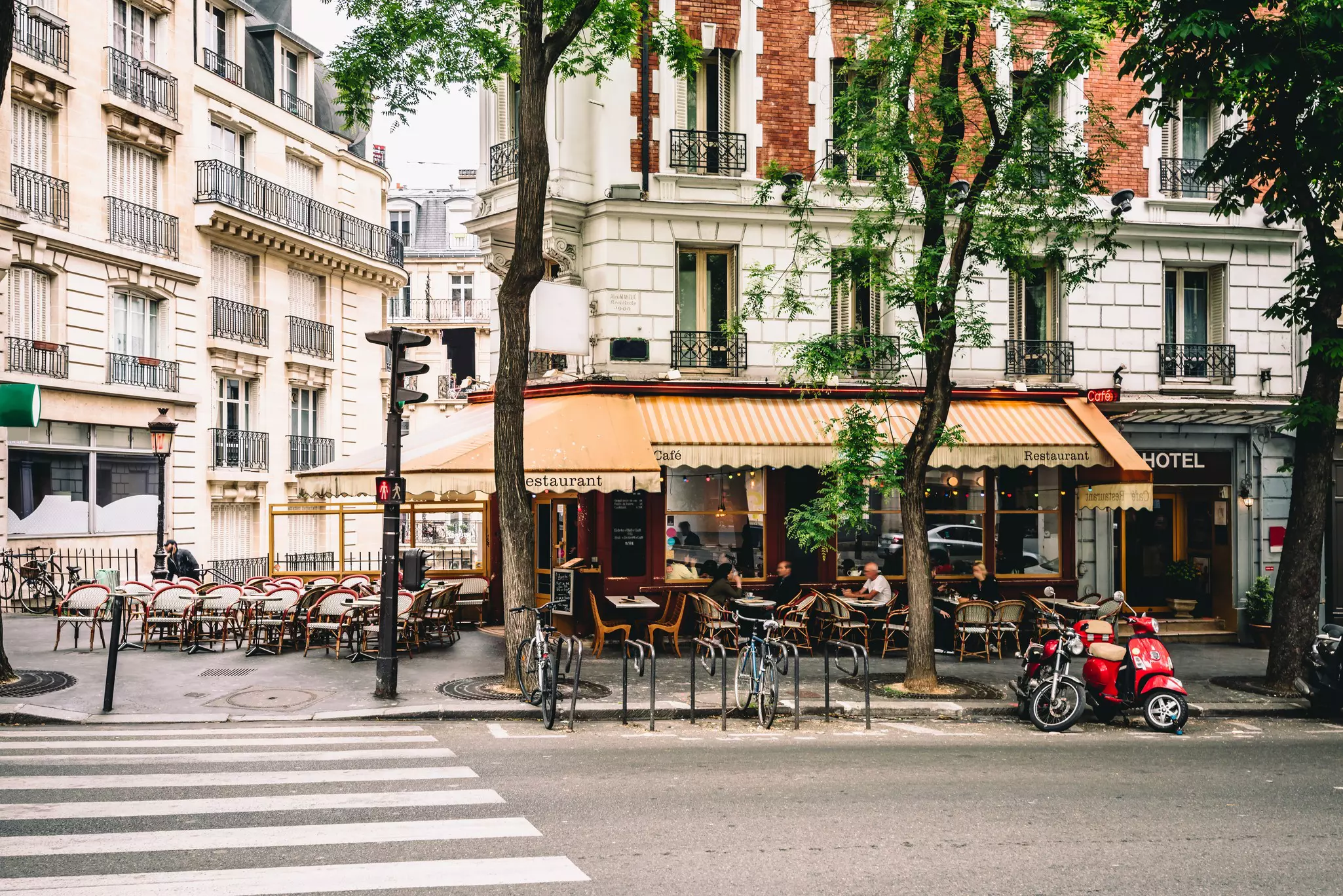
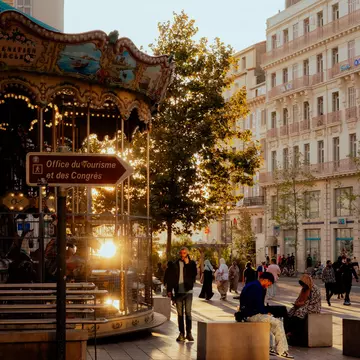
Lounging over coffee or an apéro (aperitif) on a sidewalk terrace is one of France’s great sensual delights. Cornerstone of local life and prime people-watching territory, cafes range from vintage tabacs (selling newspapers, cigarettes and drinks) to fashionista hangouts with locally roasted coffee, tapas-fueled cocktails and live music after dark. Coffee comes with a small glass of tap water. Or order un citron pressé (iced water with fresh lemon juice), kir (white wine and blackcurrant liqueur) or aniseed-flavored pastis down south.
Some of our favorite cafe terraces include:
Place de la Contrescarpe: Drink with the ghosts of Simone de Beauvoir, Jean-Paul Sartre and Ernest Hemingway in Paris’ Latin Quarter.
Rose du Pont: Lap up Chamonix’ energizing, high-octane vibe and full frontal views of Mont Blanc in this stunning "Belle Époque Paris meets Cham" cafe-bar.
Book in Bar: Local bookworms mingle over a noisette (hazelnut) or chai latte at this top-drawer cafe and bookshop in Aix-en-Provence.
Place Camille Jullian: Bordeaux spoils for choice with atmospheric, cafe-filled squares, but you can begin with "place Ca-Ju" to locals.
Les Halles: Market squares always sport a cafe terrace overlooking the action. Bayonne’s riverside Les Halles is a buzzy Basque classic
Planning tip: Cafes generally open from 7am until 11pm, morphing come dusk into a bar; some are shut by 7pm and others rock until 2am. Cafe terraces on streets and squares around the local food market are foolproof choices for a quintessentially French, coffee-and-croissant breakfast.
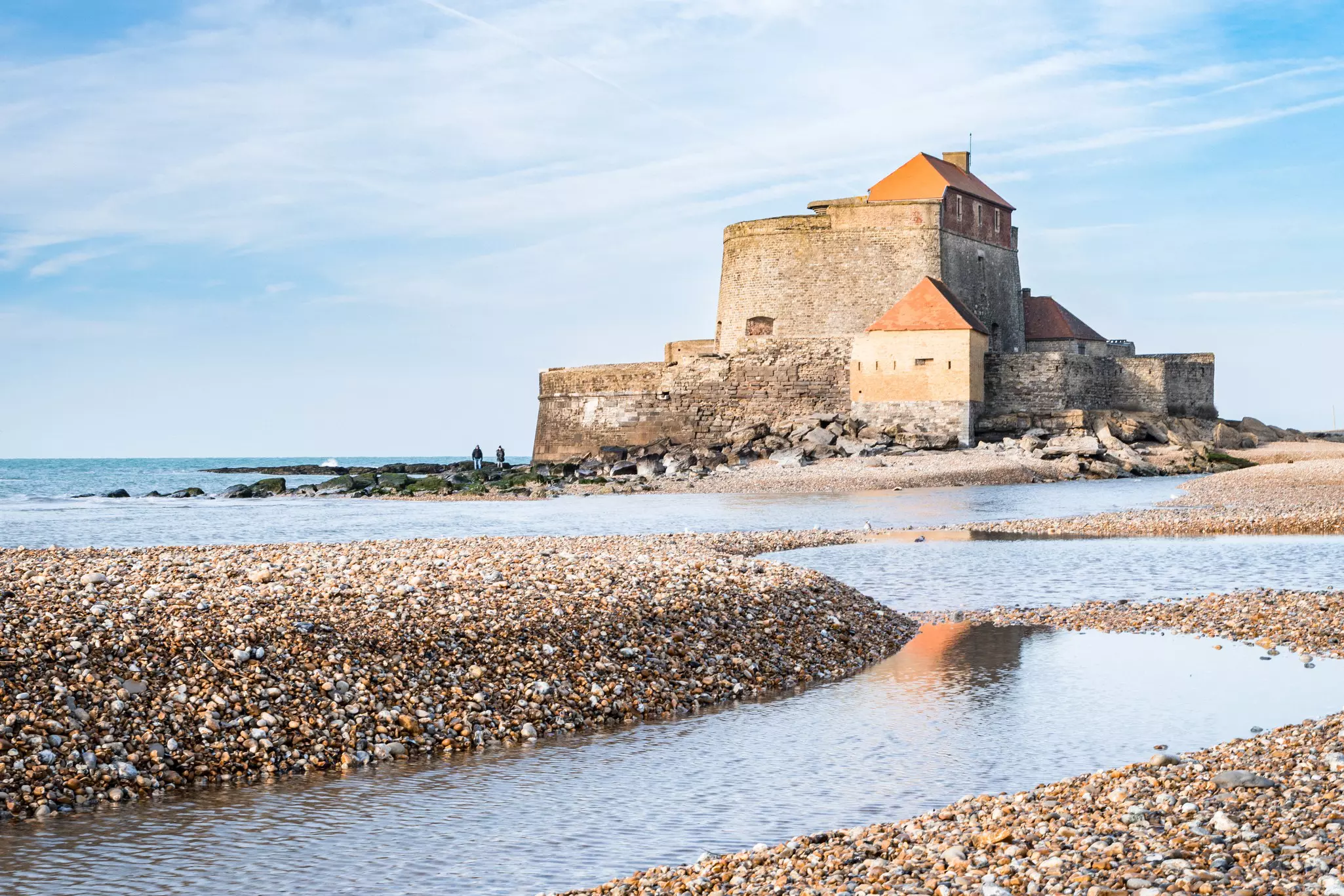
Harness the wind aboard a char à voile (sand yacht) to get under the salt-encrusted skin of le nord and its famous swaths of wind-whipped sand beach, white-cliff coastline and overdose of bad weather. The preposterous idea of flying down flat-sand runways on three wheels took off in northern France around 1905, and by the 1950s every self-respecting beach town had a sand-sailing club. Sign up for an initiation session in Fort Mahon-Plage in the Baie de Somme, Le Touquet on the handsome Côte d’Opale or St-Aubin-sur-Mer in Normandy.
Local tip: Warm up afterwards with a portion of frites, doused in brown vinegar and wrapped in paper, from the local friterie (kiosks serving fried fast food), which you can scarf down between sailing sessions on the beach.
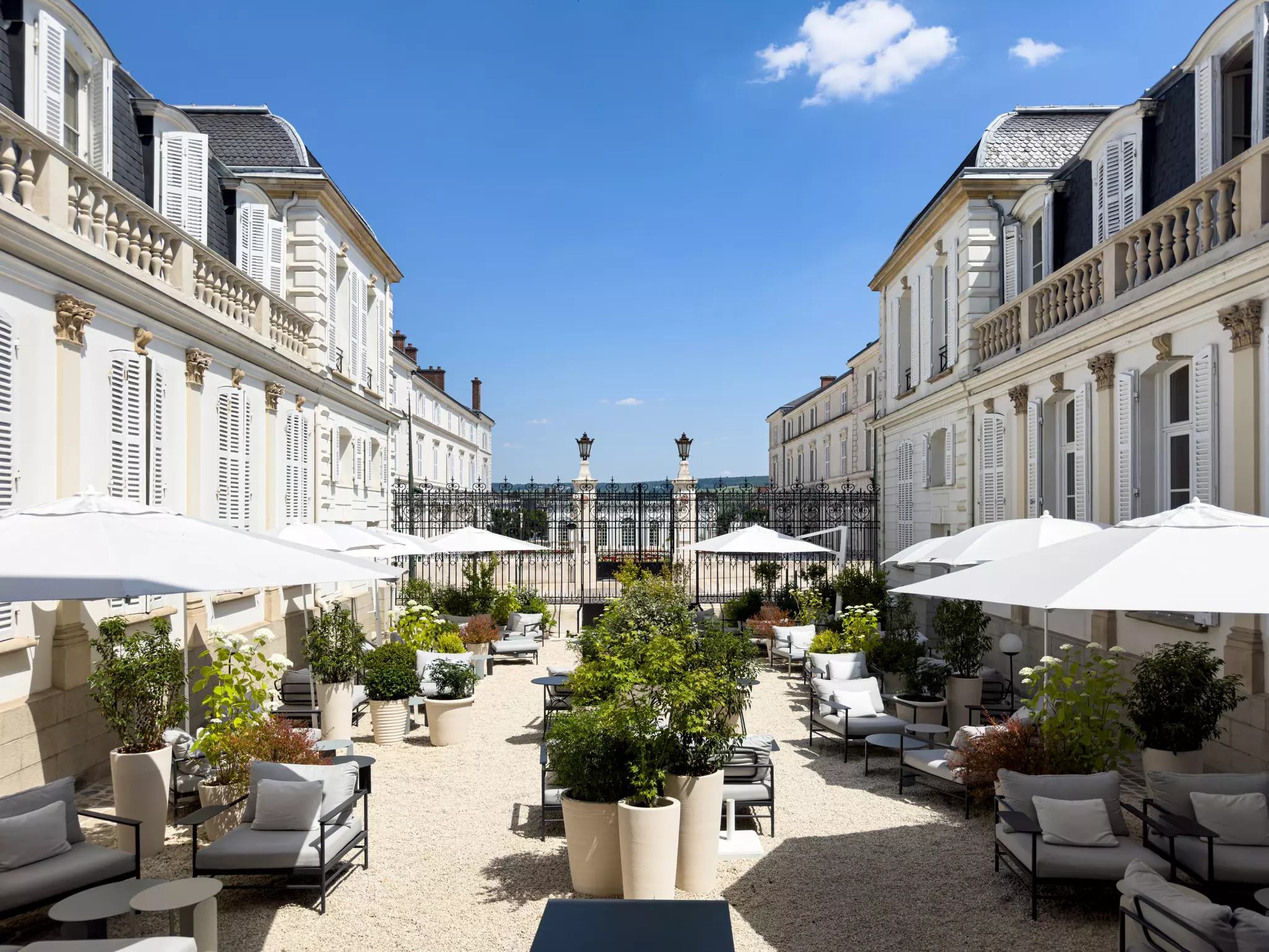
It’s only fitting that champagne originates in the area where every French king was crowned, cementing its unshakeable "wine of the kings and King of Wines" pedigree. Reims’ Gothic cathedral – second only to Paris’ Notre Dame in architectural magnificence – and the town’s chalk-chiseled cellars (such as Maison Mumm and Champagne Taittinger) steadfastly remain Champagne’s honeypot tourist sights.
In Épernay luxurious champagne houses (like Moët et Chandon and Leclerc Briant) and 200 million-odd bottles of aging bubbly pave illustrious Avenue de Champagne. Offset this decadence with down-to-earth bike rides between vines, producer tastings and a roast chicken lunch in the tiny village of Aÿ.
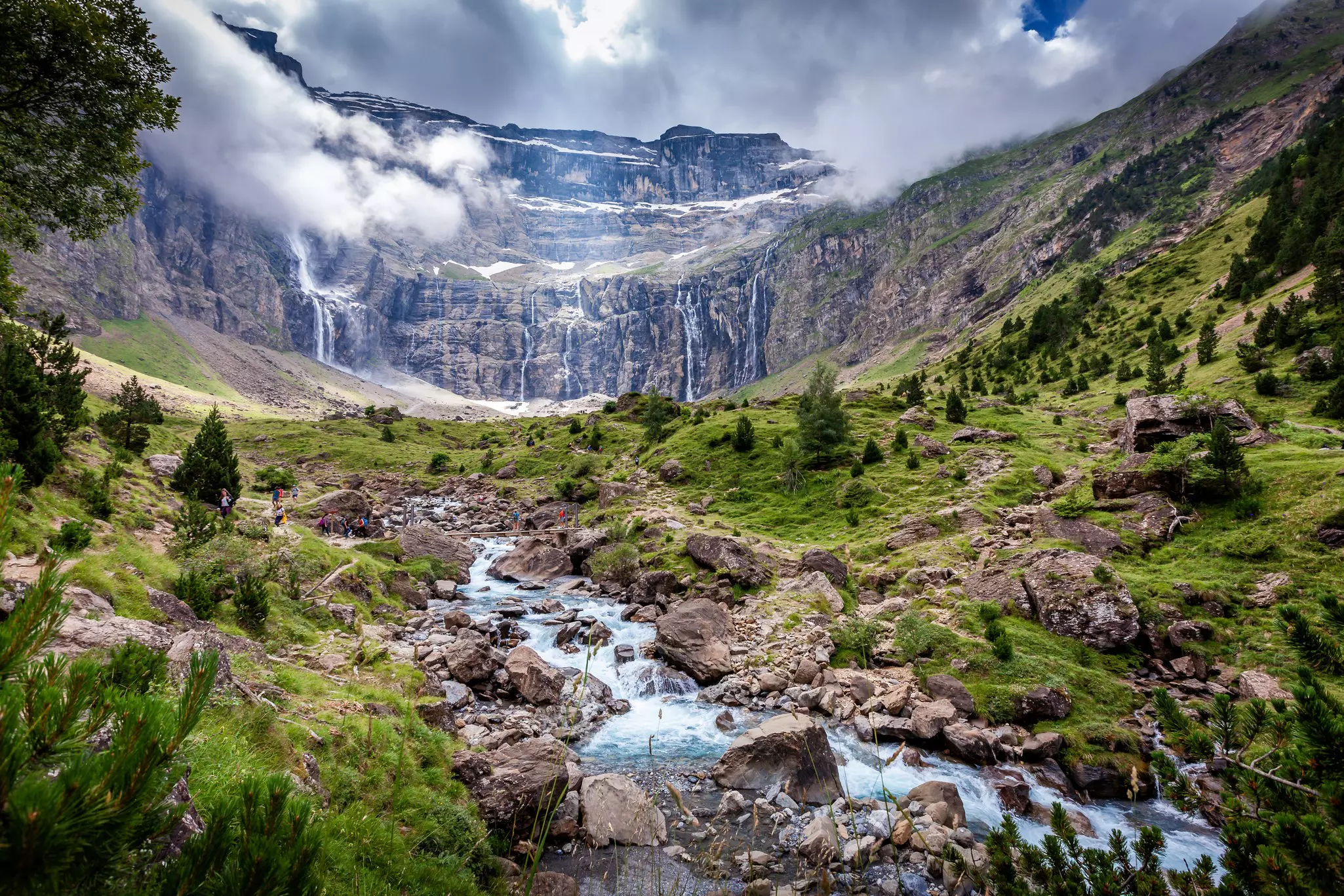
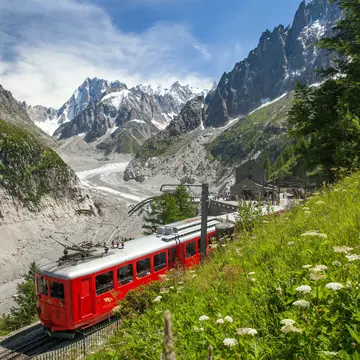
France’s spectacular kaleidoscope of natural landscapes – green valleys where time stops, razor-sharp mountain peaks and ice-blue glaciers – is ribboned with sentiers de grande randonnée (long-distance hiking trails). Tackle a short section. Deep in the French Alps, day-hike up the dizzying Tête de la Maye – rock-embedded cables and rungs assist with vertiginous sections – to gaze down on a dead-end valley in Parc National des Écrins, so remote its inhabitants decamp in winter. Listen to the sublime peace.
In the Pyrenees, ride Europe’s highest open-air train to hook up with the GR10 trail. Or save your Pyrenean adventure for October when beech forests glow gold, winter’s first snow sparkles on summits and the summer crowd visiting Cirque de Gavarnie’s dramatic amphitheater of crashing waterfalls has long gone.
Local tip: Overnight in a refuge (mountain hut), shepherd’s hut or mazot (miniature alpine chalet used for storing tools or valuables). The few that remain open in winter can only be reached by snowshoe or touring ski.
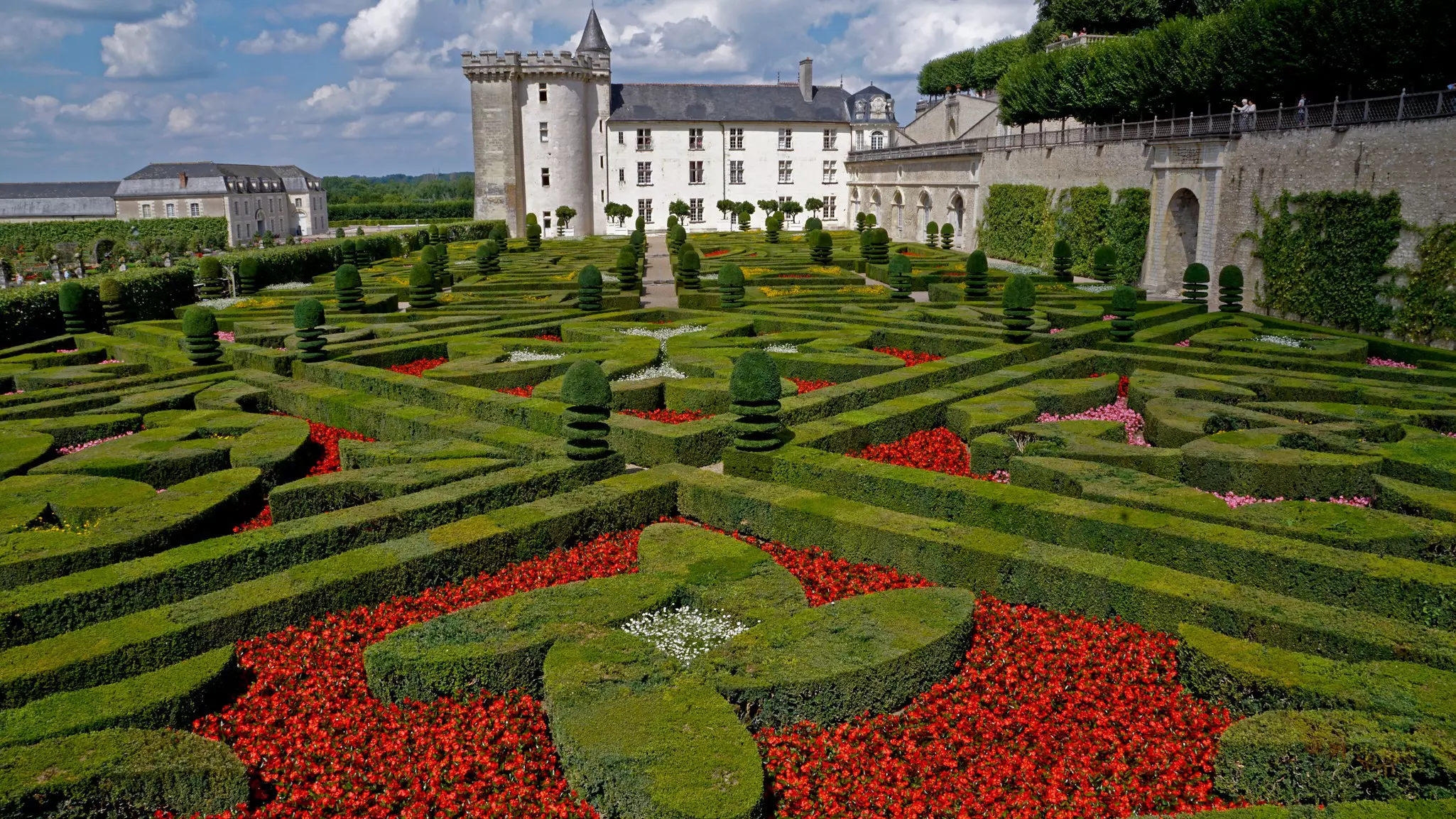
It’s not only about picking your jaw up from the floor in Versailles’ Hall of Mirrors, gawping at Chambord’s rooftop mirage of fancy-pants spires and chimney pots, or swooning over the leafy derivations of amour in Château de Villandry’s ornamental "Love Gardens." Romantics seeking fairytale châteaux gravitate to Renaissance France’s showpiece Loire Valley, but overtly rural regions such as the Lot, Dordogne and Languedoc squirrel away many more.
Many châteaux are rustic, grassroot properties where normal people live, work and craft. Dip into the ancestral knowledge of Médoc winegrowers on a cellar tour at Château Lynches-Bages. Learn about Burgundy’s unique climats at Château du Clos de Vougeot, a UNESCO World Heritage Site. Smell the angels’ share in sooty black Château de Cognac and the rare 150-year-aged cognac bottled in hand-blown glass at teeny Château de Montifaud. Indulge your ultimate French fantasy of a boozy lunch between vines at St-Émilion’s Château Troplong-Mondot or a dinner and a four-poster-bed kind of night at insanely romantic Château de la Treyne: the French directory of château hotel-restaurants and B&Bs is colossal.
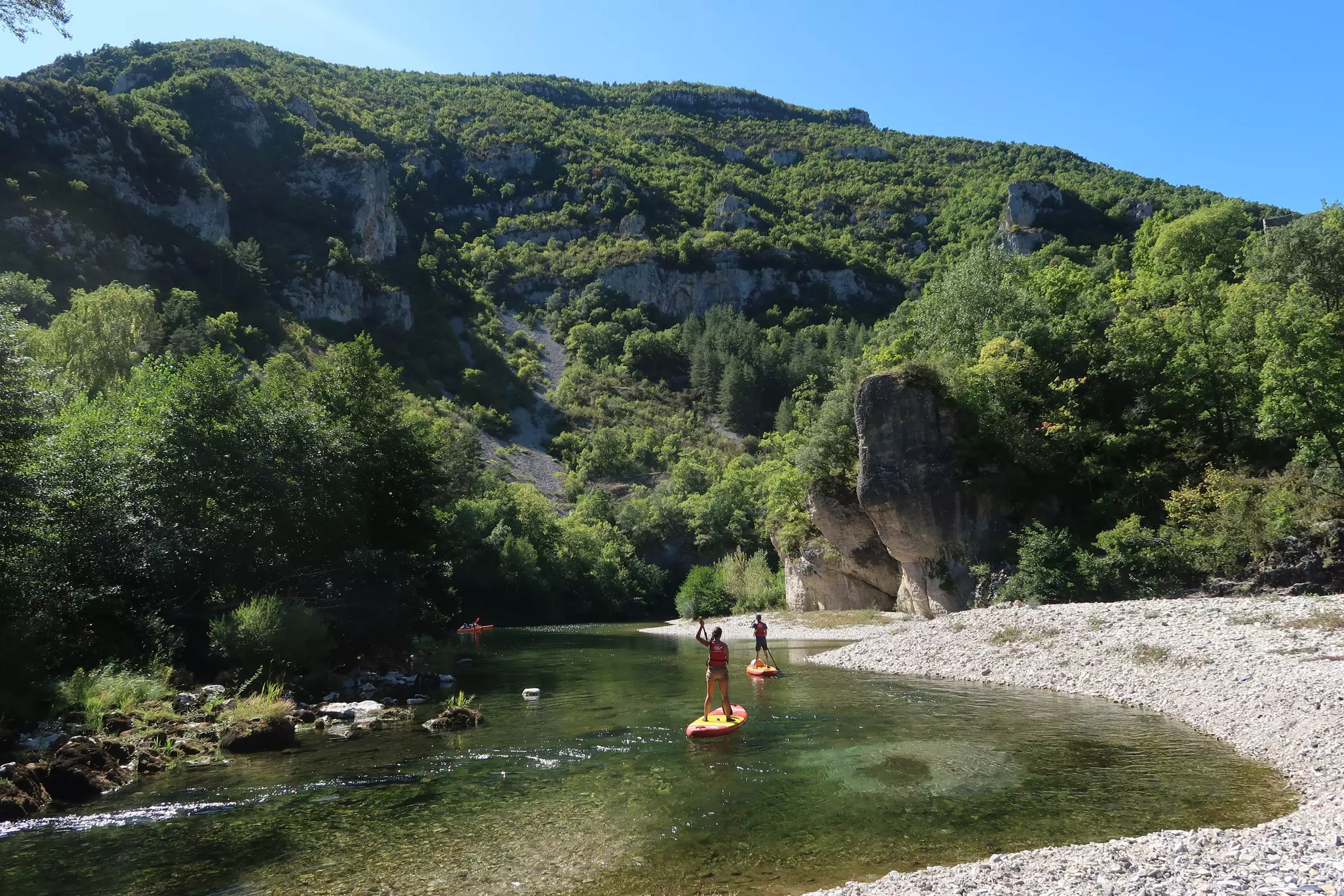
Road-trip to the Languedoc-Roussillon zone where the Cévennes mountains melt into the limestone Causses plateau to uncover central France’s most exhilarating natural wonder: Gorges du Tarn. Drive along the sinuous D907 balcony road, a route spectacularly wedged between overhanging rock and turquoise river, where every twist and turn casts new light on the dramatic gorge. Pick it up in the medieval village of Ste-Enimie. Pair the hair-raising drive with kayaking or canyoning and the stickiest cheese dish you’ll encounter on your entire French odyssey: aligot (mashed potato starring local tomme fraîche d’Aubrac hard cheese).
Detour: Drive an hour north into L’Aubrac to track down Buron de la Treille, the region’s last-remaining buron (shepherds’ stone hut) still making laguiole buron cheese. Tuck into aligot cooked up in a cauldron and tender Aubrac-breed steak at buron-turned-resto Buron de l’Aubrac.
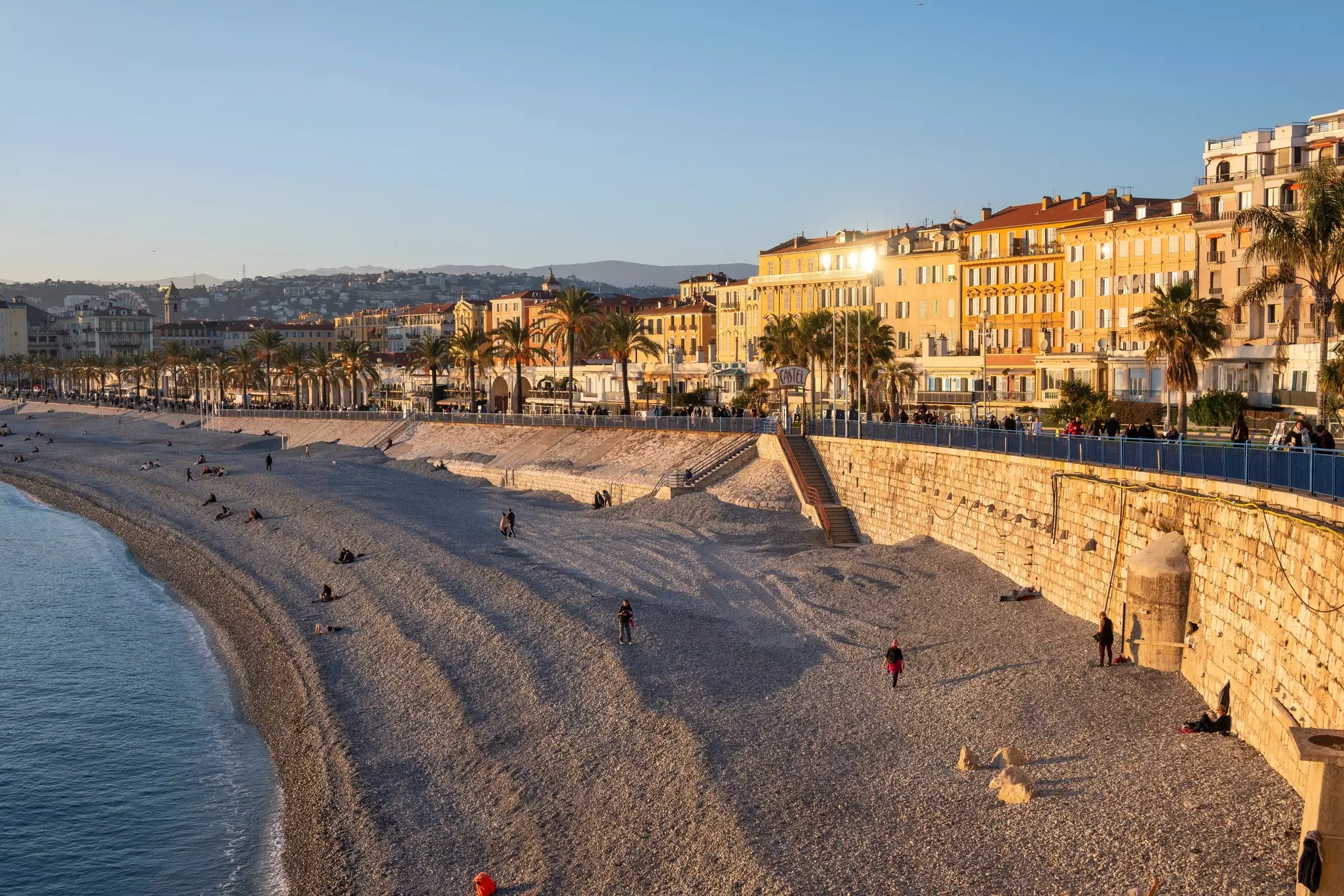
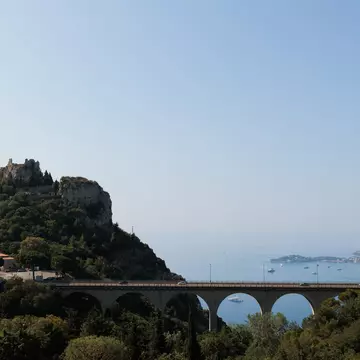
The Côte d'Azur (or French Riviera) sparkles with a kaleidoscope of pretty seaside towns, never-ending beaches, and rich local cuisine, and Nice is the perfect gateway to the region. Start by taking a long stroll along the glorious Promenade des Anglais and sampling street food staples like socca (a savory pancake) and pissaladière (pizza-like flatbread with caramelized onions, black olives and anchovies) on the narrow streets of medieval Vieux Nice. Climb Colline du Château hill to admire the fantastic Mediterranean blue from above and get a cultural fix at the superb Musée Matisse and Musée National Marc Chagall.
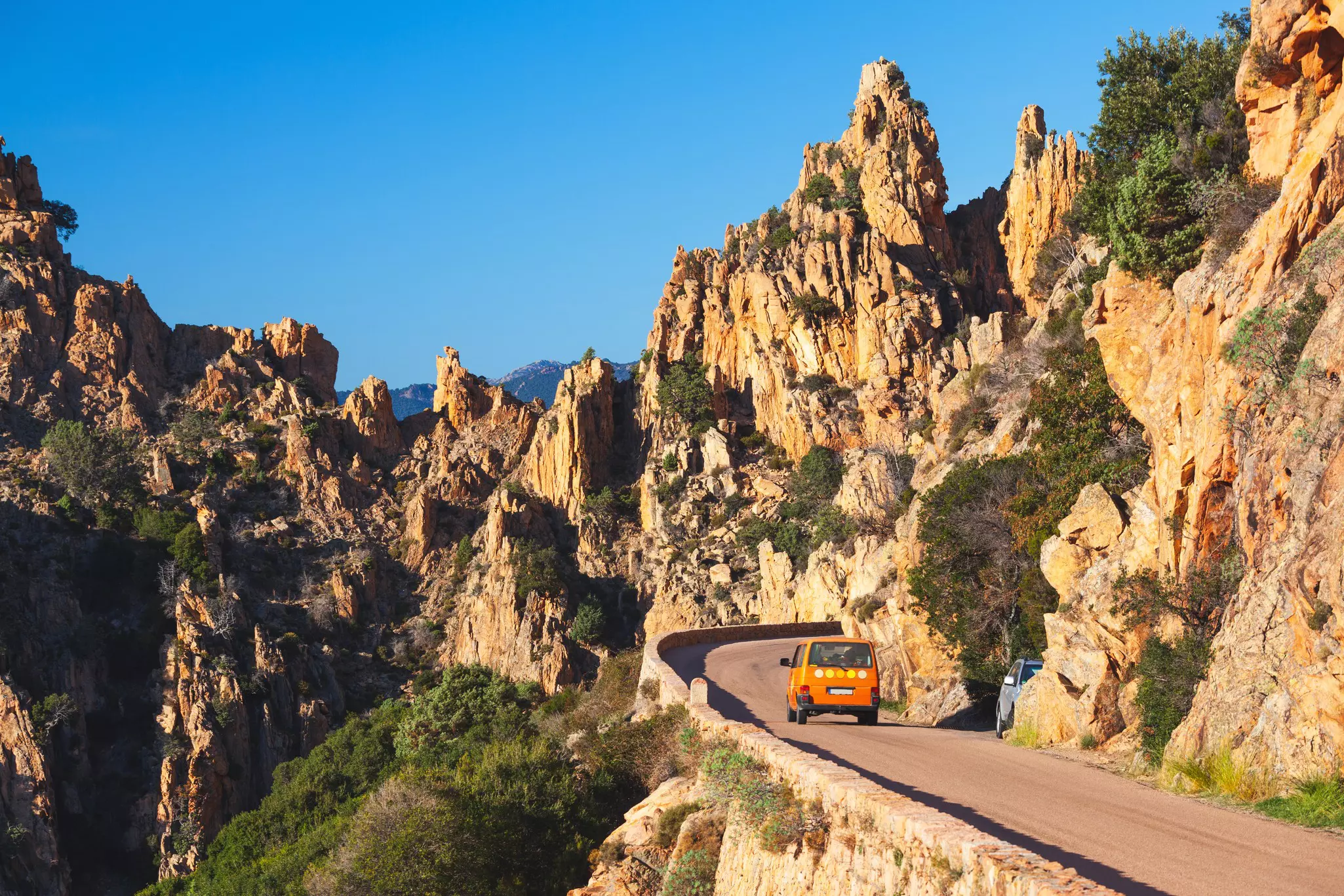
With its smorgasbord of mountains, valleys, gorges and rivers – not to mention those lofty châteaux, hilltop villages and lavish spread of vineyards – France was clearly created with road-tripping in mind. Hit the open road and take a leisurely journey to savor every vista.
There are many themed itineraries to choose from, including flowering mimosas (Côte d’Azur), Cathar castles (Languedoc), D-Day beaches (Normandy), Grand Crus wines (Burgundy), châteaux (Loire Valley), and volcanoes (Auvergne). The list is endless but these are some of the best:
Nice to Monaco: Driving doesn’t get more dazzling or chic than along the trio of corniches corkscrewing on this journey.
La Voie des Vignes: It’s a sensory thrill cycling through one of the world’s most famous vineyards.
Gorges de l’Ardèche: Spot vultures overhead and park up to enjoy an icy river dip.
Corsica: Journeys here are measured in hours, not kilometers – road-trip the entire island.
Route des Vines D’Alsace: From Marlenheim, the gateway to the Route des Vins, a well-marked country lane wriggles through soothing, beautiful scenery to medieval Molsheim, centered on a picture-perfect square.
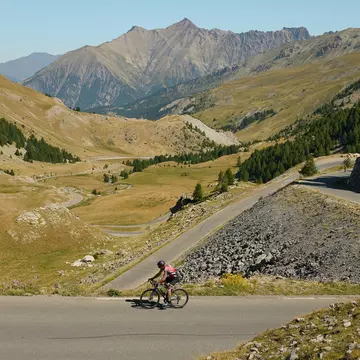
Local tip: Roads up to cols (mountain passes) can be perilously narrow, steep and sinuous. Pull over at signposted bélvedères (panoramic viewpoints) to swoon safely.
Book your France trip with Lonely Planet Journeys
See France how it's meant to be seen
Accommodations, activities and ground transportation all taken care of, so you can focus on the fun part. Tell us what your dream trip to France looks like, and our local experts will build it from scratch. Or start with one of our itineraries and make it your own.

Explore related stories