Oct 1, 202610 min read
Top Tips for Exploring Egypt on a BudgetDec 18, 2025
10 MIN READ

Writer
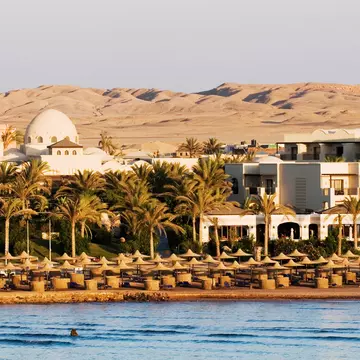
The Red Sea resort of Marsa Alam, Egypt. Naturfoto Honal/Getty Images

Writer
Highlights
Writer Monica Gerges picks 14 Egypt experiences from Cairo to the Red Sea.
In Cairo, eat kushari, wander Old Cairo's alleys and have breakfast at the Pyramids.
For adventure, hike the Sinai Trail with Bedouin guides or dive near Marsa Alam.
Temple-hop at Luxor's Karnak then float above the Theban hills by hot-air balloon at sunrise.
Lonely Planet may earn a commission from affiliate links on our site. All recommendations and reviews reflect our own independent opinions.
Whether Egypt's on your travel radar for the history, the adventure, the beaches or just the Pyramids, when it comes to things to do, you are spoiled for choice. One day you could be climbing the desert’s highest peak, the next you might be walking amid remnants of the world’s oldest civilization or diving into the depths of the Red Sea.
From cultural adventures in and around Cairo to hot-air balloon rides in Luxor, here's our guide to Egypt's very best experiences.
The king of Egyptian street food is kushari, a carb-heavy mix of noodles, rice, brown lentils and chickpeas, topped with crispy fried onions that you smother in tomato sauce, douse with garlicky vinegar and dab with hot sauce. Cheap, filling and tasty, kushari is the fuel that keeps Egypt going, and many Egyptians regard it as their national dish. For your first taste of it, head to Koshary Abou Tarek on Champollion St in Cairo.
Other foods to look out for include the basics: molokhia (jute mallow), kebda (liver), and sogo’ (sausage). More adventurous foodies should try mombar (stuffed sausage), makhasi (bull testicles) and shorbet kaware’ (cow’s foot soup).
Planning tip: For a more formal guided food tour, Bellies En-Route offers insider know-how on Cairo's classic dishes and street-food favorites, taking you to family-run canteens, a famed old-school coffee roaster and hole-in-the-wall stands selling ta'amiyya (Egyptian falafel) and fiteer (sweet or savory pastry).
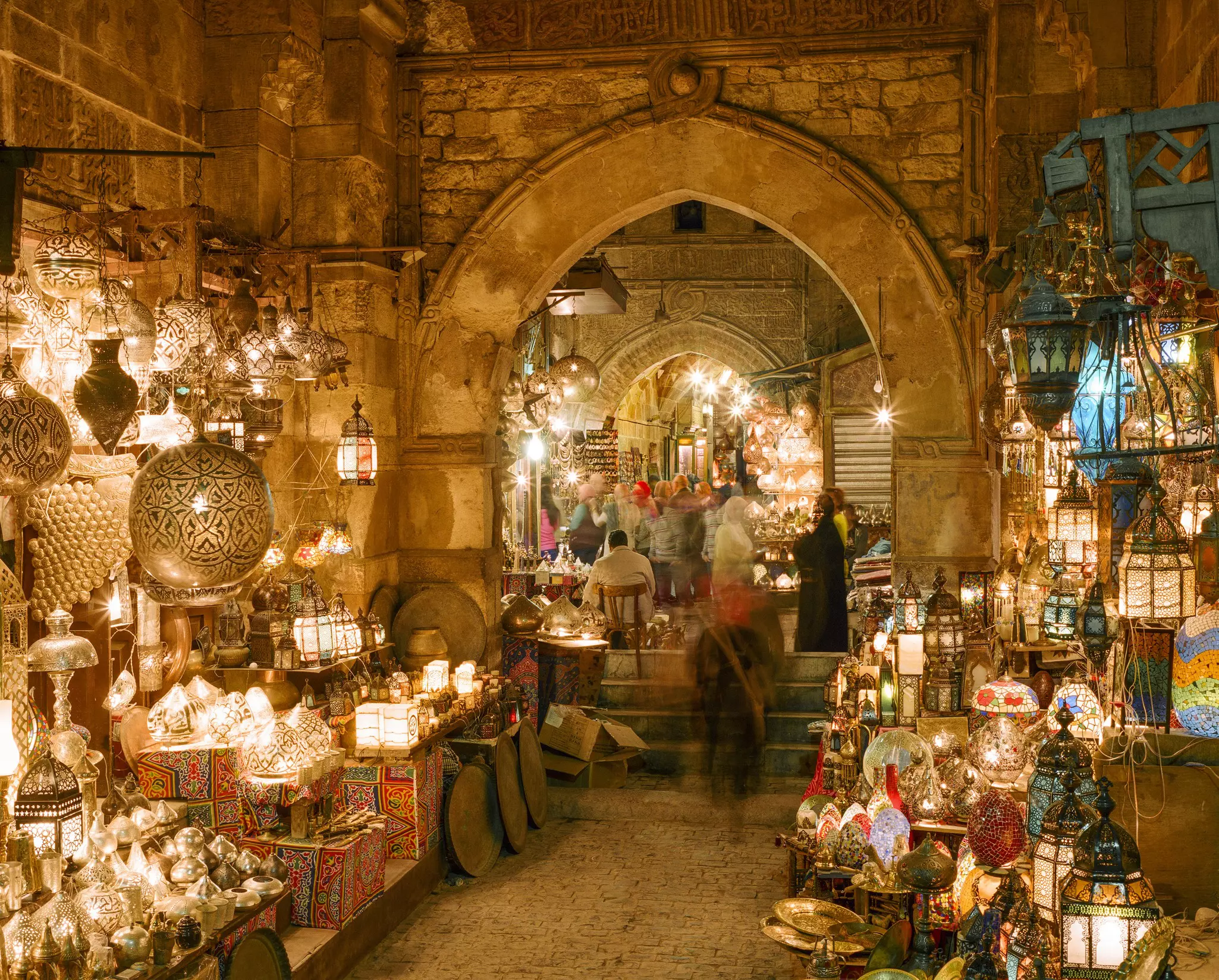
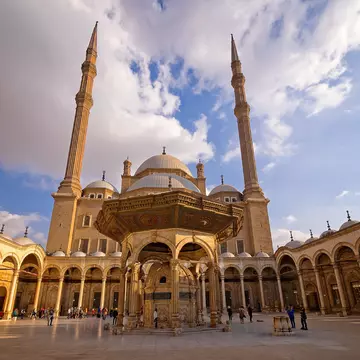
The ancient streets of Old Cairo are mazes of narrow alleys filled with monuments, mansions, museums and mosques. Start at El Moez St and soak in how the rich architectural, religious and cultural history fuses with the vibrant din of daily local life in this bustling neighborhood.
Walk until you reach the Khan Al Khalili bazaar where you can shop for everything from soap powder to ornate clothing and small trinkets. Then head to Bab Zuweila – one of three remaining gates from the Old City of Cairo.
Planning tip: Time your arrival to watch the sun setting over the ancient buildings from the towering minarets of Bab Zuweila – one of the best views you’ll find in the city.
Old Cairo is home to the beautifully restored Wekalet el Ghouri Arts Center that hosts a wide array of cultural events. Here you can see an unforgettable tanoura show – a whirling dervish performance that merges Egyptian folklore and Sufi spiritual chants. This colorful and mesmerizing 1-hour experience is a must-see for anyone visiting Cairo.
Planning tip: The show runs every Wednesday and Saturday evenings. Book tickets in advance through your accommodations or online with Get Your Guide.
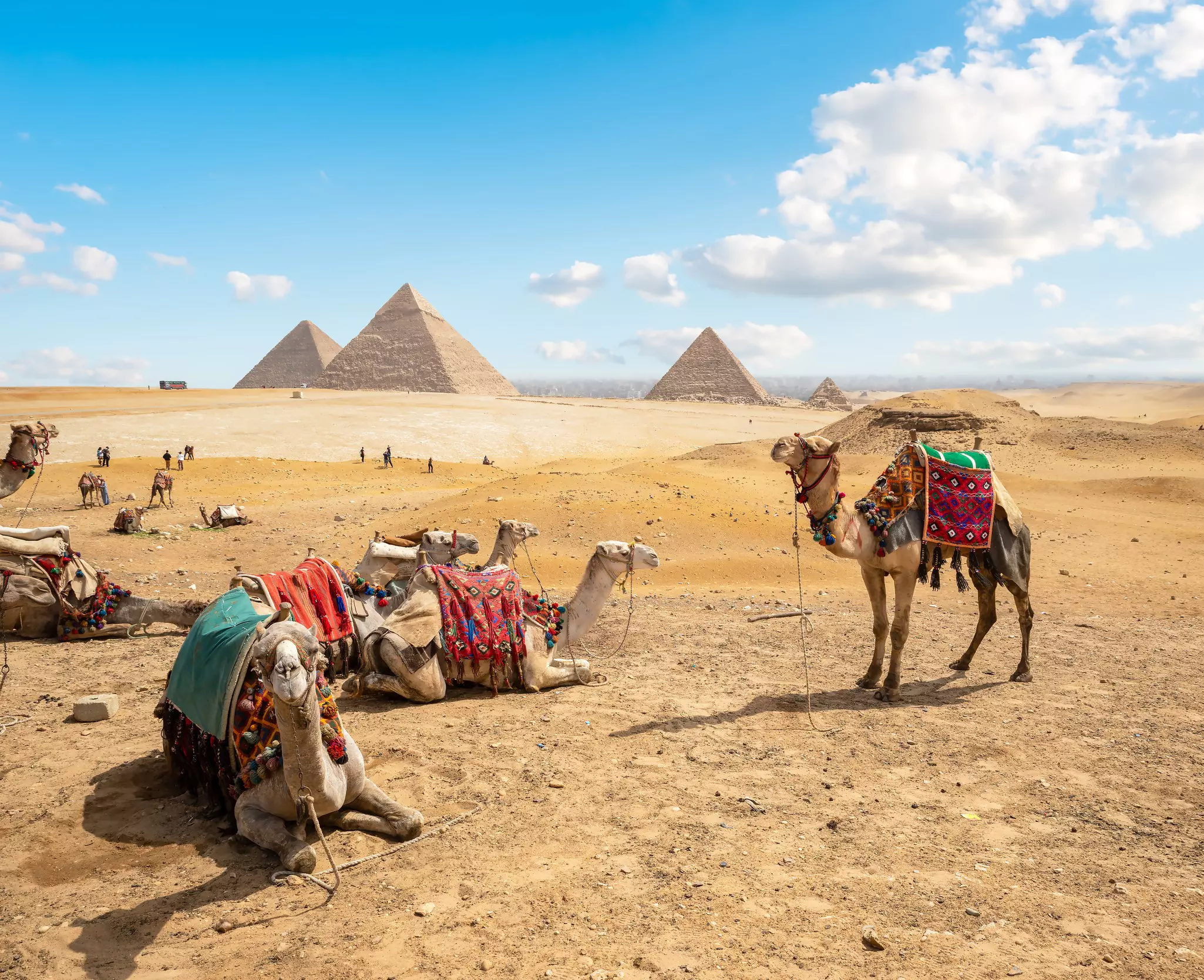
Kick your visit to the Pyramids up a notch with some falafel, hot mint tea and a vast picture-perfect panoramic view of this ancient wonder. Head to the 9 Pyramids Lounge for influencer-worthy photo ops and a solid Egyptian breakfast of freshly baked bread, feta cheese or a tahini salad.
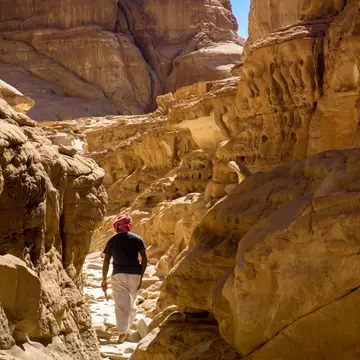
Experience Egypt’s most iconic mountain peaks and untrodden wildernesses by hiking alongside local Bedouin guides through the country’s two sister trails: the Sinai Trail and the Red Sea Mountain Trail.
The Sinai Trail is Egypt’s first long-distance hiking trail, a circuit that runs 550km through the territories of the eight Bedouin tribes of South Sinai. The 170km Red Sea Mountain Trail, located just outside the beachside resort town of Hurghada, showcases the best of the region’s inimitable beauty – from vast desert plains to deep gorges, and from crumbling Roman towns to prehistoric rock art and chapels of Egypt’s Desert Fathers.
Local tip: Both trails are sustainable tourism initiatives that directly support the local Bedouin communities by creating jobs and help keep the region’s traditional Bedouin knowledge, skills and heritage alive. Trails are divided into segments so you can choose whether to take between 2- and 5-day hikes as part of your trip.
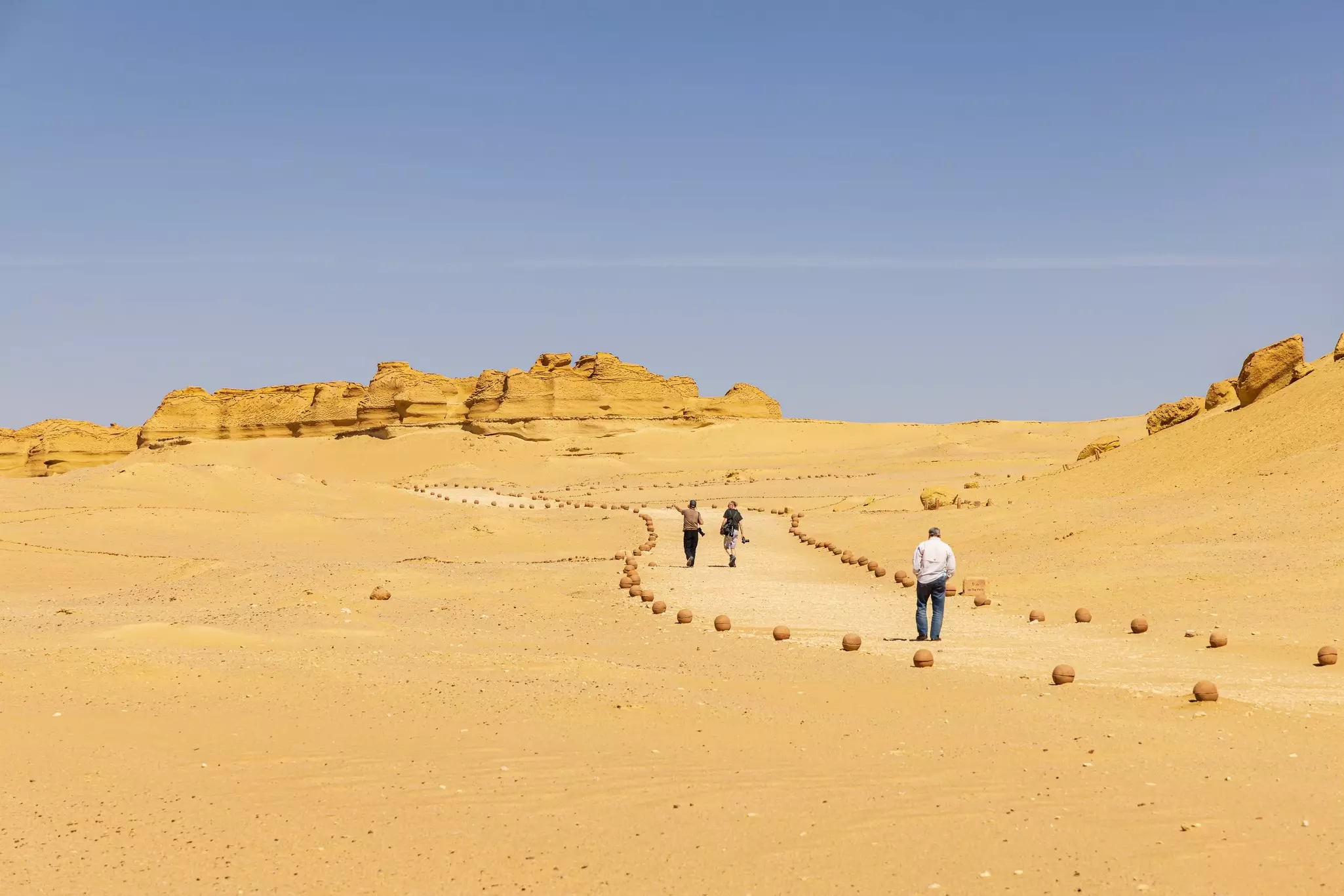
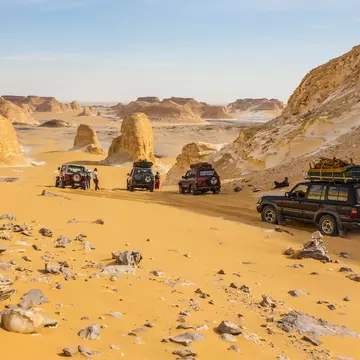
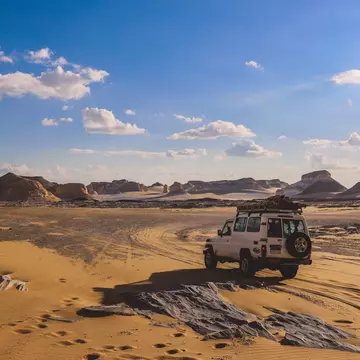
Disconnect from the mayhem of modern life with desert camping in Fayoum. Experience the dunes on a 4WD safari ride with stops at the Wadi Rayyan waterfalls and the crystal blue lakes in the middle of the desert. An hour's drive further on is Wadi Al Hitan (Valley of the Whales), one of the most important fossil sites in the world. Here, among castle-like bluffs and peculiar rock formations, lies a dune-swept graveyard of the carnivorous whales that roamed here in prehistoric times.
Top your visit off with a freshly prepared Bedouin dinner under the stars. For an optimal night of clear stargazing without light pollution, time your visit for when there’s no moon.
Planning tip: Wear comfortable walking shoes and bring a light jacket if your trip is in the summer; for winter, pack your whole closet – the desert gets cold at night. Fayoum is just 2 hours south of the capital, so this trip can easily be done as a weekend getaway from Cairo.
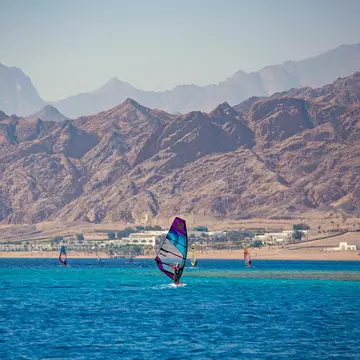
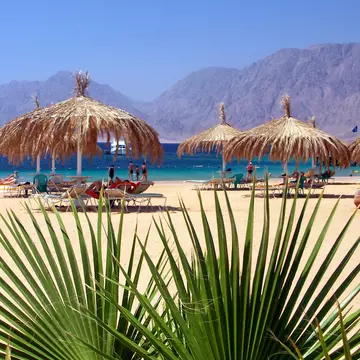
Time stands still at the turquoise Blue Lagoon. Located between the shadows of the Sinai Mountains and the crystal waters of the Red Sea, it has flat waters, a shallow sandy bottom and consistent strong winds, making this a kitesurfer’s paradise.
Novices can book a private kitesurfing course upon arrival. If you’re not into kitesurfing, the Blue Lagoon is a perfect spot to do absolutely nothing by laying on the beach, enjoying the sea and serenity.
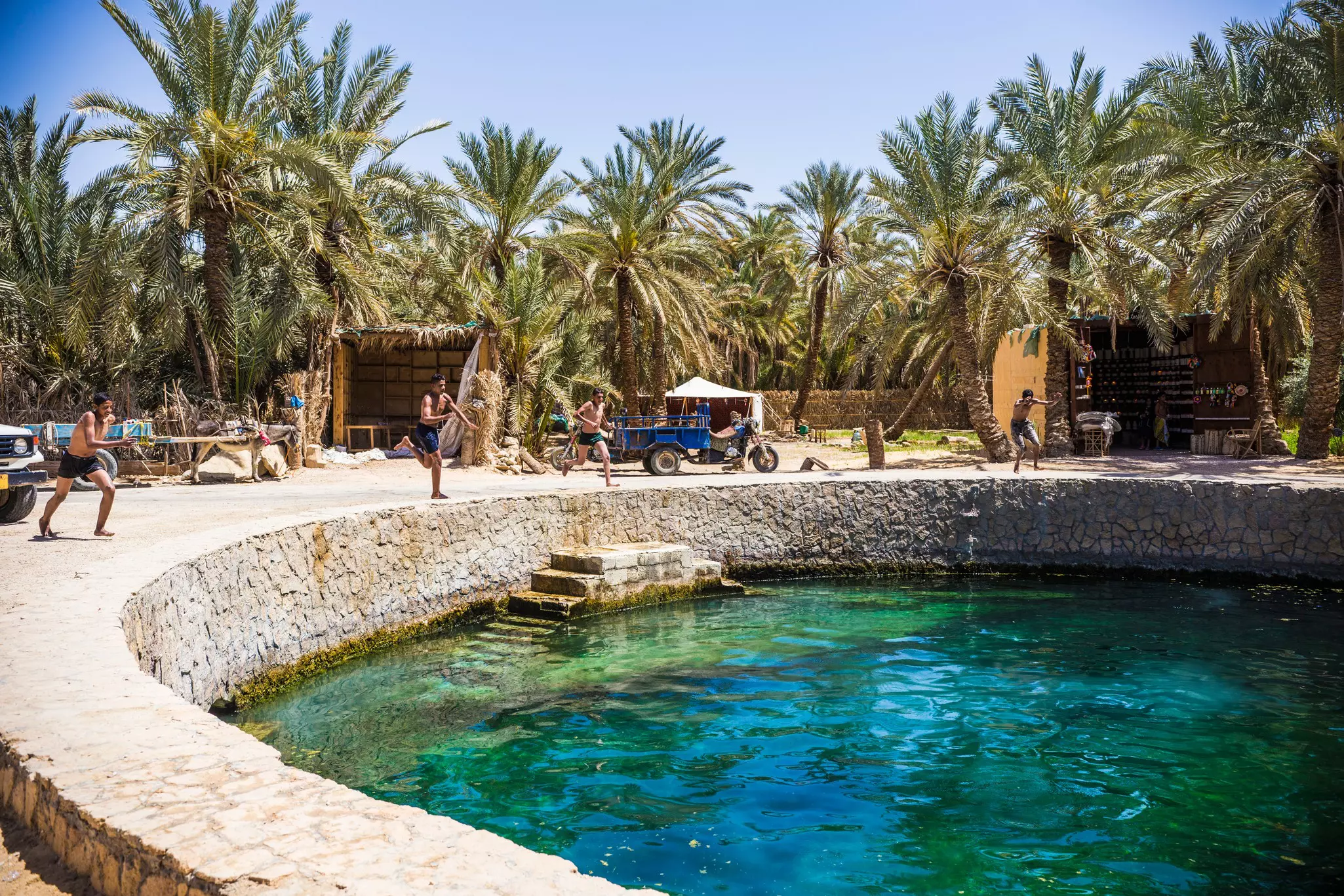
Picture this: floating in a perfect pool of crystal blue waters in the middle of the desert, surrounded by shimmering towers of sea salt. The Siwa’s salt lakes have long been a treasured local spot. Float effortlessly in an otherworldly pool with one of the highest salt to water ratios that’s not just picture-perfect, but it's said to clear sinuses and treat infections.
Siwa Oasis is dotted with hundreds of turquoise salt pools – a stark contrast against the oasis’ palm greens and desert yellows, all laid against the backdrop of stunning sunsets that earned it the title of Sunset Oasis.
Local tip: Keep a few bottles of clean water with you to wash the layers of salt off your body and avoid any skin irritation. Or, even better, go for a dip in Cleopatra’s Spring, a delightful oasis within an oasis, surrounded by date palms and cafes.
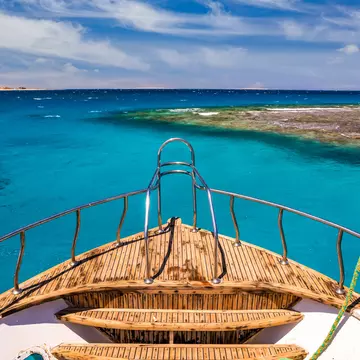
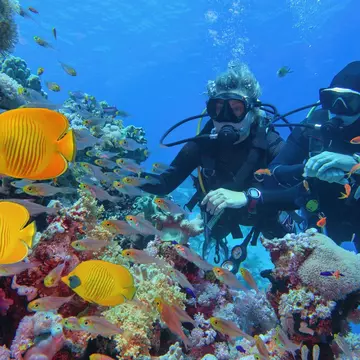
Marsa Alam is great base for divers looking to discover the riches of the Red Sea. It's on the doorstep of Wadi Gimal National Park, which includes 2100 sq km of marine territory. With 450 species of coral supporting 1200 types of fish, this haven of aquatic life attracts divers from around the world.
Marsa Shagra is one of many highly organized, well-run resorts along the Marsa Alam coastline. This outfit outperforms most in its dedication to preserving the underwater environment. Nearby Elphinstone Reef, a diver’s favorite for its steep walls of soft coral and gorgonian fans, is frequented by seven species of shark.
Around 130km to the south of Marsa Alam, horseshoe-shaped Sataya Reef ranks as one of the most beautiful dive spots on the planet, with colorful corals and abundant pods of spinner dolphins. This wonder of the natural world is suitable for snorkelers.
Planning tip: The team at Red Sea Diving Safari has worked for 30 years with local agencies to build an envionmentally friendly diving model that actively protects the reefs in front of its camps. It has three sites along the Red Sea, each offering diving tours and packages.
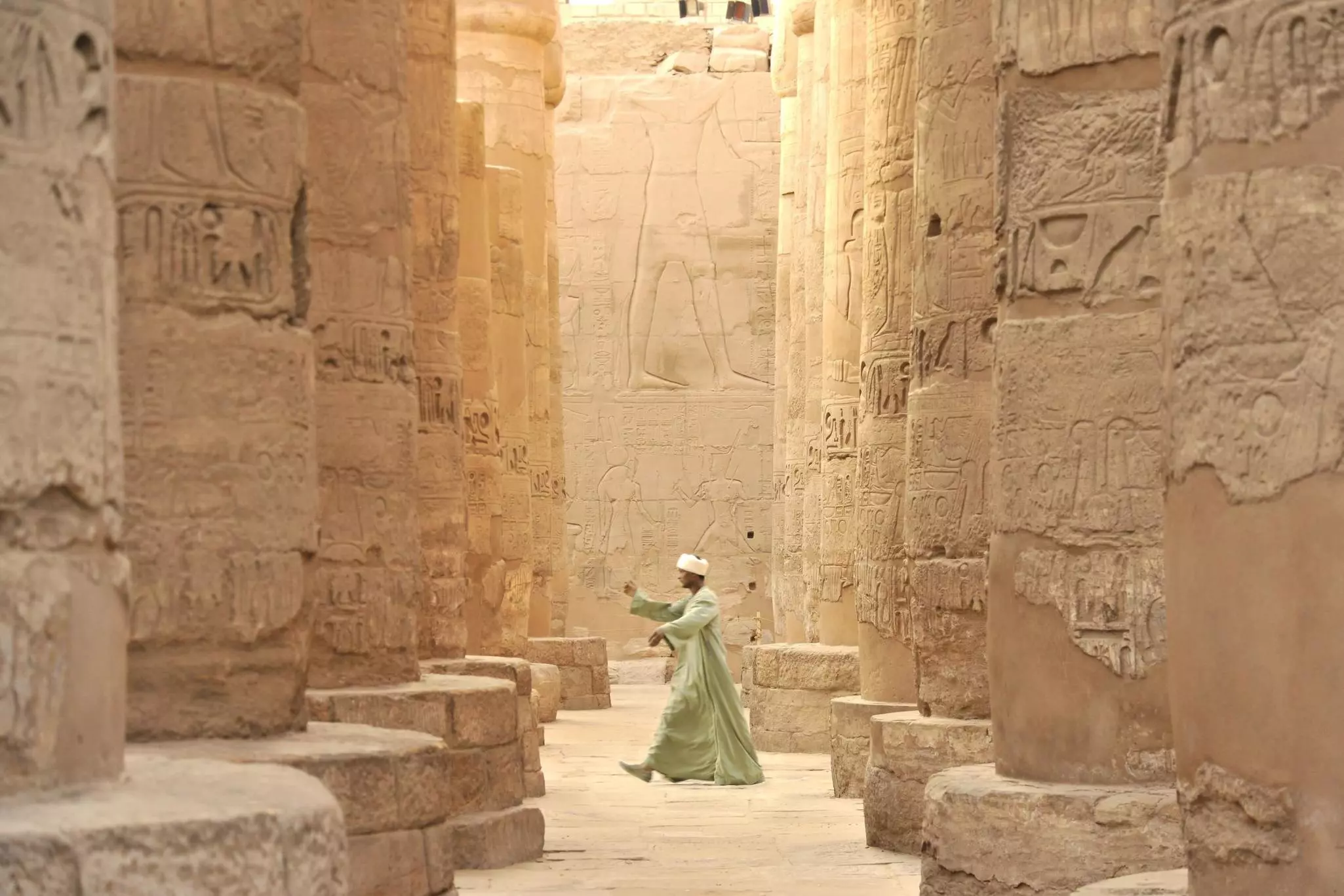
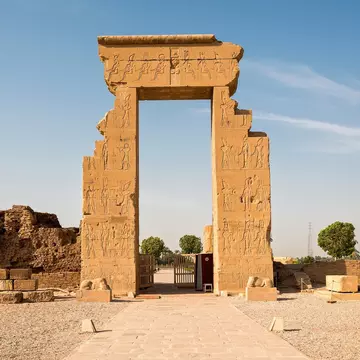
Luxor, the world’s greatest open-air museum, is a testament to the ancient Egyptian civilization through its sheer wealth of temples and monuments.
Begin your temple-hopping at the Temple of Karnak – the perfect manifestation of pharaonic ambition. A few kilometers southwest of Karnak is the stunning Luxor Temple. If you can, visit at night when the temple lights are turned on. About 40 minutes northwest of the Luxor Temple lies the Valley of the Kings – a popular tourist destination that includes the tombs of Ramses III, Seti I and Ay.
At the southern portion of the Theban hillside and about 7km from the Valley of the Kings is the Valley of the Queens. This 75-tomb area includes the final resting places of Nefertari and one of the five wives of Ramses II.
Detour: Other major points along the way include: Queen Hatshepsut’s Temple, the Luxor Museum and Ramses III’s Medinat Habu on the West Bank.
Dozens of balloons take to Luxor’s skies every day at dawn for a view that’s breathtaking. Despite slightly chaotic appearances, Luxor ballooning is carefully regulated and involves licensed pilots, traveler manifests and approvals by the Civil Aviation Authority.
Brace yourself for a 3am wake-up call and head to the launch site where around 50 balloons will be inflated by blasts of fire. Slowly, as the balloons disperse, watch the sun rise and light up the Theban hills, local farms and ancient monuments. See the Nile River glistening in the distance and wave at locals watching from their balconies.
Planning tip: Balloons fly in two shifts: at sunrise (the most popular time) and 1 hour later. The second shift may be less romantic, but the colors are more intense.
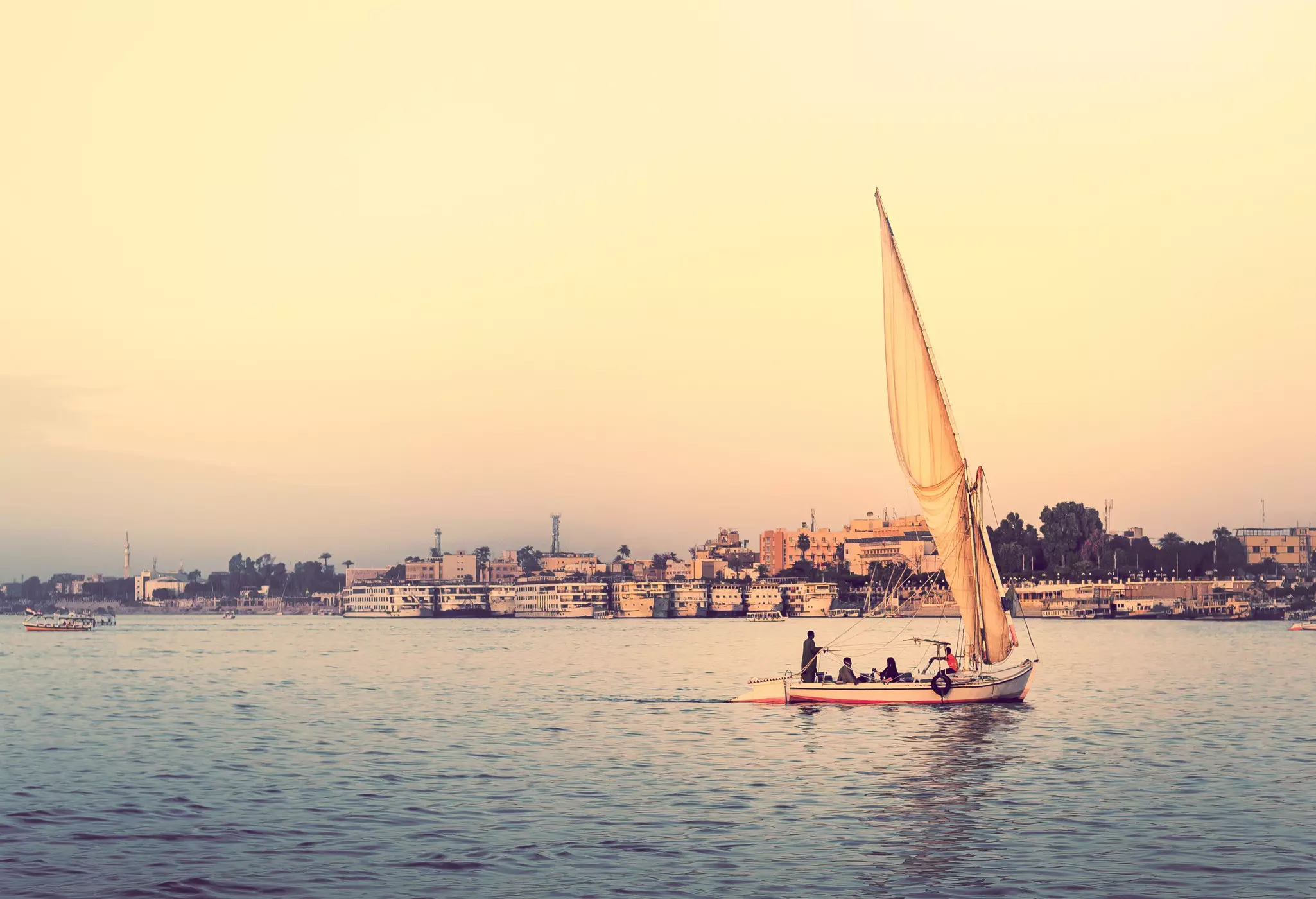
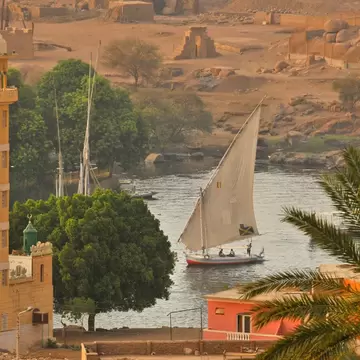
The world’s longest river is best experienced floating peacefully in a felucca (traditional wooden sailboat) at sunrise or sunset, whether you’re in Cairo or Aswan or anywhere in between.
In Cairo, docks line the corniche in Maadi, Zamalek and Garden City, and give you a gorgeous view of the Cairene skyline; if you’re in Aswan, feluccas are your go-to mode of transportation between the city’s 20 islands. Either way, grab a few friends, snacks, and drinks and spend some time taking in the stunning serenity of the Nile.
Dahab, South Sinai’s token beach town, is ideal for divers and snorkelers to experience mind-blowing marine life. If you're not already a qualified diver, you can start your certification process at one of Dahab’s many dive centers.
A few kilometers north of Dahab is Egypt’s Blue Hole, a submarine sinkhole that drops straight down to a depth of over 100m, and attracts experienced divers from all over the world. It’s a fascinating but risky dive that’s unfortunately claimed many lives, and it should be left to pro and advanced divers only.
Come for the view, stay for – well, the view. This medieval-style castle that’s actually a slow-food restaurant, is nestled between Sinai’s signature mountains and lies somewhere between Nuweiba and Taba by the Gulf of Aqaba – an unparalleled vantage point across the Red Sea that spans the shores and mountains of Egypt, Jordan, Israel, and Saudi Arabia.
Castle Zaman doesn't offer overnight accommodations and visitors should only come with a paid-for meal booking. Arrive 2 hours ahead of your meal to make use of its amenities, such as the pool and sauna, before enjoying a slow-cooked lunch or dinner that includes items like a meat tagine or the catch of the day.
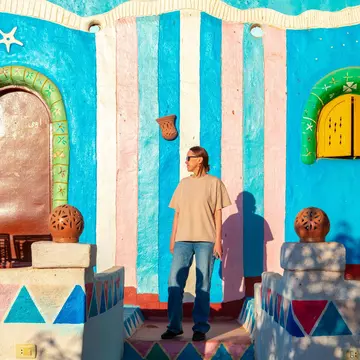
Planning tip: And for an overnight stay, head to Dayra Camp, a collection of wildly decorated straw huts and wooden bungalows located in the coastal town of Nuweiba, just 23km away.
Book your Egypt trip with Lonely Planet Journeys
See Egypt how it's meant to be seen
Planned by local experts and tailored to you, Lonely Planet Journeys handles the logistics so you can just enjoy the trip. Tell us what you want and we'll build your Egypt itinerary from scratch, or browse our bookable trips to get inspired.


Explore related stories