Things to do in Ecuador
-
A
Magic Bean
Long the epicenter of the Mariscal, the Magic Bean serves a variety of well-prepared breakfasts, lunches, juices and snacks for the ever-present crowd of hungry travelers.
reviewed
-
B
Gulliver Tours
Well regarded operator offering trekking, climbing, mountain-biking and horseback-riding trips in the Andes. Excellent prices, daily departures. Does Cotopaxi, Ilinizas, Quilotoa and more. Most daytrips cost around US$30 to around US$45 per person. Five- to seven-day Cotopaxi trips with acclimatization programs are based out of its Hostería PapaGayo.
reviewed
-
Old Town
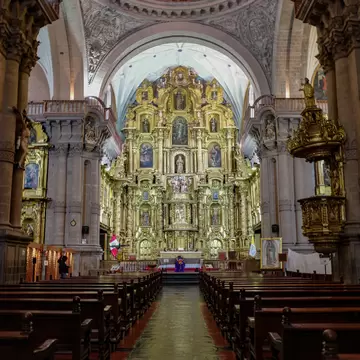
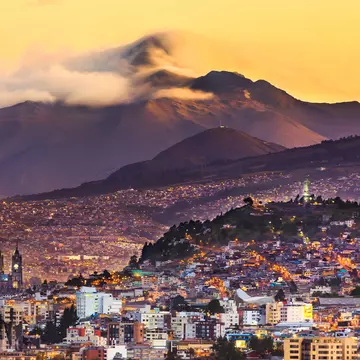
If you're short on time head straight to the old town. It's here that Quito distinguishes itself from all other cities in the world. Be certain to see the Plaza and Monastery of San Francisco, the Plaza de la Independencia (Plaza Grande), La Compañía de Jesús and the Museo de Arte Colonial.
With its narrow streets, restored colonial architecture and lively plazas, Quito's Centro Histórico (aka the old town) is a marvel to wander. Built centuries ago by indigenous artisans and laborers, Quito's churches, convents, chapels and monasteries are cast in legend and steeped in history. It's a bustling area, full of yelling street vendors, ambling pedestrians, tooting taxis,…
reviewed
-
C
Moliendo Café
From Ecuador’s neighbors to the north, the hearty arepas (maize pancake) are a specialty here. Topped with anything from beans and cheese to slow-cooked pork, they go well with cold beer or a strong Juan Valdez. Whether you get a little or a lot, it’s essentially old-fashioned comfort food, Colombian-style.
reviewed
-
D
Tiestos
Though a hair on the pricey side, one reader claimed they're the best steaks in Ecuador. Formerly known as Las Brasas de San Juan, this grill house is lovely, the owners are friendly and you definitely get what you pay for. Pizzas and pastas too.
reviewed
-
Language Courses
Studying Spanish is the perfect excuse for a prolonged stay in Quito. There are more than 80 Spanish schools in Quito, with classes for all levels. Courses can last anywhere from a couple of days to months or more. Most schools offer one-on-one instruction and can arrange accommodations with local families. Make sure you get what you want by visiting several schools before deciding. Rates for private lessons vary. Some charge an inscription fee.
Recommended schools include: Beraca, Bipo & Toni's, Ecole Idiomas, Guayasamín Spanish School, San Francisco Language Institute and Vida Verde.
reviewed
-
E
Museo Guayasamín
In the former home of world-famous painter Oswaldo Guayasamín (1919–99), this wonderful museum houses the most complete collection of his work. Guayasamín was also an avid collector, and the museum displays his outstanding collection of more than 4500 pre-Colombian ceramic, bone and metal pieces from throughout Ecuador. The pieces are arranged by theme – bowls, fertility figurines, burial masks etc – rather than by era or cultural group, and the result is one of the most beautifully displayed archaeological collections in the country.
reviewed
-
F
Café Eucalyptus
The irreverent Eucalyptus menu proudly declares that it doesn’t serve ‘customs officials, crazy bus drivers, or airline executives.’ For the rest of us, dozens of Cuban, Vietnamese, Spanish and other reliably delicious international dishes are served at cozy tables near roaring fireplaces, and an extensive variety of wines and beers flow from the gorgeous bar. This wonderful restaurant should cure any gringo’s hankering for home, and, thankfully, it still serves guidebook writers.
reviewed
-
G
TelefériQo
For spectacular views over Quito’s mountainous landscape, hop aboard the telefériQo, a multimillion-dollar sky tram that takes passengers on a 2.5km ride up the flanks of Volcán Pichincha to the top of Cruz Loma. Once you’re at the top (a mere 4100m), you can hike to the summit of Rucu Pichincha (4680m), an approximately three-hour hike for fit walkers. Don’t attempt the hike to Rucu Pichincha until you’ve acclimatized in Quito for a couple days.
reviewed
-
Casa Hood
Named for owner Ray Hood, a long-standing gringo in residence, this excellent café has nourishing breakfasts, a $2 almuerzo (set lunch) and a menu of Thai, Mexican and Middle Eastern dishes. The Casa is a welcoming place to eat, exchange books, meet with friends, chill solito (alone), and even take yoga classes.
reviewed
Advertisement
-
Garrapata
This popular outdoor restaurant serves substantial meat, seafood and chicken dishes with Italian and Ecuadorian flavors. Good wine, nice shore breezes and a pebble floor make it an attractive place for the night.
reviewed
-
Misahullí Tours
Carlos Lastra runs one- to four-day tours on the Upper Río Napo for $35 per day. He’s experienced and well respected. Located on the plaza.
reviewed
-
H
ChaCha
This cheap Argentine eatery serves pizza, pasta and empanadas at outdoor tables. Readers and travelers continually recommend it.
reviewed
-
Instituto Superíor de Español
Instituto Superíor de Español receives high marks from travelers. It can also arrange family homestays.
reviewed
-
Marea
Down a side street towards the beach is Marea, the place for brick-oven pizza.
reviewed
-
Uncle Ho’s
Sleek and slender, Uncle Ho’s whips up tasty bowls of pho (noodle soup), sea bass with chili and lime over rice noodles, glazed spare ribs and other Vietnamese hits. Eat at the counter or grab an outdoor table on the quiet street in front.
reviewed
-
I
Café Austria
Every caffeinated drink known to humankind, dainty Austrian cakes, pressed sandwiches and goulash make for a great menu at this Austrian-owned café. English-language newspapers are always available.
reviewed
-
Craft Market
Vendors hock an astounding array of wares at the crafts market on Plaza de Ponchos each and everyday, but Saturday is the principal market day, when the roads jam with visitors and the food market and household goods stalls overflow into adjacent streets.
Plaza de Ponchos is the nucleus of tourist activity, with its staple of woolen goods - such as tapestries, blankets, ponchos, thick hooded sweaters, scarves, gloves, hats and alpaca goods from other regions - in addition to embroidered blouses, hammocks, carvings, jewelry, original paintings and struggling Guayasamín imitations, knit finger puppets, clay pipes, fake shrunken heads, handbags and woven mats. The mostly…
reviewed
-
Parque Nacional Cotopaxi
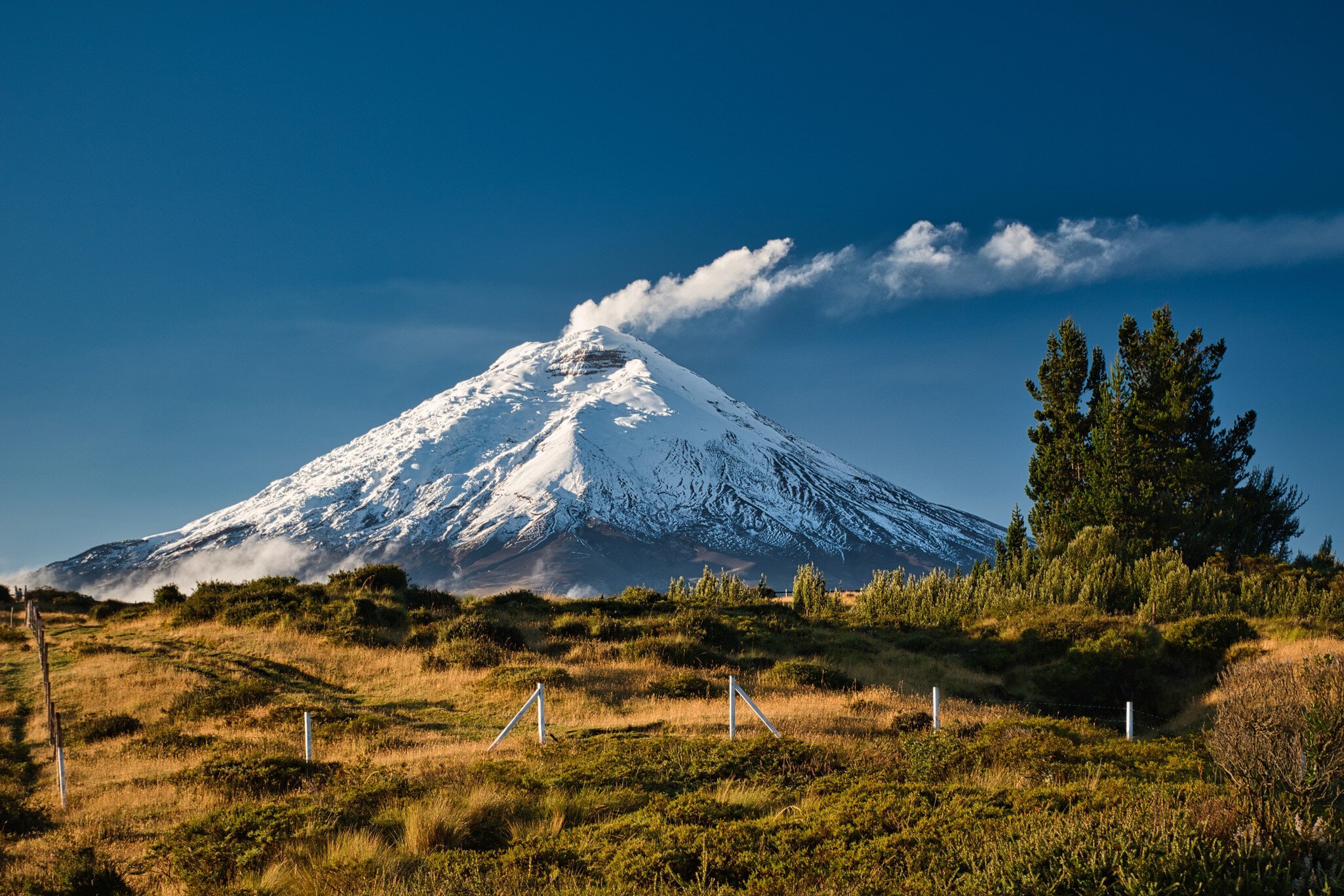
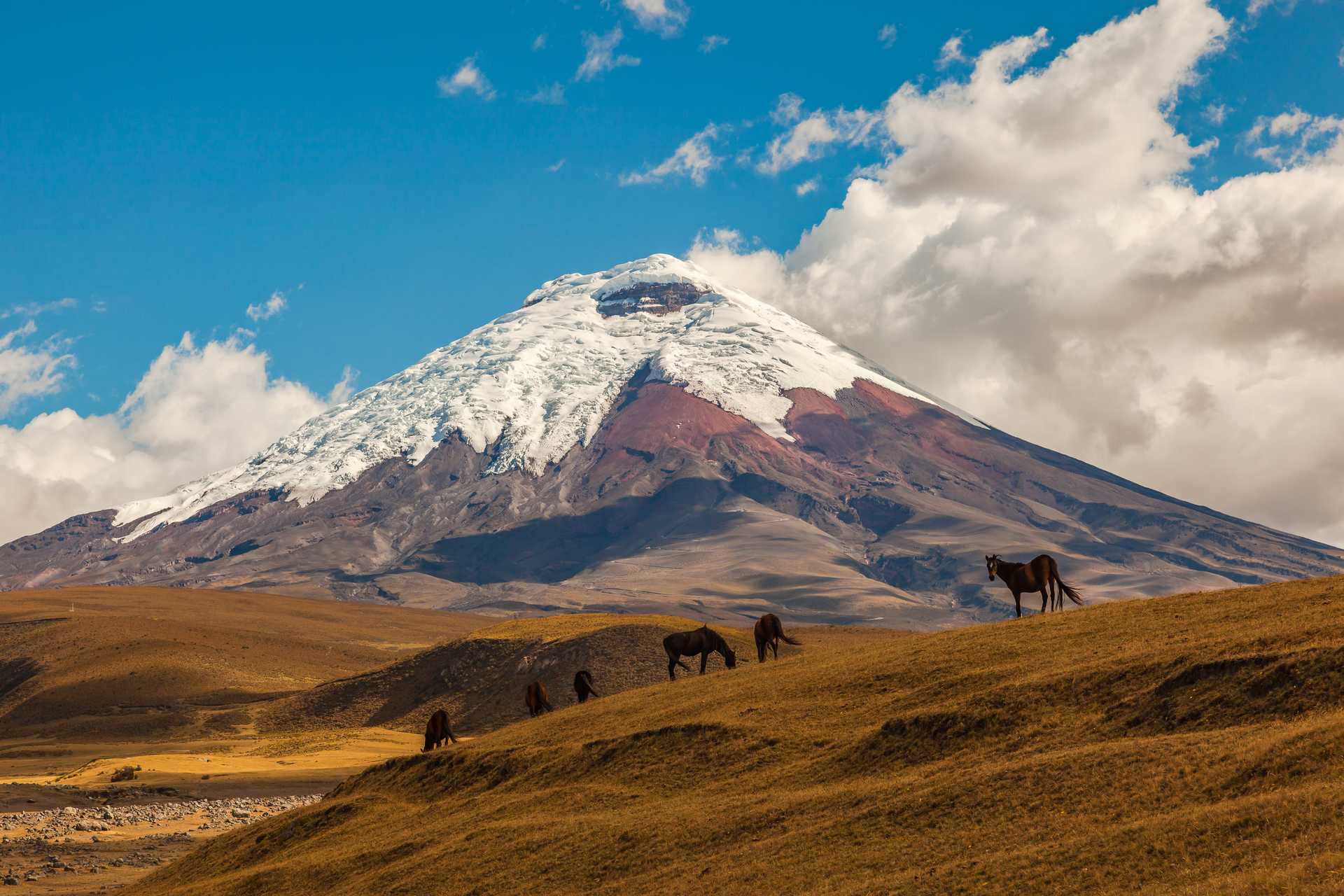
The centerpiece of Ecuador's most popular national park is the snowcapped and downright picture-perfect Volcán Cotopaxi. At 5897m (19,347ft), it's Ecuador's second-highest peak. Around the volcano, you'll find outstanding hiking opportunities and wildlife such as the Andean condor, white-tailed deer, little red brocket deer and wily colpeo (Andean fox).
Within the 33,393 hectares (82,516 acres) of national park, there are a handful of fabulous old haciendas offering everything from horseback riding to guided climbs of Cotopaxi itself. The park also offers a good look at the páramo (Andean grassland) and the views everywhere are sublime.
Keep an eye out for the rare…
reviewed
-
J
Parque Bolívar
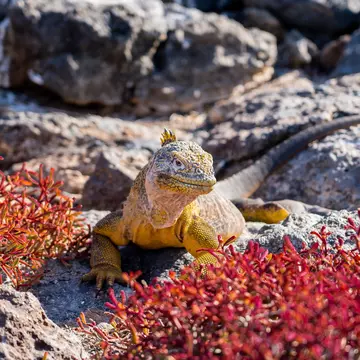
Guayaquil may be the only city in the world that has land iguanas, some over a meter in length, living downtown. These prehistoric-looking animals, a different species from those found in the Galápagos, are a startling sight in one of Guayaquil's most famous plazas, Parque Bolívar which is also known as Parque Seminario. Around its small ornamental gardens are many of Guayaquil's first-class hotels. On the west side of the park is the cathedral, and a block south you'll find the Museo Municipal and the municipal library. The archaeology room on the ground floor has mainly Inca and pre-Inca ceramics, and several figurines from the oldest culture in Ecuador, the Valdivia (c…
reviewed
Advertisement
-
Parque Histórico Guayaquil
Historic Williamsburg meets the zoo at this large park across the Guayaquil–Durán bridge, on the east side of Río Daule. The park is divided into three ‘zones’: the Endangered Wildlife Zone, which has 45 species of bird, animal and reptile in a seminatural habitat; the Urban Architecture Zone, which has a restaurant and showcases the development of early-20th-century architecture in Guayaquil; and the Traditions Zone, which focuses on local traditions, with an emphasis on rural customs, crafts and agriculture.
reviewed
-
Museo Pumapungo
Cuenca’s most important museum, Museo Pumapungo has an entire floor of colorfully animated dioramas displaying traditional costumes of Ecuador’s diverse indigenous cultures, including Afro-Ecuadorians from Esmeraldas province, the cowboy-like montubios (coastal farmers) of the western lowlands, several rainforest groups and all the major highland groups. The finale features five rare and eerie tzantza (shrunken heads) from the Shuar culture of the southern Oriente.
reviewed
-
Expediciones Julio Verne
Expediciones Julio Verne is a respected Ecuadorian-Dutch-owned, full-service operator offering affordable, two-day summit trips to Chimborazo and other peaks, as well as to the Oriente and Galápagos. The company arranges guided hikes, rents out climbing and hiking gear and offers clear information without pressuring customers. It also offers downhill mountain biking on Chimborazo (their routes are good for kids about ten years and up) and tons of interesting tours in the region.
reviewed
-
K
Malecón 2000
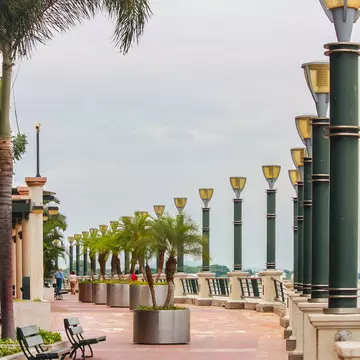
Malecón 2000, one of the most extensive urban-renewal projects in South America, is made up of ponds, playgrounds, sculptures, gardens and river views. From its southernmost point at the Mercado Sur to Cerro Santa Ana and Las Peñas in the north, the malecón stretches 2.5km along the bank of the wide Río Guayas. It’s a gated, policed public space with restaurants, a museum, a performance space, an IMAX movie theater and a shopping mall.
reviewed
-
L
Parque El Ejido
Northeast of La Alameda, the pleasant, tree-filled Parque El Ejido is the biggest park in downtown Quito. It's a popular spot for impromptu games of soccer and volleyball. The north end of the park teems with activity on weekends, when open-air art shows are held along Avenida Patria. Just inside the north end of the park, artisans and crafts vendors set up stalls and turn the sidewalks into Quito's largest handicrafts market.
reviewed