
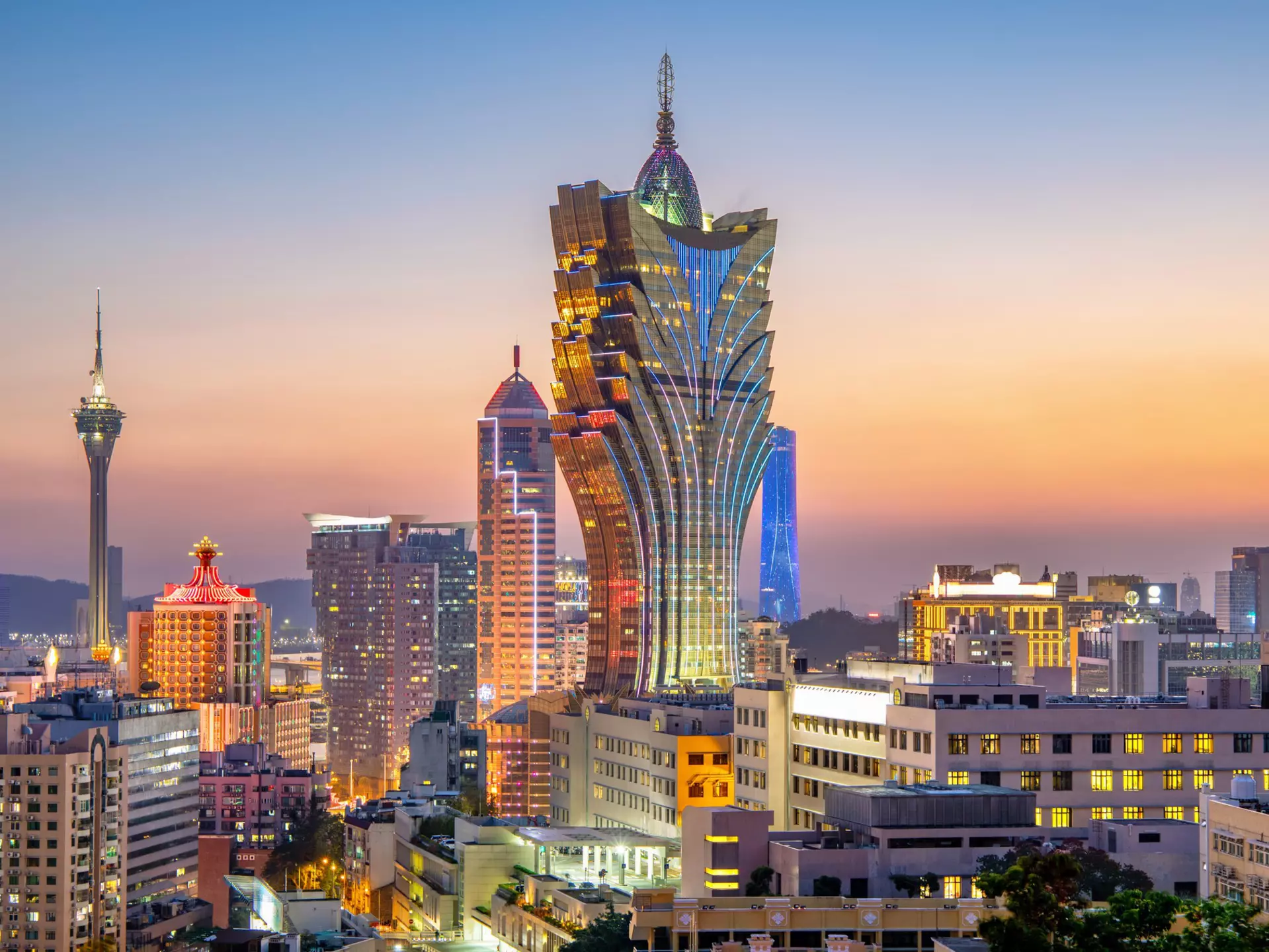
Located an hour west of Hong Kong, Macau dazzles with casinos and luxury. Once a sleepy fishing village and a Portuguese colony for over 400 years, Macau has been transformed through land reclamation, expanding its size and adding glitzy areas like Cotai.
The 1974 completion of the Governor Nobre de Carvalho bridge linked Taipa to the main peninsula, making it a gateway to Cotai’s gambling hub.
Today, Macau, like Hong Kong, is a Special Administrative Region with its own government and currency. Portuguese influences are evident in its cuisine and architecture, from colorful facades and Macau temples to Macanese dishes like dim sum and pastéis de nata(Portuguese egg tarts).
Beyond the bright lights and slot machines of the Cotai strip, you’ll encounter an array of Macau attractions, includingancient temples, Chinese architecture, colonial buildings and the area’s natural beauty. These 19 best things to do in Macau highlight the finest must-see landmarks and unique experiences across the island.
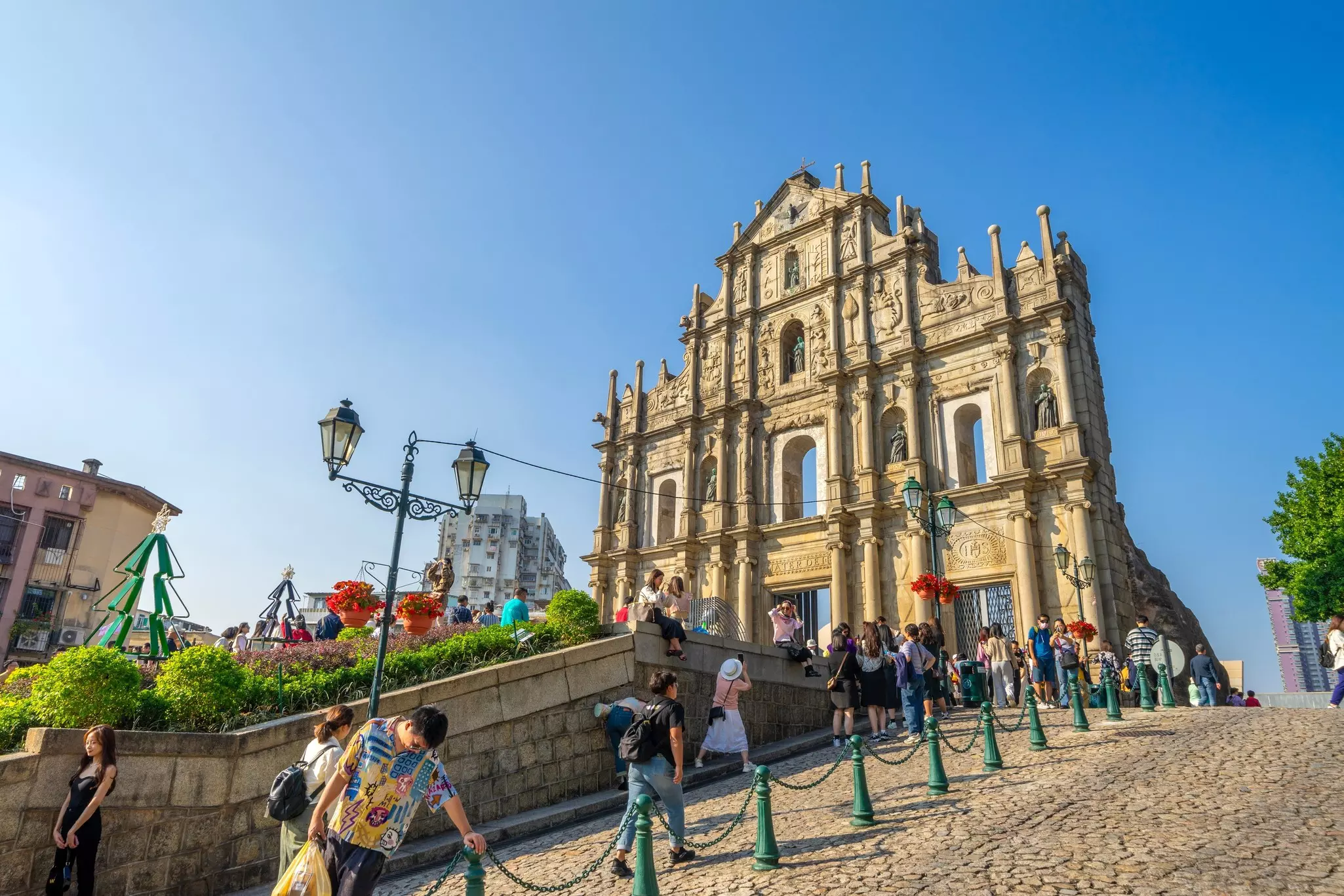
1. Explore the Ruins of St Paul's
One of the most famous landmarks in the historic center of Macau, the Ruins of the Church of St Paul are all that’s left of a Jesuit church that was built in 1602 and destroyed by fire in 1835. Once the largest Catholic church in Asia, the well-preserved facade features remarkable statues, portals and engravings that tell the story of Macanese history and culture of the 16th century. To grasp the church’s immense scale, stand at the 19th-century neoclassical Company of Jesus Square.
Be sure to climb the steps to explore ruins leading to the Museum of Sacred Art & Crypt. Inside, find religious paintings, statues and accessories from the 16th to 20th centuries. Head downstairs to the crypt to find the tomb of Father Alessandro Valignano, founder of St Paul’s College.
Detour: Escape the tourist crowds at the nearby Na Tcha Temple behind the Ruins of the Church of St Paul.
2. Climb to the summit of Monte Fort
Monte Fort is one of the oldest and biggest stone forts in Macau. Thanks to its unique trapezoid shape with four bastions and cannons positioned at each corner, the fort became an impenetrable fortress.
From the fort’s summit, visitors are treated to 360-degree sweeping views of Macau, including landmarks such as the Ruins of the Church of St Paul, the Guia Lighthouse, the architecturally distinctive Grand Lisboa Hotel, the imposing Macau Tower, Wanzai Pier in Zhūhǎi, and the modern skyscrapers of Portas do Cerco.
Planning tip: Below the fort, visitors can explore the surrounding gardens and the Macau Museum, which tells the story of Macau’s early fishing history and its evolution into the bustling city we see today.
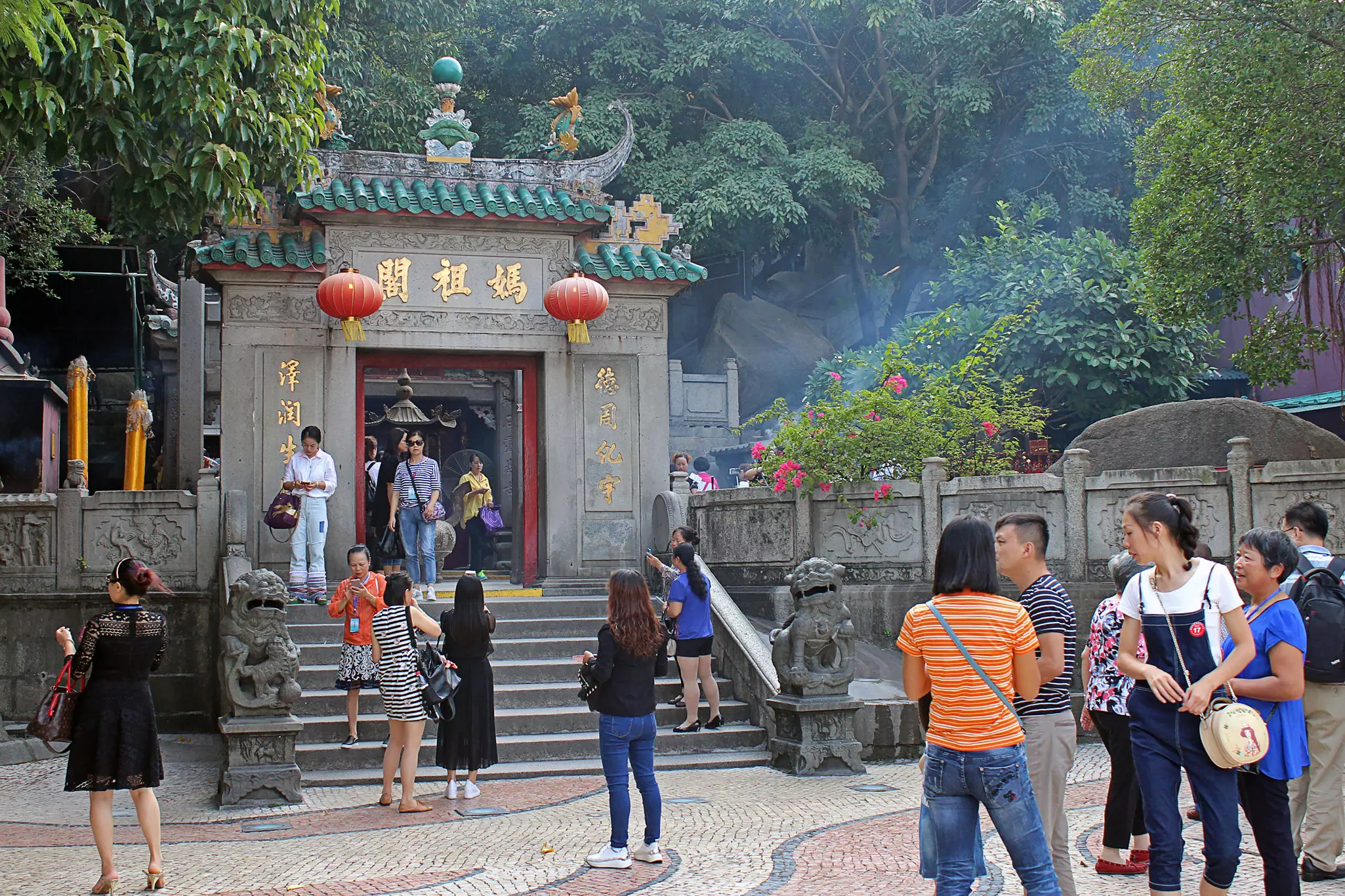
3. Seek good fortune at A-Ma Temple
Built in 1488, A-Ma Temple is one of the oldest temples in Macau, predating the city. Dedicated to the goddess of the sea, A-Ma, the temple is set on different levels and built into the hillside.
The temple comprises six main parts: Gate Pavilion, Memorial Arch, Prayer Hall, Hall of Benevolence, Hall of Guanyin and Zhengjiao Chanlin. In the main Prayer Hall, purchase an incense stick to join the worshippers and tourists embracing the zen amidst large saffron-hued spiral incense coils hanging from the ceiling. Heading up the zigzag stairway towards the Hall of Guanyin, you’ll notice the split-level temple follows Feng Shui principles, integrating with Barra Hill to harmonize with nature. Don’t miss the spectacular views from the uppermost pavilion dedicated to Kun Iam, with poems engraved in the rock and distinctive red walls.
Try your luck at the coin-filled golden basin on the rooftop. Locals believe that if you toss a coin in and it creates a unique sound, or if you make ripples in the water, then it can bring good fortune and blessings.
Planning tip: Various festivals and celebrations are held at the temple all year round with the biggest being the A-Ma Festival celebrated on the 23rd day of the third lunar month featuring vibrant decorations, lion dancing, firecrackers, rituals and performances.
4. Admire the Church of St Joseph
Most visitors tend to overlook the Church of St Joseph as part of Macau sightseeing due to its uphill location amid local side streets and narrow alleys. However, once you arrive, the main sanctuary offers a tranquil escape from the bustling crowds. A stunning example of baroque architecture in Macau, it features distinctive elements such as a scalloped canopy and a grand staircase leading to the courtyard, where you can admire the striking white-and-yellow facade and the historic dome – the oldest of its kind in the region.
Inside, there are three altars embellished with intricate overlapping pilasters and mesmerizing Solomonic spiral columns. Visitors can explore a collection of rare holy relics and fascinating artifacts, including a bone fragment from the arm of the missionary St Francis Xavier.

Lonely planet’s trusted travel insurance provider
Travel with confidence. Protect your trip and your wallet.
We don’t represent World Nomads, we receive a fee from quotes using this link. This is not a recommendation to buy travel insurance.
Planning tip: Worship is held at noon, and access to the building may be restricted.
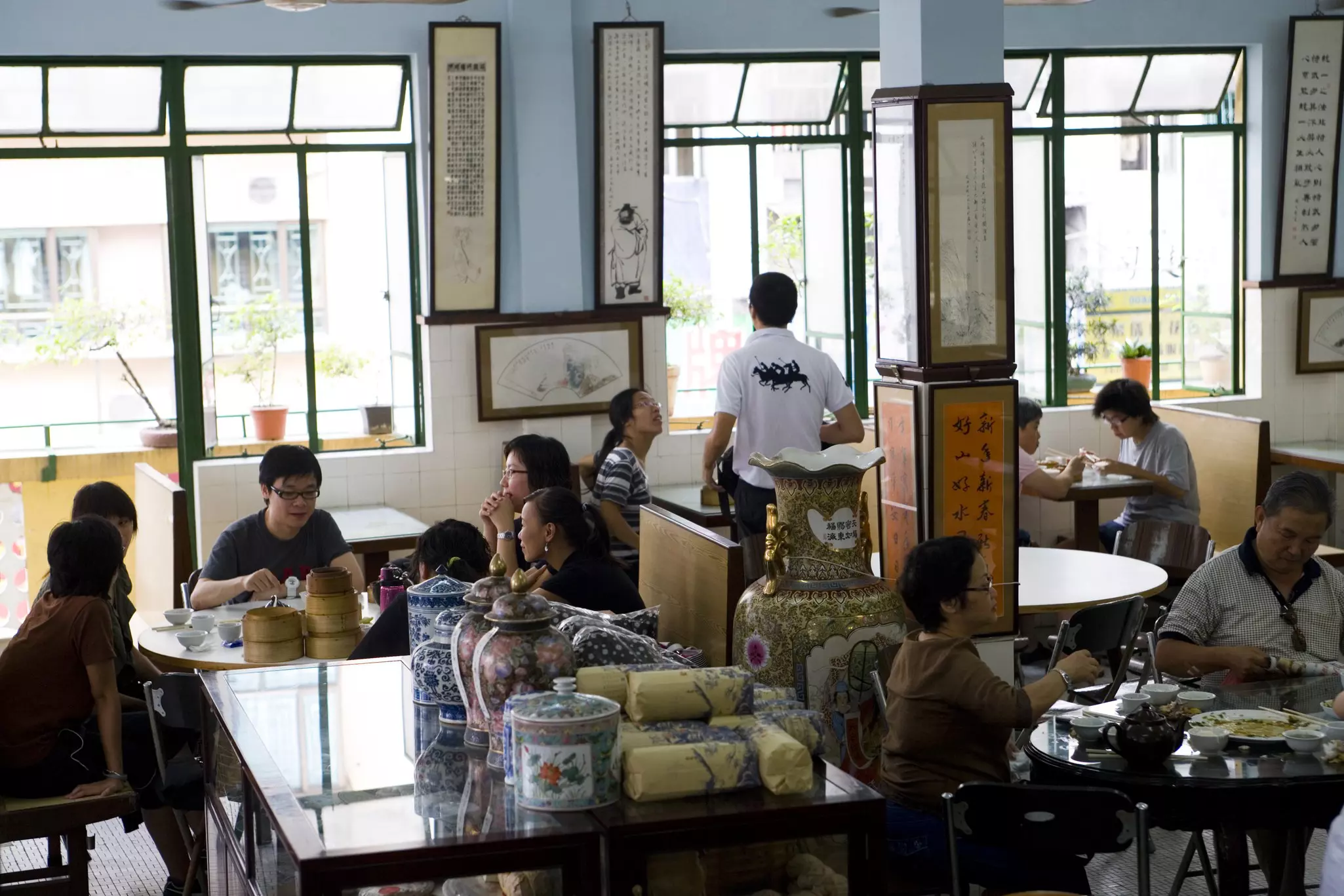
5. Order traditional dim sum at Lung Wah Tea House
Step back in time at Lung Wah Tea House, where you can sample traditional Cantonese dim sum and high-quality local teas. Opened in the early 1960s, the interior showcases artifacts and decor from the decade, capturing Macau’s nostalgic vibe. One of the few traditional tea houses remaining in Macau, Lung Wah is like a living museum hidden away in a three-story building next to the Red Market.
6. Chill out at Lou Lim Ieoc Garden
Immerse yourself in the serene ambiance of the Suzhou-style Lou Lim Ieoc Garden, a calming oasis amidst the bustling city center. Despite being surrounded by traffic and shops, this low-key leafy garden features traditional Chinese landscaping, bamboo, an unusual rock sculpture garden, pagodas, bridges and ponds. Visitors can enjoy people-watching, practice tai chi, listen to locals playing Chinese music, or relax next to the lotus ponds, bamboo groves and stone sculptures.
Planning tip: Right in the middle of the garden overlooking the pond, the Victorian-style Lou Lim Ieoc Garden Pavilion hosts art exhibitions and recitals during the Macau International Music Festival held in late October or November.
7. Trek up Guia Fortress & Chapel
Located at the highest point of the Macau peninsula, Guia Fortress & Chapel offers some of the best panoramic vistas of the city. Perched atop is the beautiful Chapel of Our Lady of Guia that was built around 1622 by Clarist nuns. The small chapel retains the majority of its features including frescoes and mythological motifs using Portuguese and Chinese details, blending religious influences. Next to the chapel is the oldest modern lighthouse on the China coast, built in the late 18th century. The 15m (50ft)-tall structure is usually open to the public on weekends in July.
Planning tip: Locals often hike Guia Hill for its big park and outdoor fitness facilities. While you can take a relatively easy 15-minute walk to the top, there are cable cars available from the Flora Garden entrance for those who prefer not to climb.
8. Take in the Tap Seac Square
People-watch at the beautiful black-and-white-paved Tap Seac Square while spotting important historic buildings from the 1920s. Throughout the year, the square serves as a venue for cultural events, ranging from holidays to major festivals such as Lunar New Year, Mid-Autumn Festival and the Macau Grand Prix. During these festivities, the square comes alive with stalls and decorations highlighting Macau culture.
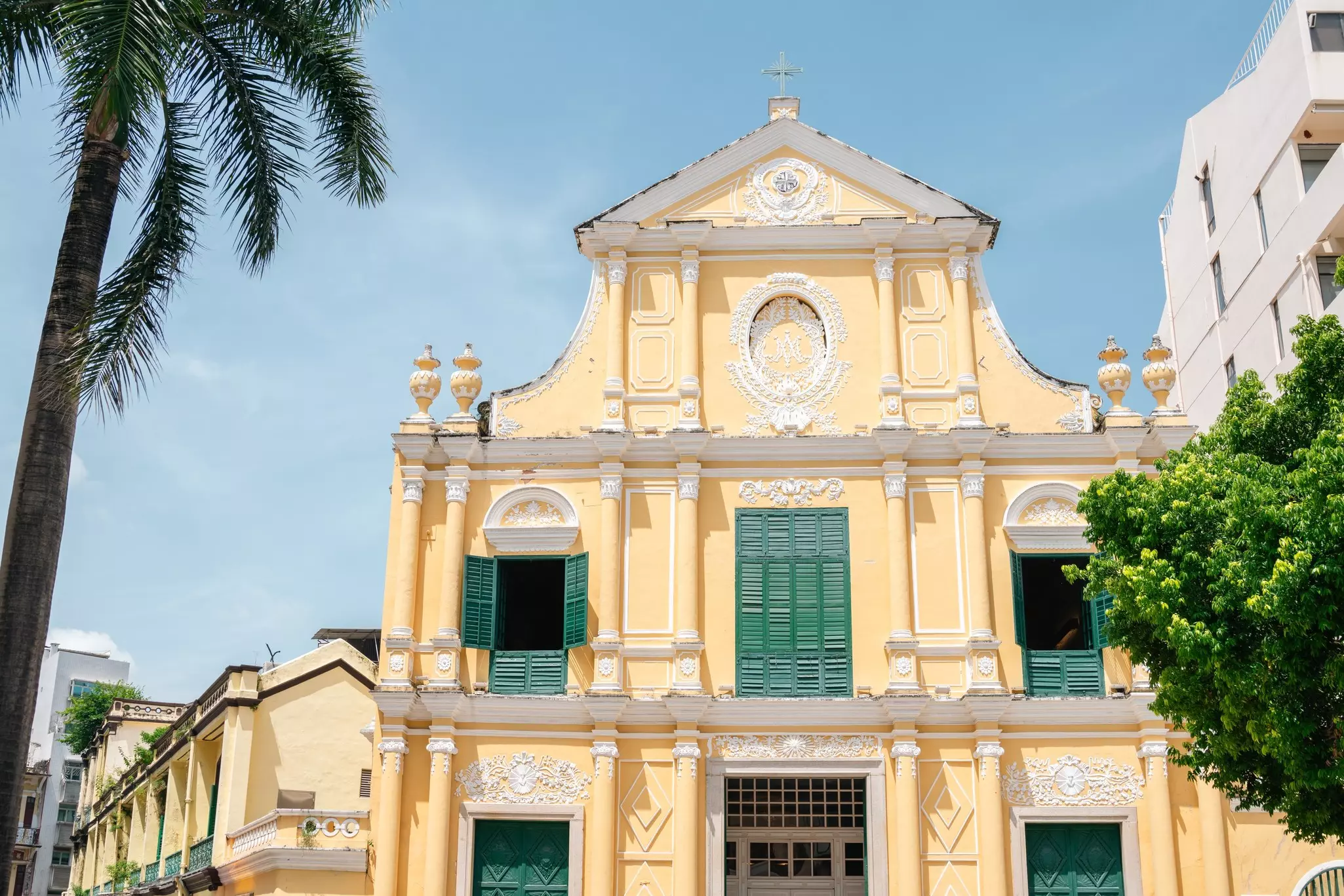
9. Check out the historic Church of St Dominic
It’s hard to miss the sunny yellow baroque Church of St Dominic with its beautiful altar and timber roof. This was one of the first churches in China, built in 1587 by three Spanish Dominican priests. In the 17th century it was rebuilt in the stone we see today. The inside is just as magnificent as its vibrant exterior, with chandeliers dangling from 35ft chains, stained-glass windows, and oil paintings lining the walls. The former bell tower now hosts the Treasure of Sacred Art, a collection of sacred art relics and liturgical objects.
Detour: Just 5 minutes’ walk from the Church of St Dominic you’ll find the Cinematheque Passion, an intimate movie theater that shows international arthouse films inside a gorgeous building.
10. Soak up the atmosphere of Senado Square
Senado Square is one of Macau’s largest paved squares, commonly referred to as “the fountain” due to the giant fountain with a metal globe sculpture in the middle. In the early 1990s, Senado Square was paved with a black-and-white wave-patterned mosaic as a nod to the city’s fishing past. You can see a mixture of both Portuguese and Chinese cultures present in many of the colorful European-style buildings surrounding the square.
Many of Macau’s largest events are hosted here, including festival celebrations, flea markets and performances. While there’s not much to do in the actual square, you’ll be near plenty of other things in the area, such as shopping, restaurants, cafes and exploring the IAM Building (formerly the Leal Senado Building) to see the magnificent Senate Library.
11. Uncover lavish libraries
You’ll find more than books at Macau’s gorgeous libraries. The buildings share stories of Macau history through their stunning architecture. Inside the 16th-century three-tiered St Francisco Garden, the Octagonal Pavilion Library features charming red windows and a green two-tiered roof. Don’t miss the garden’s perfectly pruned flowers and pink and white tower honoring WWI veterans. The Senate Library is the baroque-style home of around 20,000 books from the 17th century through mid-20th centuries, with tomes written in Portuguese, French and English. The Macau Central Library is an early 19th-century neoclassical gem with a bronze and yellow cream facade, embedded columns, and arched windows. Then there’s Sir Robert Ho Tung Library, which was converted from a retreat into a library during the mid-20th century. This historic library houses over 100,000 books, seamlessly blending old and modern architecture, and features a charming open-air patio. Finally, the sunny pastel-yellow Portuguese-style Coloane Library, erected in 1911, houses over 6500 books in its elegant confines.
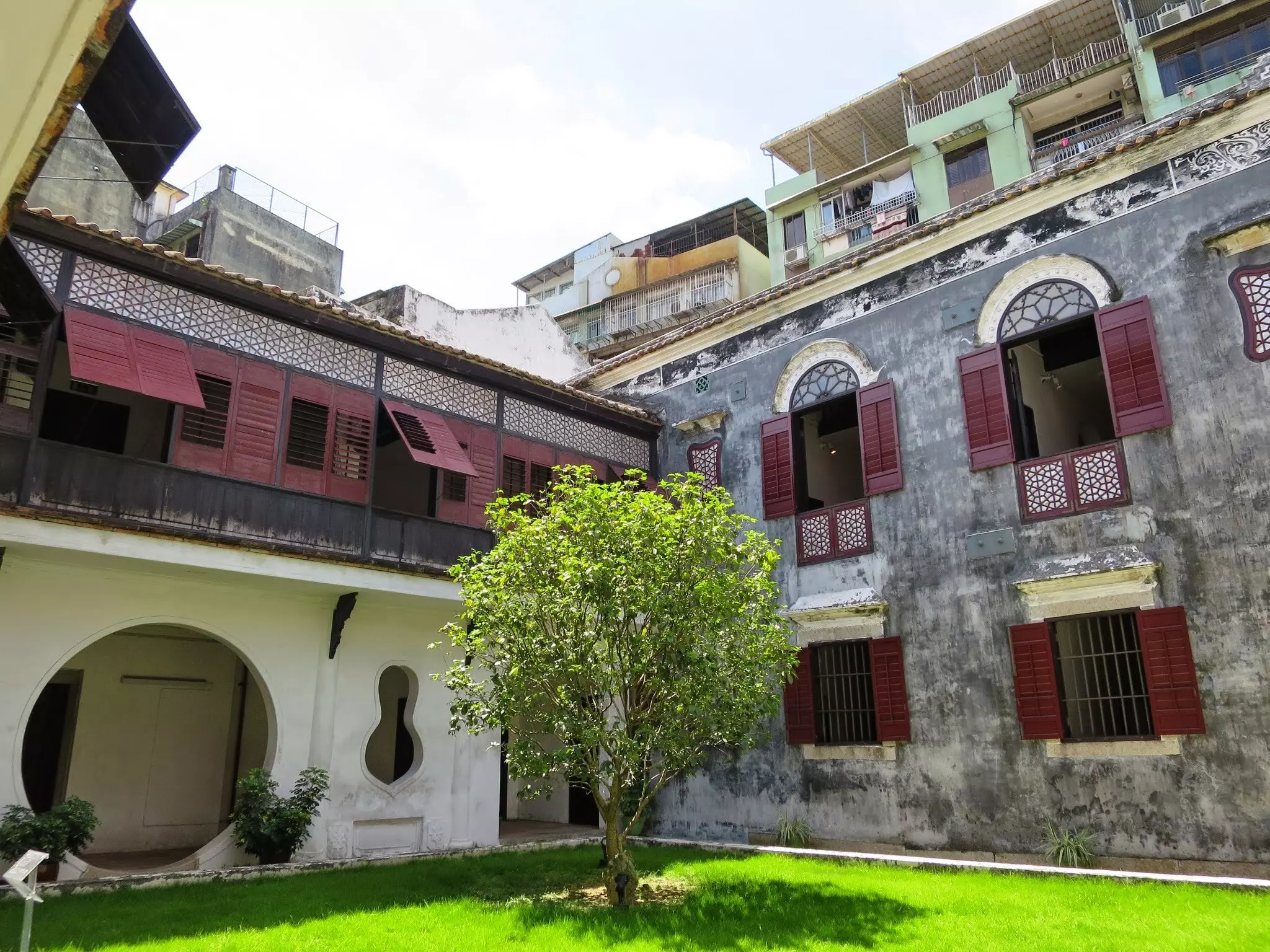
12. Explore the sprawling grounds of Mandarin’s House
Built in 1869, Mandarin’s House isn’t just one big house – it comprises 22 remarkable buildings and over 60 rooms, offering a beautifully preserved glimpse into a traditional Guangdong residence. This was once the ancestral home of Zheng Guanying, one of the most important writers of the late Qing dynasty. Wander through this extensive estate and marvel at the blend of traditional Chinese Qing dynasty elements and Portuguese influences, from classic round moon gates to elegant French windows.
Planning tip: Afterwards, have a break at the small cafe near the entrance for tea, coffee and snacks.
13. Admire the Moorish Barracks
Built in 1874 by Italian architect Cassuto on Barra Hill’s slope, the Moorish Barracks blend neoclassical with Moghul elements. Originally housing Muslim Indian soldiers and policemen from Goa, it now serves as the Marine and Water Bureau’s headquarters and was added to the UNESCO World Heritage List in 2005. Although you can’t go inside, it’s worth having a look at the beautiful exterior.
14. Eat street food in Taipa
Head to Taipa Village to taste the best in Macanese street food. Pick up some edible “souvenirs” at Koi Kei Bakery, which specializes in traditional Macanese and Chinese snacks from nut cookies to jerky. For something a bit heartier, Tai Lei Loi Kei is famous for succulent pork chops, which are marinated, fried and wedged between crisp, chewy Portuguese buns.
For dessert, stop by Mok Yi Kei for soft and pungent durian ice cream and hard-to-find Portuguese serradura (sawdust pudding). Or try freshly made jumbo glutinous rice delights stuffed with mango or red bean from Mochi Macau.
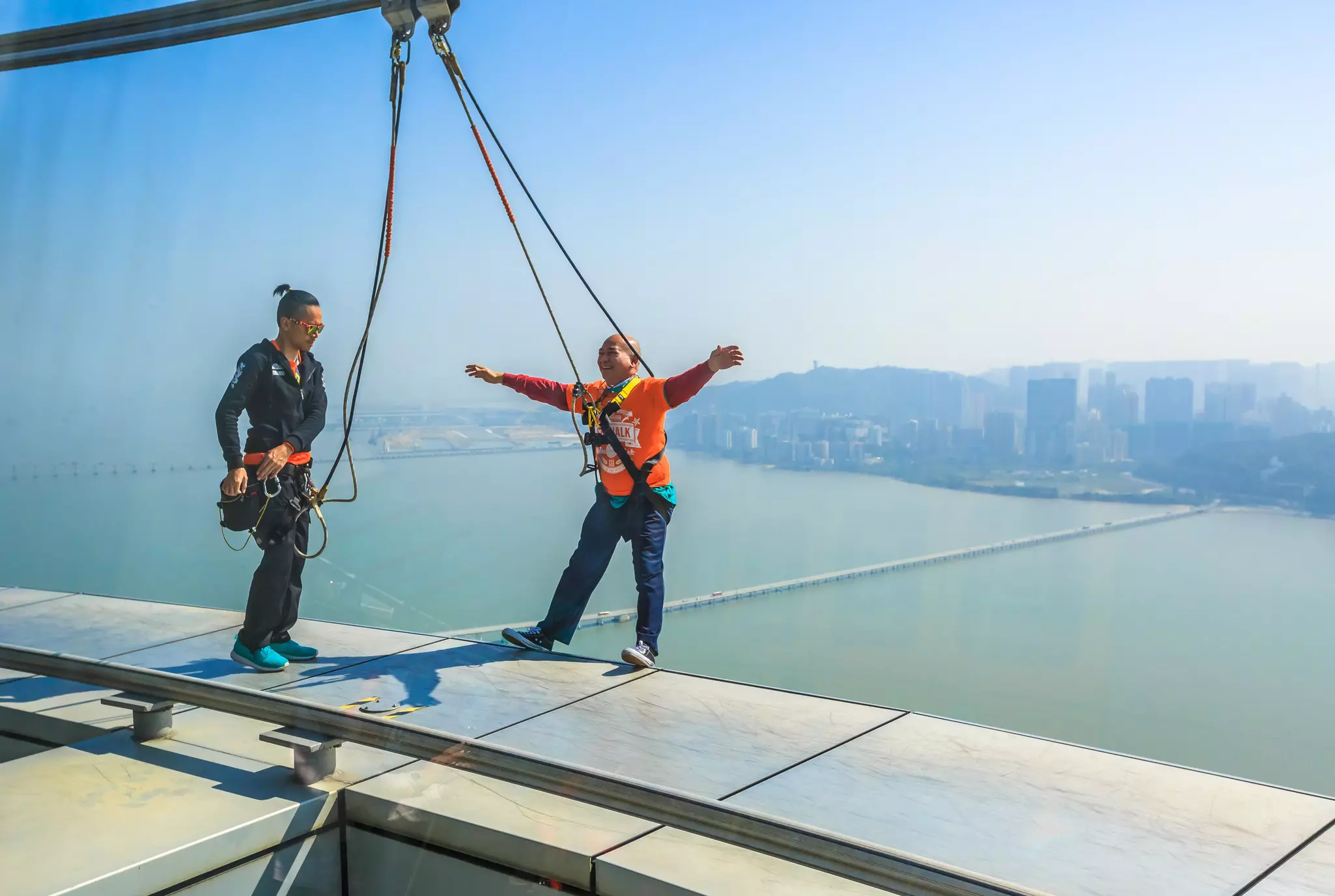
15. Look out from Macau Tower
Standing at 338m (1109ft), Macau Tower dominates the city skyline. You can either take in the views from observation decks on the 58th or 61st floors or, for thrill-seekers looking for a shot of adrenaline, try bungee jumping, climbing or skywalking around the rim. There’s even a glass-fronted lift that whisks you up in under 60 seconds. From the top, enjoy sweeping, unobstructed views spanning the Macau islands, plus Hengqin, Zhūhǎi and mainland China.
Planning tip: Aside from enjoying views, visitors can dine at various restaurants, including the revolving 360 Cafe serving an international buffet.
16. Wander around Taipa Houses-Museum
See the five eye-catching Taipa Houses-Museum buildings that form a beautiful postcard of the former Portuguese colony. Built in 1921, the museum complex displays Macau’s colonial era with various artifacts and exhibits. Don’t miss the Church of Our Lady of Carmel, adjacent to the Taipa Houses on the top of the hill. The pretty pastel yellow neoclassical 18th-century church offers picturesque distant views of Cotai’s towering casinos and a landscaped wetland park filled with lotus ponds.
Detour: Combine bird-watching, history and nature on nearby trails, including the 2.5 mile Big Taipa Trail. Then continue on the eco-trail – with a minimal incline, it’s suitable for all ages. Follow the stone steps to reach Taipa’s highest point at 160m (525ft), where hikers can get the best vantage point of Cotai and Macau Peninsula from the Taipa Grande Viewing Platform.
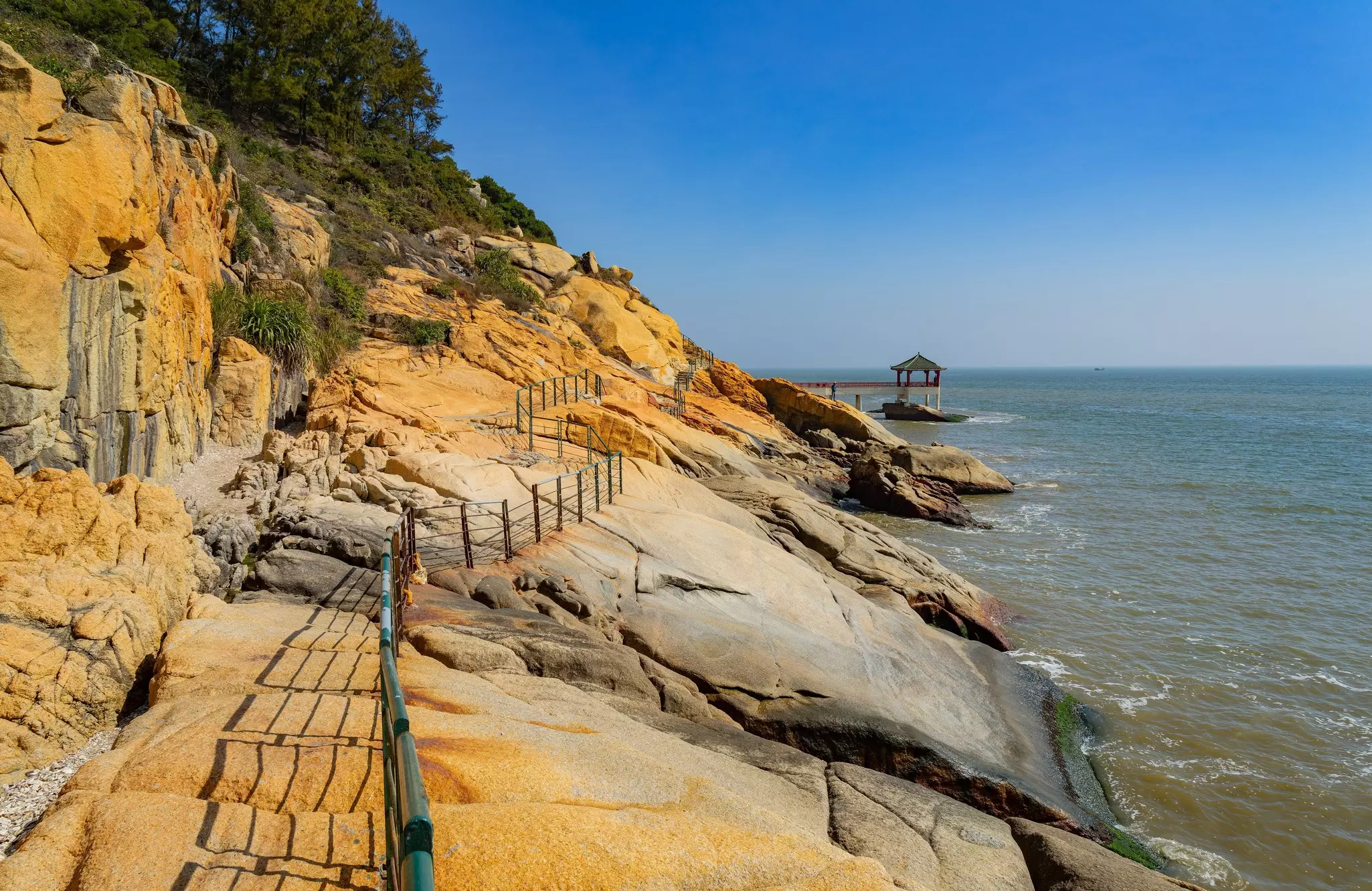
17. Sunbathe on black sands in Hác Sá Beach
Hác Sá Beach, meaning “black-sand beach” in Cantonese, is located in the quieter area of Coloane, away from the city streets and casinos. The sand may look dirty, but don’t worry – it gets its unique color from minerals in the seabed that are washed ashore. While it’s not the most breathtaking beach, it’s Macau’s largest natural beach, and there are plenty of nearby amenities, including changing rooms, barbecue pits, a promenade and a children’s play area.
Detour: After swimming and sunbathing, don’t miss the famous Fernando’s, a rustic beachside haven that specializes in fresh Portuguese seafood including grilled sardines and stuffed squid.
18. Indulge in a Portuguese tart…or two!
Portuguese food is an integral part of Macanese cuisine, and nothing says Portugal like the iconic pasteis de nata (Portuguese egg tarts), a flaky pastry crust filled with sweet custard. For traditional Portuguese tarts, Lord Stow’s Bakery is a must. The shop was established in 1989, and owner Andrew Stow’s egg tarts quickly garnered fame. This family-run bakery attracts queues of locals and tourists alike.
Although famous for their almond cookies, the egg tarts at Koi Kei Bakery shine with a generous filling, crisp top and delicate flaky pastry. At San Hou Lei, you’ll find shortcrust egg tarts in different flavors like bird's nest, coconut and cheese. Goat Bakers Taipa serves their pasteis de nata with a unique twist (but don’t skip their heavenly cream-cheese-filled cups).
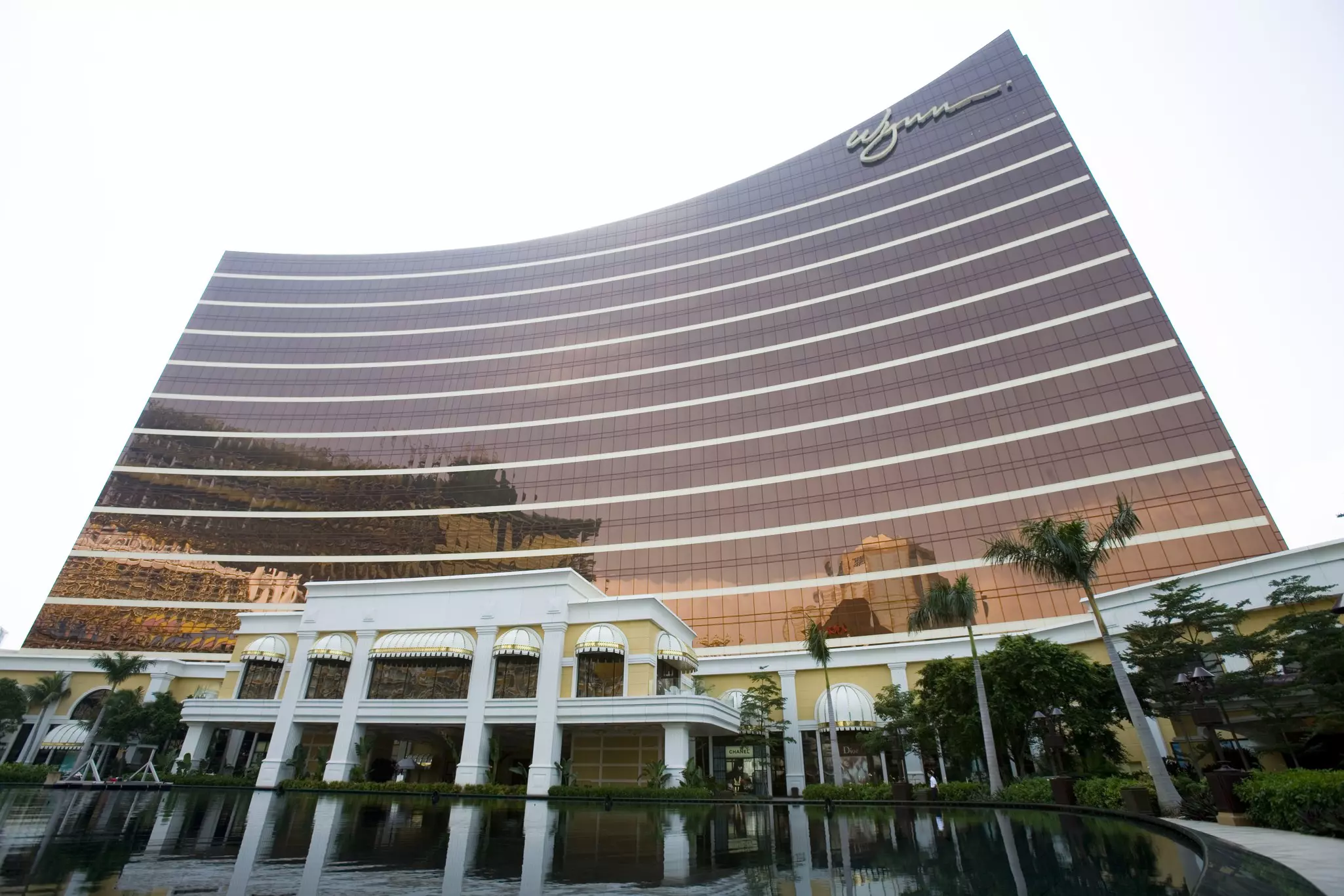
19. Try your luck in Cotai’s casinos
You can marvel, dine and shop in the megacasinos along the Cotai Strip. The gambling hub dazzles with the bright lights and glitzy towers of Macau casinos. The Venetian Macao is home to the region’s largest casino, divided into four themed gaming areas. Soaring over the strip is the Grand Lisboa, known for its fine-dining experiences and top-tier hospitality in addition to its elegant casino with plenty of tables for high rollers and casual players.
The continuously expanding Galaxy Macau is a hotbed of entertainment featuring a laser show, water park and Broadway-style theater along with its massive casino with games ranging from baccarat and blackjack to craps and slot machines.
This article was adapted from the Hong Kong guidebook published in December 2024.