Chile
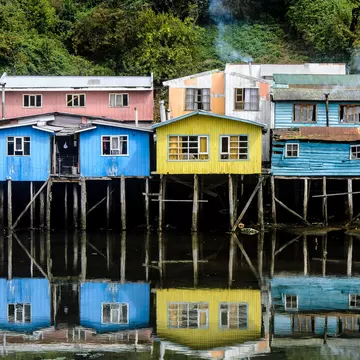
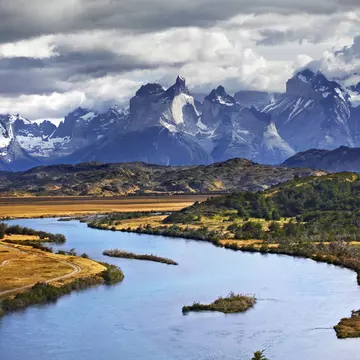
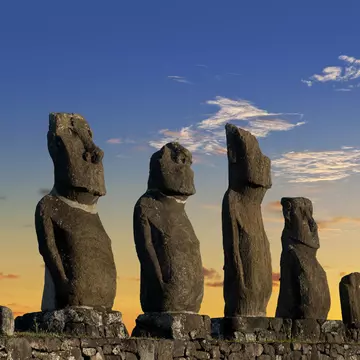
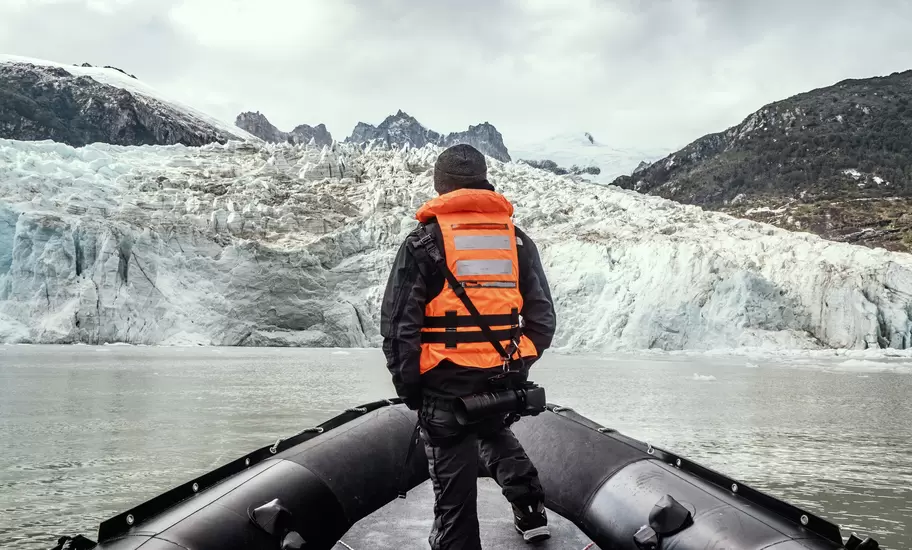
Stretching 4,300km, Chile offers an astonishing diversity: blinding salt flats, fertile wine valleys, puffing volcanoes, ancient rainforests, massive glaciers, and winding fjords. From the rugged Patagonian wilds to flamingo-filled Atacama lagoons, every corner holds a sense of wonder and awe. If you’re beginning your Chile planning, you’ll find endless travel inspiration in its Pacific surf towns, Andean ski resorts, and world-class wineries scattered north and south. Whether you’re after outdoor adventure, cultural richness, or breathtaking landscapes, Chile promises a journey as vast and unforgettable as its terrain. Not sure where to start? Make the most of your adventure with our Chile travel guidance covering top attractions, when to visit and expert advice.
Getty Images
Latest Stories
- Mark Johanson | Jan 20, 202616 Things to Know Before Traveling to Chile
- Isabel Albiston null | Jan 9, 2026A Guide to Rapa Nui (Easter Island)
- Mark Johanson | Nov 25, 2025Discover Chile’s 11 Top National Parks
- Lonely Planet Editors | Nov 24, 202511 of the Best Hikes in Chile
Book
Trip 
App

Trusted Partner
Dreaming of Chile? Protect your trip
Travel with confidence. Protect your trip and your wallet.
We don’t represent World Nomads, we receive a fee from quotes using this link. This is not a recommendation to buy travel insurance.
Book your Chile trip with Lonely Planet Journeys
See Chile how it's meant to be seen
Accommodations, activities and ground transportation all taken care of, so you can focus on the fun part. Tell us what your dream trip to Chile looks like, and our local experts will build it from scratch. Or start with one of our itineraries and make it your own.

Top places to visit in Chile
Discover the best attractions in Chile from must-see sights to unexpected hidden gems.
- Attraction in ChileIsla Navarino
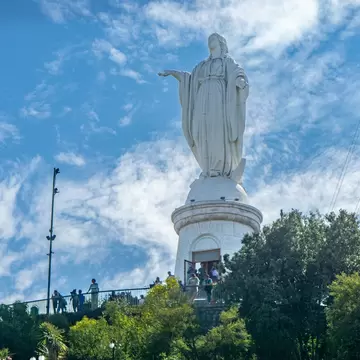
- Attraction in SantiagoParque Metropolitano
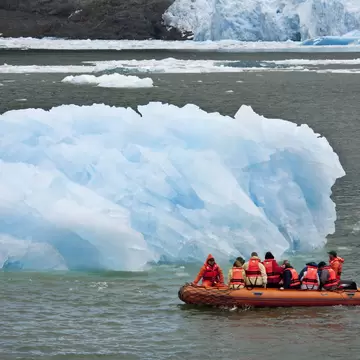
- Attraction in ChileParque Nacional Laguna San Rafael
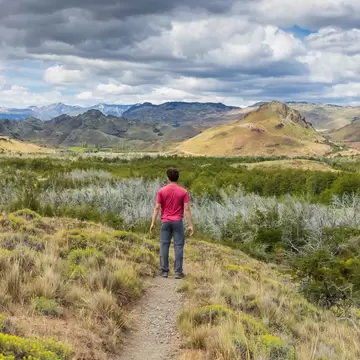
- Attraction in ChileParque Nacional Patagonia
-
 Attraction in ChileOrongo Ceremonial Village
 - Attraction in ChileAldea de Tulor
- Attraction in ChileParque Nacional Rapa Nui
- Attraction in ChileReserva Nacional Los Flamencos
Travel Guides
Chile travel tips from Lonely Planet experts
Find practical guidance from our team of contributors around the world who bring their decades of first-hand travel experience to your next trip.
Best Things to Do
With its puffing volcanoes, pounding surf, silent salt flats and gleaming glaciers, Chile is the ultimate wonderland for adventures. Here's where to begin.
Read full article
Best Time to Visit
From golden beaches, volcanoes and ancient forests to vineyards, fjords and massive glaciers, Chile basks in natural riches. Here's when to go.
Read full article
Things to Know
Chile is an accessible destination, but there are customs, social rules and safety issues to keep in mind. Here's what you need to know.
Read full article
Transportation
With Chile's epic scenery, getting around is always an adventure. Here's the lowdown on the best ways to navigate your way up, down and all around Chile.
Read full article
Best Road Trips
Chile's best road trips take in rolling vineyards, serene lakes, deep fjords, towering volcanoes and bone-dry deserts. Here are our top 7 Chilean drives.
Read full article
Money and Costs
A guide to daily costs in Chile, along with some tricks and tips to help keep more of those colorful Chilean pesos in your wallet.
Read full article
Traveling with Kids
With some patience – and a bit of basic Spanish – the thin South American nation of Chile can be the perfect setting for a family adventure.
Read full article
Best Places to Visit
Chile boasts vibrant cities, enigmatic islands, rolling vinelands and some of the most pristine nature on earth. Here's our pick of the best places to visit.
Read full article
Get Connected
Chile is one of the world's ultimate outdoor escapes with so much to do in such a compact country. Here's your guide to staying connected while there.
Read full article
Get a book. Get inspired. Get exploring.
in partnership with getyourguide
Book popular activities in Chile
Lonely Planet may earn a commission from affiliate links on our site. All recommendations and reviews reflect our own independent opinions.
Chile and beyond
-
 destinationMiddle Chile
 - destinationNorthern Patagonia
- destinationSantiago
- destinationChiloé
- destinationSouthern Patagonia
- destinationRapa Nui (Easter Island)
- destinationThe Lakes District
- destinationValparaíso