Aug 27, 202511 min read
The 10 Best Things to Do in AustriaAug 27, 2025
11 MIN READ

Writer
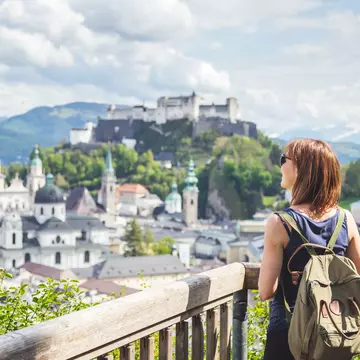
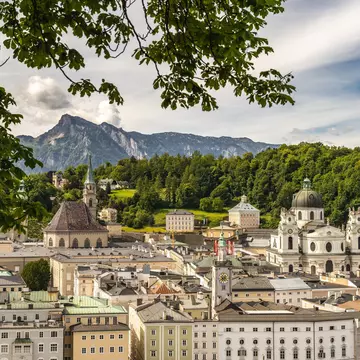
The views over Salzburg with the Untersberg peak on the horizon are an unmissable experience. Leanne Irwin/Shutterstock

Writer
Highlights
Writer Kerry Walker picks 10 Austria experiences from Alpine drives to the Danube.
Vienna's Hofburg merits an entire day; Schönbrunn adds UNESCO grandeur before a coffeehouse finale.
Drive the Grossglockner road through Hohe Tauern, visit Krimml Falls and step inside Eisriesenwelt.
Head to Salzburg for music, Hallstatt for lakeside scenery and Tyrol for outdoor adventure.
Lonely Planet may earn a commission from affiliate links on our site. All recommendations and reviews reflect our own independent opinions.
If you ask someone to rattle off Austria’s unmissable attractions, they’ll probably rave about Vienna and its lavish feast of palaces, coffee houses, concert halls and galleries, and the heart-racing trails and slopes traversing the Alps that ripple across half the country.
Worthy though these are, this pocket-sized alpine fantasy of a country has lesser-known surprises up its sleeve: from waterfalls and ice caves to sky-high mountain drives and the quiet beauty of the Danube, where abbeys, vineyards and ruined castles guide the eye around each romantic bend.
We’ve combed the country to pick the experiences you really shouldn’t overlook – these are our 10 favorite experiences in Austria.
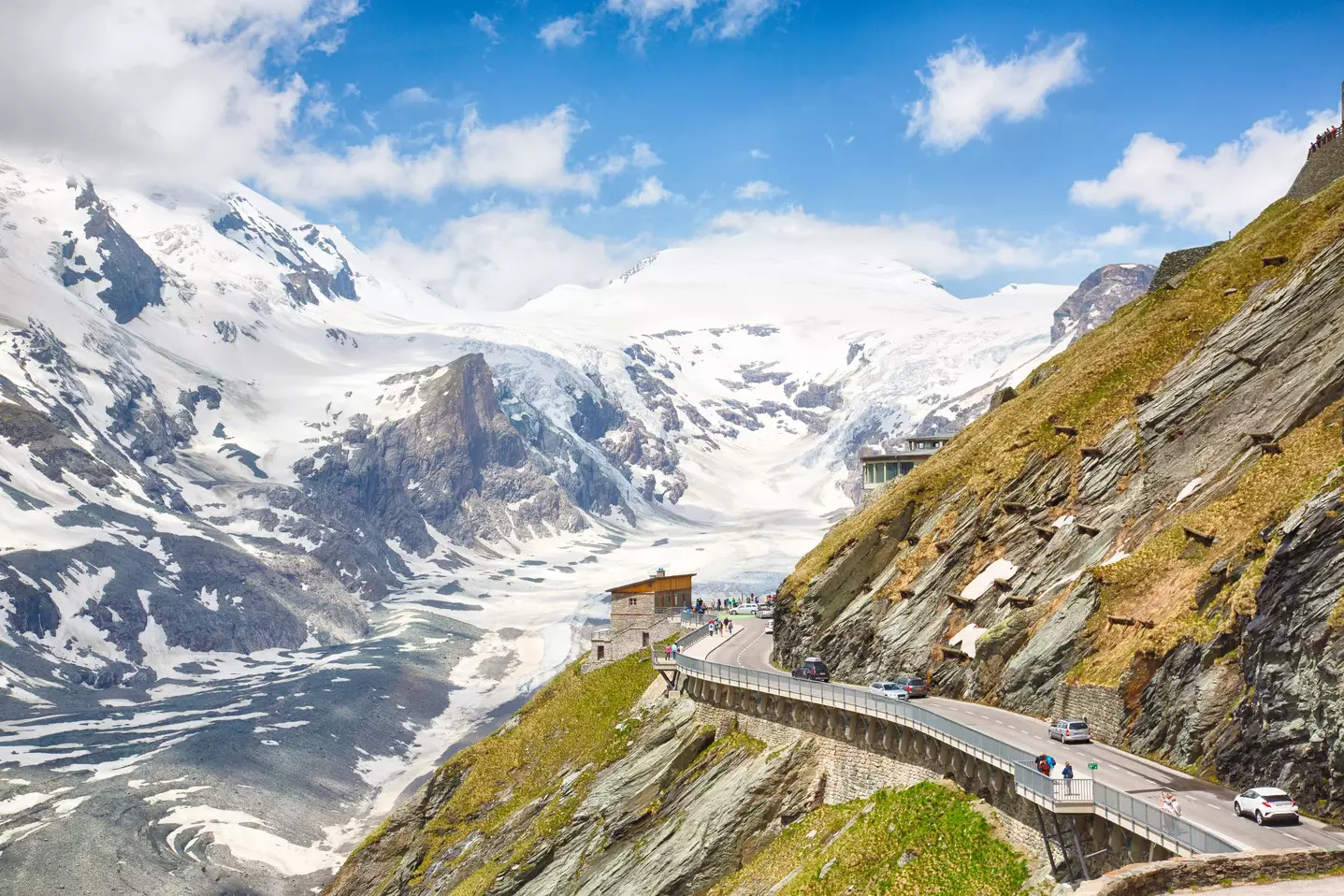
Tossing you in at the deep end of the Austrian Alps and slated for UNESCO World Heritage status, the Grossglockner High Alpine Road in Hohe Tauern National Park is one drive where the wow never leaves your lips (and your foot rarely leaves the break). Twisting from Bruck in Salzburgerland to Heiligenblut in Carinthia and with an average gradient of 9%, this rollercoaster road is 48km (30mi) of stomach-flipping hairpin bends and whoa-look-at-that-mountain moments.
Tear your gaze fleetingly away from the road and you’ll be gobsmacked by waterfalls, jewel-colored lakes and, from the highest viewpoint, Edelweiss Spitze (2571m/8435ft), a sea of snow-capped summits punching high above the 3000m (9842ft) mark. All of this is the drumroll to Kaiser-Franz-Josefs-Höhe, where you can eyeball mighty Grossglockner (3798m/12460ft), Austria’s highest peak, and the Pasterze Glacier.
Planning tip: Get an early start to beat the crowds, as the road is often bumper-to-bumper by noon, especially in July and August. Check forecasts, too, as the drive isn’t fun when there's snow or stormy weather.
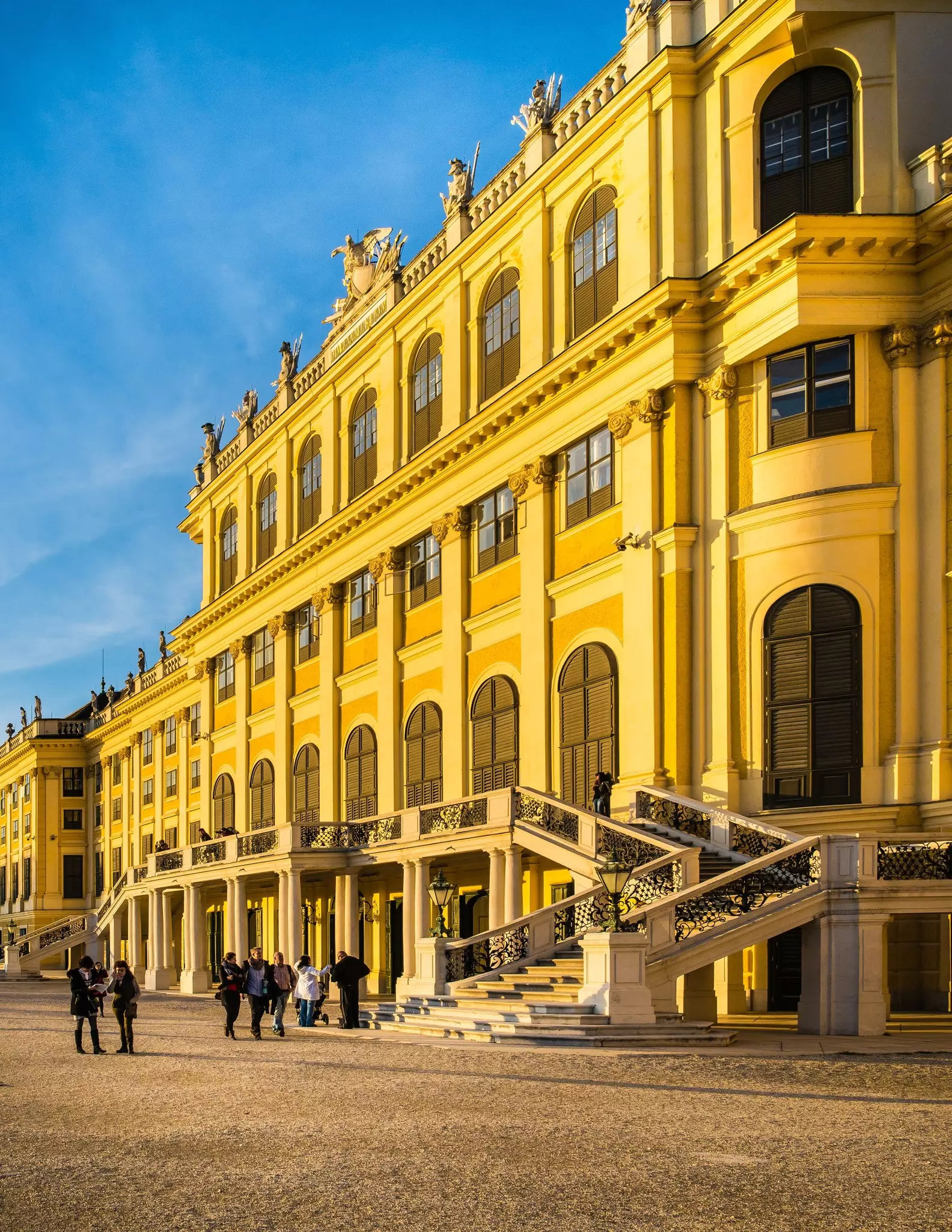
During their 640-year reign, the Habsburg royals collected bombastic palaces the way others collect stamps, enlisting the finest architects of the age to give full flight to their opulent fantasies and stuffing their splendid chambers with beautiful things (treasures, antique porcelain, prancing horses, flattering portraits of themselves – you name it). If you like nothing better than a good romp around a palace, you’ll find a whirl of them in Vienna.
Top of any itinerary is the vast, exuberant Hofburg, Vienna’s Imperial Palace, where you can spend an entire day gawping at imperial jewels in the treasury, listening to choir boys sing angelically at the chapel (every Sunday and religious holiday from September to June), swanning around chandelier-lit apartments designed for Empress Elisabeth, and marveling at the grace of the snow-white Lipizzaner stallions that dance at the Spanish Riding School.
The Hofburg is rivaled in grandeur by the 1441-room Schloss Schönbrunn, a UNESCO World Heritage site and summer palace like no other, and baroque-gone-mad Schloss Belvedere, where you can get a glimpse of Klimt’s Kiss, both set in exquisitely landscaped gardens.
Planning tip: The palaces get swamped during the peak summer season and weekends. Save time and skip the queue by pre-booking tickets with fixed time slots online.
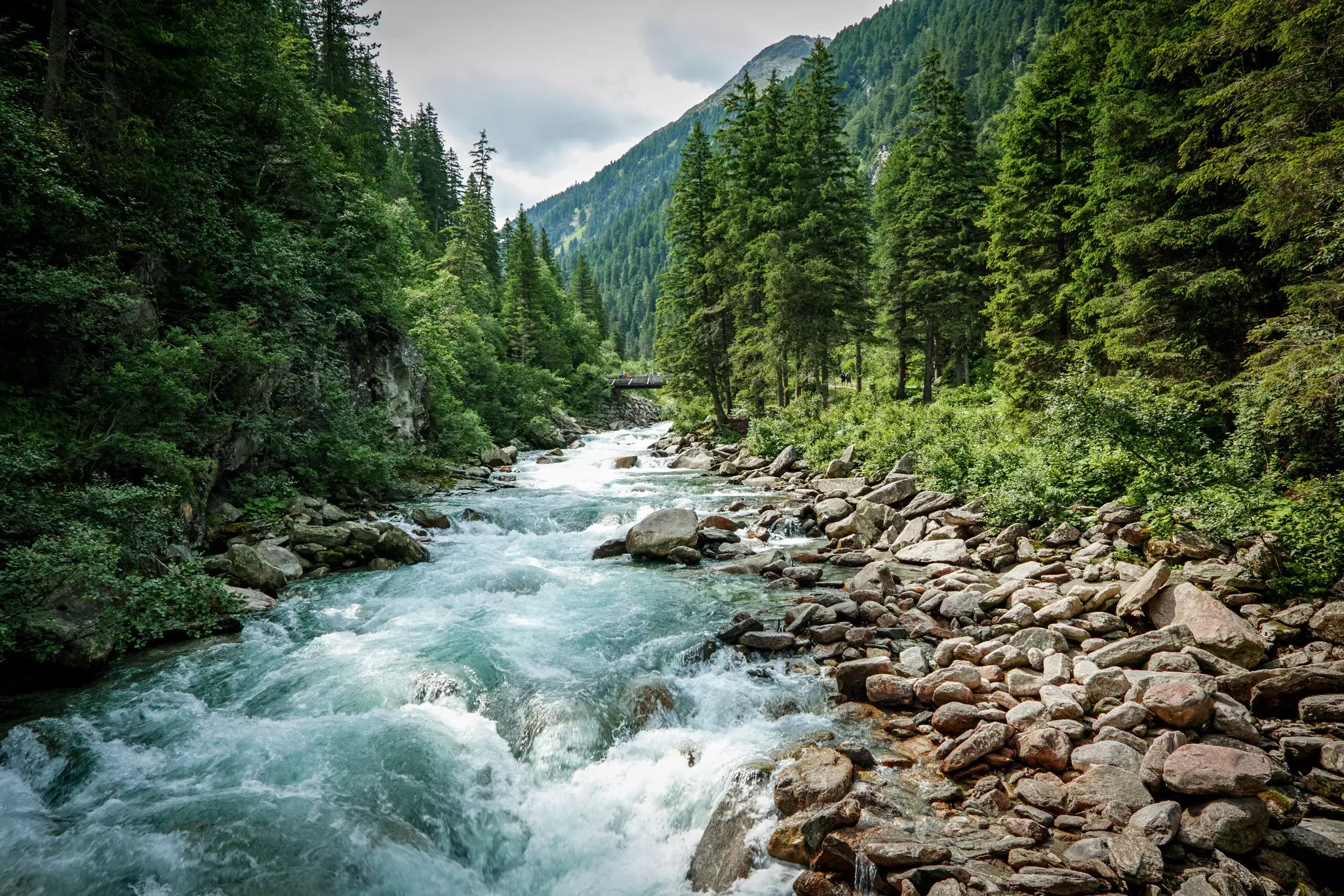
When the snows melt, falls spill down many a rugged cliff face in the Austrian Alps, but none prepare you for the crash-bang spectacle of the 380m-high (1247ft), mist-dashed Krimmler Wasserfälle in the remote, mountainous Pinzgau Valley in Salzburgerland. Often kissed by a rainbow, Europe’s highest falls drop over thickly forested slopes and boulders with a thunderous roar.
You’ll feel like a tiny, insignificant speck on the face of the earth confronted with the grand force and scale of these falls (rather a pleasant sensation, as it happens). They are best seen from certain angles, notably the Wasserfallweg (Waterfall Trail), a path zigzagging up through woods to viewpoints commanding photogenic close-ups of the three-tiered falls. Factor in around two hours for the return walk.
Planning tip: Fancy a longer hike? Continue your trek up to the Krimmler Achental, a wild Alpine valley where you can stop for lunch at the rustic mountain hut, Hölzlahneralm. It’s around a four-hour return walk from the trailhead of the falls.
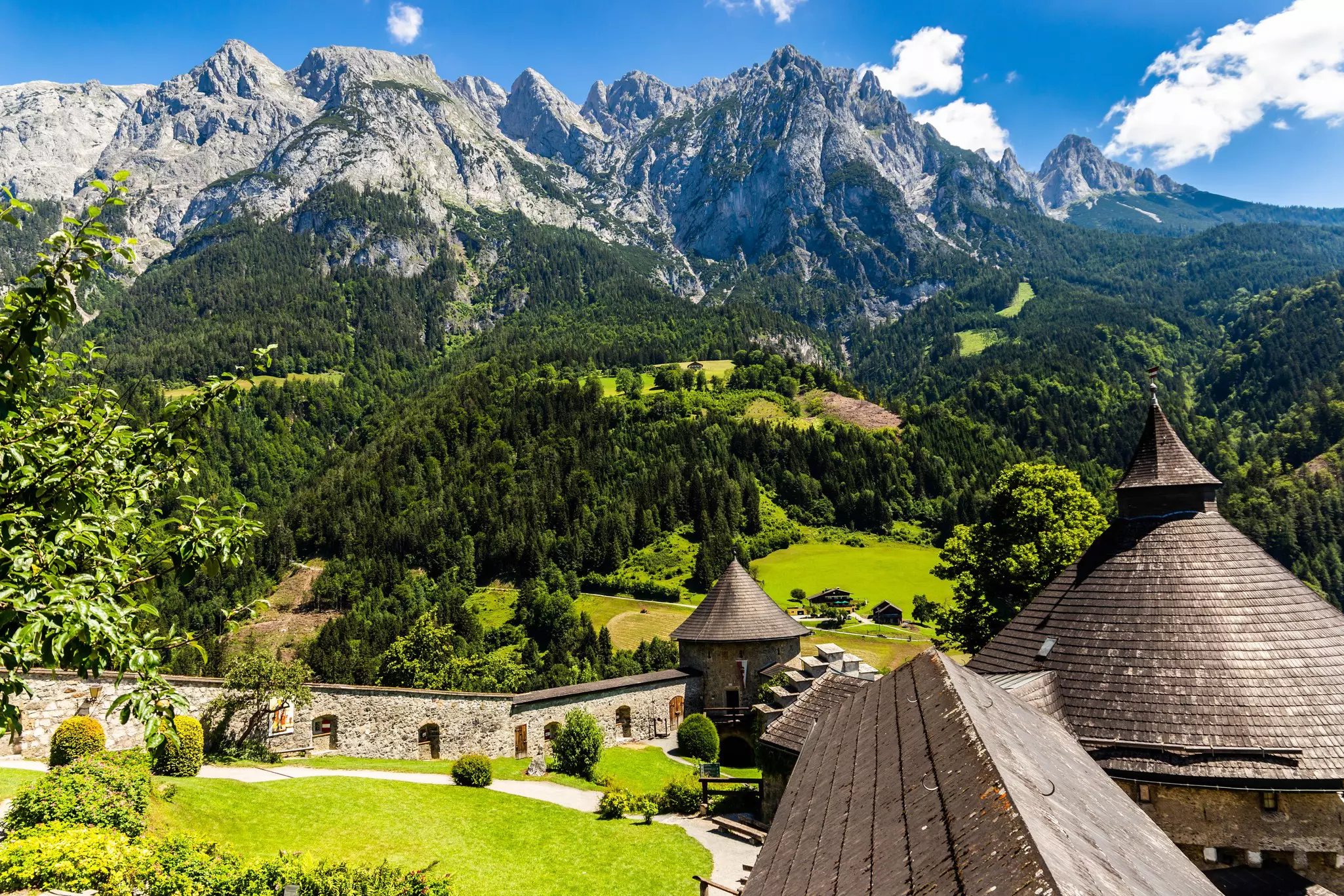
Visiting the frozen underworld of Eisriesenwelt, the world’s largest accessible ice cave, is like stepping through the wardrobe into Narnia. A maze of wondrously sparkling ice passageways, vaults and chambers high as cathedrals and lakes, sculpted over millennia, awaits beneath the limestone spires and turrets of the Tennengebirge range in Salzburgerland. The highlight is the ethereal blue Eispalast (ice palace), where frost crystals glitter when a magnesium flare illuminates them.
You’ll see all of this by grabbing a carbide lamp and joining one of the regular guided tours leading deep into the heart of the mountain, which run roughly from May to October. The insanely pretty, fortress-topped town of Werfen is the starting point for hitting the ice caves, with minibuses linking up to cable cars that carry you to the entrance. Make sure you bring thermals, as temperatures dip below zero even in summer.
Planning tip: Werfen is an easy day trip from Salzburg, a 40-minute train ride away, but why rush? Stay overnight to explore its clifftop medieval castle and twirl through flower-freckled meadows on the 1.4km (0.9-mile) Sound of Music Trail (fans will recognize the Alpine backdrop from the picnic scene in the film).
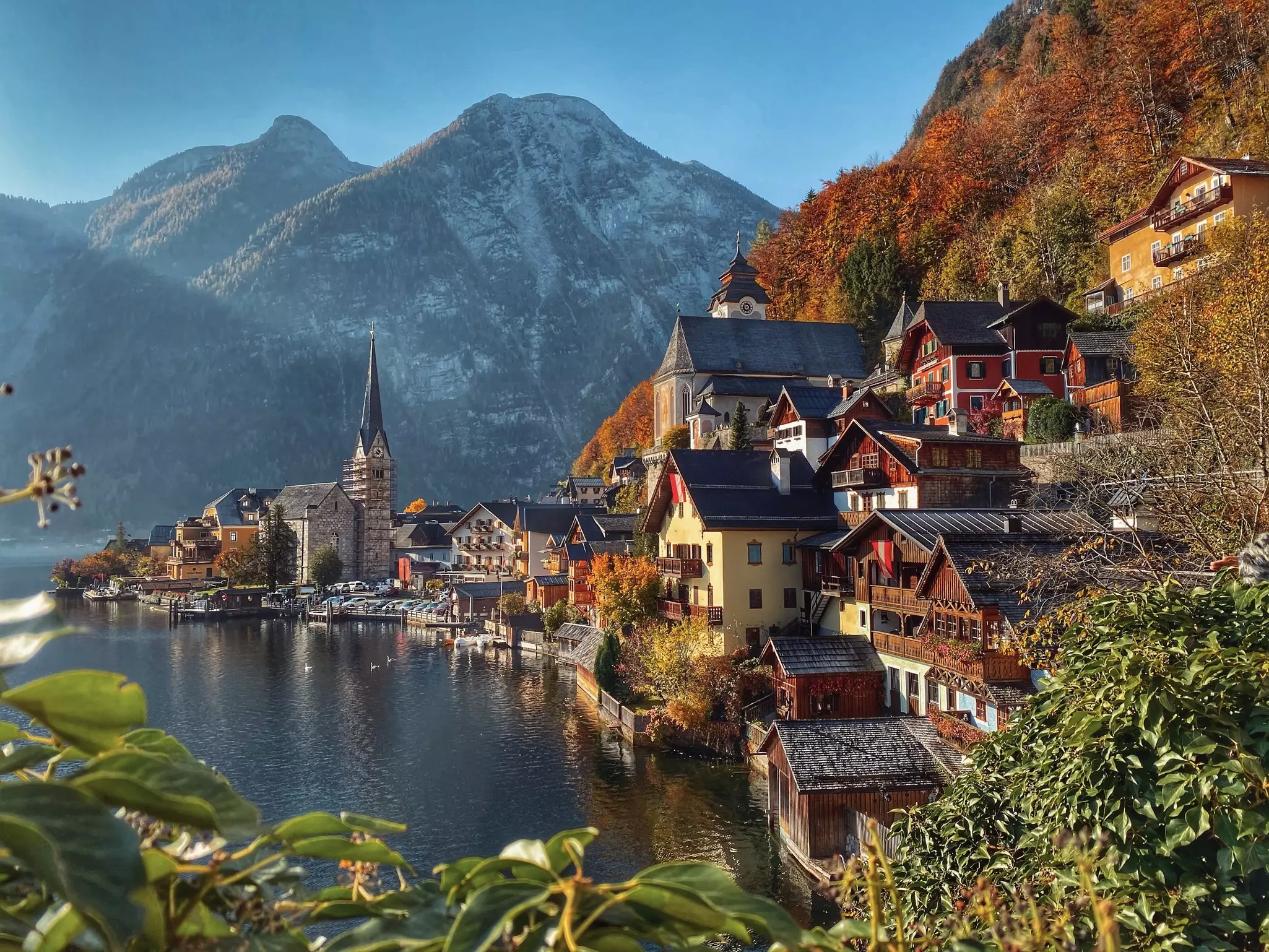
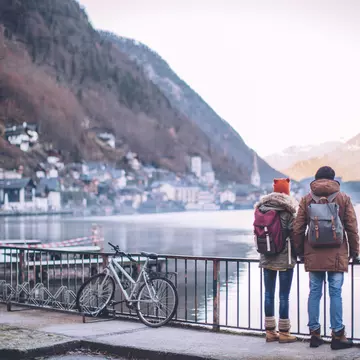
With wooded peaks rising sheer and rugged, and a storybook cluster of chalets peering vainly into a looking-glass lake, Hallstatt is an absolute knockout. This obscenely lovely village is one of the fairest in Salzkammergut lakes. The anticipation mounts the moment you arrive, with boats gliding across the lake from the train station to the village, prettily plonked on a narrow stretch of land between mountain and shore.
The lake makes for compulsive viewing, but venture further and you’ll be glad you did. A funicular lifts you up to Salzwelten, where you can race into the depths of the world’s oldest salt mine on miners’ slides and take a romp through 7000 years of history. While you’re up here, brave a stroll on the Skywalk platform, jutting out over lake and mountain, with views that will leave you speechless.
Planning tip: Hallstatt’s looks haven’t gone unnoticed: the village gets swamped by day-trippers in summer, so time your visit wisely for greater peace. Spring and autumn are glorious.
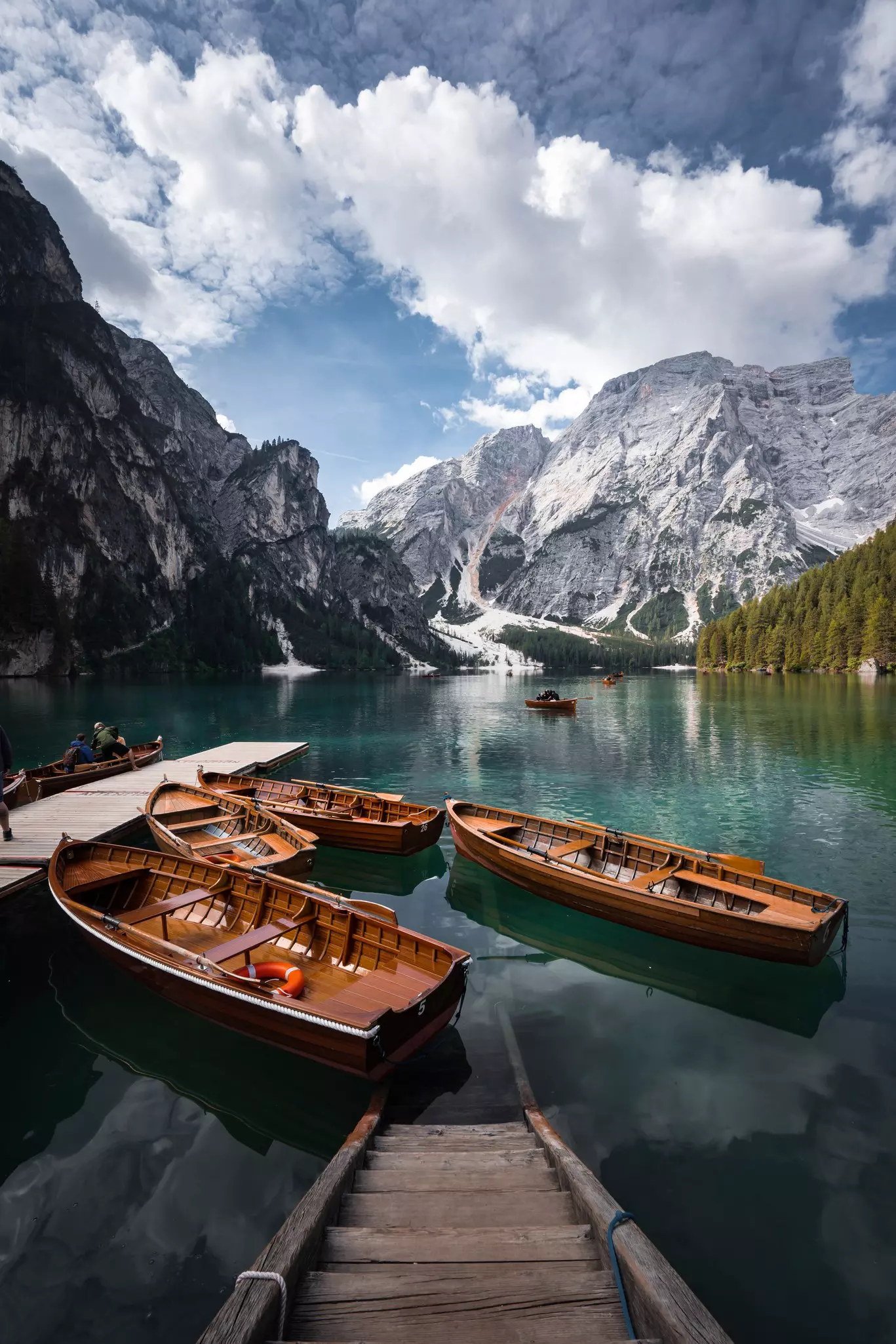
While you can find pulse-quickening outdoor pursuits in any given corner of the Austrian Alps, Tyrol has the year-round edge – whether you want to glacier ski or hike above the treeline from hut to Alpine hut. Innsbruck is a cracking base for striking out into the wilds, with the ragged Nordkette range whooshing up above the city and funiculars winging you to the slopes in mere minutes.
In summer, you can throw yourself down foaming turquoise rivers – like the Inn and Sanna – whitewater rafting, if you dare. Or find thermals as you float above the Alps paragliding in the Zillertal. The region offers boundless possibilities for hikers, too, whether you want a no-sweat stroll with glacier views or a tough, peak-bagging multi-day trek heading properly off the beaten track. Cable cars give mountain bikers a head-start to high-altitude and downhill routes. Ischgl’s Silvretta Bike Academy is a particular favorite.
When winter brings a seasonal dump of snow, the focus switches to skiing. St Anton am Arlberg is the dream for many, with tough slopes, tremendous off-piste and a party-hard après-ski scene. Mayrhofen thrills with freestyle boarding and leap-into-the-void black runs like the Harakiri, while ritzy Kitzbühel delivers the perfect mix of cruisy runs and a snowpark.
Planning tip: Tyrol is too big for just one bite – pick a valley as a base and strike out from there. While the outdoor action revs up in winter and summer, spring and autumn are more peaceful and ideal for hiking and biking at lower elevations.
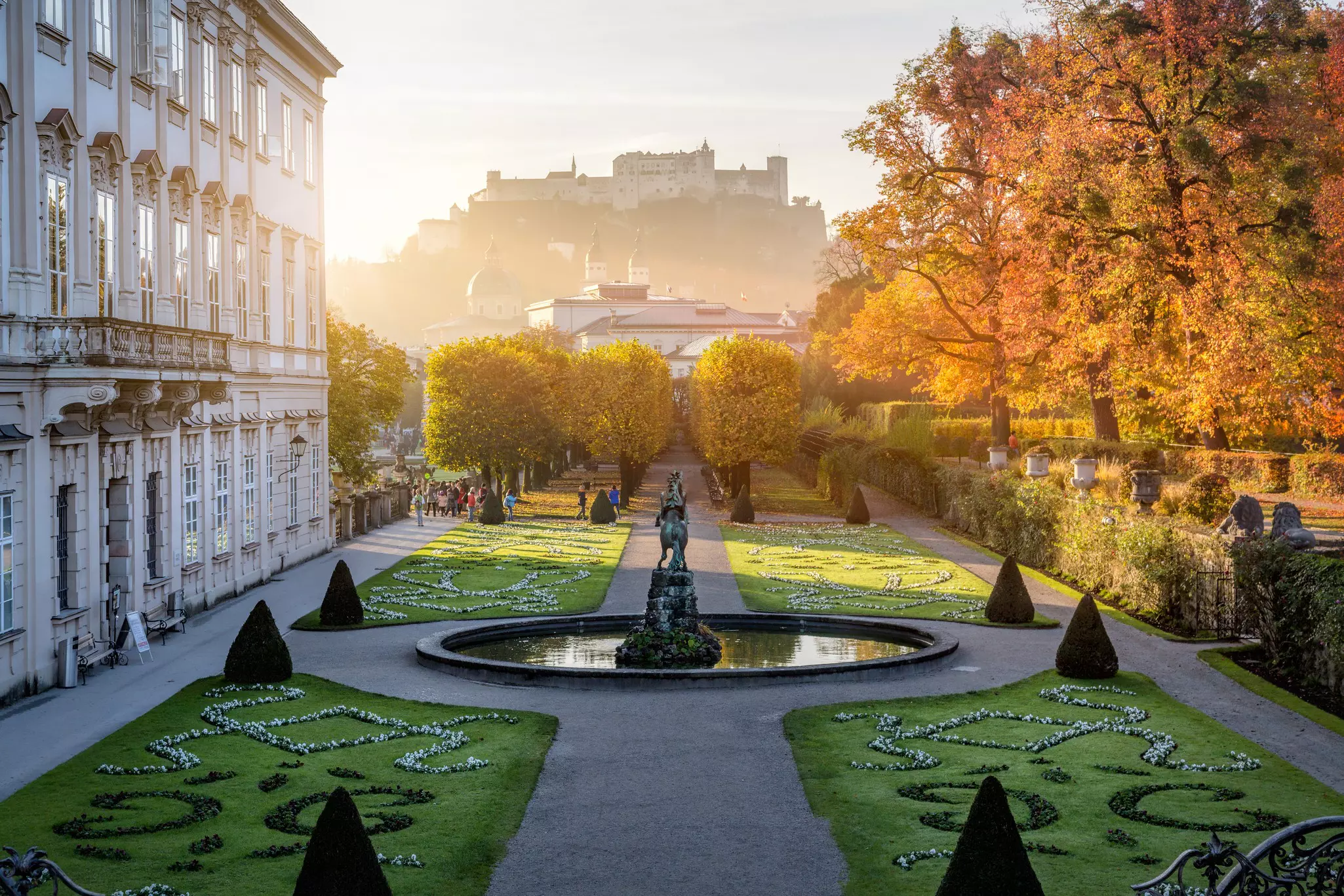
With its high-on-a-hill fortress, dome-encrusted baroque Old Town, cliffs dropping to the river like a theatre curtain and phenomenal Alpine backdrop, the city of Salzburg looks perfectly orchestrated – and this is no coincidence.
Music is in Salzburg’s blood, whether you’re into warbling nuns hitting the high notes on their way to mass (cue The Sound of Music, filmed here in the 1960s) or Mozart concertos (Austria’s superstar composer was born here in 1756 and his music still rocks many venues today). Then there is the big one: summer’s Salzburg Festival, first staged in 1920, is now a classical music fest of epic proportions, with a high-caliber line-up of opera, concerts and drama held at grand concert halls and plazas all over the city.
There are many ways to get your groove on in Salzburg, from singing your heart out to The Sound of Music classics as you whizz around film locations with Fräulein Maria's Bicycle Tours to intimate chamber music concerts in the baroque marble hall of Schloss Mirabell.
Planning tip: The beautifully manicured gardens of Schloss Mirabell host free promenade concerts on Sunday mornings and illuminated fountain concerts on Wednesday evenings from May to August.
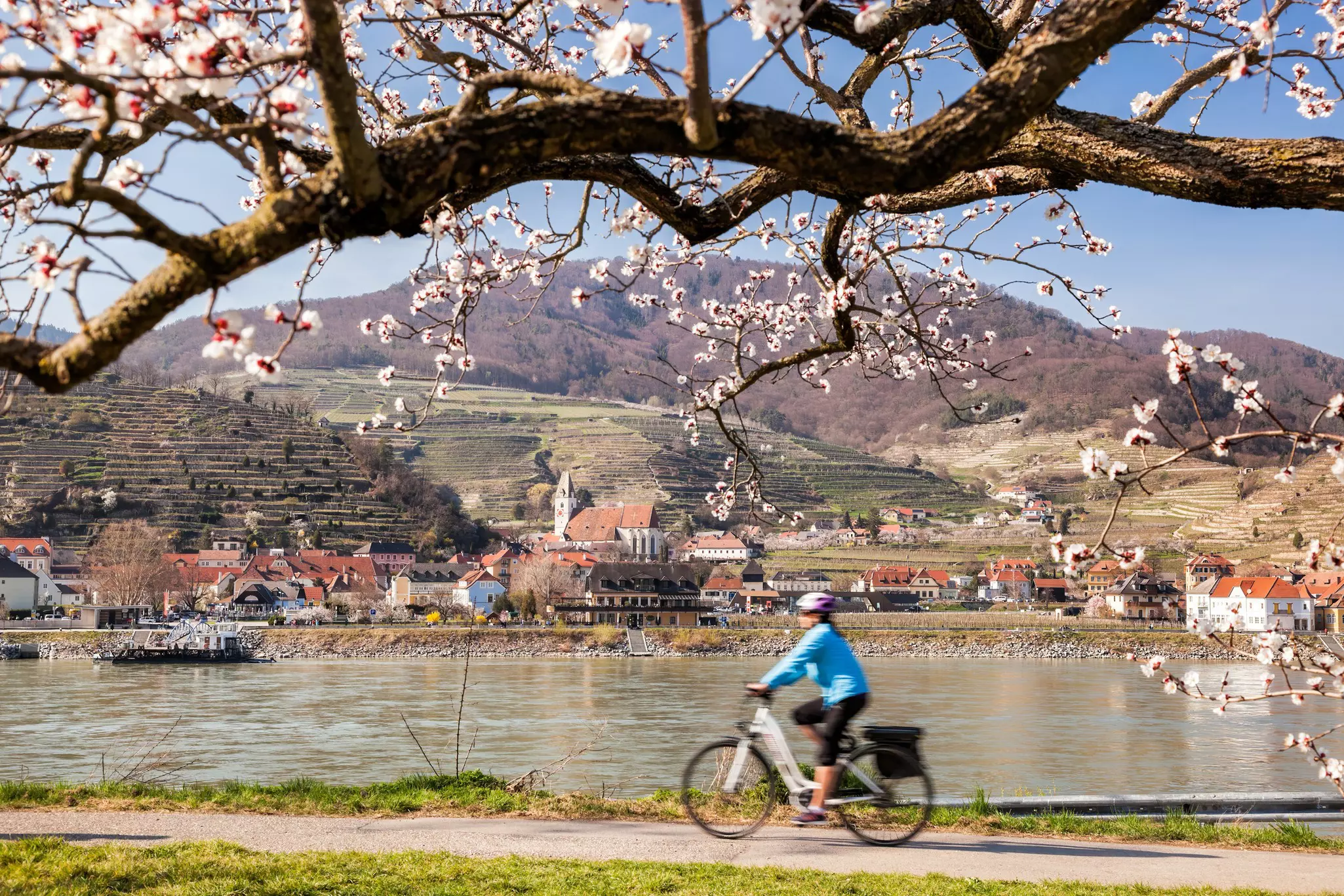
You can hike, drive, take a boat or train, but there’s no finer way to see the Danube Valley than with your bum in a saddle. Weaving 236 miles (380km) from Passau to Bratislava, the long-distance Danube Cycle Path is ideal for freewheeling, opening up the riverscapes in the most delightful fashion. Baroque abbeys and castles sit high and mighty on rocky outcrops, woodlands sweep down to deep valleys and orchards, and vineyards stagger down to villages that break up the ride nicely with some of the country’s best food and wine.
The icing on the cake is The Wachau, a stretch of the river so darned lovely it has been awarded UNESCO World Heritage status. Allow ample time here to glimpse such treasures as riotously baroque Stift Melk, an abbey complex of epic proportions, and the romantic ruins of Dürnstein’s medieval castle, Kuenringerburg, where Richard the Lionheart was once incarcerated.
Planning tip: If you don’t have time to bike the lot, one of the most scenic stretches of the cycle path weaves through The Wachau. In a day, you could pedal 22 miles (35km) from baroque abbey-topped Melk to Krems. Rent wheels at nextbike.
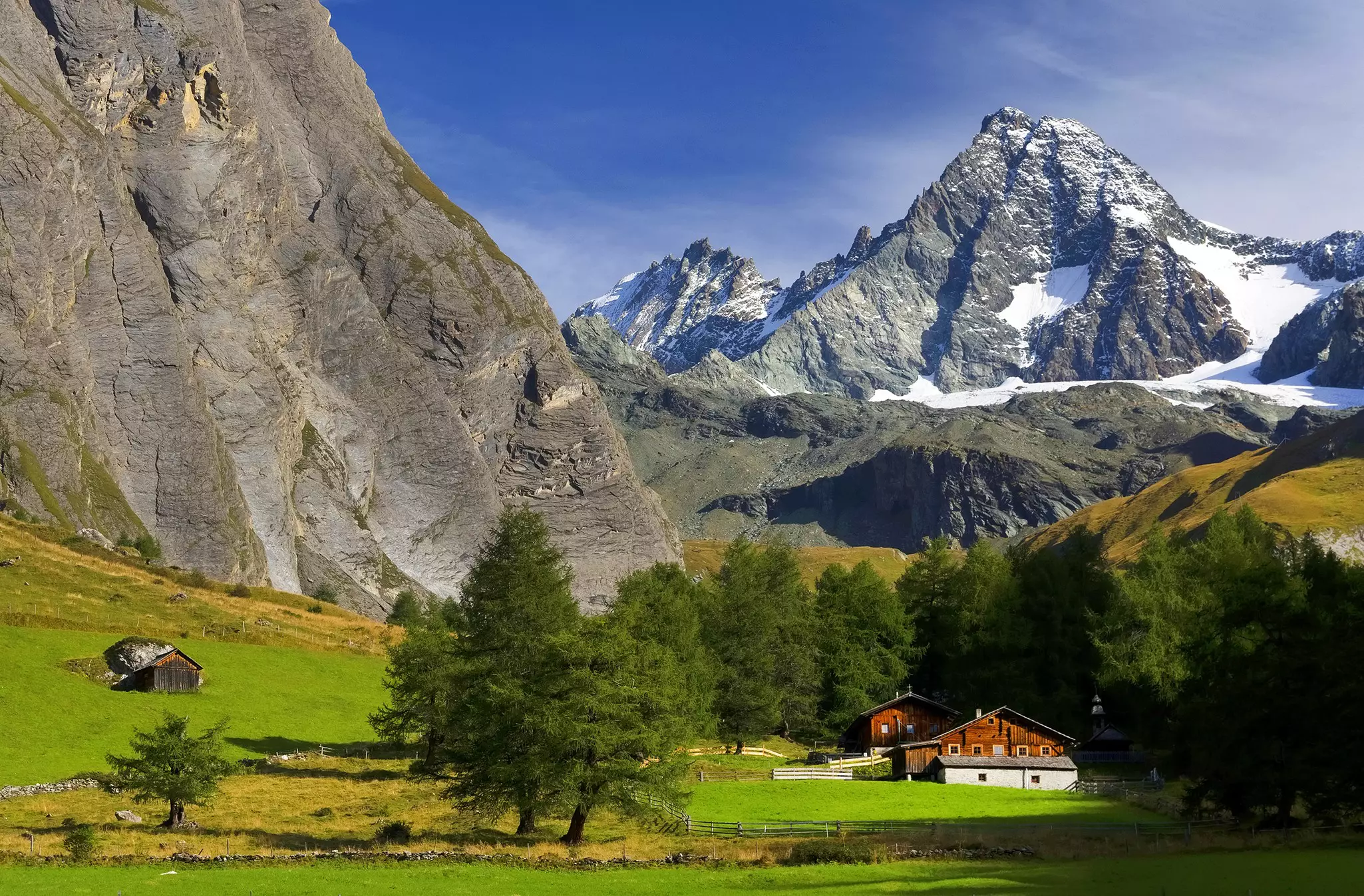
You’ll never get higher in Austria than in Hohe Tauern National Park. Mother Nature really excelled herself when she let rip on one of Europe’s biggest nature reserves, spreading across a whopping 1856 sq km (716 sq mi) and straddling three states (Tyrol, Carinthia and Salzburgerland).
No amount of waxing lyrical about glinting glaciers, eternally ice-capped peaks, bluer-than-blue lakes and roaring falls can ever match the reality. With Grossglockner lording it over the lot, these are landscapes that beggar belief, which you can only really see by striking out on foot: hiking and climbing in summer, or ski touring through the vast, snowy backcountry in winter. Or for more serious action, check out Bergführer Kals’ activities, which include Alpine ascents, ski touring and ice climbing. For everything else, try the park visitor center in Mittersill.
Planning tip: To ramp up the adventure in the park in the company of a well-informed pro, sign up for one of the park’s guided ranger hikes from July to September. These swing from herb-discovery trails to around-the-glacier tours and starlit hikes.
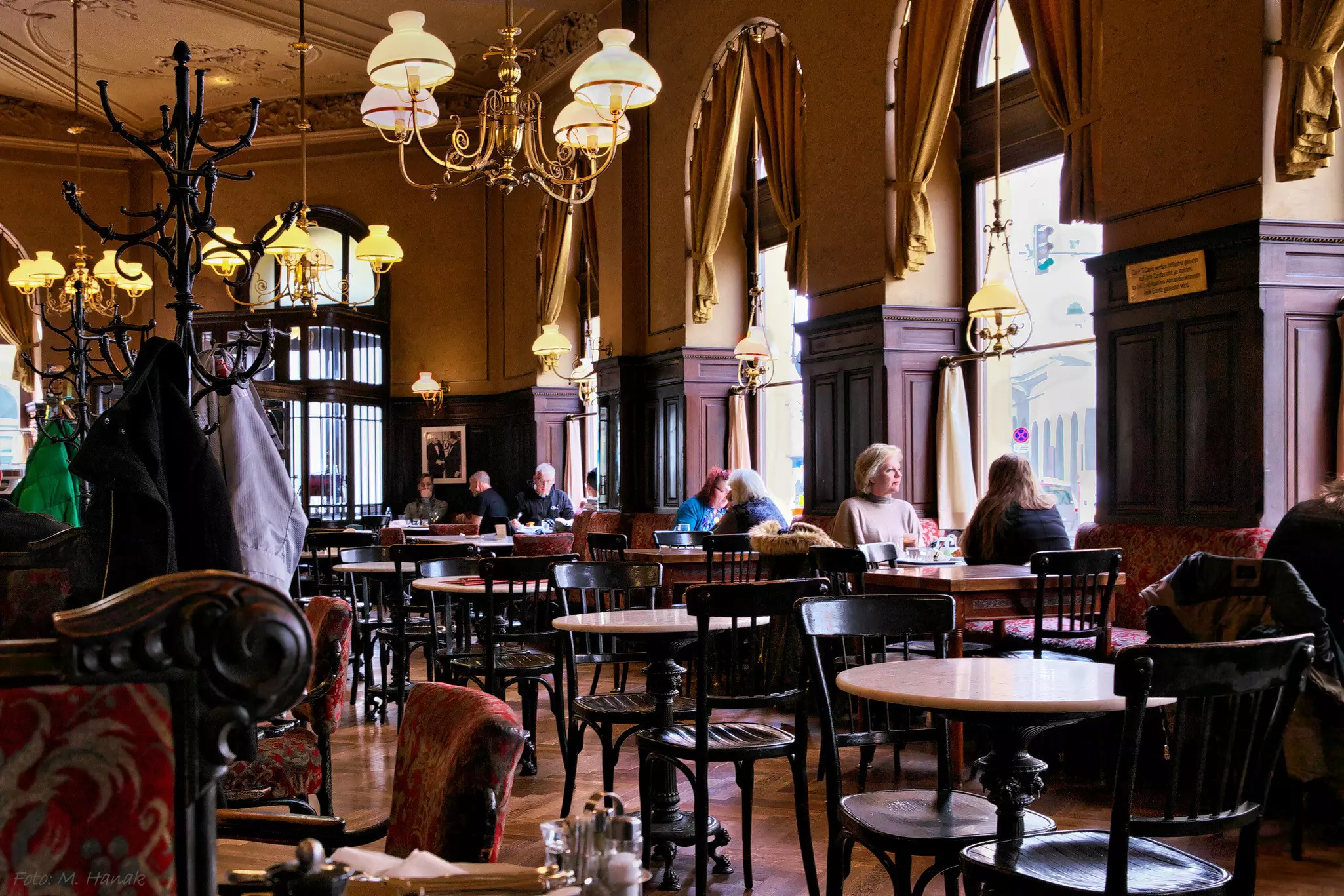
Spending a lazy afternoon in one of Vienna’s coffeehouses is your fast-track ticket to the city’s soul. Nowhere captures the nostalgic warmth of Gemütlichkeit better than the Kaffeehaus. They come in all shapes and styles, from grungy and poster plastered to grand but faded and full-on palatial, with vaulted marble interiors, highly polished silver and pianists. Step into one today and the clock rewinds to the 19th century, when great artists, poets, philosophers and painters played chess, plotted career moves and set the world to rights over coffee and cake (Trotsky, Freud and Klimt among them).
Austria has been obsessed with coffee ever since the Turks left behind sacks of coffee beans (then believed to be camel fodder) at the city gates when they fled during the Battle of Vienna in 1683. Roasting the beans and adding a dash of milk, cream and sugar, the Viennese began to create their own mini world and lexicon of coffees: Verlängerter (Americano), Melange (cappuccino) and Brauner (espresso).
Planning tip: Chandelier-lit Café Sacher does the best chocolate cake, Café Central is terribly posh and Café Sperl is nicely bohemian, but you’re bound to find your personal favorite.
Book your Austria trip with Lonely Planet Journeys
See Austria how it's meant to be seen
Planned by local experts and tailored to you, Lonely Planet Journeys handles the logistics so you can just enjoy the trip. Tell us what you want and we'll build your Austria itinerary from scratch, or browse our bookable trips to get inspired.


Explore related stories