Aug 17, 20267 min read
Sydney to Perth by train: What to expect on one of the world’s longest train trips Aug 20, 2025
12 MIN READ

Writer
From surf beaches to nude beaches and everything in between, here are the top things to do in Australia. Jessica Lockhart for Lonely Planet

Writer
Highlights
Writer Phillip Tang maps 22 Australian adventures, from wildlife to wine and cities.
Visit the Great Barrier Reef for sea turtles; snorkel Ningaloo Reef for whale sharks.
Try Red Centre bush food under the stars; join an Anangu guide at Uluru's base.
Circle the Sydney Opera House on foot; Melbourne's wonderfully grungy laneways reward night owls.
Lonely Planet may earn a commission from affiliate links on our site. All recommendations and reviews reflect our own independent opinions.
An ancient land of diverse ecosystems, Australia is a nature lover’s wonderland.
From emerald rainforests and fragrant, eucalyptus-covered mountains, to golden ribbons of coastline and woodland caves with Aboriginal art, there are countless ways to experience the beauty of this vast island nation. Even in urban settings, nature is never far away. Rainbow lorikeets squeal at sunset, and crashing crystal waves beckon you outdoors, if just to sip Aussie wine and scoff prawns.
Here are the best things to do in Australia.
Inspired by yacht sails and surrounded by water, the glorious Sydney Opera House is an Australian icon. The majestic curves dominate Sydney Harbour and look impressive from every angle. Stroll right around its base – something many don’t know you can do – then take a white-knuckle climb up the Sydney Harbour Bridge with a guide to get a view of the Opera House. For a quiet perspective, kayak at dawn as the sun kisses the surrounding waters, or picnic under Moreton Bay fig trees in the crowd-free Tarpeian Lawn in the Botanic Gardens.
Local tip: Time your visit to watch Badu Gili – a light show of First Nations stories by Aboriginal artists – projected onto the Opera House.
The didgeridoo plays while the sun shimmers on the horizon and the earth’s rusty red intensifies. Then the Southern Cross and stars spill across the sky. Enjoy a tasting menu of native bush ingredients in the Northern Territory's Red Centre alongside this remarkable backdrop.
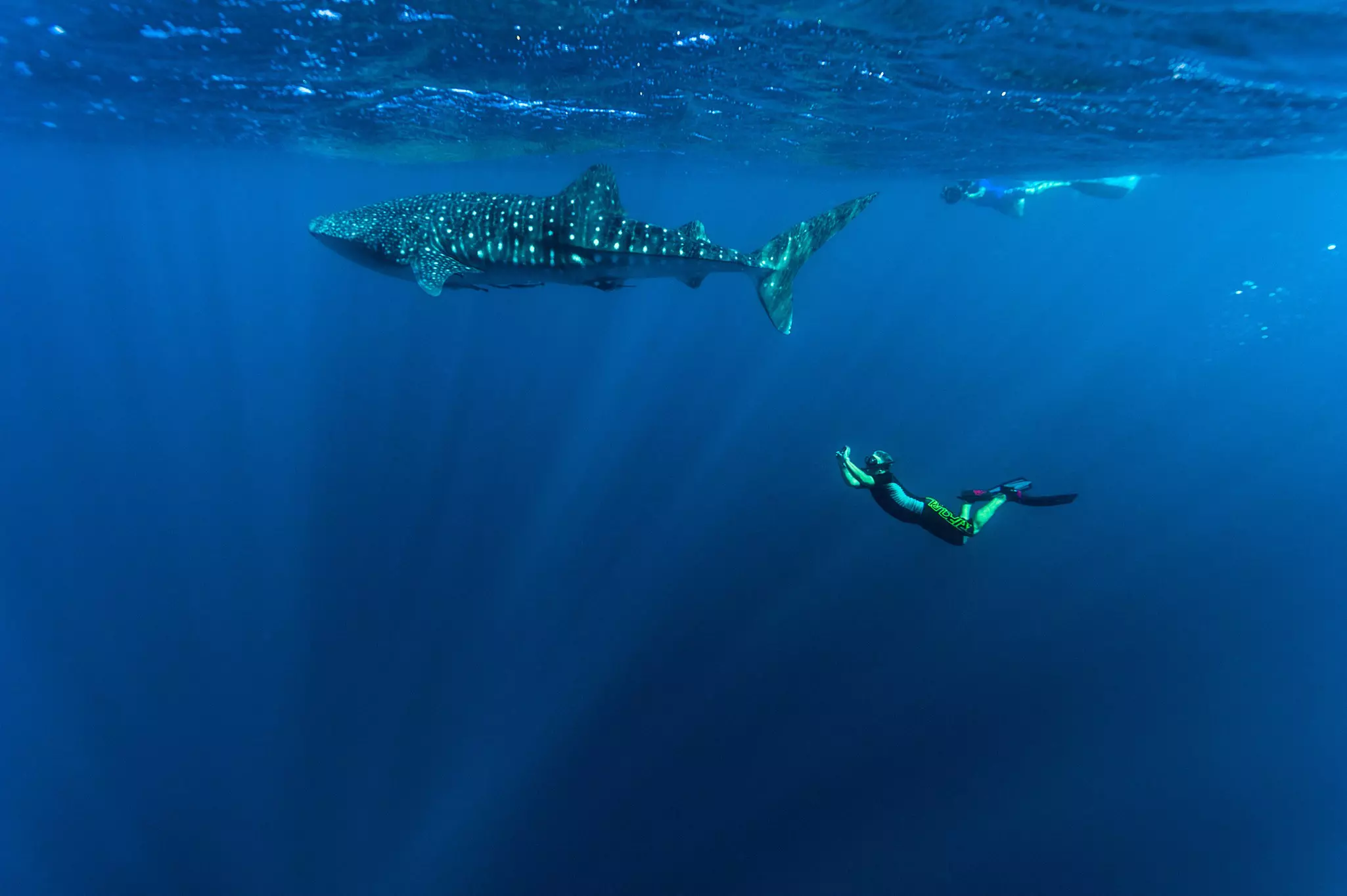
The Great Barrier Reef has a lesser-known but equally dazzling sibling in Western Australia. Ningaloo Reef is a jeweled necklace of coral reef that fringes the coast, especially near Exmouth, making it very accessible for snorkelers. Nearby, blowholes force ocean water through sea caves and up to 20m (66ft) into the air. Ningaloo Reef is a place to spot whale sharks (the world’s largest fish) and migrating humpback whales.
Planning tip: For children and those who don't want to swim, glass-bottom boats are a comfortable option to see manta rays and turtles gliding above the coral below.
Nearly half of all Australians were born overseas or have at least one parent born overseas. That’s why eating at restaurants in Little Korea, Thai Town or Greek Precinct means you get the real deal. As always, it pays to window-shop for somewhere that has mostly local diners.
Modern Australian food highlights these world flavors through European cooking techniques, and its varied climate and nutrient-rich land produces top-quality fresh ingredients. Chefs are exploring pairing indigenous flavors, such as desert lime and bush banana (which resembles snow peas), with seafood, Australia’s specialty.
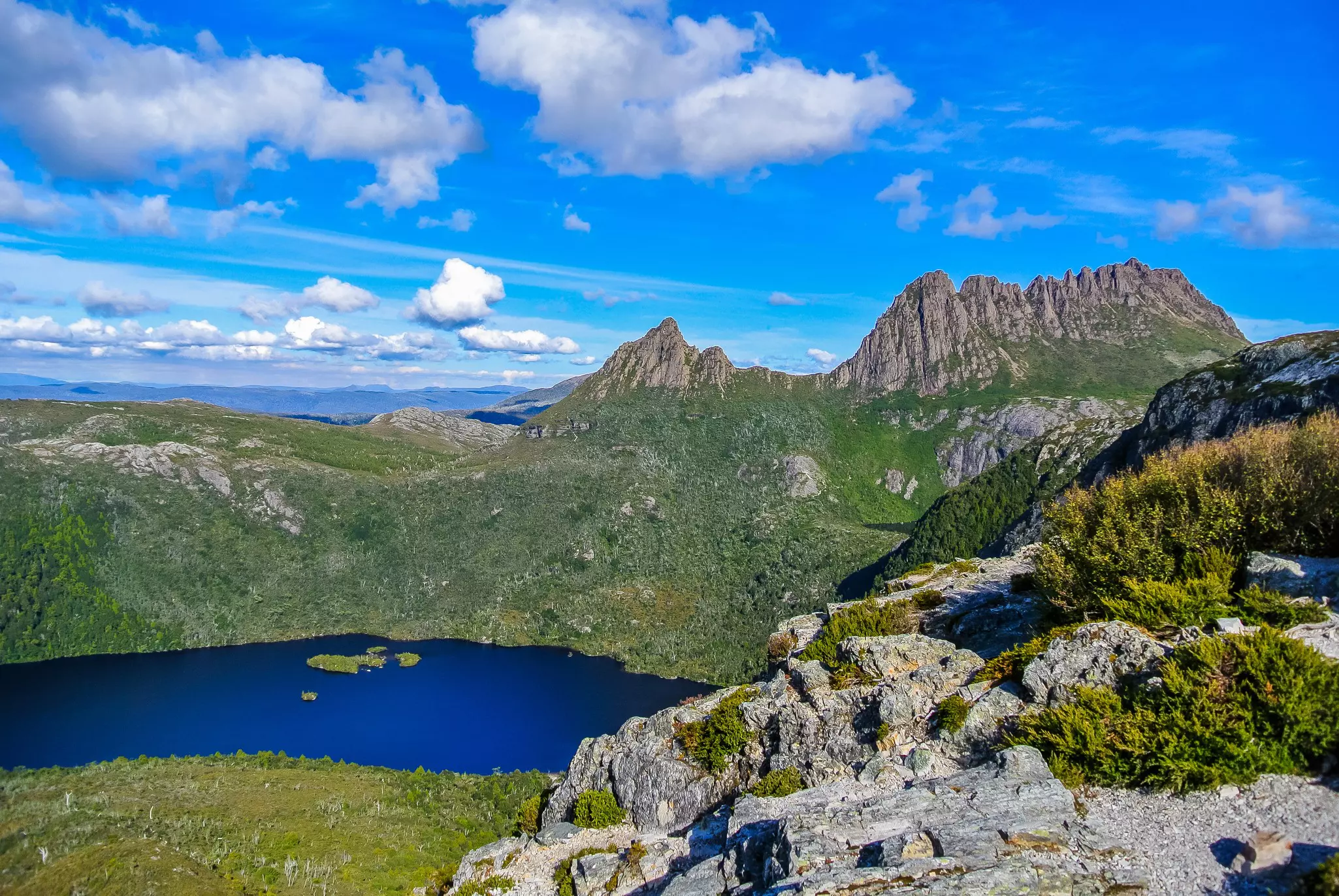
On first seeing Cradle Mountain, even Aussies might exclaim, “I didn’t know Australia could even look like this!” It’s true that the glacier-hewed crags and alpine heaths here have a touch of the Scandinavian. Cradle Mountain is all Australian though, with pristine ancient rainforests, mirrored lakes and unique fauna isolated from the rest of the world. Hiking newbies: head to Ronny Creek for a glimpse of wombats drinking from a creek in a buttongrass moorland. The terrain is flat, and most visitors head for Dove Lake, so you’ll have the marsupials (and shuttle bus stop) to yourself.
The sun won't even be up yet, but it'll be worth it – and your heart might melt – when you witness little blue penguins waddling across the sand. Phillip Island is the most famous penguin site, but there are other islands and even secret spots in cities such as Manly in Sydney and St Kilda in Melbourne.
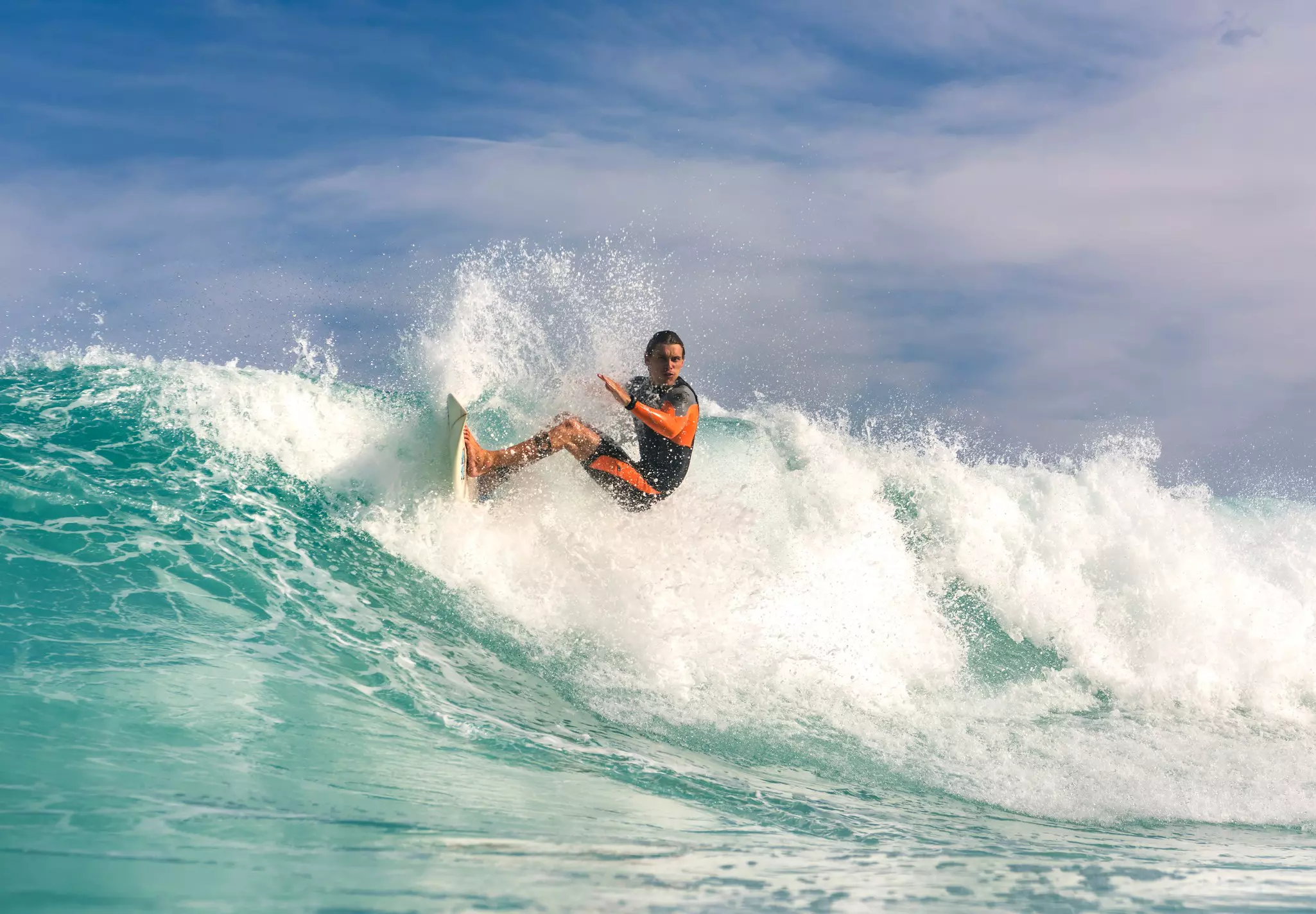
You might not ride a tube on your first lesson, but paddling and standing on a surfboard for one glorious moment before being dumped in a fizzle of white foam is an amazing feeling. Besides, getting water-confident will help you enjoy some of Australia’s nearly 12,000 beaches. When the water’s choppy, try sandboarding on dunes across the country, often in places with rich Aboriginal history, including Henty Dunes in Tasmania.
Local tip: Want to learn more about the history of surf culture and the campaign by women surf pros to be recognized and celebrated in the sport? Check out the documentary Girls Can't Surf.
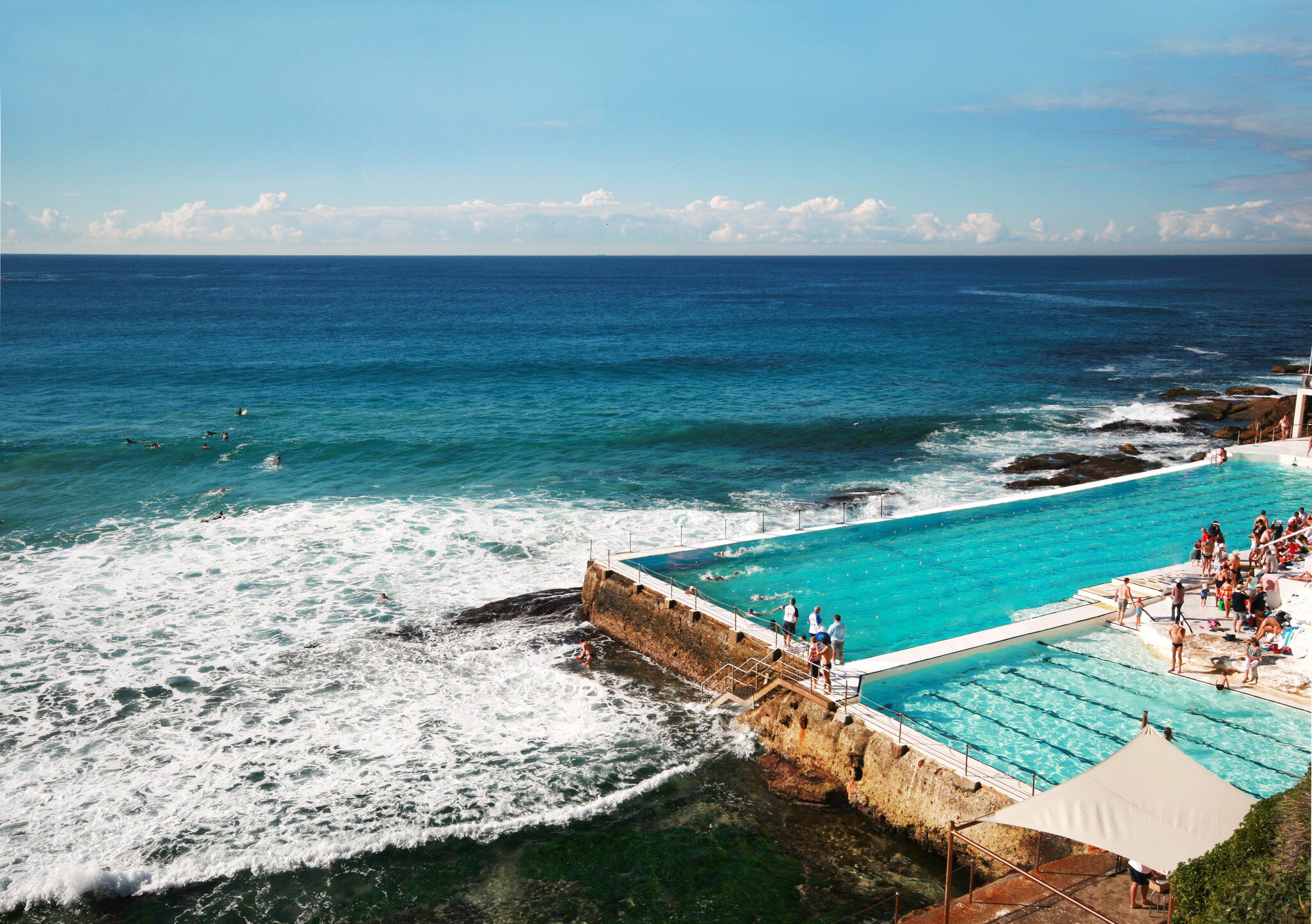
Hugging 6km (3.7 miles) of coast between two beaches, the clifftop walk from Bondi beach is saturated by blue skies and rolling ocean. No matter how many times you walk it, each turn is a delight: outdoor baths that glitter with crashing ocean waves; Gordon’s Bay, decorated with wooden boats; Waverley Cemetery with the most exclusive resting place in Australia; McIver’s Ladies Seawater Baths hewn from rock; and lounging locals at Tamarama, Clovelly and Bronte beaches, each with their own personality.
Local tip: Stop at the Clovelly Bowling Green for a beer and a barefoot game of lawn bowls overlooking the ocean – you just need to sign in as a guest. The walk gets steep after this, so it may be tempting to stay and linger.
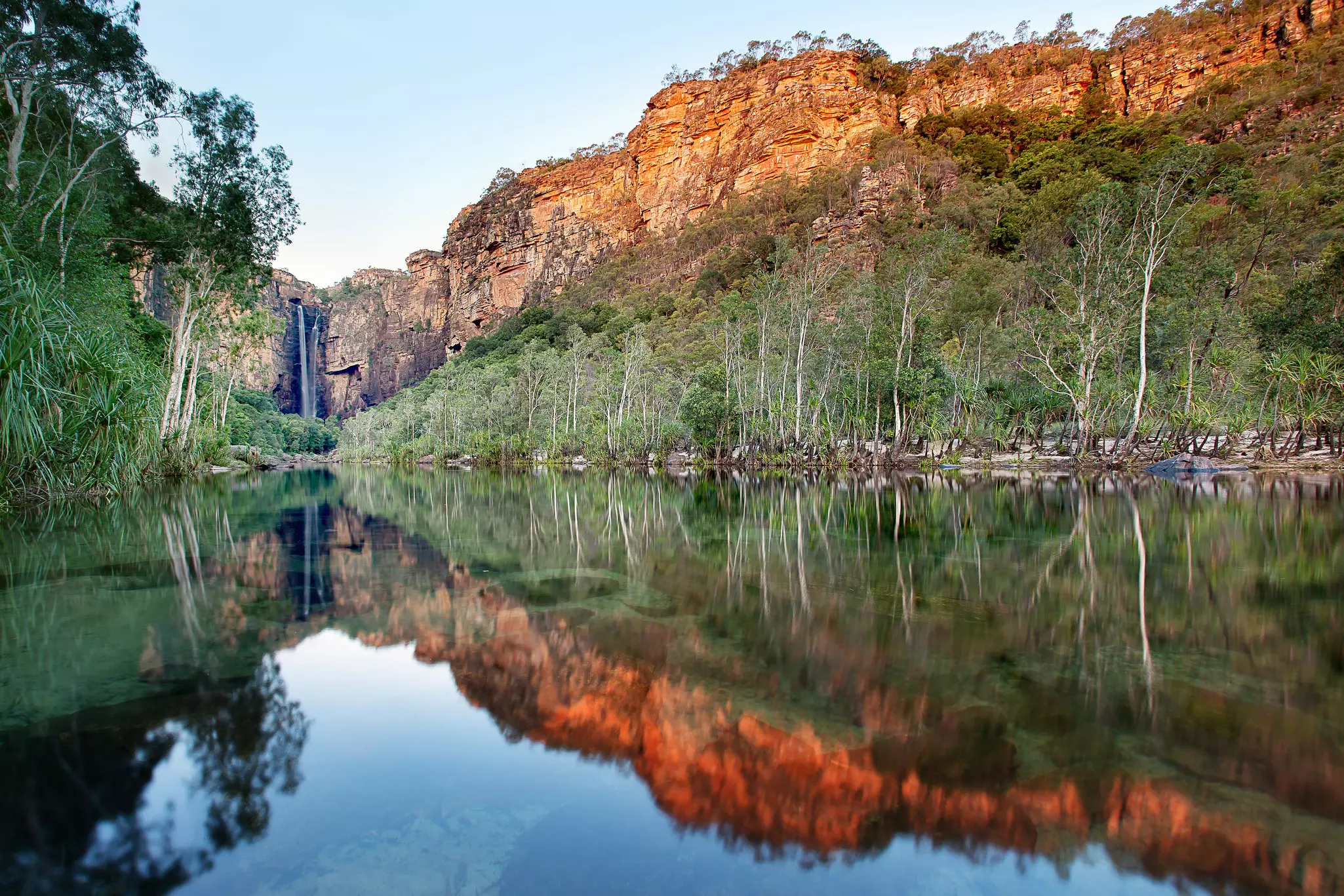
Kakadu is the perfect kind of middle of nowhere. It’s the wild Australia that you might have already daydreamed about. Waterfalls bloom from rock, prehistoric crocodiles thrash the wetlands, lorikeets sing, and Aboriginal guides bring ancient rock art to life.
Planning tip: Helicopter or fixed-wing scenic flights are a wonderful way to get a sense of the sheer scale and beauty of Kakadu. Note that flights are only available over Jim Jim Falls in the wet season (November to April). The Traditional Owners request that the skies are rested in the dry season (May to October).
It might have started off as a protest, but today, over 45 years later, Australia’s largest LGBTIQ+ Pride parties all night. The parade's flamboyant floats are decorated 12 months ahead, and dancers practice weekly to sashay for that one night. Grab a stool or milk crate to watch from the sidelines, and prepare to shout “Happy Mardi Gras!” to strangers. Nightlife excels all year round in Sydney, with cozy, queer-friendly pubs including the Bearded Tit.
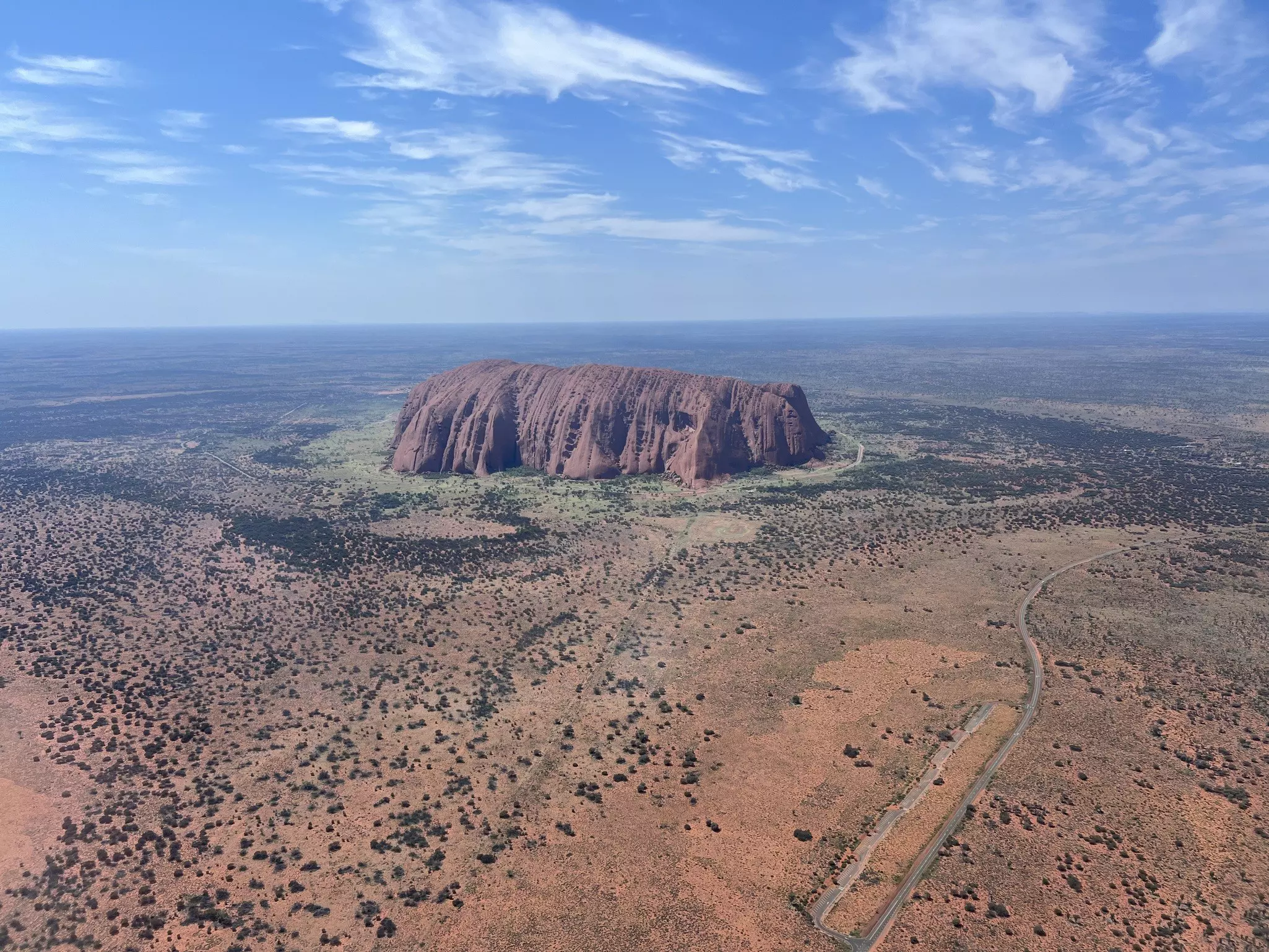
Uluru has been a sacred site to the Anangu, the area’s Aboriginal people, for 10,000 years. It’s definitely worth engaging an Anangu guide for the Kuniya walk to the Mutitjulu Waterhole at the base of Uluru to hear ancient stories, decipher rock art and appreciate the significance of Uluru’s towering slopes.
Planning tip: Go at dawn to beat the heat, then go back at night for the incredible immersive drone and laser-light show, Wintjiri Wiṟu.
Kangaroo Island is a montage of Australian nature on show. In one day, you can glimpse koalas snoozing in eucalyptus trees, echidnas waddling and kangaroos and wallabies sunbathing. In between, walk under the towering stone fossils of Remarkable Rocks and dip your toes in the clear blue waters of a parade of beaches you'll have all to yourself (except those guarded by sea lions).
Sport is everywhere in Australia, from international matches to the local Dunny Derby (it’s a toilet race). Even if you are not a sports fan, seeing a big match taps you into the Australian psyche at its most excitable. Women’s sports are finally getting the attention they deserve in Australia, with a good turnout for women’s cricket and Australian Football League (AFL) games these days. Sydney will host the 2027 Netball World Cup, and netball might make it into the Brisbane 2032 Olympics lineup.
Planning tip: Plan ahead for tickets to see the Australian Open tennis in Melbourne or the World Surfing Championships on the Gold Coast.
Aussies aren’t that fussed about nudity or what adults do in their own time. Feel the sun bathe every inch of your body at one of Australia’s community-minded nudist beaches. Don’t forget sunscreen; the rays are mighty here, and burnt bits aren’t fun.
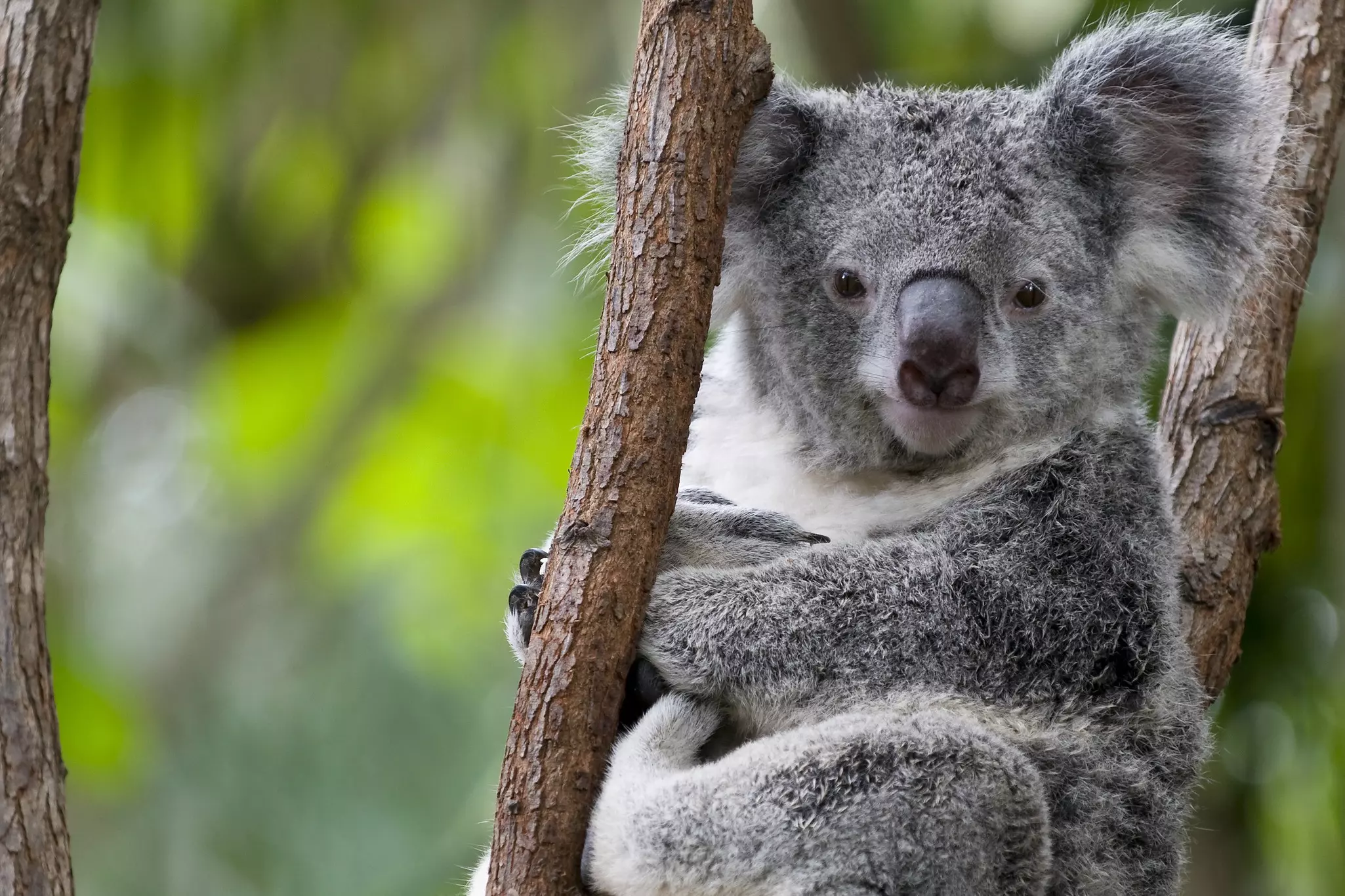
Who doesn’t love a cuddly koala? Just look at their high-on-eucalyptus faces! However, cuddling koalas is no longer allowed in most places. Instead, you can spot one high up in the street trees of rural towns around Australia’s southeast coast. As well as admiring the wildlife, look out for opportunities to learn about Australian bush conservation and how people can help wildlife recover after bushfires.
The Victorian High Country has rewarding views at every turn. Ribbons of roads and disused railway lines (now reinvented as cycling rail trails) roll out alongside olive groves, tree ferns and wineries between alpine valleys and lake swims. There are long stretches of flats for families and casual riders as well as mountain trails right into the bush for the adrenaline-chasing cyclist.
Detour: The Victorian High Country boomed with gold in the 1850s, and there are traces of this wealth – and the Chinese miners who sought it – in the towns along the way. Eldorado has a gold museum, while Yackandandah has both quaint tinned-roofed buildings and a historic cemetery dedicated to Chinese gold miners.
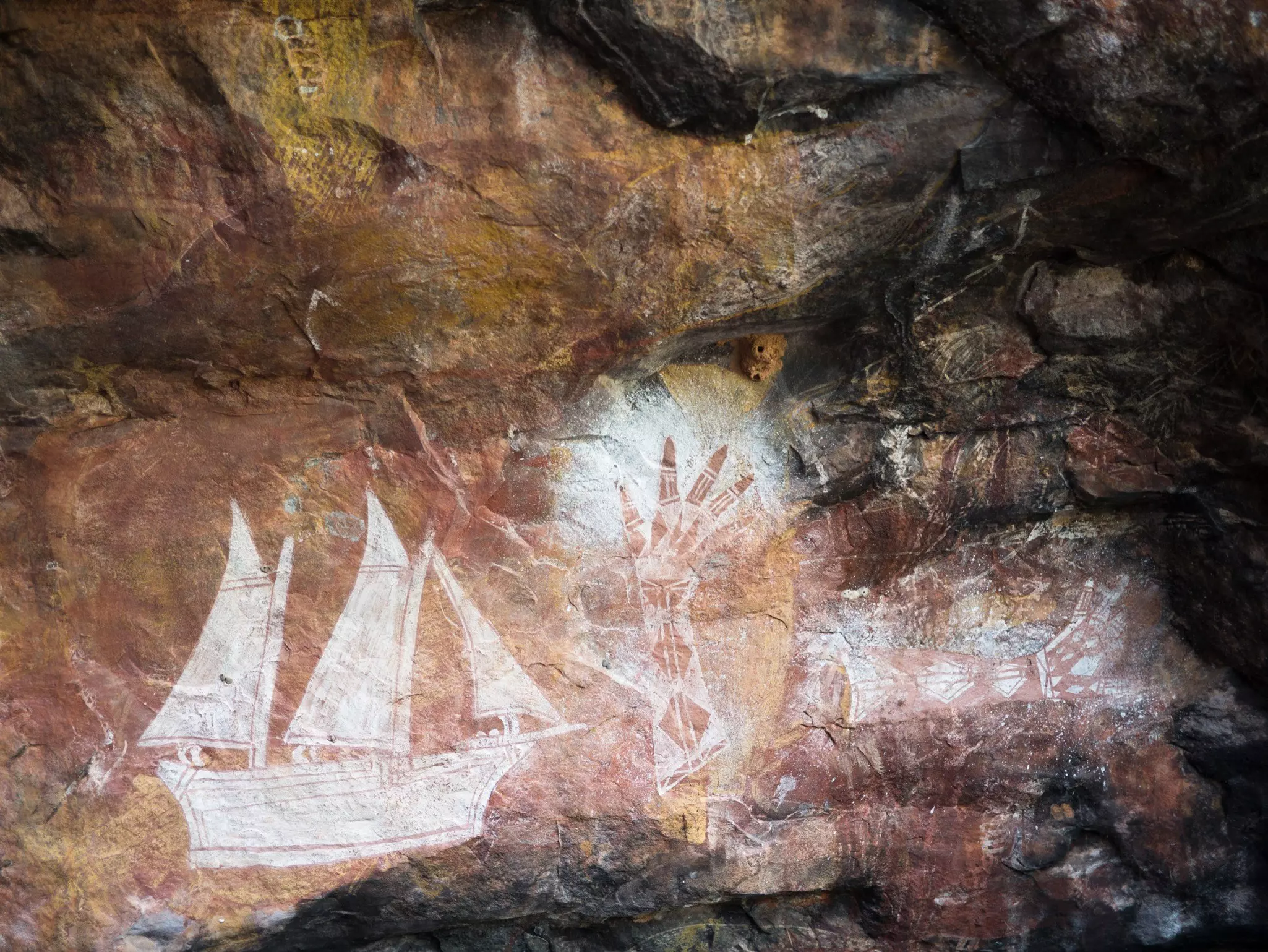
Art has been essential to cultural life through 65,000 years of Aboriginal Australian history. Seeing Aboriginal art is a launchpad to conversations about contemporary Australia for its First Nations people. Learn more about the significance of rock art at the Northern Territory's Arnhem Land and the Quinkan rock galleries in Queensland; the emergence of dot paintings on canvas in the 1970s in the Northern Territory; or the storytelling of contemporary works displayed at city-based museums, such as the Yolngu women’s bark paintings at the NGV in Melbourne.
Australia is blessed with clean water and rich soil to produce some top wines. Winery hopping lets you feel the sun and country air that fed the grapes while you taste test. Try old vine Shiraz in the Barossa Valley (South Australia) or a cabernet sauvignon from the Margaret River region (Western Australia), chased down with chardonnay in the Hunter Valley (New South Wales) and finishing with a pinot noir in the Yarra Valley (Victoria) or a sweet Riesling in Tasmania. You’ll need a few weeks to do it all, and every one of these wine regions is worth visiting for more than just its grapes.
Local tip: Include a gourmet farm-to-table lunch right in the vineyards, with produce freshly plucked from the garden. If you’re booze-free, try some non-alcoholic wine, which is becoming easy to find in Australia.
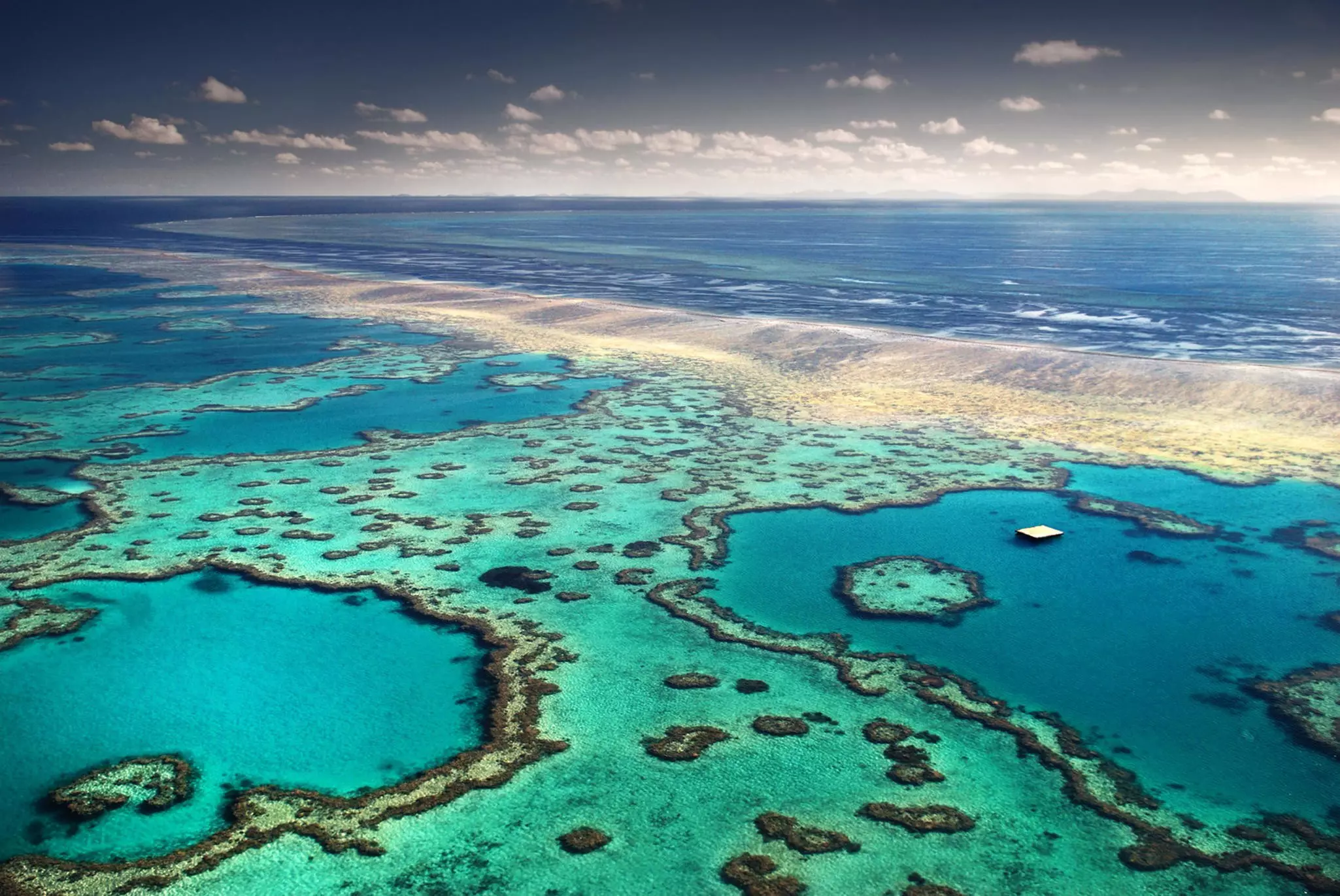
The Great Barrier Reef is a masterpiece of thousands of smaller reefs, coral and islands. It’s a world must-see, not just for Australia. There’s no way to recommend a free-for-all visit; climate change has caused mass coral bleaching, and tourism can be damaging. Yet there are still ways to visit in a sustainable way, as well to contribute to its conservation, such as by participating in a citizen science or reef restoration program facilitated by local tour operators. Don't forget to wear reef-safe sunscreen.
There is so much to see: turquoise waters resplendent with sea turtles floating above you and a kaleidoscope of coral beneath you; manta rays, dugongs, and a treasure trove of fish so diverse that there are species yet to be discovered. It’s enough to turn you into an advocate for marine conservation.
Australian food is world food, but there are some must-try Aussie staples that locals still adore. You might wince, but at least sample some yeasty, salty Vegemite spread thinly on toast. A smoother brunch is smashed avocado toast, an Australian invention; or a Thai curry pie, a spin on a classic Australian meat pie; and a sausage sizzle, the Aussie barbecue version of a hot dog.
You’re most likely to bring home Tim Tams, the chocolate-covered biscuits that Aussies longingly miss when overseas. Australia’s greatest export to the coffee world is the flat white (don't tell New Zealand), which is most famously fine-tuned in Melbourne.
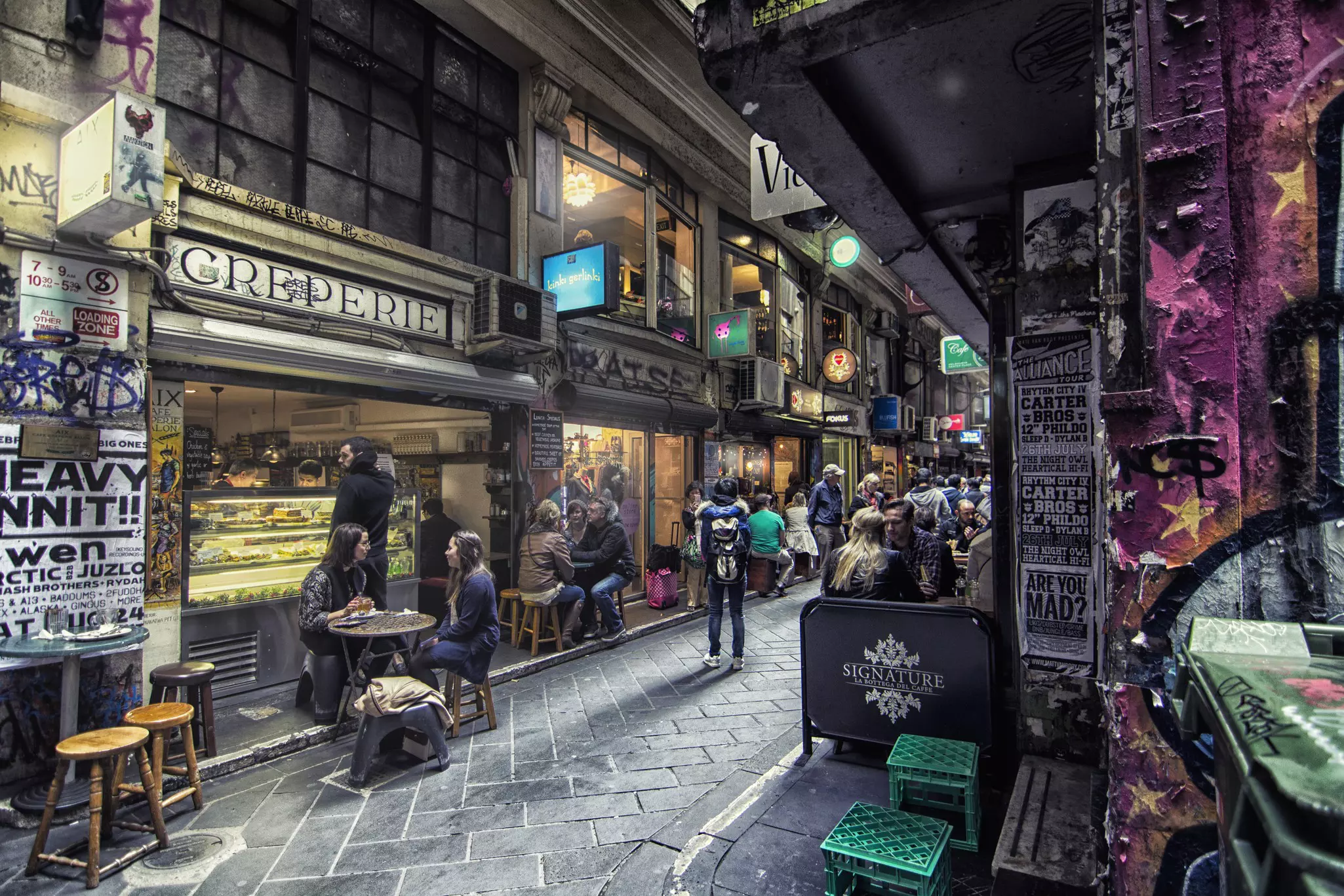
In central Melbourne, the street-art-decorated laneways hide a society of wonderfully grungy cocktail bars and clubs. The famously moody weather of the city makes Melbourne an excellent place to go out while being entertained indoors. For interesting drinking, live music, historic theatres, and the Melbourne International Comedy and Film Festivals, the city dominates the country’s nightlife calendar.
Planning tip: If you're traveling with children and want a night out with the kids, check out the Victoria Night Market. There's one in summer and one in winter with street food stalls, buskers, live music and local maker markets. Alternatively, many summer sporting events that run into the dark hours, like Friday night football, are also pretty child friendly.
Australia is a vibrant nation of migrants. The Immigration Museum in Melbourne and the Migration Museum in Adelaide bring out the colorful threads of this timeline through memorabilia, voices, artifacts and photos. They celebrate the positive elements in this story and are worth a visit for a deeper understanding of modern Australia.
Book your Australia trip with Lonely Planet Journeys
See Australia how it's meant to be seen
Planned by local experts and tailored to you, Lonely Planet Journeys handles the logistics so you can just enjoy the trip. Tell us what you want and we'll build your Australia itinerary from scratch, or browse our bookable trips to get inspired.

Explore related stories