Aug 28, 20268 min read
20 Things to Know Before Traveling to MoroccoDec 13, 2025
5 MIN READ

Writer
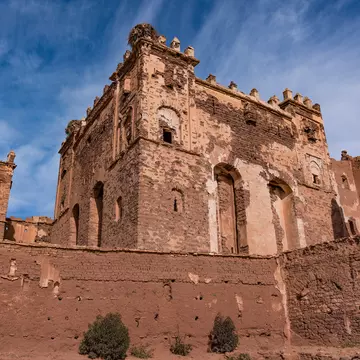
Kasbah of Telouet. posztos/Shutterstock

Writer
Highlights
Writer Sarah Gilbert maps nine Moroccan kasbahs, from Atlas peaks to arid desert.
Aït Ben Haddou played Yunkai in Game of Thrones; Taourirt in Ouarzazate appeared in Gladiator.
Architecture lovers should head to Marrakesh's Kasbah for the Bahia Palace and Saadian Tombs.
Head to Tangier's kasbah for Gibraltar views, or Chefchaouen's tower for the Rif peaks.
Lonely Planet may earn a commission from affiliate links on our site. All recommendations and reviews reflect our own independent opinions.
From the peaks of the Atlas Mountains to coastal cities and arid desert, Morocco is scattered with kasbahs – fortresses or fortified citadels. These monumental structures were defensive strongholds that protected trade routes and showcased the power of the sultans and tribal leaders that built them.
Here are nine of the most beautiful kasbahs to visit.
Best for cinematic scenes
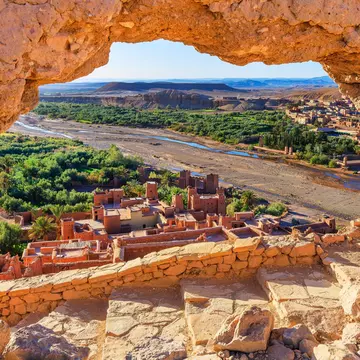
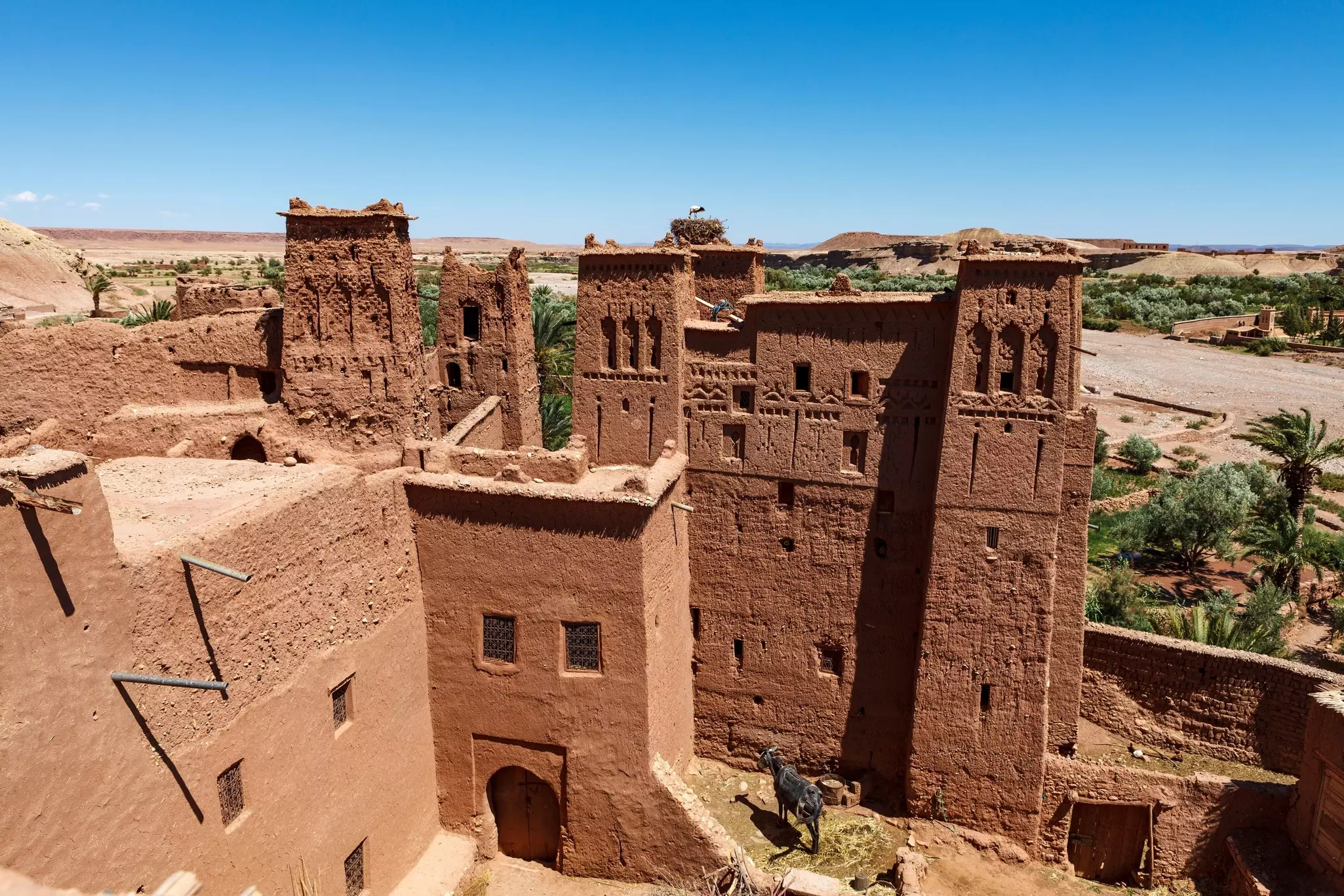
Thanks to some touch-ups, the UNESCO-protected mud-brick ksar (fortified village) of Aït Ben Haddou appears to have barely changed since its days as an 11th-century Almoravid caravanserai on the lucrative trade route between sub-Saharan Africa and Marrakesh. Its striking architecture, sublime setting and proximity to the film studios of Ouarzarzate have led to starring roles in many a Hollywood blockbuster, including Lawrence of Arabia and The Jewel of the Nile (look out for the Egyptian-style towers), as well as its reinvention as Yunkai, a fictional city in Game of Thrones.
Planning tip: Don’t miss the Maison de l’Oralité for a deep dive into the Amazigh oral tradition, with live events alongside videos and displays.
Best for grand monuments
Steeped in history, several of the Red City’s major historical sites are in the Kasbah neighborhood of the medina. And it’s far less frenetic than the area around the Djemma El Fna, a 15-minute walk to the northeast.
The 15th-century Badia Palace is now an atmospheric ruin and often hosts contemporary art exhibitions. The Bahia Palace is a masterclass in Moroccan architecture, decorated with exquisite zellige tilework, ornate stucco and painted wood. Sultans were buried in lavish mausoleums at the nearby Saadian Tombs.
Planning tip: The entrance to the Mellah (Jewish quarter) with its synagogue and cemetery lies to the south of the Bahia Palace.
Best for living history
Rabat’s 12th-century clifftop kasbah stands on the site of the original ribat, a fortress-monastery that gave the city its name. Enter next to the grandiose Bab Oudaia and wander its skinny alleyways, stopping off at the Plateforme du Sémaphore for scenic views over the River Bou Regreg to Salé.
Within its walls, the Andalusian Gardens, filled with fragrant plants and trees, make a serene escape from the city hubbub. It’s home to the National Museum of Jewelry & Adornment, showcasing precious gems and colorful caftans.
Planning tip: One of the world’s largest music festivals, Mawazine turns the Moroccan capital into an open-air stage in June; book accommodation well in advance.
Best for oasis life
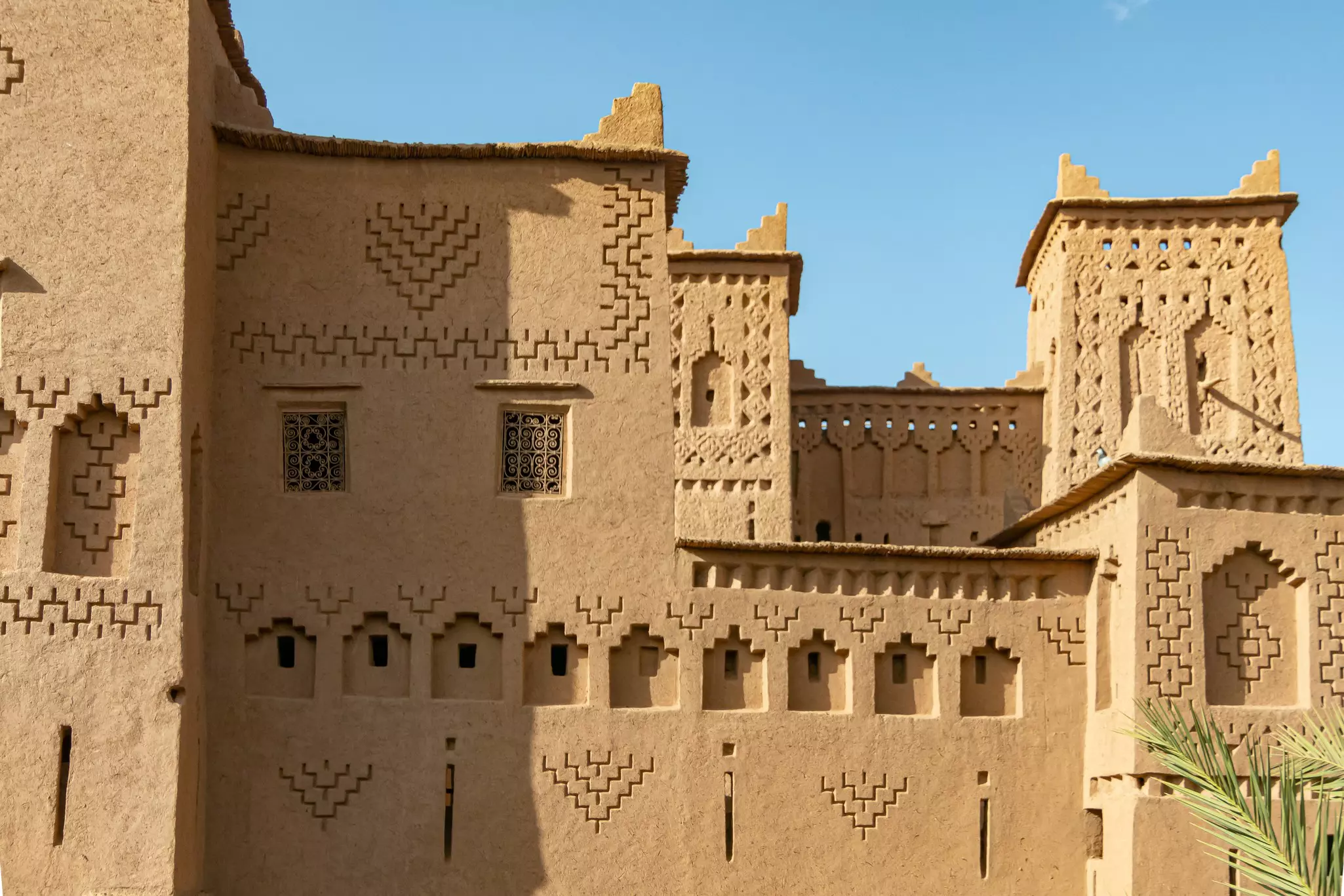
One of Morocco’s grandest kasbahs, Skoura’s 17th-century stunner once appeared on the 50-dirham note. You’ll get a feel for age-old kasbah living as you explore its twisting passageways. Look out for hand-carved door locks, tightly woven reed ceilings, an olive oil press and still-operating bread ovens.
Split into two sections, the right-hand side has a more authentic feel and a higher terrace, with sweeping views over the palm oasis, spread across the red-hued rocky landscape like a green carpet.
Planning tip: Skoura’s stylish boutique hotels make a great base to break up the journey between Marrakesh and the desert, and to explore the great valleys of the Dadès – aka Valley of a Thousand Kasbahs – and the Draa.
Best for stunning sea views
Sprawling across the medina’s highest point, Tangier’s kasbah is a fusion of shady alleyways and sun-drenched squares, where the light dances off the dazzlingly white walls.
At its heart is the cobbled Place de la Kasbah, where the former sultan’s palace is now the Kasbah Museum of Mediterranean Cultures, and arts and crafts sit alongside an overview of the region’s rich history. Step through the arch of the Bab Al Bhar for spectacular views over the fishing port and across the Strait of Gibraltar to Spain.
Best for faded grandeur
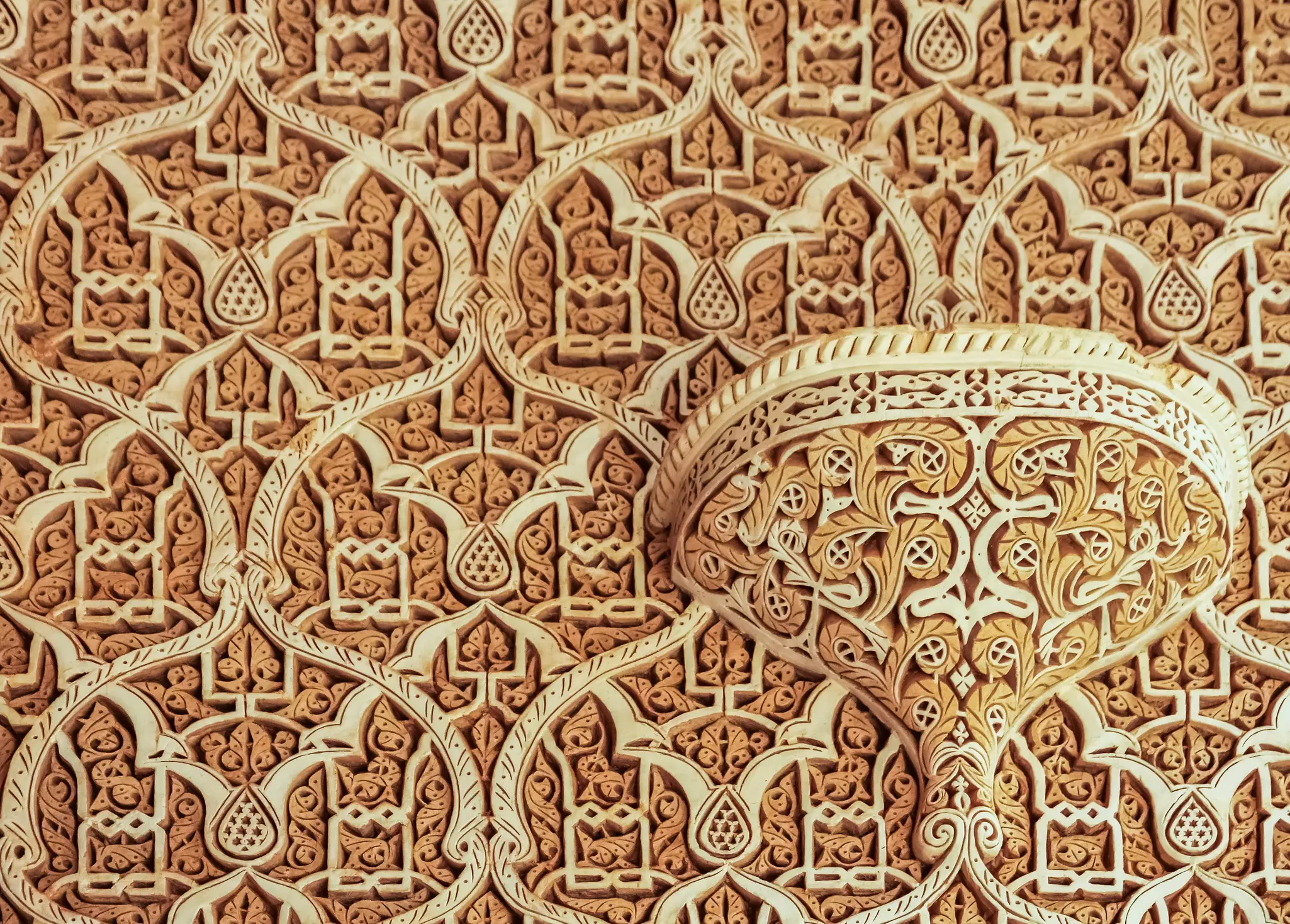
Aït Ben Haddou might get all the glory – and the visitors – but in a remote corner of the Ounila Valley, the crumbling Telouet Kasbah is an extraordinary sight. Abandoned for more than half a century, the kasbah has fallen into dramatic ruin, but there are still traces of its former splendor in its few remaining grand salons.
Built in the 1860s by the El Glaouis – famed feudal warlords who laid claim to the trade routes that crossed the Sahara – legend has it that it took 1000 enslaved people to build, and the walls and ceilings alone took 300 craftsmen three years to carve.
Getting there: If you don’t have your own wheels, minibuses and grands taxis run to Telouet from Ouarzazate.
Best for Rif mountain views
One of the blue pearl’s few non-blue buildings, Chefchaouen’s imposing ochre-colored kasbah looms over the buzzy Plaza Uta El Hammam. Dating back to the 15th century, the medina grew around it, and it has been a governor’s residence, a military arsenal and a prison throughout its long history.
Today, it’s home to a small ethnographic museum and a pretty Andalusian-style garden. Climb the clock tower for spectacular views over the city to the peaks of the Rif.
Best for High Atlas hiking
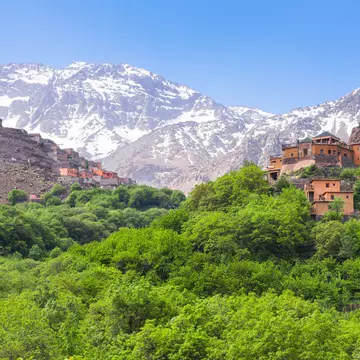
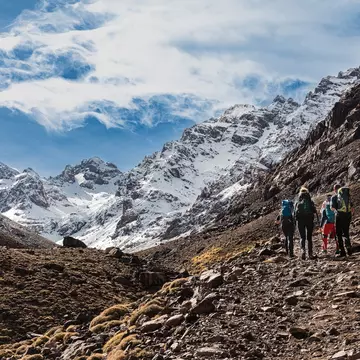
After Moroccan independence in 1956, this Pasha’s summer palace was left to crumble among the snowy peaks of the High Atlas until 1990, when a British-owned travel company transformed the rose-colored shell into a pioneering ecolodge and hiking base, with some of the best views in Morocco.
It was restored in a unique partnership with the local community around Imlil, using traditional methods and materials. It's now run by staff from surrounding villages, and a stay supports various local charities.
Best for ornate interiors
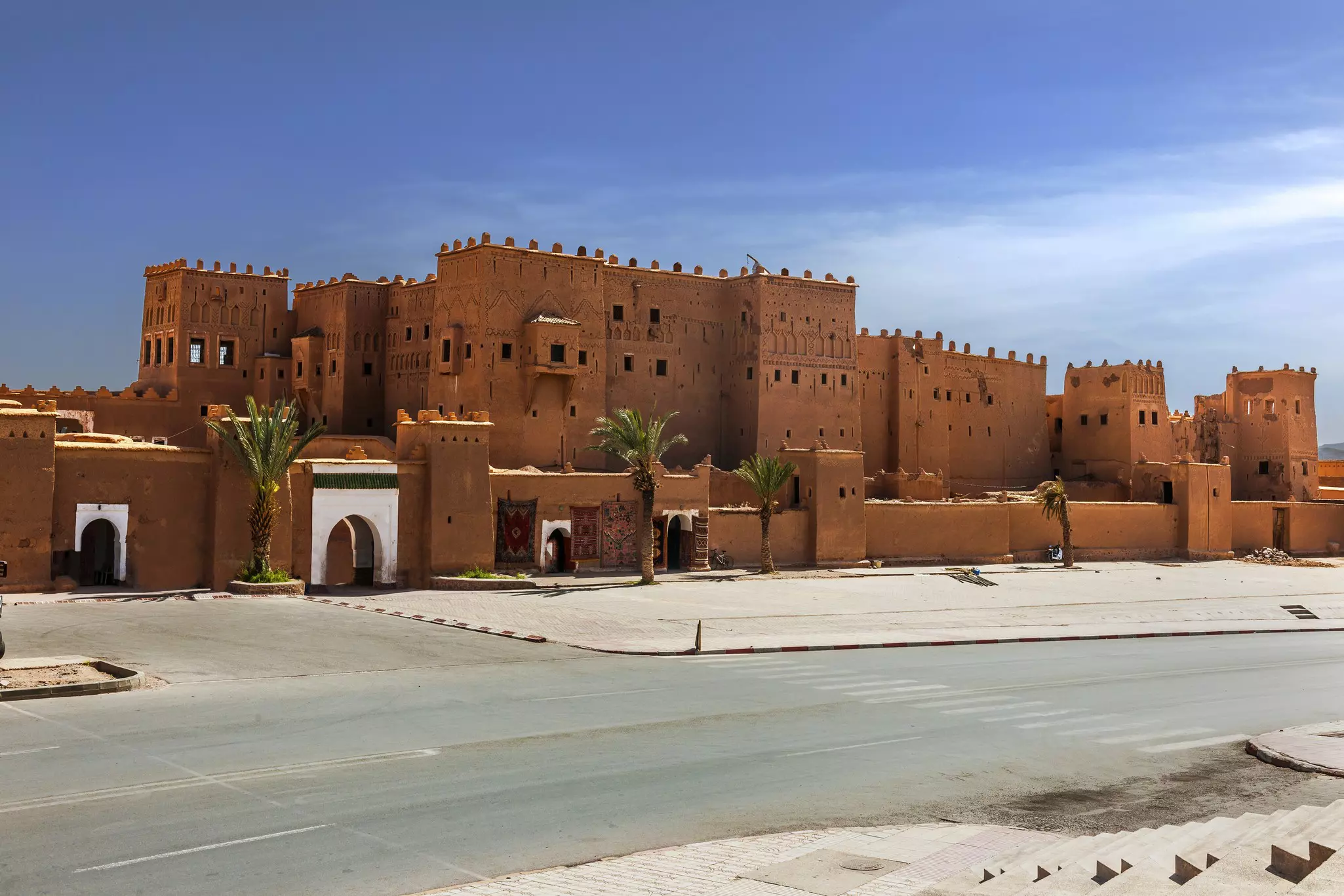
On the outskirts of sun-scorched Ouarzazate, the labyrinthine Taourirt Kasbah was built by the Glaouis in the 19th century to house numerous relatives, servants and merchants. Following independence, it fell into decay but was partially restored by UNESCO in the 1990s, as well as having a side hustle as a Hollywood set in films such as Gladiator.
For a glimpse of its bygone grandeur, follow the twisting staircases to the top floor, where rooms are decorated with intricate stucco and painted cedarwood.
Book your Morocco trip with Lonely Planet Journeys
See Morocco how it's meant to be seen
Planned by local experts and tailored to you, Lonely Planet Journeys handles the logistics so you can just enjoy the trip. Tell us what you want and we'll build your Morocco itinerary from scratch, or browse our bookable trips to get inspired.

Explore related stories