Oct 4, 202613 min read
12 Best Places to Visit in WalesApr 15, 2025
12 MIN READ

Writer
The view from the top of Caernarfon Castle, Wales. Sergii Figurnyi/Shutterstock

Writer
Lonely Planet may earn a commission from affiliate links on our site. All recommendations and reviews reflect our own independent opinions.
Wales might look little on a map. Yet the minute you start to climb its hills, dive deep into its valleys, and chug along its narrow, single-track lanes into sheep-nibbled moors, you’ll realize its vast scope.
For humble Cymru packs a lifetime of experiences into its modest borders.
From stargazing under some of the world’s darkest night skies to medieval castle crawls, sheep trekking in the mountains to craft distilleries, country pubs and coasteering, these 12 top Wales experiences will show you the best of this small but mighty country.
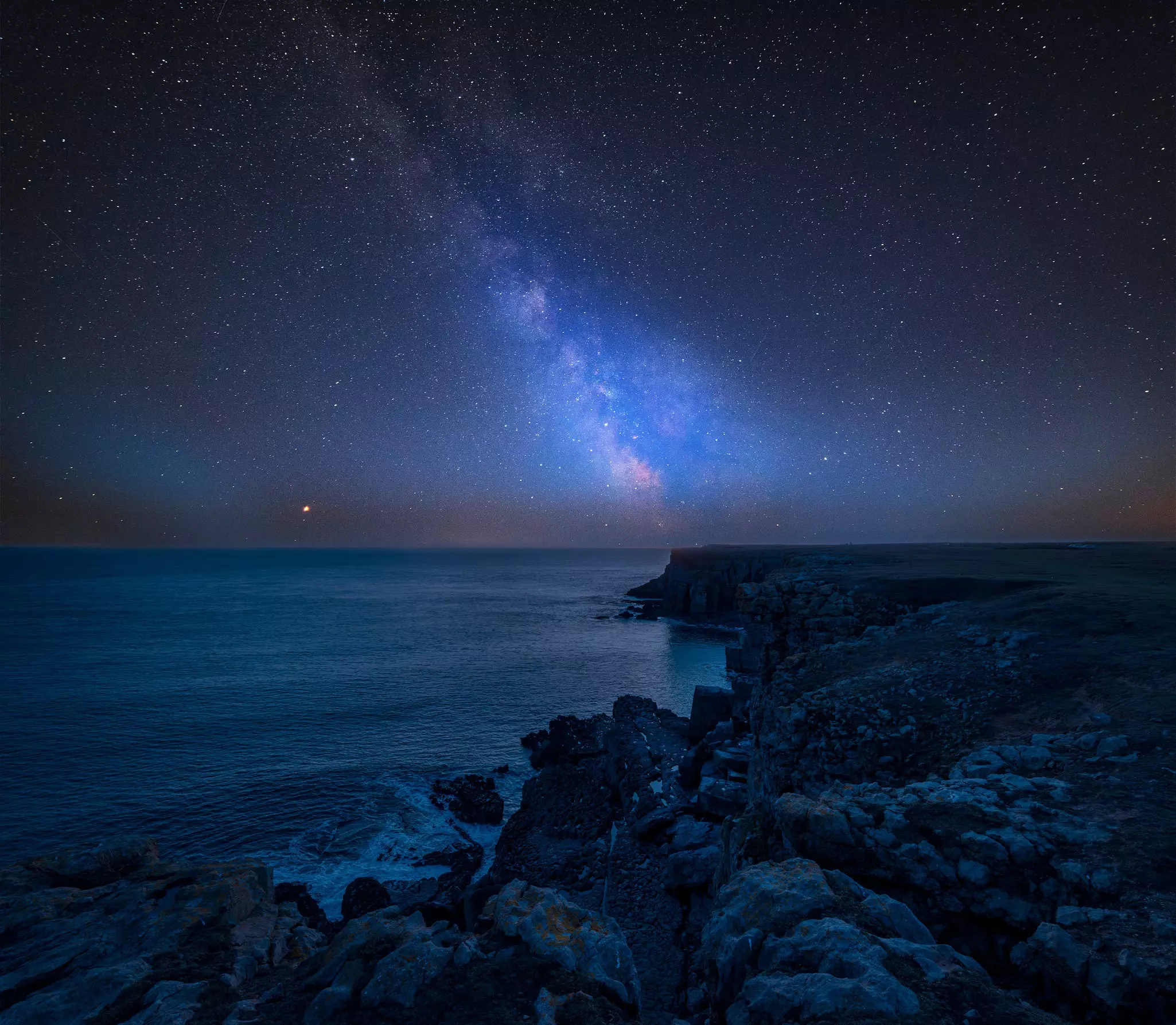
Wales has a lot of space. And with so much wilderness and little light pollution, the country boasts some of the world’s clearest and starriest skies. The more remote you get, the better the chances of spotting the Milky Way, shooting stars, constellations, nebulae, meteor showers and distant planets with a simple pair of binoculars – or the naked eye alone.
You can stargaze to your heart’s content in two designated International Dark Sky Places: Bannau Brycheiniog (Brecon Beacons National Park) and Eryri (Snowdonia National Park). You can also set your sights on the Elan Valley International Dark Sky Park in mid-Wales, or the eight Dark Sky Discovery sites that dot the Pembrokeshire coast, including the beaches of Broad Haven South and Poppit Sands.
Most entrancing of all, however, is tiny Ynys Enlli (Bardsey Island), Europe’s first International Dark Sky Sanctuary. Rearing up from the Irish Sea like a dragon, just off the coast of the Llŷn Peninsula in North Wales, this island has been a beacon to pilgrims for millennia, and is rich in Celtic history. Legend has it some 20,000 saints lie buried here – and they, too, would have once gazed up at these same starry skies.
Planning tip: Wales caters to visitors’ growing interest in astrotourism with celestial-inspired events, guided experiences and stargazing-focused accommodation. See websites for details.
Wales is in high spirits these days, what with microdistilleries crafting gin, vermouth and whisky popping up all the time. The best way to get a true flavor is to join a tour and tasting.
In the wilds of Snowdonia, Aber Falls has the edge. Close to its namesake waterfall, this stylish distillery in a former slate works runs tours spotlighting its full-bodied Welsh single-malt whisky. Purest water from the falls also goes into award-winning gins like the citrusy, juniper-laced Welsh Dry and bittersweet Orange Marmalade.
Cast your gaze south to alight on boutique distillery Penderyn, famous for its Brecon Gin (which has hints of coriander and cinnamon) as well as award-winning single malts produced from crystal-clear mountain-spring water. In the village of Port Eynon on the coast, the Gower Gin Company occupies a converted bike shed, in which you can enjoy hour-long tastings of its gins, made using foraged coastal botanicals. Or pull up a chair in the courtyard at revamped cowshed distillery Still Wild in Pembrokeshire to sip vermouths that sing of the sea, with hand-foraged botanicals like rock samphire, gorse and seaweed.
Local tip: Fancy getting creative with gin? Swing over to Aber Falls or neo-Gothic Hensol Castle in the Vale of Glamorgan to make your very own bottle.
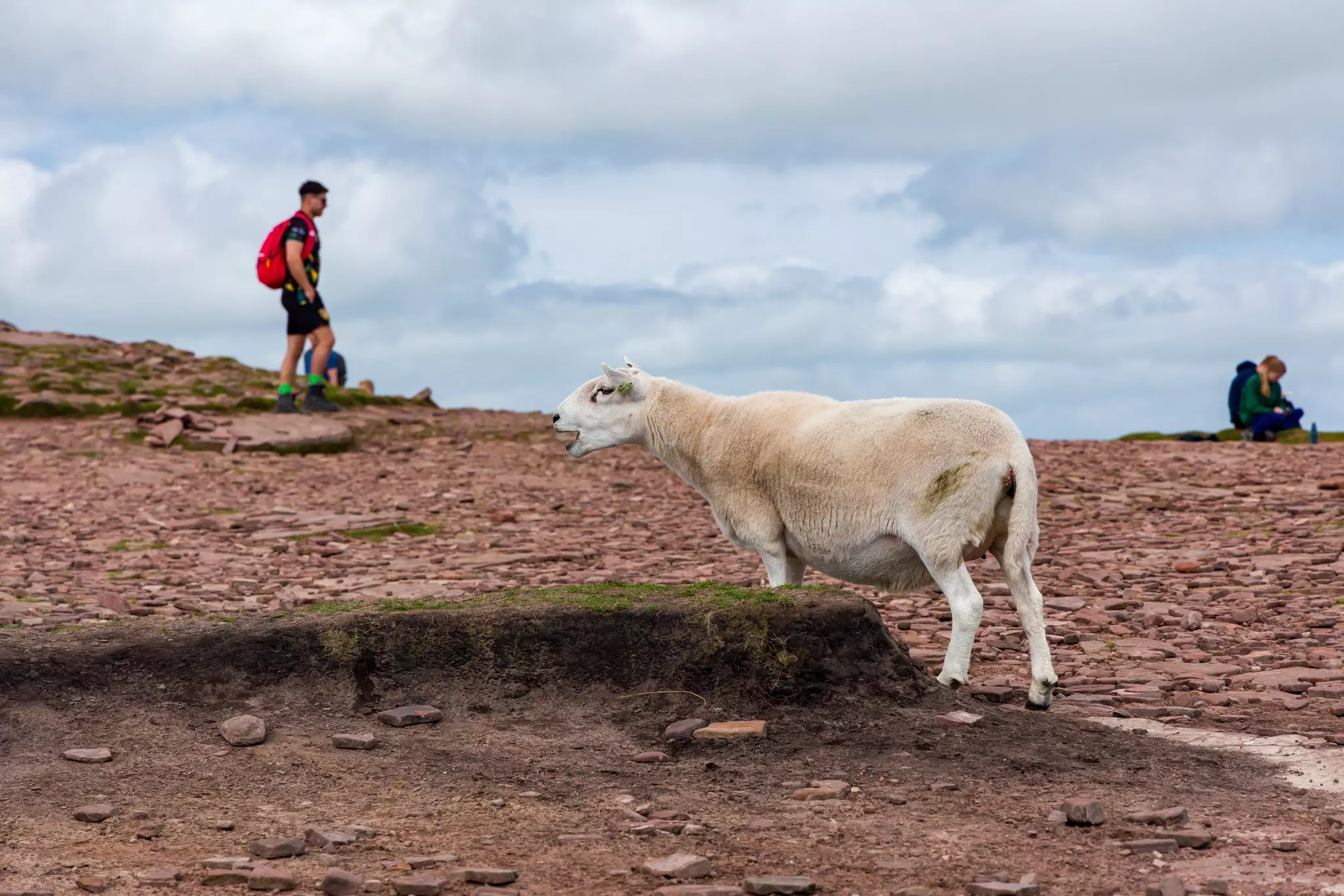
In a country home to more sheep than people (10 million sheep, 3.16 million people, for the record), what could be more thoroughly Welsh than taking one for a walk? Though sheep are usually the ultimate social distancers, the flock at Jacob Sheep Trekking in the Brecon Beacons are surprisingly chill – friendly, even. On a 220-acre organic farm near Crai, in the heart of Bannau Brycheiniog (Brecon Beacons) National Park, you can take your pick of the woolly friends, including blacknose, Jacob and Breton Ouessant breeds.
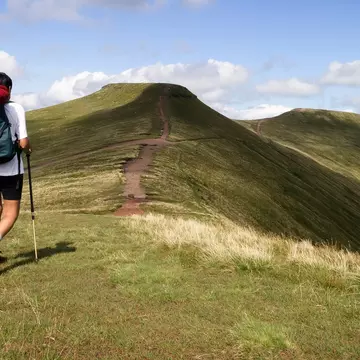
You’ll strike up a bond and get to know your new ovine friend better as you head up and over the fields, with sensational views of the mountains – including 2907ft (886m) Pen-y-Fan – on the horizon. Should your chosen sheep be a bit on the stubborn side, whip out the treats.
Come prepared for fickle weather with solid boots and waterproofs.
Planning tip: Sheep-trekking experiences last an hour and run from March to September. The farm offers a host of other activities, from sheep shearing to lamb-feeding and felting workshops.
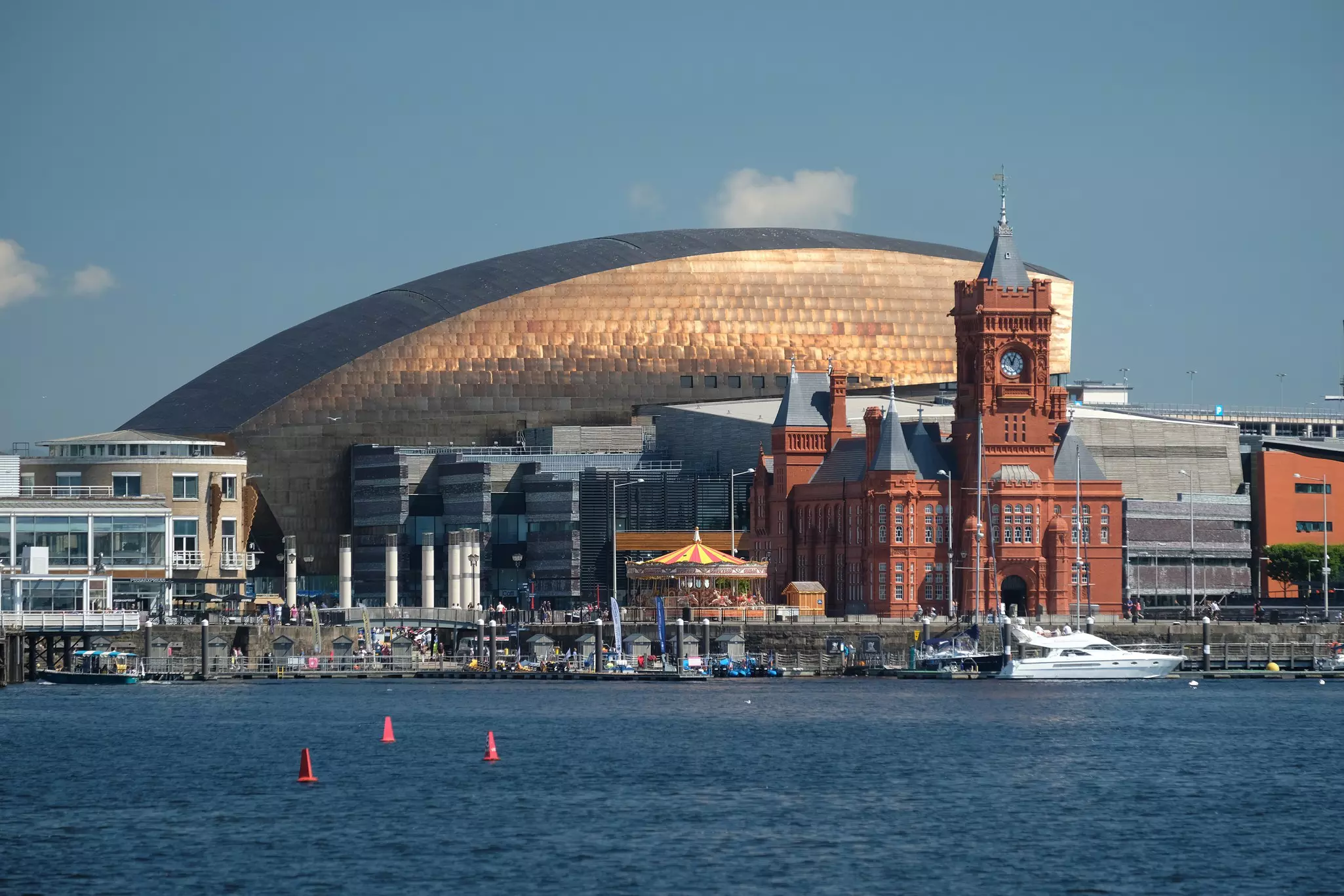
Emerging from the ashes of the coal-mining industry with a future-forward outlook, Cardiff Bay has been redeveloped and reborn, radically transforming the face of Wales’ capital city. Take a walk, run or bike ride along the re-energized waterfront and you’ll be dazzled by architectural wonders like the great bronze shell of the Wales Millennium Centre, where the Welsh National Opera performs; and the strikingly undulating Senedd (Welsh Parliament), designed by the Pritzker Prize–winning Richard Rogers. The kids, meanwhile, will adore the big wheel and science wizardry at Techniquest.
Wander further and you’ll spot the whitewashed Norwegian church where Roald Dahl was christened; further along, an Enormous Crocodile bench pays homage to the famed children’s author. If you’re up for more, walk or cycle the 6¼-mile (5½km) Bay Trail, which skims along the re-wilded barrage and follows the shoreline back to Butetown.
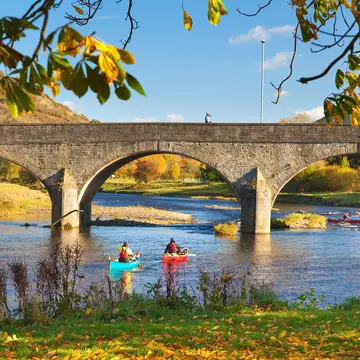
Local tip: When the weather warms, ramp up the thrills on the water. Cardiff International White Water will take you kayaking, tubing, stand-up paddle boarding and even white-water rafting in the city harbor.
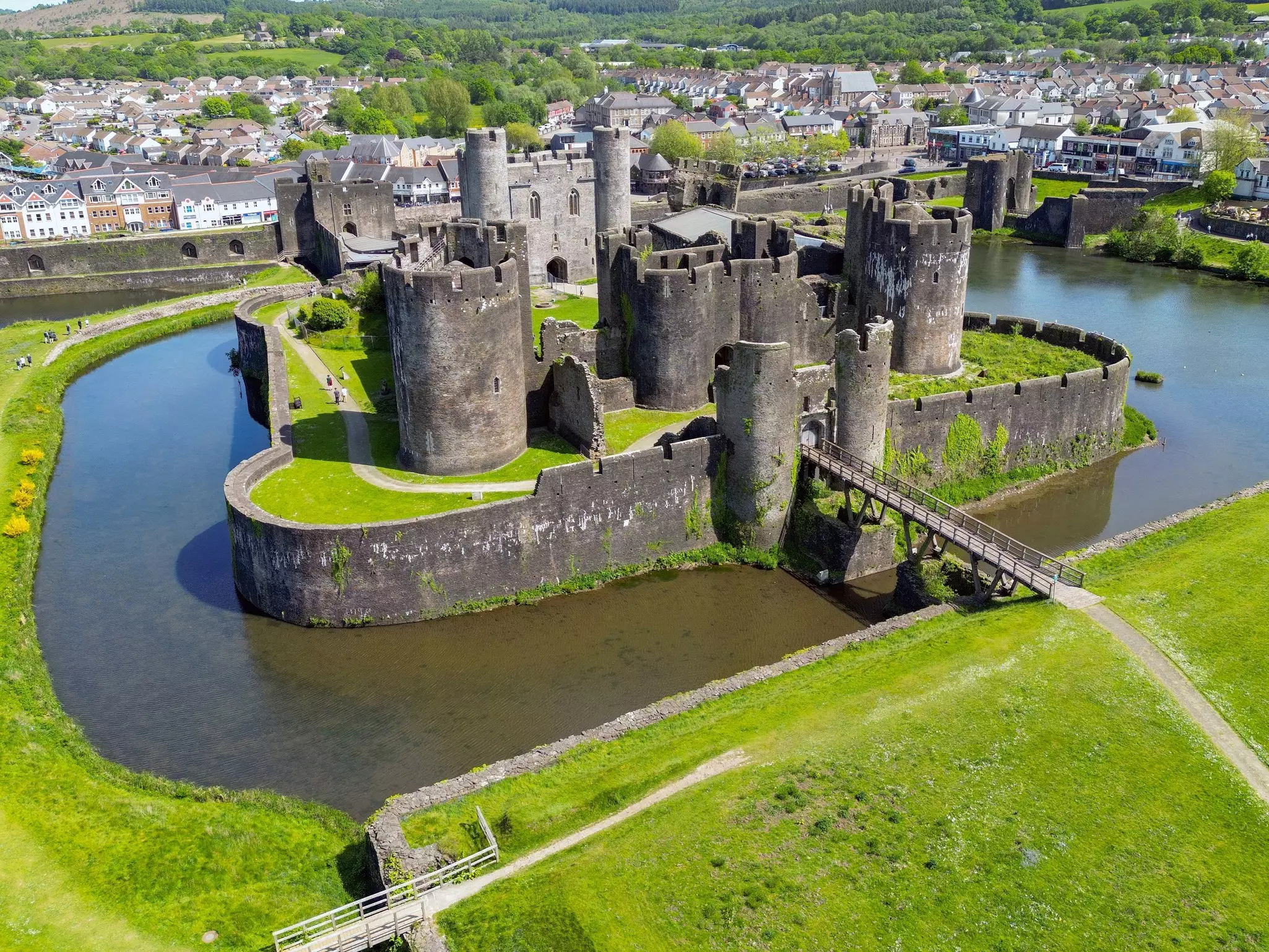
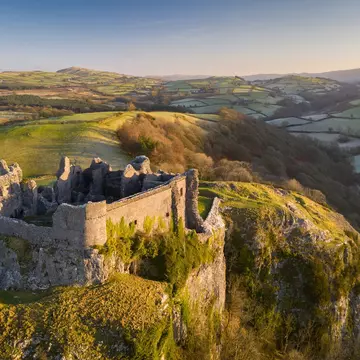
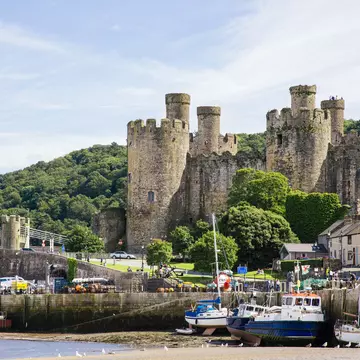
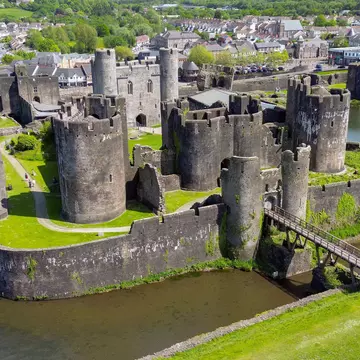
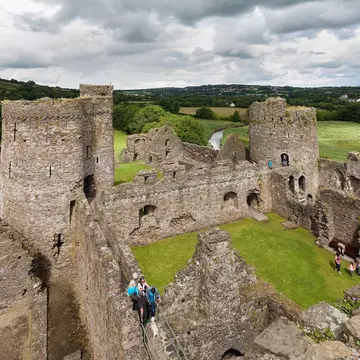
No country has more castles per capita than Wales. Here, you can barely turn a hedgerowed bend without laying eyes on another medieval pile laid to romantic ruin; ring-walled Norman fort; or turreted, ivy-draped stunner high on a hillside looking straight out of a Tolkien saga. Indeed, castles – and the rich history behind them – are what give the Welsh landscape its one-of-a-kind mystique. In the south, you won’t want to miss showstoppers like neo-Gothic Cardiff, moat-rimmed Caerphilly and crag-top Carreg Cennen, of Arthurian lore.
For a castle hop of epic proportions, head north to Snowdonia National Park. In between the coast and ragged mountains, Edward I’s Iron Ring of Castles, now a UNESCO World Heritage Site, will dazzle you. You can see the result of the king’s 13th-century castle-building at such medieval wonders as Caernarfon, Harlech, Beaumaris and Conwy.
Planning tip: There are over 400 castles to visit in Wales. Don’t just stick to the big hitters: stray from the beaten track to pin down your own little slice of medieval magic.
Move over, Stonehenge: Wales is the mother lode for anyone intrigued by prehistory or the mysteries of past civilizations. Bronze Age standing stones, neolithic burial chambers, chambered tombs and Iron Age hill forts…you can barely pick up a map without touching a megalithic site here.
In fact, the tale goes that the bluestones used in Stonehenge hail from the high, heathery moors and tors of Pembrokeshire’s Preseli Hills, rich in Arthurian lore. It is here that you will find wonders like Pentre Ifan, a 5500-year dolmen (tomb) plonked on a remote hillside.
Edging north, the Isle of Anglesey (Ynys Môn) is another hot spot for prehistory, with top billing going to Barclodiad y Gawres (the Giantess’ Apronful), the largest neolithic tomb in Wales; and Lligwy Burial Chamber, with an impressive 18ft (5½m) capstone.
Local tip: If you love nothing more than prehistoric rocks and rolling stones, lace up your boots for a lonely stomp along the 7½-mile (12km) Golden Road, which runs along the spine of the Preseli Hills.
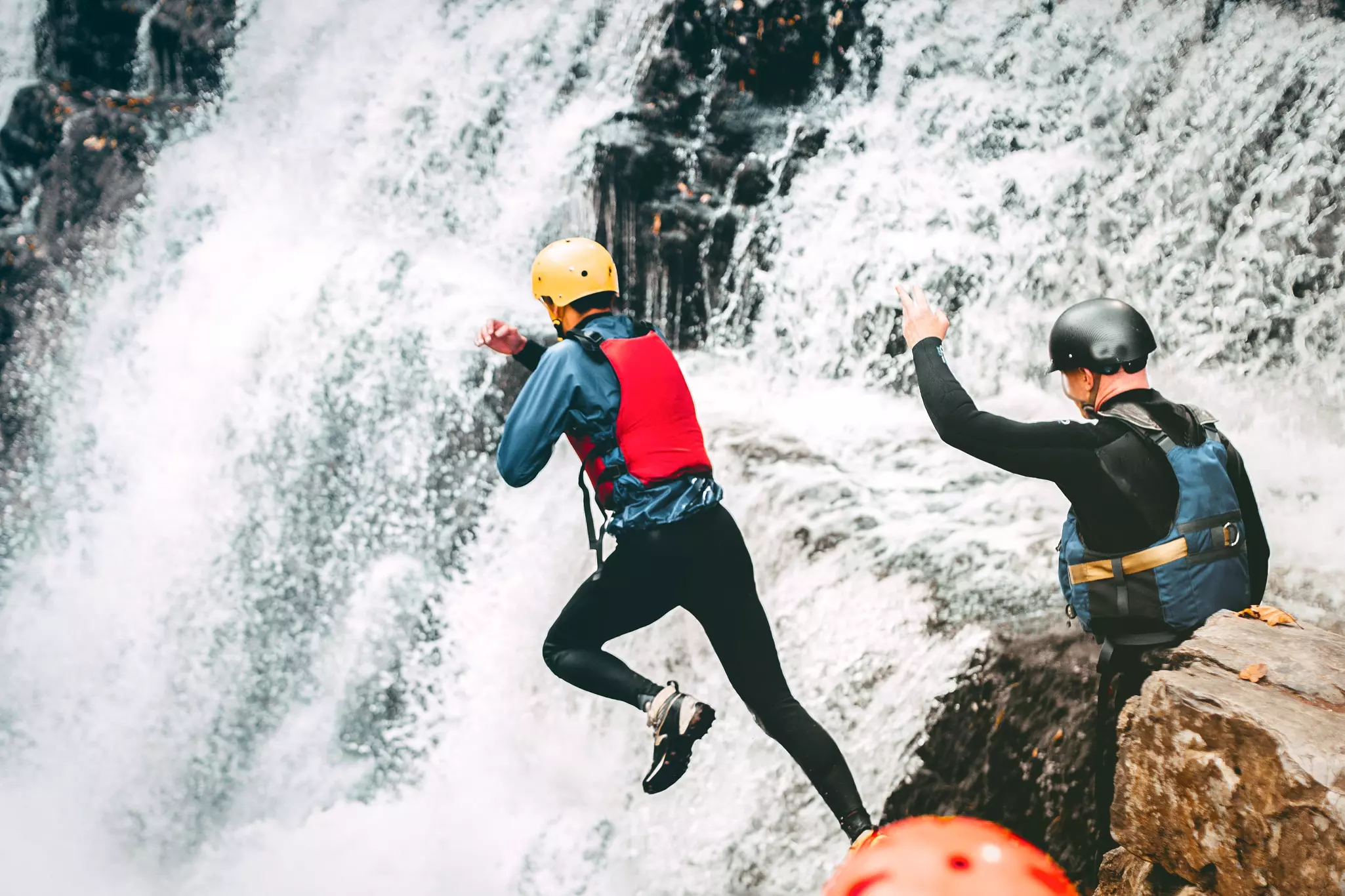
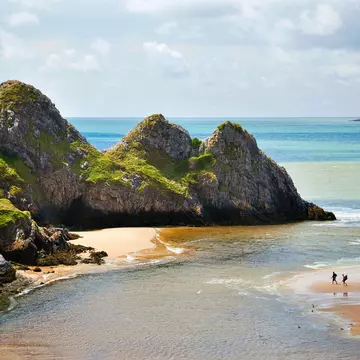
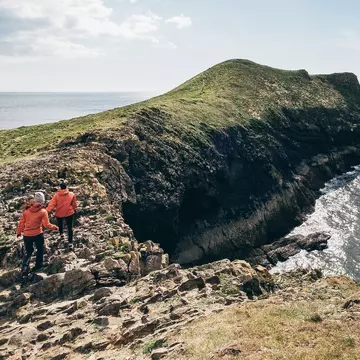
The cliffs, the rocks, the boom of the ocean slapping at your ankles, the briny air, the glimmer of sunlight on wave, the trill and warble of seabirds…you’ll embrace the elements and see the shore in a whole new light when you set off coasteering. This playful, in-the-moment sport was born in Pembrokeshire in the 1980s.
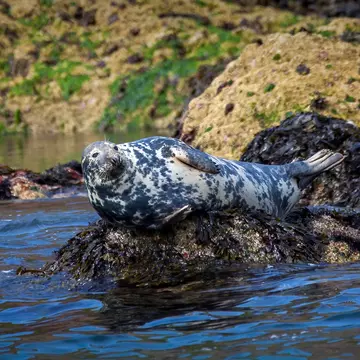
Slip on a wet suit and pop on a helmet to hit the shore to jump off cliffs, scramble over boulders, ride swells and swim into caves with an experienced guide in tow. As you do, keep an eye out for wildlife including seals and their pups in autumn and winter, and seabirds like guillemots and razorbills in spring.
Planning tip: You don’t need to have a super level of fitness or experience to go coasteering – just bring a sense of adventure. Go with the pros at TYF in St Davids or Preseli Venture in Mathry; they’ll supply all the gear.
With its rich deposits of coal, iron and slate, Wales boomed during the Industrial Revolution. Indeed, the country got hollowed out like a Swiss cheese, with some of the biggest and deepest mines in the world. Though the pits have since closed, mining is still very much part of Wales’ DNA.
There are many ways to tap into this fascinating industrial heritage. First up is UNESCO-designated Blaenavon, where you can join ex-miners to drop 300ft (91½m) into a mineshaft and hear their stories about a life spent cutting coal at Big Pit National Coal Museum. You can also gawp at the huge, historic blast furnace at Blaenavon Ironworks. In slate-strewn Blaenau Ffestiniog, the town that once roofed the world, descend to Llechwedd Slate Caverns to bounce, leap and climb through a former Victorian slate mine.
Local tip: If you like your post-industrial heritage with a dash of heart-pumping adventure, check out Zip World sites across Wales. These onetime mines and quarries have been given a new lease of life as zip-lines, giant underground trampolines and rollercoasters.
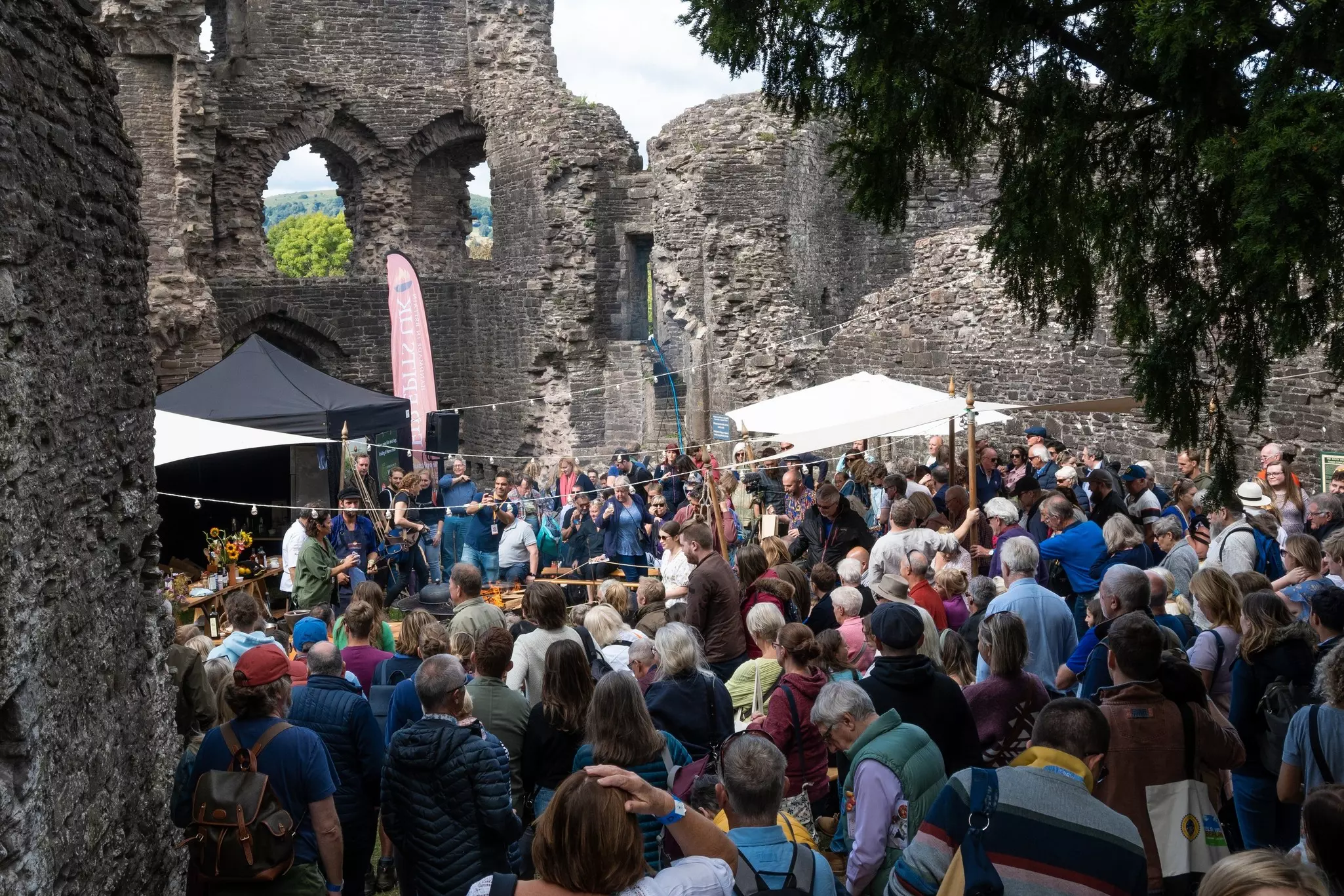
What began as two Welsh farmers brainstorming ways to revive the ailing farming industry and promote local produce has grown into late-September’s huge Abergavenny Food Festival, a showcase of all that is brilliant about Welsh eats. Drawing on rich pickings from the surrounding Brecon Beacons and Monmouthshire, this festival is one of Britain’s biggest. Expect to taste Welsh wine, craft beer, gin, rum and cider; Pembrokeshire chillies; Cardigan Bay lobster; Hereford charcuterie and Black Mountains venison; hand-harvested Anglesey sea salt; sustainably grown mushrooms…
Planning tip: The food stalls are just the tip of the iceberg. Time your visit to catch events from talks and tastings to chef demos and parties with bands at the castle. Buy single-day or weekend tickets well in advance online.

You can tour every sheep-bobbled inch of the country. You can eat your own weight in Welsh rarebit. You can climb castles, walk across muddy moors and be captivated by the baritone sounds of all-male choirs and Tom Jones. But you will never really touch the soul of Wales until you attend a rugby match – and hear the roar.
In Wales, rugby is all but a religion. And there may be nowhere better to watch a Six Nations game than at Cardiff’s Principality Stadium – a vast, spaceship-like, retractable-roofed arena on the River Taff in the capital’s heart. Tickets can be hard to come by, for sure – but match day in Cardiff is an experience you’ll never forget.
Planning tip: Even if you can’t get tickets, it’s worth taking an hour-long stadium tour for the chance to hang out in the dressing rooms, run through the tunnel and sit in the VIP box.
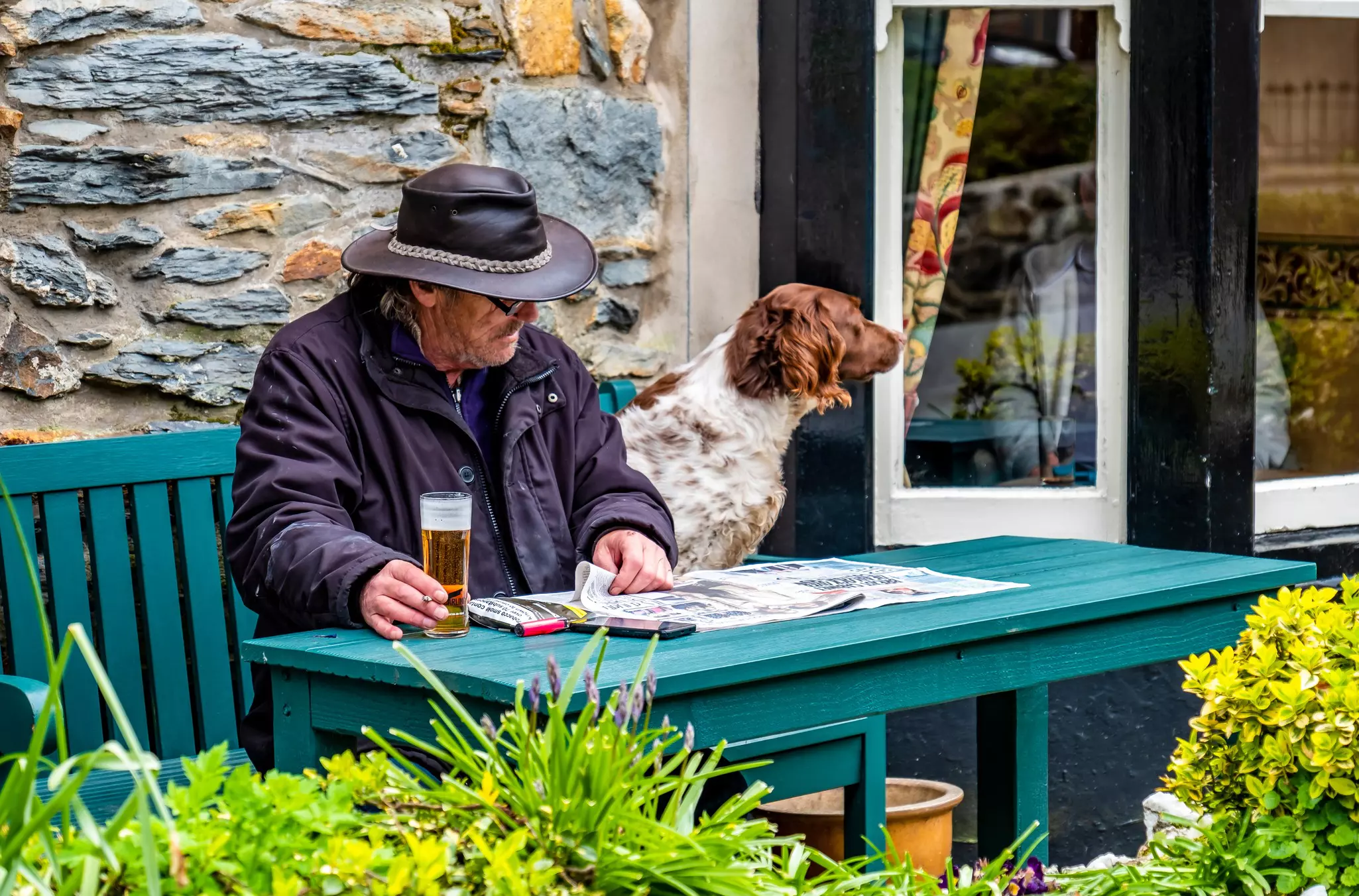
Whether you’ve been tailgating a tractor along a single-track lane for miles or stomping across drizzle-drenched hills for hours, nothing feels better than pushing open the heavy door of an old-fashioned country inn in some remote corner of Wales, and finding beams hanging low, fires burning bright and real ales on tap. Filled with good cheer and lilting voices, these atmospheric taverns are the icing on the cake to Wales’ great outdoors – the ultimate treat at the end of the day.
Tour the country and you’ll find some real beauties. In the south, head to the 900-year-old Skirrid Inn in the Black Mountains, waving the flag for being Wales’ oldest and most haunted watering hole. (Legend has it the pub inspired Shakespeare to create the impish character of Puck in A Midsummer Night’s Dream.) Wales’ superstar author Dylan Thomas was inspired to pen poetry after drinking in Swansea’s 17th-century No Sign Wine Bar. For a dash of history with your drink in North Wales, stop by the low-beamed, 16th-century Black Boy Inn in castle-crowned Caernarfon.
Local tip: If you’re into craft brews in a big way, check out the Magic Dragon in Wrexham and Bluestone Brewery in a converted dairy in rural Pembrokeshire.
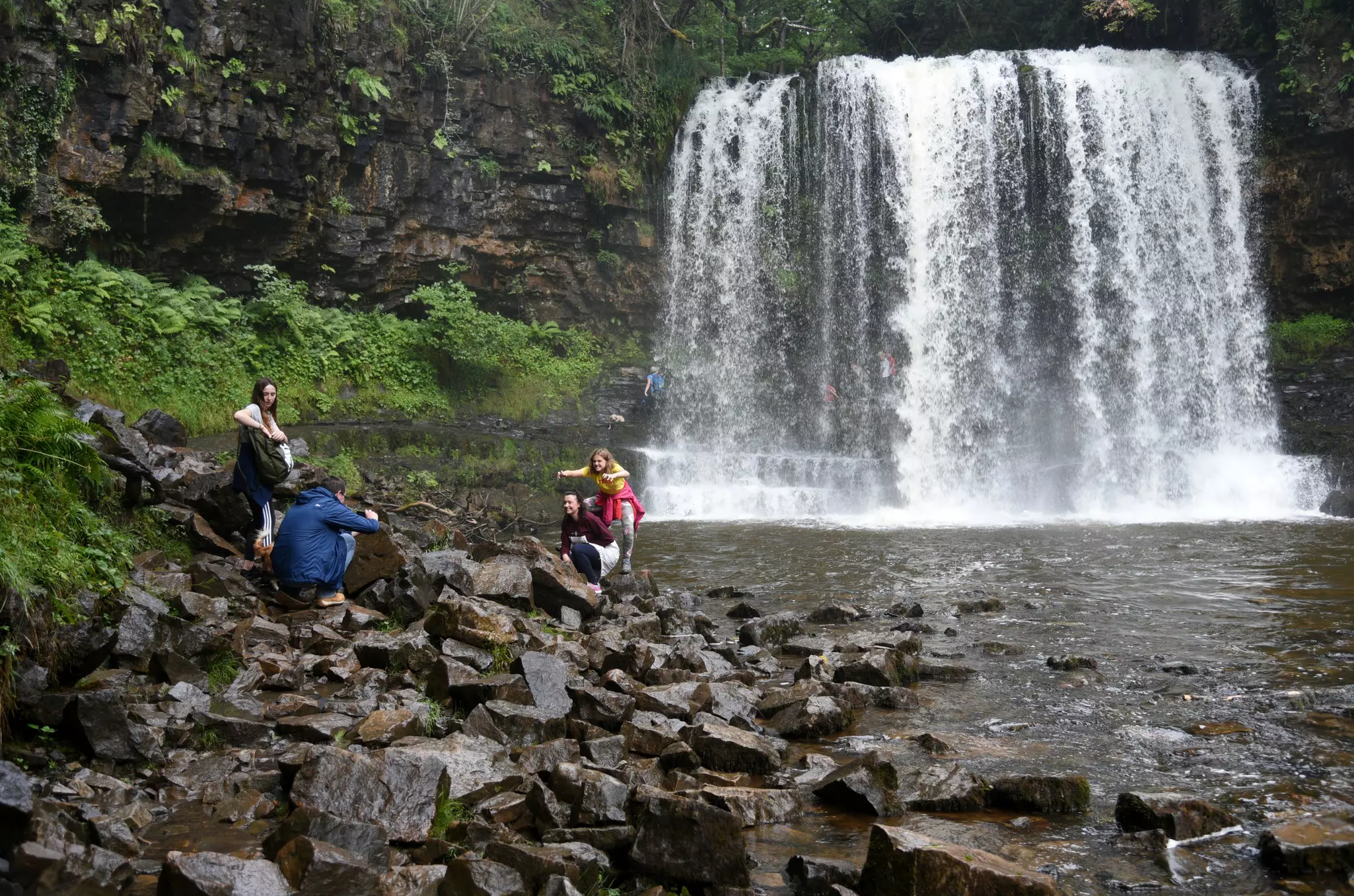
The bald, fin-shaped peaks of the Brecon Beacons ripple south to Waterfall Country, between the villages of Pontneddfechan and Ystradfellte. The name gives the game away: here, you’ll find the kind of mossy, lichen-draped woods and wispy falls that are the stuff of kids’ bedtime stories.
Pick a fine day and pack sturdy boots to hit the 5½-mile (9km) Four Waterfalls Walk, which dips deep into thick pine forest and a ferny gorge. Steps and footbridges lead to a series of falls, the most impressive of which is wispy Sgwd-yr-Eira (Waterfall of the Snow), a sheer curtain of crashing water that you can even walk behind – as long as you’re prepared to get wet.
Local tip: Get here first thing to experience the falls at their quietest, as the parking lot gets packed by midday.
Book your Wales trip with Lonely Planet Journeys
See Wales how it's meant to be seen
Planned by local experts and tailored to you, Lonely Planet Journeys handles the logistics so you can just enjoy the trip. Tell us what you want and we'll build your Wales itinerary from scratch, or browse our bookable trips to get inspired.

Explore related stories