Apr 7, 202611 min read
The Best Places to Eat and Drink in Ho Chi Minh City Right NowNov 15, 2025
10 MIN READ
Writer
Highlights
Writer Paul Christiansen picks 10 HCMC experiences, from morning parks to evening shows.
Visit the War Remnants Museum for a sobering new perspective on Vietnam's American War.
Try snails at Vinh Khanh Street and Khmer noodles at Ho Thi Ky Flower Market.
For cultural depth, seek Vietnamese modernist buildings and the AO Show at the Opera House.
Get to know Ho Chi Minh City through its parks, markets, food and architecture.

Writer
Highlights
Writer Paul Christiansen picks 10 HCMC experiences, from morning parks to evening shows.
Visit the War Remnants Museum for a sobering new perspective on Vietnam's American War.
Try snails at Vinh Khanh Street and Khmer noodles at Ho Thi Ky Flower Market.
For cultural depth, seek Vietnamese modernist buildings and the AO Show at the Opera House.
Lonely Planet may earn a commission from affiliate links on our site. All recommendations and reviews reflect our own independent opinions.
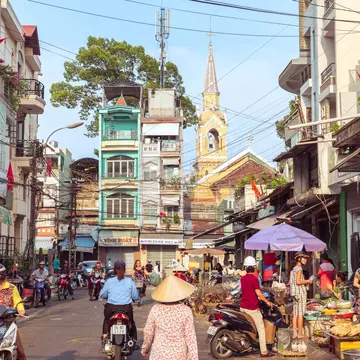
Still known by its old name of Saigon for ease, Ho Chi Minh City (HCMC) is Vietnam’s southern metropolis – at times hectic, sometimes overwhelming, but always worth exploring. The country’s most internationally influenced and outward-looking city, it's a key stop for travelers to Vietnam.
But both domestic and foreign travelers sometimes struggle to orient themselves and find activities in a city that seems focused on business and entertainment geared toward in-the-know locals. However, for those who appreciate observing the small rhythms of daily life, take inspiration from chaos and are keen to embrace international flavors and experiences, it’s an immensely rewarding destination. You can delve into the city's rich history and spiritual side at ancient sites like the Giac Lam Pagoda and the richly decorated Phuoc An Hoi Quan Pagoda, or gain a deeper understanding of the city's past at the HCMC Museum. And at Binh Tay Market in the Cholon area, you can find an enormous assortment, from fresh produce and spices to textiles and handicrafts, all housed within a beautiful historic building.
There's even plenty to see for free, and the city is an easy hub for day trips to the Mekong Delta region. Here are the top things to do to get the best from Ho Chi Minh City.
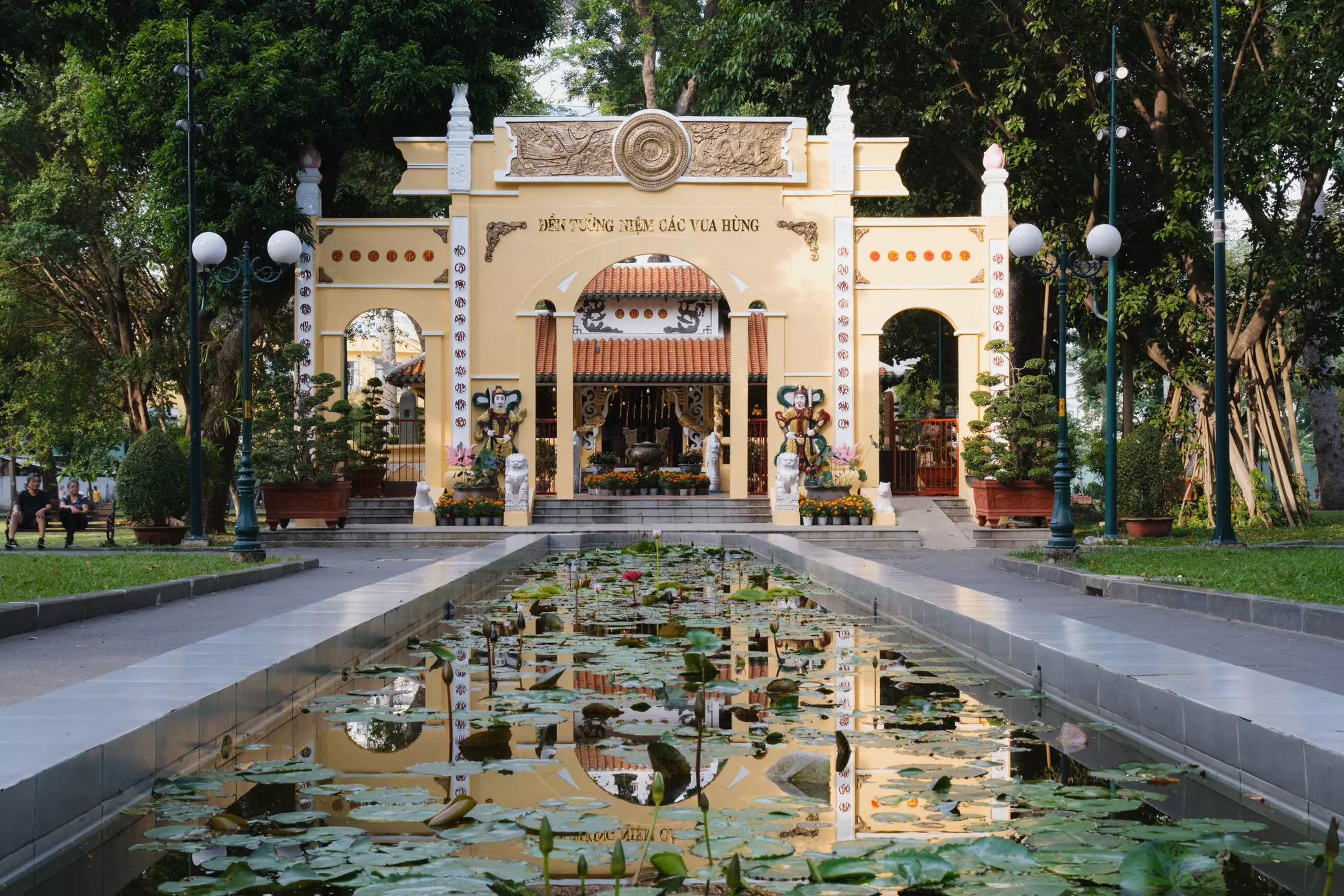
Saigon is at its most peaceful and friendly early in the morning. To beat the stifling midday heat, locals wake up early and attend to strenuous activities before the sticky humidity builds. This means that during the early hours, from 5am until 9am, the city's parks are filled with energy.
Walkers, runners, dance groups, exercise clubs, badminton players and groups simply gathering for a friendly chat populate green spaces across the city. Tao Dan Park in Bến Thành ward is a great spot to soak up this inviting atmosphere. It’s also a great place to try the city's strong phin (filtered) coffee, sold by stalls and bicycle vendors around the park.
While the demographic in Tao Dan skews toward older citizens, you can catch a glimpse of more youthful early birds on the sidewalks surrounding the Notre Dame Cathedral and Central Post Office. Sitting on plastic stools or simple tarps and sipping strong coffee before the sun has a chance to menace the streets is a quintessentially Saigon thing to do.
This area comes to life at night as well, with fresh coconuts and sugary soft drinks replacing the coffee. Snack vendors selling a variety of traditional and trendy Vietnamese snacks make frequent passes through the area.
Detour: To the side of the Central Post Office and across from Notre Dame Cathedral is Book St, where many of the nation’s top publishers have storefronts. While mostly specializing in books in Vietnamese, some have English-language sections, with titles focusing on Vietnamese history and culture as well as translated fiction and writing-related souvenirs.
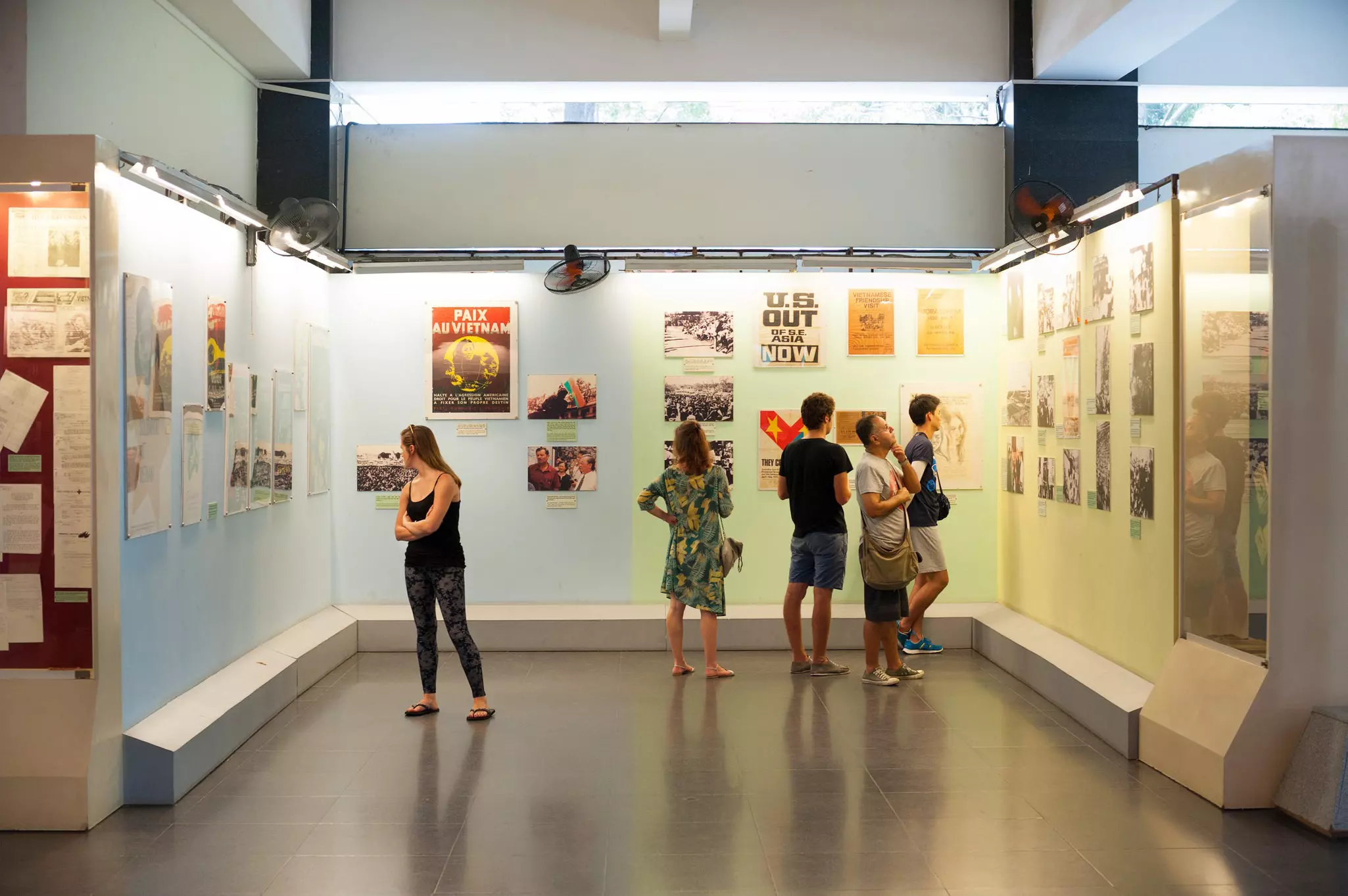
The War Remnants Museum is included in most Saigon tourism itineraries for good reason. The American War, as it's known here, is little discussed in forward-focused modern Vietnam, but this thought-provoking museum will help you understand the many tragedies suffered and atrocities committed, as told by the victims. While occasionally heavy-handed, it does a remarkable job of revealing the painful realities of the war, including the My Lai massacre and the prison camps on Phu Quoc and Con Dao, using photographs and artifacts.
While the museum’s focus is primarily on the activities of America and its allies, it also features material related to the French colonial period as well as past conflicts with China. A visit can be somber and not always easy, but it’s critical to understanding Vietnam today, and you'll emerge with a new perspective on the stories you may have heard previously about the war.
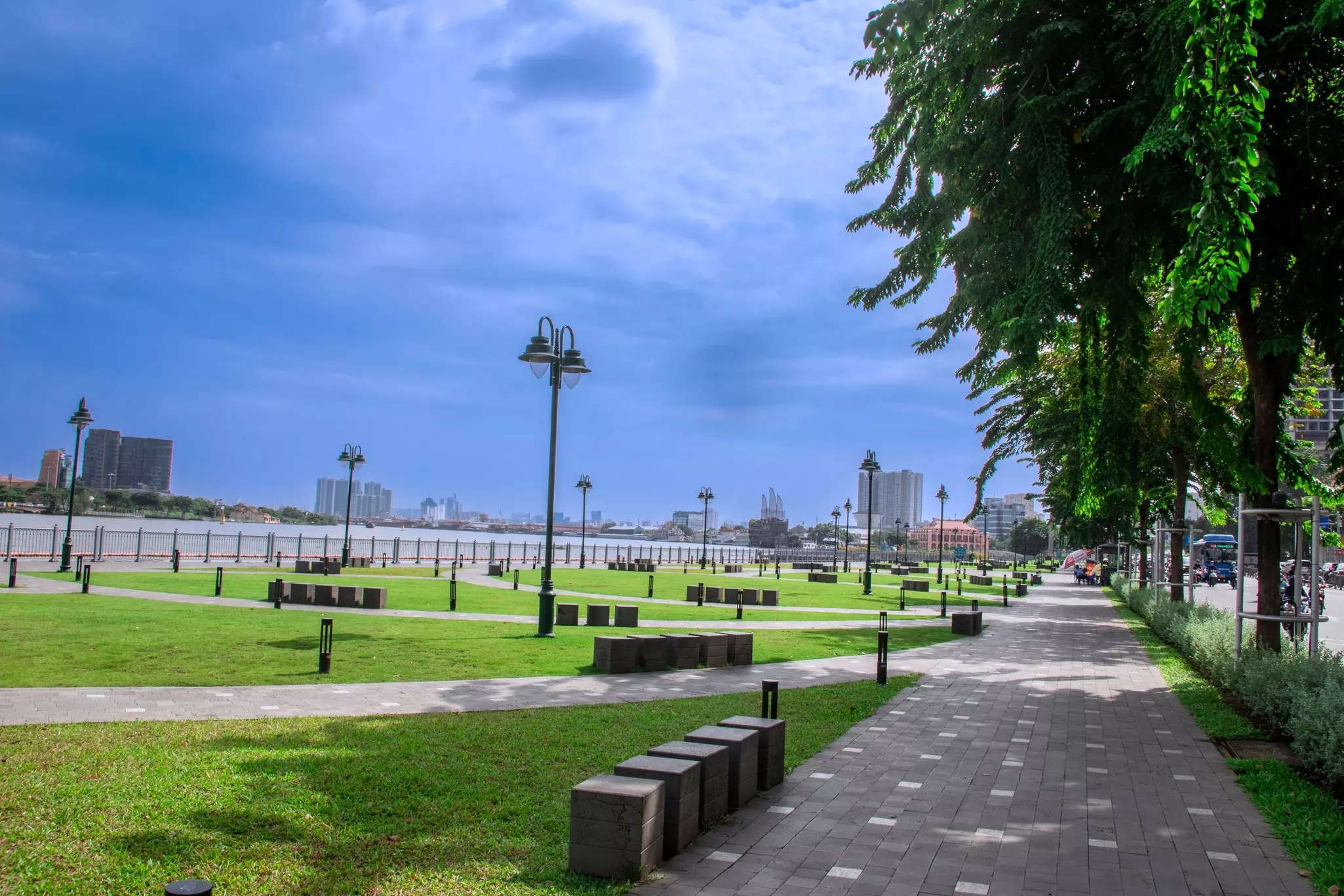
Introduced in 2017 as a practical method of public transportation, HCMC's Water Taxi service provides an opportunity to appreciate Saigon from a novel vantage point and enjoy a cruise on the Saigon River. From the Bach Dang Warf, boats meander along the river, passing such notable sights as Jade Emperor Pagoda, Skyview and the surrounding Central Park. The ride offers glimpses into the private yards of Thao Dien’s opulent villas, as well as views of some of Binh Thanh’s more humble neighborhoods.

Stay connected abroad with an eSIM
Holafly eSIM provides unlimited mobile data with no hidden fees, giving you peace of mind wherever you travel. Stay connected even after your plan ends with Always On. Use code LONELYPLANET for an exclusive discount.
Lonely Planet may earn a commission from affiliate links on our site. All recommendations and reviews reflect our own independent opinions.
Travelers curious about the city's less-visited neighborhoods can stop off at five stations to explore. The Thanh Da neighborhood, with its long riverside park and market, provides a good opportunity to immerse yourself in local life. Otherwise, book a round trip and just enjoy the shaded seats and fantastic views on the 100-minute ride.
Planning tip: The last trips each evening offer lovely sunset views, but trips between 11am and 3pm can be uncomfortably sunny. Tickets (15,000 dong one-way) often sell out, particularly on weekends, so book in advance in person or online.
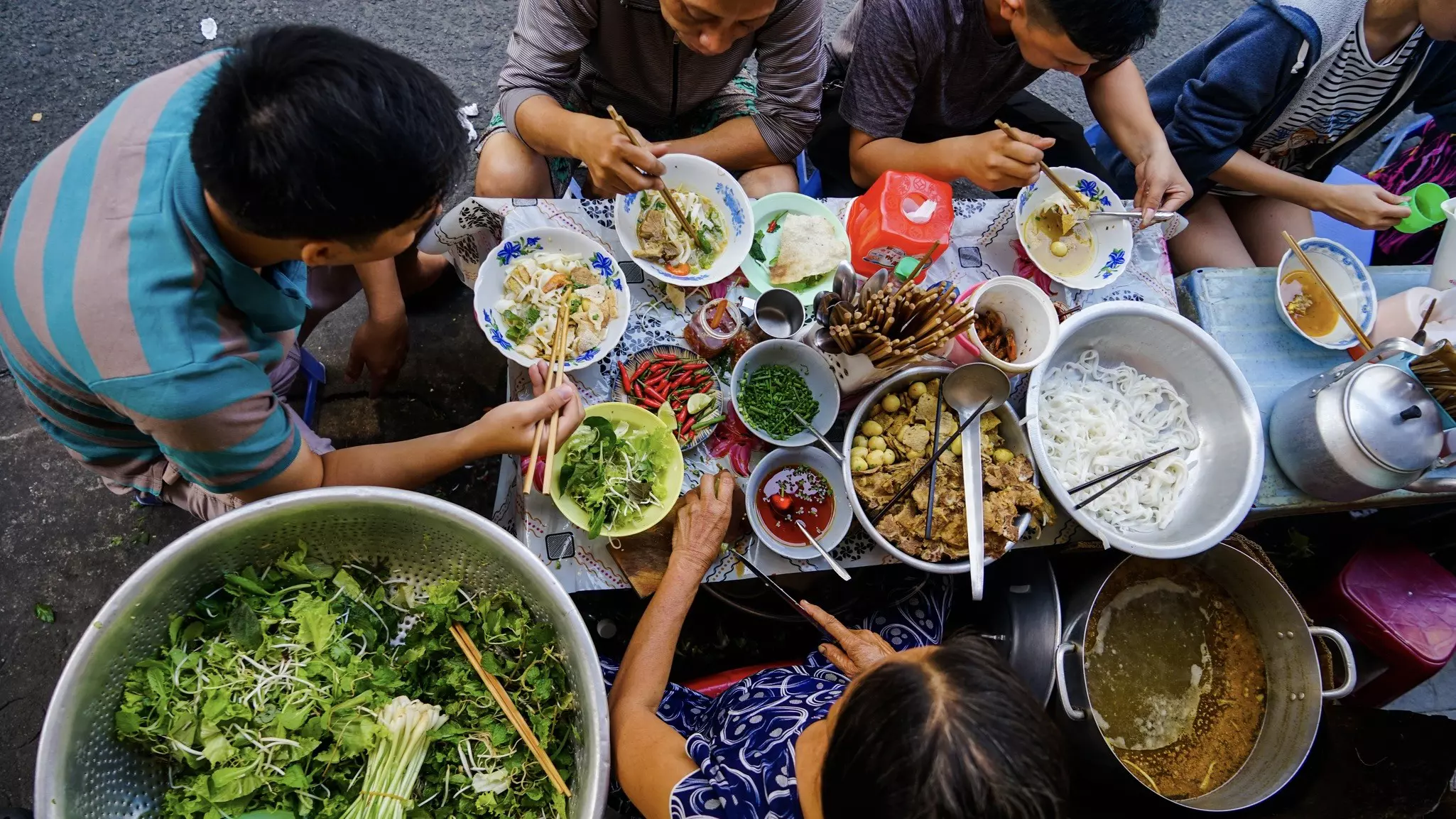
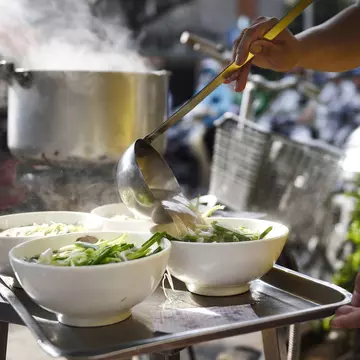
An area once known for thugs and gangsters, Vĩnh Hội, Khánh Hội and Xóm Chiếu wards (in the area formerly known as District 4) have transformed into a playground for street food in general, and for snails in particular. Vinh Khanh Street is a top spot for seafood, with countless restaurants such as Ốc Oanh (534 Vinh Khanh) and Quán Ốc Sáu Nở (128 Vinh Khanh) crammed with people at plastic tables sipping beer and grazing on oysters, grilled shrimp, crab and snails with dipping sauces.
If your restaurant is sold out of any specific dish, you might spot the chefs rushing to a neighboring restaurant to satisfy diners’ demands, following a complex reciprocity system.
Local tip: The best way to select a restaurant here (or indeed anywhere in the city) is simply to observe the choices and see which spot attracts the most local diners.
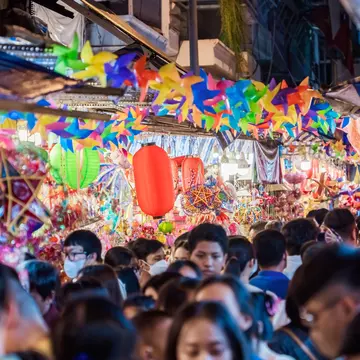
Wandering through any market in Southeast Asia brings a panoply of sights, smells and tastes, and Saigon’s marketplaces are no exception. Different markets in the city have different specialties, but one of the most enjoyable is Ho Thi Ky Flower Market (Hem 52 Ho Thi Ky), which serves as the city's fresh flower hub. Strolling past storefronts with flowers pouring out onto the streets provides sensory bliss and a vivid introduction to the nation’s botanical industry.
The area around the flower market is home to a large Cambodian community, and the section devoted to food features delicious Khmer treats such as noodles flavored with prahok (Khmer fermented fish paste).
Planning tip: Early morning is the best time to witness brimming displays of fresh flowers, while the evening is when the food stalls are most active. Unless you have a local payment app on your phone, bring cash as bank cards are rarely accepted for flowers or food.
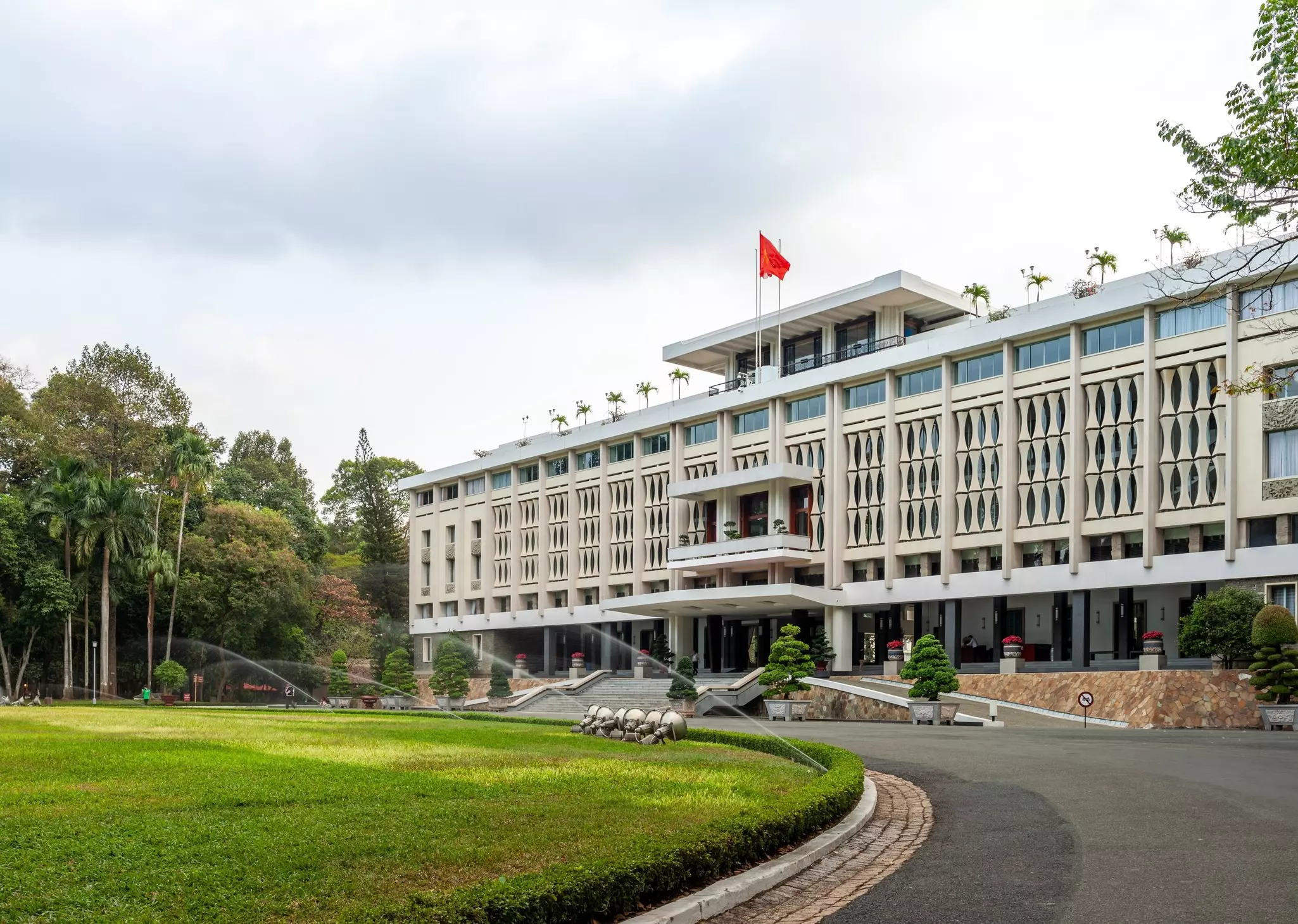
While the legacy of the French colonial period is obvious in Saigon's nostalgic architecture, a lesser-known local style pervades as well. Developed in the mid-20th century, Vietnamese modernism was inspired by the global modernist movement, but it includes uniquely Vietnamese elements, taking into consideration the tropical climate and local cultural preferences.
Exemplified by buildings such as the Reunification Palace, the General Sciences Library, the VAR building, the central statue at Turtle Lake and countless tube houses and apartment blocks, the style leans heavily on double-skin façades with ornate geometric patterns, overhanging rooftops and mosaics, along with a hint of the brutalism frequently associated with the style in other countries. Once you’ve familiarized yourself with the look and feel of Vietnamese modernism, you'll find yourself noticing it everywhere.
Making good use of a stretch of prime real estate swamped by new developments, locals visit the Thu Thiem neighborhood at sundown to fly kites. While some enthusiasts bring their own impressive dragon kites and classic Vietnamese designs, simpler versions are sold by local vendors.
You'll also find a variety of street foods such as fried corn, local sausages, refreshing sugar cane juice, fresh coconuts and soft drinks. A late afternoon visit is a laid-back and affordable way to experience the city as local families do. Grab a plastic stool, feel the cool breeze, marvel at the colorful kites painting the sky and take in the simple joy of people embracing their limited hours of free time to relax together.
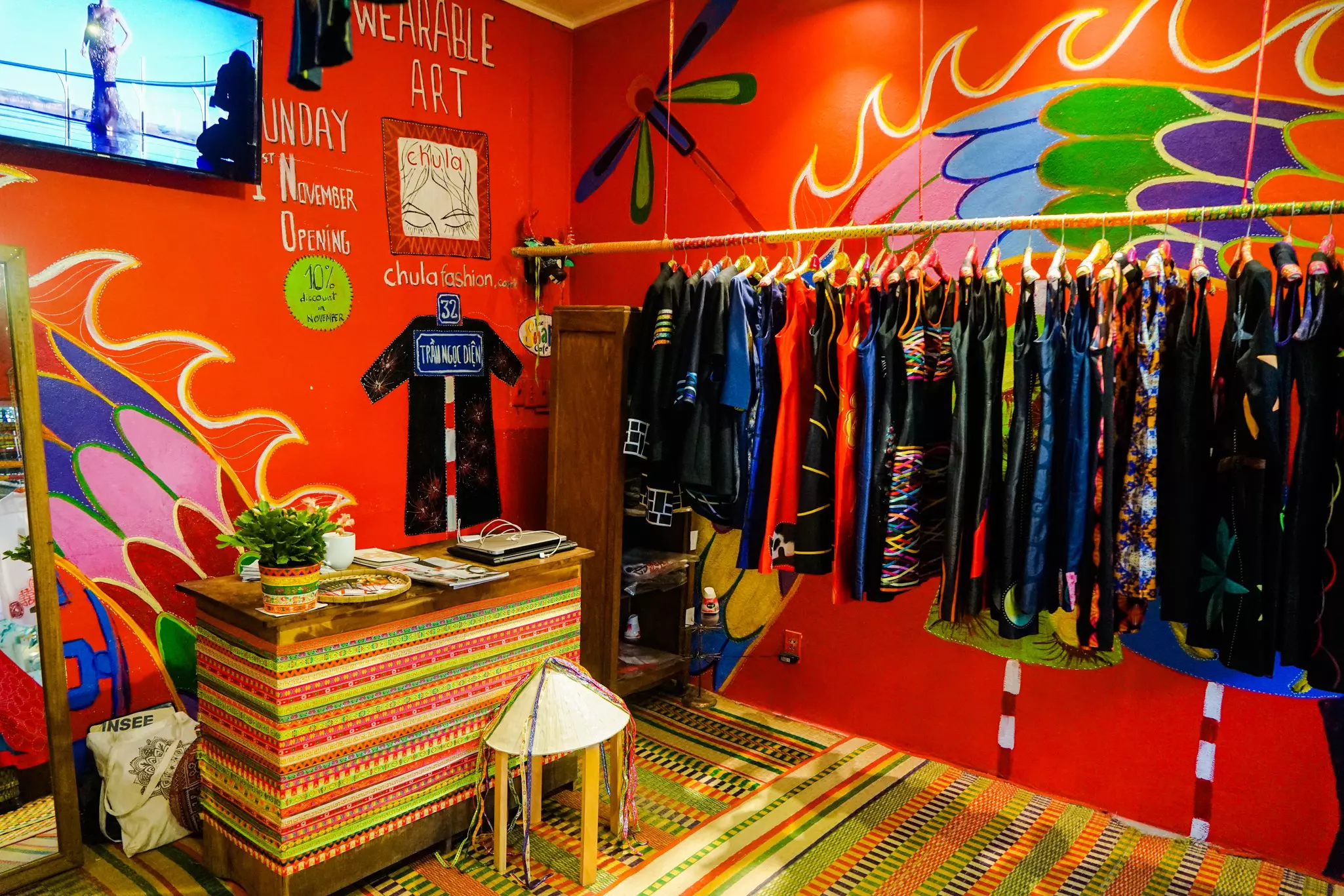
While Saigon has an emerging luxury goods scene, and markets sell cheap crafts and souvenirs, the real energy comes from Saigon’s young designers. Nurtured by the internet and influenced by their surroundings, local creatives are producing all manner of cool clothing designs, as well as prints, art books and other hip things to buy. You'll find a great introduction to this fashion scene, with many small shops occupying the New Playground complex at 26 Ly Tu Trong and the adjacent former apartment complex.
Another great place to test the pulse of the local creative scene is OhQuao. Specializing in prints, stickers and gifts and has two locations.
Detour: Thao Dien neighborhood is considered Saigon’s hub for international residents, with a vibrant array of bakeries, upscale cafés, clothing boutiques, art galleries, and fine dining experiences. Stop by Cafe Slow for delicious artisanal coffee sourced from Vietnamese farmers; try Soma for a tasty vegan-friendly lunch; hit Mami Cocktails for a chilled-out vibe and generous cocktails paired with fusion tapas; and visit Breadventure for out-of-the-box pastries.
Saigon’s Japanese community is relatively small, but Japanese residents have made a big impression on the city. The vibrant Japan Town off Le Thanh Ton can be overwhelming and a little seedy, so it’s best to head to the Pham Viet Chanh neighborhood in nearby Thanh My Tay Ward to sample some authentic Japanese food and ambiance.
There, cozy izakaya and sushi bars cater to Japanese expats as well as Vietnamese, alongside trendy bars such as Birdy, Khaoi and Lozzi. While lacking the over-the-top energy of Japan Town, the area is perfect for a night out, offering great food and an opportunity to meet a diverse selection of sophisticated, nightlife-loving Saigon residents.
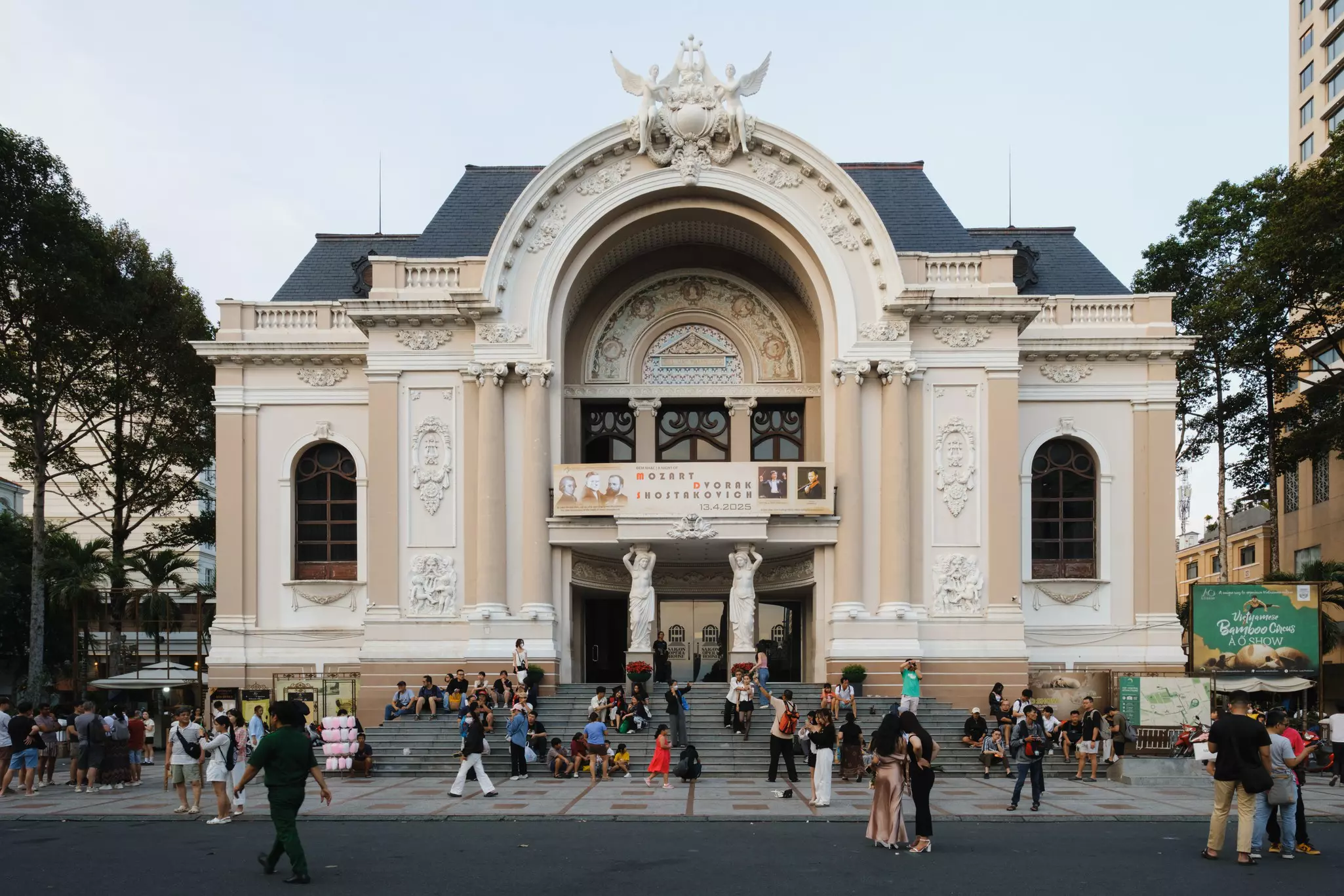
Saigon's Opera House is not only one of the city’s most impressive historic buildings, it’s also a great entertainment and culture venue. Built by the French at the turn of the 20th century, it served a variety of functions in the ensuing decades, including as temporary housing and a stint as the venue for the National Assembly.
This history is worth learning about in greater detail, and the AO Show at the Opera House begins with an introduction to the building’s long legacy, including its impressive French design, with a façade modeled after Paris’ Petit Palais. This history lesson is followed by a stupendous show that combines gymnastics, modern dance and aerial ballet with a dash of cultural mythmaking.
Visitors more interested in classical music should consider attending one of the frequent Ho Chi Minh City Ballet Symphony Orchestra performances.
Local tip: Despite the high temperatures outdoors, wear something warm because the Opera House can be quite chilly when the air-conditioner gets going. Many theatergoers dress up, so put on something nice to fit in with the crowd.
Explore related stories