May 26, 20269 min read
Off to Uzbekistan? Read these tips firstAug 28, 2025
9 MIN READ

Writer
Writer
From admiring Silk Road architecture to wine-tasting, heli-skiing in Amirsoy, and exploring a graveyard of ships in the Aral Sea, Uzbekistan has something to offer for every type of traveler.
To help you plan your trip to this fascinating Central Asian nation, here are my favorite things to do in Uzbekistan.
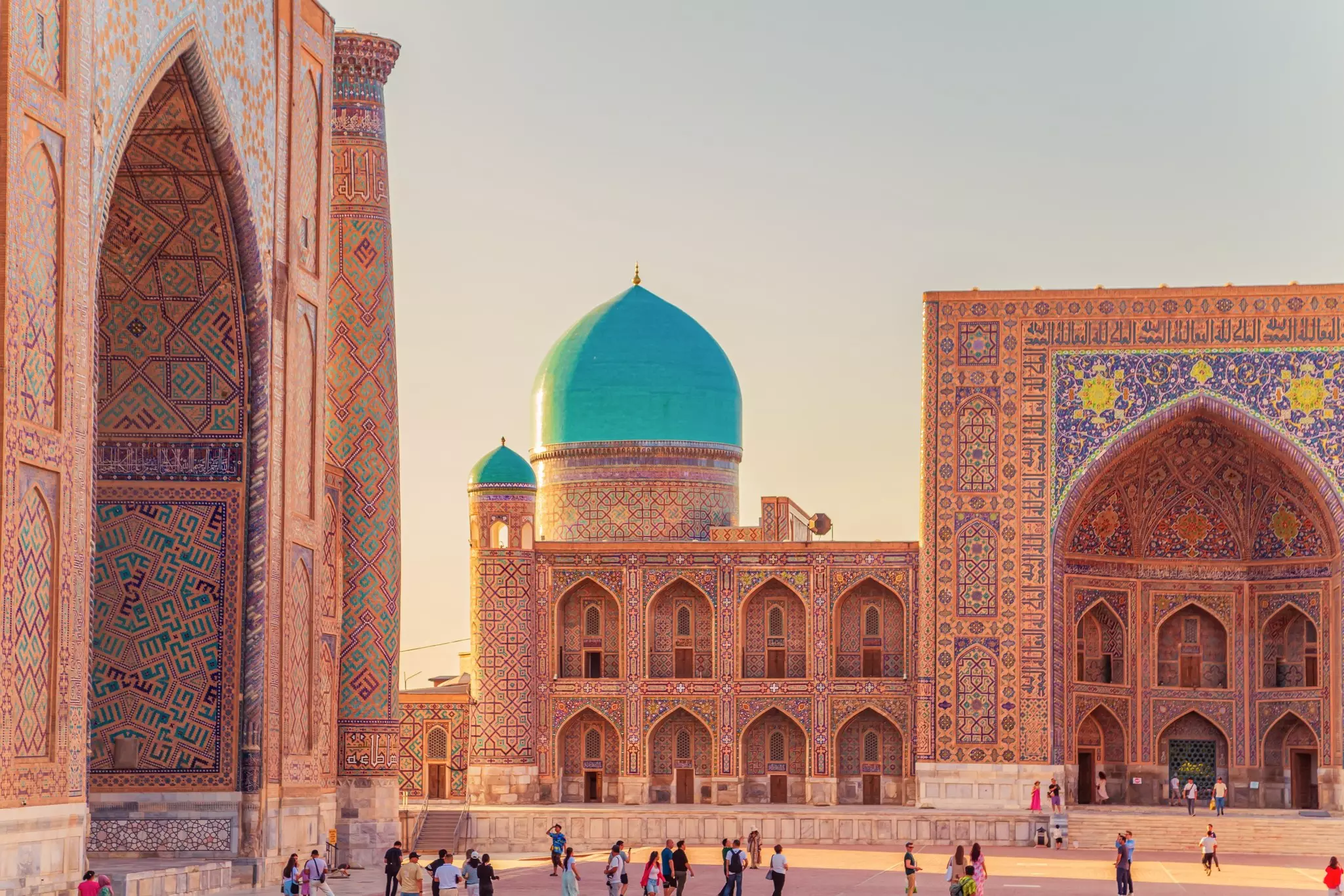
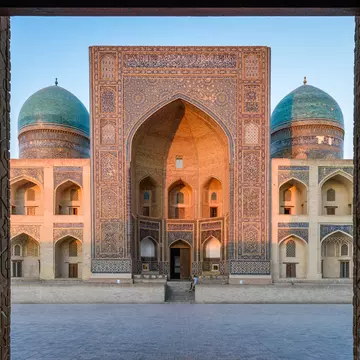
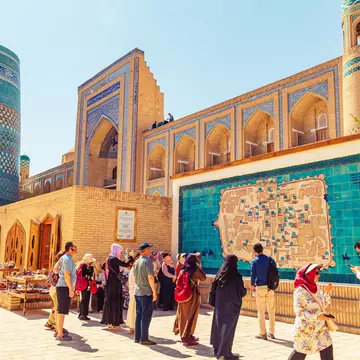
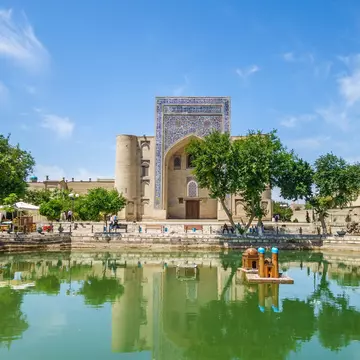
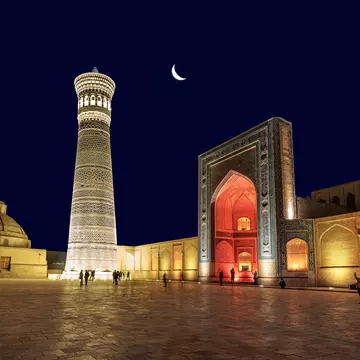
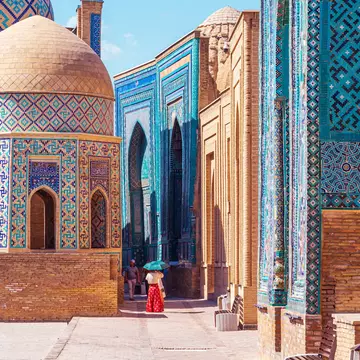
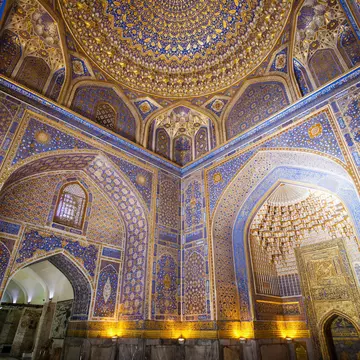
Magnificent Samarkand, noble Bukhara, atmospheric Khiva – the cities on the path of the historic Silk Road hold a special allure. Conquerors such as Alexander the Great, Chinggis (Genghis) Khan and Amir Temur (Tamerlane) all left behind a legacy, bringing together thinkers, traders and scholars from around the world.
Local guides bring each of these locations to life with inspiring stories. Learn about the wisdom of Amir Temur’s wife, Bibi-Khanum, in Samarkand; unravel the destiny of the last Emir of Bukhara in the Sitorai Mokhi-Khosa summer palace; and discover the life of the harem in Khiva’s Tosh-Hovli Palace.
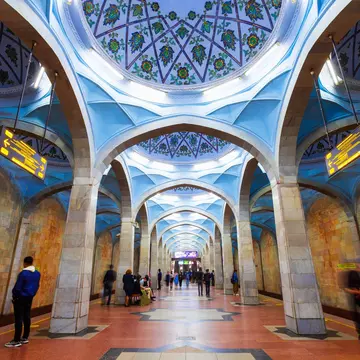
In fact, historical architecture can be found in every region of Uzbekistan, be it Soviet modernism, ancient mosques and minarets or even the ruins of Buddhist temples at Termez.
Standout sites include Shakhrisabz with its ruined Ak Saray palace complex, the scattered townships of the Fergana Valley (particularly Khudayar Khan’s grand palace at Kokand) and Tashkent, with its characterful Soviet-era buildings.
Planning tip: Book high-speed trains from Tashkent to Samarkand, Bukhara or Shakhrisabz well in advance as tickets are usually in great demand. For online booking, visit the Uzbekistan Railways website or use the national railways’ mobile phone app.
This Silk Road crossroads has always been a melting pot for arts and crafts, and the art scene in modern Uzbekistan is flourishing. Local artists and family dynasties make a mark in almost every area of creativity, from fashion to ceramics, suzani embroidery to knife-making, and fine art to miniature paintings.
In Tashkent, the Fergana Valley or Bukhara, you can visit local ceramic-making families in their home studios, where you can take a pottery masterclass, buy a unique art object, and, if you are lucky, cook plov together or even stay overnight. In Rishton, the Rishton Ceramic Museum, run by master potter Rustam Usmanov, is a good place to start.
To see the traditional process of making atlas (ikat) – a traditional weaving style where patterns are dyed into the fibers – head to the Yodgorlik Silk Factory in Margilan.
To learn more about the ancient art of making silk paper, visit the Meros Paper Mill in Samarkand.
The Bukhara School of Miniature Painting offers many insights into life in Uzbekistan, and some travelers spend weeks here taking classes in this unique art form. There are many creative experiences offered by local studios, craft centers and artists in their own homes.
Modern fine art is also popular in Uzbekistan, with many young artists and edgy galleries in Tashkent. Being an emerging art market, Uzbekistan is starting to attract the attention of the likes of Christie’s and Sotheby’s, but things are still at a very early stage. If you do buy a painting, valuation and certification services are now offered by the Art Vernissage gallery or you can ask an artist to get an artwork certified at the Ministry of Culture.
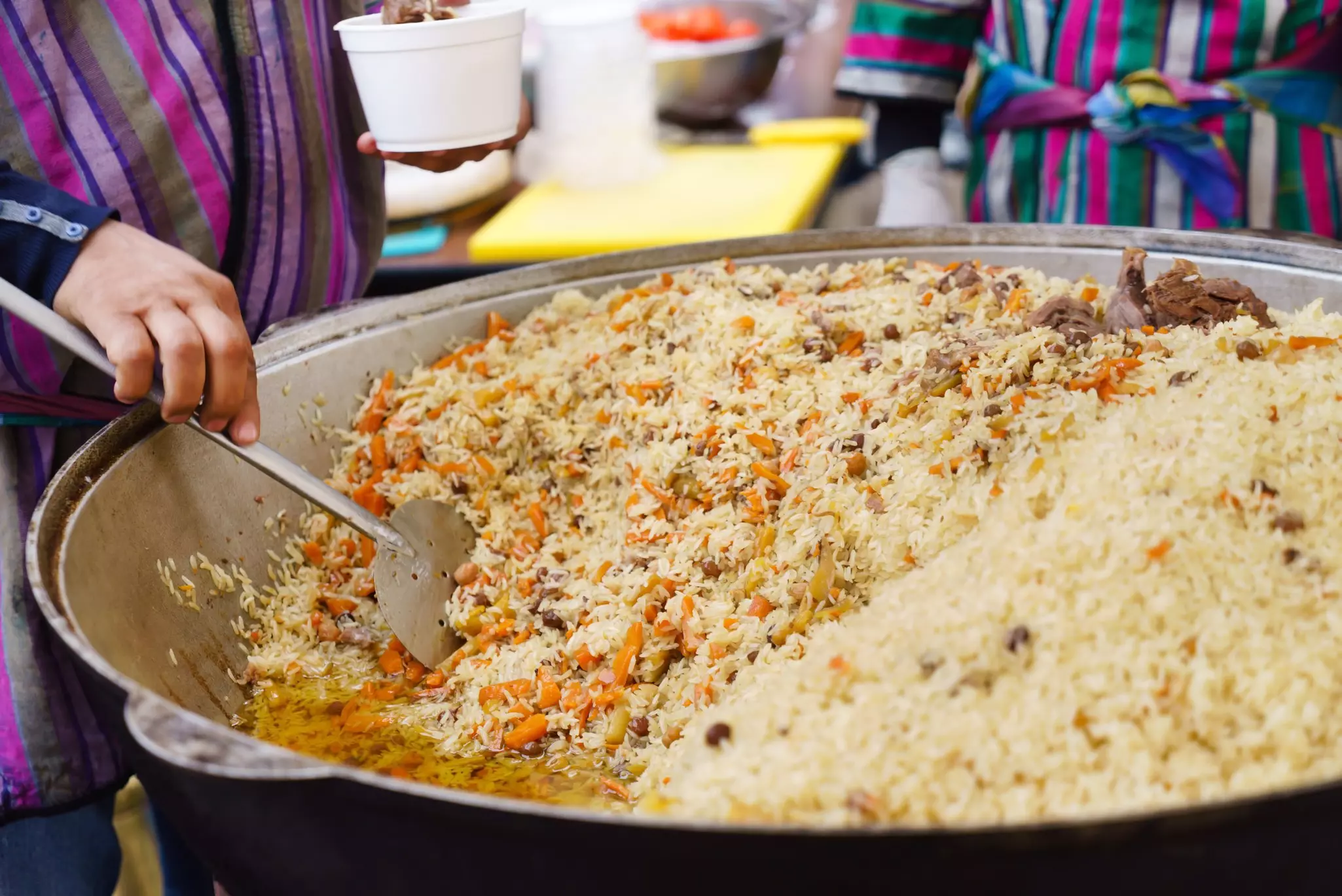
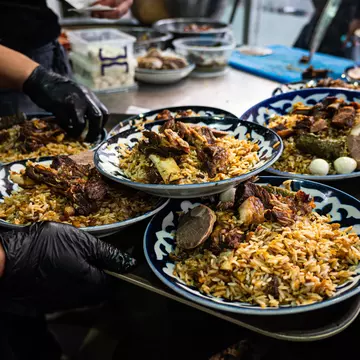
Plov is the answer in Uzbekistan, no matter what the question. This traditional rice dish is cooked for every occasion. Plov is a source of national pride and each region, each city, every oshpaz (master plov-maker) has their own recipe and secrets for preparing this special dish.
There are more than 30 varieties of plov in Uzbekistan, but most share the same core ingredients – rice, carrots, onions, meat, chickpeas, raisins, spices and oil. Sampling the varied local styles of preparation and the unique types of rice grown in different parts of Uzbekistan is a delicious and nourishing indulgence.
In Tashkent, you can head to the Besh Qozon plov center to see giant pots filled with different types of plov, with portions doled out to up to 500 people at a time.
Samarkand and Bukhara have their own variations, which can be sampled in many local cafes. In Kokand or Rishtan in the Fergana Valley, visit a local chaikhana (teahouse), where you can sit in traditional wooden seats by the water and have a leisurely meal of plov, followed by tea or freshly harvested watermelon in season.
Local tip: If you are trying plov for the first time, try not to overdo it. In Uzbekistan, plov is usually eaten for lunch as it is too heavy to eat in the evening. Be sure to balance a big serving with vegetables or yogurt-based salads and green tea for digestion.
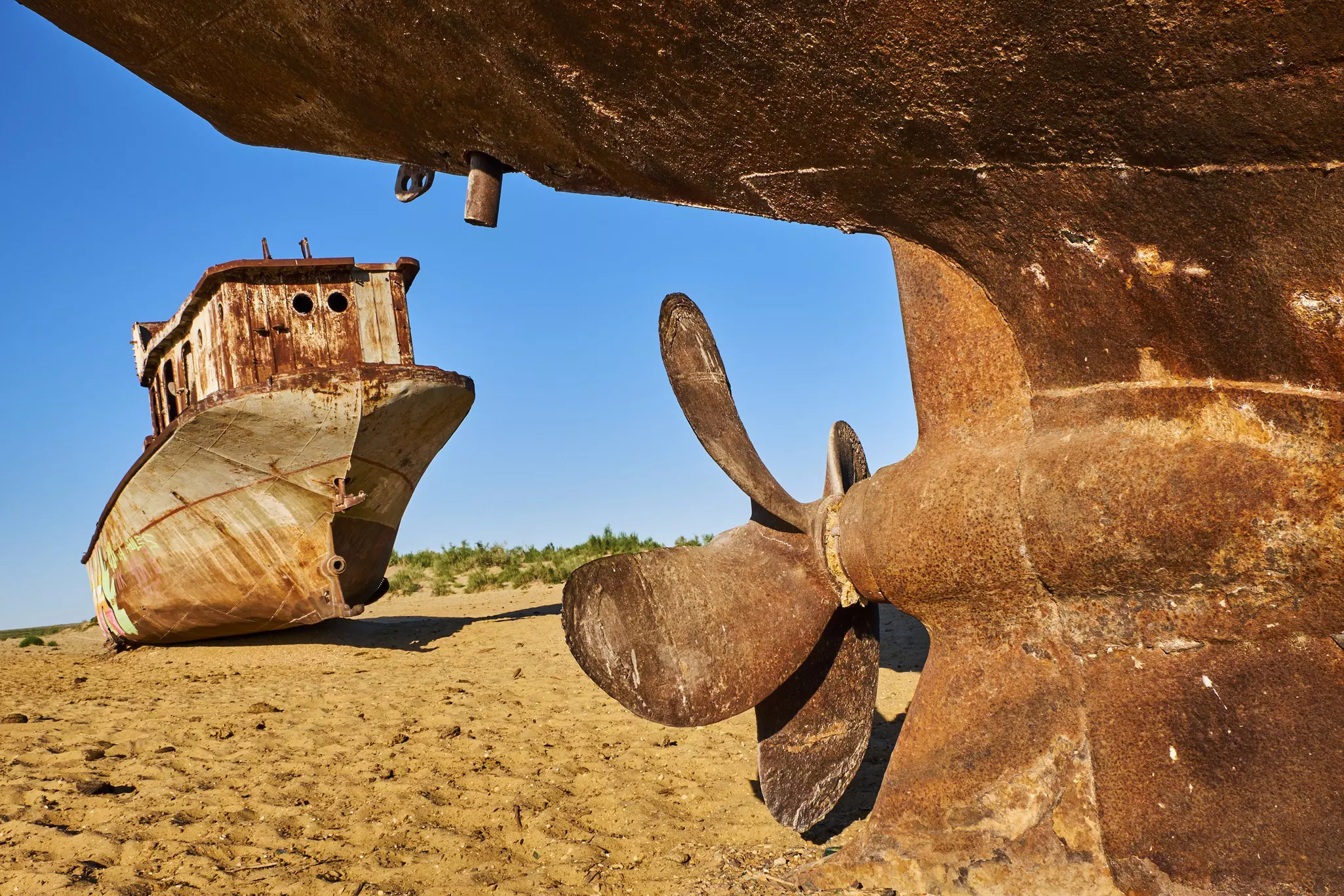
One of the darker legacies of Soviet history in Uzbekistan is the draining of the Aral Sea. Located in Karakalpakstan, the Aral Sea used to be the fourth-biggest lake in the world, until its waters were redirected to provide irrigation for cotton fields. As a result, the sea shrank dramatically, changing the landscape and the whole ecology of the region.
Today, travelers can visit this remote area to see the salty desert at the bottom of this former inland sea. Famous sights include the graveyard of ships, the "lakeside" cities of Muynak and Nukus, the former island of Barsakelmes, and the arid Ustyurt plateau.
While in Nukus, you can visit the Savitsky Museum to view a unique collection of Russian avant-garde art, hidden by the art connoisseur Savitsky in Soviet times.
Planning tip: Allow at least two days for a visit to the Aral Sea. You’ll need to fly to Nukus, capital of Karakalpakstan autonomous republic, and then take a 4WD tour to reach the Aral Sea. It’s not an easy journey but the impressions and photos you take away make the trip totally worth it.
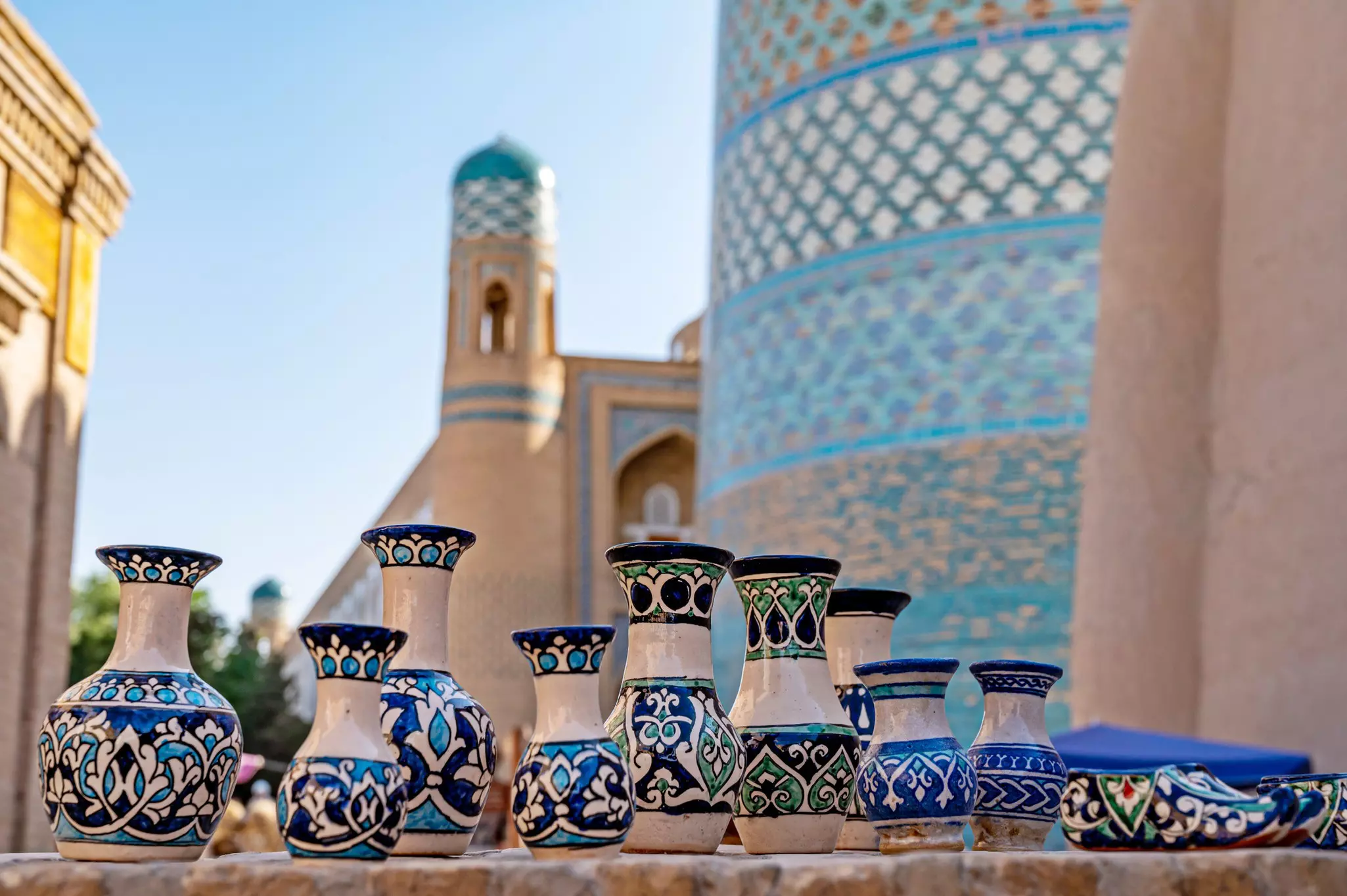
With Uzbekistan’s colorful culture and Silk Road legacy, and the limitless talent of local artists and artisans, it’s almost impossible to leave Uzbekistan without buying a homemade masterpiece as a souvenir.
Artisans’ workshops and factories are the best places to buy traditional craft objects such as ceramics, suzani, wood carving, carpets and fabrics. For fashions, go to modern showrooms such as Navruz Ethnopark in Tashkent, home to many local brands, including Azukar Moreno, Mursak and Two Eagles (all using traditional fabrics to make modern outfits and accessories).
Also in Tashkent is newly opened concept store Teplo, a chic home for fashion brands such as Dildora Kasymova, Maru and Soondook, and emerging makers of jewelry and home decor items. For handmade crafts, every weekend there are art fairs and craft shops in parks and cities across Uzbekistan, where you can buy a colorful chapan (coat), a traditional Uzbek hat, leather goods, ceramics and other local creations.
One of Uzbekistan’s lesser-known experiences is wine tasting. Although the poet and polymath Omar Khayyam was romanticizing local wines nine centuries ago, in Soviet times Uzbekistan fell under the influence of Russian vodka. However, dessert wines from Uzbekistan kept winning prizes at international competitions, and wine-making has seen a major revival in recent decades in many regions.
One of the most interesting venues is the Uzumfermer family winery, a 30-minute drive from Tashkent. The name comes from the Uzbek word for grape – uzum – and founding family members offer specialist tours exploring grapevines, picturesque gardens, rosariums, and production facilities spread over 20 hectares (49 acres), followed by a wine tasting meal of European cuisine in the terrace restaurant. You can spend a whole afternoon here, or there are a few rooms where oenophiles can stay overnight and watch the sunrise.
Another exciting way to delve into Uzbekistan’s wine history is at the Hovrenko factory in Samarkand, one of the earliest centers for alcohol production in the country.
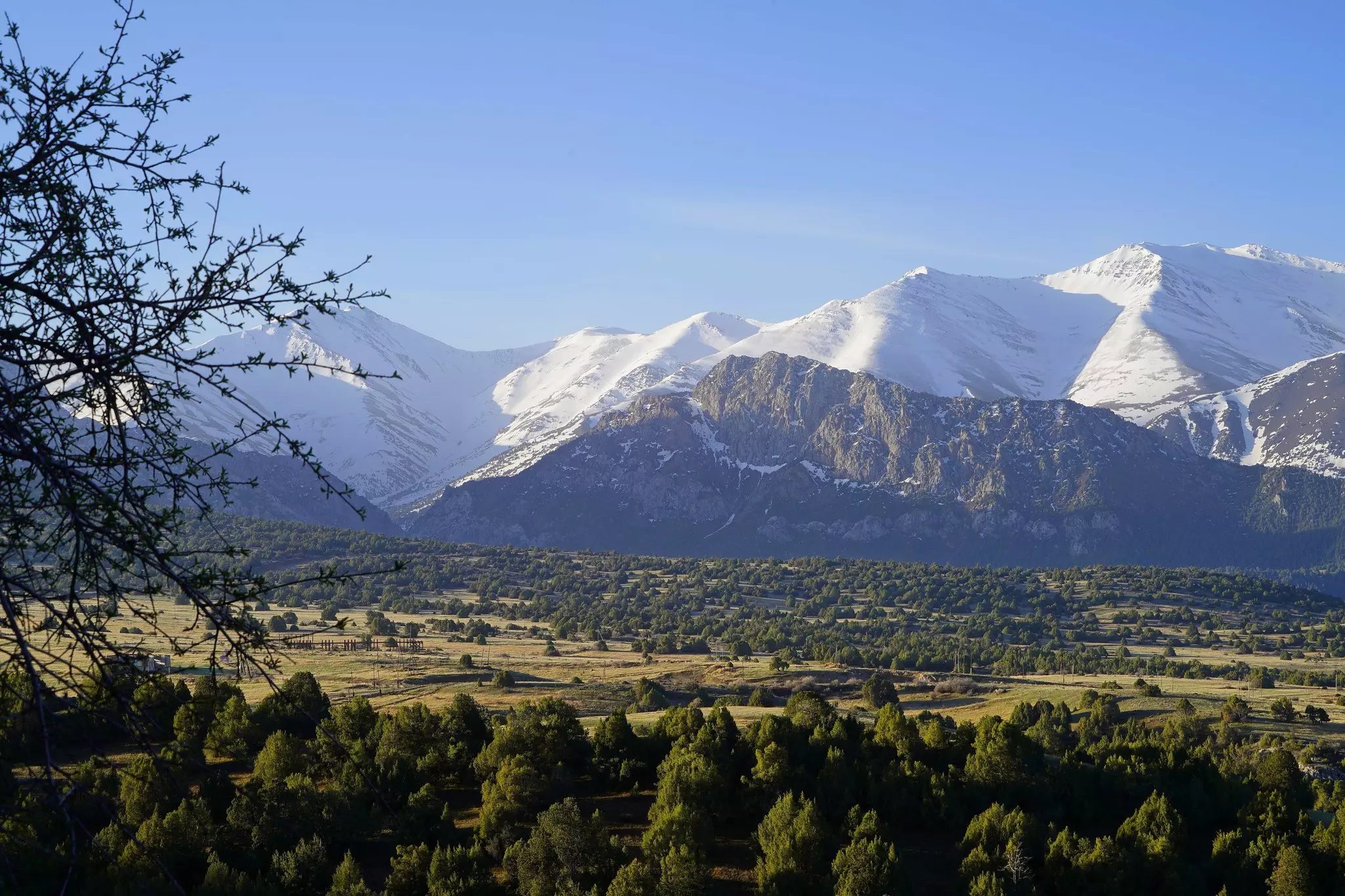
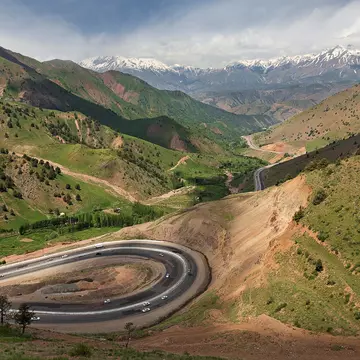
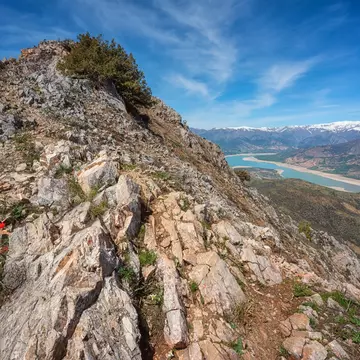
Uzbekistan’s natural landscapes are diverse and picturesque, spanning mountains, foothills, deserts and dramatic valleys, as well as the impressive Amu Darya and Syr Darya rivers, the Aral Sea and several scenic lakes. Zaamin National Park, just three hours’ drive from Tashkent, is one of the country’s most unique nature sanctuaries, and it recently became much more accessible, thanks to the opening of several international hotels and the launch of the annual Zaamin Ultra Marathon.
For more outdoor experiences that are both adventurous and rejuvenating, try hiking in the Chimgan mountains, stargazing at the Maidanak observatory, camping near Aydarkul Lake Aidarkul or visiting the dunes near Moynaq in Karakalpakstan.
Planning tip: For experiences such as hiking in the mountains and stargazing, Zaamin is especially scenic and accessible in the spring.
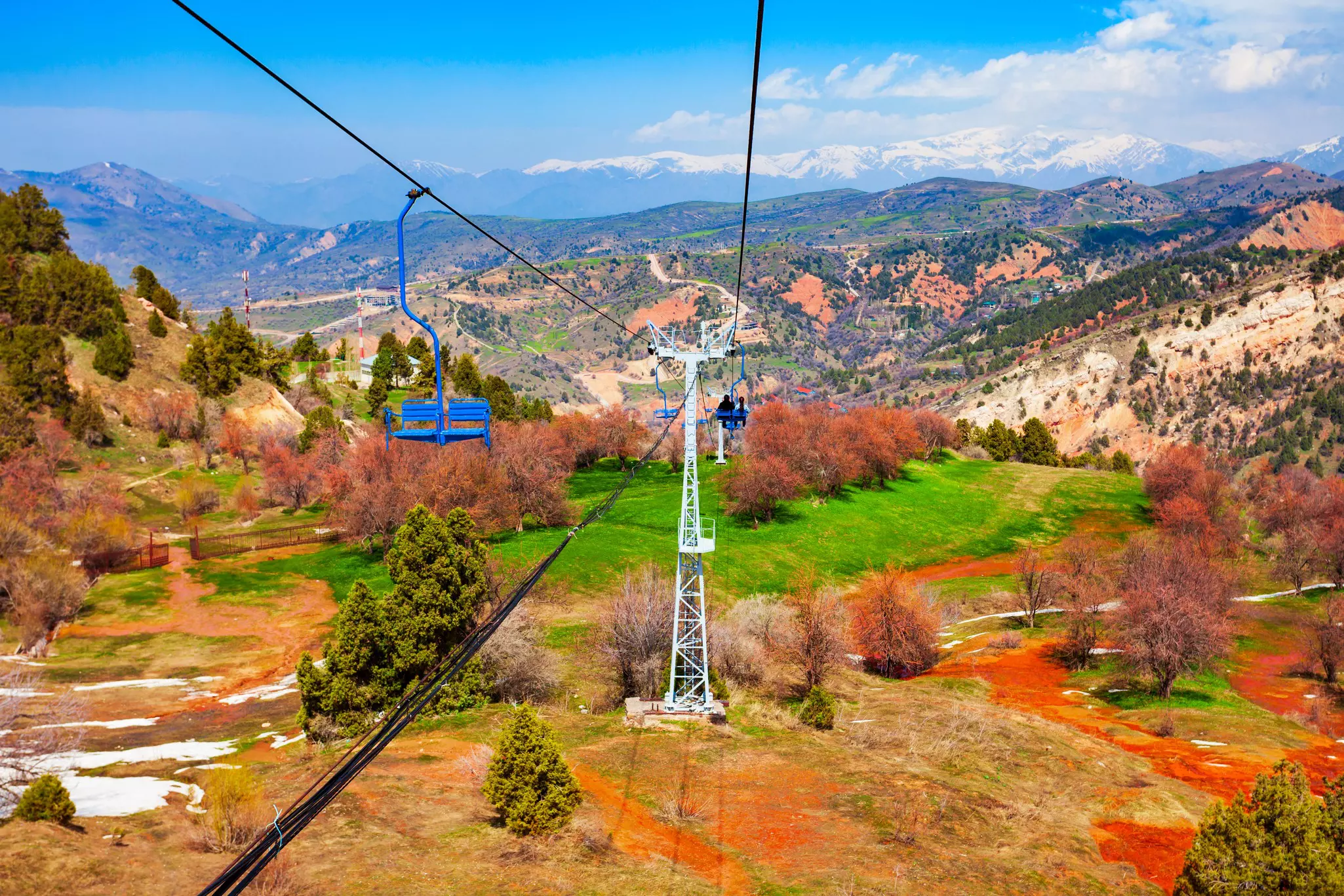
The opening of the Amirsoy mountain resort in 2019 transformed Uzbekistan into a regional hub for skiing and snowboarding. Only just being discovered by international visitors, Amirsoy offers high-level infrastructure and excellent natural conditions for all types of winter sports. And with aviation growing in Uzbekistan, skiing by helicopter is an exciting way to get deeper into the mountains.
Planning tip: If you prefer wild nature for your mountain adventures, you should go to the Chatkal, Beldersoy or Chimgan mountain regions near Tashkent, or Zaamin National Park in Jizzakh, all with infrastructure for skiers.
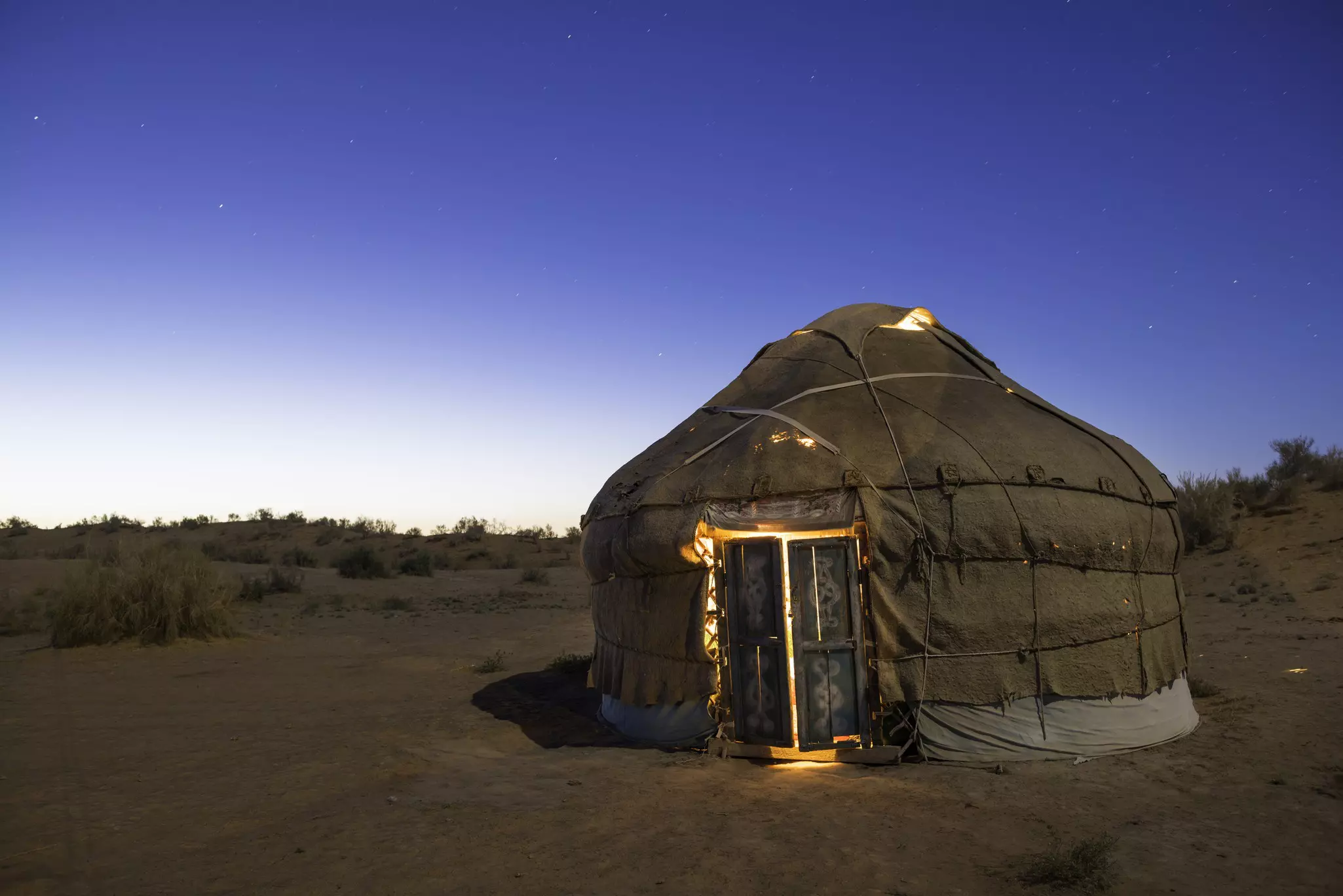
If you want to experience nomadic life, Uzbekistan’s deserts are the perfect place to go. At every traditional festival, you’ll see a sample yurt and maybe be invited for tea inside, but in regions such as Karakalpakstan, there are areas where local people live in yurts full time.
In Central Asia, people decorate the interiors of their yurts with carpets, low seating and a short wooden table, set in the middle of the tent. It takes up to three hours to set up or take down a yurt, and each can fit up to 15 people at a time. Traditionally, yurts are used for family meals and sleeping; in winter, the table is moved and a fire is lit in its place, with sleeping spaces arranged around it.
In the tourist camps, yurts are fitted out with relatively comfortable mattresses and washroom facilities are provided in a separate building. A trip to a yurt camp will usually include camel-riding, watching the sunrise or sunset (perhaps at a nearby lake) and meals and evening folklore performances around the fireplace.
The most popular yurt camps in Uzbekistan are at Nurata in the Navoi region, and the Aidar and Muynak yurt camps in Karakalpakstan. The conditions can be very modest and the wildlife and nature unpredictable – be ready for adventure!
Explore related stories