Jun 8, 202610 min read
The best places to swim in NYCFeb 3, 2026
9 MIN READ
Writer
Lonely Planet may earn a commission from affiliate links on our site. All recommendations and reviews reflect our own independent opinions.
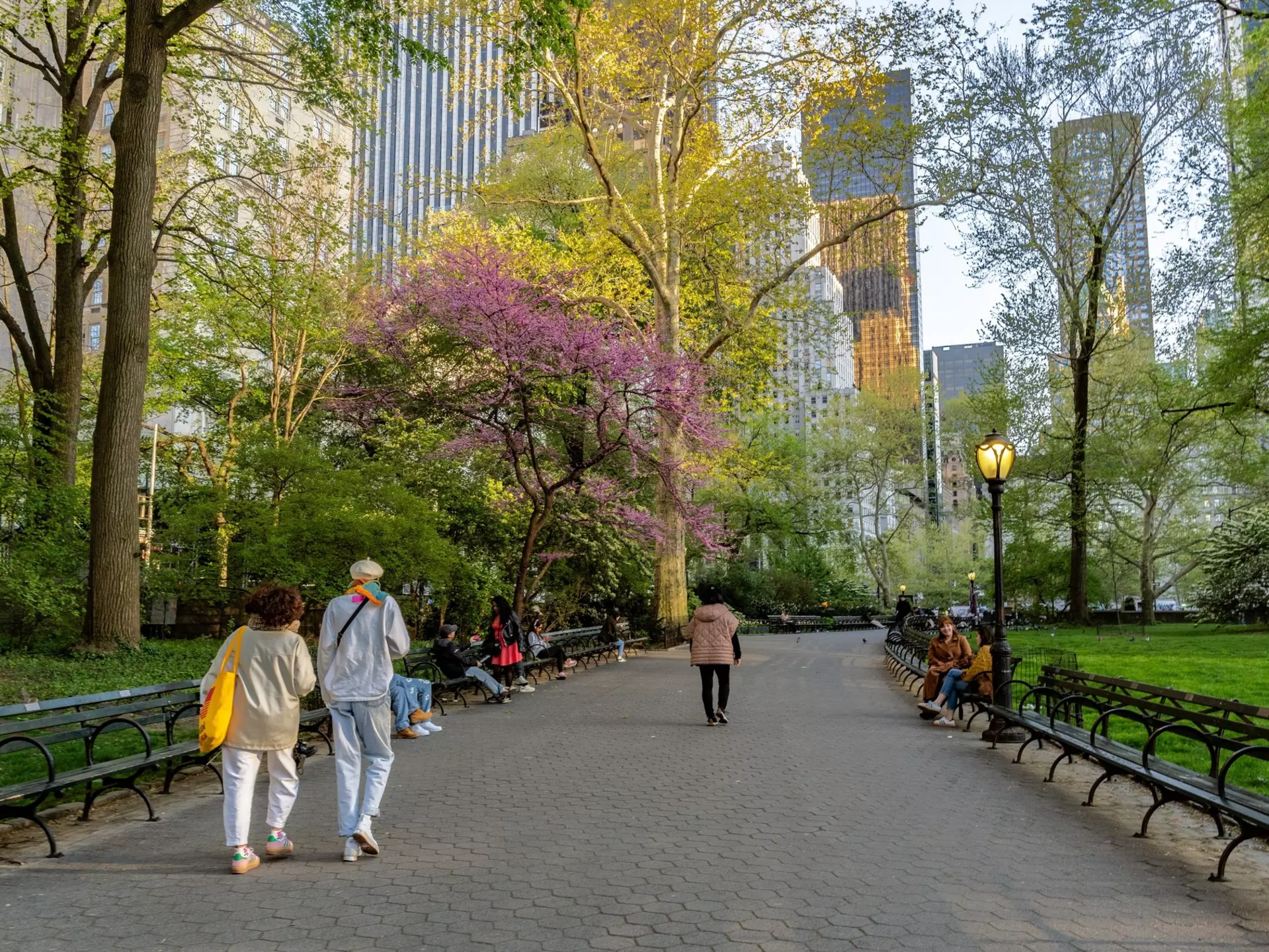
People walking in Central Park, New York City, USA.
Writer
There's a reason New York City is a top tourist spot and has many people eager to call it home.
It's a global center for art, food, fashion and more, and it shows up consistently on lists of top cities to visit. Your challenge will be choosing activities from the vast amount of opportunities around you.
To help you start enjoying this spectacular city, here's a list of my favorite highlights. Keep in mind that the big sights lure big crowds, so brace yourself. If you're seeking a calmer and less crowded NYC experience, check out things to do in the outer boroughs (beyond Manhattan).
Ticket costs can get pretty high, so consider purchasing a New York CityPASS, which offers good discounts on top attractions.
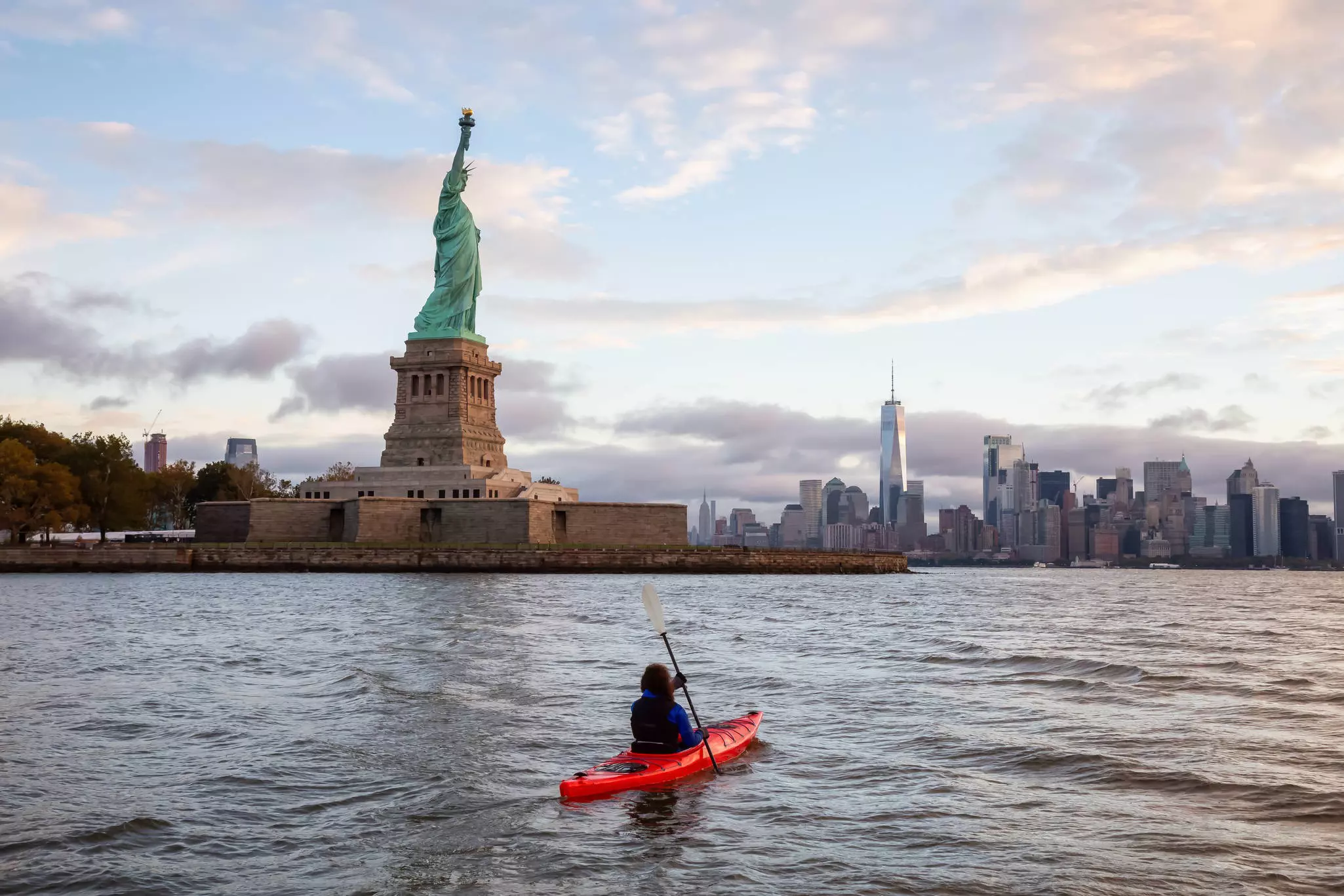
The copper-green Statue of Liberty dominates a small island in New York Harbor, casting a protective shadow over neighboring Ellis Island. From 1892 to 1924, over 12 million soon-to-be-Americans were processed at Ellis Island, which is now the site of a stirring immigration museum.
Planning tip: Boats to the Statue of Liberty and Ellis Island leave from The Battery in Manhattan and Liberty State Park in New Jersey. The monuments are often visited on a combined ticket. Book well ahead, especially if you hope to spend time in Liberty's pedestal or crown.
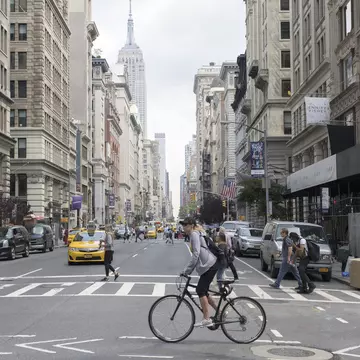
The tallest building in the world when it opened in 1931, the 1454ft Empire State Building remains a much-loved character on the NYC skyline, although somewhat controversially, street-level views of this New York City skyline icon are now obscured by a luxury condo apartment. Vistas from the outdoor, 360-degree view, 86th-floor deck and the indoor 102nd-floor observatory are breathtaking, though – particularly at sunset. Look northeast at the art deco Chrysler Building, which was the world's tallest before being dethroned by the Empire State.
Planning tip: Buy tickets in advance and devote time to the Empire State Building's observation decks, especially on the 102nd floor. On a clear day, you can see up to 80 miles in the distance.
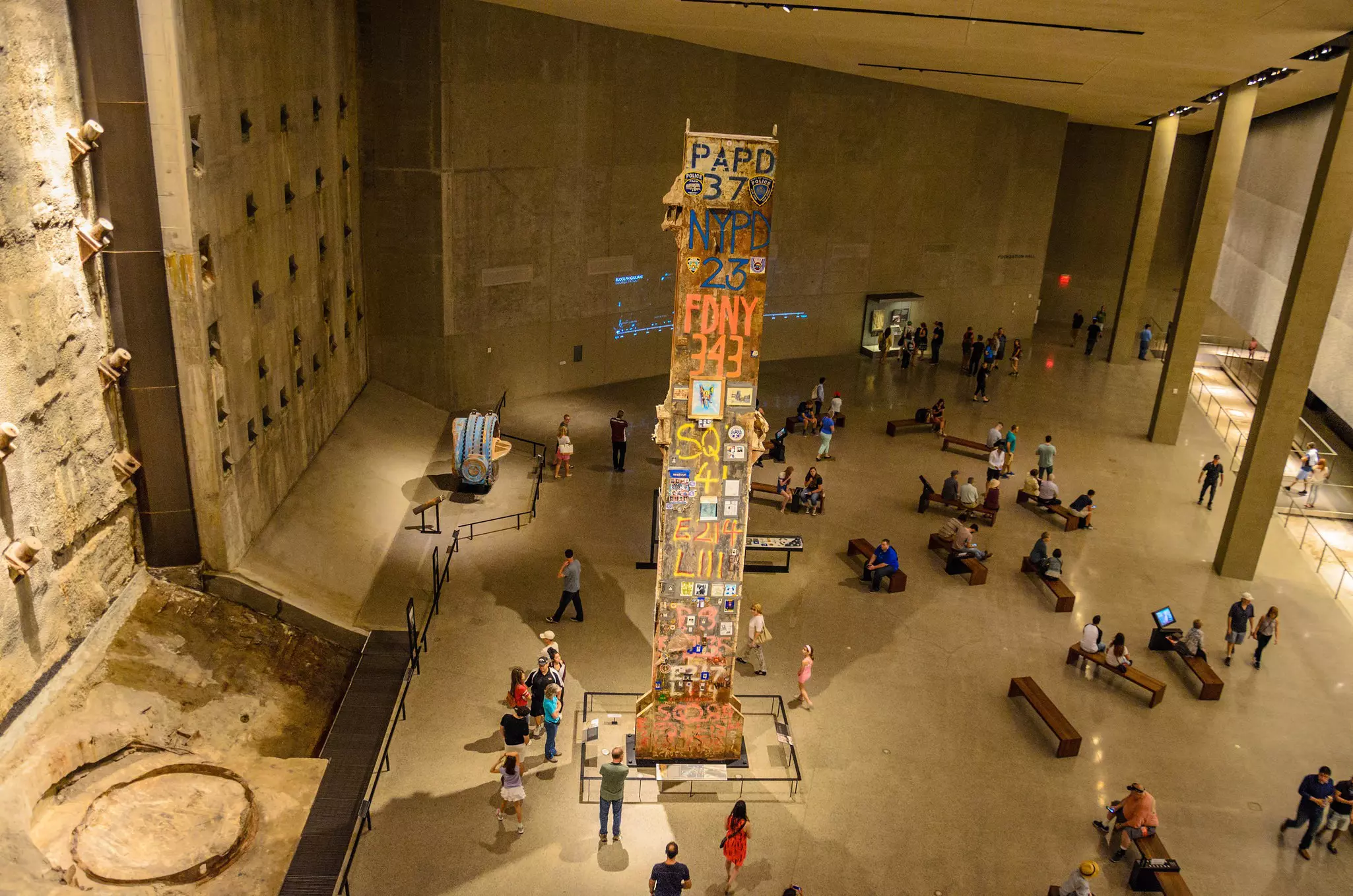
The 9/11 Memorial is located where the World Trade Center twin towers once stood. It features sobering tributes to the lives lost in the 9/11 terrorist attacks, most poignantly two sunken pools with cascades of water pouring into the fallen towers' footprints. Adjacent to the memorial is a profoundly moving museum with remnants and reminders of the tragic day.
Planning tip: The memorial is free; museum tickets are best bought online in advance.
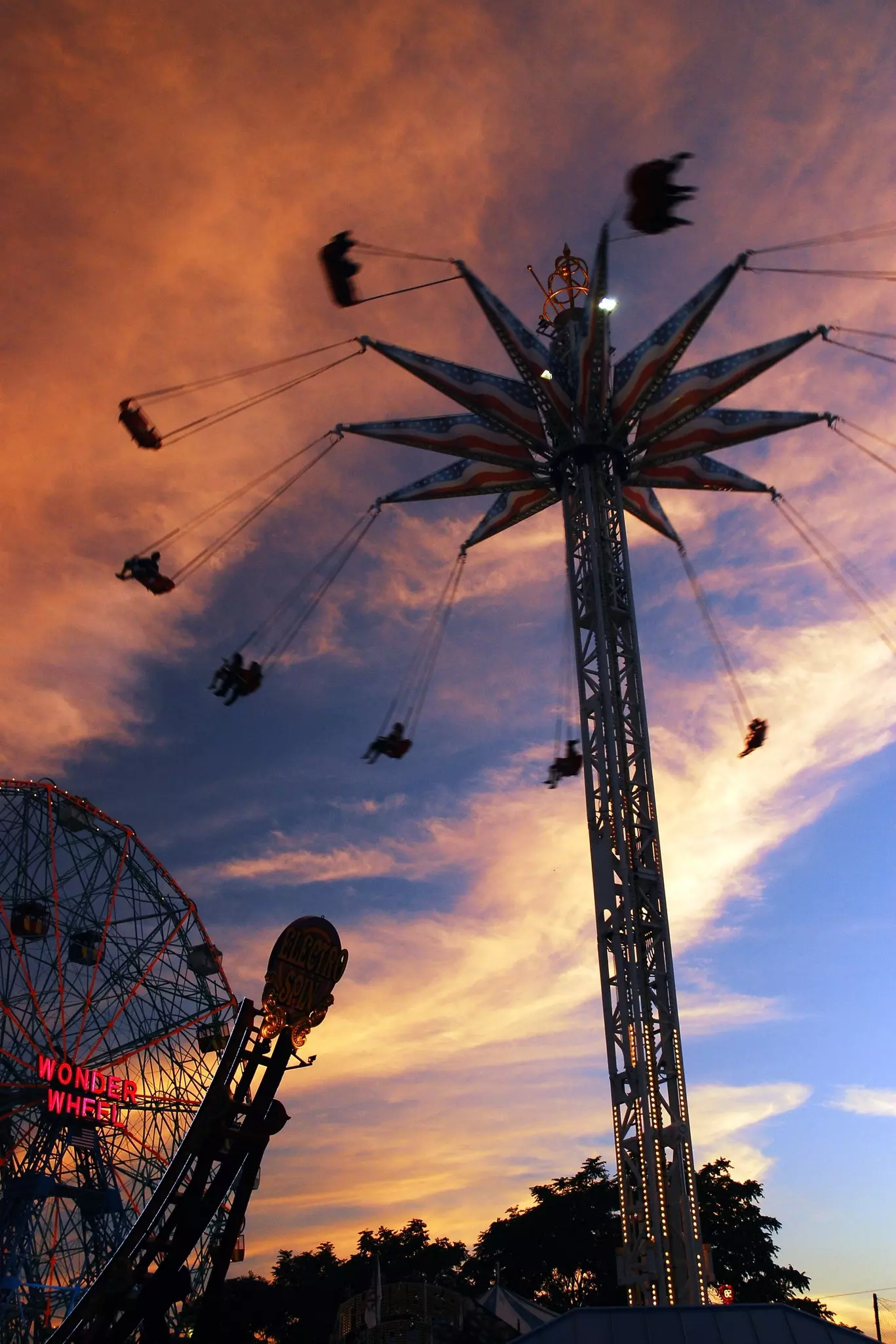
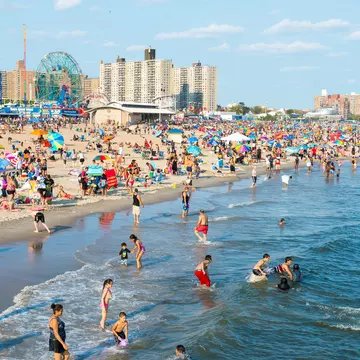
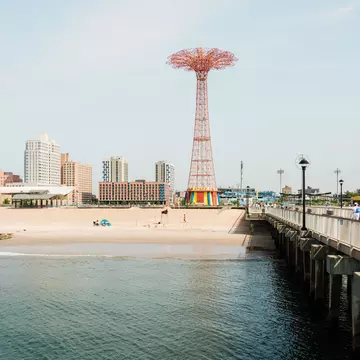
Jutting like a Brooklyn thumb out into New York Harbor's Lower Bay, Coney Island has a wide beach, a popular seaside boardwalk and a lively amusement park, all reachable by subway in about an hour from Midtown Manhattan. Popular attractions include the family-friendly New York Aquarium, Nathan's Famous hot dogs, Deno's Wonder Wheel and thrill-filled Luna Park, featuring the wooden Cyclone roller coaster – a city and national historic landmark.
Planning tip: Walk to nearby Brighton Beach for classic Russian and Ukrainian eats.

The Metropolitan Museum of Art is NYC's most visited museum for very good reasons. With 5000 years of art from all over the world, 2 million individual objects and 17 acres of exhibition space, the museum is massive, astounding and seemingly inexhaustible.
An inside tip – the Met's often bypassed uptown Cloisters were cobbled together from authentic sections of European medieval monasteries. Tickets cover three-day admission to both Met branches.
Directly across Central Park from the Met is another significant museum with a broad scope: the American Museum of Natural History, where your ticket grants you access to more than 50 exhibits and 34 million artifacts!
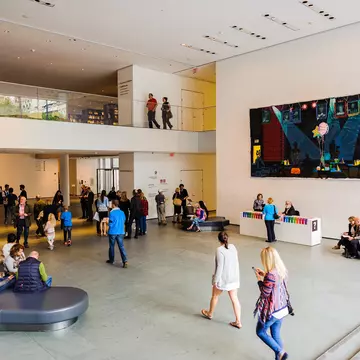
Art lovers will find modern masterpieces from Warhol, Pollock and more in the Museum of Modern Art; book ahead to skip the line, particularly on weekends. Somewhat smaller and less crowded, though definitely still comprehensive, is the Brooklyn Museum. You'll find many museums around town to keep you engaged.
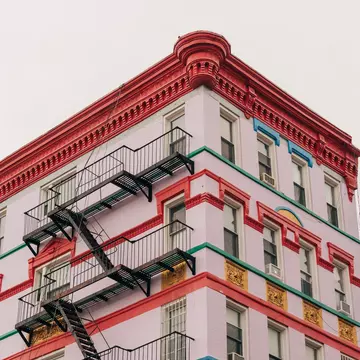
Detour: For something much more contemporary and free of crowds, try Brooklyn's Bushwick Collective Street Art.
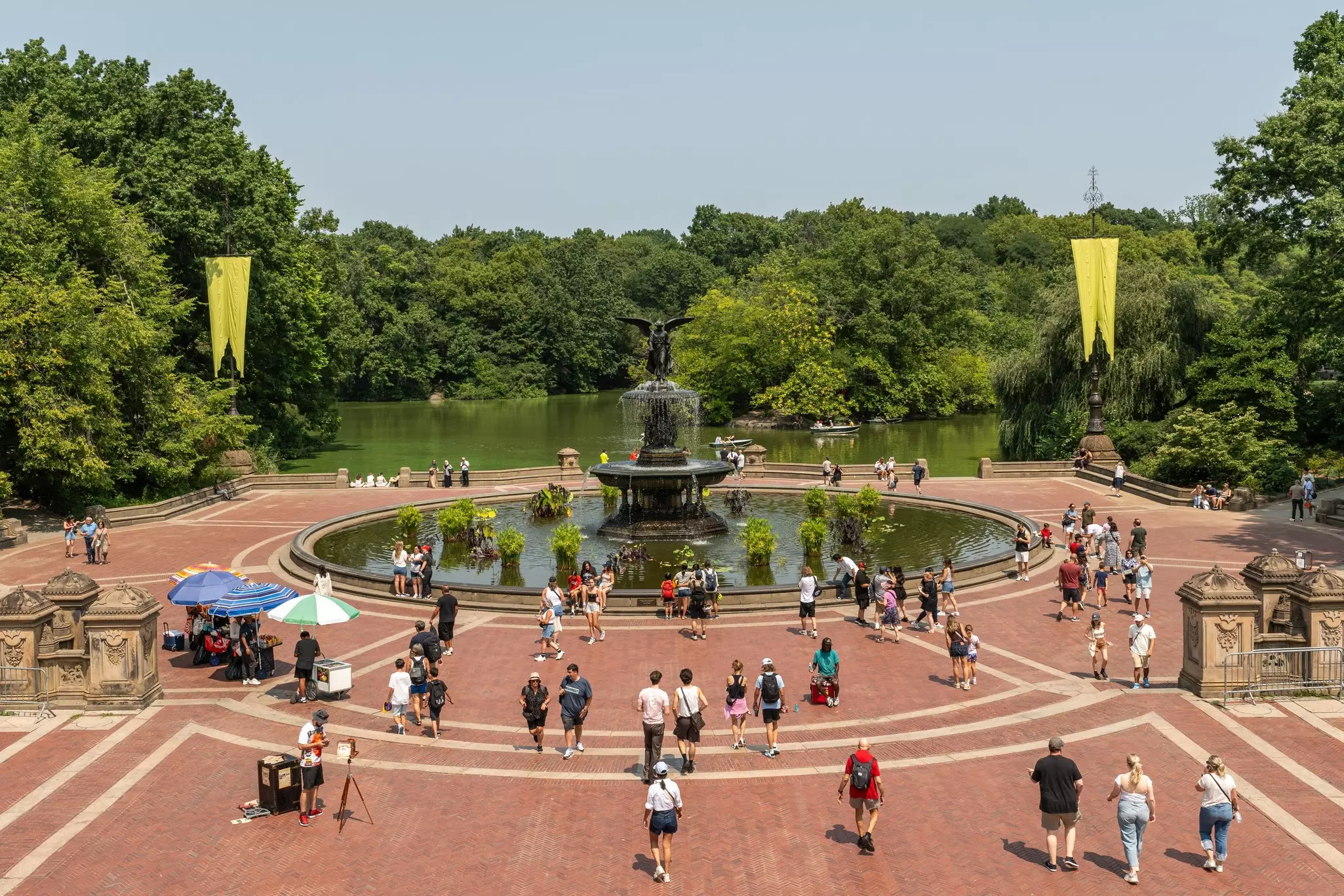
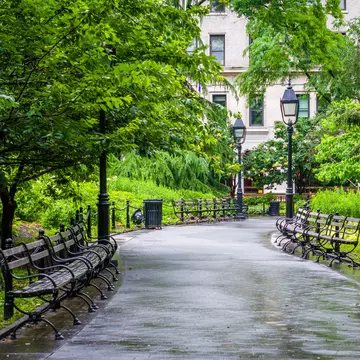
Hemmed in by buildings, Central Park has 843 acres of green space – meadows, groves, gardens and lakes, as well as restaurants, theaters, concert venues, fountains, skating rinks, ballfields, playgrounds and much more. Park Drive, although often crowded, is a favorite route for runners, skaters and cyclists. You'll find a ton of great spots in the park to enjoy throughout your stroll.
Seeking some green space with fewer people? Brooklyn's Prospect Park, created by the same landscapers as Central Park, has all the same charm with far less throng.
Detour: For a leafy overview of Manhattan, consider cycling along sections of the 31-mile Manhattan Waterfront Greenway, especially the Hudson River Greenway segment.
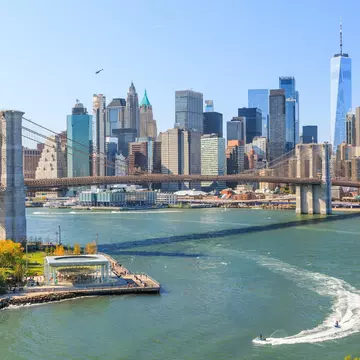
Undoubtedly NYC's most beautiful river crossing, the 1596ft-long, stone-towered Brooklyn Bridge was one of the world's first steel suspension bridges when it opened in 1883. Today, a walk along its pedestrian passageway delivers delightful Manhattan and Brooklyn skyline views. If the journey to Brooklyn makes you hungry, you'll find many eateries to choose from once you arrive.
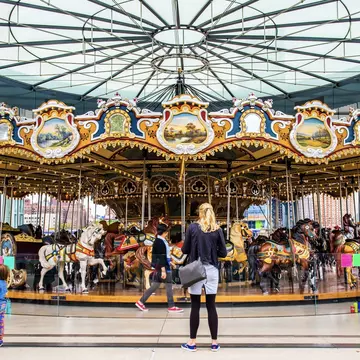
Brooklyn Bridge Park, the 1.3-mile, 85-acre green space on Brooklyn's East River shoreline, prolongs the pleasure (and the Manhattan views). Check out the waterfront, glass-enclosed Jane's Carousel and multiple revitalized pier-based leisure and activity areas.
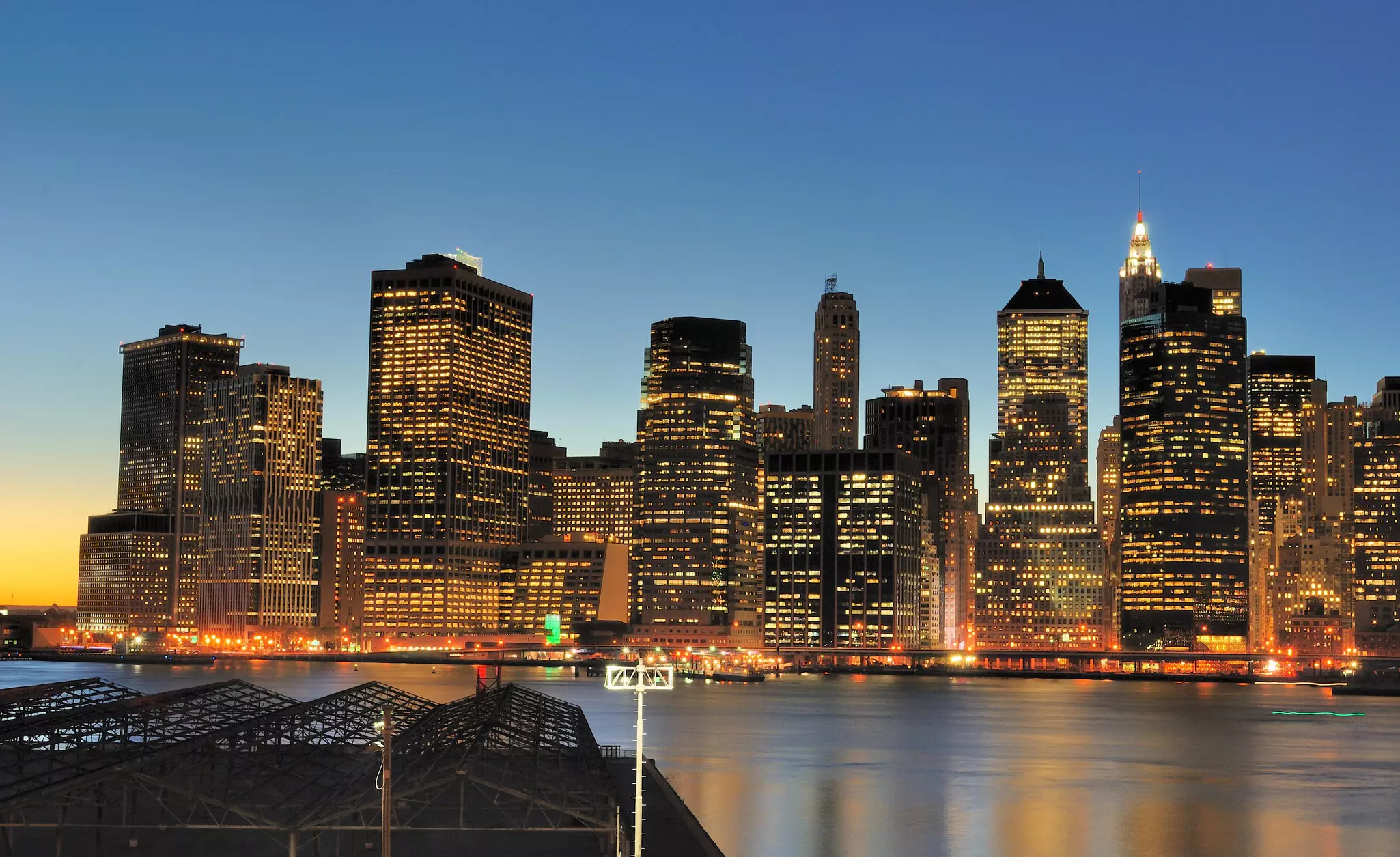
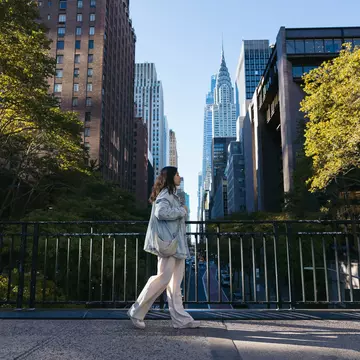
Manhattan's tumble of buildings is a mesmerizing spectacle, changing in natural and artificial light, particularly at dusk and night. Harbor cruises are a fantastic way to enjoy it, but there are also numerous land-based vantage points along the East River.
In Brooklyn, head for Brooklyn Bridge Park, Brooklyn Heights Promenade, East River State Park in Williamsburg and Transmitter Park in Greenpoint. Over in Queens, go to Gantry Plaza State Park in Long Island City and Astoria Park.
Planning tip: For a once-in-a-lifetime splurge and unbeatable views, take a helicopter tour over NYC.
The 1.5-mile-long High Line is one of New York's great surprises. This art-filled, community green space – featuring gardens, events and amazing city outlooks – was crafted from an abandoned elevated railway. It can be packed on warm evenings when the unique modern architecture on all sides is illuminated.
The northern terminus of the High Line is at Hudson Yards, a luxury development. Hudson Yards features gourmet restaurants, upscale shops and singular attractions like Vessel, a multilevel public landmark, and Edge, the city's highest (100th-floor) open-air observatory.
Perhaps best known for its winter backdrop – a world-famous ice-skating rink and New York's giant ceremoniously lit Christmas tree – the art deco Rockefeller Center is a busy, art-filled national historic landmark all year round.
Named for its entrepreneurial developer – John D. Rockefeller, Jr., America's first billionaire – it claims highlights such as the 70th-floor Top of the Rock observation deck, Radio City Music Hall and NBC Studios tours, as well as plenty of Midtown shopping and dining.
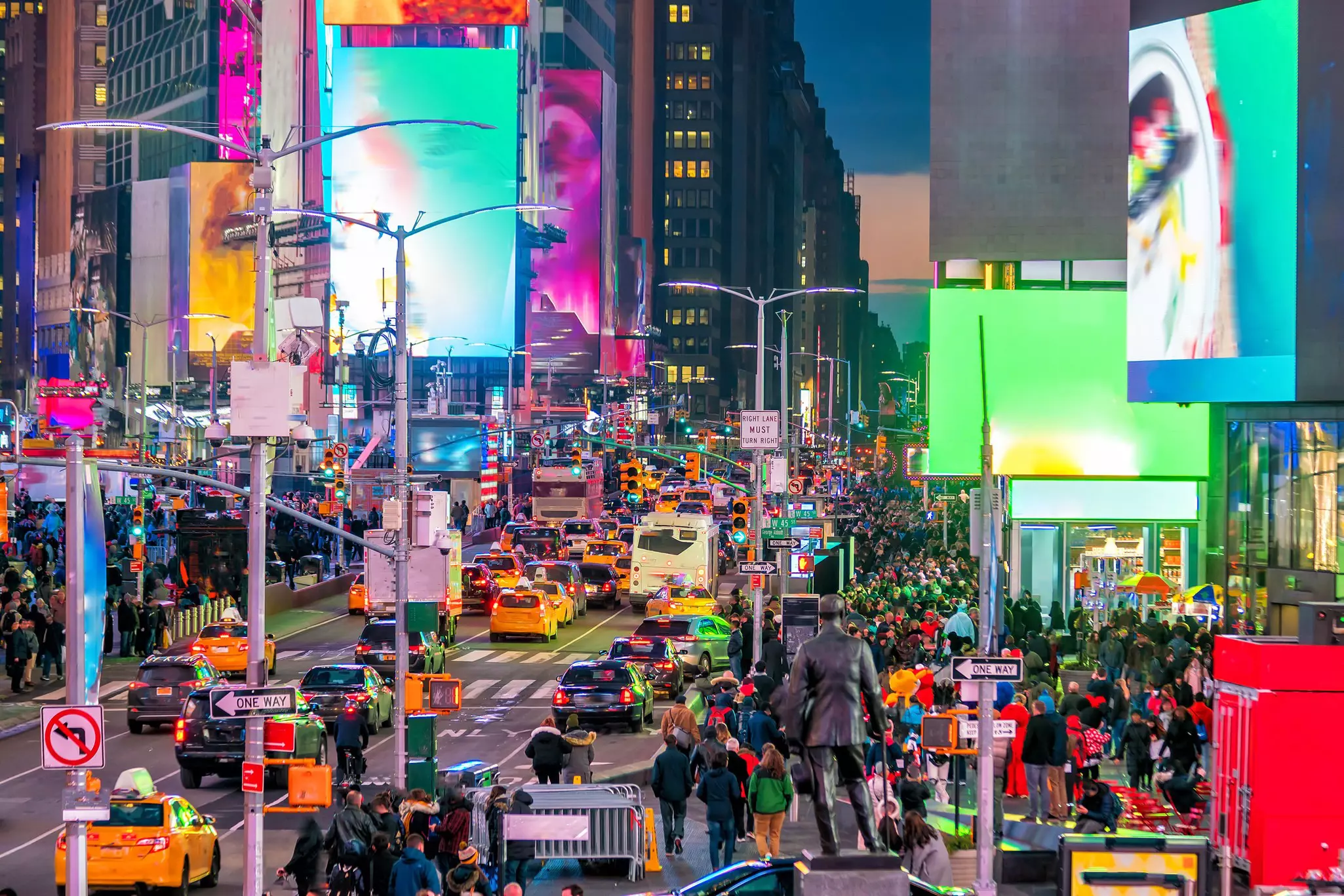
The neon lights really do shine bright on Broadway, especially in Times Square at the heart of the world's most celebrated theater district. Day and night, it provides billboarded sensory overload. In the area are dozens of marquee-fronted playhouses hosting box office hits, alongside the popular Madame Tussauds wax museum. Bryant Park, Midtown's small but activity-filled green oasis, and the lion-flanked entrance of the New York Public Library, a national historic landmark, are also nearby.
The wheels never stop turning in NYC, aided by its sleepless subway, one of the world's biggest mass transit systems. Another iconic part of the New York transport network is the free, orange Staten Island Ferry, the cheapest way to grab pics of Lady Liberty.
For NYC urban transport history, the kid-friendly Transit Museum has climb-aboard subway cars from all eras. There's a museum annex and shop in Grand Central Terminal, a Midtown beaux-arts wonder with an unforgettably grand main concourse.
Who'd have thought the US' biggest and oldest zoo is in NYC? The conservation-minded Bronx Zoo hosts 6000-plus animals in 265 acres of specially designed habitats. Adjacent to it is the New York Botanical Garden, a 250-acre, year-round nature showcase with dozens of indoor and outdoor gardens included in your ticket.
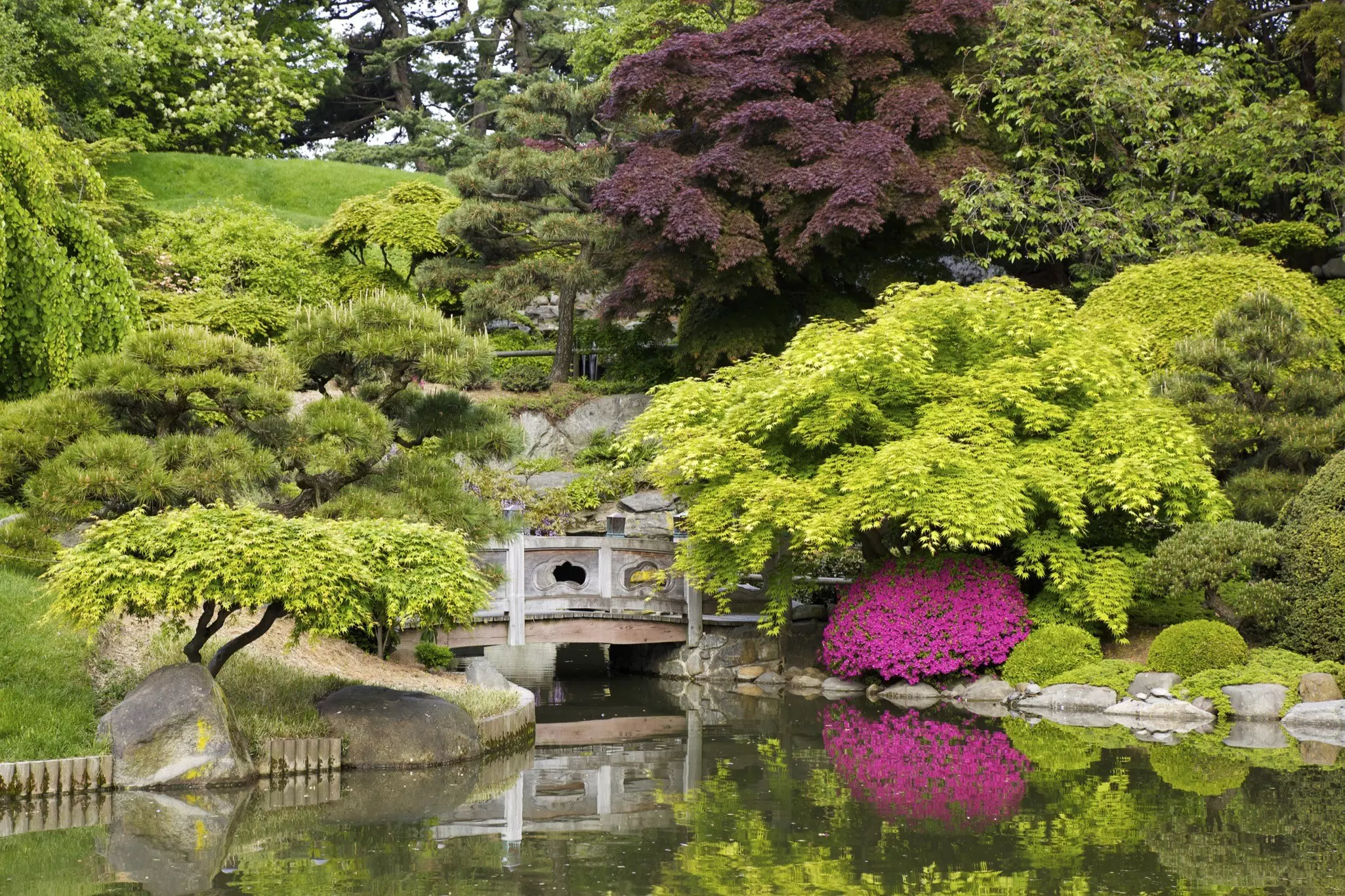
Planning tip: Smaller but impressive alternative zoos can be found at Central Park, Prospect Park and Flushing Meadows Corona Park (Queens). The 50-acre Brooklyn Botanic Garden is famous for its seasonally blossoming cherry trees.
In a city that places a high premium on space, Brooklyn now claims three hip, rehabilitated industrial areas commandeered by entrepreneurs, artisanal makers, retailers, artists, start-ups and nonprofits. Industry City occupies six large warehouses on the Sunset Park waterfront.
Further south, 100-plus companies fill the vast and storied Brooklyn Army Terminal. And east of Downtown Brooklyn, the expansive, historic Brooklyn Navy Yard is a modern manufacturing hub.
New Yorkers take outsize pride in their sports teams, so how better to absorb the city's energy than at a game? Yankee Stadium in the Bronx and the Mets' Citi Field in Queens are grand open-air stadiums. Manhattan's Madison Square Garden, home of Knicks and Liberty basketball and Rangers hockey, and Brooklyn's futuristic Barclays Center, where the Nets basketball and Islanders hockey teams play, are enclosed, which is great for rainy days.
Planning tip: If you'd prefer to see the Giants and Jets compete in the National Football League, their stadium is in nearby New Jersey.
Explore related stories