Feb 27, 202615 min read
How tourism is transforming the Bywater neighborhood of New Orleans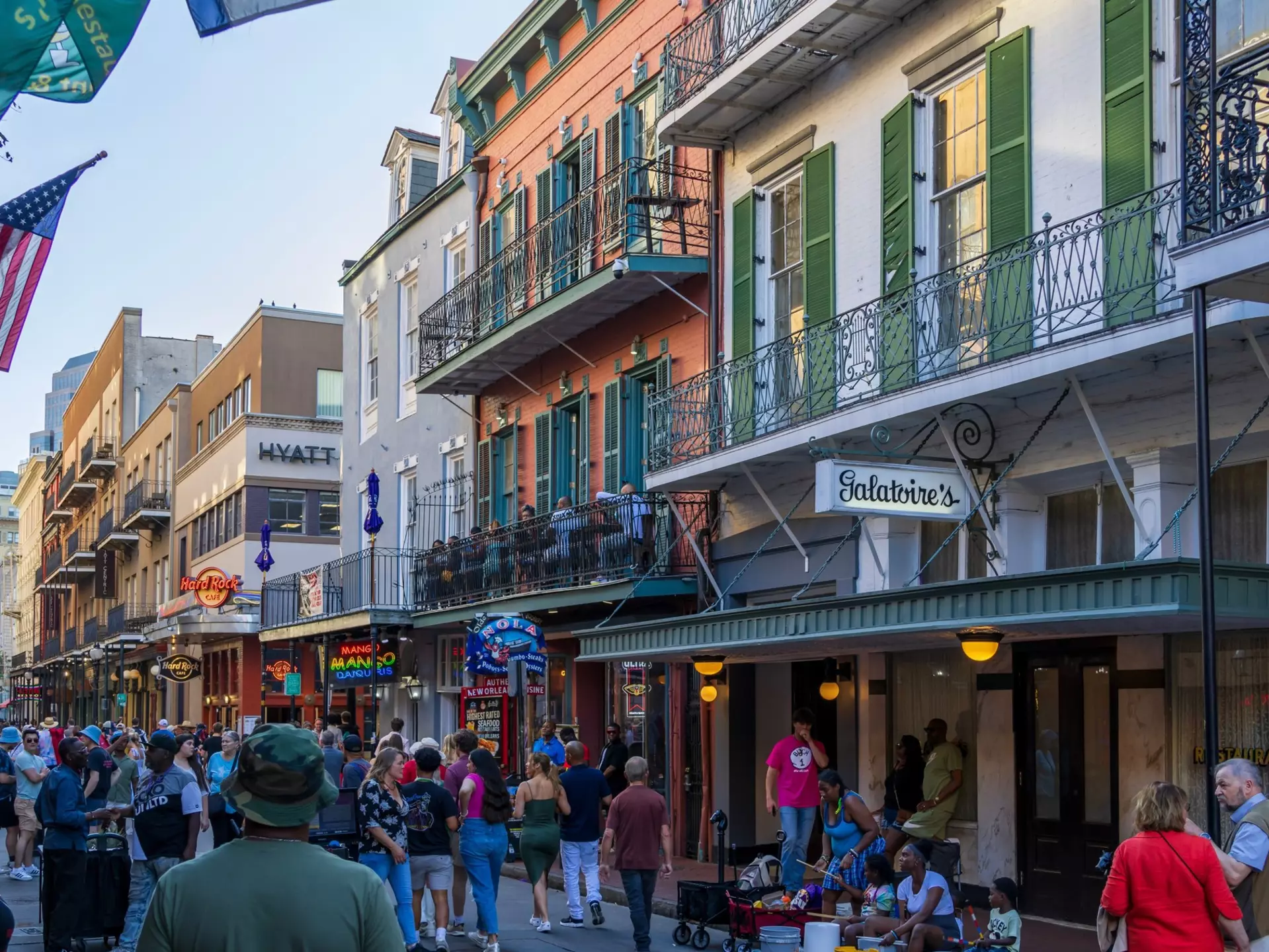
Restaurants and bars along busy Bourbon Street in New Orleans. Marcus E Jones/Shutterstock

Writer
The New Orleans menu is long and storied. And yes, we mean the food, but also the… everything. As the city that commands access to the Mississippi River, it’s perhaps appropriate that New Orleans rewards immersion. The city's best experiences require visitors to dunk themselves in, and while three days will give you a brief overview, you may want to spend a little extra time here.
In New Orleans, the rainbow palette of the houses is a feast for your eyes. The music breathes pure sonic fire into your ears. The roots of the live oaks shred the sidewalk beneath your feet. The flavors of the food delight the tongue. The scent of angel’s trumpet flowers fills residential side streets.
Every corner of the city treats visitors to a new sensation, and from there, a new way of seeing and appreciating the world, especially this particular world, built on Caribbean folkways, the African diaspora, French and Iberian culture, and a specifically Southern American embrace of exuberance and community. These are the 15 best things to do in New Orleans.
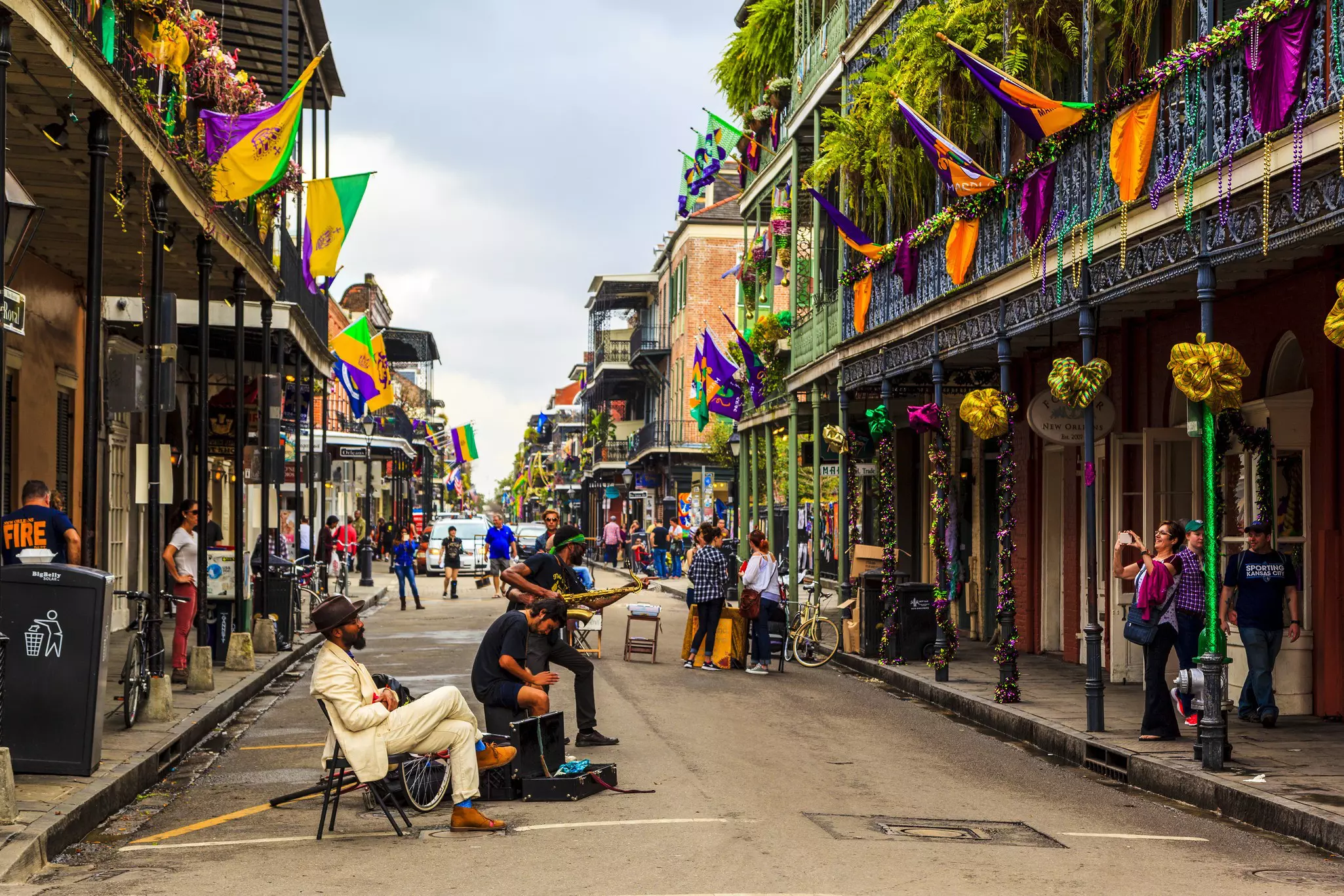
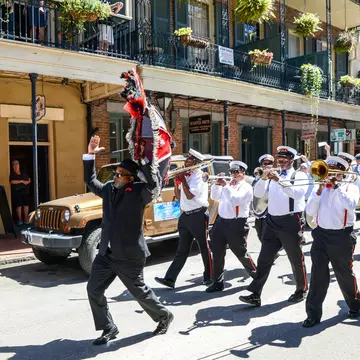
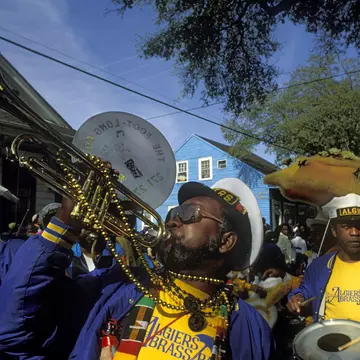
New Orleans produces a plethora of art, but none of the creative output has left such a palpable imprint on the world as music. The granddaddy of modern pop music was a synthesis of African rhythms kept alive by enslaved people and free people of color, European harmonies, and brass instruments introduced by marching bands.
Working musicians live by their gigs here, and the most accessible way to see them is on Frenchmen Street, in Faubourg Marigny. There are many clubs here, each within a few city blocks of one another. These include the Spotted Cat and D. B. A, where shows kick off regularly, usually around 6pm and 9pm.
And jazz isn’t the only game in town. On St Claude Avenue, you might catch a DJ spinning bounce music – The Big Easy’s native twerking dance genre. The Saturn Bar is the place to go for an R&B dance party.
Planning tip: There’s a lot of music on tap in New Orleans. To find it, WWOZ’s Livewire puts together an exhaustive list of local live gigs, which is painstakingly updated daily.
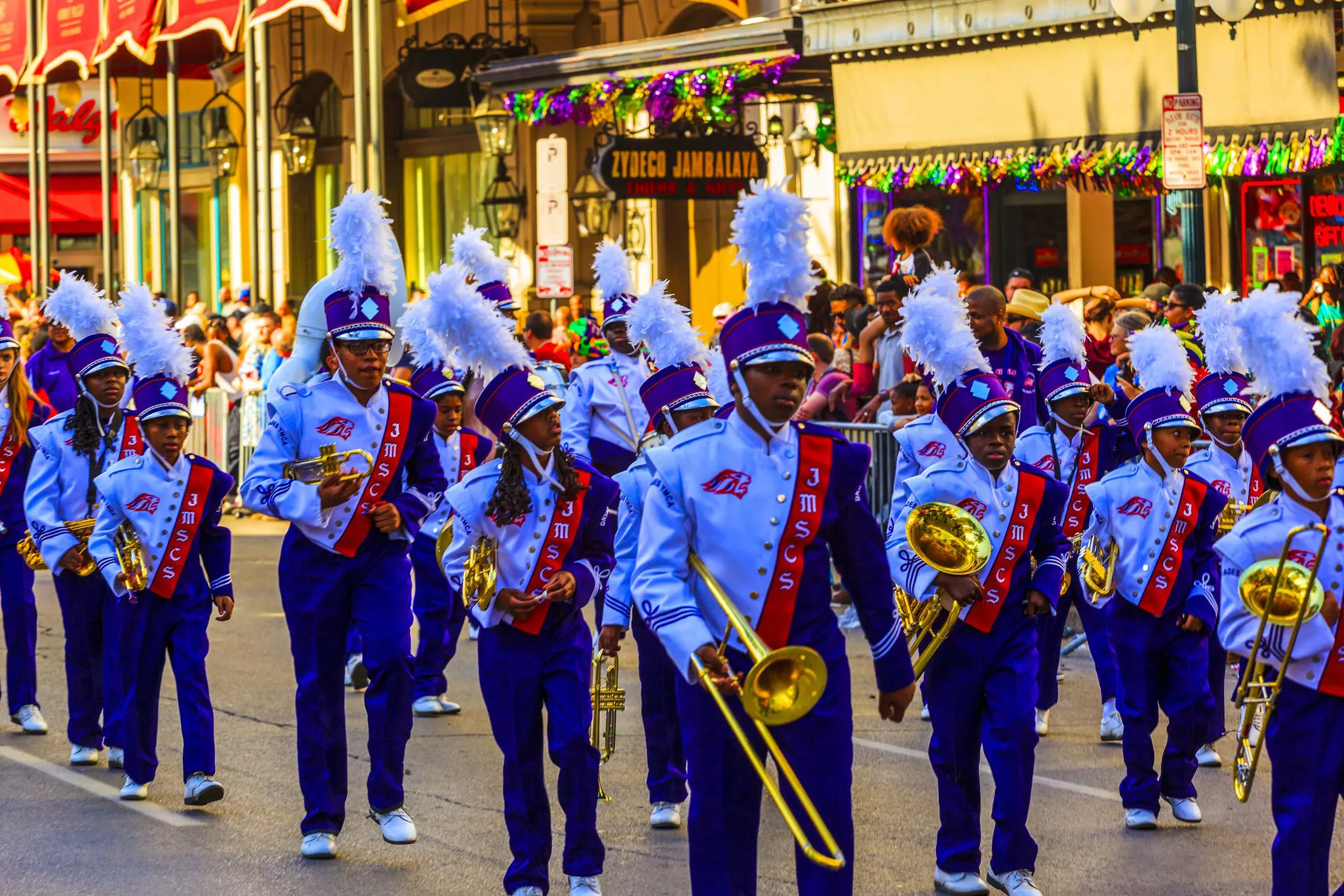
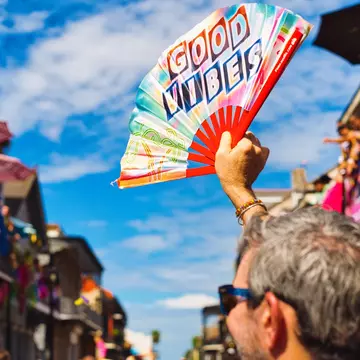
It may be celebrated in other cities, but there is no Mardi Gras like Mardi Gras in the Big Easy. As New Orleans's number-one attraction, this is a party where the city's penchant for hedonism is cranked up to the highest possible setting, then unleashed on her citizens in a riot of intensely creative costuming and joyful parades.
The holiday has as many ways of being enjoyed as there are New Orleanians – and Fat Tuesday itself is the culmination of roughly two and a half weeks of gradually intensifying partying otherwise known as Carnival season.
Planning tip: Join the crowds in the French Quarter to catch coveted trinkets thrown from the floats, but there are also calmer celebrations elsewhere. Check the Mardi Gras website for maps, times and which parades are best for families.
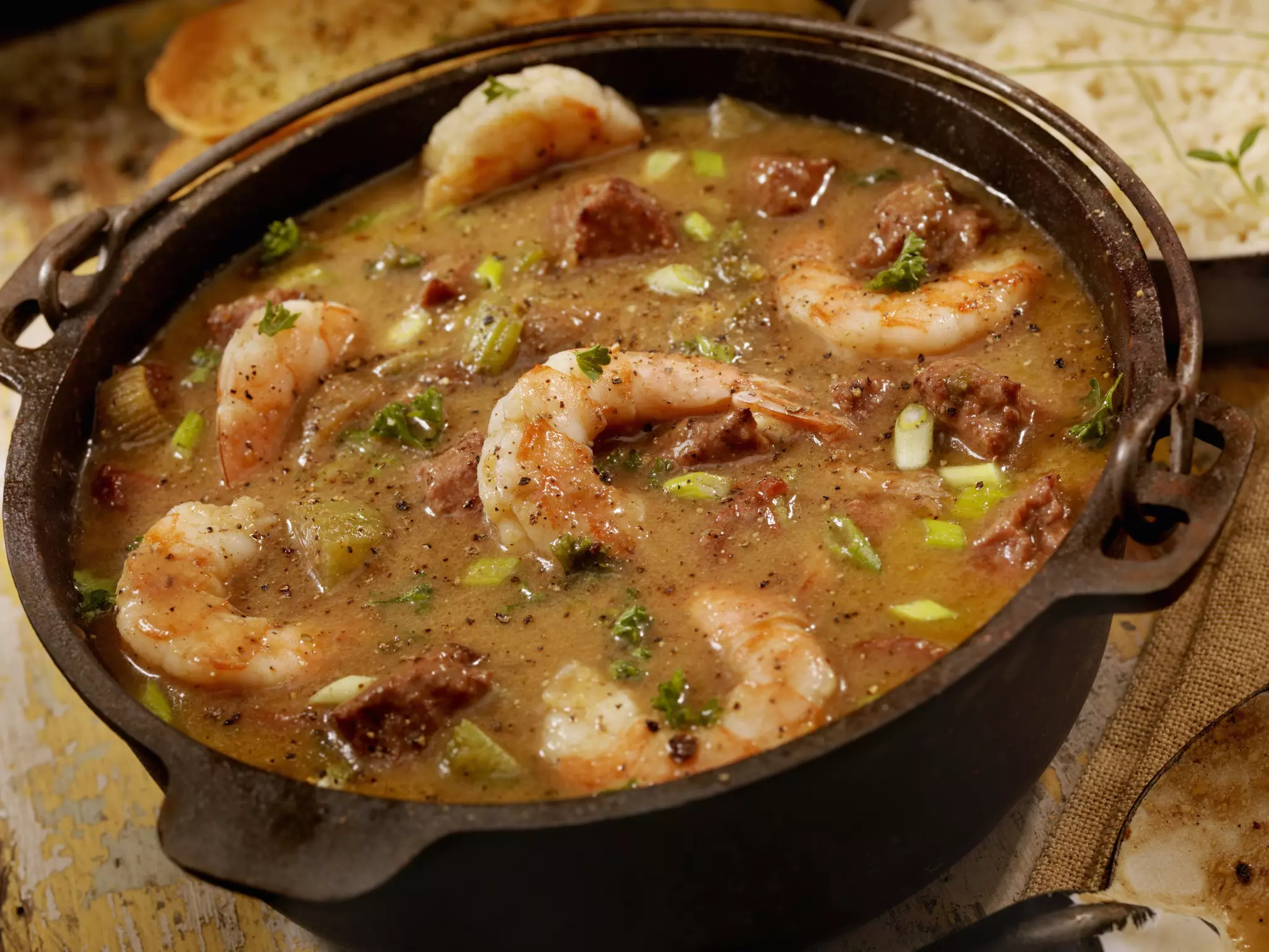
When you think of New Orleans, food is likely the first thing that comes to mind. The city’s cuisine, influenced by French, Spanish and African immigrants, has long embraced locavore and seasonal practices. This has led to a unique hyper-regional cuisine that has earned James Beard awards. So indulge in the local food – calories are just evidence of time well spent.
There are as many New Orleans food experiences as there are local cooks, but crawfish boils, which occur in spring, with their mix of communal good times, cold beer, and messy mastication, are a quintessential experience.
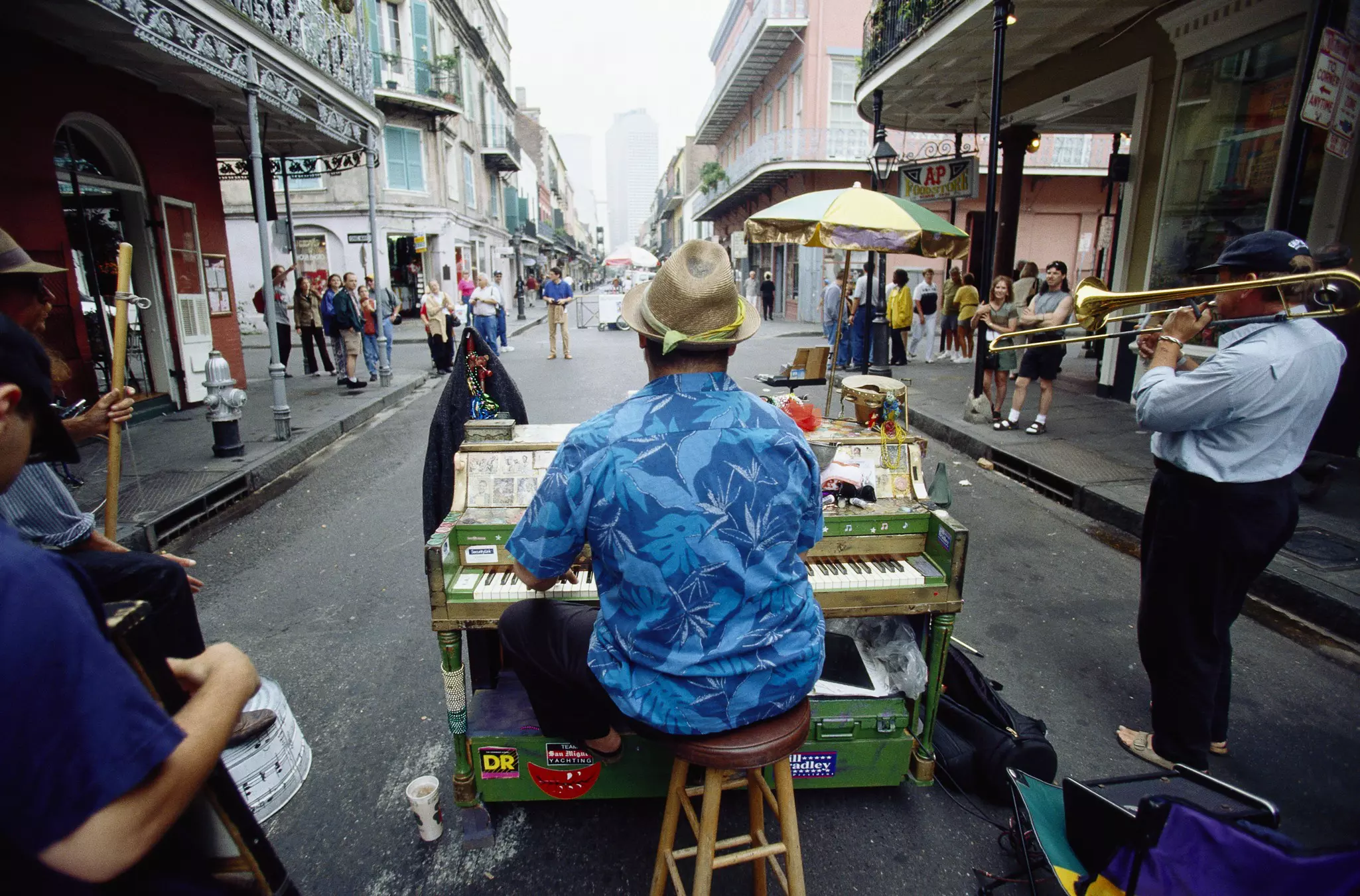
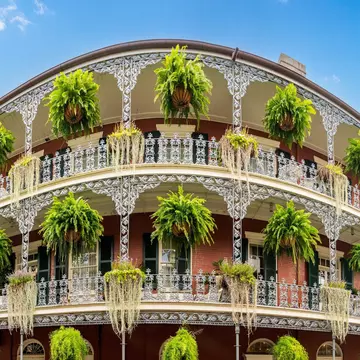
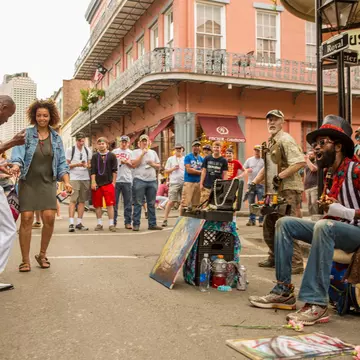
The French Quarter is undoubtedly New Orleans' most iconic neighborhood and a major tourist hub, but it’s still vibrant and engaging. While Bourbon Street gets most of the attention, Royal Street offers its own charm with antique shops, art galleries, cafes and street performers. Elegant Caribbean townhouses with wrought iron balconies provide a stunning backdrop.
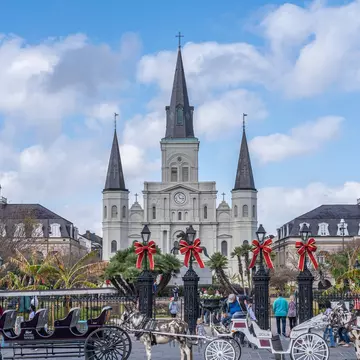
Detour: Royal Street runs past the back end of Jackson Square, perhaps the most recognizable public space in the city. Head here to listen to street musicians (please tip) or get your palm read by a tarot reader.
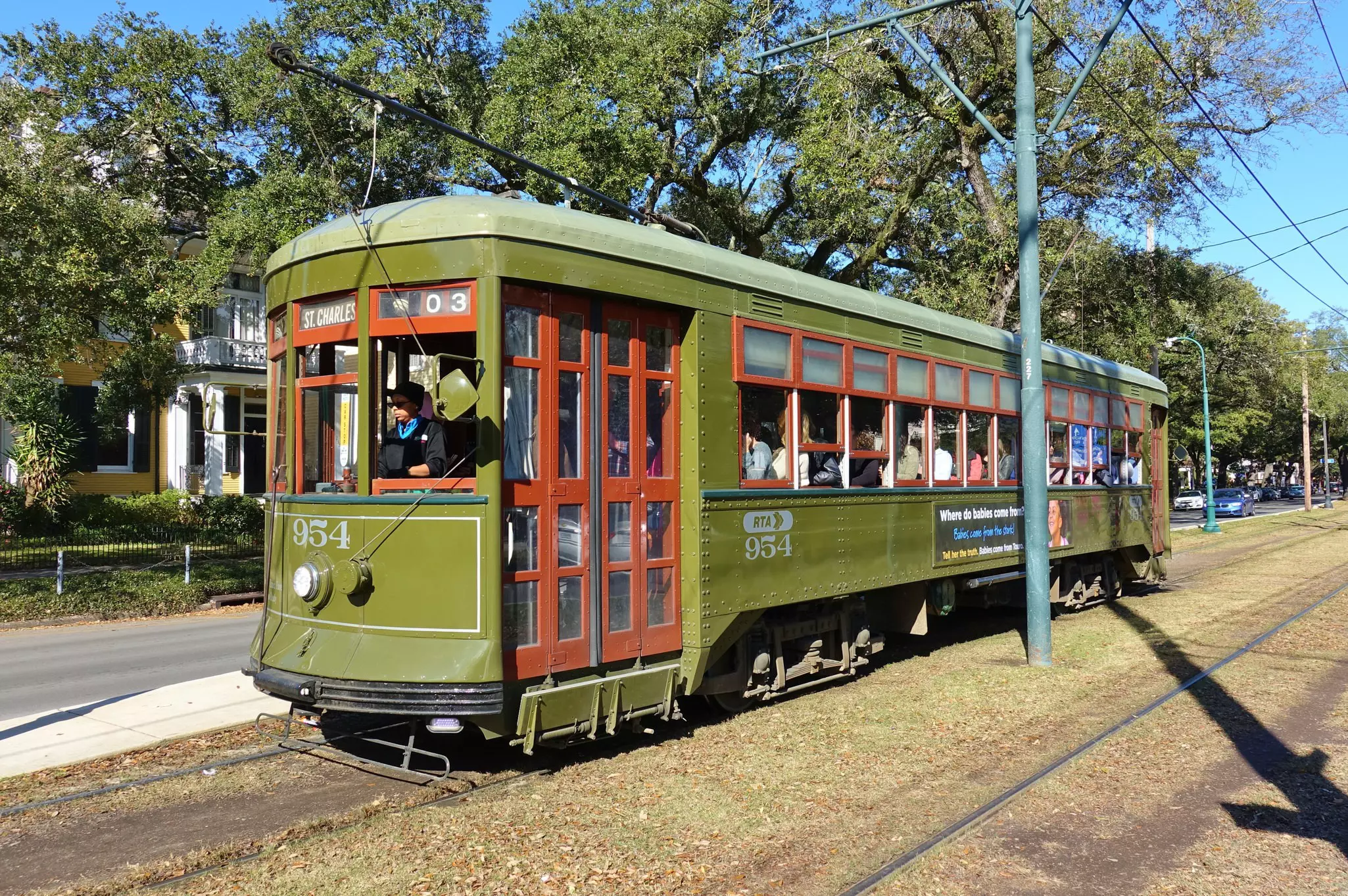
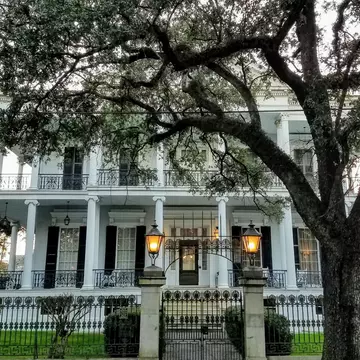
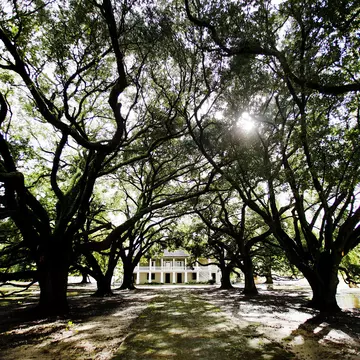
The city’s most beautiful avenue follows the curve of the Mississippi, running through neighborhoods like Uptown and the New Orleans’ Garden District. St Charles Avenue is blessed with shade from enormous live oaks, which grow through sidewalks that run by some of the largest mansions in the city.
Planning tip: If the weather and humidity are testing you, hop on the St Charles Avenue streetcar, which ferries passengers on its iconic green rail cars throughout the day.
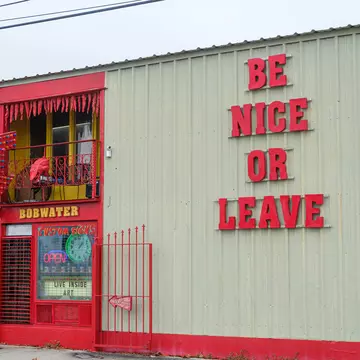
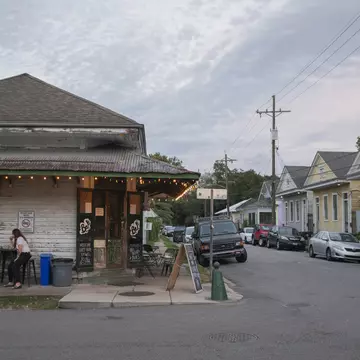
The candy-colored homes of Bywater have drawn newcomers to New Orleans for decades. This district offers proximity to the French Quarter while feeling worlds apart. The area features charming architecture, vintage shops and inviting restaurants and bars, including one with a hidden pool. Bywater remains a hub for tourists seeking a blend of contemporary bohemian culture and the vibrant architectural style of the 19th century.
Detour: If you want to see the Mississippi (or jog by it), head to Crescent Park, a waterfront green space that extends from here all the way to Faubourg Marigny, at the edge of the French Quarter.
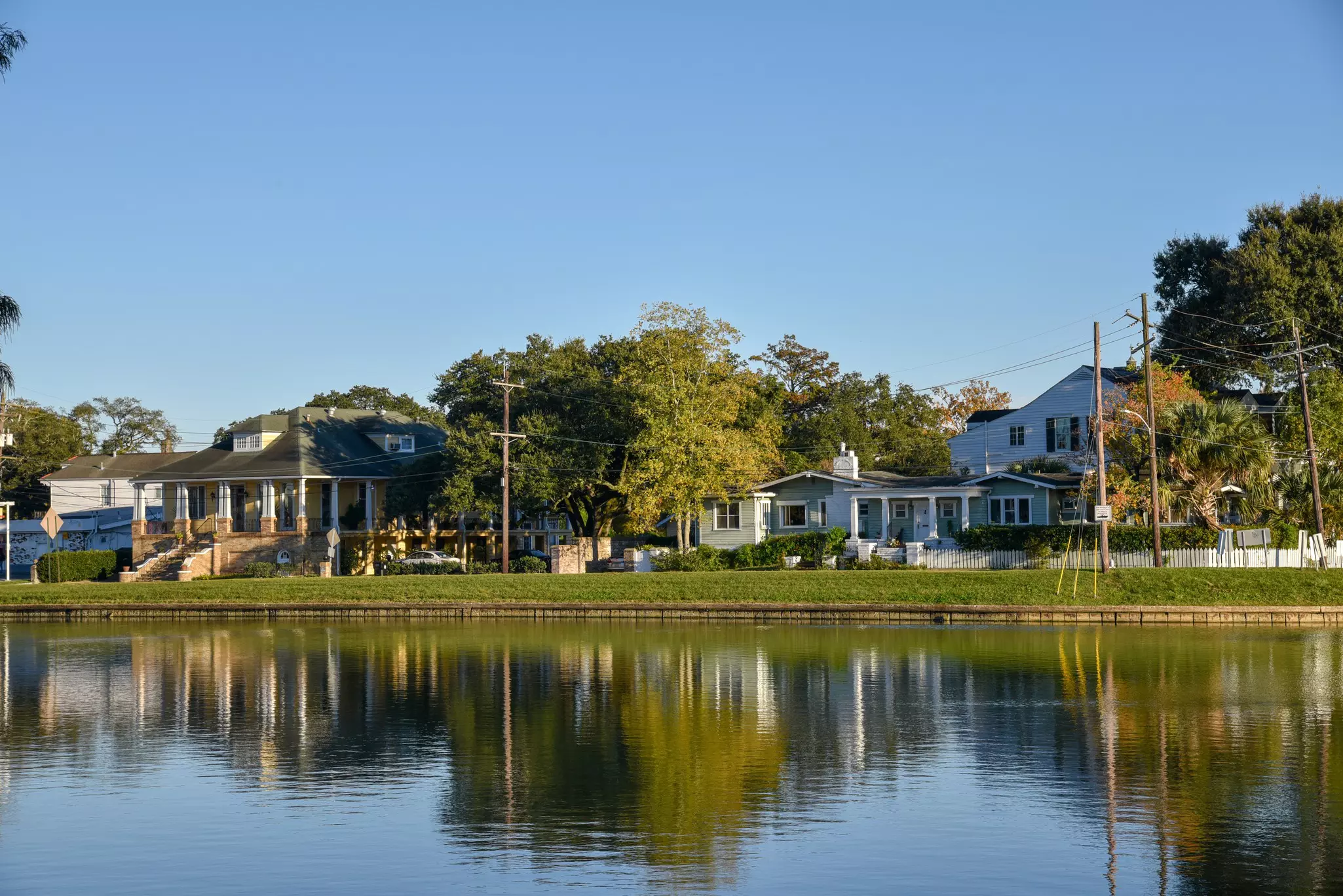
Bayou St John, is one of the lesser-known things to do in New Orleans. This tranquil inland waterway is bordered by a green strip and crossed by a few bridges, includes the pedestrian Cabrini Bridge. Framed by a mix of mansions, cottages and the Creole style home of the city’s first mayor, it offers a peaceful escape for people-watching, sunsets, and a serene respite from the city's usual bustle.
Detour: It makes the most sense to drive or cycle up Esplanade Avenue, another one of those beautiful New Orleans streets lined with gorgeous old homes. You can walk along Esplanade, but if you do, the safest area is from Broad Street up to City Park.
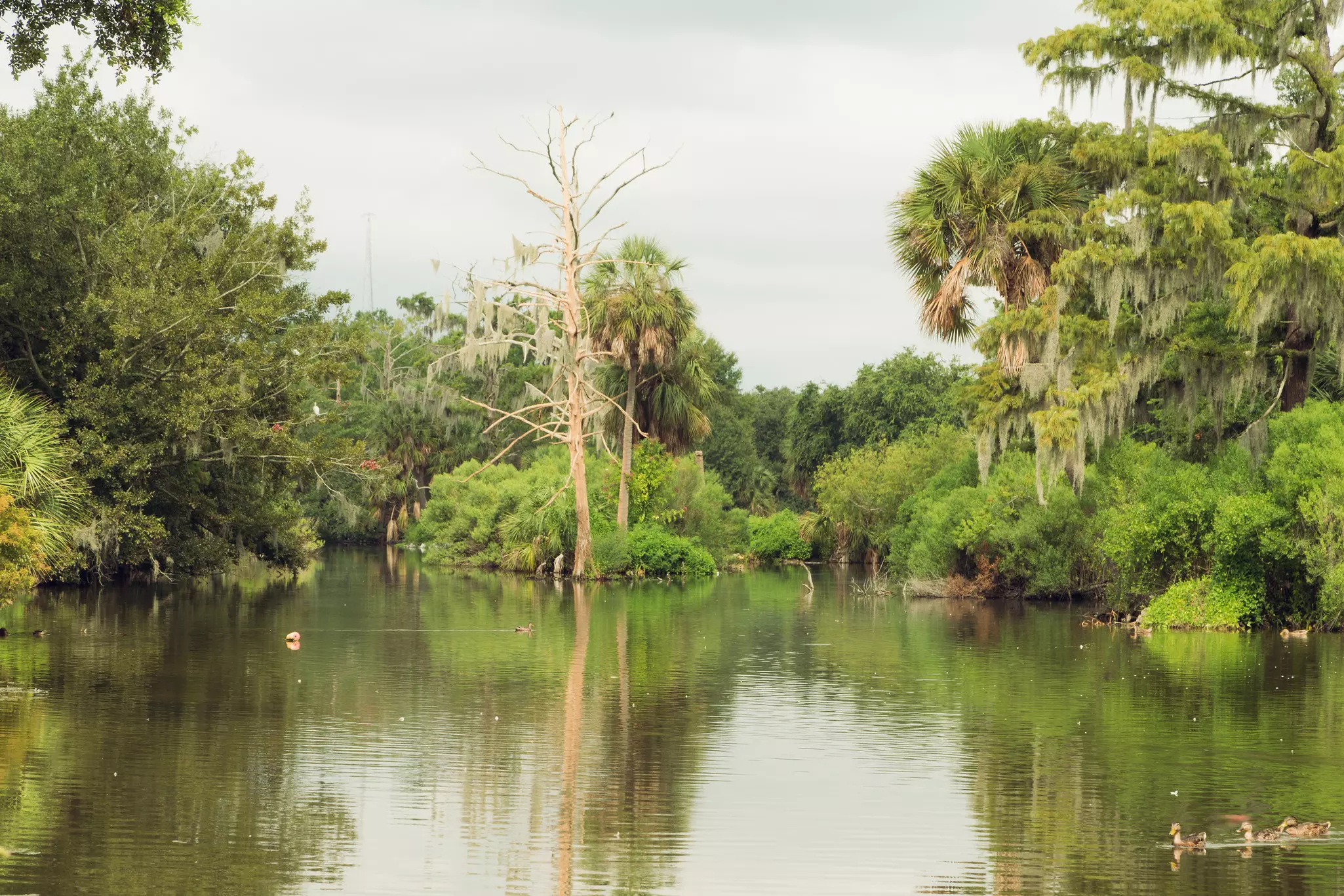
City Park is a wonderful green space in the heart of town that houses the New Orleans Museum of Art, forest trails, waterways, enormous live oak trees, playgrounds, the gorgeous Louisiana Children’s Museum, a sculpture garden and a singing tree, among many other attractions. It’s a great way to spend a relaxing day with family and it’s also one of the great free things to do in New Orleans.
The trails through Couturie Forest, off of Harrison Avenue, give visitors a taste of the bottomland forests that once carpeted so much of South Louisiana.
Located smack in the middle of Uptown New Orleans, just off St Charles Avenue, Audubon Park, is a lush, green space with Spanish moss and grand mansions. Popular with locals, Tulane, and Loyola students, it features walking and biking trails and includes the excellent Audubon Zoo, making it a great option if you're visiting New Orleans with kids.
Detour: Running along the Mississippi River just south of Audubon Park, the Fly is a green space largely given over to sports fields, although there are also lawns on the waterfront that are perfect for a picnic.
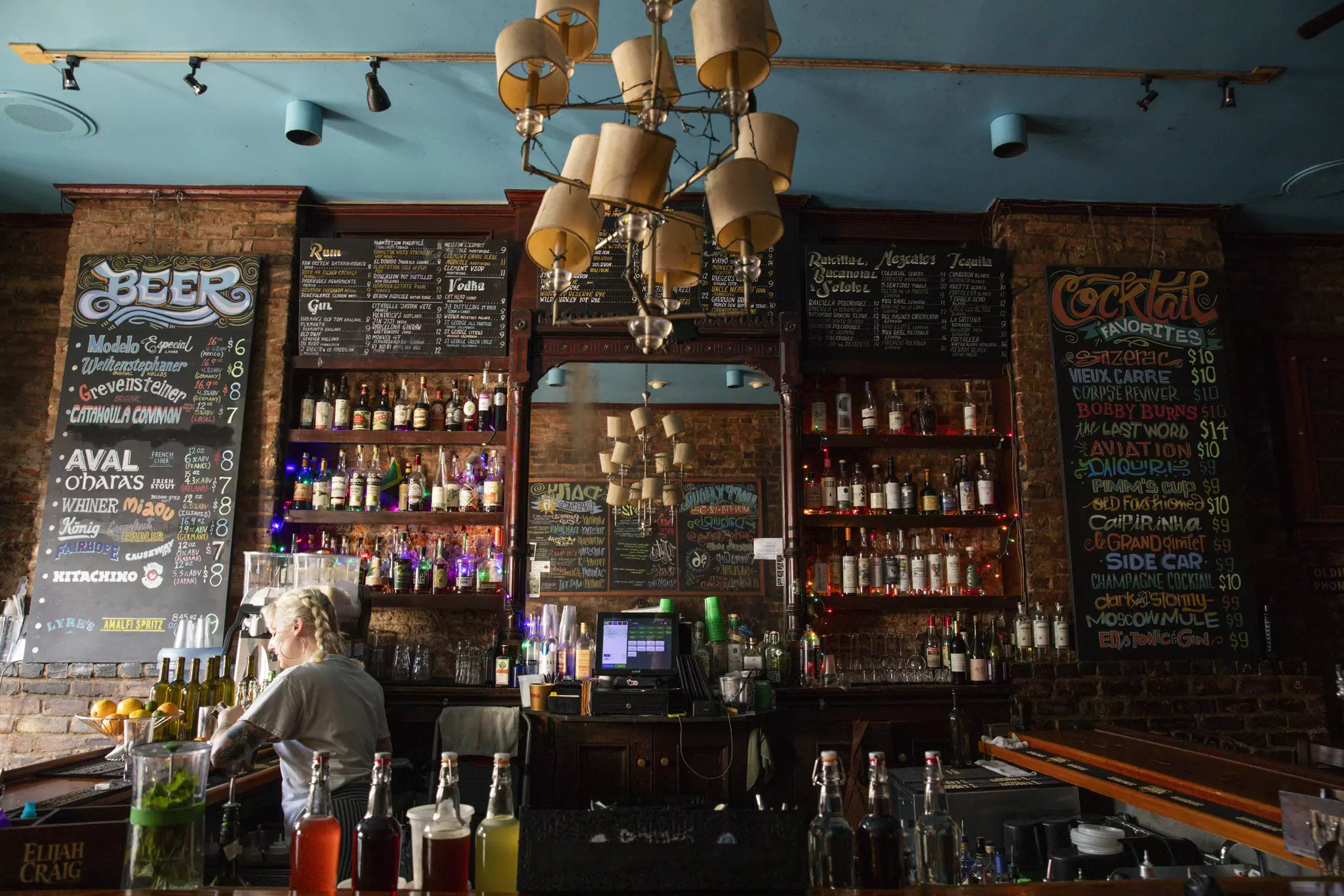
New Orleanians love their local bars but aren't all about Bourbon Street's chaos. As the city that (arguably) invented the cocktail, drinks here are meant for sipping, not getting smashed. From the best dive bars to elegant hotel lounges, there's plenty of variety for all tastes. A favorite is the rotating bar created from an old carousel at the historic Hotel Monteleone.
Neighborhood bars are especially unique, reflecting their diverse surroundings. On Magazine Street, you'll find classy cocktail lounges, while the Marigny offers LGBTIQ+ friendly spots and hip drinking holes, and near Tulane and Loyola, student bars thrive.
Don’t leave town without trying a sazerac, the native blend of rye whiskey, bitters and absinthe that is the Platonic ideal of the New Orleans drink; Bar Tonique, at the edge of the French Quarter, makes a legendary version.
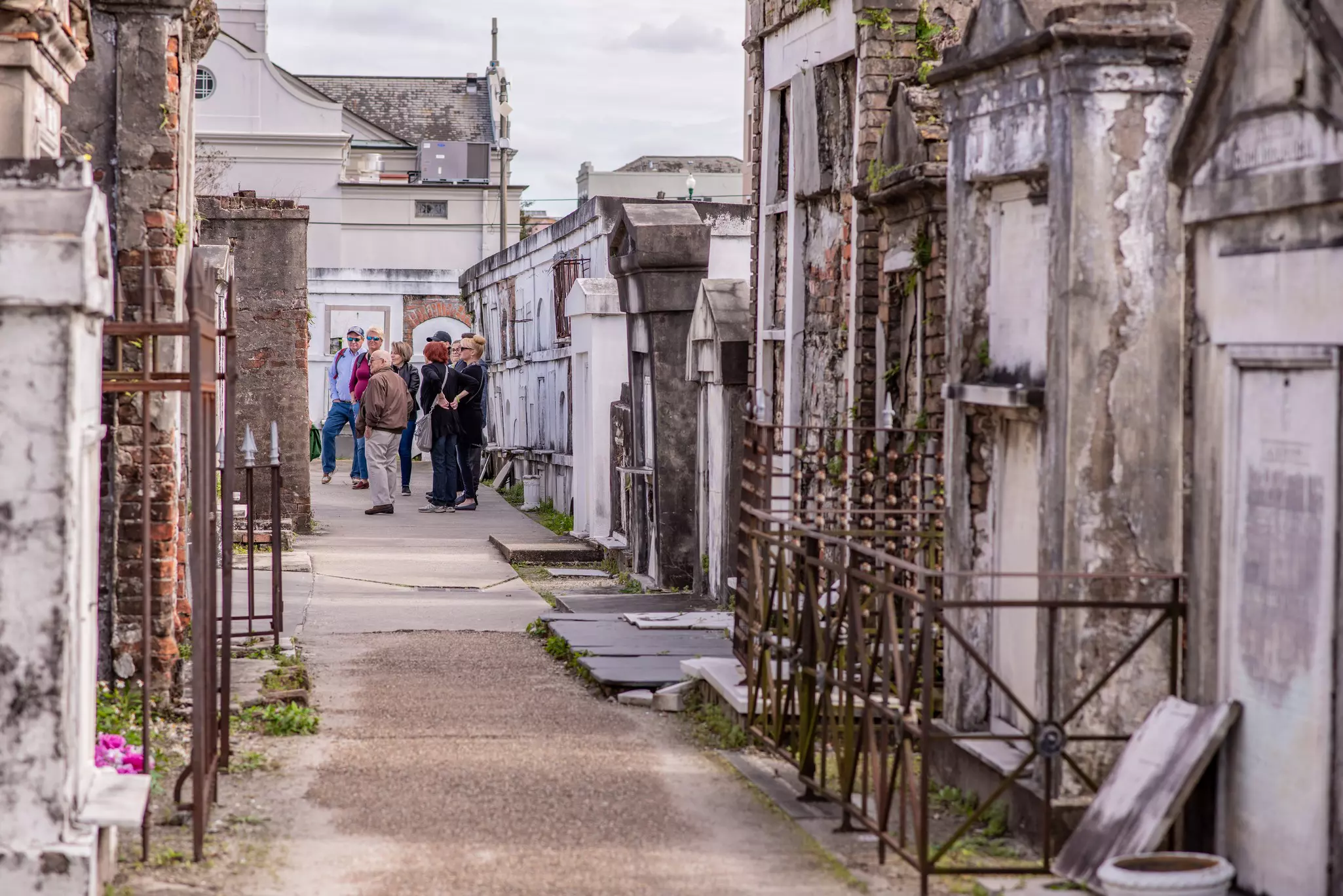
Sure, New Orleans is lively, but some of its most fascinating spots house the dead. The city's cemeteries, known for their above-ground tombs and mausoleums, exude Southern gothic grandeur. Each location is a stone-carved window into the past. You'll find communal vaults for families or professional groups, as well as mixed-faith cemeteries due to limited space. While New Orleans' high water table is often credited for above-ground tombs, historians believe this practice is cultural, stemming from French and Iberian traditions.
The city maintains an extensive website on local cemeteries and when they’re open to visitors. It’s important to note that the most famous cemetery, St. Louis Number 2, can only be visited with a guided tour. If you want to find a location that mixes above-ground tombs with “regular” burial plots that are rarely visited by tourists, check out Carrollton Cemetery No. 1, also known as the Green Street Cemetery, a few blocks off Carrollton Avenue in Uptown New Orleans.

Ranked among the best museums in the country, the National WWII Museum offers a deep dive into the history of this turbulent struggle. Located in the Warehouse District, the museum features immersive exhibits, personal stories, and an impressive collection of artifacts that bring the conflict to life. It’s both educational and emotionally powerful.
Planning tip: Allocate at least a day to explore the museum fully, as there is a lot to see. Consider booking tickets in advance, especially during peak tourist seasons. There are many add-on events, including dinners, musical events, curator-led talks and the 4D experience, Beyond All Boundaries, narrated by Tom Hanks.
New Orleans is a city that loves to celebrate, and there’s a festival for nearly every occasion. Beyond the aforementioned Mardi Gras, the city hosts a variety of celebrations throughout the year, including the New Orleans Jazz & Heritage Festival, the French Quarter Festival, the Beignet Festival, and the Essence Festival. Each event showcases the city's rich culture, music, food and community spirit, making them a vibrant and essential part of the New Orleans experience.
Planning tip: Check the local calendar for festival dates during your visit and plan ahead – accommodations can fill up quickly during these popular events.
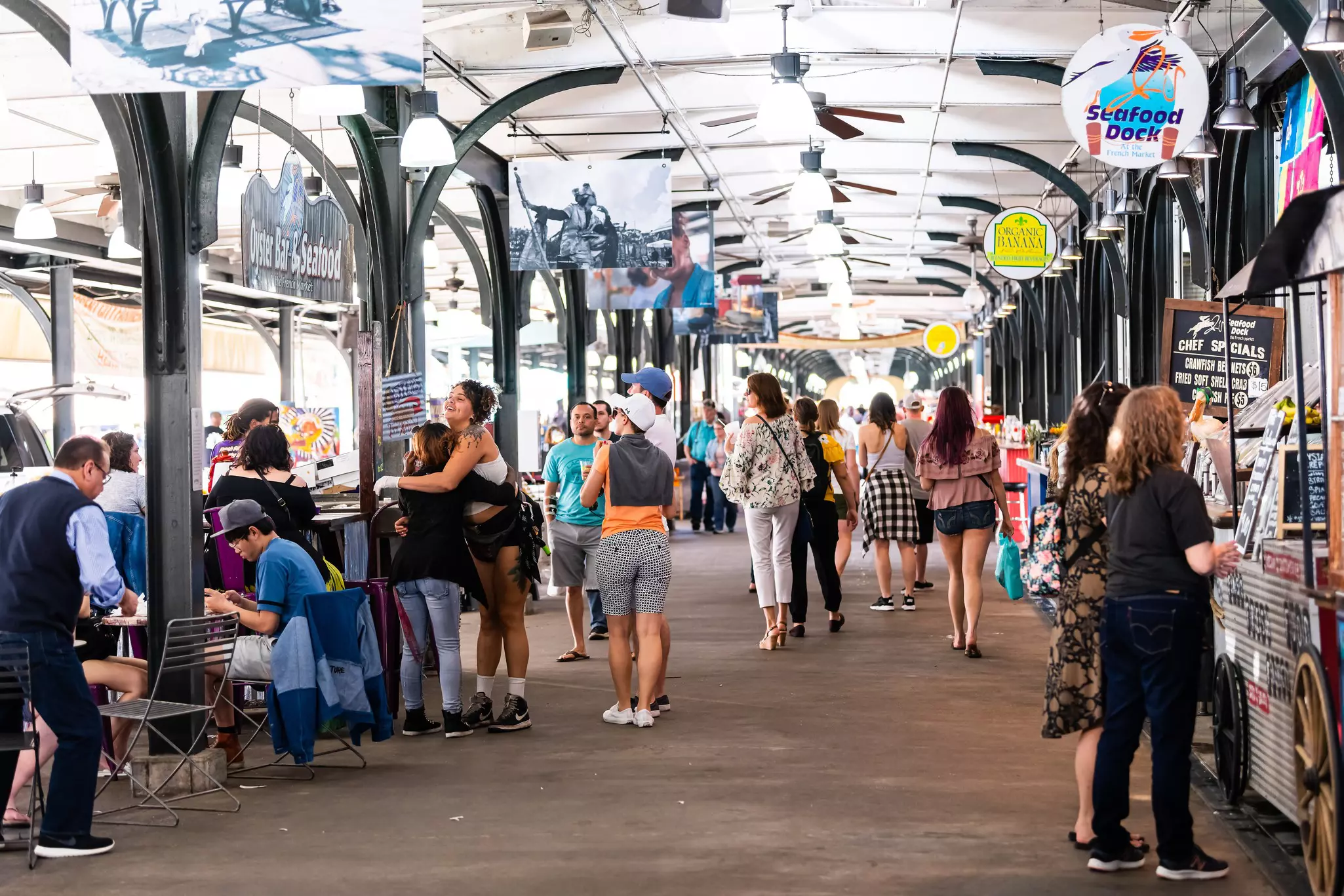
The French Market, located in the heart of the French Quarter, is one of the oldest public markets in the United States, with origins dating back to 1791. Stretching for six blocks, it offers everything from local produce and handmade crafts to unique souvenirs and delicious food. It's a vibrant spot that captures the essence of New Orleans’ cultural diversity.
Planning tip: This is a great spot to pick up some souvenirs or try some of the local cuisine in a less formal environment. The market has a roof but is open at the sides, which means it can get unpleasantly hot in the summer months. Try visiting in the mornings when it’s less crowded.
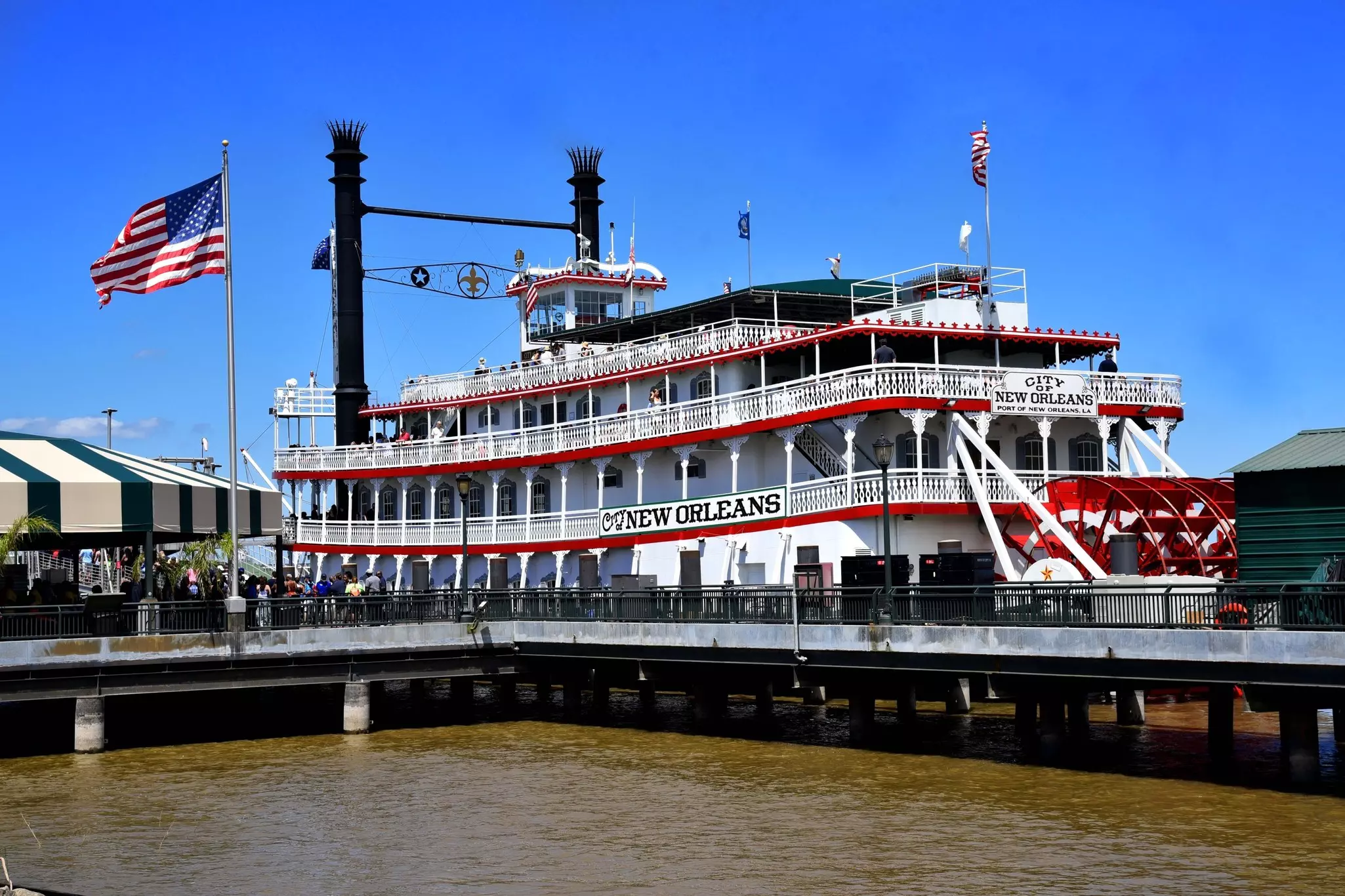
It's easy to see why New Orleans is considered a magical place when you're cruising down the Mississippi River on a paddle steamer, with the gentle lap of water against the boat and the sounds of jazz filling the air. The Mississippi River is the city's lifeblood, and a riverboat cruise is a fantastic way to experience it. Hop aboard a traditional paddle wheeler like the Steamboat Natchez or the Creole Queen to enjoy stunning views of the city skyline, learn about the area's rich history and enjoy live jazz.
Planning tip: Sunset cruises offer a particularly magical view of the city as the lights start to twinkle. Many cruises also include a Creole-style dinner for a full evening experience.