Jun 5, 20265 min read
Where to celebrate Pride in the US in 2026Feb 3, 2026
10 MIN READ
Writer
Writer
If you've been dreaming of a tropical island vacation, Hawaiʻi has those sugary white-sand beaches, radiant sunsets and gently rustling palm trees of your dreams. It's also a great destination to do some trekking through diverse landscapes, or taste freshly picked tropical fruit at a farmers market. You can go swimming among reefs bursting with life, or learn to surf in the birthplace of the sport. And that's before we mention the islands' histories and cultures.
Beyond its sandy beaches and seductive, jewel-toned waves, Hawaiʻi's lesser-known local tours and activities make the days in paradise more meaningful. Get off the beaten path for the best opportunity to appreciate the islands' multicultural present.
Here are our favorite ways to embrace the state's "aloha" spirit with 14 of the best things to do in Hawaiʻi.
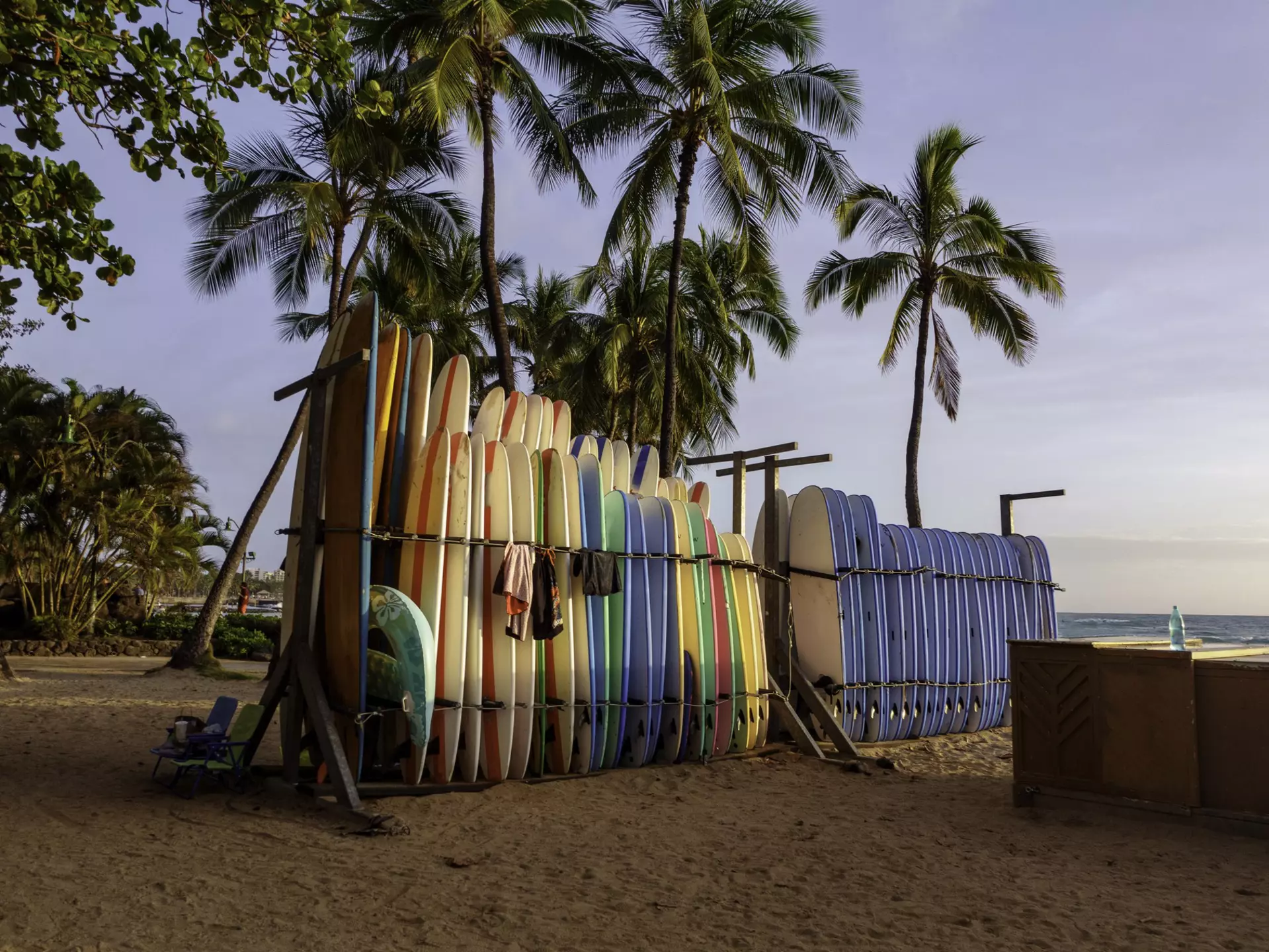
Surfing has been part of Hawaiian culture for centuries, with early references found in cave paintings dating to the 12th century. The activity was popularised in the US following Duke Kahanamoku’s visit to Huntington Beach in the early 1900s, where he demonstrated surfing (or “walking on the water”) to a crowd of spectators. Take a lesson to learn the etiquette and best techniques, then rent a board and hit the breaks at Waikiki. On Maui, newbies should head to Kihei for small, beginner waves.
Alternatively, you can watch as the pro surfers take to the water to ride winter waves topping 30ft on the North Shore of O‘ahu.
Local tip: Across the islands, local surf shops have the inside track when it comes to local beaches; some even do their own forecasts and post conditions on their websites.
Hawaiʻi's diving and snorkeling opportunities are simply phenomenal. Visibility can reach a staggering 80ft to 100ft in some parts, and marine life-spotting possibilities are seemingly endless. Expect to see clouds of colorful tropical reef fish and endangered honu (green sea turtles), plus manta rays and pods of spinner dolphins year-round. From November to April, you can also see the migrating humpback season. But the highlight of any trip is a night snorkel tour off Kailua-Kona on the Big Island of Hawai‘i, where you can see manta rays up to 14ft-long gliding out of the darkness and feeding in the plankton-rich waters off the coast.
Each night at sunset, dozens of hona, green sea turtles, scoot ashore at Poʻipu Beach in Kauai, and travelers gather to witness the spectacle. Although turtles have been basking on Hawaiian beaches since the 1990s, it was only after the pandemic put a damper on tourism that turtles began visiting Poʻipu in such large numbers. Even after the tourists returned, and Poʻipu again swelled with visitors again, the phenomenon didn’t stop. Now a nightly ballet ensues between eager tourists and volunteer protectors, who keep a watchful eye over as many as 100 turtles a night.
Local tip: Volunteers set up safety cones and signage to keep onlookers at least 10ft away, the distance recommended by wildlife officials.
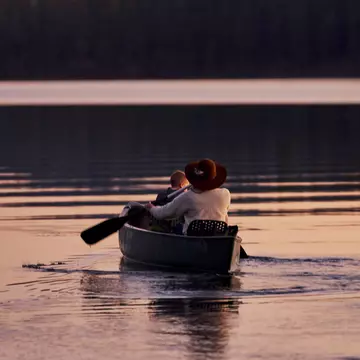
Double-hulled, ocean-going canoes brought the first Polynesian settlers to Hawaiʻi. Today, regattas are held every summer, and children start competing as young as 10 for their hometown canoe clubs. As an island visitor, you can easily get in on the action and learn the art of Polynesian canoeing firsthand. And the best bit? No experience is necessary.
Try your hand at the Kihei Canoe Club in North Kihei. You know you're in the right place when you spot bright red and gold waʻa (canoes).
Local tip: When you're out on the water, as well as listening to your instructor, keep an eye out for honu (green sea turtles), dolphins, fish and even whales.
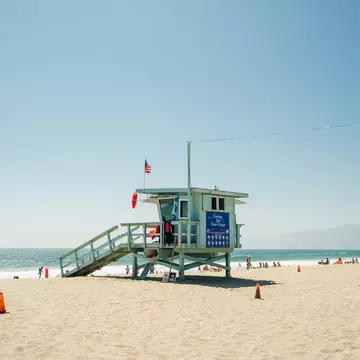
Waikiki, do we need to say more? Of course we do. Stunning beaches are what you're here for. One of Lanaʻi’s finest beaches with a golden crescent of sand is at Hulopoʻe. It's one of those brochure-worthy beaches you've probably seen a hundred times before. The best bit: it's free and rarely crowded, plus there are lots of palm-shaded picnic tables and rock pools to explore. At Hamoa Beach, near Hana in East Maui, you can revel in the clear water, white sand and hala-tree backdrop. Or if you're after a beach with snorkeling, look no further than Olowalu Beach for green sea turtles and manta rays along the "Mother Reef," at mile marker 14.
On the Big Island, head to " Mauna Kea Beach" (Kaunaʻoa Beach) for powdery sand, gentle turquoise waters and wonderful snorkeling. The off-the-beaten-track Kīholo State Park Reserve beach is a black-sand beauty with regular sea turtle sightings and a swimmable lava tube. And the family-friendly Richardson Ocean Park in Hilo has calm pools of tropical fish for snorkeling in.
Planning tip: These top Hawaiian beaches are just a beginning; ask at your accommodation for more recommendations when you're there.
Hawaiʻi's abundant rain and rich volcanic soil make for some of the best growing conditions in the world. From the crops like coffee and tropical fruits to surprising finds like cacao and lavender, Hawaiʻi's bountiful farms deliver exceptionally fresh food. For locally grown delights, like fresh produce as well as handmade crafts and delicious street food head to the islands' local farmers market. Restaurants serving locally sourced ingredients are also everywhere, and the Hawaii Regional Cuisine movement puts an upscale spin on local home cooking.
Starseed Ranch is an off-grid tropical permaculture food forest that offers several on-site dining options – go for a tour, farm-fresh pupus (appetizers) and ʻawa (kava) ceremony. and stay for a three-course foraged feast. Multi-course dinners at Naʻau feature ingredients like wild boar, ʻohelo berries, slipper lobster and limu (seaweed) that have been personally foraged, hunted and caught or locally procured by chef Brian Hirata. In Honolulu, head to Mud Hen Water or Roy's Waikiki for a mouth-watering taste sensation.
An area once associated with gambling, navy visits and brothels, Honolulu's historic commercial district now has a great restaurant and arts scene. To get whisked back in time, join a food, history and cultural walking tour with Hawaiʻi Heritage Center. Finish the day with a stroll around the peaceful mid-19th-century Foster Botanical Garden.
Local tip: For a perfect Chinatown evening, slurp up a bowl of vegan or oxtail pho from The Pig and The Lady, then catch a live musical, comedy or theater performance at Hawaii Theatre.
For more than 100 years, the sugar industry shaped Hawaiʻi into one of the most diverse populations in the world as plantation laborers and managers arrived from China, Japan, the Philippines, Puerto Rico, Portugal’s Madeira islands and other parts of Europe. Although the last sugar mill closed in 2016, visitors can still taste its history today.
Kō Hana Distillers in Oʻahu cultivates more than 30 varieties of native Hawaiian sugarcane as part of their line of agricole rum. While most rum on the market is made from molasses, Kō Hana spirits are made from pure sugarcane juice. Witness part of the process in action with a tour, which passes through its native cane garden and includes a rum tasting. On Kauai, Koloa Rum Company offers daily tours and tastings at Kilohana Plantation in Lihuʻe, which got its start as a working cattle ranch in 1896.
Planning tip: The rum distilleries are the perfect spot to buy yourself up a sippable souvenir, such as the rum aged in koa wood barrels available exclusively in Kō Hana’s tasting room.
Hawaiʻi Island may be the largest of the Hawaiian islands, but it’s also the youngest because of the active volcanoes at Hawaiʻi Volcanoes National Park: Kīlauea and Mauna Loa. Check the National Park Service website for updates on volcanic activity, but there’s plenty to do within the UNESCO World Heritage Site regardless of eruptions.
Hike the lava fields (wear sturdy, covered footwear) while on the lookout for nene geese, carnivorous caterpillars and Hawaiian hawks before taking a scenic ride on the Crater Rim Drive. Don’t be tempted to take home a piece of the park, or – according to legend – you'll face the wrath of temperamental Hawaiian volcano and fire goddess Pele, who calls Kīlauea home.
Often, outdoor recreation areas cross paths with historical and cultural sites that, without context, visitors may not recognize as a significant encounter. Native Hawaiian-led non-profit Kanaka Climbers on Oʻahu hopes to change that.
The organization offers online resources on how to spend time outdoors responsibly in Hawaiʻi, including best practices for interacting with sacred sites such as traditional Hawaiian burial grounds (often found in caves), petroglyphs and heiau (religious altars). The group even gives guidance for sites that aren’t officially designated as culturally significant.
Planning tip: Want to help out? Occasionally, the group hosts cleanups, which are announced on Instagram.
A three-hour food tour with Waipā Foundation curates a tasting journey through the lens of the traditional Hawaiian ahupua’a, or land division system marked by portions of mountain, valley, river and sea, and tied to ancient agricultural and spiritual practices. Local tastes might include ‘ulu (breadfruit), guava and liliko’i (yellow passion fruit).
A small-group hike with local and long-time resident guides from Hike Maui contextualizes your experience of the island, and adventures include stops at waterfalls, bamboo forests and tropical jungle in Haleakalā National Park. Hike Maui’s roster of guides complete a six-week course to learn about Hawaiian culture, history, geology and botany and must have lived on Maui for a year minimum. Additionally, many guides have personal passions, from traditional Hawaiian herbal healing to marine biology.
Planning tip: Lunch and snacks are provided, along with transport to and from the trailhead along the Road to Hana from central Maui.
Wend your way up the long-dormant Haleakalā volcano some 3000ft and check in to G and Z Upcountry Bed and Breakfast, located in the tiny Upcountry Maui town of Kula. If snorkeling in Kapalua or windsurfing in Paia are classic Maui imagery, inland Upcountry presents an expanded perspective.
Upcountry is also home to Maui’s cowboy culture. King Kamehameha I received cattle as a gift in 1793, shortly thereafter placing a kapu (ban) on them. The long-horned animals multiplied to excess, and by the 1830s, the monarchy sought ways to tame them. They invited Mexican vaqueros (from the Spanish word vaca, or cow) by way of Spanish missionaries to teach Hawaiians – and other ethnic groups who immigrated to the islands – how to herd and manage cattle and work with horses (another gift to the Hawaiian monarchy).
Planning tip: While in Upcountry, don’t miss the Saturday local farmers market and fragrant lavender farm.
Though dwindling, signs of Hawaiʻi’s lesser-known paniolo – or cowboy – culture persist, including at Kahua Ranch’s Na’alapa Stables in Hawaiʻi Island’s northern parts. Its paniolo-led Kahua Ranch on Horseback tour is a two-hour ride through one of Hawaii’s oldest working cattle and sheep ranches. The route covers grassy terrain with panoramic mountain and coastal views – from mauka to makai, as the locals say, from the mountains to the sea.
Local tip: Keep the ranch vibes going on Hawaiʻi Island with an overnight stay in one of four cottages at Puakea Ranch. Built by working plantation families during the 1920s and '30s, all feature ample lanai space or a wide veranda, a signature architectural feature at the time.
Explore related stories