United Arab Emirates
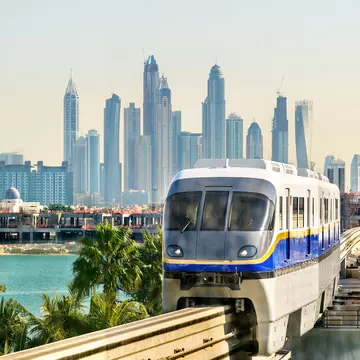
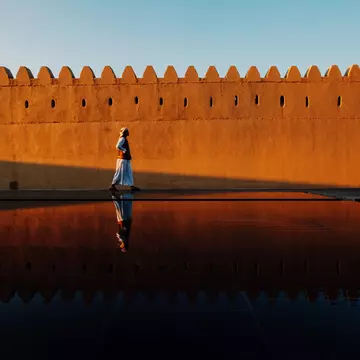
For most people, the United Arab Emirates means just one place: Dubai, the sci-fi-esque city of iconic skyscrapers, palm-shaped islands, city-sized malls, indoor ski slopes and palatial beach resorts. But beyond the glitter awaits a diverse mosaic of six more emirates, each with its own character and allure.
Ashraf Hamdan/Shutterstock
Latest Stories
- Sasha Brady | Oct 2, 2020Learn survival skills at the first Bear Grylls Explorer Camp in the UAE
- James Gabriel Martin | Jul 14, 2020Where in the World Are People Planning to Travel in 2021?
- Andrea Schulte-Peevers | Dec 5, 20198 Best Reasons to Visit Sharjah in the UAE
Book

Top places to visit in United Arab Emirates
Discover the best attractions in United Arab Emirates from must-see sights to unexpected hidden gems.
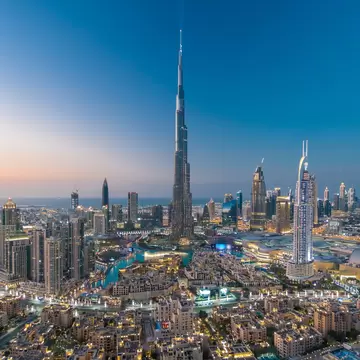
- Attraction in DubaiBurj Khalifa
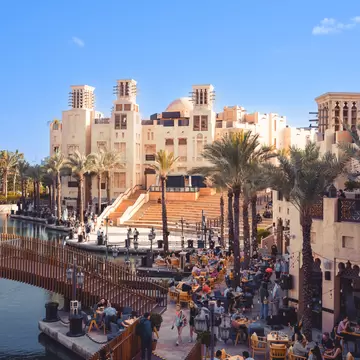
- Attraction in DubaiMadinat Jumeirah
-
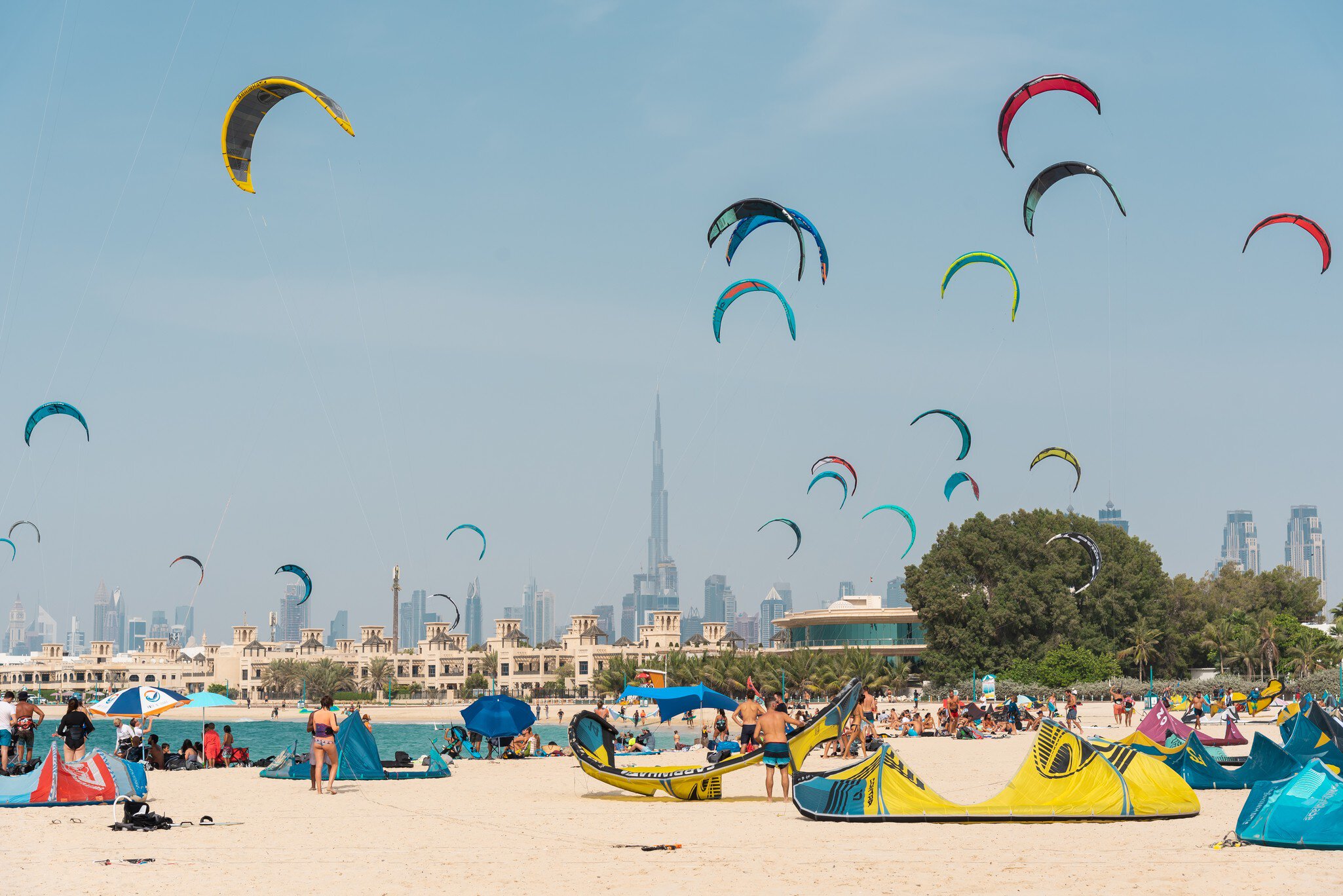
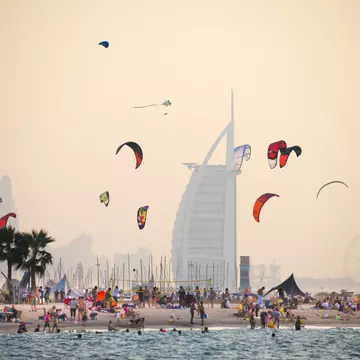
- Attraction in DubaiKite Beach
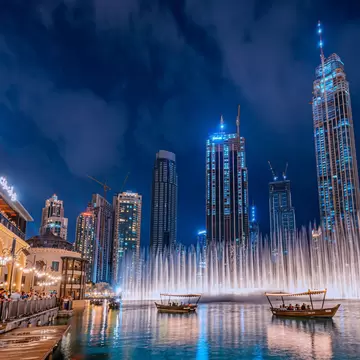
- Attraction in DubaiDubai Fountain
in partnership with getyourguide
Book popular activities in United Arab Emirates
Lonely Planet may earn a commission from affiliate links on our site. All recommendations and reviews reflect our own independent opinions.