Big, diverse and largely undiscovered, Ukraine is one of Europe’s last genuine travel frontiers, a poor nation rich in colourful tradition, warm-hearted people and off-the-map experiences.
A diverse landscape obviously throws up a whole bunch of outdoorsy activities – from mountain biking and hill walking in the Carpathians to bird spotting in the Danube Delta, from cycling along the Dnipro in Kyiv to water sports on the islands across the river. But if the idea of burning calories on hill and wave has you fleeing for the sofa, rest assured that most Ukrainians have never tried any of the above, but love nothing more than wandering their country’s vast forests, foraging for berries and mushrooms or picnicking by a meandering river.
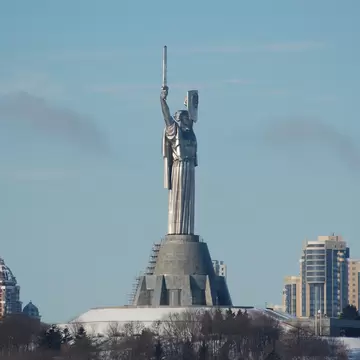
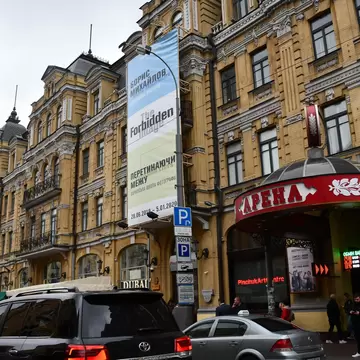
Some claim history ended around 1989, but not in Ukraine. The country is passing through a choppy period in its post-independence story and one which is fascinating to watch (from a safe distance perhaps). History is all around you wherever you go in this vast land, whether it be among the Gothic churches of Lviv, the Stalinist facades of Kyiv, the remnants of the once-animated Jewish culture of West Ukraine or the more recent Soviet high-rises just about anywhere.
Despite their often glum reticence and initial distrust of strangers, the Euro 2012 football championships proved what travellers to the country have known for years – that Ukrainians are, when given the chance, one of Europe’s most open and hospitable nations. Break down that reserve and you’ll soon be slurping borshsch in someone’s Soviet-era kitchen, listening to a fellow train passenger’s life story or being taken on an impromptu tour of a town’s sights by the guy you asked for directions. Much social interaction takes place around Ukraine’s hearty food, always brought out in belt-stretching quantities.
By Marc Di Duca, Writer
Is it the feeling of being Elsewhere but still in Europe, the bizarre Soviet legacy, the country’s raw history, the unexpected travel experiences, the openness of locals or the stories tall and true of life under post-war communism? Or is it the star-dusted, blacker-than-black nights in Myrhorod, the Nutcracker at the opera house in snow-bound Kyiv, empty churches on rainy autumn Wednesdays in Lviv, or the endless bus journeys across the steppe in the company of Gogol and Kurkov. I suppose it’s all the above and volumes more that have me returning to this magical Slavic hinterland time and time again.
Ukraine is big. In fact it's Europe’s biggest country (not counting Russia, which isn’t entirely in Europe) and packs a lot of diversity into its borders. You can be clambering around the Carpathians in search of Hutsul festivities, sipping Eastern Europe’s best coffee in sophisticated Lviv and partying on the beach in Odesa all in a few days. Ukrainians are also a diverse crowd; from the wired sophisticates of Kyiv’s business quarters to the Gogolesque farmers in Poltava, from the Zaporizhzhya steelmaker to the Hungarian-speaking bus drivers of Uzhhorod, few countries boast such a mixed population.