The Netherlands
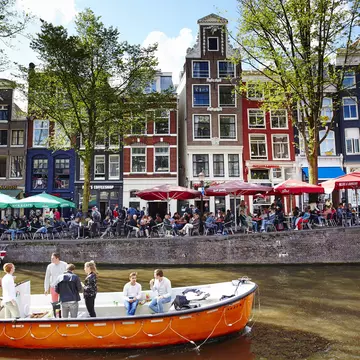
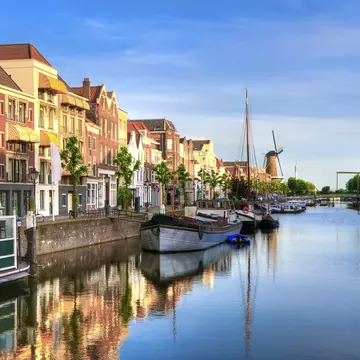
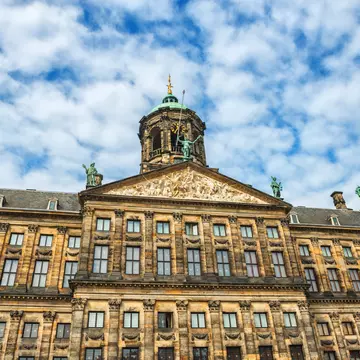
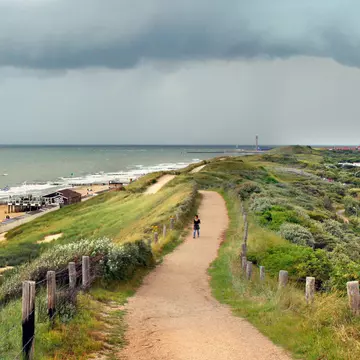
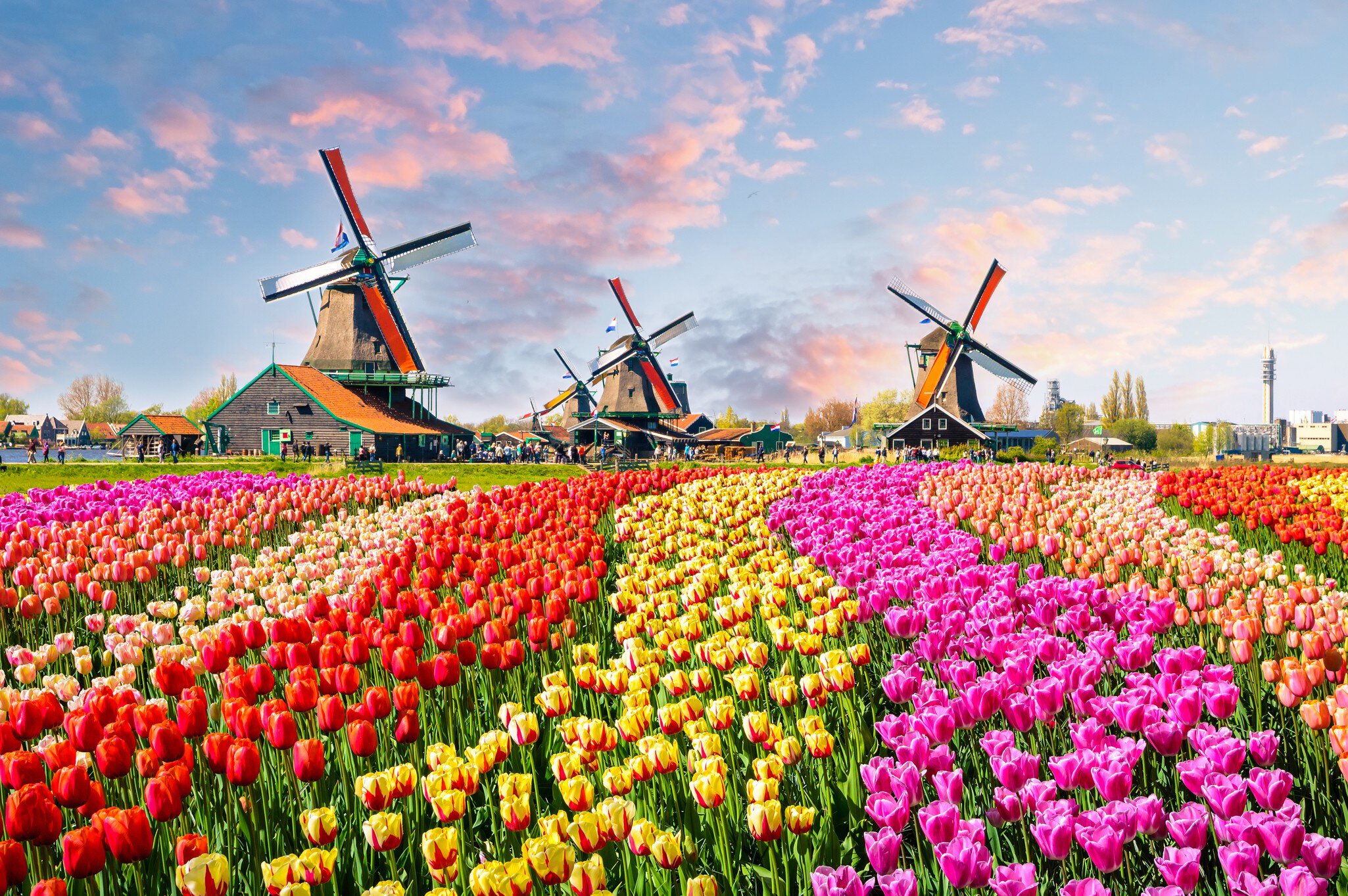
Tradition and innovation intertwine here: artistic masterpieces, centuries-old windmills, tulip fields and romantic candlelit cafés coexist with visionary architecture, cutting-edge design and phenomenal nightlife.
© Olena_Z/Getty Images/iStockphoto
Latest Stories
- Catherine Le Nevez | Mar 28, 20269 of the Best Places to Visit in the Netherlands
- Sasha Brady | Dec 19, 2025The Unbeatable Charm of Utrecht, Netherlands
- Catherine Le Nevez | Jun 27, 2025The Top 11 Things to Do in the Netherlands
- Catherine Le Nevez | May 26, 2024What You Need to Know Before You Go to the Netherlands
Trip
App

Book your Netherlands trip with Lonely Planet Journeys
See Netherlands how it's meant to be seen
Accommodations, activities and ground transportation all taken care of, so you can focus on the fun part. Tell us what your dream trip to Netherlands looks like, and our local experts will build it from scratch. Or start with one of our itineraries and make it your own.
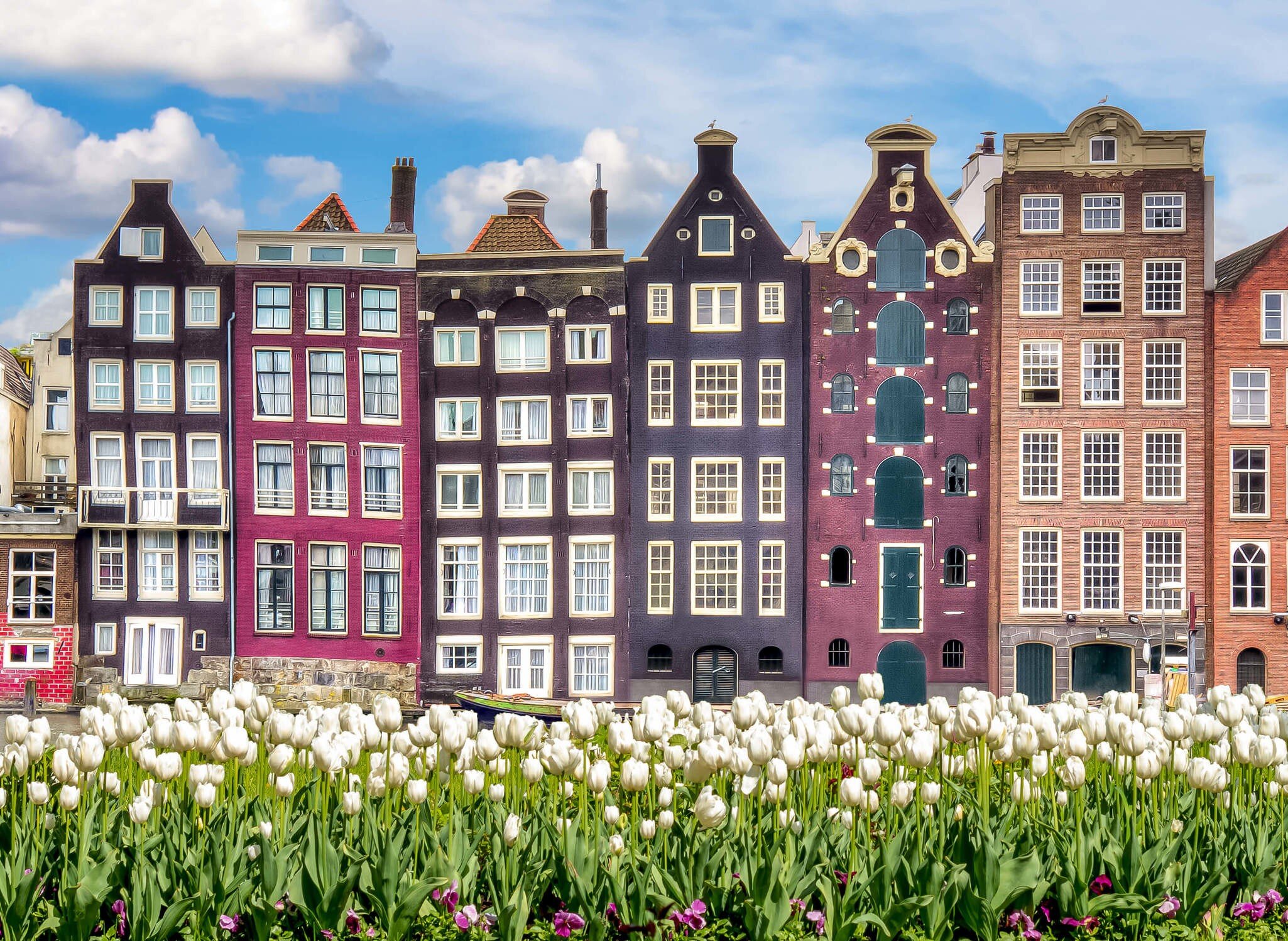

Top places to visit in The Netherlands
Discover the best attractions in The Netherlands from must-see sights to unexpected hidden gems.
- Attraction in Amsterdam NoordA'DAM Tower
- Attraction in AmsterdamAmsterdamse Bos
- Attraction in AmsterdamAnne Frank Huis
- Attraction in Medieval Centre & Red Light DistrictBegijnhof
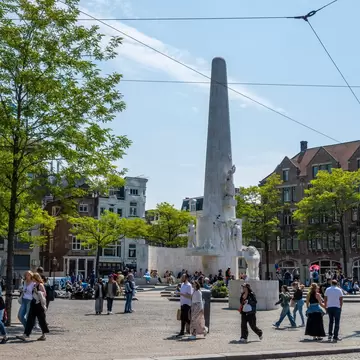
- Attraction in Medieval Centre & Red Light DistrictDam
- Attraction in De PijpHeineken Experience
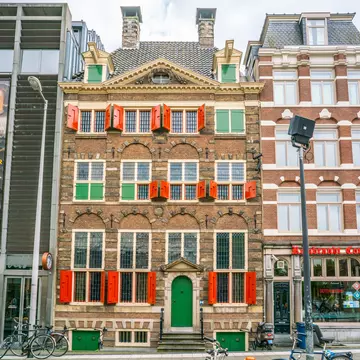
- Attraction in AmsterdamMuseum het Rembrandthuis
- Attraction in AmsterdamMuseum Van Loon



Travel Guides
The Netherlands travel tips from Lonely Planet experts
Find practical guidance from our team of contributors around the world who bring their decades of first-hand travel experience to your next trip.
Best Things to Do
Follow this guide to the most distinct and memorable experiences to be had in the Netherlands.
Read full article
Best Time to Visit
From the liveliest street parties to negotiating the fickle weather, here's everything you need to know about the best times to visit the Netherlands.
Read full article
Things to Know
The Netherlands is an easy place to travel. Avoid common mishaps with this guide to what you need to know before you go.
Read full article
Transportation
With a public transport network that dreams are made of, the Netherlands is a joy to explore. Here's what you need to know about getting around.
Read full article
Best Road Trips
Explore more of the Netherlands by car (or bike) with these top driving routes.
Read full article
Money and Costs
These money-saving tips can help you find ways to experience the Netherlands on a budget.
Read full article
Best Places to Visit
Plan your adventures with our pick of the unmissable cities, towns and islands in the Netherlands.
Read full article
Get a book. Get inspired. Get exploring.

in partnership with getyourguide
Book popular activities in The Netherlands
Lonely Planet may earn a commission from affiliate links on our site. All recommendations and reviews reflect our own independent opinions.
The Netherlands and beyond
- destinationAmsterdam
- destinationRotterdam
- destinationMedieval Centre & Red Light District
-
 destinationAmsterdam Noord
 - destinationSouth Holland & Zeeland
- destinationDe Pijp
- destinationSoutheastern Netherlands
- destinationFriesland