Thailand
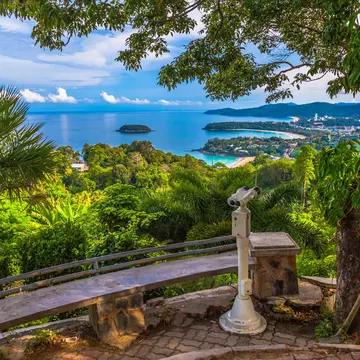
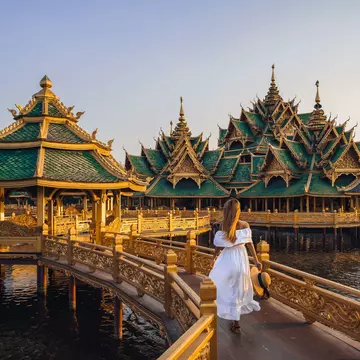
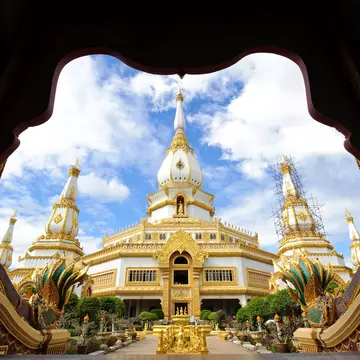
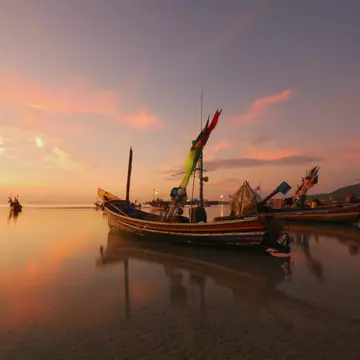
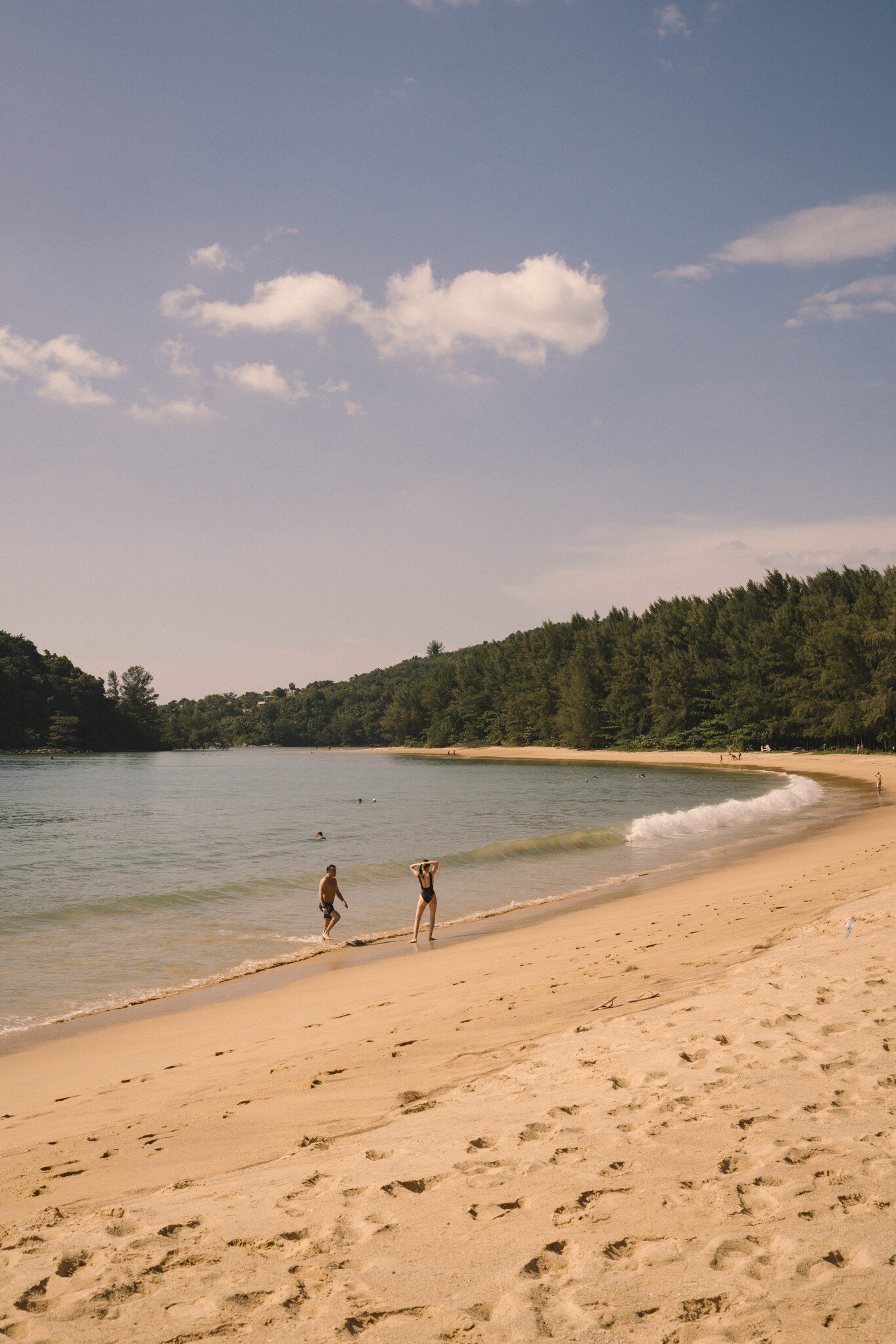
Gleaming temples and golden Buddhas frame the landscapes in Thailand, serving as a stunning backdrop for tours of Bangkok noodle shacks and adventures along the luxurious coastline.
Lauryn Ishak for Lonely Planet
Latest Stories
- Aydan Stuart | Jul 21, 2026Cannabis in Thailand: What Travelers Need to Know
- Austin Bush | Jul 1, 2026The 6 Most Scenic Train Journeys in Thailand
- Joe Bindloss | Jun 29, 20267 of the Best Road Trips in Thailand
- Anirban Mahapatra | Jun 26, 202610 Essential Food Experiences to Try in Thailand
Book
Trip 


Trusted Partner
Dreaming of Thailand? Protect your trip
Travel with confidence. Protect your trip and your wallet.
We don’t represent World Nomads, we receive a fee from quotes using this link. This is not a recommendation to buy travel insurance.
Book your Thailand trip with Lonely Planet Journeys
See Thailand how it's meant to be seen
Planned by local experts and tailored to you, Lonely Planet Journeys handles the logistics so you can just enjoy the trip. Tell us what you want and we'll build your Thailand itinerary from scratch, or browse our bookable trips to get inspired.


Top places to visit in Thailand
Discover the best attractions in Thailand from must-see sights to unexpected hidden gems.
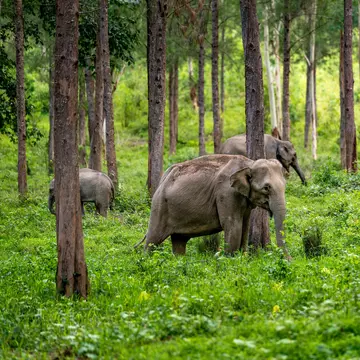
- Attraction in ThailandKuiburi National Park
-
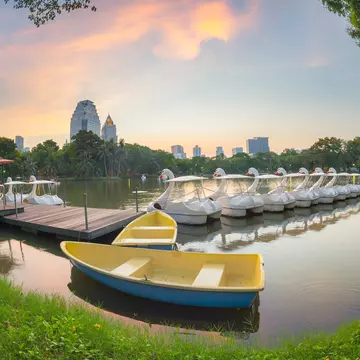
- Attraction in BangkokLumphini Park
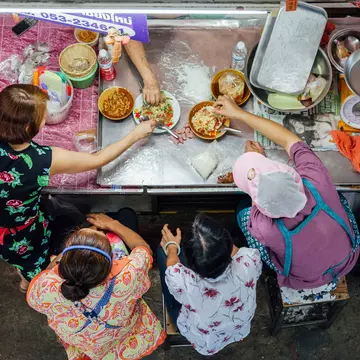
- Attraction in Chiang MaiTalat Warorot
-
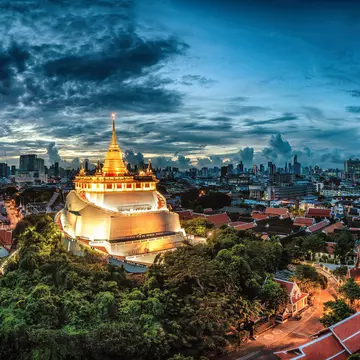
- Attraction in BanglamphuGolden Mount
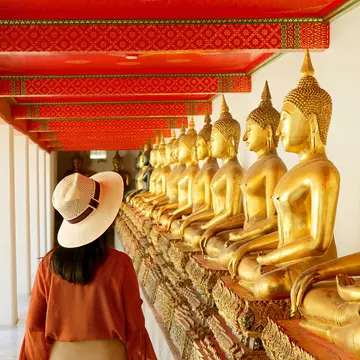
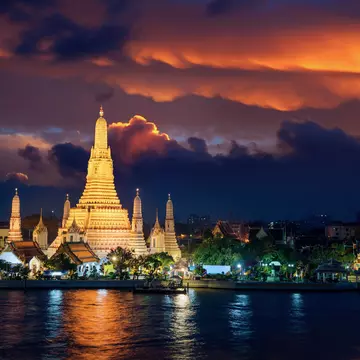
- Attraction in Ko Ratanakosin & ThonburiGrand Palace

Travel Guides
Thailand travel tips from Lonely Planet experts
Find practical guidance from our team of contributors around the world who bring their decades of first-hand travel experience to your next trip.
Best Things to Do
The best things to do in Thailand fulfill every travel dream – amazing temples, spectacular food, unspoiled nature, reef-edged beaches and so much more.
Read full article
Best Time to Visit
Whether you are after sun, sea and sand, seasonal fresh ingredients, or Songkran, these are the best times to visit Thailand.
Read full article
Things to Know
Have the perfect trip to Thailand with our top tips on planning, etiquette, and health and safety.
Read full article
Transportation
A full guide to exploring Thailand by plane, train, bus, tuk-tuk and other modes of transport.
Read full article
Best Road Trips
Leave behind the traffic-choked streets of Bangkok with these road-trip routes through Thailand.
Read full article
Money and Costs
Loved for its beaches, temples and fabulous food, Thailand can be an adventure that's easy on your wallet if you follow these tips.
Read full article
Traveling with Kids
Thailand's beaches are dreamy for travelers with kids, but there is so much more to explore. Here are the best things to do as a family.
Read full article
Best Places to Visit
Thailand appeals to all types of travelers. Here’s a roundup of a few of our favorite beaches, nature reserves, historic sites and vibrant cities.
Read full article
Get Connected
Stay connected while you enjoy the best of Thailand with this guide to cell networks, wi-fi and eSIMs.
Read full article
Get a book. Get inspired. Get exploring.


in partnership with getyourguide
Book popular activities in Thailand
Lonely Planet may earn a commission from affiliate links on our site. All recommendations and reviews reflect our own independent opinions.
Thailand and beyond
- destinationPhuket
- destinationBangkok
- destinationKo Samui
- destinationPhuket & the Andaman Coast
- destinationNortheastern Thailand
-
 destinationNorthern Thailand
 - destinationKo Samui & the Lower Gulf
- destinationChiang Mai Province