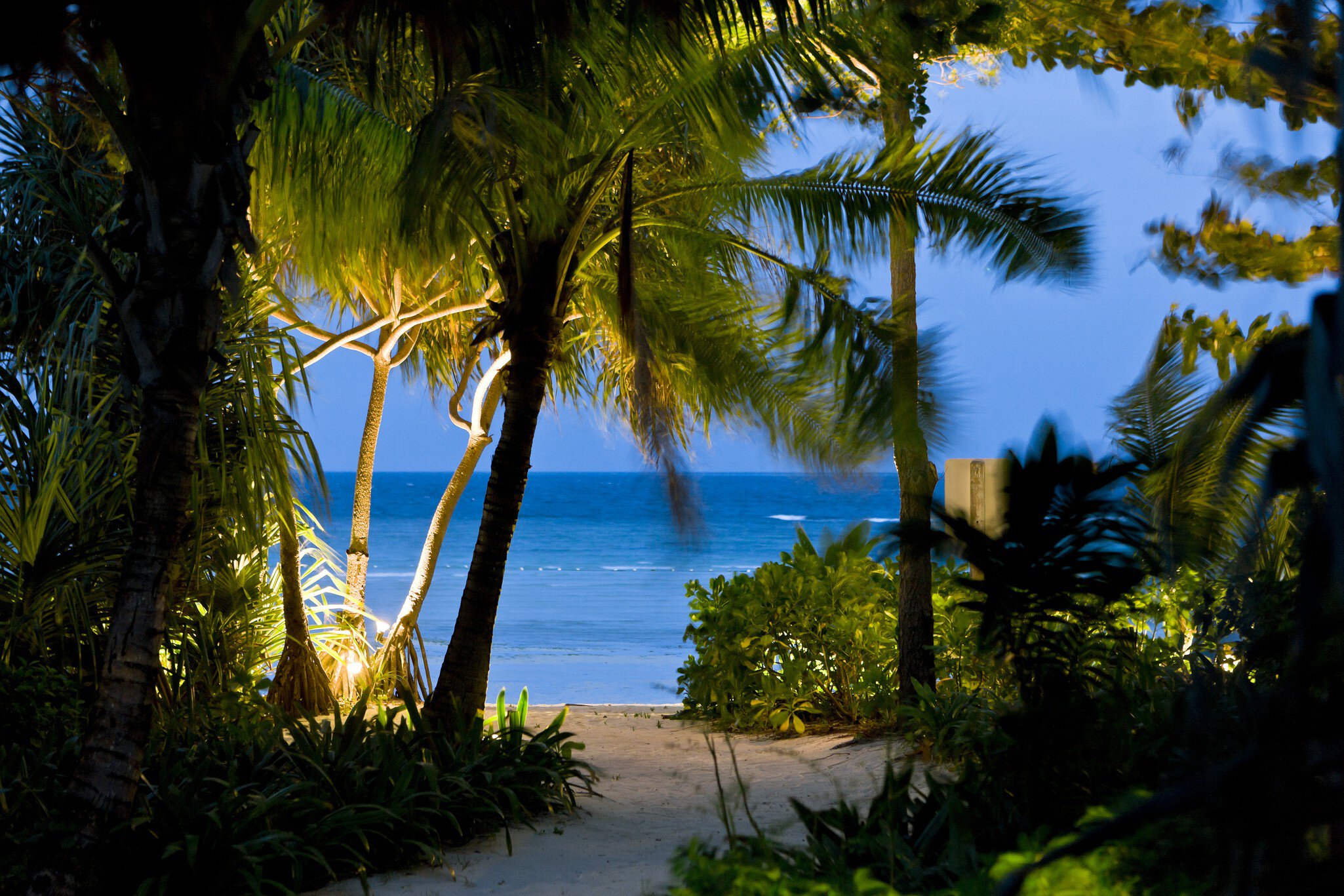
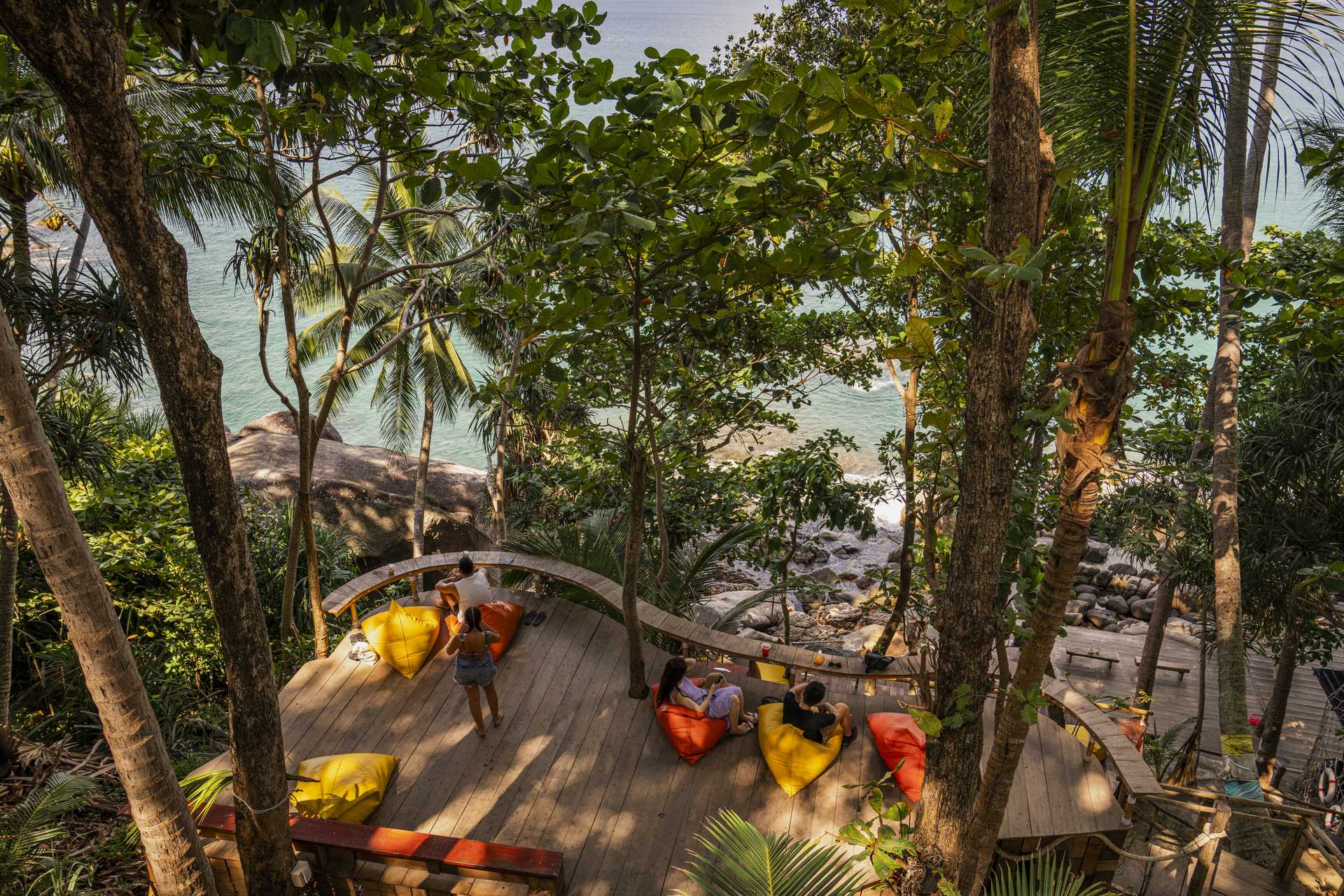
Ko Phi Phi is quickly returning to its pre-tsunami status as Thailand’s Shangri-la: a hedonistic paradise where tanned couples frolic in glassy green seas and snap pictures of colourful long-tails puttering between craggy slate cliffs.
Unlike other tsunami-affected regions, this island seems to have had less trouble getting the word out. Following a massive rebuilding effort, bungalows are once again fully booked between December and March, and tourists are returning to the curving bays, white sand-beaches and dense tropical jungle that made Ko Phi Phi the darling of the Andaman Coast in the first place.
Prior to the tsunami, the island was growing too rapidly for its existing infrastructure and fragile ecosystem to sustain. Immediately following the tsunami the Thai government put on hold any rebuilding on the island’s sand bar, and it was hoped, with the slate wiped clean, that lessons could be learned from past mistakes. Several local agencies attempted to educate developers and residents about sustainable growth, and rumours circulated that the area would be turned into a public park.
But none of these things came to pass and Ao Ton Sai now looks almost exactly as it did before 24 December 2004. In the Tourist Village, street vendors and souvenir shops are back in full swing, as are dozens of booking agencies, restaurants and dive operators. On most of the other bays, it’s business as usual.
Expat James Hood, owner of the new 007 Bar, explained it this way:
‘It isn’t like anyone actually has permission from the government to build, but it is happening anyway, and no one is doing anything to stop it. One family has a lot of influence on the island and in the provincial government in Krabi, ’ he said.
There seems to be light at the end of the tunnel, however. A new water-treatment plant, opened in 2006, should eliminate water-supply issues for now. Trash is starting to head into rubbish bins – a local bar owner has taken it upon himself to place bins on the main tourist beaches. Do your part in recycling – look for the new rubbish bins and deposit as much garbage as you can find.
And while Phi Phi may look the same as it did pre-tsunami, it certainly doesn’t cost the same.
‘Ko Phi Phi is changing, there has been a drop in the backpacker population and an increase in the suitcase brigade, ’ Hood said. ‘Backpackers can’t afford to stay here anymore.’
It’s true. Although Ko Phi Phi retains a mellow backpacker vibe, cheap bungalows are few and far between, and those that exist seem overpriced for the cramped, dark and dank environs you get. The outlook is only slightly less dismal in the midrange and top-end bracket – expect to pay nearly double what you would on the mainland, for half the amenities and swankness. Why is Phi Phi so expensive these days?
For two reasons, Hood says. First, electricity is hugely expensive on Phi Phi because the island is not supplied with electricity from the mainland and has to rely on generators. Ferry and long-tail boat prices are also increasing – rates are tied to the price of petrol, so if petrol prices drop drastically in the next two years, expect prices to go down (we wish!).
On the plus side, Phi Phi is building sounder structures these days (probably another reason prices are going up). Instead of fly-by-night bungalows, Western style buildings, constructed to withstand a tsunami, are going up. Designs include open-air staircases people can use to climb onto the roof in a hurry.
And even though Ko Phi Phi will seem expensive compared to the rest of Thailand, if you compare it to other gorgeous islands around the planet, we think you’ll discover this paradise actually comes pretty damn cheap.
Last updated: Sep 24, 2008