Oct 31, 20258 min read
The 7 best things to do in Granada, NicaraguaMar 27, 2026
8 MIN READ

Writer
Writer
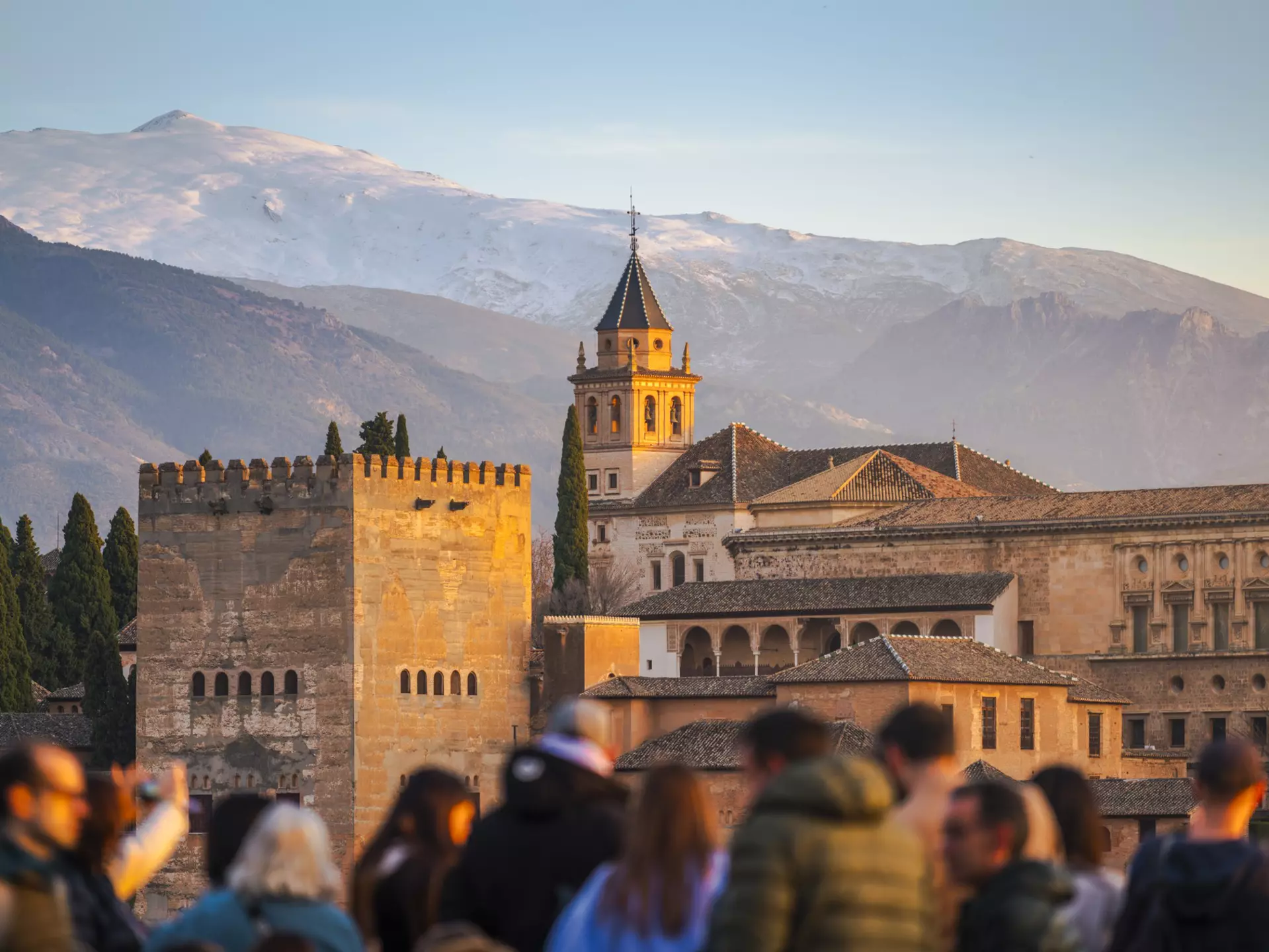
Dramatically situated against the often snow-tipped peaks of the Sierra Nevada, Granada in Andalucía was the Moors’ last stronghold in southern Spain, and their influence is still apparent in the city's horseshoe arches, teterías (teahouses) and tucked away cármenes (mansions with walled gardens). The most enduring legacy of that period from 711 to 1492 is, of course, the Alhambra: the calligraphy-etched fortress-palace of the Nasrid rulers is poetry in stone – and without peer in Europe.
But there is more to Granada than its most remarkable attraction. Neighborhoods of winding cobblestone streets – like El Realejo (the old Jewish quarter), Sacromonte (home to a Roma community) and the Albayzín (a once Muslim district) – wait to be explored. You can fill a weekend itinerary with attractions for gourmets, history buffs and fans of street art and all things musical and literary.
Make the most of your trip with these top things to do in Granada.
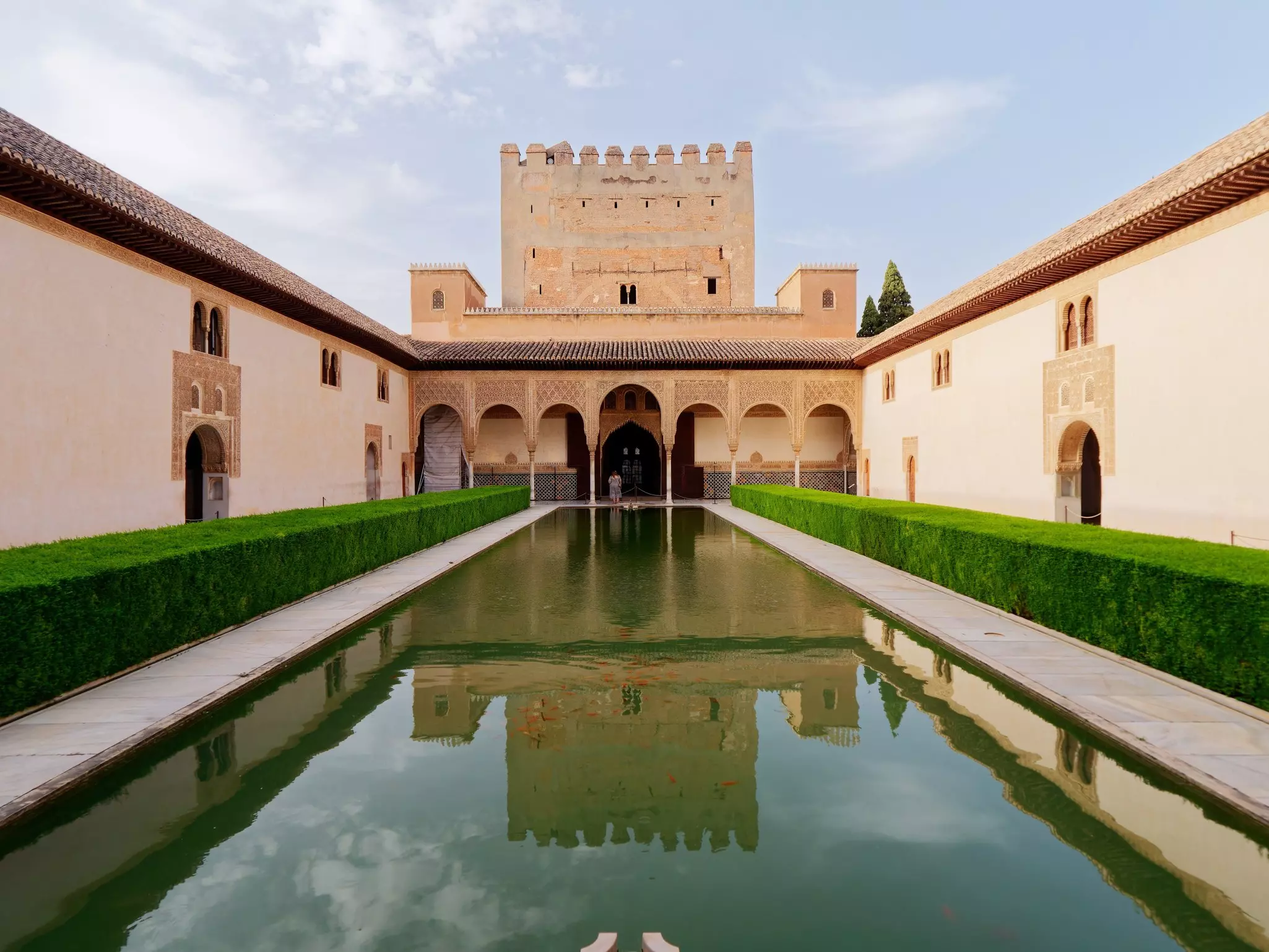
Granada is best known for the astonishing Alhambra, a majestic hilltop stronghold of ornately decorated palaces (the Palacios Nazaríes), robust fortifications (the Alcazaba) and graceful gardens (the Generalife). As you wander through the lavishly stuccoed rooms and courtyards anchored by burbling marble fountains, it’s easy to imagine the emirs reclining in the shade, savoring life’s finer things. That was the underlying philosophy behind such exquisite buildings: that life is transitory and best appreciated in the present. You’ll feel it the minute you enter.
Planning tip: Entry to the Palacios Nazaríes is by timed ticket; we recommend booking well in advance given the site’s popularity and picking a morning slot to beat the heat and the crowds.
Nothing built by the conquering Reyes Católicos (the Catholic Monarchs, Fernando and Isabel) after their 1492 conquest of the city rivals the Alhambra, but the Capilla Real in Granada's Centro district comes closest. While the Moorish palace celebrated life, this ornate post-Reconquista royal chapel is a place of final rest. Within the Gothic chapel, which adjoins the Catedral de Granada, the ornate marble tombs of the two monarchs lie behind a wrought iron barrier. Most of the royal remains are boxed up in lead coffins in the crypt below.
Planning tip: Opposite the chapel is the Madrasa Yusufia, founded in 1349 by Yusuf I. Highlights include an elaborate mihrab and a baroque dome.
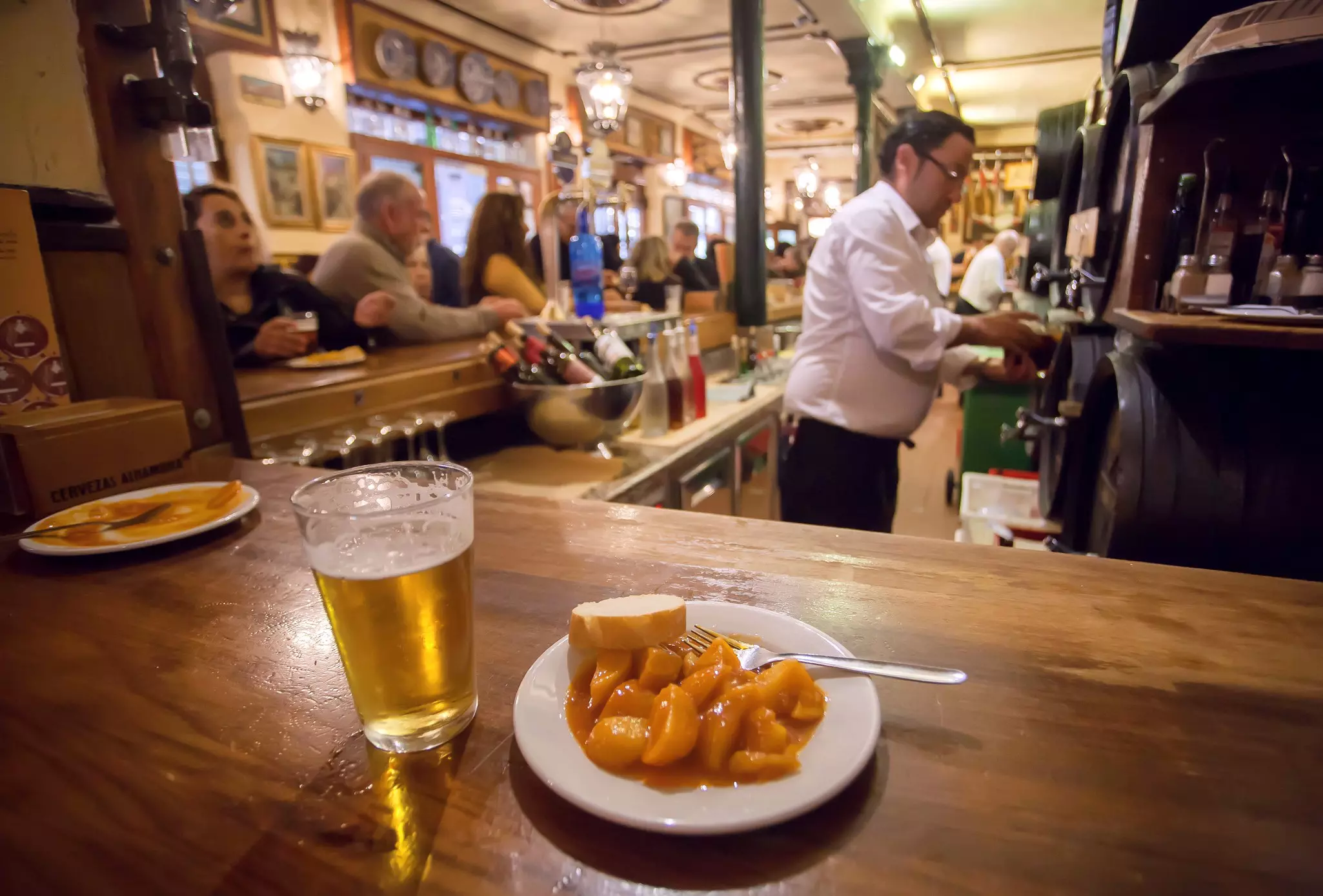
A culture of tapas – specifically, free tapas – lives on in Granada. The practice of providing a small plate of food with every drink purchase was once widespread in Spain, yet now it’s almost exclusively limited to Granada and its environs. Stalwarts like Bar Poë in Centro even have a menu, with dishes like estofado de carne (piri-piri pork stew) and ensalada de garbanzos (chickpea salad).
Lonely planet’s trusted travel insurance provider
Travel with confidence. Protect your trip and your wallet.
We don’t represent World Nomads, we receive a fee from quotes using this link. This is not a recommendation to buy travel insurance.
If you want local expertise, the knowledgeable guides of Granada Tapas Tours take small groups to less familiar spots.
Planning tip: There are places offering free tapas throughout the city, although in El Realejo, you’ll find plenty of traditional-style bars, such as Los Diamantes on Calle Navas. A useful phrase to remember is “vamos a tapear” (loosely, “let’s go tapas barhopping”).
You won’t find clusters of teterías in most other Spanish cities – they’re a remnant of the Moorish culture left behind when Boabdil, the last emir of Granada, left for the mountains. Underscoring this link are the arabesque flourishes at Tetería Dar Ziryab and the excellent Middle Eastern cuisine (try the baba ghanoush) at Restaurante Tetería Palmira. Locals load up on mint tea – skip the milk but go heavy on the sugar – poured into glasses from stainless steel pots.
Planning tip: The densest concentration of teterías is around the intersection of Calles Elvira and Calderería Nueva, two blocks east of the cathedral.
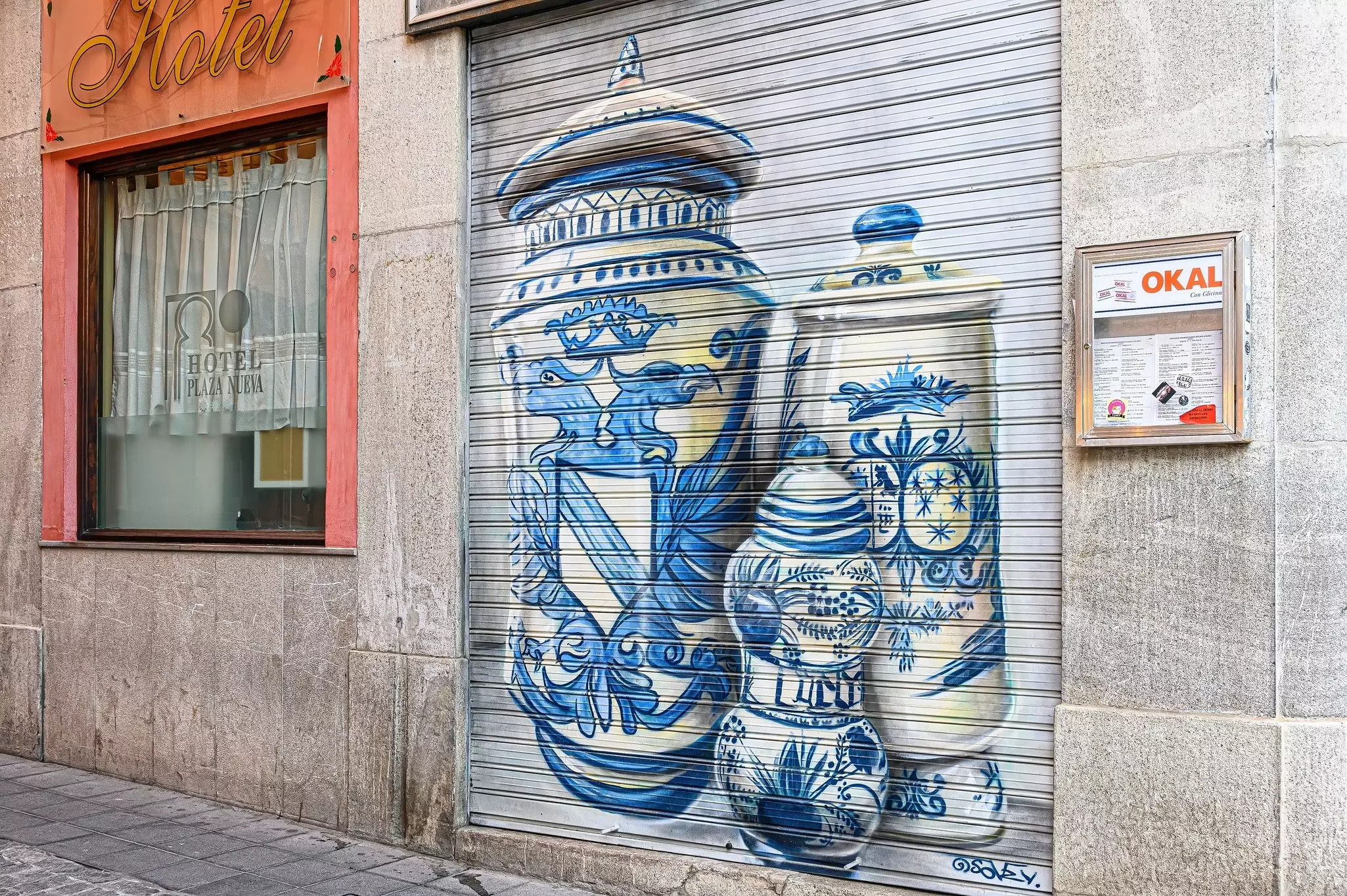
Medieval Granada is the hometown of one of Europe’s most renowned street artists: Raúl Ruiz, better known as El Niño de las Pinturas, lives in the city and works in the tradition of graffiti artists. His surprisingly sweet large-scale murals depicting children, historical figures and granadinos (Granada residents) are visible all over: in narrow alleys (especially in El Realejo), along the banks of the Río Genil and on the sides of buildings in every corner of town. Whether you set off on an organized tour of his best-known works or simply come across one of the vivid displays by serendipity, expect a lively and surprising complement to Granada’s historic vibe.
Detour: Street art in Granada isn't limited to Ruiz' work. No matter where you go in the city, you'll likely encounter beautiful illustrations in unexpected places, like signs and store gates.
Nobody has encapsulated the alluring landscapes and haunting culture of Andalucía quite like the early-20th-century poet Federico García Lorca. And a little sliver of what he describes as the “Parched land, quiet land, of immense nights” can be experienced at Huerta de San Vicente, his summer house on the western edge of the city. Surrounded by the bucolic poplars, palms and ponds here, the writer composed many of his finest poems and plays.
Detour: For a deeper dive into Lorca lore, head out to Museo Casa Natal in the village of Fuente Vaqueros, 17km from Granada, where the poet was born and spent his early childhood.
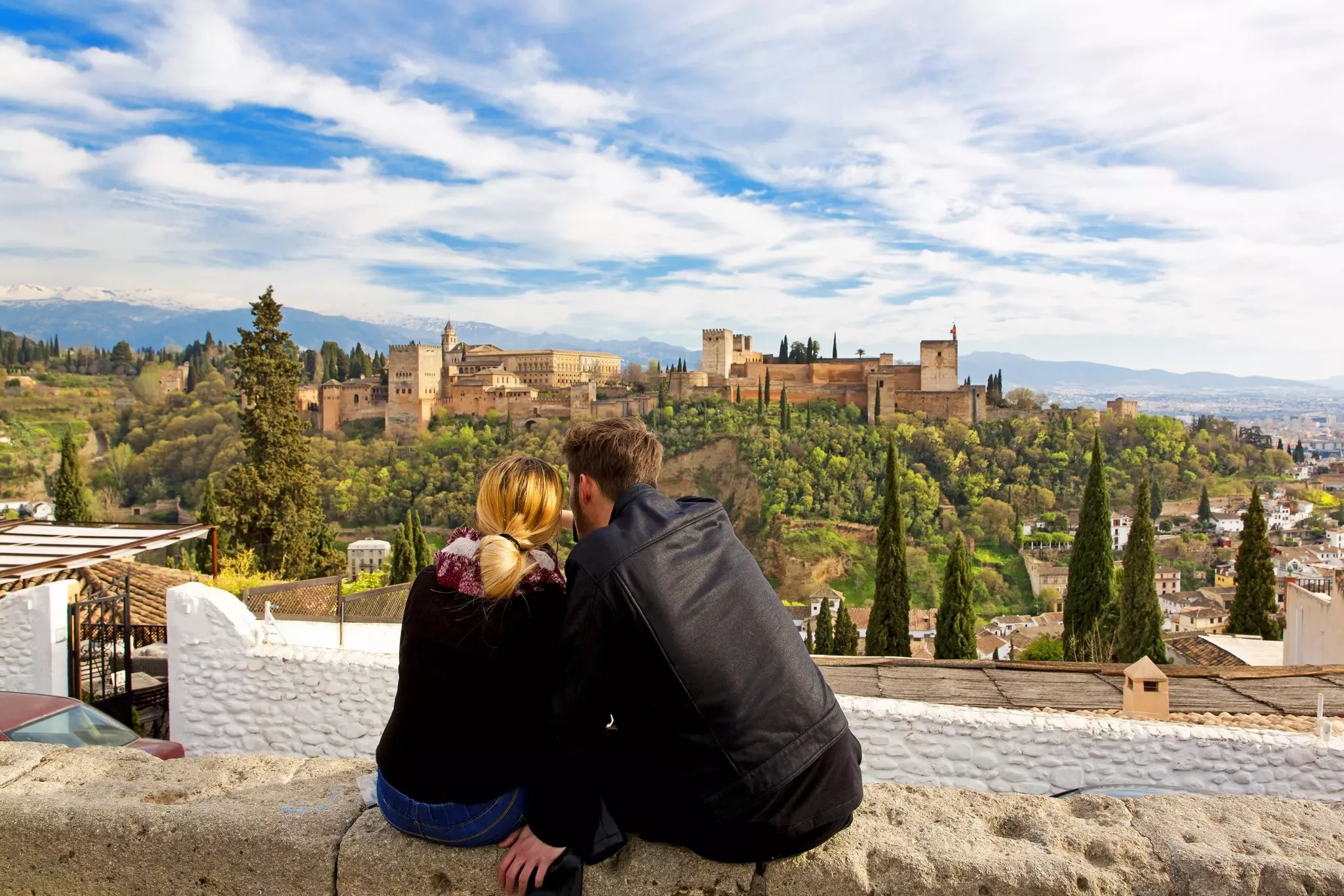
The Alhambra gloriously dominates just about every vista from the Albayzín toward the snowcapped Sierra Nevada peaks. Complete a late afternoon stroll of its narrow cobblestone streets at a mirador (lookout point) in time for sunset. The most impressive view is from Mirador San Nicolás. Many visitors to Granada book accommodations in the Albayzín just so they can start and end their day with this vista.
Planning tip: The streets in this area include steep sections and lots of steps, so pack appropriate footwear. Hotels higher up the hill, north of the river, offer the best views; good, well-priced options include Casa Bombo and Hotel Santa Isabel la Real.
Formerly a mosque, the Parroquia de San Gil y Santa Ana is a fine example of the religious and architectural repurposing typical of Andalucía’s historic buildings. While the church's baroque style is immediately evident, look up to see the exquisitely carved wooden artesonado. These ceilings of interlaced beams with decorative inserts are derived from the Mudéjar style. Other fascinating specimens of this era include the Centro's Corral del Carbón, so named for its former use as a coal warehouse; it was originally a 13th-century caravanserai (inn). Nearby, the Palacio de la Madraza, next to the cathedral, has a Spanish baroque exterior that conceals the Mudéjar stucco within.
Detour: While in Centro, stop by the Centro José Guerrero, a gallery dedicated the granadino abstract painter, who was influenced by Miró, cubism and American expressionism.
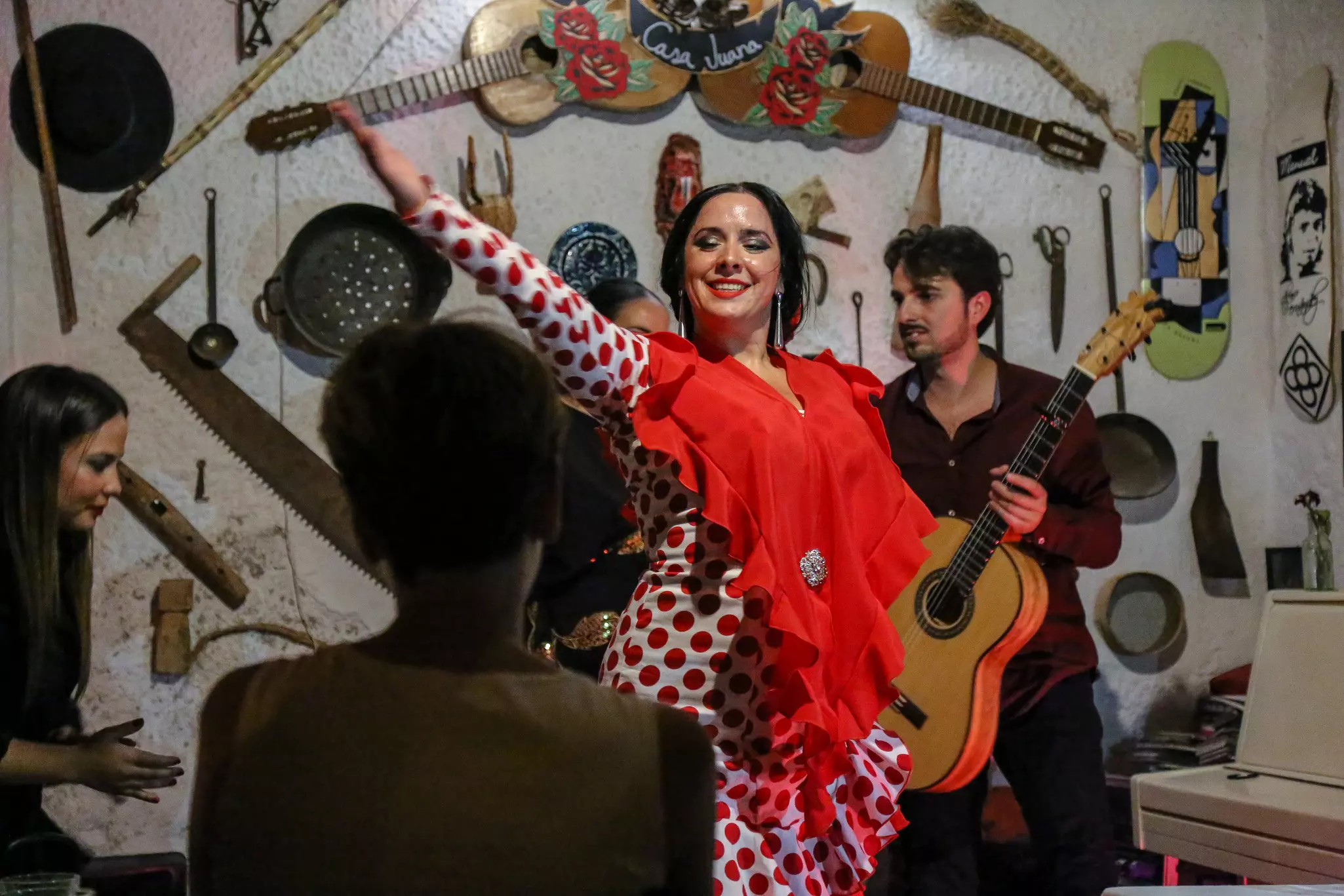
Romani heritage is in fine evidence throughout the Sacromonte neighborhood, in Granada’s northeast. Many of the oldest homes were built in the naturally abundant caves of these Sierra Nevada foothills – caves whose acoustics accentuate the emotive nature of flamenco. Dozens of nightly shows in Sacromonte feature a local flamenco form called granaína, including at Zambra María la Canastera and Cueva de la Rocío.
Planning tip: There are plenty of great places that aren't caves to catch a flamenco performance elsewhere in Granada. Some of these theaters, known as tablao, provide dinner and a show (such as Tablao Flamenco La Alboreá); others focus purely on the art.
For a long time, the Inquisition remained a shameful and unacknowledged chapter of Spain’s past. These days, it can still feel like an unresolved issue. Museums such as the Palacio de los Olvidados in Centro, with its displays of torture devices common during the era, go some way toward examining the period of deadly extremism that followed the overthrow of the Moors in Granada.
Planning tip: The museum is open 10:30–7 daily. Check for tickets online.
If you’re planning to explore the upper reaches of the Albayzín, be sure to stop by Fajalauza. In operation since 1517, the family-run ceramics factory has lasted dozens of generations (even as rumors of its imminent closure persist). The shop is an ideal place to find a unique, hand-painted souvenir of an unforgettable city.
Planning tip: Walk in Granada has pay-what-you-like tours of central Granada, Sacromonte and the Albayzín.
Explore related stories