Jul 15, 202614 min read
17 Best Things to Do in Bilbao, Spain and How to Do ThemJul 15, 2026
14 MIN READ

Writer
Bilbao, Spain. KaterinaKa/Shutterstock
Writer
Highlights
Lonely Planet's editors pick 17 Bilbao experiences, from the Guggenheim to Basque pintxos.
Start at the Guggenheim Bilbao and walk Puente Colgante's catwalk above the river.
Try pintxos at Plaza Nueva's bars, then ride the Artxanda funicular for views.
Kayak the Ría del Nervión or cheer on Athletic Club at San Mamés.
Lonely Planet may earn a commission from affiliate links on our site. All recommendations and reviews reflect our own independent opinions.
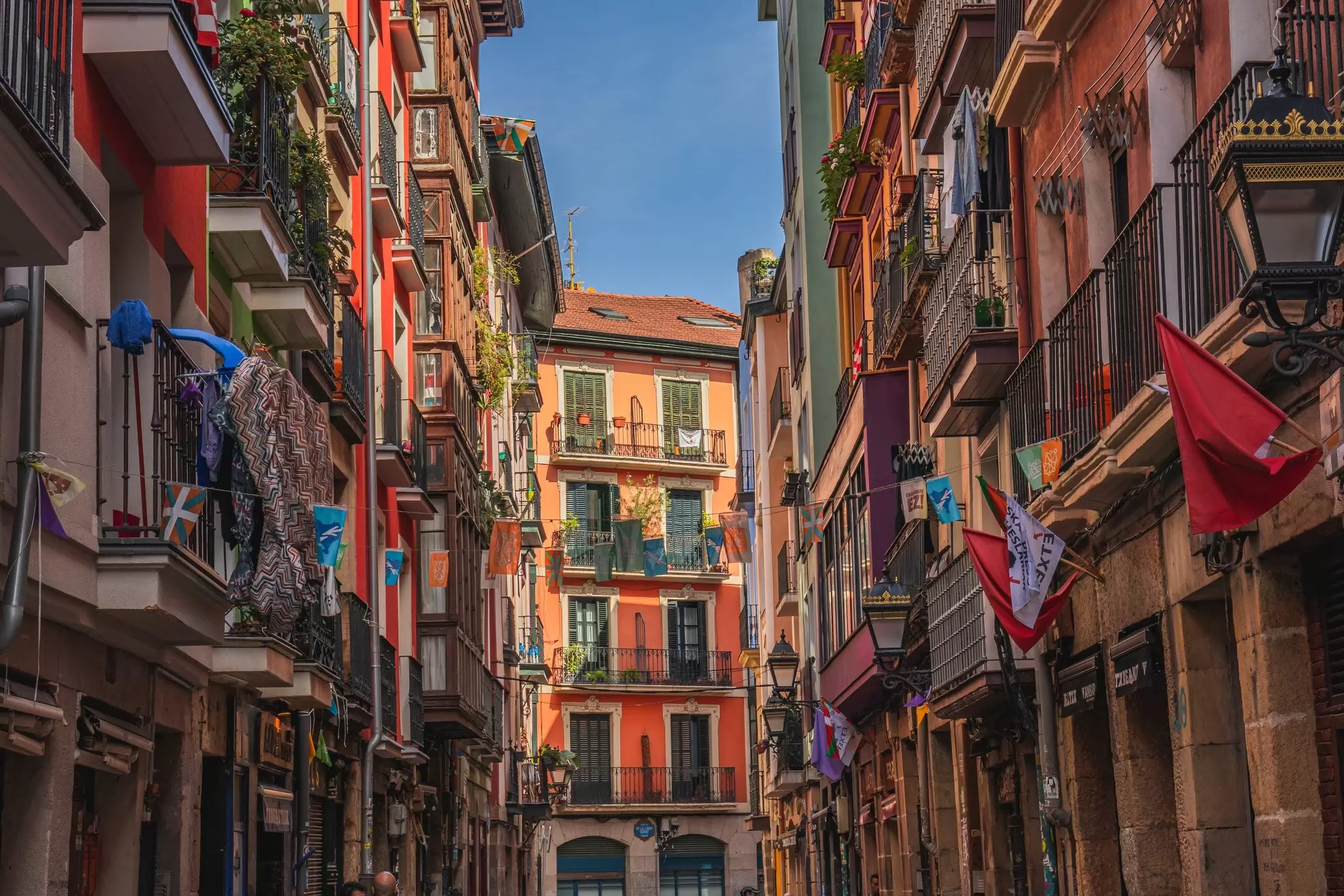
With its cutting-edge architecture and thriving cultural scene, Bilbao is an exciting, very walkable urban center that feels connected to the world. And, wherever you are in the city, a view of the often-mist-covered mountains that rise from either side of the river is a clear reminder that nature is just steps away.
Bilbao's star attraction is its world-famous art museum, but beyond the Guggenheim, the Basque Country is packed with opportunities to see works by emerging and established artists. From cheering at the Athletic Club alongside passionate football fans to snacking on pintxos (Basque tapas) at a local bar, these are the best things to do in Bilbao.
A dose of culture
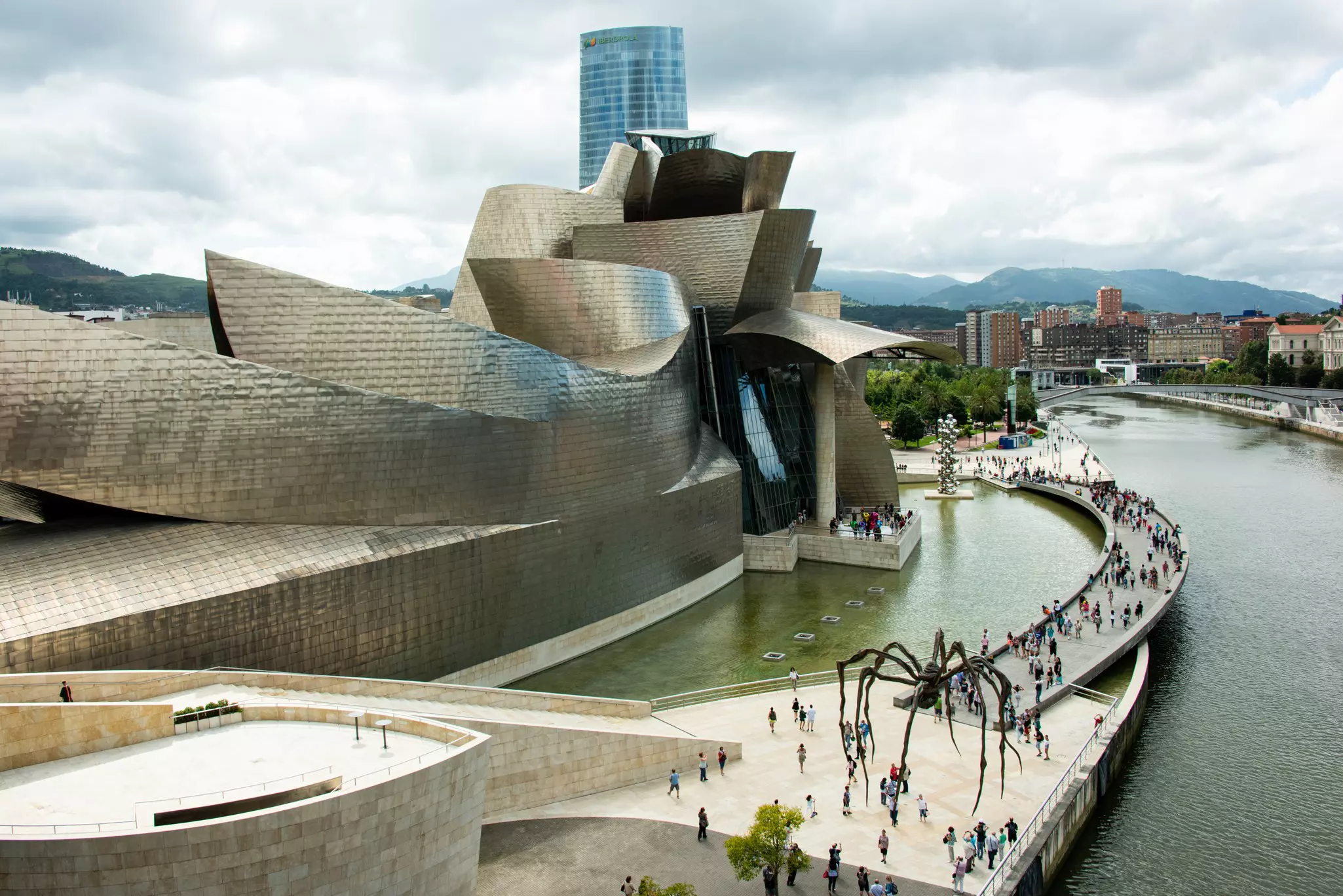
A key player in transforming Bilbao into the creative hub it is today, the gleaming, titanium-clad Museo Guggenheim Bilbao is the city’s most striking building. The museum galleries display cutting-edge temporary exhibitions alongside pieces from the permanent collection, including works by some of the world's best contemporary artists.
To house the exhibits, architect Frank Gehry designed a building with flowing canopies, ship-like shapes and flying fins to reflect Bilbao’s historical links to shipbuilding and fishing. From the light-filled atrium inside, three floors of galleries emerge, linked by staircases, catwalks and lifts.
In the atrium gallery, look for Jenny Holzer’s Installation for Bilbao, a blending of language and light. On the ground floor, explore the narrow corridors and spirals of Richard Serra's The Matter of Time. Join the queue for Yayoi Kusama’s popular installation of colored lights and mirrors, and don’t miss Rising Sea by Ghanaian artist El Anatsui. Outside, find Louise Bourgeois' spider-like Maman by the river, and Jeff Koons' Puppy, on the city side of the museum.
When to go: Mid-week is usually the best time to hit this busy museum, especially right at opening or late afternoon.
Getting there: The Bilbao Tram stops right at the museum entrance.
Pair with: Allow time to walk around the building's exterior, observing the colors changing with the light. For expansive views of the Guggenheim Museum, stroll along the wave-like Zubizuri pedestrian bridge and look for the Sirgueras sculptures along the river.
A lively run-in with locals
The 19th-century arcaded Plaza Nueva (Plaza Barria) is home to some of the city's best and most iconic pintxo bars. Similar to tapas, pintxos are small snacks often served on a toothpick and usually eaten in bars.
In Basque country, it is typical to visit the local bar for pintxos before a meal. The plaza is popular with locals, who often prefer to have one pintxo in each bar before moving on to the next place. Pintxos are lined up behind each of the bars – ask for any that take your fancy – but also look for lists of pintxos that are made to order, usually written on a board behind the bar. Many consider the pintxos at Gure Toki to be Bilbao’s best, and Sorgínzulo has a strong local following with standouts including calamari and bacalao al pil-pil (cod in a creamy sauce). Bar Charly and Cafe-Bar Bilbao are also local favorites around Plaza Nueva.
When to go: To get the most out of your experience, go when it's busy, around lunch (12:30-2:30pm) or dinner time (8-9:30pm).
Getting there: Take the metro to the Casco Viejo station and walk.
Pair with: Build your own pintxo bar hop in Casco Viejo with stops at Bacaicoa at Plaza Unamuno for mushroom pintxos cooked to order, Baster for octopus skewers and house-made croquettes, Irrintzi for vegetarian or gluten-free options and Taberna Basaras, a traditional tavern known for its anchovy pintxos and excellent wine cellar.
A windy walk
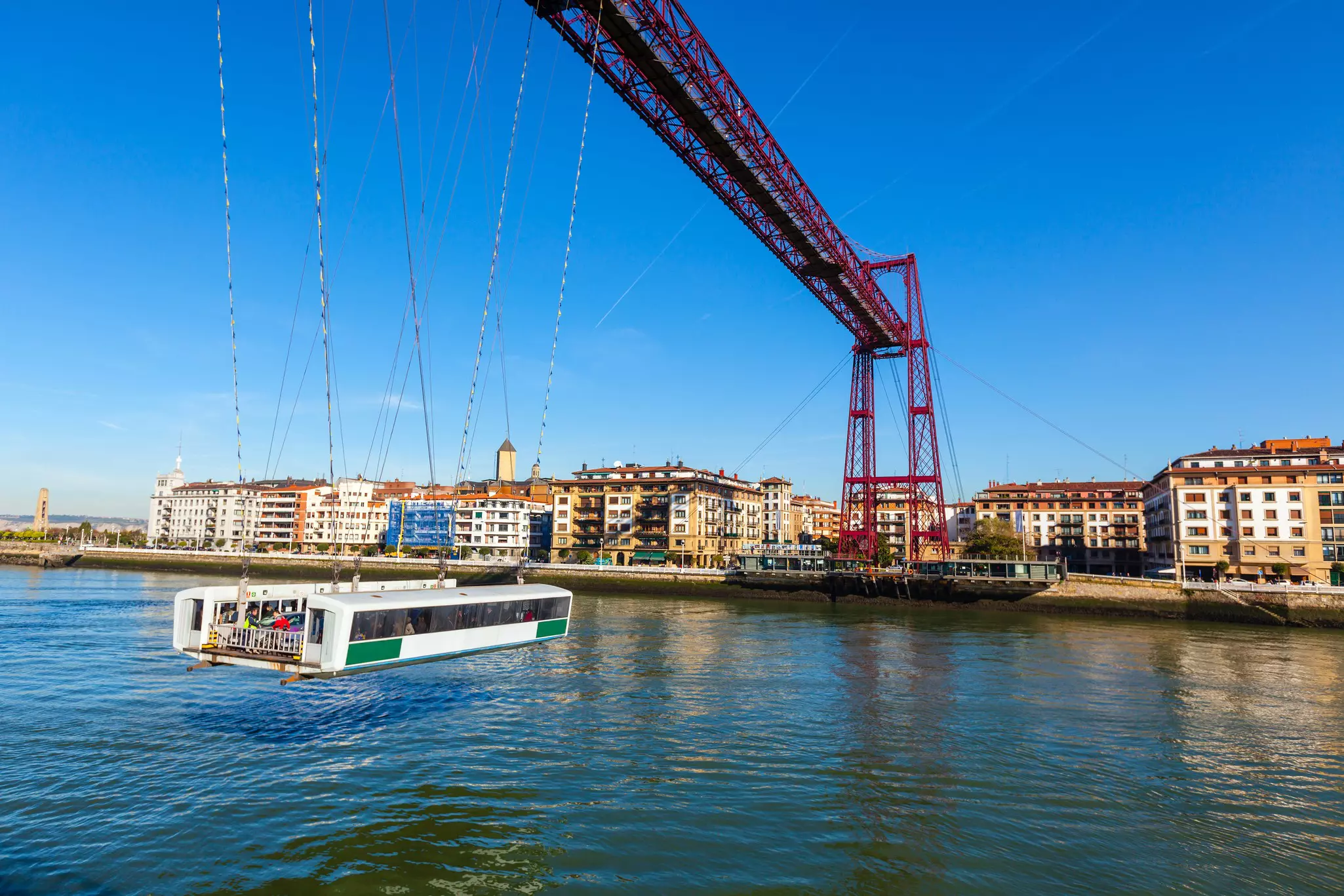
Also known as the Hanging Bridge, Vizcaya or Bizkaia Bridge, the Puente Colgante opened in 1893 and was the world's first transporter bridge. The UNESCO World Heritage-listed bridge was designed by Alberto de Palacio, who sought to create a structure that allowed people to cross the river without interrupting the passage of boats.
For a thrilling experience, take the lift on either side to the pasarela (catwalk) that extends along the top of the bridge, then dare to peer down between wooden planks to the water below as you take the breezy walk across.
When to go: To get the best photos in the best light, try for early morning or early evening. You may also miss crowds then, too.
Getting there: The bridge is most easily reached by taking the metro to the Areeta Station on Line 1 or the Portugalete Station on Line 2.
Pair with: Buy tickets to walk across the pasarela in the souvenir shops on either side of the bridge. The ticket includes a return trip in the suspended gondola.
A unique live music venue
Built in 1999 on the site of the former Euskalduna shipyards, the Euskalduna Palace was designed to resemble a ship under construction, with an unfinished “hull” that houses the main auditorium. The venue hosts performances by the Bilbao Symphony Orchestra and the Basque Symphony Orchestra, as well as operas, concerts and musicals. The highlight is the main auditorium, designed with beechwood panels and oak floors to enhance the venue's acoustics.
When to go: Check the venue's calendar for the most up-to-date schedule.
Getting there: Get off the Bilbao Tram at the Euskalduna stop.
Pair with: Free one-hour guided tours are offered most Saturdays from June to September in English, Spanish and Basque.
A self-guided city kayak tour

Life in Bilbao centers on the Ría del Nervión (River Nervión), and there's no better way to experience the city than on a kayak. Two hours is enough time to paddle to the Puente San Antón (San Antón bridge) and back from the docks by Euskalduna bridge.
Along the way, drift under seven bridges and past the Guggenheim, Ayuntamiento de Bilbao (city hall), Teatro Arriaga, Concordia Train Station and the Mercado de la Riberato, eventually reaching Puente San Antón.
When to go: The best bet for good weather is between April and September. You might land a warm-enough day in March or October, too, if you're lucky.
Getting there: Take the tram to either of the following stops: Pío Baroja or Abando.
An ocean education
Lonely planet’s trusted travel insurance provider
Travel with confidence. Protect your trip and your wallet.
We don’t represent World Nomads, we receive a fee from quotes using this link. This is not a recommendation to buy travel insurance.
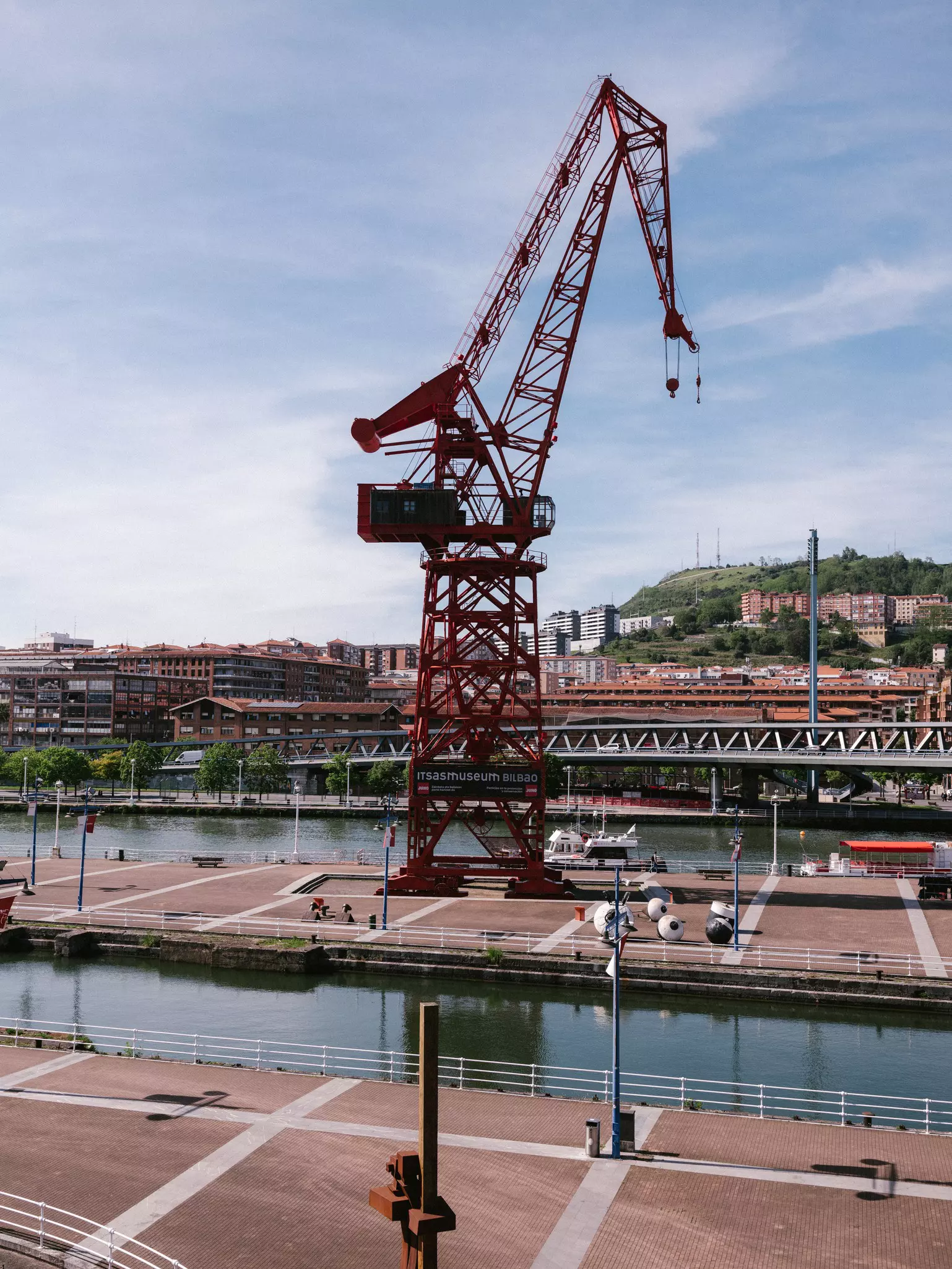
The historical importance of the sea to the Basques is explained through interactive exhibits at Itsasmuseum (Maritime Museum). You can wander through two floors of displays, which show old shipbuilding techniques, harrowing shipwrecks and innovative coastal rescue strategies, pirate threats and intricate models of vessels from throughout Bilbao's shipbuilding history. Don't miss the full-scale recreation of the 1511 Consulate Barge. The museum also hosts temporary exhibitions of maritime-related art or historical seafaring events.
When to go: Like any busy museum, the best bet to skip crowds would be midweek, just after opening.
Getting there: Take the Bilbao Metro to the San Mamés station or hop on the Bilbao Tram and get off at the Euskalduna stop.
Pair with: On Friday and Saturday nights, outside the museum on the dock, catch Carolaren Arima, an innovative installation of light and sound featuring the 60m(197ft)-high fire-engine-red “Carola” crane.
A two-wheel adventure
Bilbao's cycle lanes make it a fun city to explore by bike. Tourné offers daily three-hour guided city tours covering the main sights of the old and new towns. If you prefer to explore on your own, rent an e-bike and follow one of Tourné's self-guided routes: the 19.5km (12 mile) route along riverside paths to Puerto Viejo (Portu Zaharra) via Portugalete, or the 28km (17.4 mile) route to Muskiz. Both end at stations for the return train or metro trip to the city center.
When to go: Similar to kayaking, good weather is your friend for this experience so April to September are ideal.
Getting there: The Metro station closest to Tourné is Abando.
Pair with: Beyond Bilbao, the beautiful Basque Route coastal cycle trail connects Bilbao with Lekeito via Bermeo and Gernika. Pick up a map at the tourist office.
A cultural and architectural fix
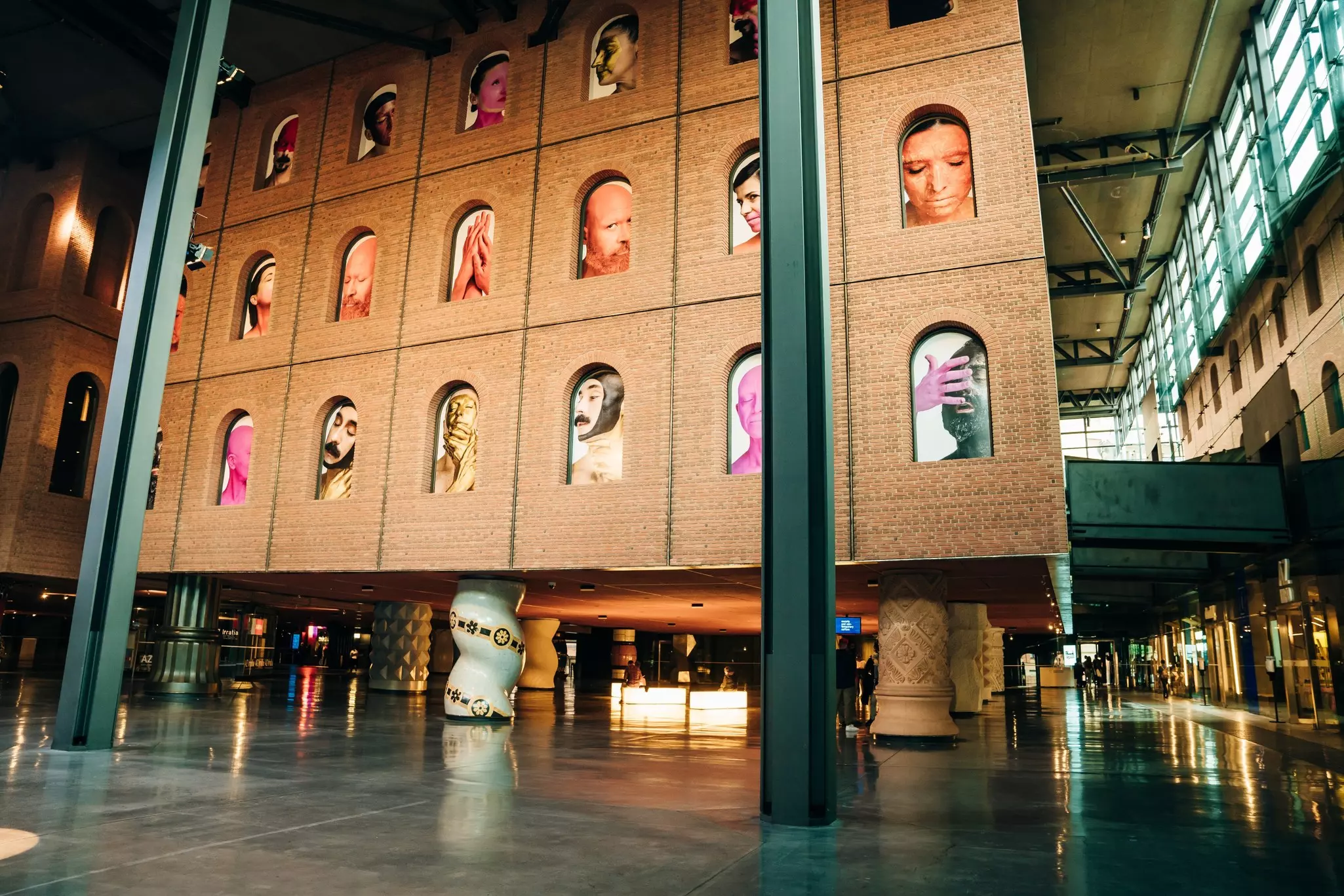
Also known as the Alhóndiga, Azkuna Zentroa is an old wine warehouse turned cultural center that hosts exhibitions, art workshops and other activities. The architecture is itself a work of art. The ground floor is supported by 43 Philippe Starck-designed columns, each reflecting distinct cultures and events in world history. There are plenty of accessible public spaces, including a library spread over several floors, a cinema and a leisure center with a glass-bottomed swimming pool.
When to go: Late afternoon may be one of the prettiest times to hit this space, given the way light enters its windows.
Getting there: The closest Metro station stops are Indautxu or Moyúa.
Pair with: Refuel at one of the on-site cafés and restaurants or kick off the night with a cocktail at Azkuna Zentroa’s rooftop bar, La Terraza del Yandiola.
A sensory shop
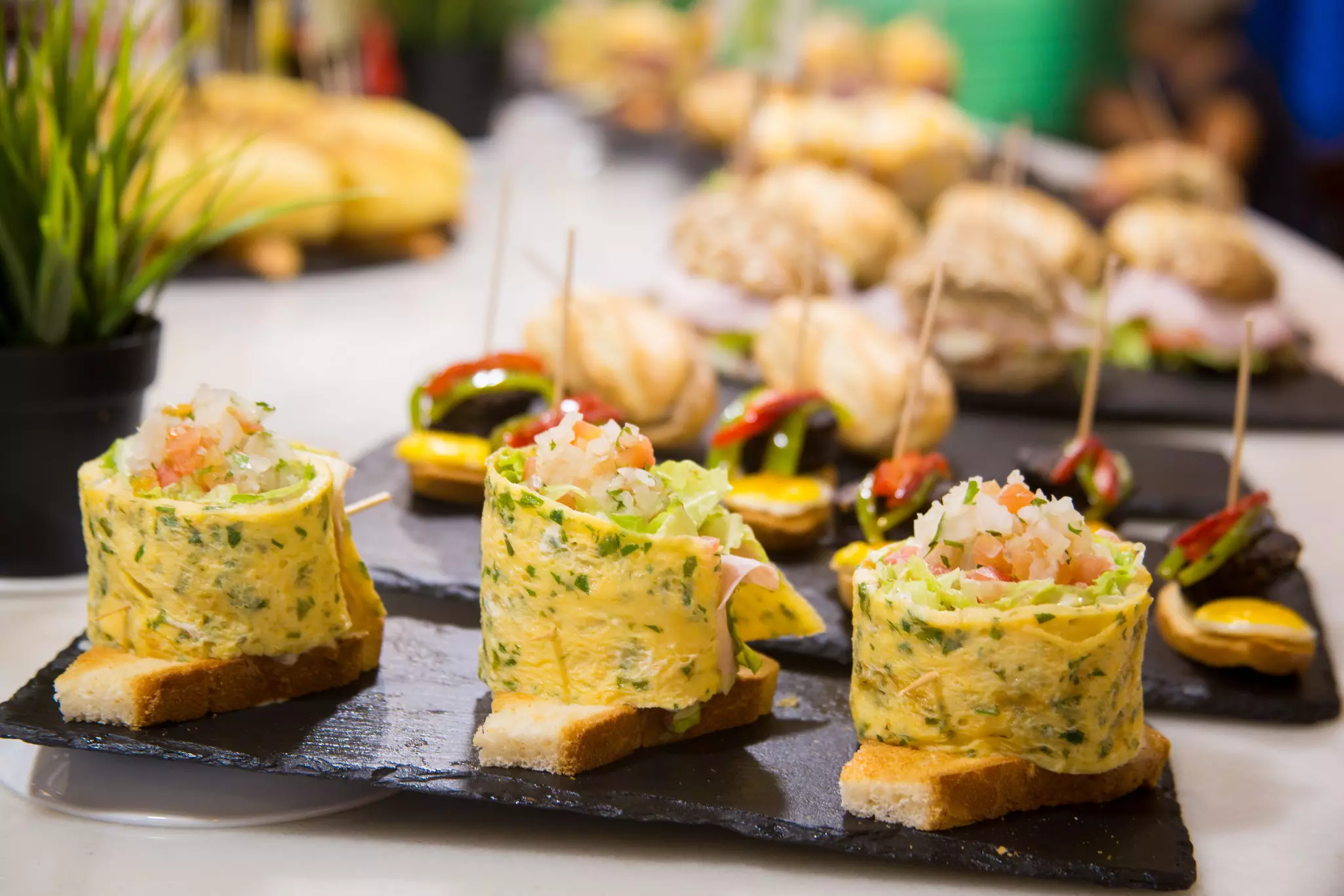
Overlooking the river at the southern edge of the Casco Viejo, the art deco Mercado de la Ribera occupies a historic spot, where Bilbao's original seven streets reach the water's edge. This expansive food market is where many of the city's chefs shop for their morning selection of fresh produce. Fishmongers sell freshly caught cod, hake and seafood; and stalls sell meat, fruit, vegetables and dairy products. You can even find a dedicated mushroom stall selling a selection of foraged and cultivated varieties.
When to go: Anytime you like! The market is covered and year-round.
Getting there: Take the tram and get off at the Ribera stop.
Pair with: If you'd prefer to graze than shop, head to the first-floor pintxo bars for drinks and snacks to enjoy on the sunny riverside terrace.
A comprehensive art collection
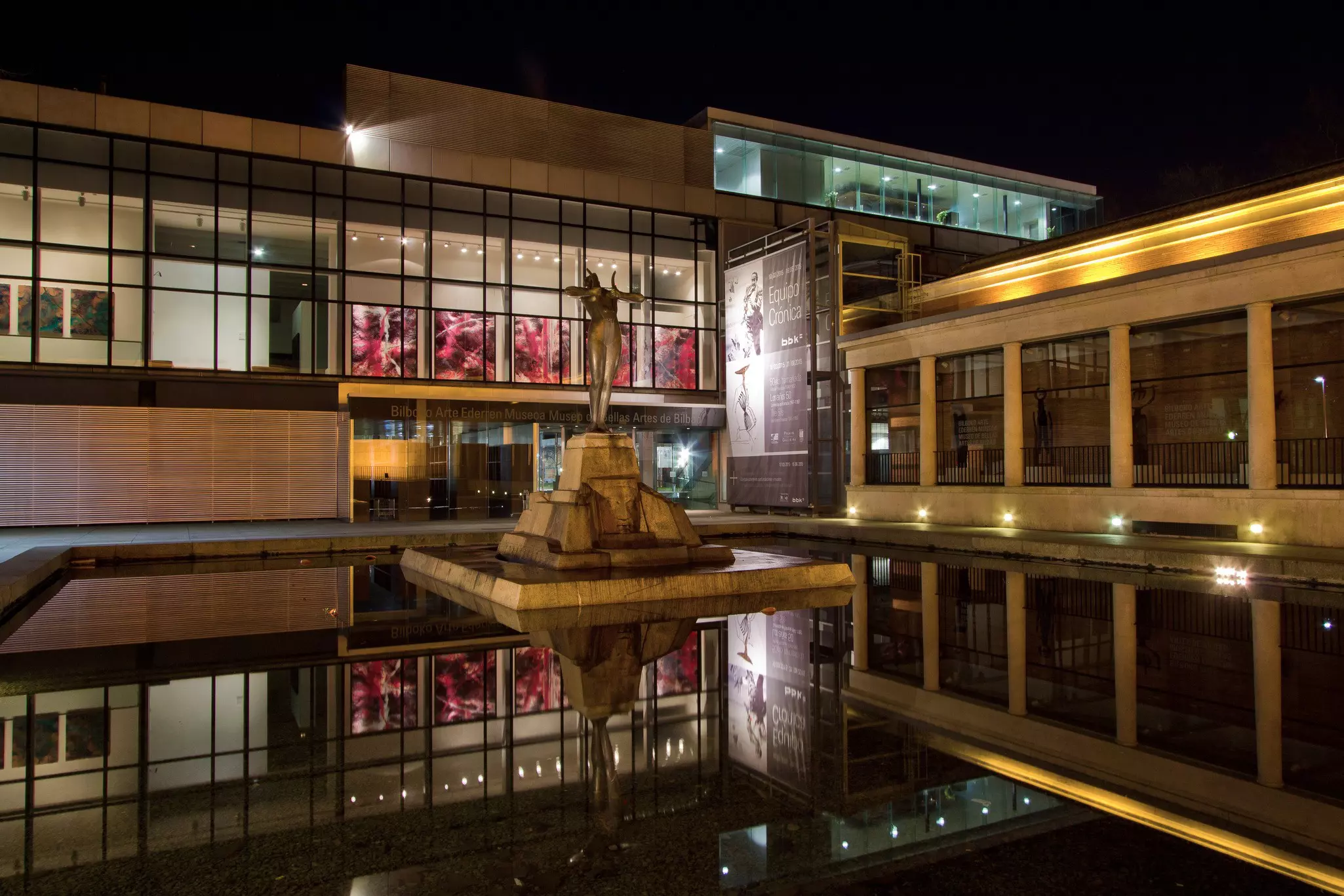
Bilbao's fine art museum, the Museo de Bellas Artes, houses a compelling collection that includes everything from Gothic sculptures to 20th-century pop art. Allow at least an hour to view the three main subcollections: classical art, with works by Bartolomé Esteban Murillo, Francisco de Zurbarán Zurbarán, El Greco, Goya and Van Dyck; contemporary art, featuring pieces by Gauguin, Francis Bacon and Anthony Caro; and Basque art, with sculptures from Dora Salazar, Jorge Oteiza and Eduardo Chillida and paintings by the likes of Ignacio Zuloaga and Juan de Echevarría.
When to go: Weekday mornings are quiet and Fridays are free admission.
Getting there: Get off at the Museo stop on the tram, or at Moyúa station on the Metro.
Pair with: Nearby, take a walk among the shady trees and pretty pagoda of Parque de Doña Casilda de Iturrizar.
A cityside hike
A quick metro ride from Bilbao will take you to the seaside district of Getxo, offering a serene escape from the city. Part of the long-distance GR123 hiking trail is a climb up Monte Serantes. Allow three to four hours for the 12km (8 mile) round-trip hike from Santurtzi metro. Best of all is the magnificent view over Bilbao.
When to go: Avoid the heat of midday and opt for an early morning or evening hike.
Getting there: Take Metro line 2 to Santurtzi station.
Pair with: The trail passes the ruins of Serantes Fort, painted with a mural representing nature and Basque mythology, as well as bird watching hides.
A theater experience beyond the stage
Sitting in its own plaza by the river, Bilbao's Teatro Arriaga hosts concerts, musicals, plays and dance performances. Guided 50-minute backstage tours are offered on weekend mornings, where you'll see a collection of opera gowns, the theater stalls and the red velvet and gilded mirrors of the Orient Express room (designed in the style of the train).
When to go: In August, the festival of Aste Nagusia, a nine-day extravaganza of concerts, traditional Basque sports, parades and fireworks, begins with the appearance of Marijaia (a large puppet) on the theater’s balcony.
Getting there: The theater is a five minute walk from the Casco Viejo metro station.
An unmatched view of Bilbao
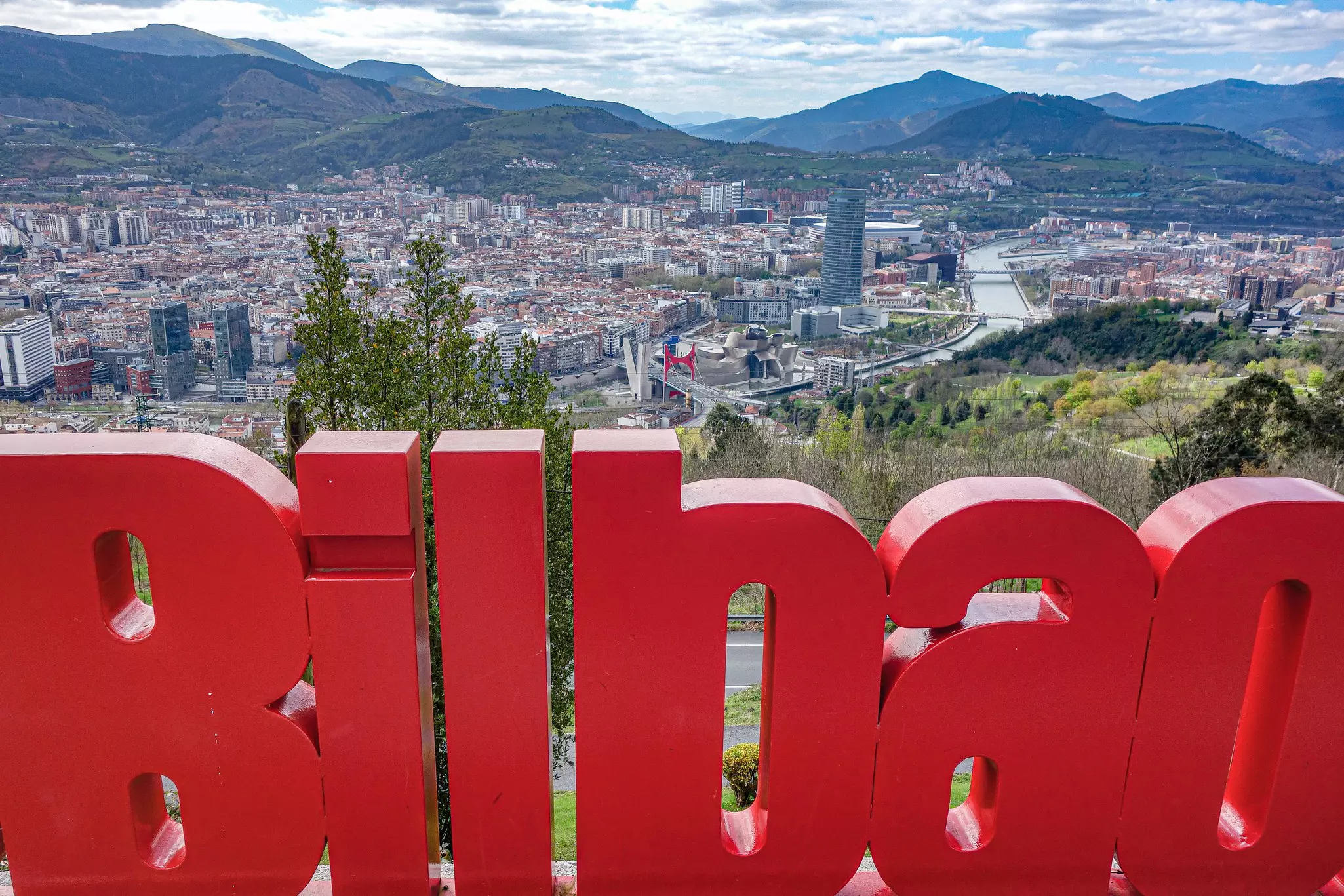
Some of the best views of Bilbao are from the top of Artxanda. The Funicular de Artxanda makes the three-minute trip up and down the hill from the Plaza del Funicular. At the top is a park with a bubbly red Bilbao sign and panoramic views across the city. Trains leave every 15 minutes, so you could do the trip up and back in less than an hour.
When to go: Clear days are the best for this and, of course, if you can catch a golden hour trip up, that's ideal.
Getting there: The funicular is about a 10-minute walk from city hall.
Pair with: If you’d rather explore Artxanda on foot, start at Puente la Salve and climb to Pikotamendi recreational area, then hike back down through the forests of Potongo to Deutso, about 4km (2.5 mile) round trip.
A museum time capsule
Bilbao's Archaeology Museum depicts 100,000 years of the region's history in displays of objects excavated from nearby caves and other sites, alongside models showing the evolution of the dwellings and villages in which local people lived. To view the exhibits in chronological order, start on the second floor with Palaeolithic art found on the walls of nearby caves and take a virtual tour through the chambers of Armintxe cave in Lekeitio.
View exhibits from the Bronze Age, then move on to busts and statues from the Roman Period. Finally, encounter exhibits from the Middle Ages, including local grave markers and recovered fragments from a 15th-century oak boat.
When to go: Midweek in the morning guarantees fewer crowds; the museum is closed Mondays. On the last Friday of the month, admission is free.
Getting there: Take the metro to the Casco Viejo stop.
Pair with: Exhibits are labeled in Spanish and Basque. Scan the QR code at the ticket desk for an audio guide in English.
A local market packed with Bilbao's best
On Saturdays from 10am-2:30pm, the area on the east bank of the river known as the Plaza del Arenal hosts the Gure Lurreko Merkatua farmers market. Buy fresh local produce directly from the growers and makers, including seasonal fruit and vegetables, flowers, honey, txakoli (Basque white wine), sausage and cheese.
When to go: The earlier the better.
Getting there: Take the metro to the Casco Viejo station and then walk.
Pair with: Look out for other seasonal markets here, including book fairs and Christmas market stalls. During festivals, temporary bars called txosnas are set up along the Arenal.
A soccer fan's place of worship
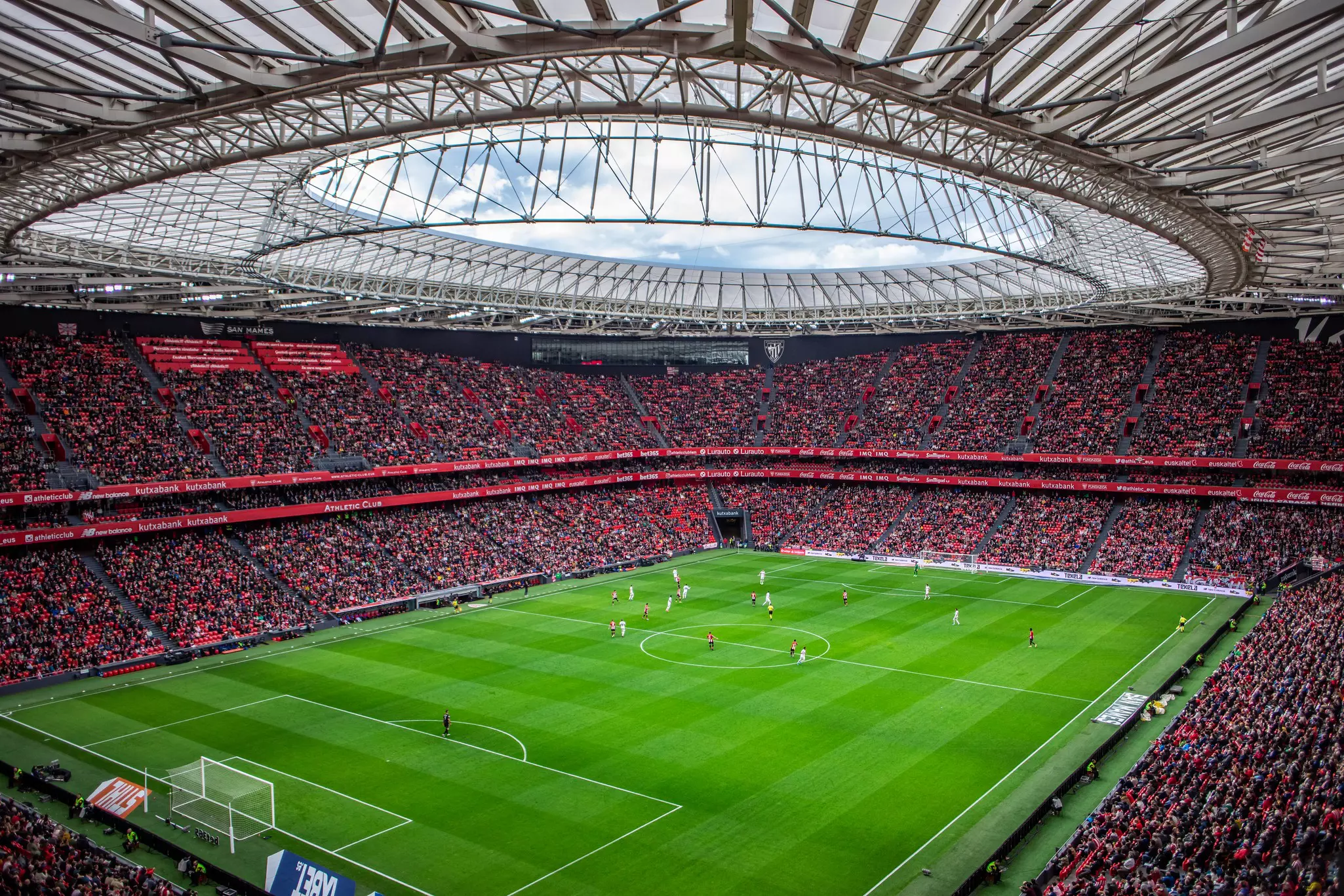
Joining thousands of football fans to watch Athletic Club play at La Catedrál (as the stadium is known) is a memorable experience with a distinctly Basque feel. If you can, dress for the match in red and white (the club's colors). Inside the Estadio San Mamés, snack on pintxos with a view of the pitch at La Campa de los Ingleses.
When to go: Catch a home game; check the schedule.
Getting there: Hop on the Metro and get off at Santimami/San Mamés stop.
Pair with: Even if you can't catch a game, you can see the stadium and learn about the club's history at the Museo Athletic Club.
An old church that feels like art
Stroll up Calle Belosticalle in Bilbao’s old town to reach the 14th-century Catedral de Santiago. Above the main entrance, look for scallop shells, symbols of Santiago (St James) and a reference for pilgrims on the northern route of the Camino de Santiago.
When to go: If you attend mass, entry is free. Otherwise, there's an entry fee Monday to Saturday after 10am and before 6pm.
Getting there: Take the tram to the Arriaga or Ribera stops, or the metro to the Casco Viejo stop.
Pair with: Walk clockwise around the cathedral exterior and turn down Calle Bidebarrieta to fill your water bottle at the Fuente del Perro, a neoclassical fountain with three taps protruding from lion heads that more closely resemble perros (dogs).
This article was adapted from Lonely Planet’s Pocket Bilbao & San Sebastián guidebook, published in February 2025.
Explore related stories