Mar 24, 20264 min read
The Best Times to Visit Seoul, South KoreaFeb 14, 2026
13 MIN READ

Writer
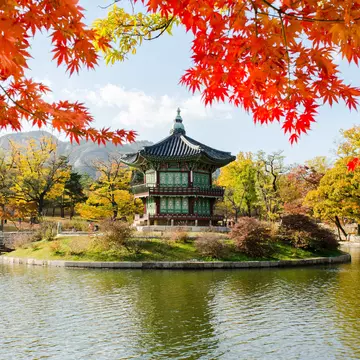
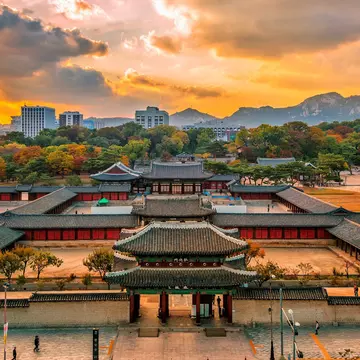
Gyeongbokgung Palace in Seoul, South Korea. CJ Nattanai/Shutterstock

Writer
Highlights
Writer Leslie Patrick Moore picks 20 Seoul experiences from palaces to K-pop.
Start at Gyeongbokgung palace, then find the GangnamDol bears on K-Star Road.
Order tteokbokki and mandu at Gwangjang Market, then toast the night with soju.
For views, hike Bukhansan National Park; for neon-lit nights, head to Hongdae.
Lonely Planet may earn a commission from affiliate links on our site. All recommendations and reviews reflect our own independent opinions.
Ultramodern Seoul has something to offer 24/7 – and, indeed, you’ll want to fill every minute of your visit to South Korea’s capital.
Vivid juxtapositions abound here: sleek high-rises against the picturesque Bukchon Hanok Village, the ceremonial changing of guard at Gwanghwamun and the unsettlingly contemporary scene at the DMZ, 14th-century Jogye-sa and the latest in K-Pop culture.
In Seoul’s vibrant districts, you can seek out food and drink you won’t find anywhere else in the world. You can reset and rejuvenate in a spa, or find a moment of serenity at a temple. In short: whatever you’re interested in as a traveler, you can find it in this captivating world capital.
Get on your way with this guide to 20 of the best things to see and do in Seoul.
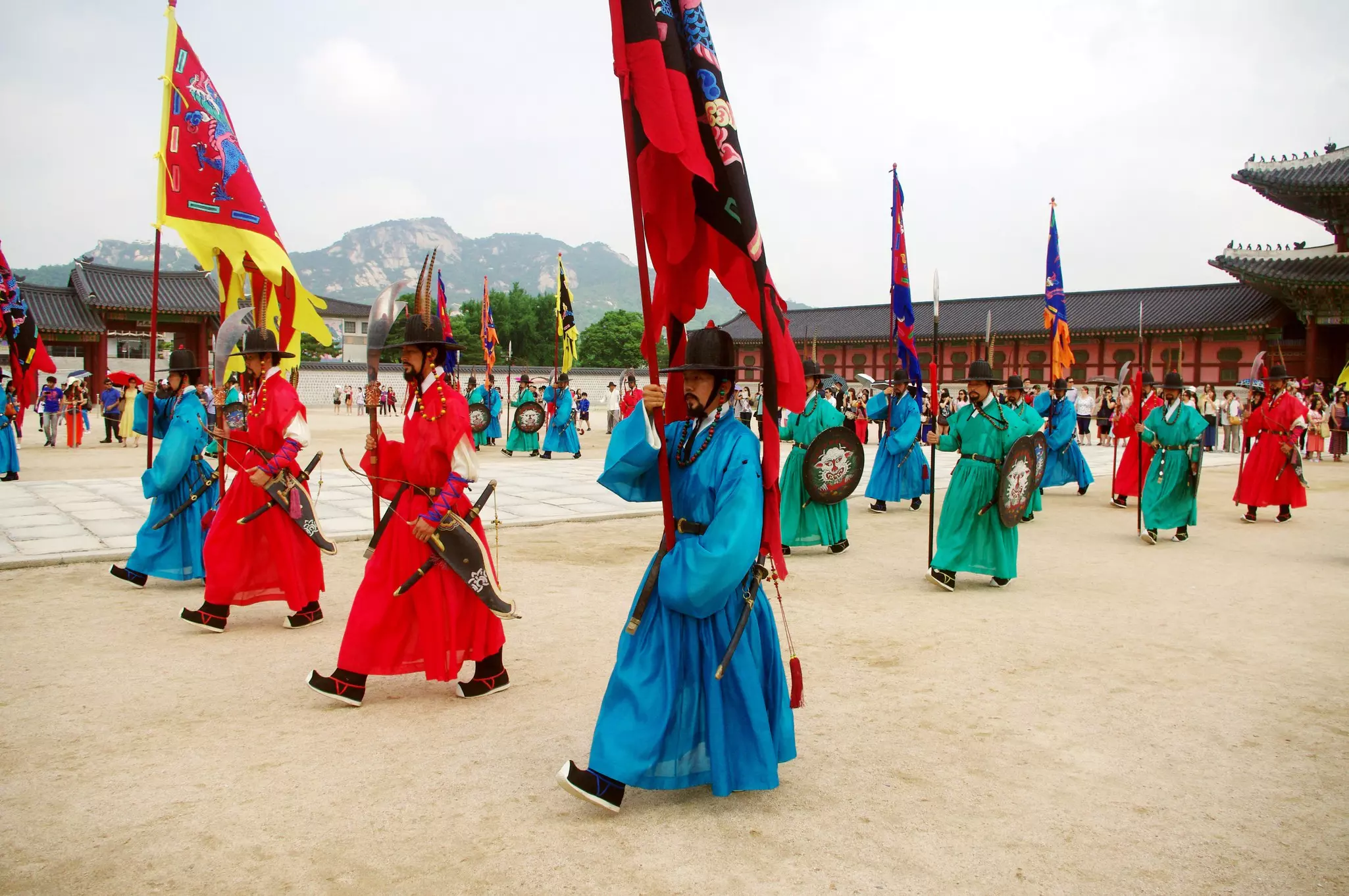
If you have time to see only one sight in Seoul, make it Gyeongbokgung (Palace of Shining Happiness). With its splendid architecture, serene pagodas and mazelike grounds, Gyeongbokgung is the largest and most elegant of Seoul’s five royal palaces. Originally built in the 14th century during the powerful Joseon dynasty, the palace was destroyed during the 16th-century Imjin Waeran (war with Japan) and rebuilt in the 18th century.
Wander the palace precinct to admire the striking hip-and-gable buildings, tranquil ponds and delicate cherry trees. Wrap up your visit with a stop at the National Folk Museum of Korea, which sits on the palace grounds and features exhibits on traditional Korean culture.
Planning tip: Time your visit to watch the ceremonial changing of the Royal Guard in front of the massive Gwanghwamun (main gate): the ceremony takes places every day at 10am and 2pm.
Inspired by the Hollywood Walk of Fame, a boulevard in glamorous Gangnam is dedicated entirely to K-Pop artists. But instead of stars embedded in the sidewalk, K-Star Road serves up a parade of GangnamDols, 3m-tall statues of cartoon bears decorated to represent a different K-Pop singer or band, including Super Junior, Girls’ Generation and BTS.
Planning tip: After taking a few selfies with your favorite bears, pop into GangnamDol Haus near the Apgujeong Rodeo subway station to pick up a few mini bears as souvenirs.
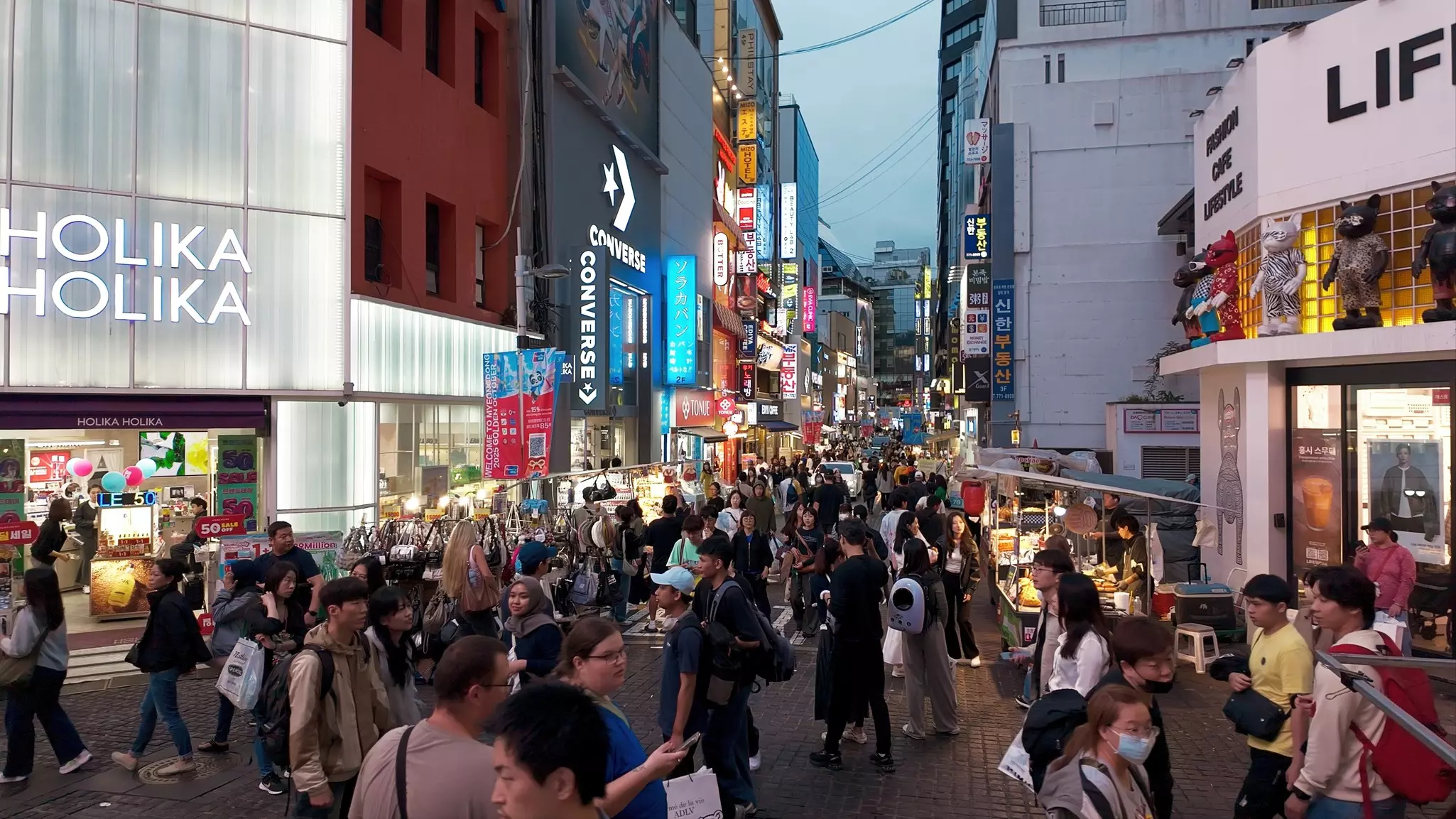
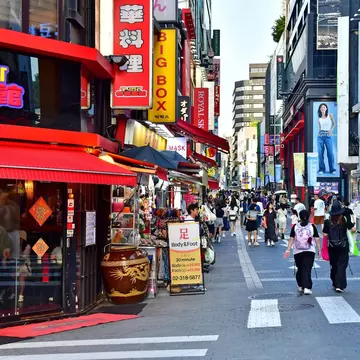
You’ll want to break out the credit card for an afternoon of spending in Seoul’s most famous shopping district. Myeong-dong is renowned for its fashion boutiques, deluxe department stores and cosmetic shops packed with famed Korean beauty products. Once you’ve sufficiently stocked up on mask sheets and moisturizer at Innisfree and Etude House, check out the Myeong-dong Night Market for street food and quirky souvenirs.
Local tip: The area is also home to some of Seoul’s cutest cafes – and the Pink Pool Cafe at the Stylenanda Pink Hotel flagship store is the ultimate eye candy. This confectionery-colored spot has an ice-cream-parlor vibe, an indoor ornamental pool and sweet-as-sugar decor, making it a popular place for photo shoots.
More than just a way to get clean, bathing in Seoul is a full-fledged social activity. Koreans gather at bathhouses (jjimjilbang) with friends and family typically once a week. Jjimjilbang can range from an establishment with just a couple of small dipping pools to massive aquatic palaces with multiple pools, water features, cafes, saunas, relaxation rooms, gyms, spas and arcades.
First-timers should know that bathhouse etiquette requires bathing in the nude, and that certain bathhouses don’t allow patrons with tattoos. Once you’ve bared all, dip yourself in the hot and cold pools, followed by a stretch in the sauna – then opt for a full-body scrub to emerge baby soft from your bathhouse experience.
Planning tip: The female-only Spa Lei draws patrons for its elegant atmosphere and invigorating massages.
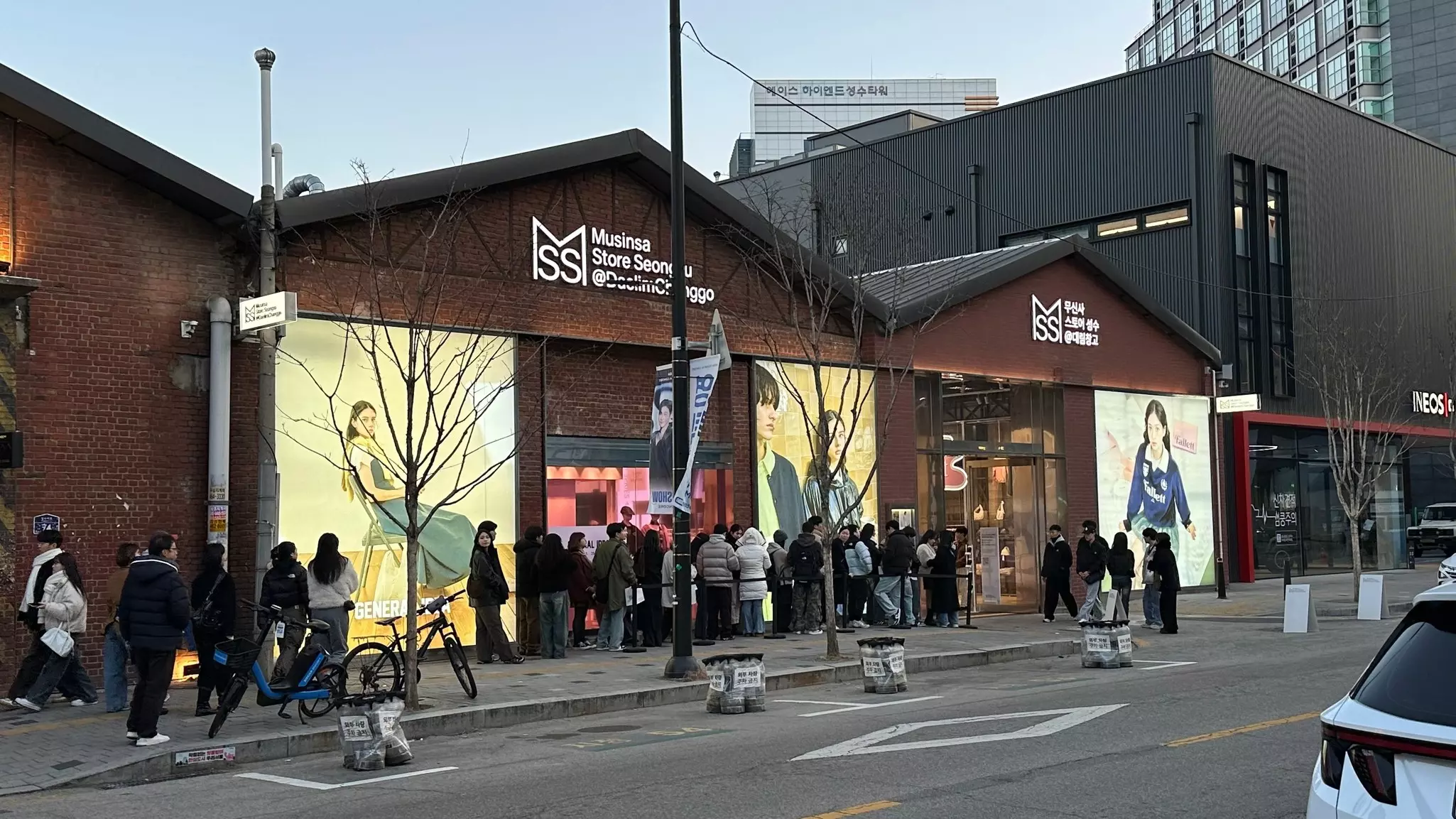
Working factories rub shoulders with repurposed warehouses that now host hip cafes, galleries and vintage stores. It’s slightly gritty, surprisingly industrial – and immensely exciting. Welcome to Seongsu-dong, one of Seoul’s best places for creatives and those looking to find a more relaxed atmosphere than in business-first downtown. The area embraces its nickname of “Brooklyn of Seoul,” as well as its rich shoemaking history (more than half of Korea’s shoemakers are currently based here). It’s also a great district for solo travelers.
Planning tip: Many things to do here are free, like browsing the artwork at the Daelim Changgo warehouse–turned–hip cafe, going on a mural hunt, visiting contemporary art galleries (try Art Project CO and Kabinett), or simply enjoying hikes alongside cute deer in the Seoul Forest.
Graceful sloping roofs, ornate tiles and colorful dancheong (intricate paintwork under the eaves of Korean palaces) come together to create the traditional Korean house, called hanok. Tucked between the Gyeongbokgung and Changdeokgung (Palace of Illustrious Virtue) complexes lies Bukchon Hanok Village, a historic district with hundreds of charming hanok, often used as a backdrop for period movies and shows.

Stay connected abroad with an eSIM
Holafly eSIM provides unlimited mobile data with no hidden fees, giving you peace of mind wherever you travel. Stay connected even after your plan ends with Always On. Use code LONELYPLANET for an exclusive discount.
Lonely Planet may earn a commission from affiliate links on our site. All recommendations and reviews reflect our own independent opinions.
While the village has cafes, teahouses, museums and boutiques, it’s also the site of a handful of hanoks that operate as guesthouses. Sleeping on ondol (heated floors) and walking through kimchi-pot-filled courtyards, guests will get a feel for what life must have been like in old Seoul.
Planning tip: A popular choice is Rakkojae Hahoe Hanok Hotel. Reserve well in advance.
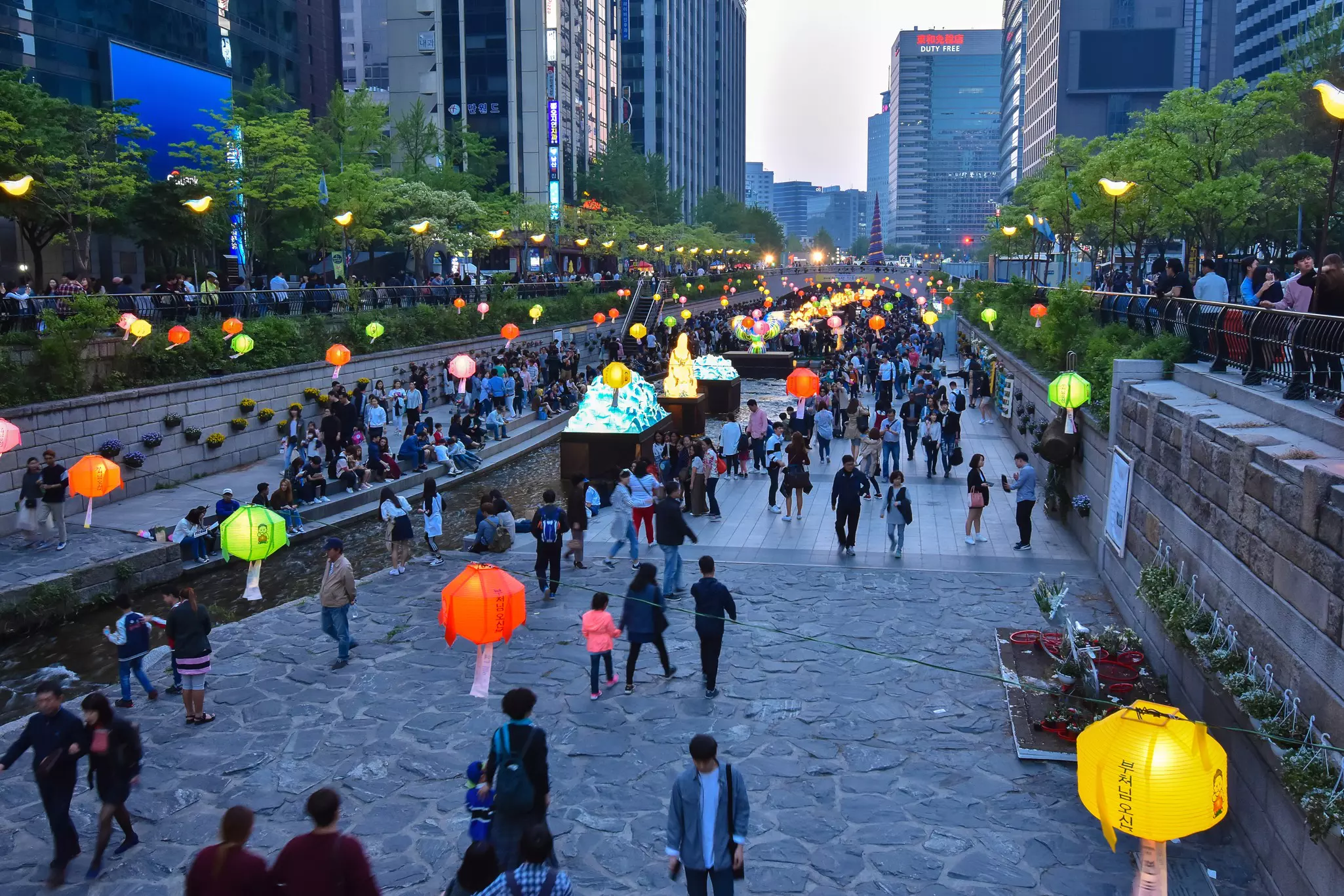
In the heat of summer, nothing beats a walk along Cheong-gye-cheon (Cheong-gye stream). An oasis that unfurls for nearly 11km through the towers of central Seoul, this elegant waterway is today lined with walking paths and trees, and crossed by bridges. The original stream was covered with an elevated highway after the Korean War, before the city undertook an urban renewal project in 2005 to refresh the area and reintroduce the stream to the landscape. Since then, it’s become a popular spot for locals and tourists looking to cool off or take a leisurely break from the city’s hustle and bustle.
A visit to the international border a short distance north of Seoul may well be the most unusual 24 hours you’ll spend on the Korean peninsula. Known as the DMZ (Demilitarized Zone), the 250km border between North and South is one of the world’s most closely guarded borders. Visited on a day trip, it offers quite a contrast to Seoul’s gleaming glitz.
Various outfits, such as DMZ Tours, bring curious onlookers from central Seoul to the border area to catch a glimpse into North Korea from Dora Observatory; explore the Third Infiltration Tunnel (originally dug by North Korean soldiers); and even step into North Korea in the Joint Security Area.
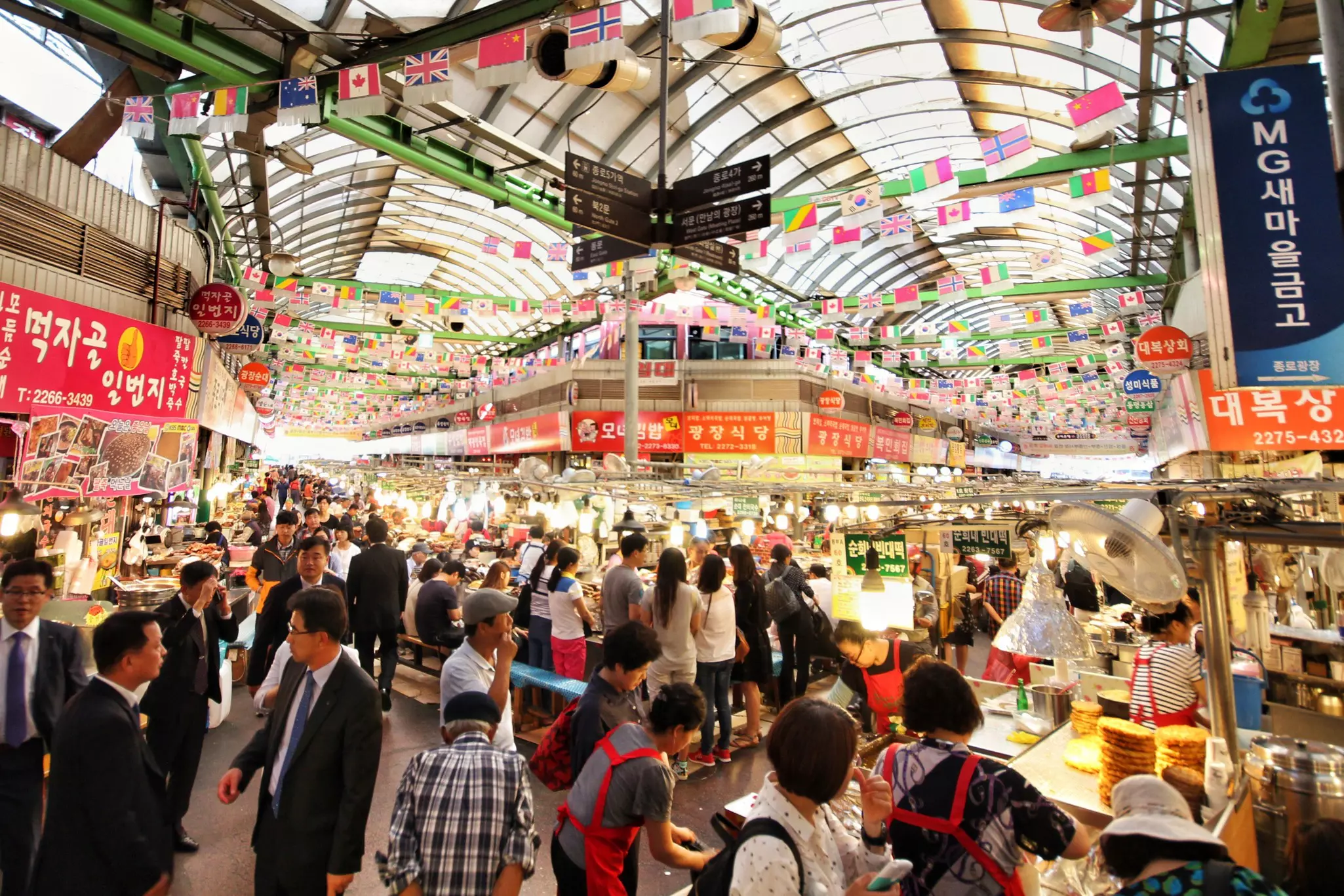
Street food in Seoul is beloved for its spice, variety and affordability – and there’s no better place to try it than Gwangjang Market. Dating from the early 20th century, this covered market has gained a reputation for having some of the best Korean cuisine.
Start with an order of tteokbokki (stir-fried rice cakes in a bright orange spicy sauce), followed by a couple of mandu (dumplings) and a pajeon (savory green onion pancake). For dessert, try hotteok (a pancake filled with brown sugar and cinnamon) or bungeoppang (a fish-shaped pastry filled with sweet red bean paste). Then do it all over again.
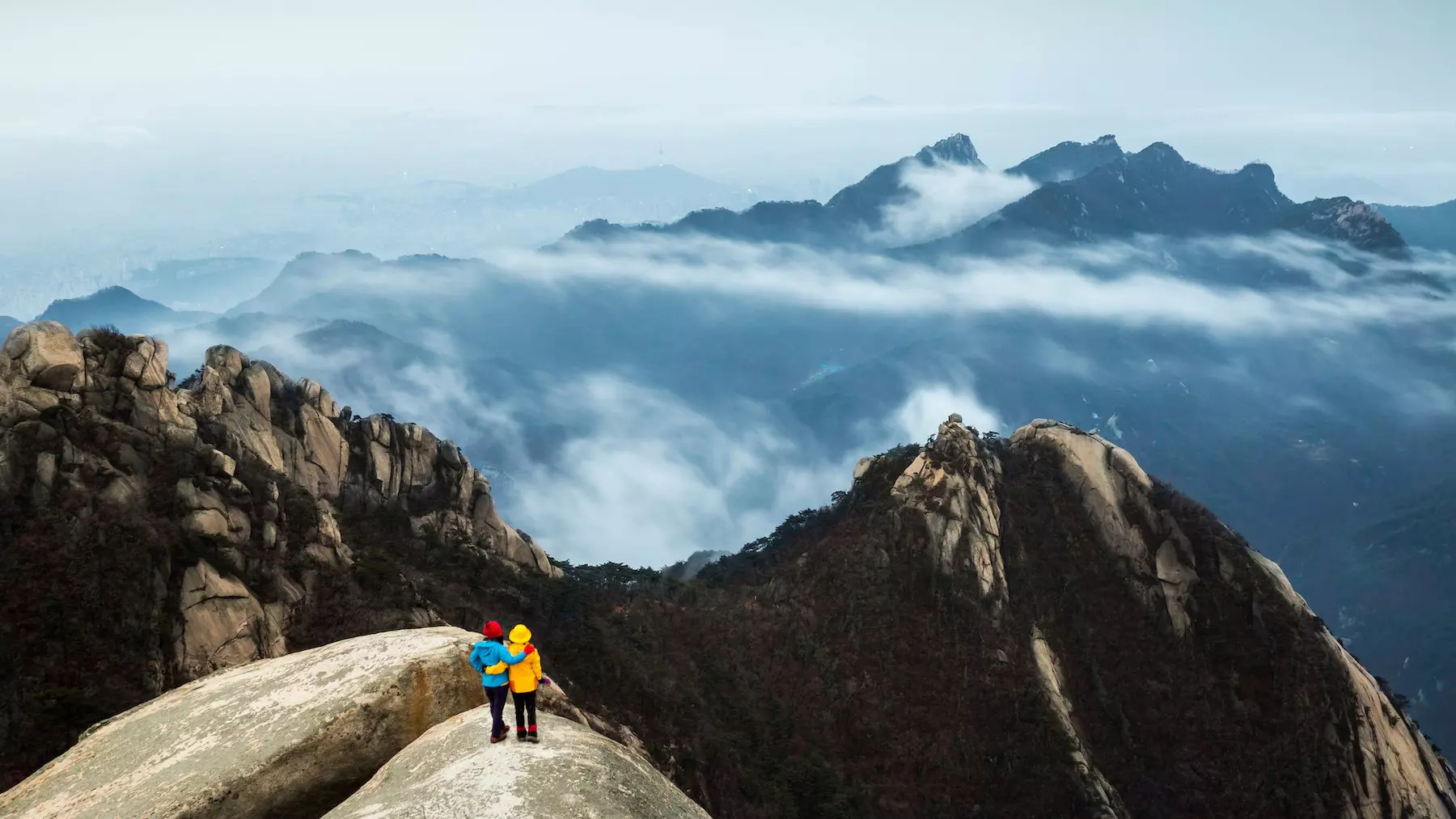
Bukhansan National Park is listed in Guinness World Records as “the most visited national park per unit area” – which is easy to understand, since it lies within Seoul’s city limits and is easily reachable by public transportation. You’ll often see athletic Koreans in colorful hiking gear riding the subway to this spot on weekends.
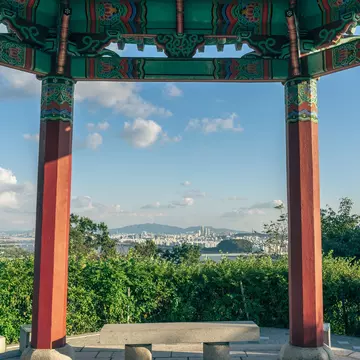
The park covers 80 sq km of jagged peaks, with hiking trails, dozens of storied temples and 1300 species of plants and animals. The 5-hour, 7.6km round-trip hike to the 836m summit of Bukhansan is well worth the effort – with the reward a view of Seoul spreading out in all directions.
Walk down any busy street in the university districts on a Friday or Saturday night and you’re likely to hear distant singing wafting through the air. Chances are it’s not an errant K-Pop band...but rather the raucous merriment of karaoke at a noraebang (singing room). This late-night activity involves private rooms with big-screen TVs, hefty binders of song lists and even disco balls or musical instruments to accompany the sing-along. Top it off with room service of snacks and cocktails, and you have a recipe for a great (if loud) night out.
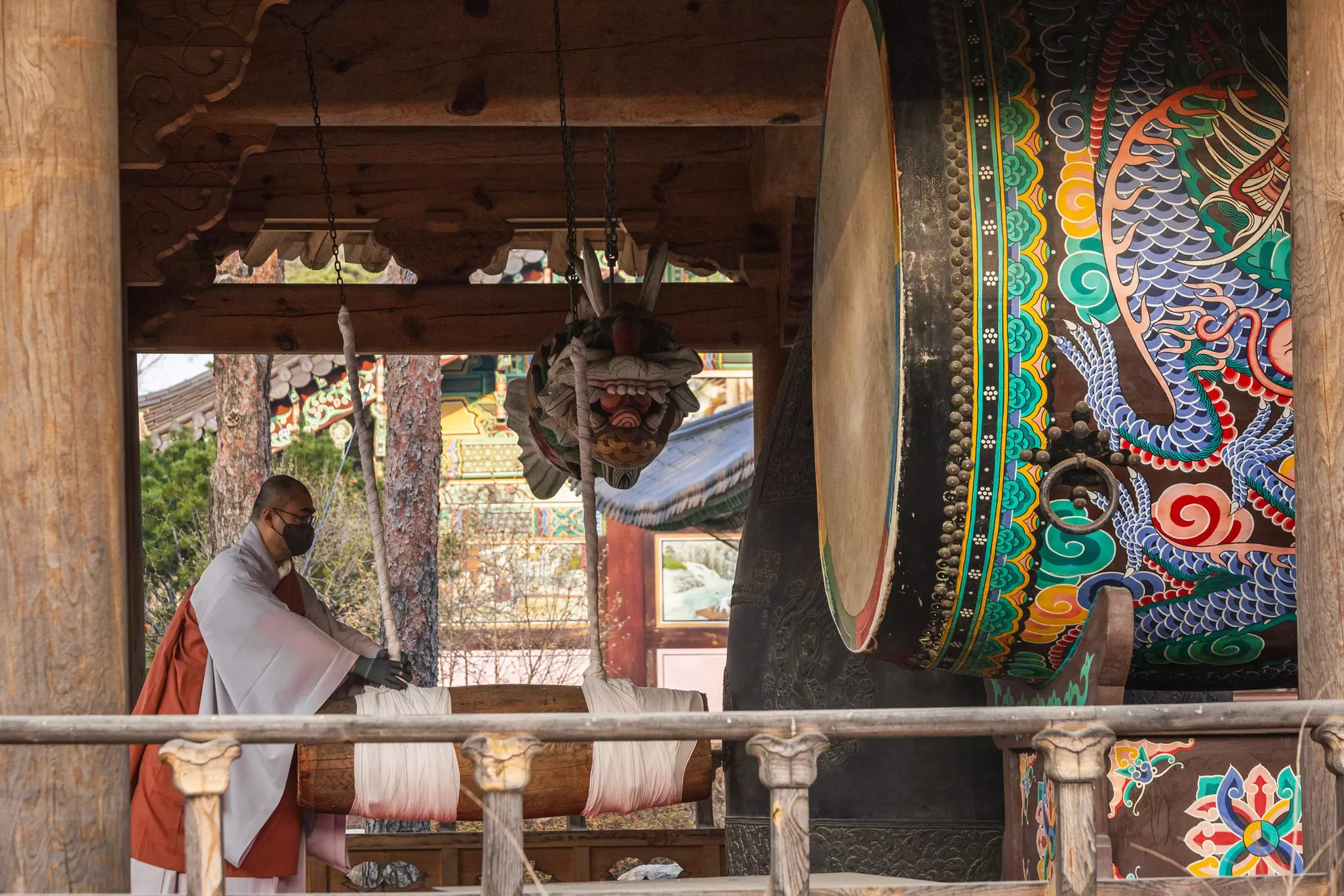
A colossal Buddha statue looks over sleek high-rises at the 8th-century Bongeun-sa. Although most come to snap a photo or two of this iconic attraction, visitors can actually go further by participating in temple life with the monks. Over a weekend, join in vegetarian meals, morning chanting, meditation and even the 108 daily prostrations, all meant to clear the mind and bring you closer to achieving inner peace.
Planning tip: Temple-stay programs are offered at various temples throughout Seoul. Browse and book your stay online.
The traditional Korean beverages soju (a rice-derived spirit) and makgeolli (rice wine) have been respectively distilled and brewed since the 13th century and are the most beloved drinks in this thirsty nation. Soju also has the surprising distinction of being the world’s best-selling spirit, perhaps helped by the fact that a standard bottle often costs less than a bottle of water.
While upmarket small-batch distilleries like Samhae Soju and Hangang Brewery create artisanal varieties, the most common labels, such as Jinro and Seoul Makgeolli, can be happily imbibed at picnic tables found on sidewalks by convenience stores across the city.
Planning tip: Those new to the Korean alcohol scene should check out the Sool Company, which offers tasting tours, brewing classes and special events.
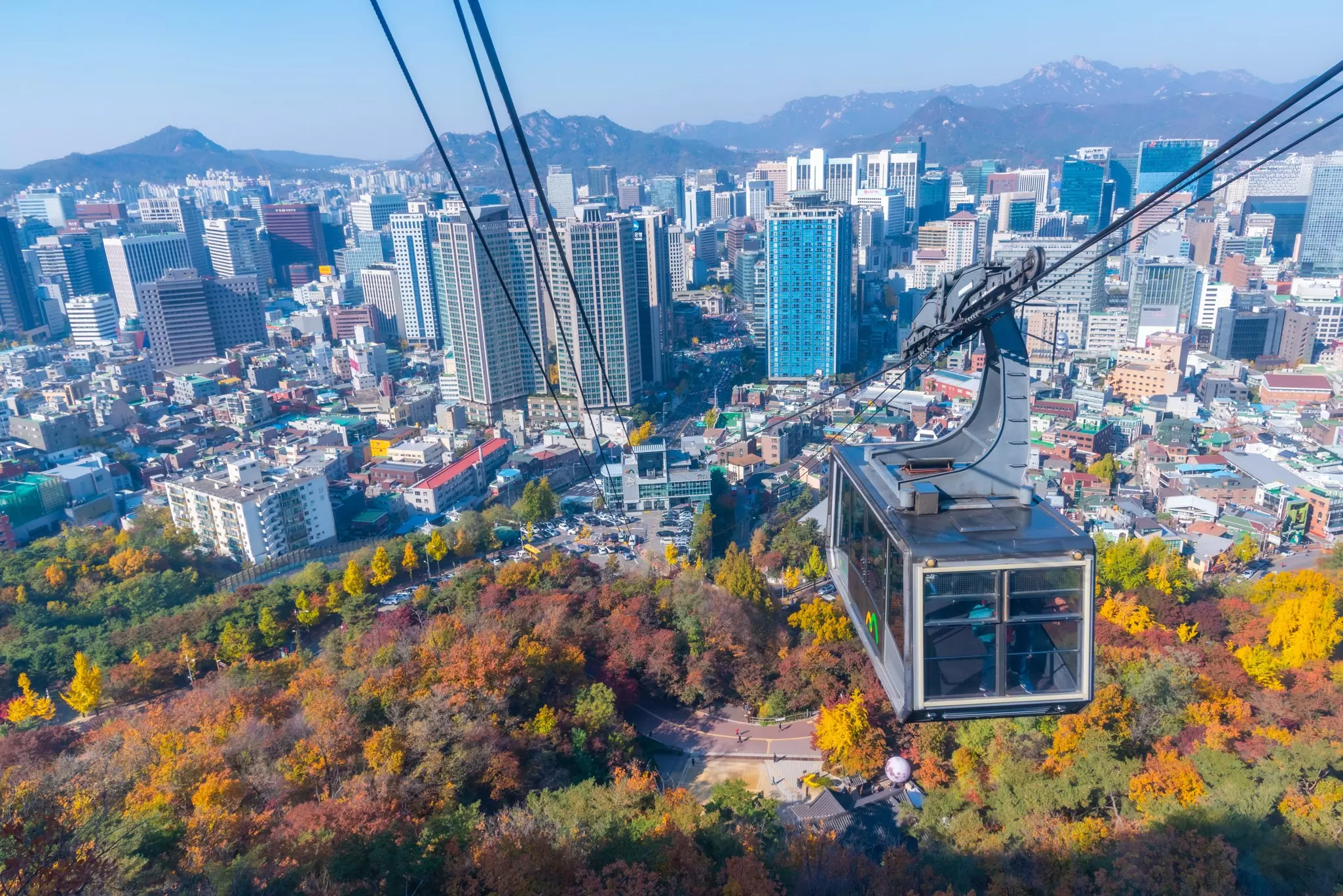
N Seoul Tower, a broadcasting structure from 1969, rises 239m into the sky from its mountain perch above the city. The tower still has active transmission antennas, though today it’s better known for an observation deck that has 360-degree views of the capital. The top of the tower also has a few dining options, including a swanky rotating restaurant serving French fare.
To reach the tower, you can ride the Namsan Cable Car aerial tramway, or hike the meandering trails to the top through Namsan Park.
Detour: For another impressive vantage point, consider the 555m-high Lotte World Tower – home of one of the world’s highest observation decks.
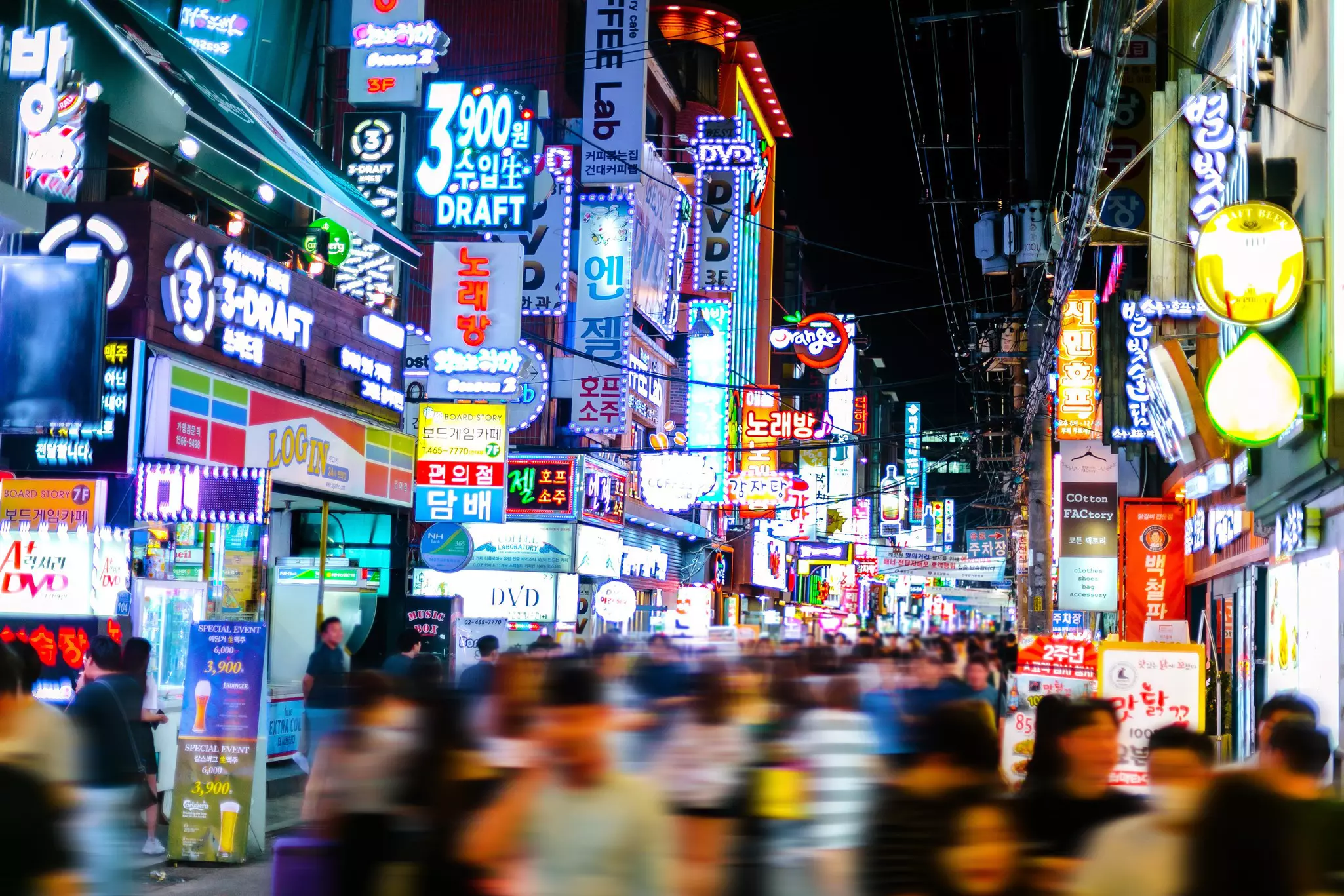
There’s no need to pay entrance fees at glitzy nightclubs to feel the after-dark rhythms of Seoul. Just head to Hongdae – for walking down Hongdae Street after dusk is an experience in itself, as neon lights pulse and bass pumps out of the numerous bars and discotheques. Being in Hongdae is among the most fun things to do at night in Seoul and a thrilling introduction to the capital’s nightlife scene.
Located off Anguk Station, the Seoul Museum of Craft Art (or SeMoCa) brings visitors on an interactive tour throughout centuries of Korean craft, showcasing more than 20,000 items. The free-to-enter museum is set in a contemporary building with open, airy white-clad spaces. Even if you’re not into crafts, come for the fantastic rooftop, which resembles a rolling hill.
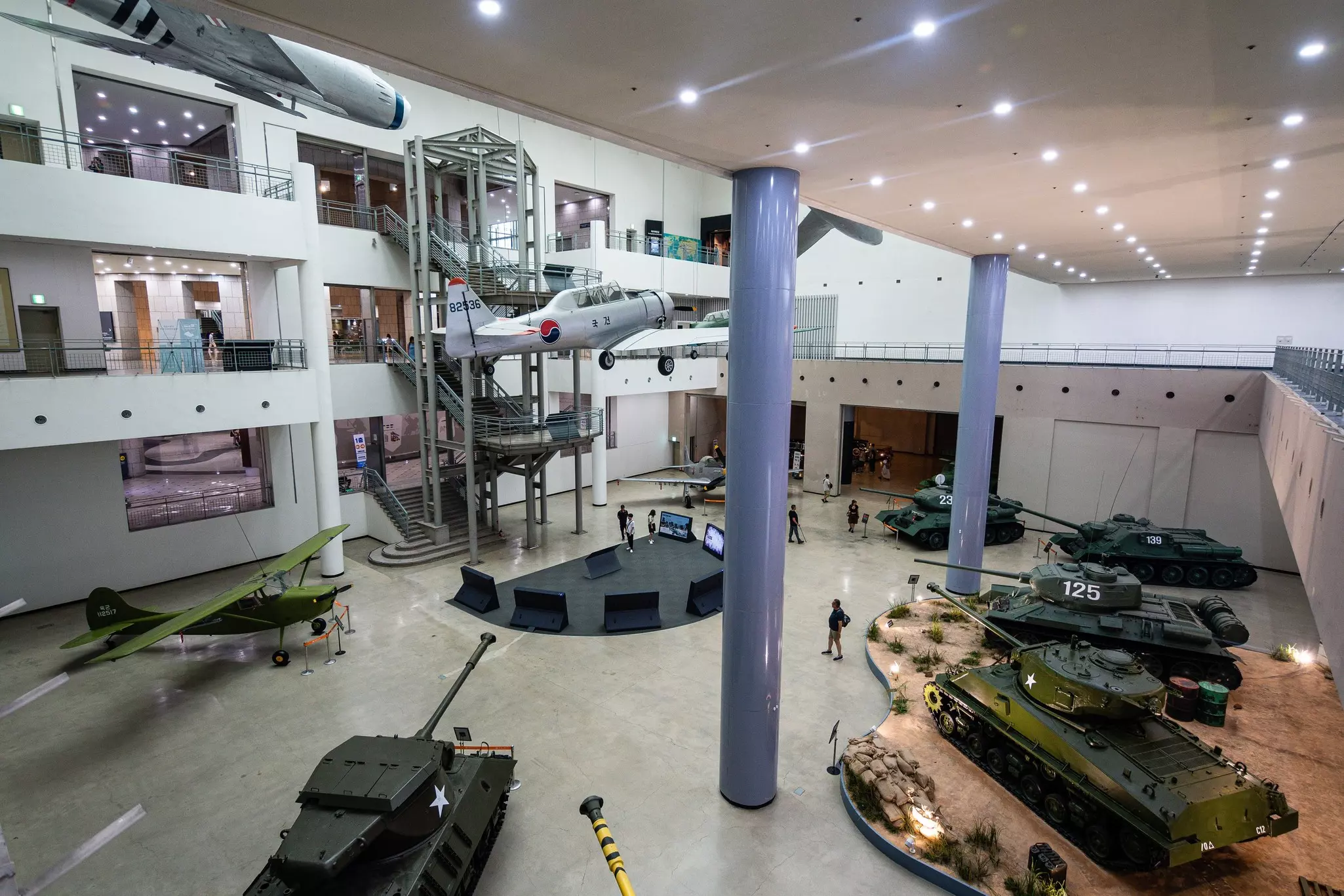
With more than 10,000 artifacts on display, the sprawling War Memorial of Korea contextualizes the military conflict that defined the fate of the Korean peninsula and brought a North–South divide. The history of the Korean War (1950–53) comes alive in a meticulously curated exhibition that includes documentary footage, war-related relics and replicas, and real military equipment like tanks, helicopters and weapons. While it isn’t necessarily an easy or fun visit, coming here is a must to understand Seoul and the Korean past and present better.
Planning tip: The suggested time for exploring the vast memorial is about 3 hours.
The K-pop genre of music has taken the world by storm. Bands like BTS, Blackpink and Twice have legions of fans found on every continent. While attending a favorite artist’s show or buying merch may tax your budget, there’s a place in Seoul that will make your K-pop–loving heart beat faster – and won’t cost you a thing. Located at COEX Mall, K-Pop Square features a ”Gangnam Style“ statue with handprints of many K-pop idols. Also, it hosts a Ktown4u store, where you can lose yourself in a universe of genre-devoted records, merch and events.
Detour: While you’re at COEX, don’t miss another superb Seoul attraction, the dazzling Starfield Library.
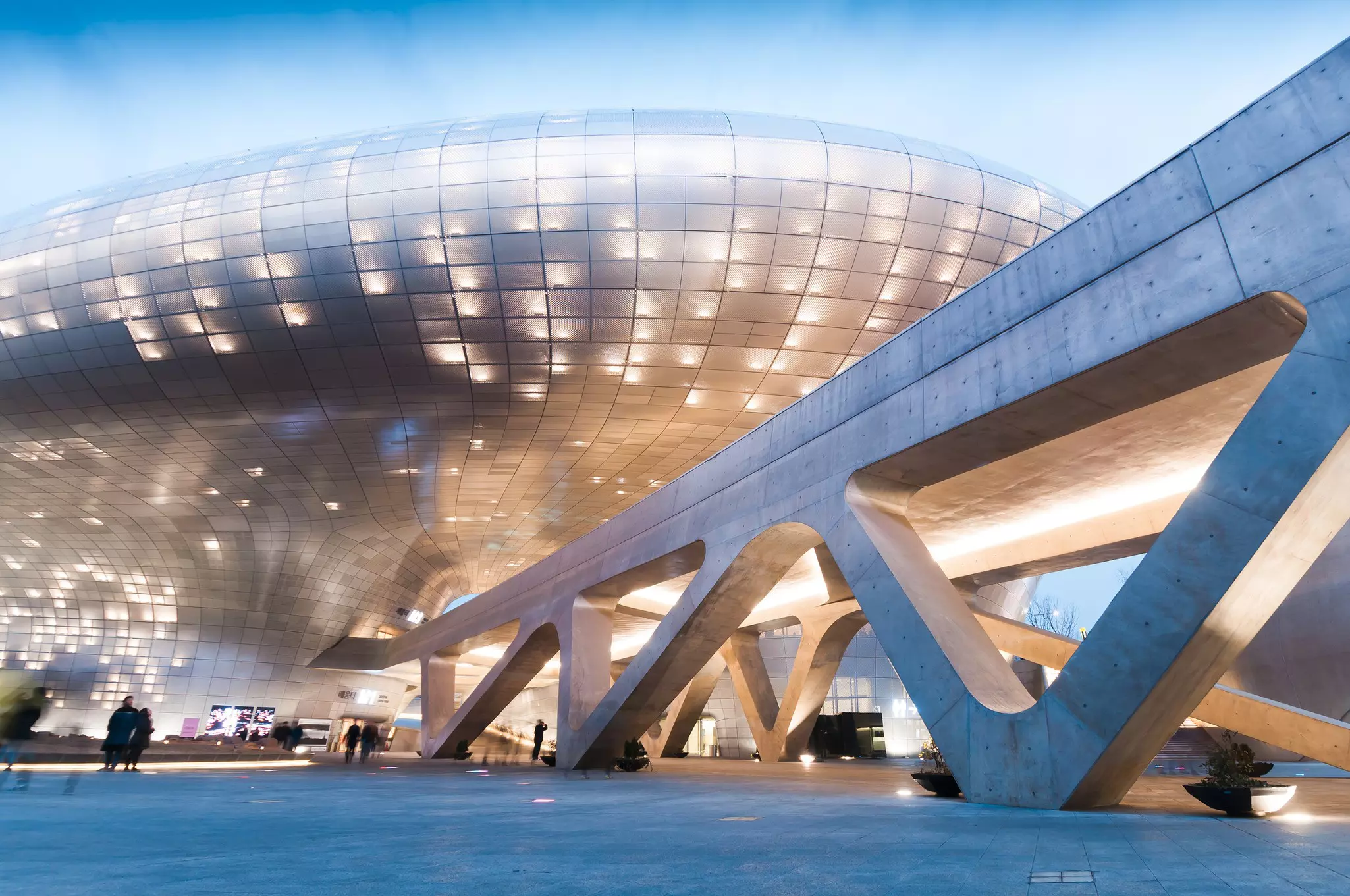
A perfect setting for a sci-fi movie, Dongdaemun Design Plaza is a gargantuan, impressive cultural complex designed by Zaha Hadid. Flowing futuristic aluminum and steel curves meet the ancient stones of the medieval Seoul fortress to a mesmerizing effect. Start at the Dongdaemun History Museum to get the historical context of this megaproject, and look at the preserved arched floodgate Yigansumun.
Planning tip: Head to the rooftop lawns in the evening for superb vistas.
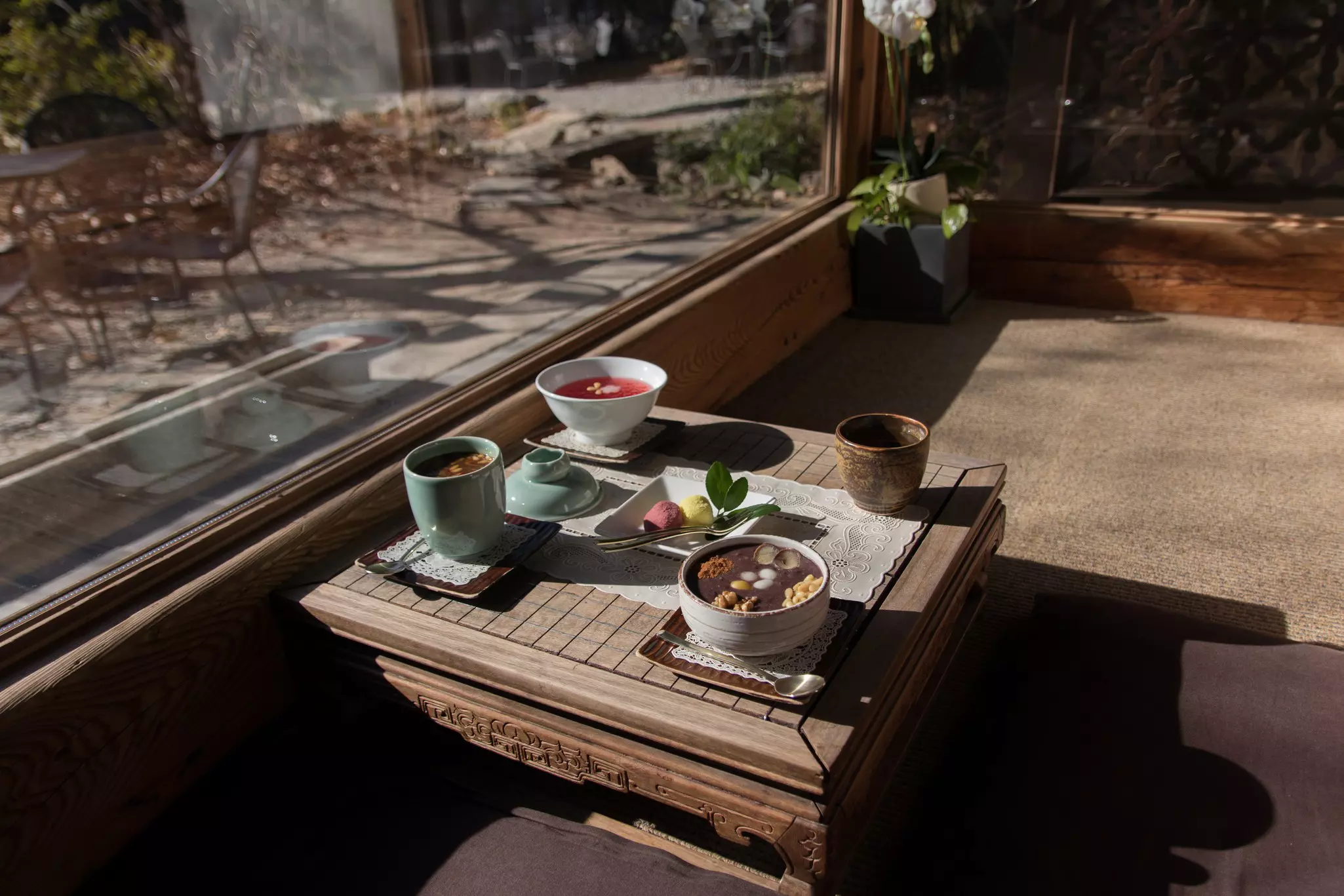
Seoul’s teahouses are islands of calm in the middle of a busy megalopolis, with the chirping of birds, the gentle sound of flowing water and the coziness of wooden architecture delivering nothing but charms. Visiting one (or many) local tea-serving establishments to dip into teahouse culture is an immersion in local ways. The love for tea and the ceremonial character of drinking it was first promoted by the long-ruling Joseon dynasty.
The teahouse culture of modern Seoul is about taking a mindful break and relaxing. In the darye ceremony (etiquette for tea), participants sit on the floor while the drink is poured from a pot called daryeong.
Planning tip: Seoul has hundreds of teahouses, both old and new. Insa-dong is a great neighborhood to make your first acquaintance with the traditions at such places as Shin Tea House and Namusae Tea House.
Explore related stories