
Advertisement
South Korea

Anapji Pond Temples at Sunset, Gyeongju National Park, South Korea. Sinue Serra Images/Shutterstock
Overview
From Seoul's glittering nightlife to Seoraksan National Park's vertiginous hikes, South Korea offers the traveler a dazzling range of experiences, beautiful landscapes and 5000 years of culture and history.
Meet your new travel partner
Stay connected in South Korea
Holafly eSIM provides unlimited mobile data with no hidden fees, giving you peace of mind wherever you travel. Stay connected even after your plan ends with Always On. Use code LONELYPLANET for an exclusive discount.
Take your South Korea trip with Lonely Planet Journeys
Pick one of our ready-to-book trips or fully customize your own with help from our local experts.
bookable trip
South Korea: Seoul, Jeju-do, and Busan in 13 Days
highlights
- 1Touring Korea’s demilitarized zone (DMZ) at the border of North and South Korea
- 2Learning how to cook South Korean staples, from bulgogi to bibimbap, during a chef-led workshop
- 3Visiting Gyeongju’s ancient temples and royal tombs on a day trip from Busan
from $4,690
per person

Must-see attractions
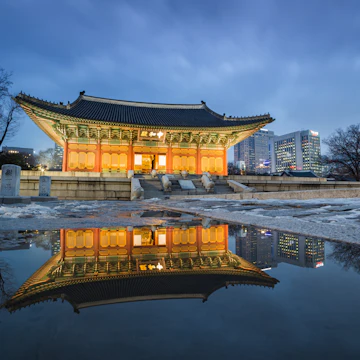 Attraction in Myeong-dong & Jung-guDeoksugung
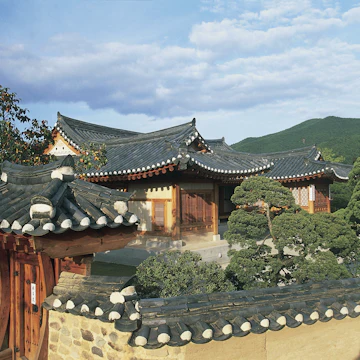 Attraction in Gyeongsangbuk-doHahoe Folk Village
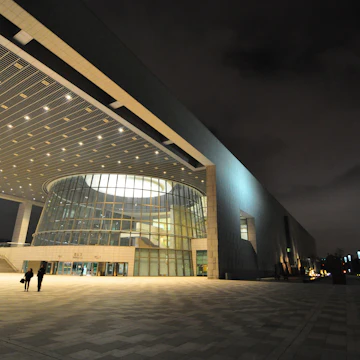 Attraction in Itaewon & Yongsan-guNational Museum of Korea
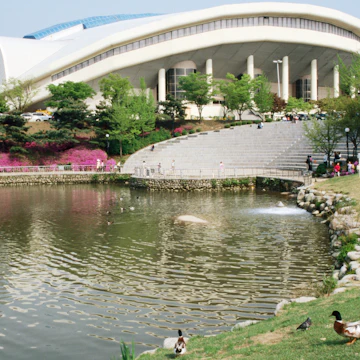 Attraction in Gangnam & Southern SeoulOlympic Park
 Attraction in Itaewon & Yongsan-guWar Memorial of Korea
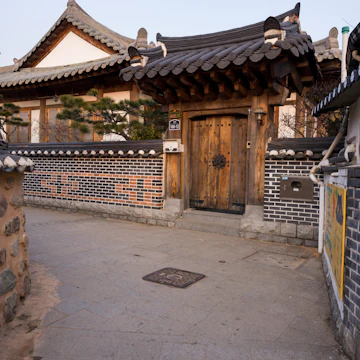 Attraction in JeonjuJeonju Hanok Maeul
 Attraction in Gangnam & Southern SeoulBongeun-sa

Advertisement
Planning Tools
Expert guidance to help you plan your trip
Best Things to Do
Though it's possible to go from mountaintop to megacity – and back again – in a single day, lingering in these top spots in South Korea is ample reward.
Read full article
Best Time to Visit
South Korea's seasons bring exciting events and festivals, as well as action-packed activities. Here's how to decide when you should go there.
Read full article
Things to Know
With some of the best public transport in the world, South Korea is a gift to travelers. Here's what you need to know about getting around when you arrive.
Read full article
Transportation
With some of the best public transport in the world, South Korea is a gift to travelers. Here's what you need to know about getting around when you arrive.
Read full article
Visa Requirements
Do you need a visa to enter South Korea? Read our guide to find out.
Read full article
Best Road Trips
South Korea might not leap out as the obvious place for a road trip, but the back roads reveal a different side to the peninsula. Here are our top trips.
Read full article
Money and Costs
Globehunters has compiled a report to select the world’s top backpacking hotspots in relation to safety, value and internet access.
Read full article
5 Shops
K-beauty is riding high on the cultural wave. Here are the best products to buy in Korea and where to buy them.
Read full article
Accessibility
With some of the best public transport in the world, South Korea is a gift to travelers. Here's what you need to know about getting around when you arrive.
Read full article
Get Connected
South Korea has nationwide 4G coverage and widespread wi-fi. Get connected with these mobile tips.
Read full article
Advertisement
Get a book. Get inspired. Get exploring.
in partnership with getyourguide
Book popular activities in South Korea
South Korea and beyond
 destinationSeoul
 destinationMyeong-dong & Jung-gu
 destinationGangnam & Southern Seoul
 destinationItaewon & Yongsan-gu
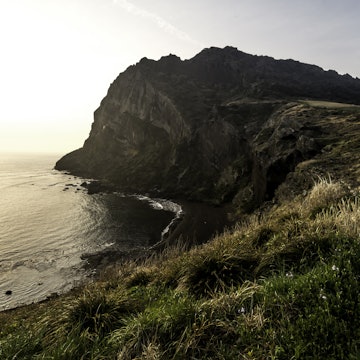 destinationJeju-do
 destinationGyeongsangbuk-do
 destinationGangwon-do
 destinationJeollanam-do
Advertisement