South Africa
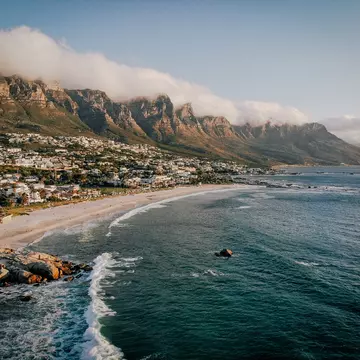
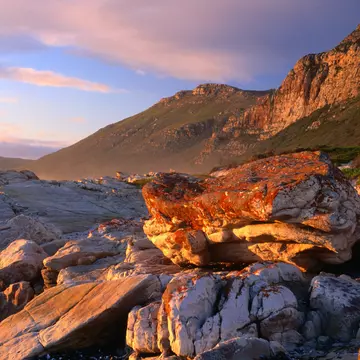
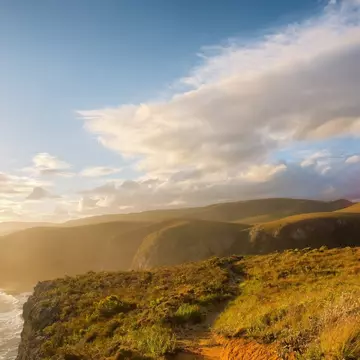
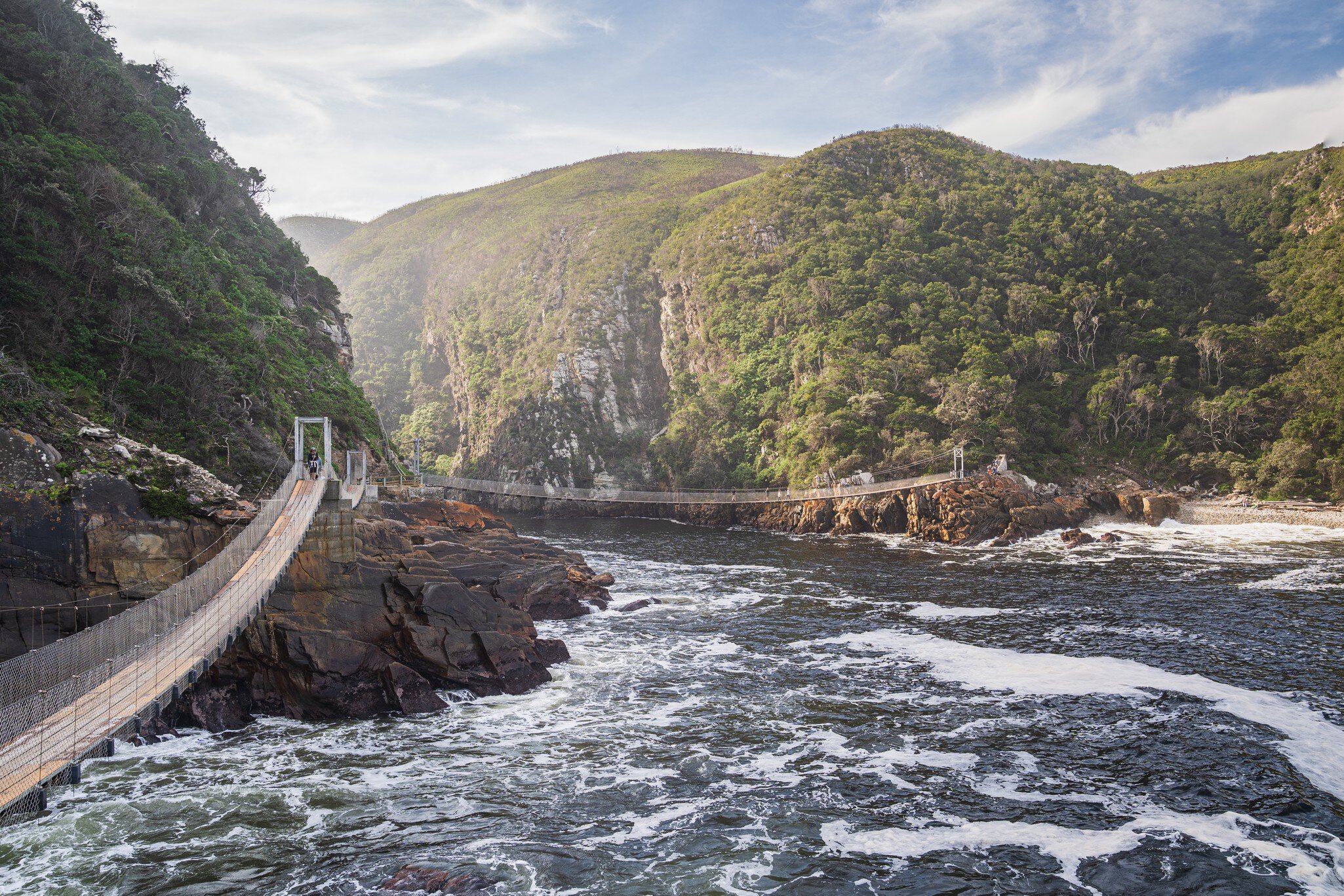
Black-maned lions framed against desert dunes, powdery beaches lapped by two oceans, star-studded night skies, jagged mountains – South Africa is the place to go wild.
Andreas Marcus Lehnert/Shutterstock
Latest Stories
- Barbara Noe Kennedy | May 23, 202619 of the Best Beaches in South Africa
- Roxanne de Bruyn | Dec 3, 20259 Unforgettable Places to See in South Africa
- Barbara Noe Kennedy | Nov 17, 202516 Best Things to Do in South Africa
- Jenny Walker | Oct 22, 2025A Guide to Kruger National Park, South Africa
Book
Trip 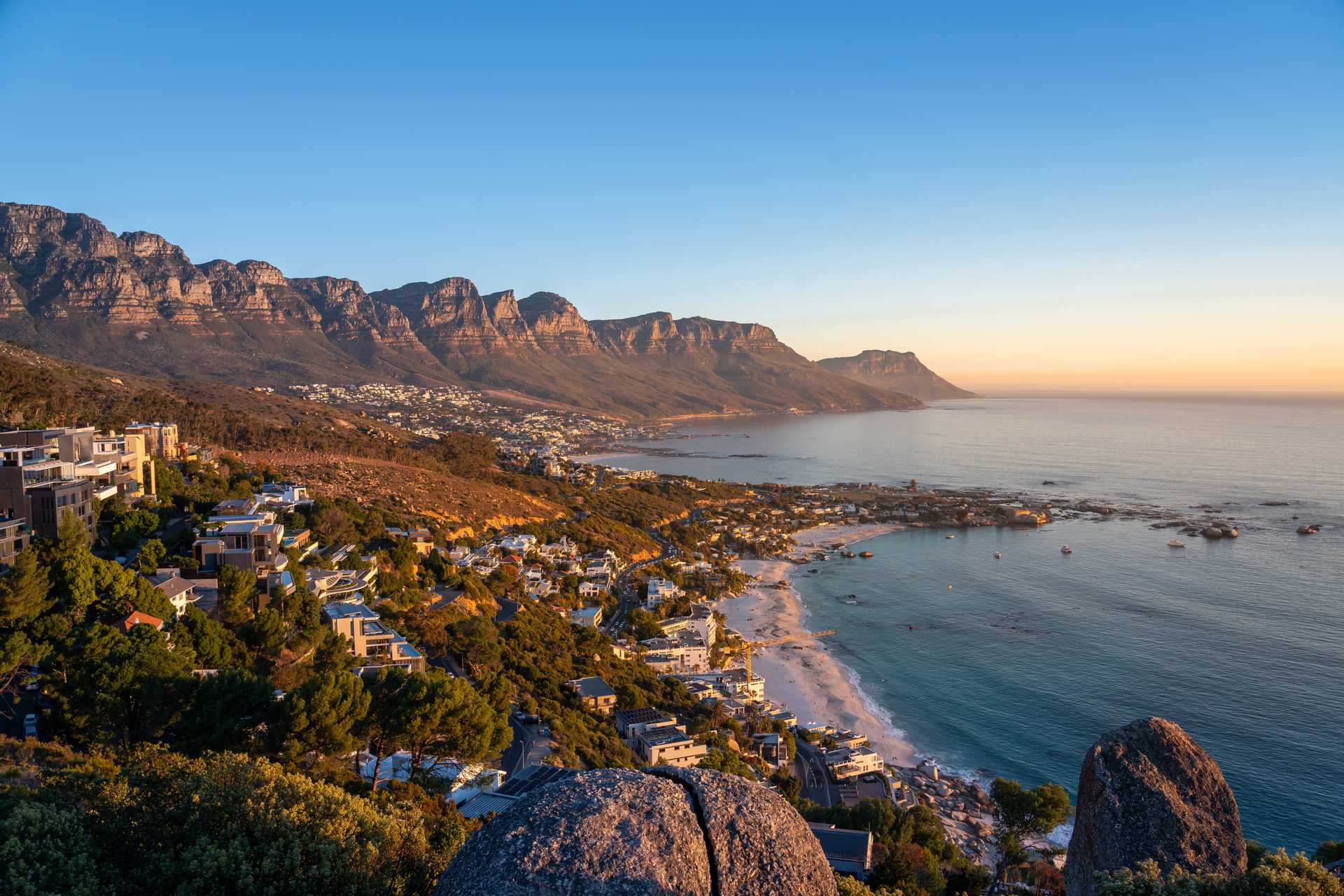

Trusted Partner
Stay connected in South Africa
Holafly eSIM provides unlimited mobile data with no hidden fees, giving you peace of mind wherever you travel. Stay connected even after your plan ends with Always On. Use code LONELYPLANET for an exclusive discount.
Lonely Planet may earn a commission from affiliate links on our site. All recommendations and reviews reflect our own independent opinions.
Book your South Africa trip with Lonely Planet Journeys
See South Africa how it's meant to be seen
Planned by local experts and tailored to you, Lonely Planet Journeys handles the logistics so you can just enjoy the trip. Tell us what you want and we'll build your South Africa itinerary from scratch, or browse our bookable trips to get inspired.
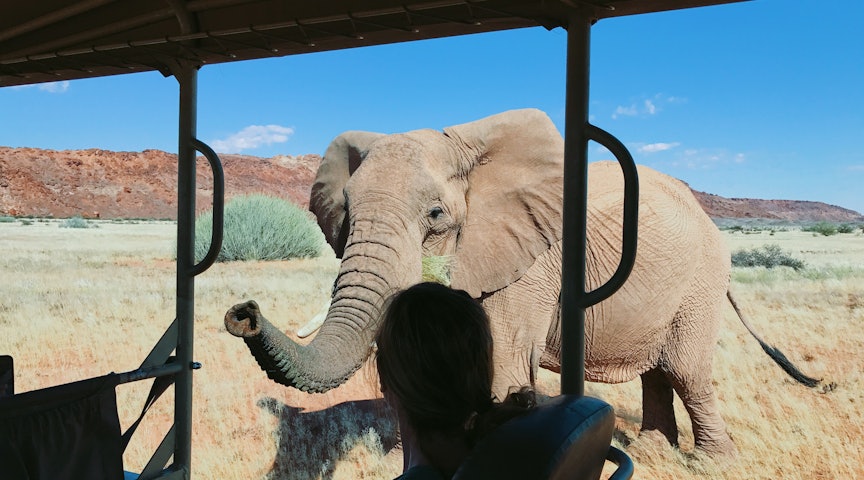

Top places to visit in South Africa
Discover the best attractions in South Africa from must-see sights to unexpected hidden gems.
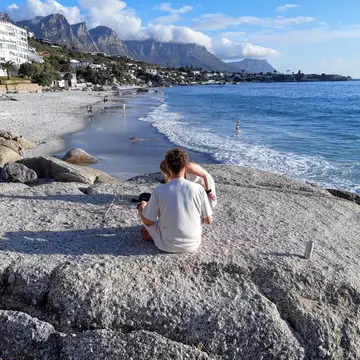
- Attraction in Sea Point to Hout BayClifton 1st Beach
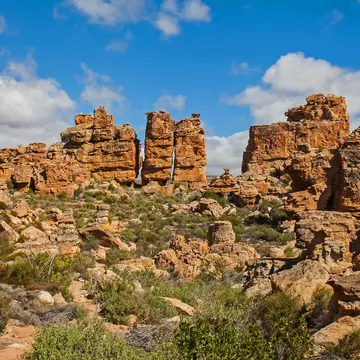
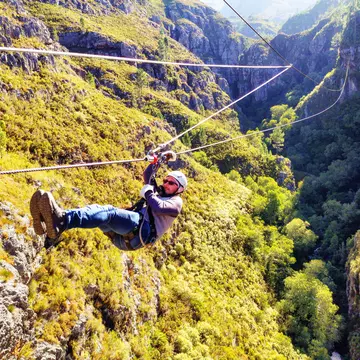
- Attraction in South AfricaCederberg Wilderness Area
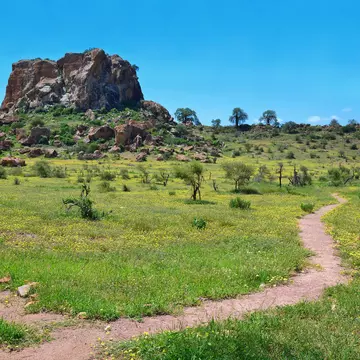
- Attraction in South AfricaMapungubwe National Park
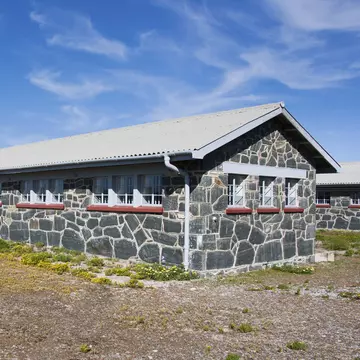
- Attraction in Cape TownRobben Island
-
 Attraction in South AfricaGarden Route National Park (Wilderness Section)
 - Attraction in South AfricaGoukamma Nature Reserve
- Attraction in South AfricaWest Coast Fossil Park
- Attraction in South AfricaHottentots Holland Nature Reserve
Travel Guides
South Africa travel tips from Lonely Planet experts
Find practical guidance from our team of contributors around the world who bring their decades of first-hand travel experience to your next trip.
Best Things to Do
From safari to wine tasting, experience the best of South Africa with these top things to do.
Read full article
Best Time to Visit
South Africa's vibrant festival calendar and annual migrations for its diverse wildlife give you much to explore. Here's the right time to visit.
Read full article
Things to Know
South Africa features world-class surf breaks, magnificent wildlife and eclectic local cuisine. Here are tips on planning, etiquette, safety and more.
Read full article
Transportation
South Africa's vast size can make getting around a little tricky. Plan your route and transportation with this guide.
Read full article
Best Road Trips
South Africa offers a patchwork of landscapes that make for exceptional road trips. Here are three of the best road trips to take in South Africa.
Read full article
Money and Costs
With a bit of planning, it’s possible to keep costs manageable and still experience the best of South Africa.
Read full article
Traveling with Kids
South Africa has plenty to offer families, from safari experiences to resort stays. Here are the best kid-friendly experiences.
Read full article
Best Places to Visit
A country of astonishing diversity, South Africa will cater to you no matter what kind of traveler you are. Here are a few essential places to visit.
Read full article
Get a book. Get inspired. Get exploring.
in partnership with getyourguide
Book popular activities in South Africa
Lonely Planet may earn a commission from affiliate links on our site. All recommendations and reviews reflect our own independent opinions.
South Africa and beyond
- destinationCape Town
-
 destinationSea Point to Hout Bay
 - destinationWestern Cape
- destinationKwaZulu-Natal
- destinationJohannesburg
- destinationKruger National Park
- destinationDurban
- destinationGarden Route