Slovenia
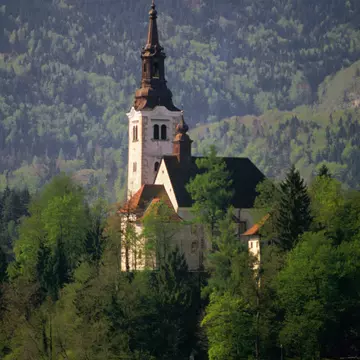
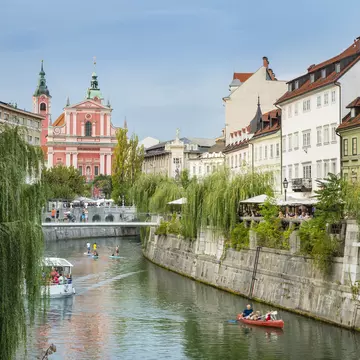
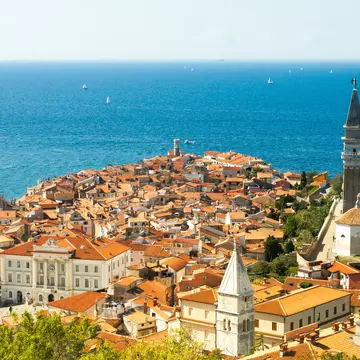
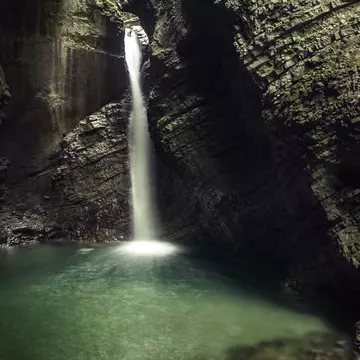
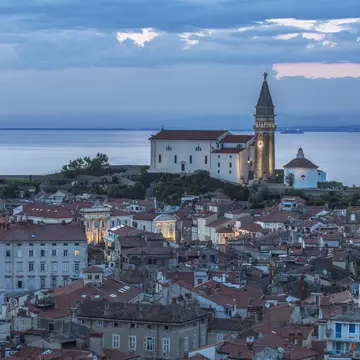
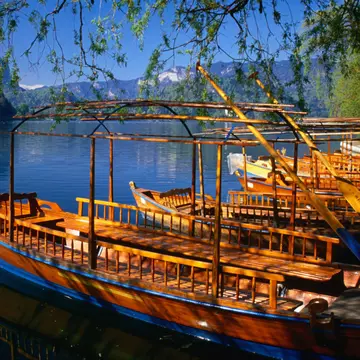
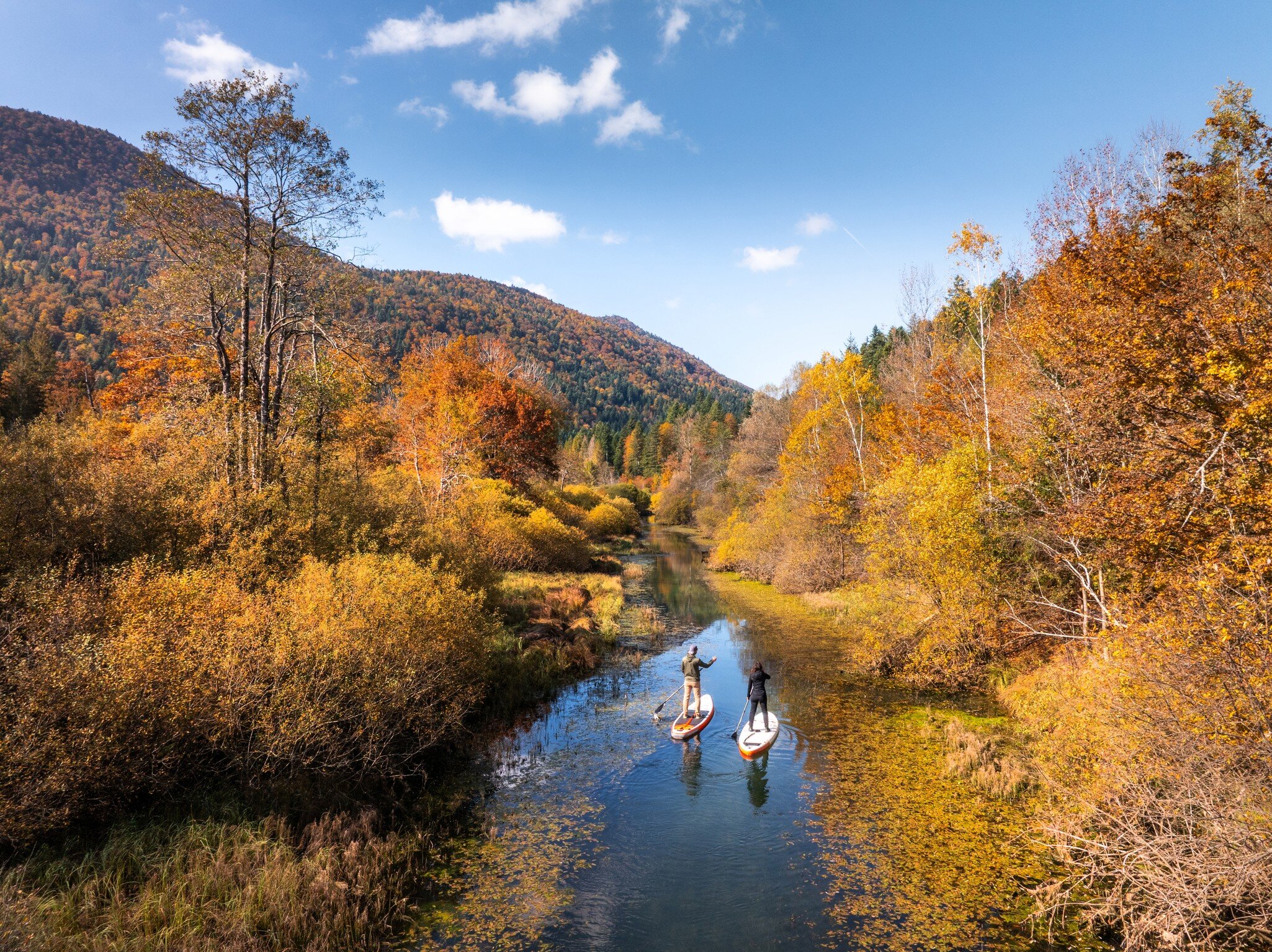
Slovenia pairs mountain scenery and forest trails with historic towns and memorable food. In autumn, explore Central Slovenia’s medieval streets in Škofja Loka and Kamnik, walk through woodland turning gold and settle in for štruklji, comforting cheese-filled dumplings.
Courtesy of the Slovenia Tourist Board
Latest Stories
- Mark Baker | Aug 6, 20268 Best Places to Visit in Slovenia
- Alex Crevar | Nov 26, 202511 Things to Know Before Traveling to Slovenia
- Alex Crevar | Aug 26, 2025The 12 Best Things to Do in Slovenia
- Alex Crevar | May 4, 2024The Best Ways to Travel Around in Slovenia
Book
App

Book your Slovenia trip with Lonely Planet Journeys
See Slovenia how it's meant to be seen
Planned by local experts and tailored to you, Lonely Planet Journeys handles the logistics so you can just enjoy the trip. Tell us what you want and we'll build your Slovenia itinerary from scratch, or browse our bookable trips to get inspired.


Top places to visit in Slovenia
Discover the best attractions in Slovenia from must-see sights to unexpected hidden gems.
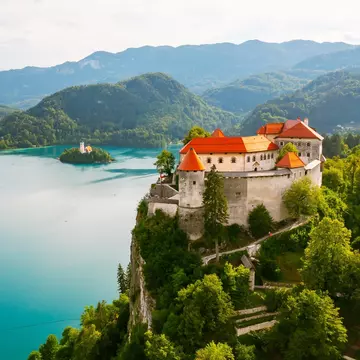
- Attraction in SloveniaBled Castle
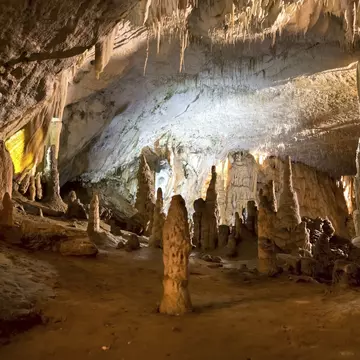
- Attraction in SloveniaPostojna Cave
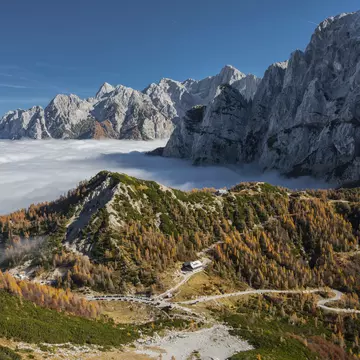
- Attraction in SloveniaVršič Pass
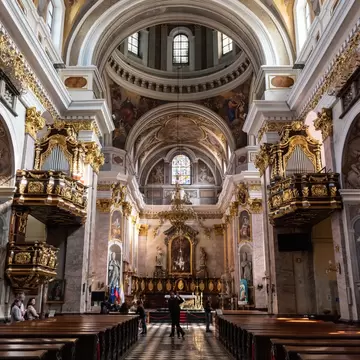
- Attraction in LjubljanaCathedral of St Nicholas
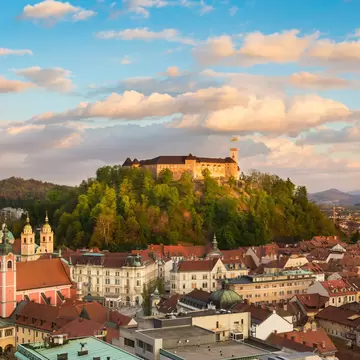
- Attraction in LjubljanaLjubljana Castle
-
 Attraction in SloveniaStična Cistercian Abbey
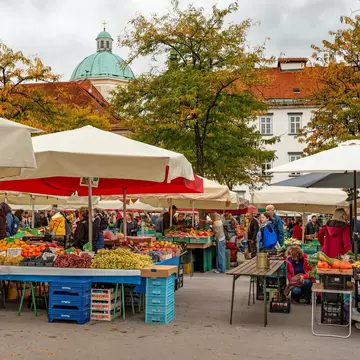
 - Attraction in LjubljanaCentral Market
-
Travel Guides
Slovenia travel tips from Lonely Planet experts
Find practical guidance from our team of contributors around the world who bring their decades of first-hand travel experience to your next trip.
Best Things to Do
From history-themed journeys to fabulous wine tours and gorgeous hikes, you'll find it all in Slovenia. Here's our top 12 things to do.
Read full article
Best Time to Visit
A trip to Slovenia could include snowshoeing, lake swims, spa days, sensational wine and so much more. Here’s our guide to the best times to visit.
Read full article
Things to Know
Plan the perfect trip to Slovenia with these tips on booking, packing and activities.
Read full article
Transportation
Make the most of Slovenia's approach to sustainable travel with this guide to getting around.
Read full article
Best Road Trips
Take a driving or cycling tour through Slovenia with these top routes.
Read full article
Money and Costs
With affordable public transport, great food markets and discount cards, a visit to Slovenia needn't blow up your budget.
Read full article
Best Places to Visit
Fun-size Slovenia – hiding in plain sight – is there waiting for you to walk on Alpine trails, kayak in glacial waterways and visit world-class winemakers.
Read full article
Get a book. Get inspired. Get exploring.
in partnership with getyourguide
Book popular activities in Slovenia
Lonely Planet may earn a commission from affiliate links on our site. All recommendations and reviews reflect our own independent opinions.
Slovenia and beyond
- destinationThe Julian Alps
- destinationLjubljana
- destinationSlovenian Coast
- destinationSoča Valley
- destinationPiran
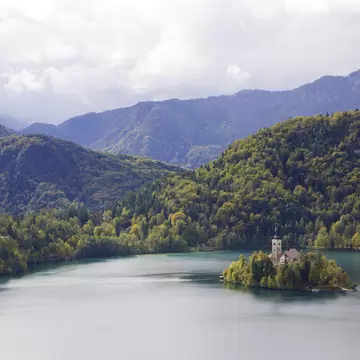
- destinationLake Bled
-
 destinationTriglav National Park
 - destinationMaribor