Interested in contributing to Lonely Planet? Please read our guidelines below for a sense of what we’re looking for and the kinds of content we publish across our products. We are not currently accepting unsolicited pitches for Inspiration & Gift titles or articles on lonelyplanet.com.
Destination Experts (Print & Digital)
Our readers are interested in traveling conscientiously to encounter story-worthy, life-changing experiences away from the everyday – things to do, learn and see that change their perspective and immerse them in the moment.
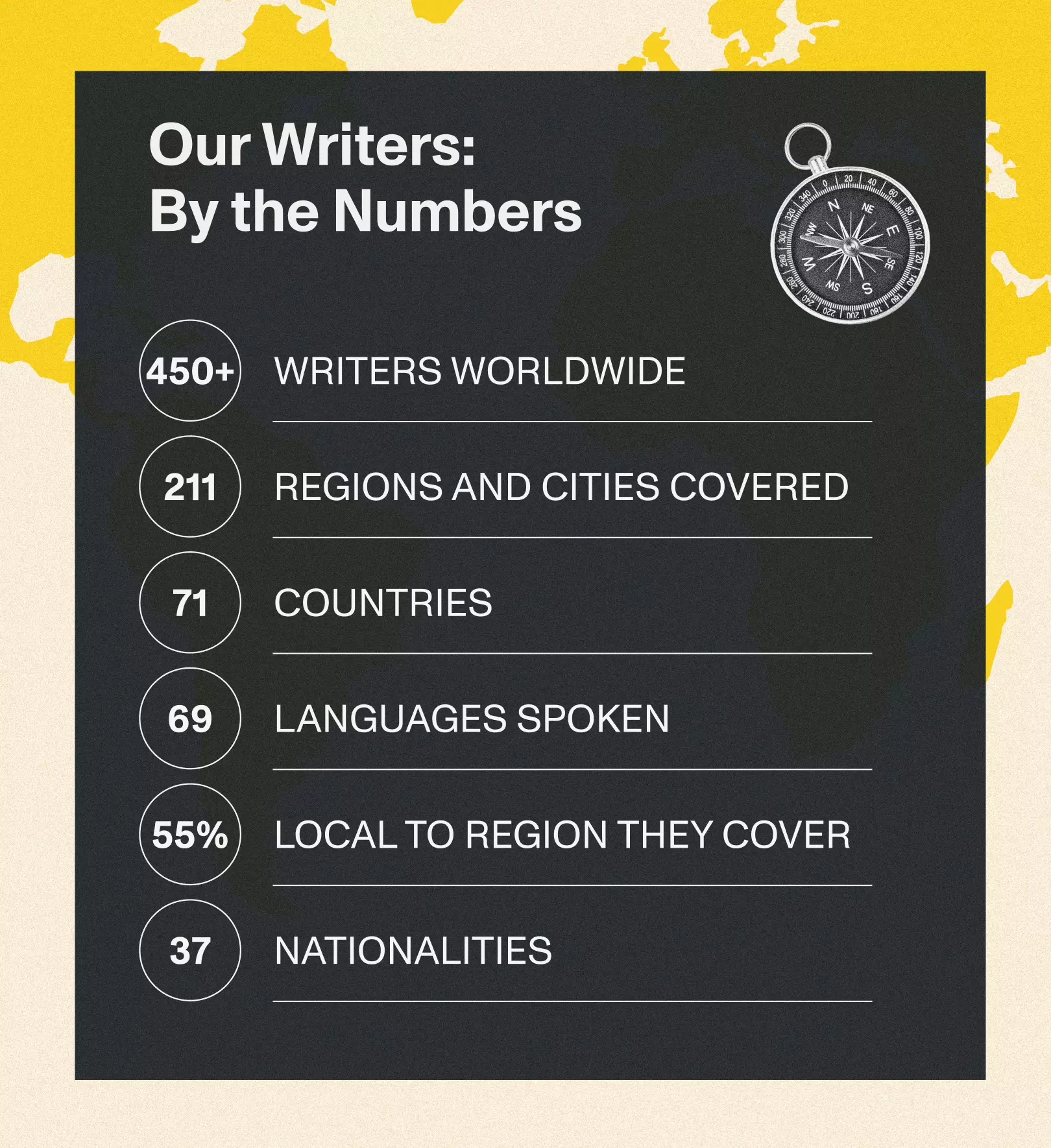
We are always looking to expand our network of destination experts, and love to hear from and meet brilliant travel writers with a deep love for and knowledge of destinations around the globe. We want writers who have a point of view and a unique voice, who understand that travel should be accessible to everyone and who can help guide travelers from all over the world have fun and unforgettable travel experiences. Whether you’re a local or a seasoned visitor, your expertise is paramount.
These projects could include online articles on the best museums in Madrid, the best food experiences in Chiang Mai or Alaska’s essential things to do, as well as the latest guidebook chapter on Tokyo or the Algarve, a chapter on a destination’s travel nuts and bolts or a guidebook essay on Italian cinema.
How to become a Lonely Planet contributor
Digital: We are not currently accepting unsolicited pitches for articles on lonelyplanet.com.
Print: Guidebook writers must complete a test that all our print contributors have to pass with flying colors. If you want to apply, please fill out the Destination Expert & Guidebook Writer Application Form. Please note that, due to the high volume of applications we receive, we will only be in touch if your skills and experience match our needs.
We particularly welcome applications by writers from backgrounds and communities that have been traditionally underrepresented in travel writing.
We are not currently accepting unsolicited pitches for Inspiration & Gift titles.
Contributing to Lonely Planet’s social accounts
The Lonely Planet social team is not accepting pitches. If you are interested in contributing social content on an ongoing basis, you can learn more about our Correspondents Network here.
Submitting photos or photo portfolios
The Lonely Planet photo team keeps a broad and regularly updated list of photographers from around the world. We’re interested in existing projects, travel pitches, and getting to know you as a photographer: Where are you based, where are you going, what do you love to photograph? You can contact the photo team at photos@lonelyplanet.com. Anything submitted to this email address is for consideration only and we will reach out if we’re interested in licensing it or working with you for any form of publication. We pay for both pick-up photography and original assignments.
Other things to know
Digital article rates
Rates start at $300 per article, depending on word count, research required, interviews, photo sourcing, etc. We may increase rates based on the writer’s experience, access, amount of reporting involved and stories about communities that have often been overlooked in travel coverage.
Print fees
Fees are calculated to cover things like travel and research costs (our writers are not permitted to accept free or discounted services in exchange for coverage, positive or otherwise), time spent researching and time spent writing. Fees for guidebook projects vary widely depending on a number of factors, including, for example, research destination, time spent on the road, and writer abode and expertise; we go to great lengths to ensure our fees are sufficient and fair.
Payment terms and process
We strive to pay promptly. Our editorial team works to approve payment upon acceptance of the submission (often this might be after a revision or two), and our finance team is committed to net 30 payment terms upon receipt of invoice.
Copyrights
In most cases, our contracts grant Lonely Planet an irrevocable, royalty free right and license to edit, alter, translate, publish, reproduce and communicate the Work (including in posts on social media) worldwide, in any and all media, in perpetuity for any purpose and the right to sub-licence these rights to third parties, including international publishing partners.
Press trips and free travel
We recognize that press trips and hosted stays are often a necessity for writers to generate stories, familiarize themselves with destinations and make contacts. We do occasionally consider article pitches based on past press trips, but we ask that any pitch based on a press trip be flagged in the initial pitch. Coverage and recommendations based on press trips or any type of free or discounted products or services are not permitted in our guidebooks.