Portugal
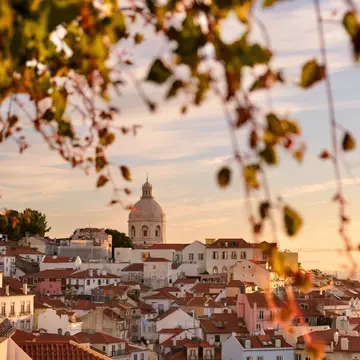
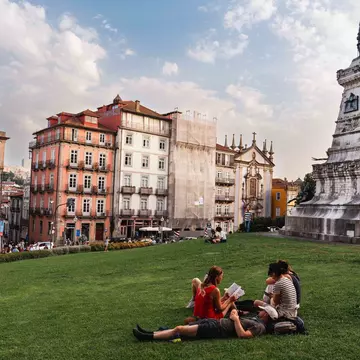
Medieval castles, cobblestone villages, captivating cities and golden beaches: the Portugal experience can be many things. History, great food and idyllic scenery are just the beginning.
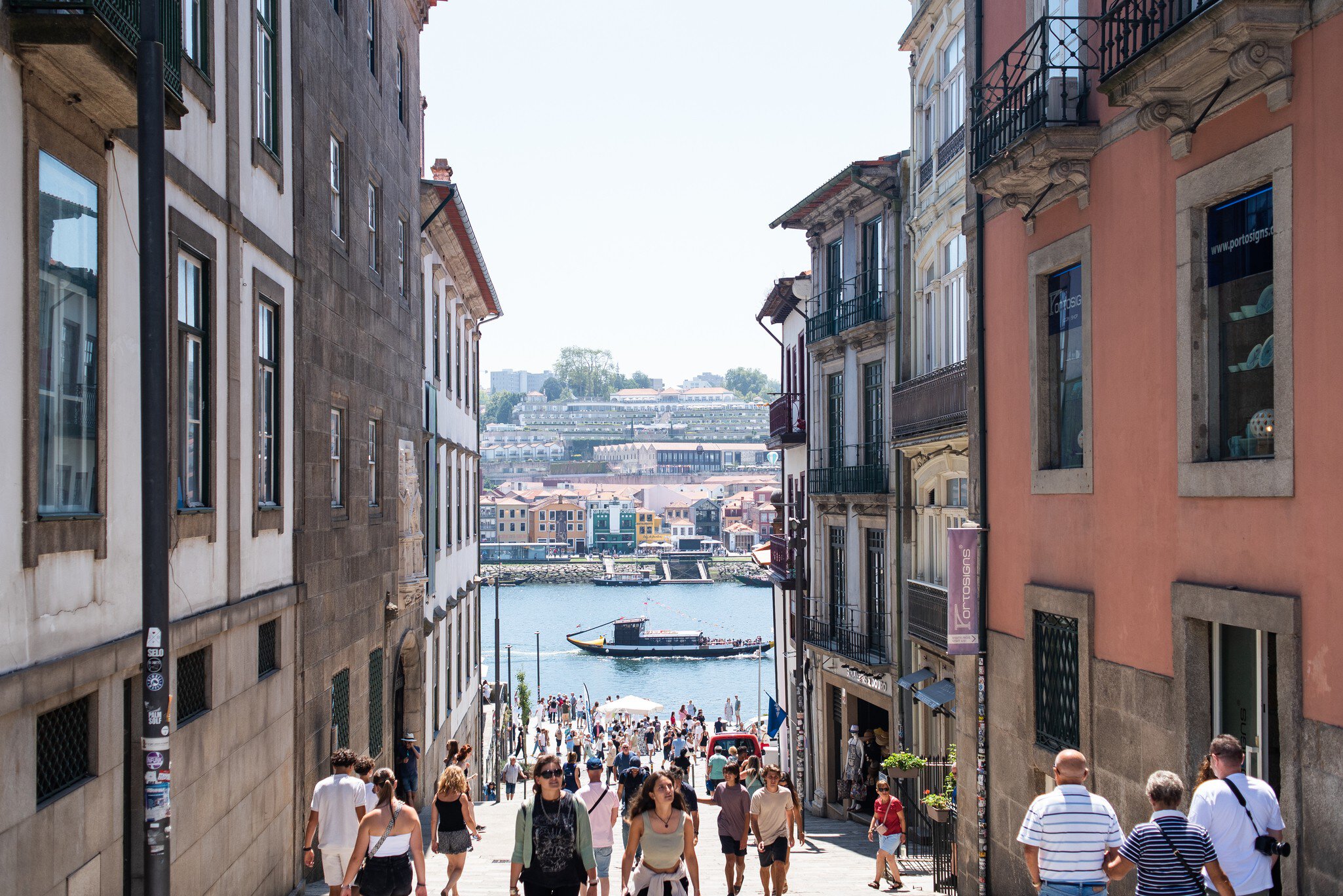
Kerry Murray for Lonely Planet
Latest Stories
- Regis St Louis | Aug 19, 202611 Best Places to Visit in Portugal
- Lonely Planet Editors | Aug 14, 202618 things to know before visiting Portugal
- Rachel Ifans | Aug 6, 20263 Places to Go When Porto Gets Too Busy
- Daniel James Clarke | Aug 2, 2026LGBTQ+ Guide to Portugal
Book
Trip 

Trusted Partner
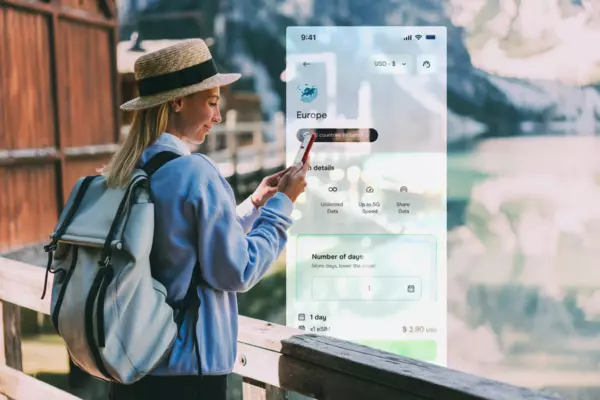
Stay connected in Portugal
Holafly eSIM provides unlimited mobile data with no hidden fees, giving you peace of mind wherever you travel. Stay connected even after your plan ends with Always On. Use code LONELYPLANET for an exclusive discount.
Lonely Planet may earn a commission from affiliate links on our site. All recommendations and reviews reflect our own independent opinions.
Book your Portugal trip with Lonely Planet Journeys
See Portugal how it's meant to be seen
Planned by local experts and tailored to you, Lonely Planet Journeys handles the logistics so you can just enjoy the trip. Tell us what you want and we'll build your Portugal itinerary from scratch, or browse our bookable trips to get inspired.


Top places to visit in Portugal
Discover the best attractions in Portugal from must-see sights to unexpected hidden gems.
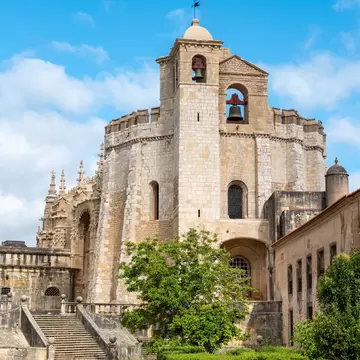
- Attraction in TomarConvento de Cristo
- Attraction in PortugalMosteiro da Batalha
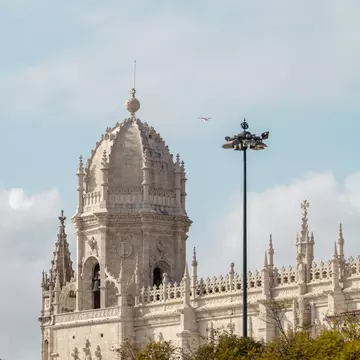
- Attraction in BelémMosteiro dos Jerónimos
- Attraction in RibeiraPalácio da Bolsa
- Attraction in PortugalPalácio Nacional de Mafra
- Attraction in BelémPalácio Nacional da Ajuda
- Attraction in CoimbraBiblioteca Joanina
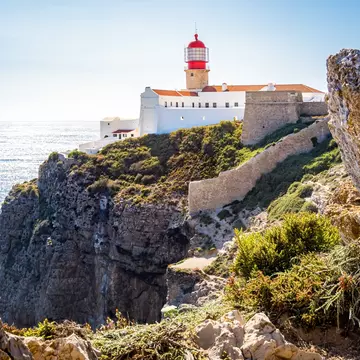
- Attraction in SagresCabo de São Vicente





Travel Guides
Portugal travel tips from Lonely Planet experts
Find practical guidance from our team of contributors around the world who bring their decades of first-hand travel experience to your next trip.
Best Things to Do
Shape your travel plans around Portugal's rugged coast, mountainous inland, music heritage, vineyard-filled valleys and cultural festivals.
Read full article
Best Time to Visit
Form the Douro Valley to the Algarve, plan your visit to Portugal with our seasonal guide.
Read full article
Things to Know
Portugal is famous for surf, sand and scenery, but there are a few things to know before you visit. From dining etiquette to safety, here are our top tips.
Read full article
Transportation
From fast long-distance trains to local buses and car hire, plan your travels around Portugal with these top tips on transportation and tickets.
Read full article
Best Road Trips
Throw together an Iberian soundtrack, and you're ready to hit the open road in Portugal. Here are our top Portuguese road trips, from the hills to the coast.
Read full article
Money and Costs
From free museums to low-cost food, here are our tips for a experiencing Portugal on a budget.
Read full article
Traveling with Kids
Portugal is incredibly family-friendly. Check out our top tips and the coolest experiences for your next adventure with children in tow.
Read full article
Best Places to Visit
Beyond the obvious towns of Lisbon and Porto, Portugal promises lively historic cities, incredible beaches and wonderful wine regions.
Read full article
Accessibility
Portugal wins the first “Accessible Tourist Destination” award by the World Tourism Organisation.
Read full article
Get a book. Get inspired. Get exploring.

in partnership with getyourguide
Book popular activities in Portugal
Lonely Planet may earn a commission from affiliate links on our site. All recommendations and reviews reflect our own independent opinions.
Portugal and beyond
- destinationLisbon
- destinationPorto
-
 destinationBairro Alto, Chiado & Cais do Sodré
 - destinationAliados & Bolhão
- destinationAlfama, Castelo & Graça
- destinationPríncipe Real, Santos & Estrela
- destinationRibeira
- destinationMiragaia