Nov 18, 20257 min read
12 top things to do in Manila 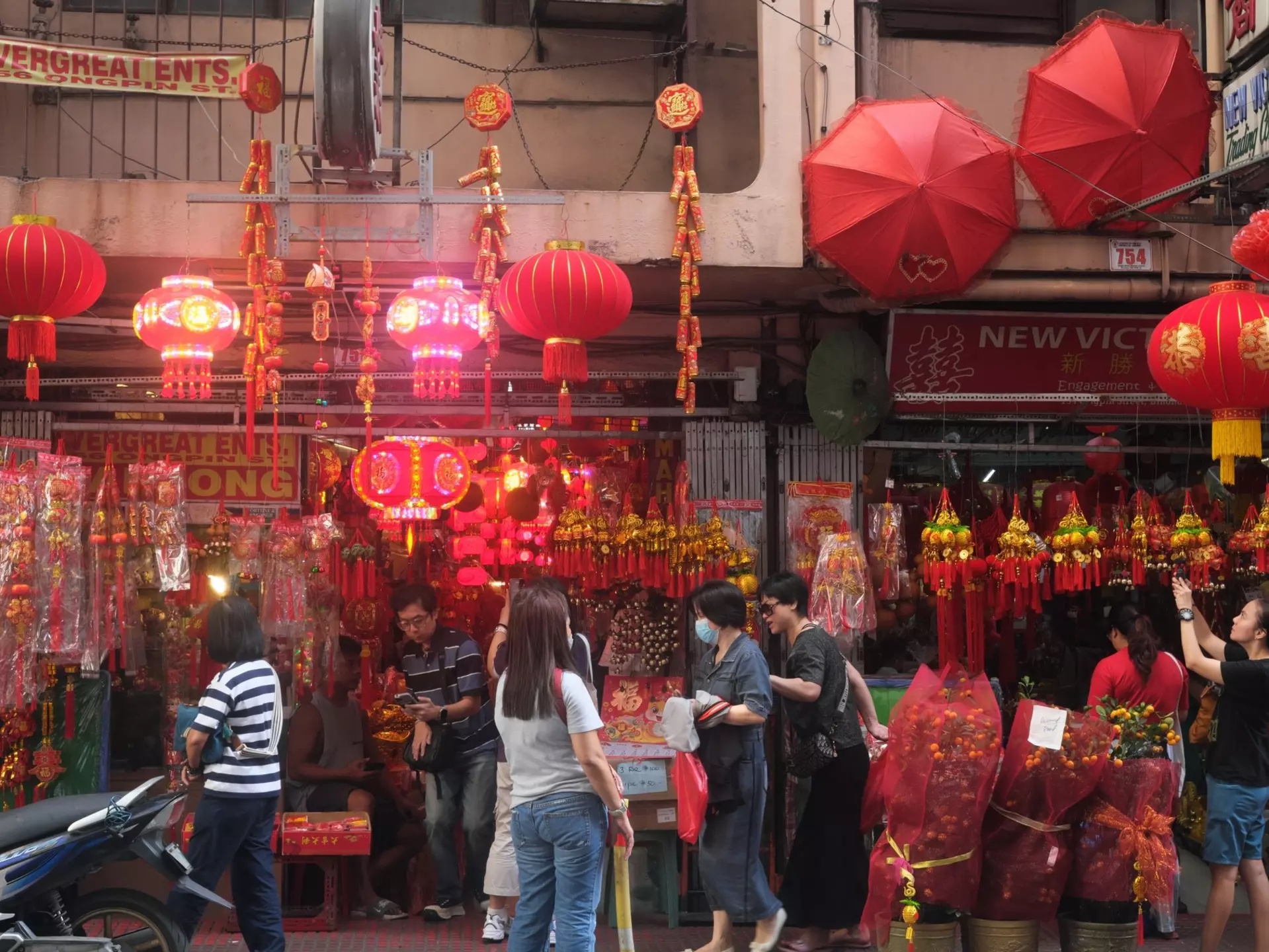
Ongpin street in Binondo. sulit.photos/Shutterstock.

Most travelers flock to the Philippines for tropical beaches and laid-back island life. Yet regardless of which idyllic point you’re headed to, chances are you’ll be landing in the bustling capital of Manila.
The vibrantly chaotic city offers a whirlwind of history, culture and cuisine for adventurers up for something new. Here, you can dive into different facets of the country’s past, savor local flavors and soak up the city’s frenetic energy before heading onward to relax.
If you’re lucky enough to be passing through Manila soon, here are a few experiences you shouldn’t miss.
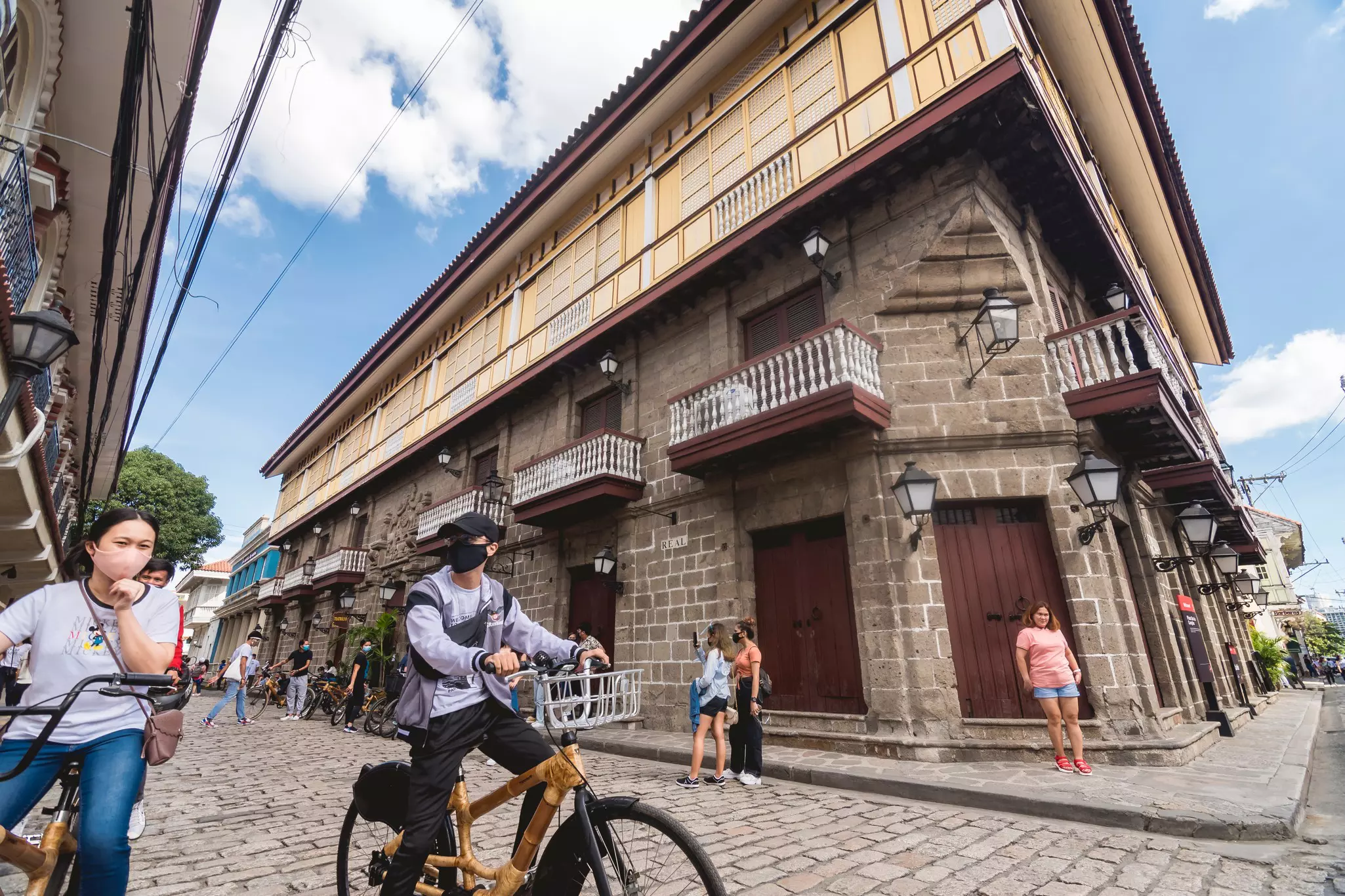
The historic quarter of Intramuros is where most visitors to Manila start off – and the best way to soak in the atmosphere of the walled district is on a traditional bamboo bicycle. Set a leisurely pace as you pedal by centuries-old churches, pocket parks and cafes exuding charm – and then cap off your tour with craft beer at Batala Bar, beside the bike-rental spot.
Planning tip: Set out in the morning before lunch or in the late afternoon right before sunset to beat the heat. Bambike offers guided tours and a wide variety of rentals for DIY exploration.
Thanks to its manicured gardens and the shrine of famed nationalist Dr Jose Rizal, Fort Santiago, one of Manila’s oldest structures, has long been a cornerstone attraction. After you’ve admired the iconic arched gate and paid respects to a Filipino national hero, a hidden cafe awaits in an unexpected place.
Papa Kape is a bike-friendly heritage cafe housed within Aljibe de la Fuerza, a 400-year-old water cistern within the historic citadel. On offer are unexpected coffee and tea concoctions like tahoat (an espresso with soy curds and tapioca pearls), black gulaman americano (with grass jelly) and tangy mango sampalok iced tea.
Planning tip: Fort Santiago’s opening hours are longer than at other attractions. The park is magically quiet at dusk and early morning, so save this one for your first or last stop.

Stay connected abroad with an eSIM
Holafly eSIM provides unlimited mobile data with no hidden fees, giving you peace of mind wherever you travel. Stay connected even after your plan ends with Always On. Use code LONELYPLANET for an exclusive discount.
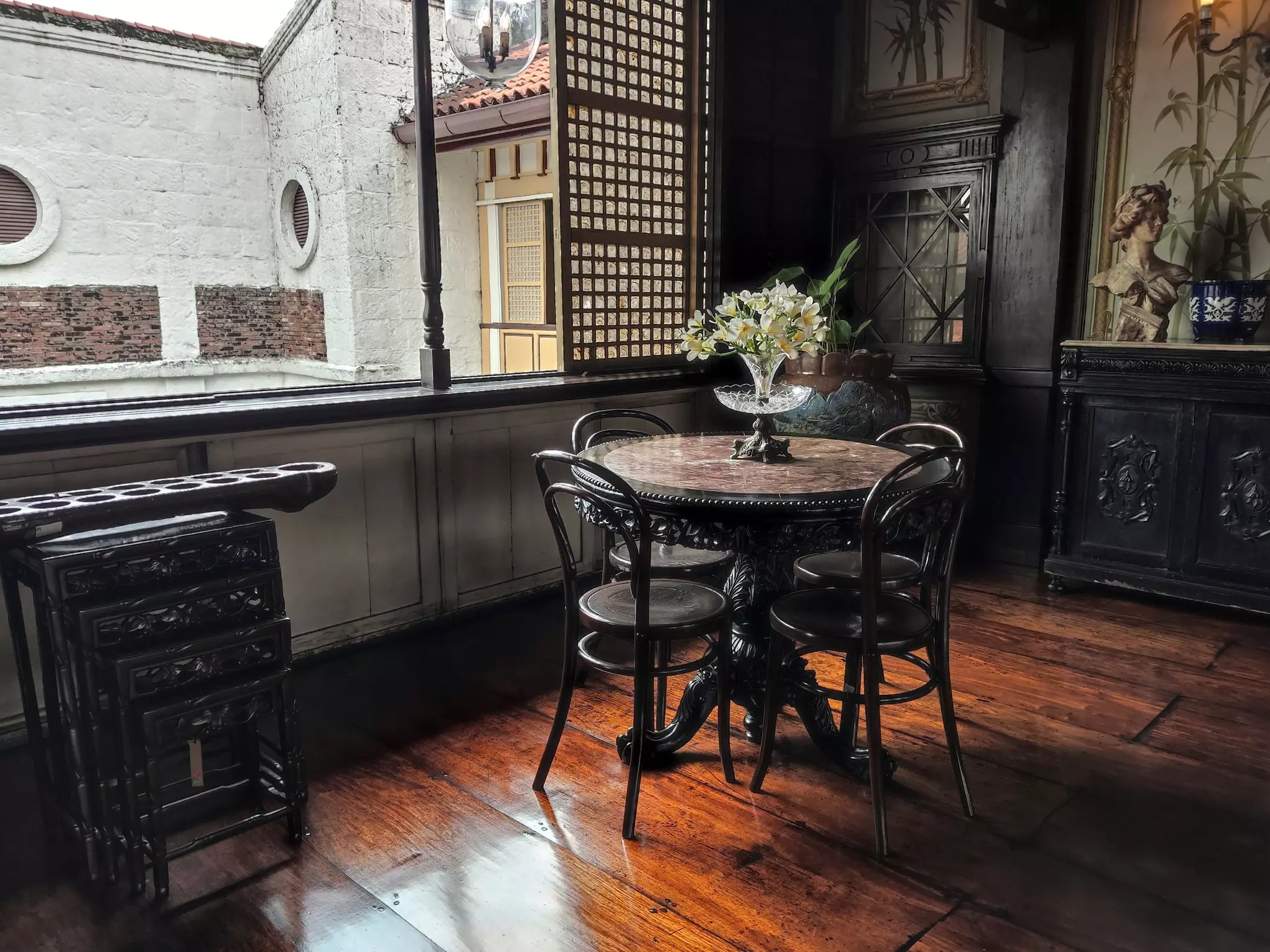
A tour of Casa Manila, a museum that depicts the lifestyle of an affluent Filipino family in the 19th century, is a quintessential Manila experience. The ornamental windows, crystal chandeliers and elegant furnishings offer a view of high-end life in the late Spanish-colonial period.
One of the country’s four UNESCO-listed baroque churches, San Agustin hides another underrated museum. In a former monastery are galleries filled with ecclesiastical relics, sacred statues and accounts of Christian colonization, all providing insights into the country’s religious history. The four churches were selected by UNESCO as examples of Philippine interpretation of Baroque style, and for how they blend European church design and construction with decorative motifs and local materials to create a new church-building tradition.
Showcasing memorabilia in a stone house steeped in history, the Destileria Limtuaco Museum celebrates the history of the Philippines’ oldest liquor maker. After learning about the traditional distilling process, you can add on an optional tasting of the brand’s craft spirits. And don’t expect bland gins and whiskey: here, you’ll sip on sugarcane wine, coconut vodka and premium lambanog (distilled palm liquor) infused with ingredients from different regions.
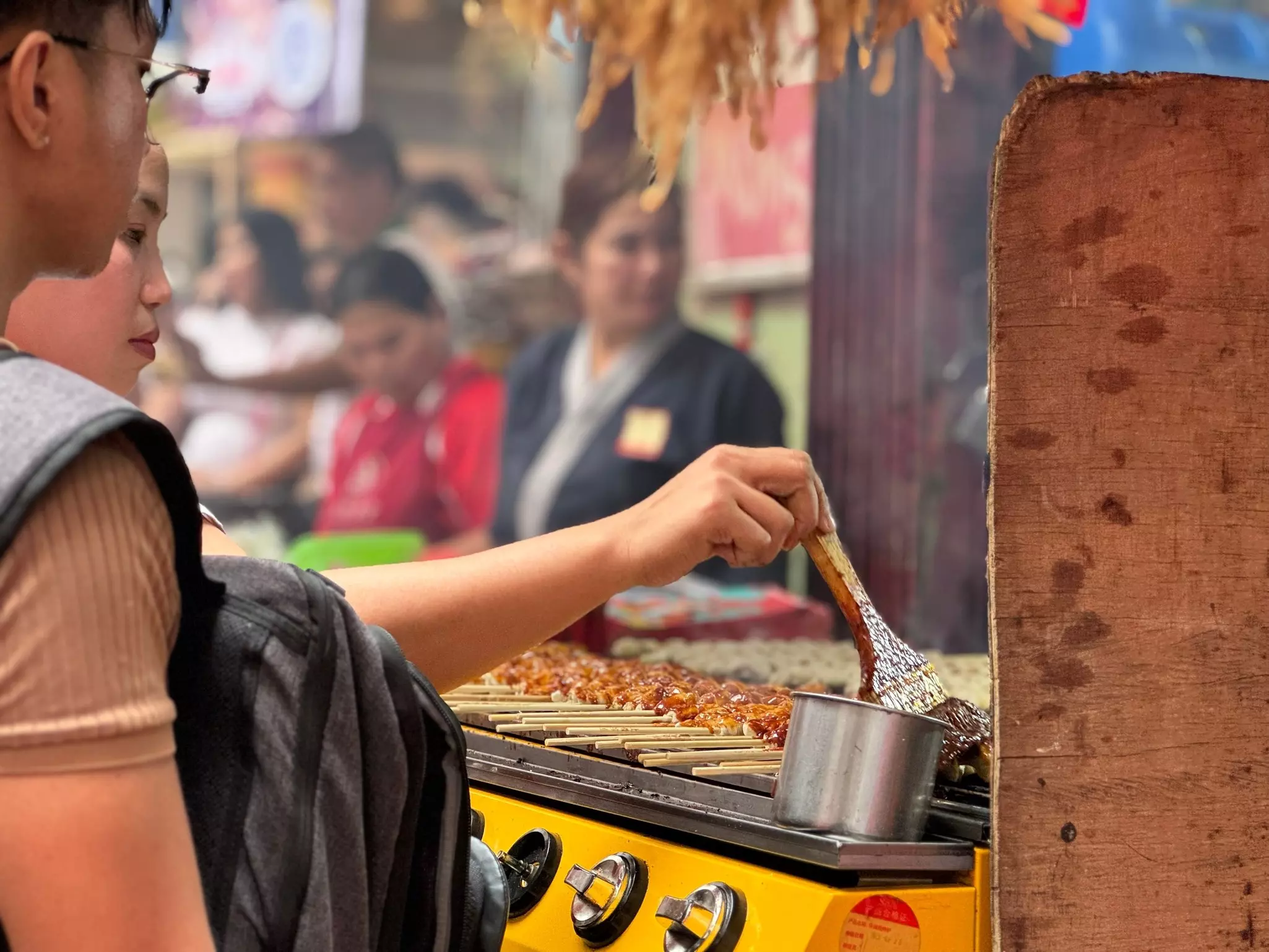
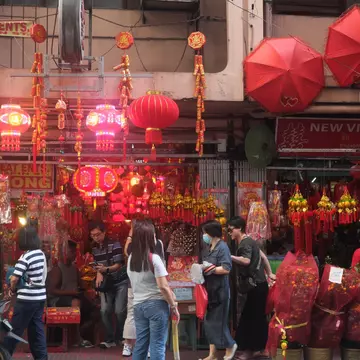
Adventurous gourmets looking for street-market vibes should head to Binondo, one of the world’s oldest Chinatowns. Brave the lines to snack on dumplings from Dong Bei, lumpia (fried spring rolls) from New Po-Heng, fried xiao long bao from Eng Bee Tin, vegetarian BBQ and sugarcane juice from Vege Select and much more.
For a coffee fix, head to Apologue, a Binondo cafe that serves up specialty brews and decadent pastries. Larger groups looking to lounge in air-conditioned comfort can enjoy coffee and cake at Grand Cafe 1919, a plush two-story restaurant in a century-old building.
Planning tip: Binondo’s streets are narrow and packed with vendors and tourists, so count on taking a rideshare to the neighborhood’s edge and exploring onward by foot.
The three free museums of the National Museum Complex certainly merit a half-day visit. Start off by admiring Juan Luna’s 19th-century masterpiece Spoliarium, a highlight of the paintings and sculptures on display at the National Museum of Fine Arts. Next, at the superb National Museum of Anthropology, you can learn about everything from the Philippines’ rich weaving traditions to ancient scripts. End the visit to the complex by riding up a glass elevator in a “Tree of Life” sculpture as you uncover the country’s vast biodiversity at the National Museum of Natural History.
Planning tip: Start your museum-hopping at 9am on a weekday, when the museums first open. If you find yourself among swarms of students on school field trips, head to the upstairs galleries and work your way down, as the higher floors tend to be more peaceful.
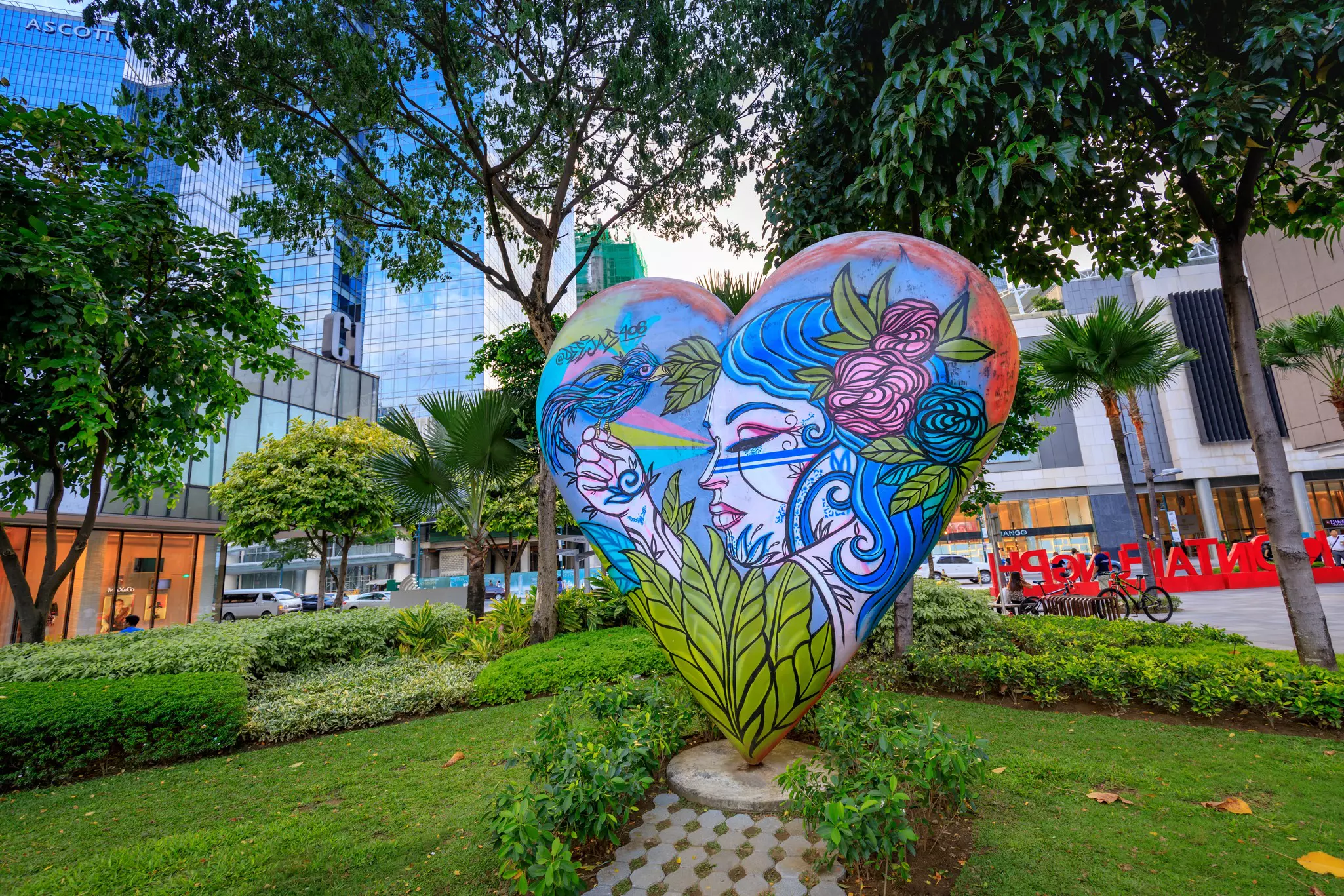
After soaking up all the culture and character of Manila’s older districts, the ultra-modern hub of Bonifacio Global City (BGC) offers a contrasting taste of creature comforts. The concrete walls of office towers within the highly organized streets of the financial district hide many vibrant murals that celebrate local culture. Stroll around to spot these colorful creations, or map out an itinerary to see as much as you can on a self-guided tour on a bike or e-scooter.
Planning tip: Download the Moovr app to rent bicycles and e-scooters around BGC, and be sure to park only at designated hubs.
It’s hard to believe that Makati’s bustling Ayala Triangle was once the site of the country’s first commercial international airport, and its busy thoroughfares once runways. Except, that is, when you visit Blackbird, a bar, lounge and event space housed within the historic 1937 historic Nielson Tower, where air-traffic controllers once worked. Expect an elegant meal within an atmospheric space that preserves the site’s original art deco design.
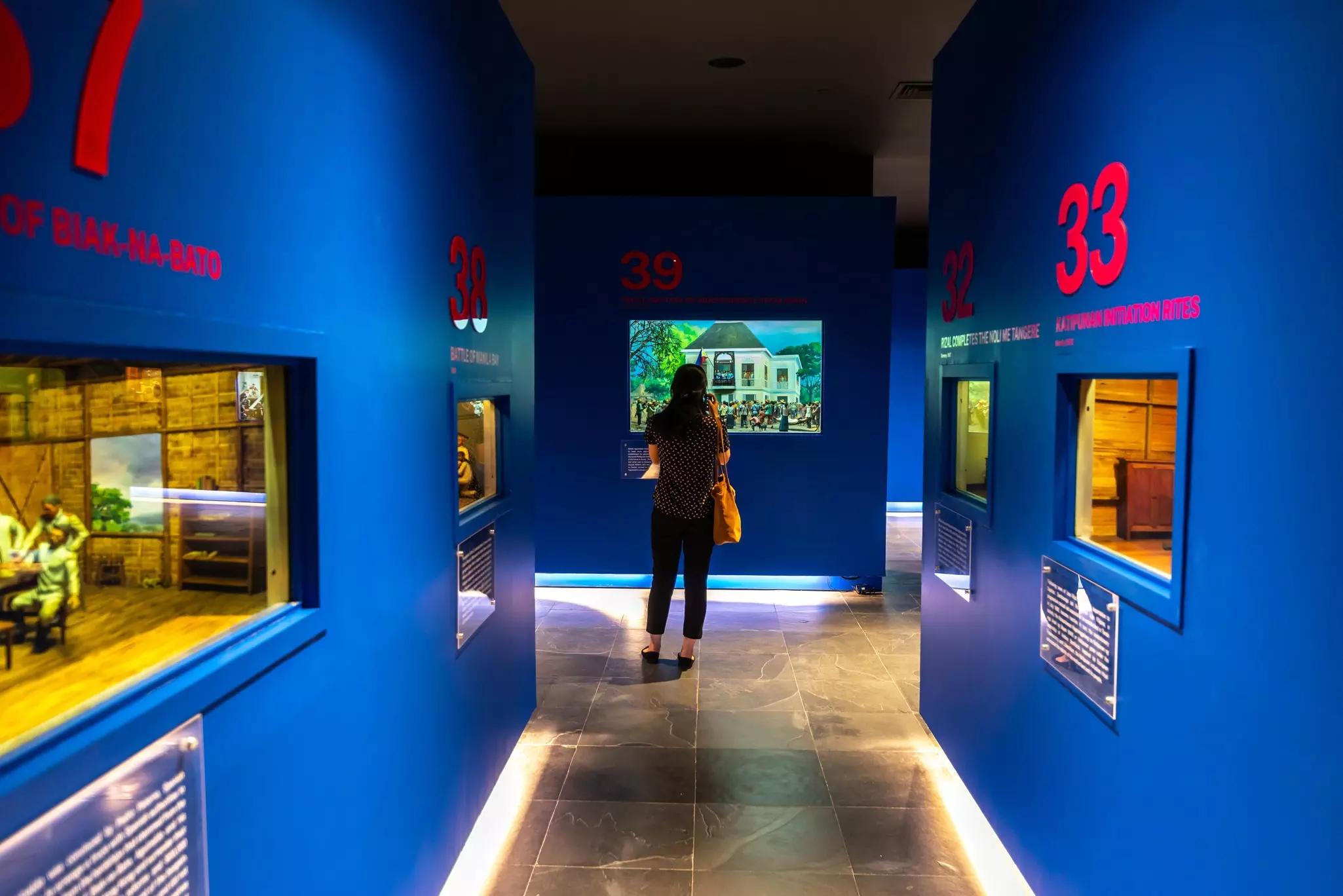
Filled with hotels and offering numerous transport options, the Makati Central Business District is a convenient base for exploiting Manila. Yet within its office towers is an institution worth visiting for a crash course in Filipino culture: the privately run Ayala Museum, which offers a beautifully curated selection of cultural treasures in one space. And thanks to a new augmented-reality experience, Braille booklets and audio guides, this modern museum is accessible to all types of museum-goers.
For savory and sweet Filipino classics, try Manam’s flagship branch in Ayala Triangle Gardens, a relaxing oasis with rare nature views in the city. This modern Filipino restaurant offers affordable and deliciously tasty versions of sisig, kare-kare, adobo and sinigang in customizable portions, designed to scale up for group dining. Don’t miss classic favorites like halo-halo and puto bumbong for dessert.
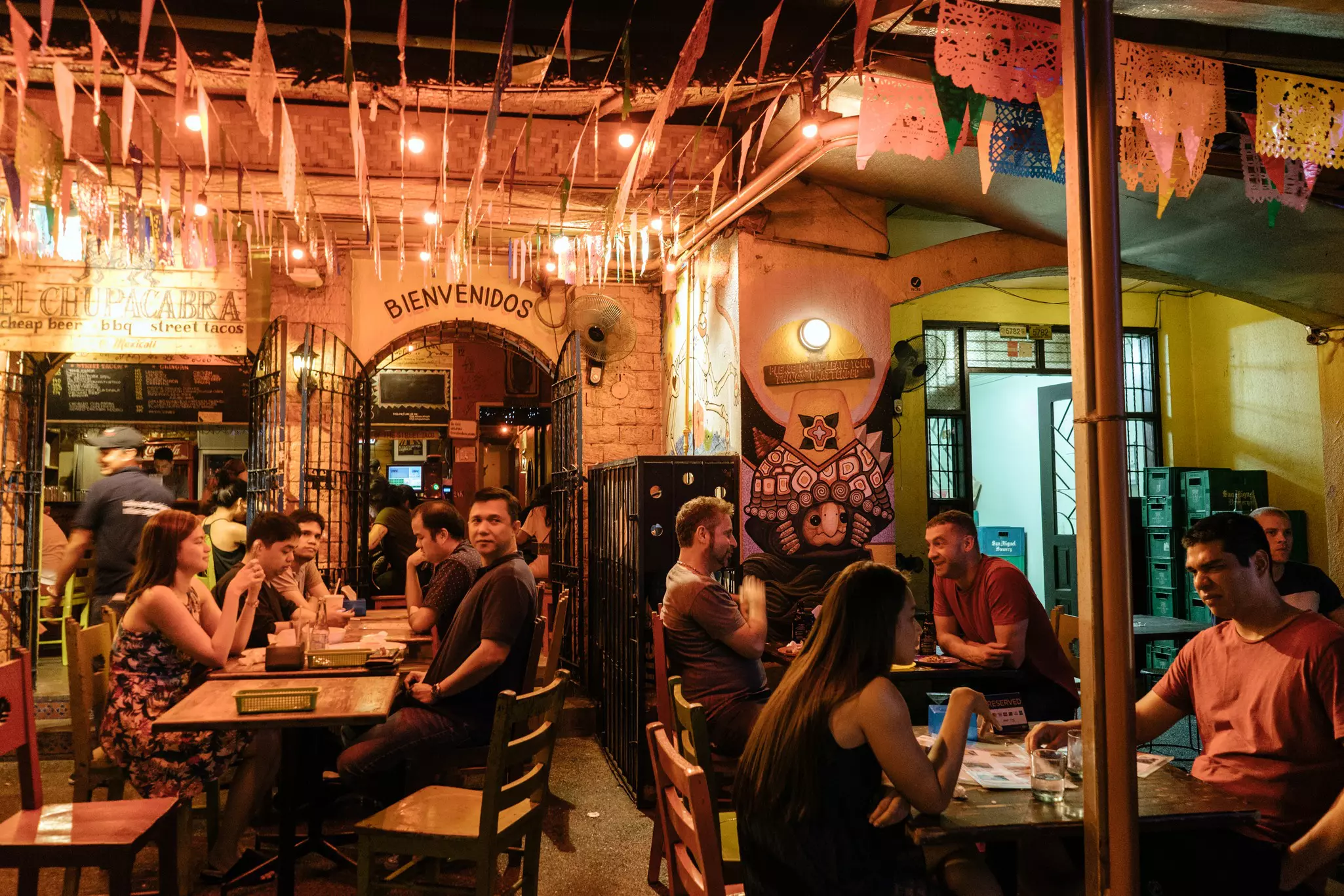
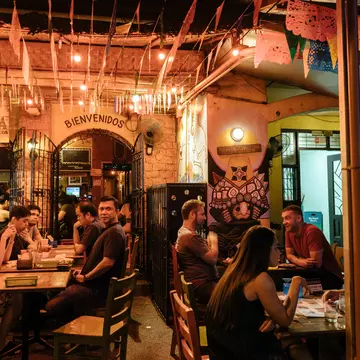
If you’re looking for nightlife, Poblacion is where the action’s at. Stylish hole-in-the-wall cocktail bars and speakeasies sit next to hip hostels and vegan haunts, all catering to the area’s multicultural clientele.
Shopping malls are woven into the city’s fabric, making them default choices for dining, entertainment and shopping. One of the most massive, SM Mall of Asia (referred to as MOA) offers a good mix of local and international brands. The sprawling complex overlooks Manila Bay with a prominent Ferris wheel sitting along the waterfront.
Planning tip: MOA’s proximity to the airport makes it a good choice for those staying in nearby hotels, or who have limited time and don’t want to get caught in Manila’s notorious traffic jams.