

Advertisement
Peru
Peru is a land of skyscraping peaks, vast jungle, and multilayered archaeology. From the world’s tallest tropical mountain and highest navigable lake to rich biodiversity that ranks among the globe’s greatest, Peru offers both natural and cultural wonders. History seekers can explore Caral-Supe, the oldest-known civilization in the Americas, alongside ancient marvels like Kuélap and Chavín de Huántar, while adventurers can trek rugged Andes trails, wander deserted ruins, or swing from a hammock deep in the Amazon. You’ll find endless Peru travel inspiration across its three distinct regions: the misty Pacific coast with surf beaches and prehistoric sites, the snow-dusted Andes crowned by Machu Picchu and the Cordillera Blanca, and the lush Amazon Basin stretching from Iquitos to the untouched wilderness of Pacaya-Samiria. Not sure where to start? Plan your adventure with our travel inspiration and tips covering top attractions, when to visit and expert advice.
Choquequirao is an Incan site in south Peru, similar in structure and architecture to Machu Picchu. The ruins are buildings and terraces at levels above and below Sunch'u Pata, the truncated hill top 691851439
Latest Stories
- Carolina A Miranda|May 13, 2026The top 10 things to do in Peru
- Agnes Rivera|May 5, 20264 of the best road trips in Peru
- Luke Waterson|Apr 13, 2026Want to avoid the crowds at Machu Picchu? We have some ideas
- Agnes Rivera|Mar 30, 2026Peru's 10 most captivating beaches
Book
Trip 

Trusted Partner
Dreaming of Peru? Protect your trip
Travel with confidence. Protect your trip and your wallet.
We don’t represent World Nomads, we receive a fee from quotes using this link. This is not a recommendation to buy travel insurance.
Take your Peru trip with Lonely Planet Journeys
Pick one of our ready-to-book trips or fully customize your own with help from our local experts.
bookable trip
12 Days in Peru: Roots of the Rainforest and Machu Picchu
12 days / 11 nights
highlights
- 1 Watching the vibrant flutter of colorful macaws as they feast on the Amazon’s macaw clay lick
- 2 Seeing the Amazon rainforest — and hearing the life within — on a guided nocturnal tour
- 3 Uncovering the secrets of the Lost City of the Incas on a visit to Machu Picchu
from $5,100
per person


Explore more trips
Explore more trips
-
 Peru
Peru14 days / 13 nights
14 Days in Peru: Lima, Cusco, Andes and Machu Picchu
See Trip DetailsFROM $4,895
per person
Peru
14 days / 13 nights
14 Days in Peru: Lima, Cusco, Andes and Machu Picchu
FROM $4,895
per person
Top places to visit in Peru
Discover the best attractions in Peru from must-see sights to unexpected hidden gems.
-
 Attraction in Cuzco & the Sacred ValleyMachu Picchu Historical Sanctuary
 - Attraction in IquitosBelén Mercado
-
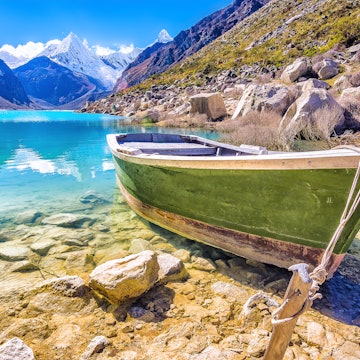
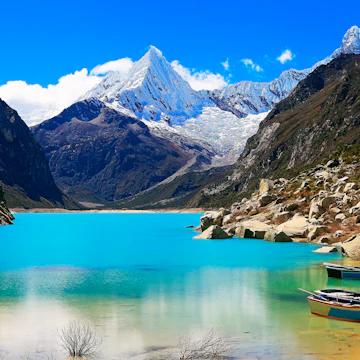 Attraction in Cordillera BlancaLaguna Parón
 - Attraction in Amazon BasinCocha Salvador
-
 Attraction in Amazon BasinParque Nacional Manu
 - Attraction in Amazon BasinTres Cruces
- Attraction in The Inca TrailWiñay Wayna
-
 Attraction in ArequipaMonasterio de Santa Catalina
Advertisement
Travel Guides
Peru travel tips from Lonely Planet experts
Find practical guidance from our team of contributors around the world who bring their decades of first-hand travel experience to your next trip.
Best Things to Do
From the Andes to the Amazon rainforest, Peru offers endless adventures. Here are the best things to do in Peru.
Read full article
Best Time to Visit
Whether you're a foodie bound for Lima or an adventurer heading for the Inca Trail, find the perfect time for your Peru vacation here.
Read full article
Things to Know
Often called Machu Picchu's little sister, Choquequirao can only be reached on foot. Lonely Planet editor Melissa Yeager shows you want to expect.
Read full article
Transportation
Exploring Peru is a real adventure and worth every minute of extra planning. Here’s our guide to getting around once you're here.
Read full article
Visa Requirements
Curious if you need a visa for visiting Peru? Here's all you need to know.
Read full article
Best Road Trips
Have an unforgettable road trip in Peru on these scenic driving routes.
Read full article
Money and Costs
Peru has long been a destination for backpackers on a budget and now other travelers have caught on – here's how to make your money go further on the road.
Read full article
Traveling with Kids
Every adventure-seeking family with a great appetite should have Peru on their "dream destinations" list. Here are the best things to do there with kids.
Read full article
Best Places to Visit
It's hard to know where to go in Peru – known for cuisine, culture and biodiversity. Let this list of 13 kickstart a visit to this South American darling.
Read full article
Get Connected
Stay fully connected on your next trip to Peru with this guide to local wi-fi networks, roaming charges, eSIMs and data
Read full article
Advertisement
Get a book. Get inspired. Get exploring.

in partnership with getyourguide
Book popular activities in Peru
Peru and beyond
-
 destinationCuzco & the Sacred Valley
 -
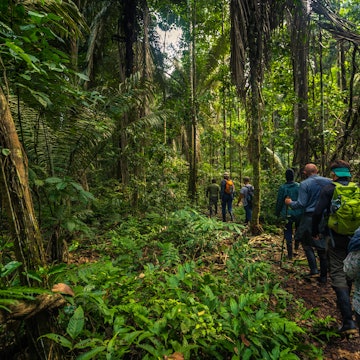 destinationAmazon Basin
 -
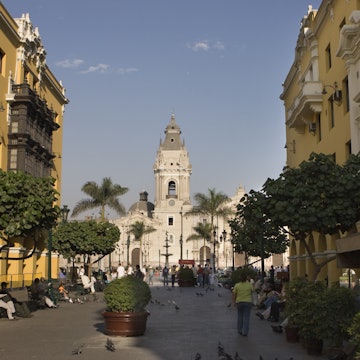 destinationLima
 -
 destinationLake Titicaca
 -
 destinationCuzco
 -
 destinationArequipa
 -
 destinationThe Sacred Valley
 -
 destinationHuaraz
Advertisement