Things to do in Panama
-
Cycle Nicaragua, Costa Rica & Panama
15 days (Granada)
by Intrepid
Travel to Central America's beautiful and lively colonial cities, Let worries ebb away on the heavenly Bocas del Toro islands , Experience rural life in the…Not LP reviewed
from USD$2,890 -
Bosque Protector Palo Seco
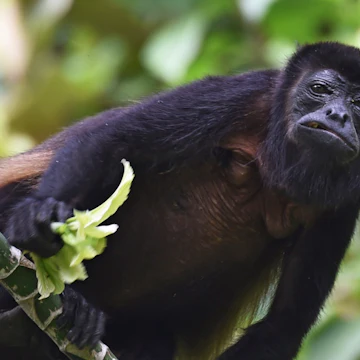
This is a lush cloud forest, covering more than 160,000 hectares. It's set high in the Talamanca range, and the wildlife here includes monkeys, sloths, armadillos, butterflies, and great birdlife - including ashy-throated bush-tanagers; you won't find them anywhere else in Panama.
An ANAM station lies at the entrance to the Bosque; you can pay the park admission fee here and obtain information about current hiking conditions. ANAM maintains three trails in the park; each takes about 45 minutes, allowing visitors the chance to get a taste of the region's natural wonders.
reviewed
-
A
El Pavo Real
A mix of Panamanians and expats gather over games of darts or pool at this British pub-restaurant made famous by John le Carré's thriller The Tailor of Panama. (The British Foreign Service employee/best-selling novelist spent a lot of time here while conducting research for his book. The pub-restaurant's owner, Sarah Simpson, is also an ex-BFS employee. Coincidence?)
The pub grub here is tasty and filling, and offerings include burgers, chicken-breast sandwiches and fish 'n' chips. There is also occasional live music and there's never a cover charge.
reviewed
-
Sendero El Pianista
A pleasant day hike is along the Sendero El Pianista, which winds through dairy land and into humid cloud forest. To access the trail head, take the first right fork out of Boquete (heading north) and cross over two bridges. Immediately before the 3rd bridge, about 4km out of town, a track leads off to the left between a couple of buildings. You need to wade across a small river after 200m, but then it's a steady, leisurely incline for 2km before you start to climb a steeper, narrow path.
The path winds deep into the forest, though you can turn back at any time.
reviewed
-
B
Crêpes & Waffles
Crêpe and waffle lovers rejoice at this popular spot in nightlife-rich Bella Vista, which is an ideal place to grab a quick bite before hitting the bars and clubs. Spinach, ricotta and tomato are good standbys, though the truly hungry should opt for the more filling lomito á la pimienta (strips of roast beef with pepper sauce).
Owing to its increasing popularity, Crêpes & Waffles franchises are popping up all over the city, which is a good thing - there's nothing quite like wrapping your dinner up in a thin and savory pancake package.
reviewed
-
Fuerte Santiago
As you approach the town from the west, the first fort you'll see is Fuerte Santiago, which was built after an attack on the city by Admiral Edward Vernon (during which earlier forts were destroyed). Several of its walls are 3m thick and made entirely of cut coral. Known to the Spaniards as 'reef rock', coral was extensively used as a building material since it's tough as granite yet light as pumice and it can easily be shaped with a saw.
The ruins at Fuerte Santiago include officers' quarters, artillery sheds, a sentry box, barracks and several watchtowers.
reviewed
-
C
El Rincón Tableño
The menu changes daily at this open-air cafeteria-style eatery, but the type of food never does: it's always 100% working-class Panamanian. Typical items include sopa de carne (meat soup), camarones guisados (shrimp in tomato sauce), and ropa vieja (literally, 'old clothes'; marinated shredded beef served as a stew), and there's a choice of a half-dozen or so natural fruit juices, each priced under US$1.
Panama City has no shortage of upscale international eateries, but sometimes it's refreshing to simply stick to your roots.
reviewed
-
D
Café Coca Cola
A neighborhood institution near Plaza Santa Ana, Café Coca Cola is an old-school diner, complete with chess-playing señores and no-nonsense waitresses. It's also air-conditioned and chock full of TVs playing the latest Latin American football matches, which makes Coca Cola something of a hang-out spot for Casco Viejo's working class.
Of course, all of this shouldn't distract you from the real reason you're here, namely to fill the gut without breaking the bank on hearty platefuls of rice, beans and the featured meat of the day.
reviewed
-
Pozos Termales
Located on the west side of town (follow the signs), Pozos Termales is the perfect place to soak the afternoon away. The forested complex is remote and rustic, and home to a series of pools with varying temperatures and supposed curative properties. After your bath, there is an area (a bucket, to be more precise) for applying healing mud to your skin. The next step is to take the requisite photo or two, and then head to the showers to rinse off.
If you're looking to detox or simply scrub down, this is the perfect place to head.
reviewed
-
Cathedral
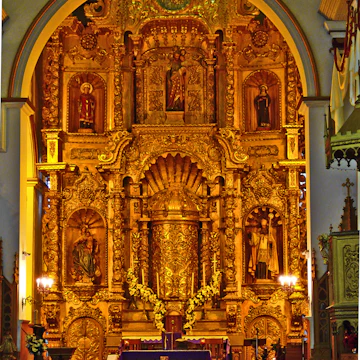
The city's soaring cathedral dates from the 18th century, but was substantially re-modeled in 1988. Today, the entire ceiling is made of polished mahogany, the walls are adorned with near-life-size figures of saints and large, vivid stained-glass windows depict momentous events in the life of Jesus, and the stations of the cross are marked by 4m teak crosses and intricately carved figurines. Unlike many cathedrals that impress through ostentation, this one is striking for its elegant simplicity and fine balance of gold and wood.
reviewed
Advertisement
-
E
Eurasia
Dining at Eurasia is a rich, sensory experience, starting with the lavishly adorned restaurant complete with marble floors and hanging original artwork. The experience continues with impeccable service and daring fusion cuisine including Vietnamese shrimp rolls with orange sauce, and onion soup with tofu and duck breast.
Entrées similarly range across the continents with dishes such as jumbo shrimp in tamarind sauce and coconut milk with rice pilaf to tuna breaded with ajonjolí seeds and caramelized in honey.
reviewed
-
F
Manolo Caracol
Arguably the most famous restaurant in the city, Manolo Caracol offers prix-fixe five-course lunches and seven-course dinners that change daily. The menu emphasizes seasonal produce, locally raised meats and freshly caught fish, but it's the imaginative recipes and flawless presentation that have helped vault the restaurant's reputation.
Manolo is also located in a historic colonial mansion complete with the original tiling, historic tapestries and hewn-wood furniture, which completes the warm and intimate atmosphere.
reviewed
-
G
Granclement
Nothing beats the tropical heat like a cool scoop of mango gelato and there's no better gourmet spot in the city than this European-style ice-cream shop. With French owners who refuse to skimp on quality or authenticity, Granclement serves up the perfect accompaniment to a leisurely stroll through the old streets of Casco Viejo or along the waterfront.
If you want to speed things up a bit however, there's also a real Italian espresso machine on the premises that will get you exactly where you need to go.
reviewed
-
H
Masala Indian Cuisine
Nothing complements hot and humid tropical climes quite like a fiery plate of Indian curry and an ice-cold Kingfisher lager. Housed in a historic Bella Vista mansion that's been redecorated with colorful textiles and Indian art, Masala offers a full complement of traditional dishes from the subcontinent. Although non-adventurous eaters can stick to more Westernized dishes like tikka masala and tandori chicken, iron-stomach masochistic types should pile on the heat with dishes like lamb vindaloo.
reviewed
-
I
Café de Asís
Located on the ground floor of a beautifully restored 19th-century building, Café de Asís is perhaps the most charming spot in Panama City. With outdoor tables spilling out into the Parque Bolívar and overlooking the soaring spires of the Iglesia de San Francisco, the Old World atmosphere here is Casco Viejo at its best. The food at Asís can easily hold its own, and the fresh Peruvian-style ceviche and the house sangria pretty much complement everything on menu perfectly.
reviewed
-
Mirador Perú
On a hill overlooking Santiago and much of the bay is a small but well-preserved watchtower called Mirador Perú, which was built after an attack on the city by British Admiral Edward Vernon (during which earlier forts were destroyed). There are steps carved into the hillside to reach the lookout and the views of the coastline from here are expansive. Unfortunately for the Spanish, however, the views weren't good enough to save their city from being repeatedly sacked by the English.
reviewed
-
J
Birdwatching at Finca Lérida
Finca Lérida is a coffee farm owned by the Collins family, who are long-time residents of Boquete. Bordering their farm is prime habitat for the quetzal, the national bird of Guatemala that's nearly extinct there, but has found refuge in Chiriquí Province. In total, several hundred bird species have been identified in these woods, which makes Finca Lérida one of the premier bird-watching spots in Panama. The quetzals are most likely to be seen January through August.
reviewed
-
Isla Carenero
In recent years, the small, sparsely populated island of Isla Carenero has become popular with business folk hoping to lure tourists off Isla Colón and into their own establishments. The island takes its name from 'careening', which in nautical talk means to lean a ship on one side for cleaning or repairing.
It was in Careening Cay in October 1502 that ships under the command of Christopher Columbus were careened and cleaned while the admiral recovered from a bellyache.
reviewed
-
Parque Arqueológico del Caño
This is one of only two archaeological sites in the country that are open to the public. Its museum displays objects that were found nearby. There's an excavation pit in the park as well; it contains a burial site where five skeletons were found in the exact same position as visitors see them today.
The museum contains dozens of pieces of pottery, arrowheads and carved stones. The objects are believed to date from a culture that lived in El Caňo about 1500 years ago.
reviewed
-
Lum's
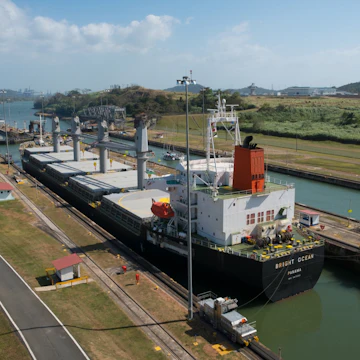
Occupying an old cavernous hangar that once housed machinery for the Panama Canal, Lum's has a long history of serving up ribs, steaks and other hot-off-the-grill mains. Today it's the expat's restaurant of choice, especially since its satellite TV, pool table, foosball and healthy offering of tap beers packs in the crowds on weekends. Located just west of La Exposición in Ancón on the edge of the canal, Lum's is one of the most popular restaurants in the Canal Zone.
reviewed
Advertisement
-
K
Parque Bolívar
In 1826, in a schoolroom opposite Parque Bolívar, Simón Bolívar held a meeting urging the union of the Latin American countries. After many struggles against Spanish domination, Bolívar succeeded in liberating Bolivia, Colombia, Ecuador, Peru and Venezuela, and he created Gran Colombia, which encompassed all these states. Although Bolívar was unable to keep Gran Colombia together, he is nonetheless venerated as a hero throughout Latin America.
reviewed
-
Marine Exhibitions Center
Operated by the Smithsonian Tropical Research Institute (STRI), the Marine Exhibitions Centre includes an informative marine museum with signs in English and Spanish, two small aquariums and a nature trail through a patch of dry forest containing sloths and iguanas.
At the museum you can also learn about the role that Panama's marine resources play in the country's economy, and the destructive and wasteful effects of harvesting fish and shrimp by net.
reviewed
-
L
Latin Dance Company
Located one block from Vía España near the Hotel Riande Continental, the Latin Dance Company offers classes in salsa, merengue and hip-hop for students aged 5 to 65. Three classes are held in the evenings starting at 17:30, and there are several Saturday classes as well. Classes cost around US$5 plus the US$5 enrolment fee. Or if you plan on sticking around for a while, sign up for 10 days (around US$50) or one month (US$80) of unlimited classes.
reviewed
-
SelvAventuras Hikes
On the main road into town, this adventure outfit is run by a group of charismatic locals eager to show visitors the wilder side of Portobelo. If you're looking to explore the surrounding Parque Nacional Portobelo, these guys can bring you to a number of impressive locales: Catarata de Rio Piedras, a towering 45m waterfall; Salto de Tigre, a tranquil waterfall-fed pond; and Río Iguanita, a rainforest-enshrouded swimming hole. You'll need some Spanish.
reviewed
-
Surfing
The best waves for surfing are generally from December to April, though there is surf here year round. Unlike the Caribbean, the Pacific offers fairly consistent sets, though a good swell will really give a boost to the surfing here. Most of the accommodations in town rent boards in addition to offering surf lessons. Be advised that many of the breaks in the area are over rocks, and can easily snap your board if you don't know what you're doing.
reviewed