Oct 4, 20268 min read
10 Best Things to Do in New ZealandOct 4, 2026
8 MIN READ
Writer
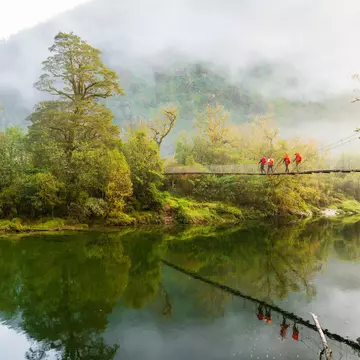
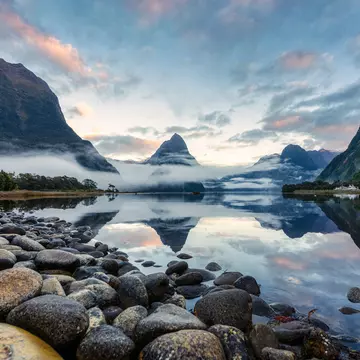
Fiordland National Park. Mumemories/Shutterstock

Writer
Highlights
Writer Brett Atkinson picks 10 top things to do across New Zealand (Aotearoa).
Witness Māori dancing near Rotorua, or sample Pacific cuisine at Auckland’s weekly markets.
Bungee jump in Queenstown, then kayak Fiordland’s waterfalls and cliffs in Piopiotahi/Milford Sound
Hike a Great Walk, spot kiwis on Stewart Island/Rakiura, or go whale watching near Kaikōura.
Lonely Planet may earn a commission from affiliate links on our site. All recommendations and reviews reflect our own independent opinions.
From inspirational Māori cultural experiences to epic and otherworldly national parks, it can be hard to narrow down what to do in spectacular and diverse Aotearoa (New Zealand’s Māori language name). You can spend your days soaking in the urban energy of Auckland and Wellington, challenging yourself on outdoor adventures around Queenstown, cycling through Central Otago’s historic towns and big-sky landscapes, or trying to spot the country’s iconic kiwi bird on Stewart Island/Rakiura.
Craft your own southern hemisphere itinerary from these top things to do in New Zealand.
To continue planning your trip to New Zealand, download the Lonely Planet app, or check out our New Zealand (Aotearoa) guidebook.
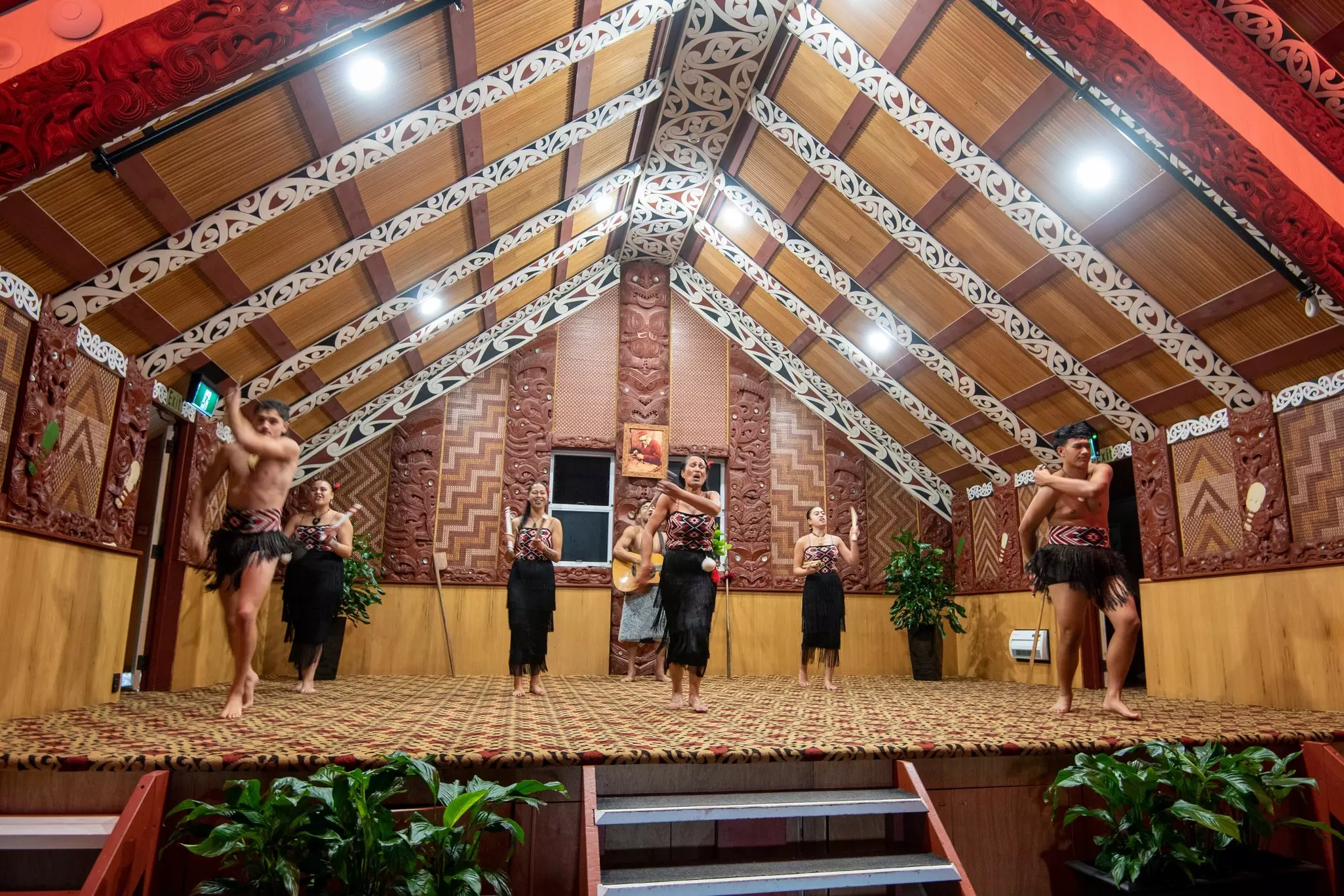
There are countless ways to engage with New Zealand’s Māori culture. You can expect to hear greetings in te reo Māori (the Māori language) frequently, but for a deeper dive, the Auckland Museum and Te Whare Taonga o Waikato Museum & Gallery both have displays of centuries-old Māori taonga (treasures).
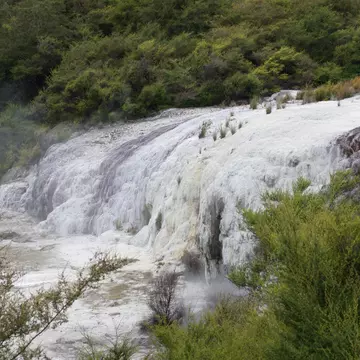
Around Rotorua, families from the local Te Arawa iwi (tribe) entertain and energize visitors with cultural performances and experiences, including the opportunity to take part in kapa haka (Māori dancing and chanting) or experience a hāngī (a Māori feast cooked in the ground).
Detour: From Rotorua, travel 61km southeast to the isolated logging town of Murupara. Stays at the family-owned Kohutapu Lodge include excursions to catch tuna (endemic longfin eels), visits to historic Māori rock art sites and hiking through the Whirinaki Te Pua-a-Tāne Conservation Park, a spiritually significant site said to be one of the world’s last prehistoric forests.
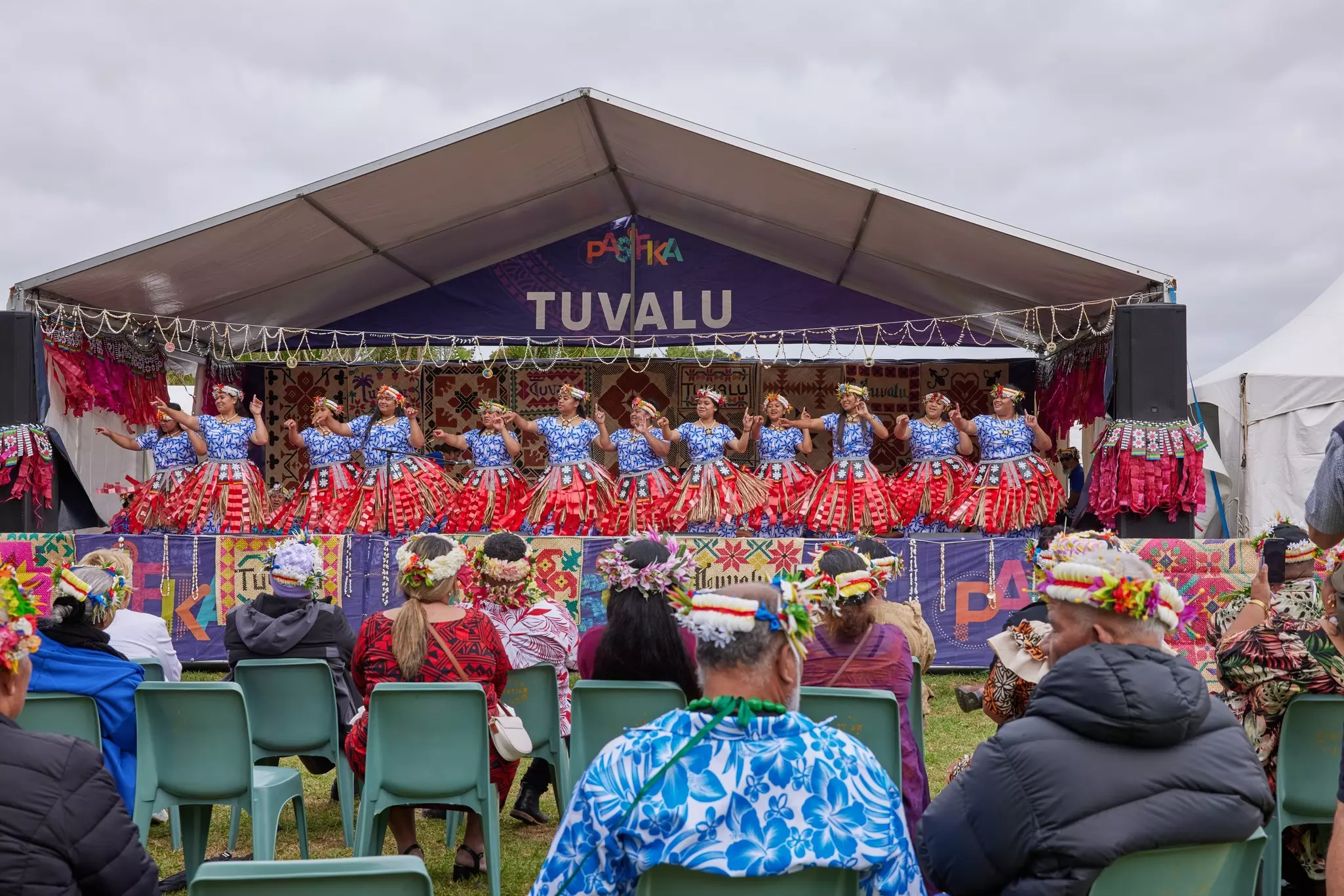
Framed by two harbors and built on the sprawling remnants of more than 50 long-dormant volcanoes, Auckland is New Zealand’s most diverse and cosmopolitan city. Visit the weekly Otara and Avondale markets to taste Pacific and Asian cuisine from communities drawn to Tāmaki Makaurau (the Māori name for Auckland). Time your visit to experience popular cultural events, including the Pasifika Festival, Diwali and the Lantern Festival. As well as the multicultural population, good beaches, gorgeous nearby wine regions and a dynamic but informal dining scene are also key reasons why Auckland is consistently rated one of the world's most livable cities.
Planning tip: Join Auckland’s passionate fans while taking in a match with the New Zealand Warriors (a rugby league team) or the Auckland Blues (a rugby union team).
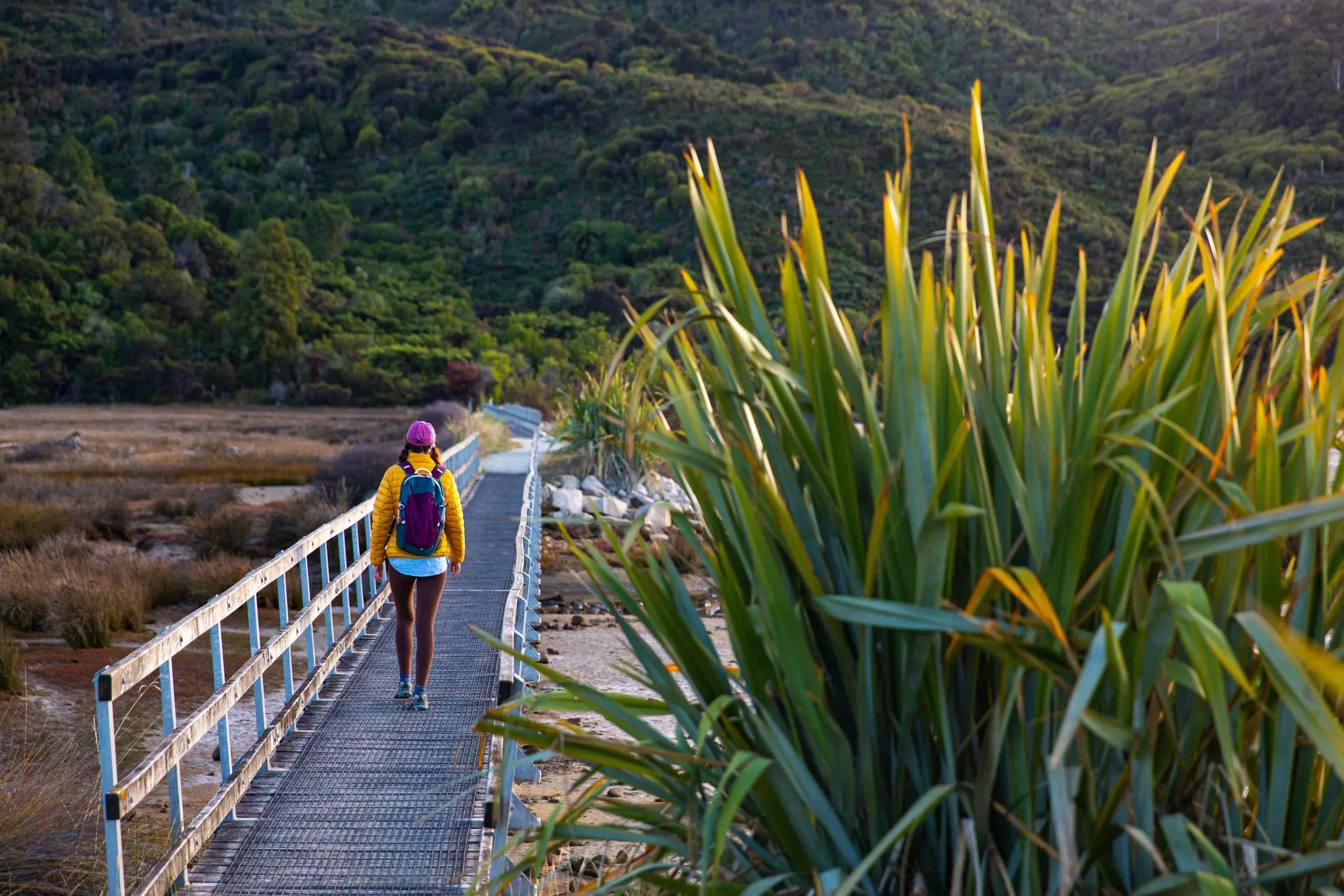
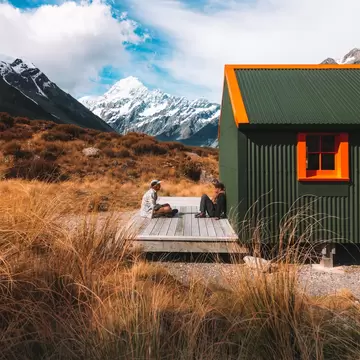
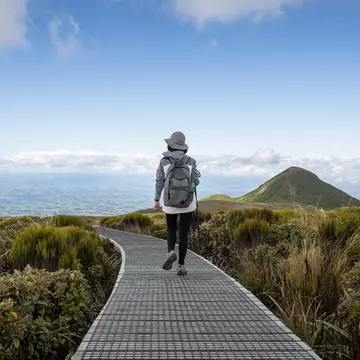
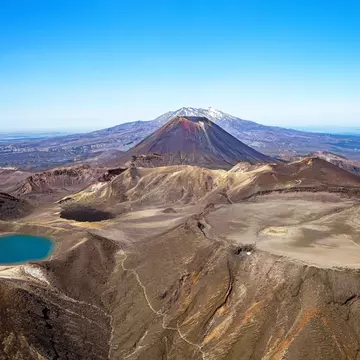
Hiking (known as “tramping” locally) is one of New Zealand’s most popular pastimes, with well-established wilderness tracks, shelters (called “huts”) and campsites throughout the country. Highlights include the meandering forest trails of the Rakiura Track on compact Stewart Island/Rakiura and the beach-fringed Abel Tasman Coast Track in the Nelson Tasman region. Anchoring the rugged geothermal heart of the North Island is Tongariro National Park, where the Tongariro Alpine Crossing is a single-day wilderness experience skirting two volcanoes and taking in views of craters, iridescent lakes and the sprawling Central Plateau.
Planning tip: All of New Zealand’s 11 Great Walks are very popular, and the Department of Conservation caps visitor numbers at a safe and sustainable level. To secure a spot, you’ll need to book in advance when the Great Walks reservation system opens, usually around May.
New Zealand’s first – and arguably best – multiday cycling experience is the Otago Central Rail Trail. An undulating ride through sunbaked southern landscapes and the heritage streetscapes of former gold-mining towns, it takes 4–6 days to complete. Along the way, you can feast on locally grown summer stone fruit, visit contemporary vineyards known for world-class pinot noir and toast the end of each day with a well-earned beer at historic pubs. E-bikes are a convenient option to maximize your enjoyment of this classic South Island experience, with operators throughout the region offering rentals and guided tours.
Detour: Linking the towns of Cromwell and Clyde, the 55km Lake Dunstan Trail traverses the spectacular Cromwell Gorge via an 85m-long suspension bridge and a spectacular cantilevered wooden biking track.
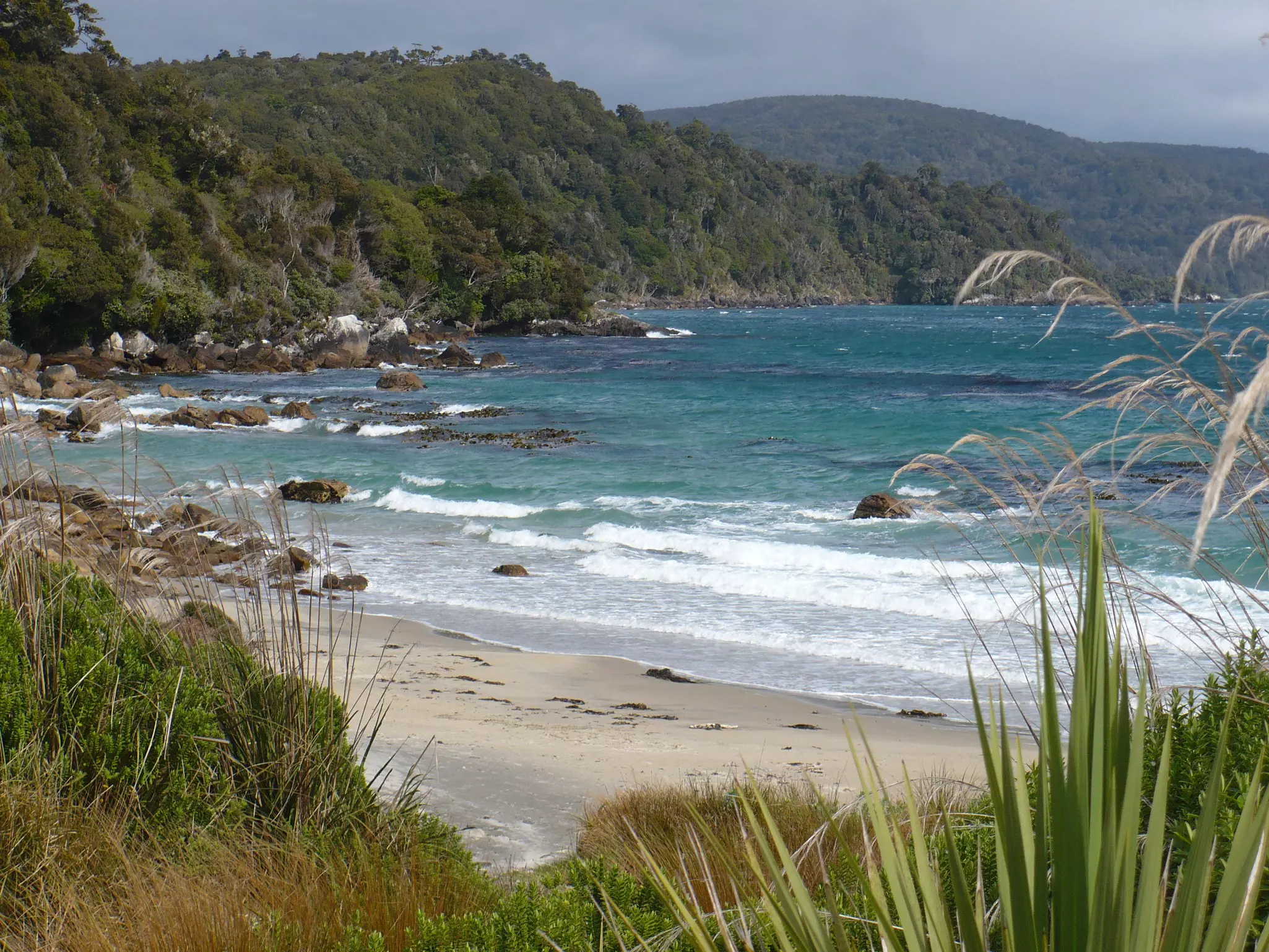
At the southern tip of the South Island, Stewart Island/Rakiura is a rugged community of around 400 hardy souls. Birdlife around Stewart Island/Raikura, where 85% of the land is protected by Rakiura National Park, and the adjacent islet of Ulva Island/Te Wharawhara includes rare hoiho (yellow-eyed penguins), raucous kākā (a type of parrot) and mellifluous bellbirds. However, the undoubted avian highlight is seeing tokoeka (Southern brown kiwi) in the wild. Join a twilight expedition with local operators like Beaks & Feathers and Ruggedy Range Wilderness Experience to see the beloved national bird snuffling about on beaches and in the forest. Visit from March to September to potentially glimpse the aurora australis (southern lights), the inspiration for Stewart Island’s Māori name: Rakiura, which means “Glowing Skies.”
Planning tip: Ferries take 1 hour to cross the Foveaux Strait from Bluff on the mainland to Stewart Island/Rakiura. The crossing can sometimes be rough, so an alternative is a 20-minute flight from Invercargill.
Attracted by the nutrient-rich waters of the Kaikōura Canyon, a submarine valley just 800m off the east coast of New Zealand’s South Island, various whale species visit the coastal town of Kaikōura throughout the year. Join a boat trip with Whale Watch Kaikōura, owned and operated by the local Ngāti Kuri iwi, to see visiting humpback, orca, southern right and pilot whales. Resident marine mammals include sperm whales, dolphins and kekeno (New Zealand fur seals). The pelagic bird-watching here is also some of the best on the planet.
Planning tip: Kaikōura translates from te reo Māori as “Eat Crayfish.” The spiny crustacean is a popular item on pub menus and at roadside food caravans around the region. Try one at Nin’s Bin or Kaikōura Seafood BBQ.
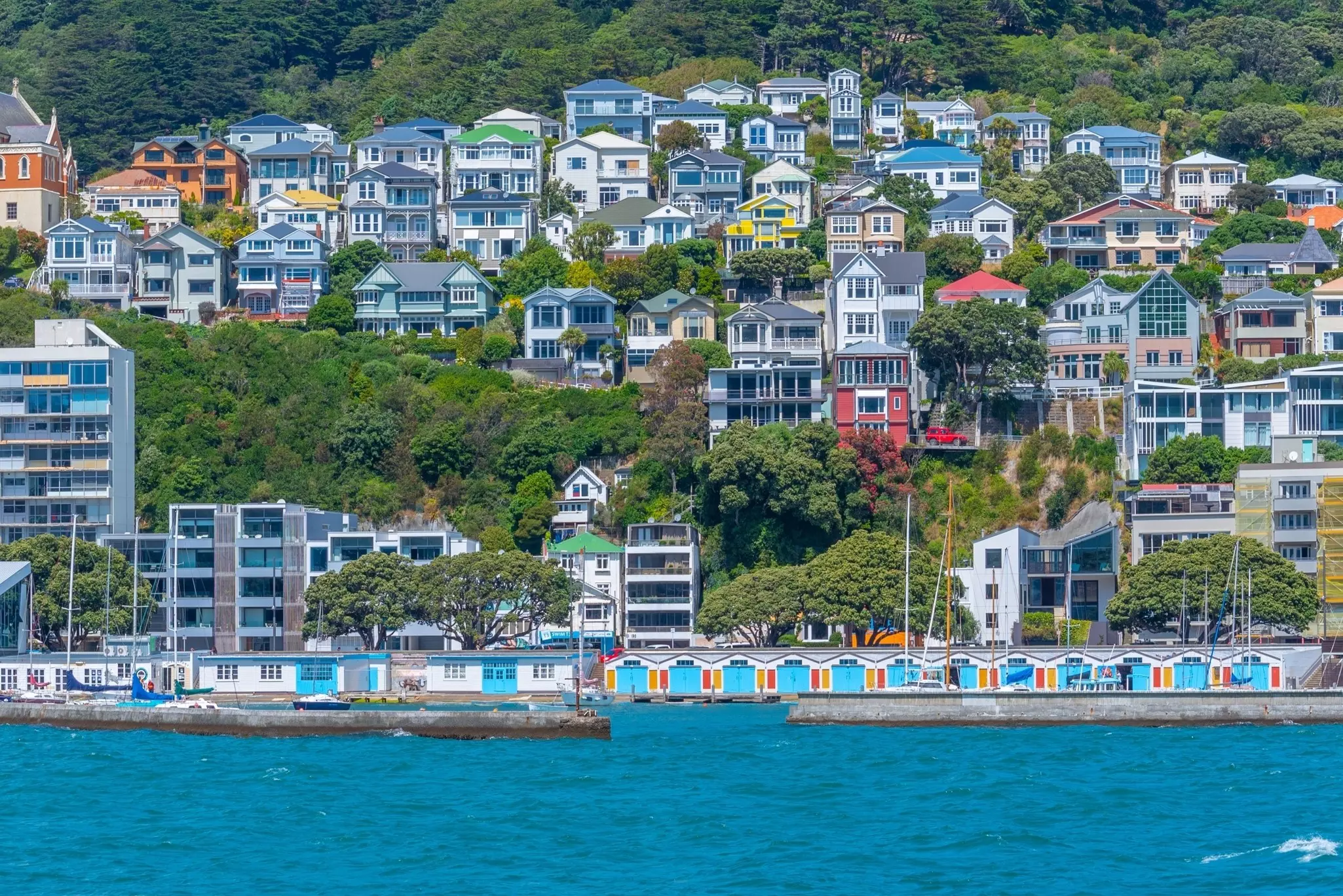
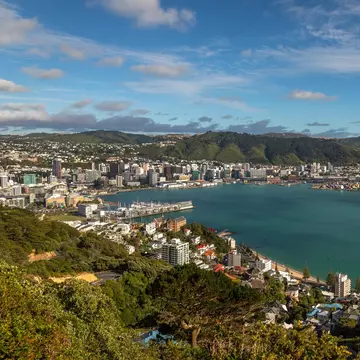
Compact and walkable, New Zealand’s harbor capital of Wellington is the ideal urban destination to complement adventures in Aotearoa’s great outdoors. Explore the city’s pioneering craft beer heritage at local breweries, including Garage Project, Heyday and Parrotdog, before learning about the movie-making magic of The Hobbit and Lord of the Rings franchises at Wētā Workshop. The nation’s capital is also famous for its appreciation of good coffee, with award-winning baristas, plus a vibrant arts and live music scene featuring free events hosted throughout the year.
Planning tip: Visit (and book accommodation well ahead) for the Beervana craft beer festival in August. Also popular is Wellington on a Plate, an annual celebration of the city’s dynamic culinary scene.
Rocked by an earthquake in 1931, the Hawke’s Bay cities of Napier and Hastings were rebuilt in the popular architectural styles of the day, and now the region boasts some of the world’s best-preserved art deco and Spanish mission architectural precincts. From Napier’s Norfolk pine-trimmed Marine Parade, join a walking tour of the city’s cavalcade of art deco buildings, some also decorated with the cross-cultural influence of traditional Māori design motifs.
Detour: New Zealand wine making began in Hawke’s Bay in the 1850s, and the region’s well-established vineyards and excellent winery restaurants are best explored on two wheels. See On Yer Bike for rental details and wine trail recommendations.
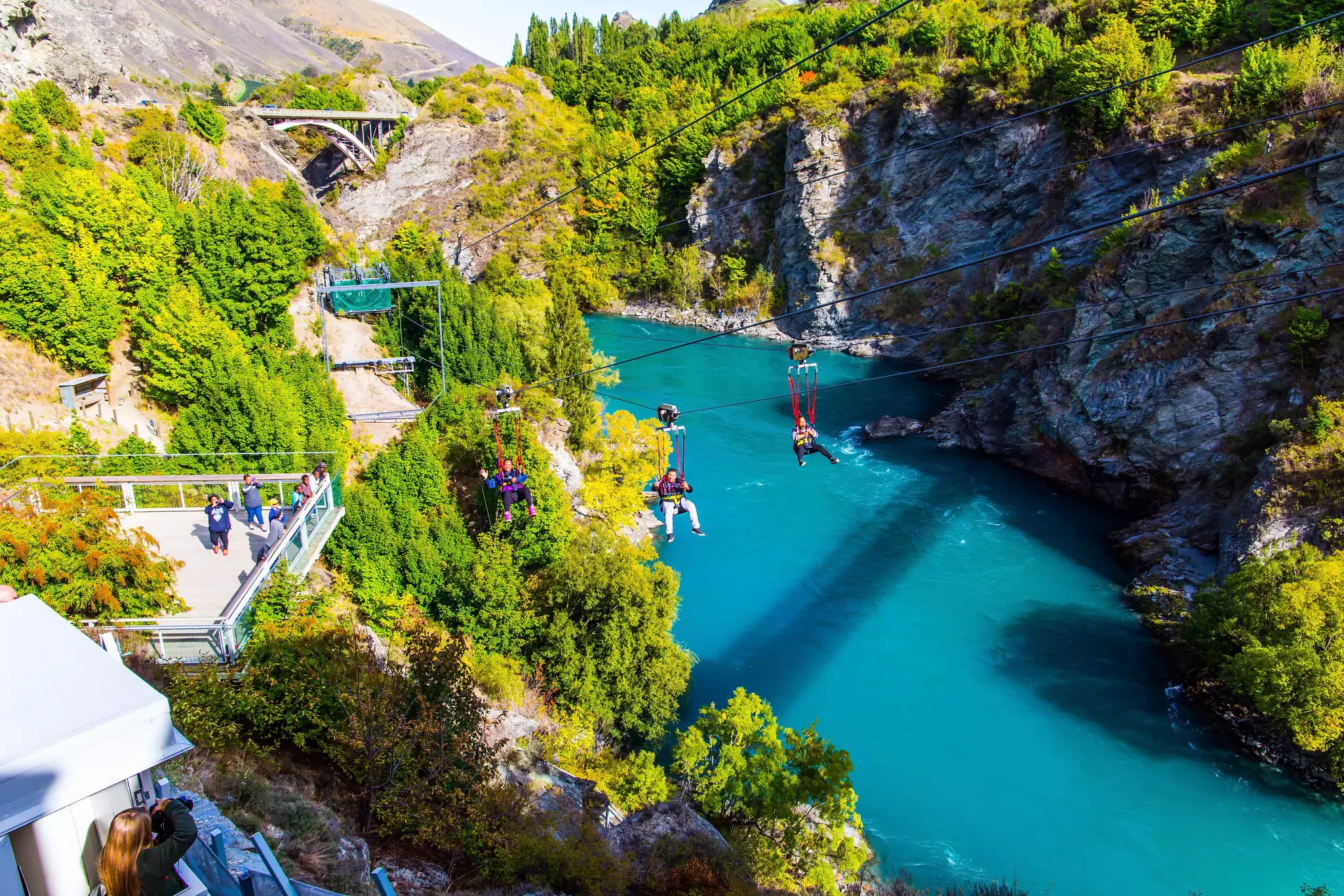
Nowhere else in New Zealand reinforces the country’s reputation for adrenaline-fueled adventure activities like Queenstown. Amid beautiful lake and subalpine scenery, definitely sign up for a bungee jump. (It’s almost mandatory – the breathtaking leap of faith was invented in New Zealand, after all.) Other thrill rides include Oxbow Adventures’ exciting combo of jet sprint boats (which can reach up to 100km/h in just 2.5 seconds) and extreme 4WD off-roading. After all the action, adjourn to Altitude Brewing’s lakeside location for great beers and tasty visits from local food trucks.
Detour: Reached via a scenic road over the Crown Range, Wānaka is Queenstown’s less manic Southern Lakes sibling. Catch a boat on Lake Wānaka to explore the island bird sanctuary of Mou Waho.
Cruising through Piopiotahi/Milford Sound on a day trip is popular, but a better strategy for experiencing the scale, spectacle and stillness of Fiordland’s most famous sheltered anchorage is to explore it by kayak. Hook up with Rosco’s Milford Kayaks for the ultimate on-the-water views of the cascading quicksilver waterfalls and massive forest-covered cliffs. Sunrise classic tours loop for 10km around the sound and depart well before the inevitable arrival of day-trippers visiting from Te Anau or Queenstown.
Detour: Fiordland’s Doubtful Sound/Patea (meaning “Place of Silence” in te reo Māori) is even quieter and less visited than Piopiotahi/Milford Sound. Join a guided kayak tour with Te Anau–based Doubtful Sound Kayak, or stay overnight on the MV Fiordland Jewel with Fiordland Discovery.
Book your New Zealand trip with Lonely Planet Journeys
See New Zealand how it's meant to be seen
Planned by local experts and tailored to you, Lonely Planet Journeys handles the logistics so you can just enjoy the trip. Tell us what you want and we'll build your New Zealand itinerary from scratch, or browse our bookable trips to get inspired.


Explore related stories